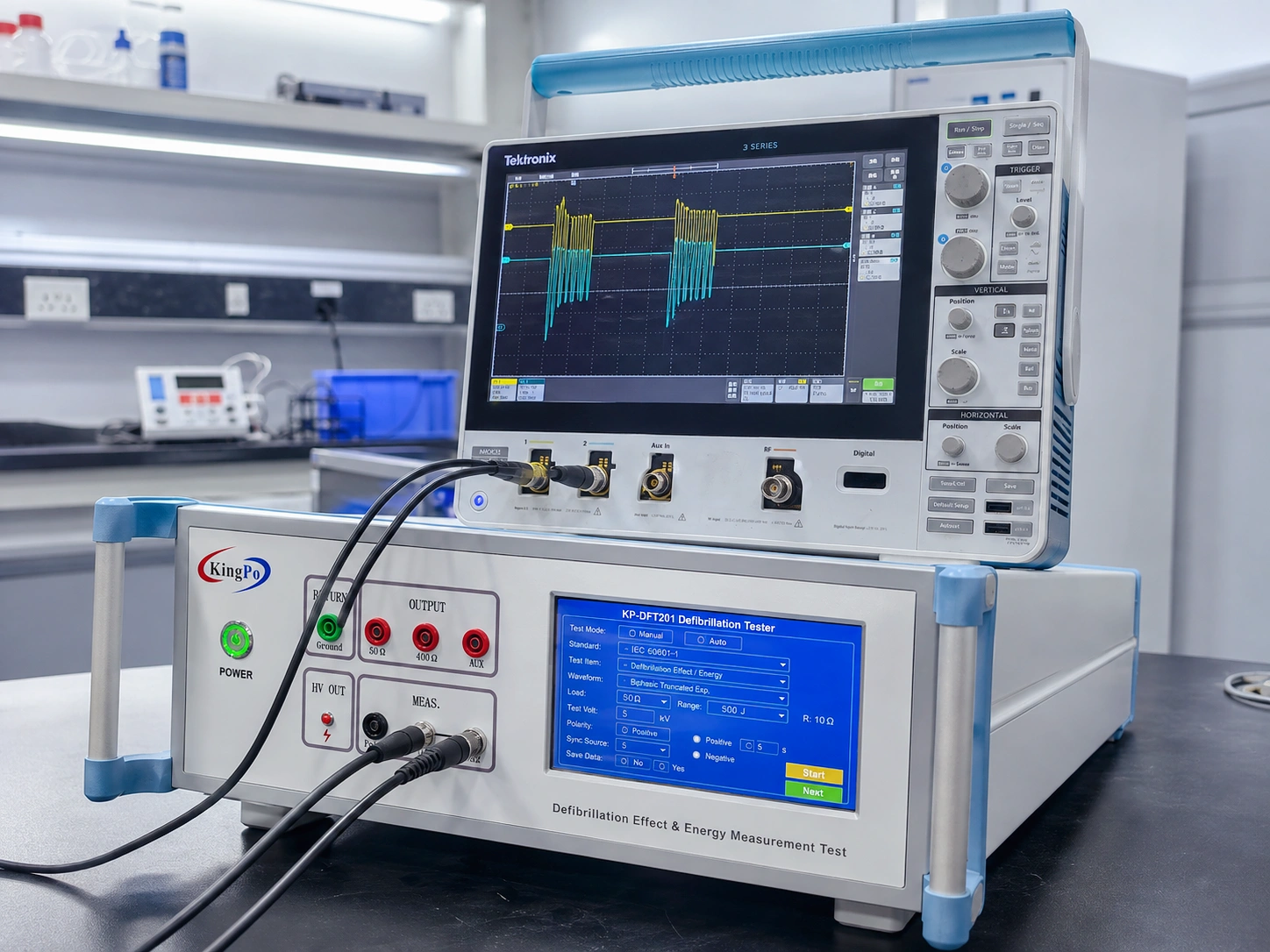
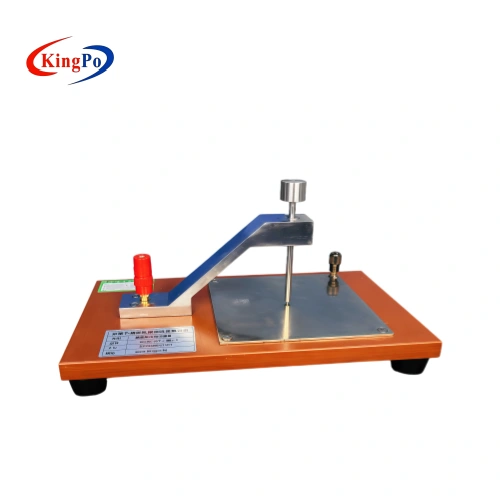
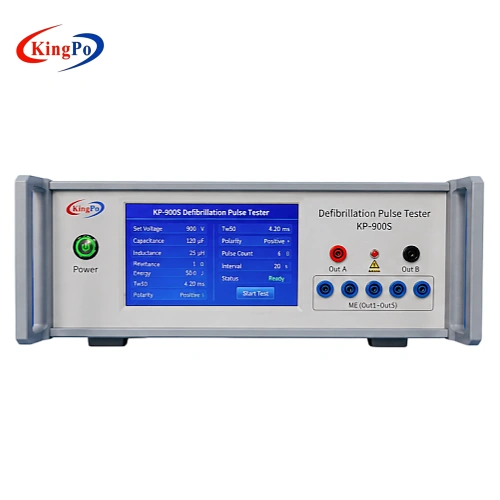
Imagine if a medical device stopped working from a sudden power surge. Even one electrical problem can put a patient in danger. Safety is the most important thing. You use a dielectric strength tester to make sure every device is safe. New dielectric testing, like with the KP-1230S, helps you follow new rules and keep things safe. Dielectric testing is not a choice—it is needed for real safety.
Key Takeaways
-
Dielectric strength testers make sure medical devices are safe with high voltages.
-
Testing stops electrical problems that might hurt patients or workers.
-
Using standards like IEC 60601 means devices follow world safety rules.
-
Testing often during design and making keeps devices safe and working well.
-
New testers like the KP-1230S give exact control and follow new safety rules.
Role of Dielectric Strength Tester in Medical Devices
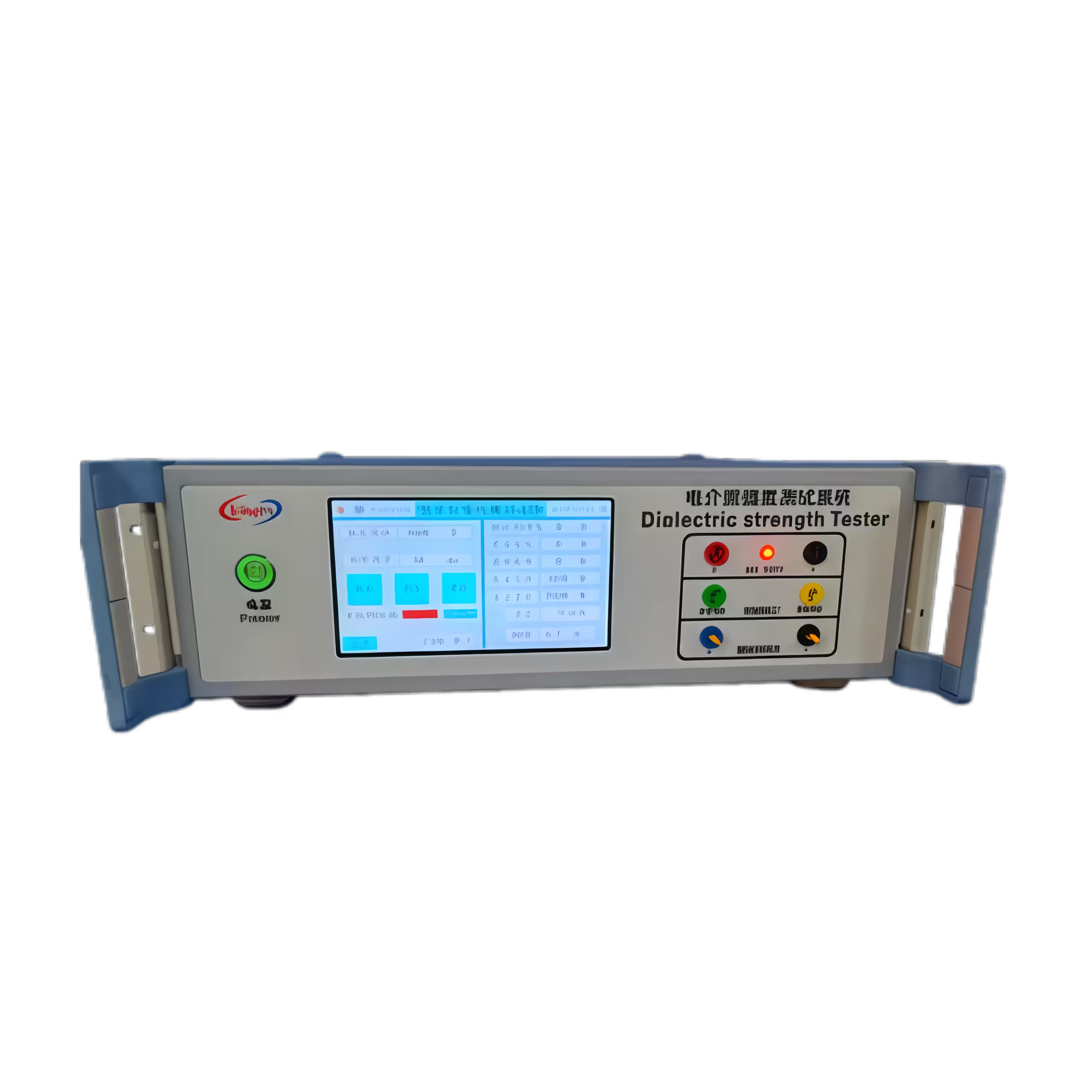
Safeguarding Device Reliability
You want medical devices to be safe and work well. A dielectric strength tester checks if a device can handle high voltages. This test shows if the insulation inside is strong. If the insulation does not work, the device might stop or hurt someone.
Dielectric testing makes sure devices follow strict rules like IEC 60601. These rules help keep people safe by setting standards for electrical safety. When you follow these rules, you protect patients and help people trust your products.
Dielectric strength testers help devices stay reliable in many ways. The table below explains the main ways:
|
Mechanism |
Description |
|---|---|
|
Dielectric strength testing |
Checks if insulation is strong and if devices can handle high voltages. |
|
Leakage current testing |
Makes sure only a tiny current goes to the wrong place, keeping patients safe. |
|
Environmental testing |
Tests if devices work in tough places, like when it is very hot or wet. |
|
Durability testing |
Checks if devices can handle being used a lot, dropped, or cleaned in hospitals. |
You need to use dielectric testing during every step of making a device. This means during design, building, and before sending it to hospitals. Doing this lowers the chance of device problems and helps you follow safety rules.
Preventing Electrical Failures
You can stop many electrical problems before they hurt anyone. Dielectric testing finds weak spots in insulation and wires. Without this test, devices like infusion pumps and dialysis machines can break more often. For example, studies show infusion pumps fail 9% of the time and dialysis machines fail 12.6% of the time without proper dielectric testing. These failures can cause dangerous problems in hospitals.
Here are some electrical problems you can stop with dielectric testing:
-
Stops electric shock
-
Stops arc faults
-
Stops insulation breakdowns
You use dielectric strength testers to look for these issues. This testing keeps patients and health workers safe. You also follow important rules and standards by using these testers. When you do dielectric testing, you show you care about safety and quality in every device.
Tip: Doing dielectric testing often helps you find problems early, saves money, and keeps people safe.
Understanding Dielectric Testing
What Is Dielectric Testing?
You have to check if medical devices can handle real electricity. Dielectric testing helps you do this job. Some people call it Hi-Pot testing. This test checks if the insulation inside a device can take high voltage. If the insulation fails, electricity might leak out. This could hurt a patient or a health worker.
Here is what happens during dielectric testing:
-
You put a certain voltage between two points, like input and output or live parts and ground.
-
The test checks if the insulation stops current from leaking.
-
You can find weak spots that might cause safety issues.
-
This testing helps you follow strict health and safety rules.
Dielectric testing is very important for quality checks. It helps you find problems before devices go to hospitals or clinics. You keep patients and staff safe by making sure every device passes this test.
How Dielectric Strength Testers Work
A dielectric strength tester lets you do these tests. You connect the device to the tester. The tester sends high voltage through the insulation. You watch to see if any current leaks out. If the insulation works, the device passes. If not, you know there is a problem.
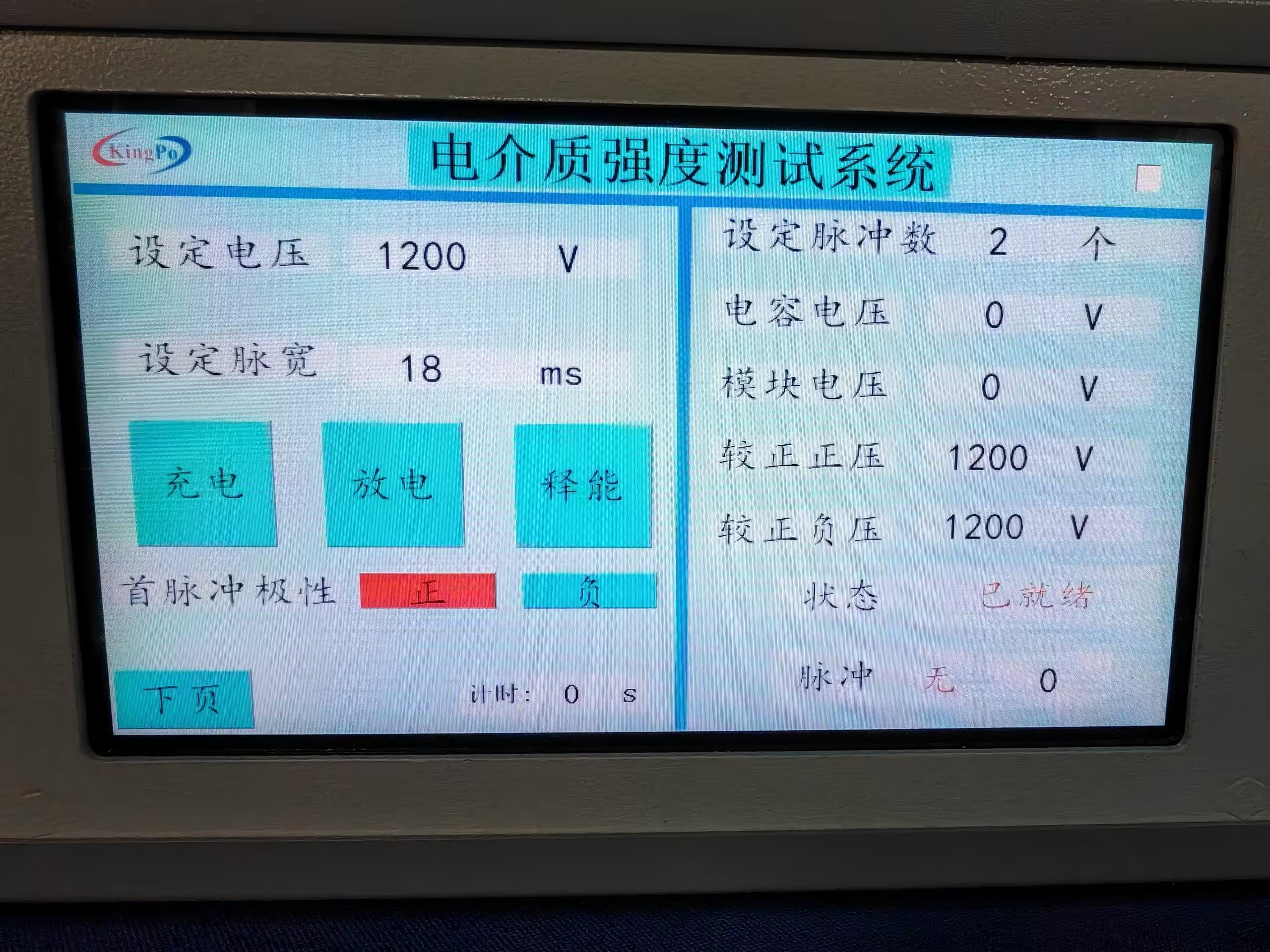
Modern testers, like the KP-1230S, use new technology to make testing safe and correct. You get clear results that help you make better devices. These testers also help you follow the newest rules for medical devices. Using a dielectric strength tester makes sure your devices are safe and protect people’s health.
Note: Doing dielectric testing often keeps your devices safe and working well. It also helps you keep up with new rules in the medical field.
Dielectric Testing Standards and Compliance
IEC 60601-1 and IEC 62353
You have to follow strict rules when making medical equipment. IEC 60601-1 is a very important safety standard for medical devices. This standard explains how to do dielectric testing to keep people safe. You must check that every patient applied part can handle high voltage. This helps stop electric shock and keeps devices working well.
IEC 62353 is another important standard. It focuses on safety testing during the device’s life. You use this standard to check devices after repairs or during regular checks. Both IEC 60601 and IEC 62353 help you meet global safety rules. They guide you on testing insulation, measuring leakage current, and following new regulations.
Many global standards need dielectric testing. Here are some examples:
-
UL 60950 covers computers and asks for dielectric tests.
-
IEC 60601 is for medical equipment and needs strong dielectric testing.
-
IEC 61010 is for lab tools and asks for dielectric withstand tests.
-
ISO 6469 is for electric cars and includes dielectric voltage tests.
These standards help you protect health and safety in every device.
ISO 27186:2020 and YY/T 0972-2016
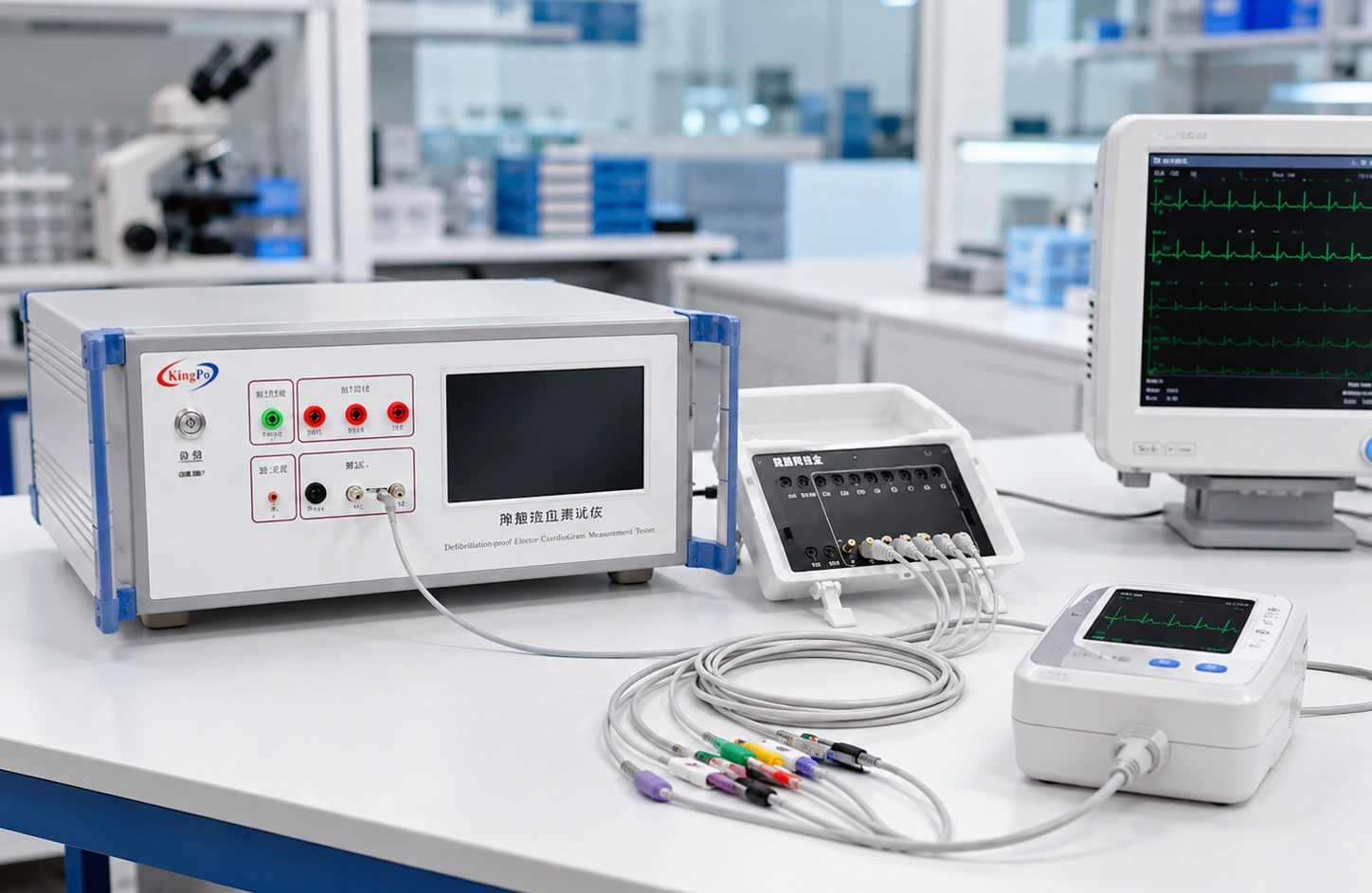
Some devices, like pacemakers and defibrillators, need even stricter rules. ISO 27186:2020 and YY/T 0972-2016 are special standards for implantable medical devices. These rules explain how to do dielectric testing for connector systems. You must make sure connectors can handle real defibrillation pulses without damage.
You use a dielectric strength tester, like the KP-1230S, to meet these standards. This tester can create the exact high-voltage pulses needed for testing. It checks if connectors stay safe and strong during real shocks. You get clear results that help you prove you follow the rules. This keeps your devices safe for patients and meets global standards.
Regulatory Impact on Medical Devices
Rules change often. You must keep up with new rules to sell your devices everywhere. Dielectric testing is a key part of following the rules. If you skip this step, you might fail audits or lose market access. You also put patient safety at risk.
When you follow safety standards, you show you care about health and safety. You also build trust with hospitals and doctors. Advanced testers like the KP-1230S help you meet all the latest standards. They make testing easy, fast, and correct. You can use them for research, design, and production.
Note: Always check the newest standards before you start testing. This helps you stay ahead of new rules and keeps your devices safe.
You need to make dielectric testing a regular part of your work. This helps you find problems early and keeps your devices safe for everyone.
Ensuring Electrical Safety in Medical Devices
Electrical Safety Risks
There are many dangers when using medical equipment. Electricity can act in ways you do not expect. If insulation breaks, high voltage can get out and hurt people. Dielectric testing helps you find these problems early. You use dielectric strength testers to check for leaks and device failure. These risks can cause electric shock, burns, or even fires in hospitals.
Dielectric testing is needed for every patient applied part. You want each part to meet safety standards like iec 60601. When you do full testing, you look for weak spots in insulation. You also check if devices can handle sudden power surges. This makes medical device testing safe and reliable.
Here is how dielectric strength testers help lower risks:
-
You find empty spaces or dirt that could cause trouble.
-
You make sure the device can take extra voltage without breaking.
-
You stop dangers like electric shock or fire.
Note: Doing dielectric testing often lowers the chance of accidents and keeps your health care area safe.
Patient and Operator Protection
You want to keep both patients and workers safe. Dielectric testing helps you know devices will not fail when used. When you do full testing, you make sure every device is safe for people who need it. You check insulation and connectors to stop electrical leaks.
Safety is the most important thing. You use dielectric strength testers to follow strict rules. This keeps patients healthy and care teams safe. You also follow world rules for medical device testing. When you test devices often, you help hospitals and clinics trust your products.
Dielectric testing is more than just passing a test. It is about making sure everyone is safe from electrical harm. You keep patients safe from shocks and workers safe from injury. You make sure every medical device works the right way.
Tip: Always use dielectric testing in your quality checks. This helps you follow rules and keeps your health care team and patients safe.
Practical Application and Advanced Testers
Testing Procedures and Documentation
You must follow clear steps for dielectric testing. This helps you find weak spots and keep patients safe. Here is a simple way to do the test: First, you put high voltage between live and grounded parts. Next, you measure leakage current to see if insulation works. Then, you compare the leakage current to a set limit. This tells you if the device passes or fails. You also control the test voltage, ramp time, and dwell time. If the device fails, the tester shuts down to protect you and the equipment.
Keeping good records is very important. You should calibrate your tester every year and save the certificates. You need to record every test, including voltage, current, and conditions. You must keep track of problems and how you fixed them. Use document control and keep training records for your team. These steps help you meet standards like iec 60601 and show you care about health and safety.
Features of Advanced Testers (e.g., KP-1230S)
Advanced testers like the KP-1230S give you more control and better results. This tester can make real defibrillation pulses. This is important for testing connector systems in implantable devices. The KP-1230S uses high-precision pulse control and can reach up to 1.53 kV. It has safety features like high-voltage isolation and emergency stop functions. These protect you during testing.
Discover the KP-1230S Tester
Learn more about how the KP-1230S can enhance your testing processes and ensure safety.
You can use this tester to check if connectors survive strong shocks. These shocks are like those from a real defibrillator. This helps you make sure your devices stay safe and reliable in any situation.
Lifecycle Use: R&D to Production
You use dielectric testing at every stage of making a medical device. In research and development, you test new materials and designs. This helps you find the best options. During design validation, you check if the device meets all safety rules. In production, you test every batch to make sure each device is safe before it goes to health care settings.
Dielectric testing helps you spot problems early, like insulation breakdown or material failure. This keeps your devices safe for patients and care teams. By using advanced testers and keeping good records, you meet global standards and build trust in your products.
Tip: Use dielectric testing throughout the device lifecycle. This makes sure you have quality and safety from start to finish.
You help keep medical devices safe and working well. Dielectric strength testers let you find problems before they get worse. This protects patients from harm. When you use standards like IEC 60601 and ISO 27186, you make devices safer and better. Advanced testers help you do your job faster and follow new rules.
|
Standard |
Benefit |
|---|---|
|
IEC 60601 |
|
|
ISO Standards |
Makes devices safer and work better |
Make dielectric testing a main part of your safety checks. This helps people trust your devices and gets them approved faster.
FAQ
What is dielectric strength testing in medical devices?
Dielectric strength testing checks if insulation can take high voltage. This test finds weak spots that might cause shocks or device problems.
Why do you need to test implantable devices like pacemakers?
Implantable devices get strong electrical pulses, like from defibrillators. Testing makes sure these devices stay safe and work well inside the body.
How often should you perform dielectric strength tests?
You should test when you design, after repairs, and before shipping. Regular testing helps you find problems early and keeps devices safe for patients.
What features make advanced testers like the KP-1230S important?
Advanced testers give you exact control and real pulse simulation. They have strong safety features to meet rules and protect people.
Do dielectric strength testers help with regulatory compliance?
Yes. You use these testers to follow rules like IEC 60601 and ISO 27186. Passing these tests helps you sell your devices in many countries.