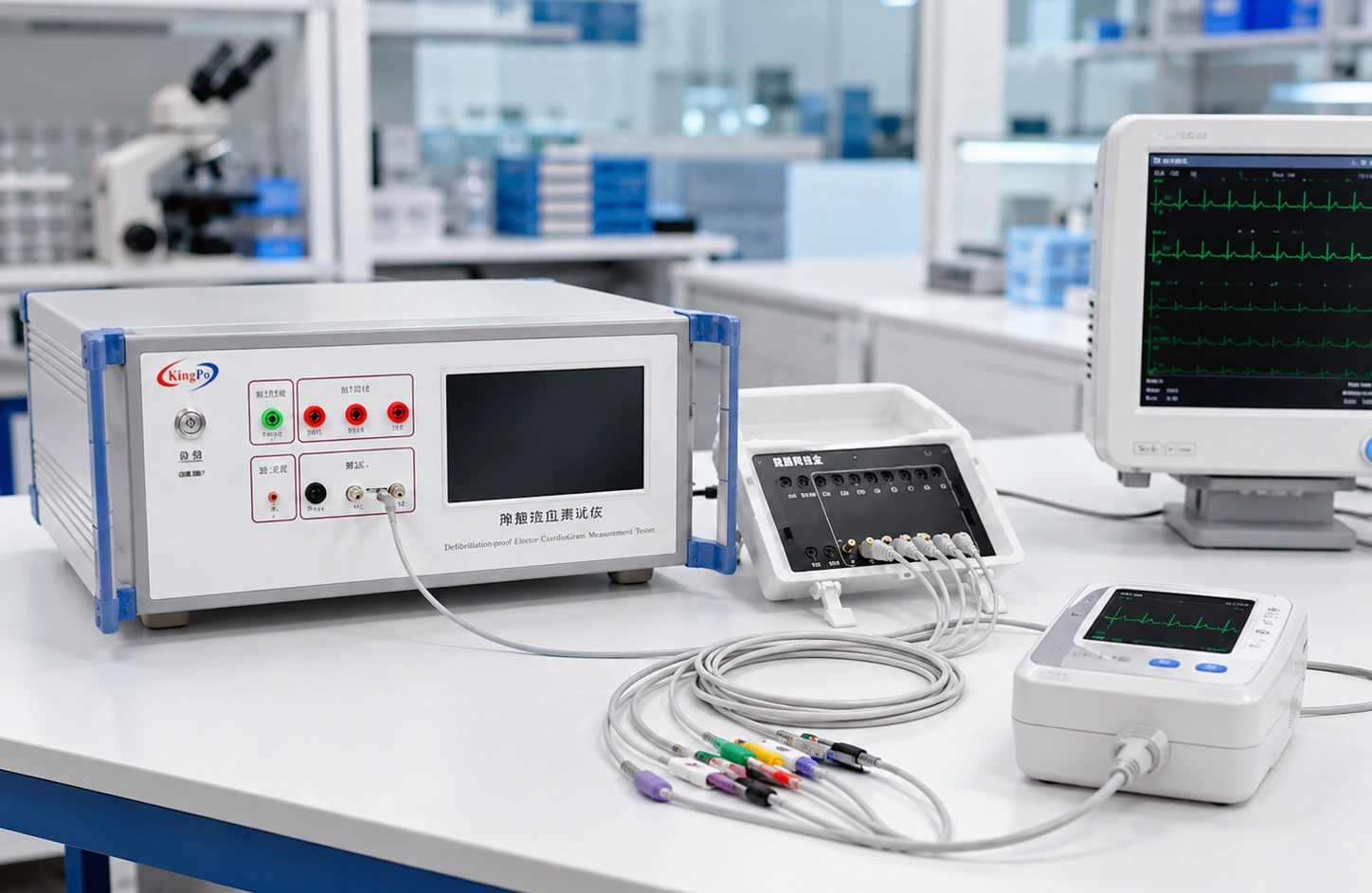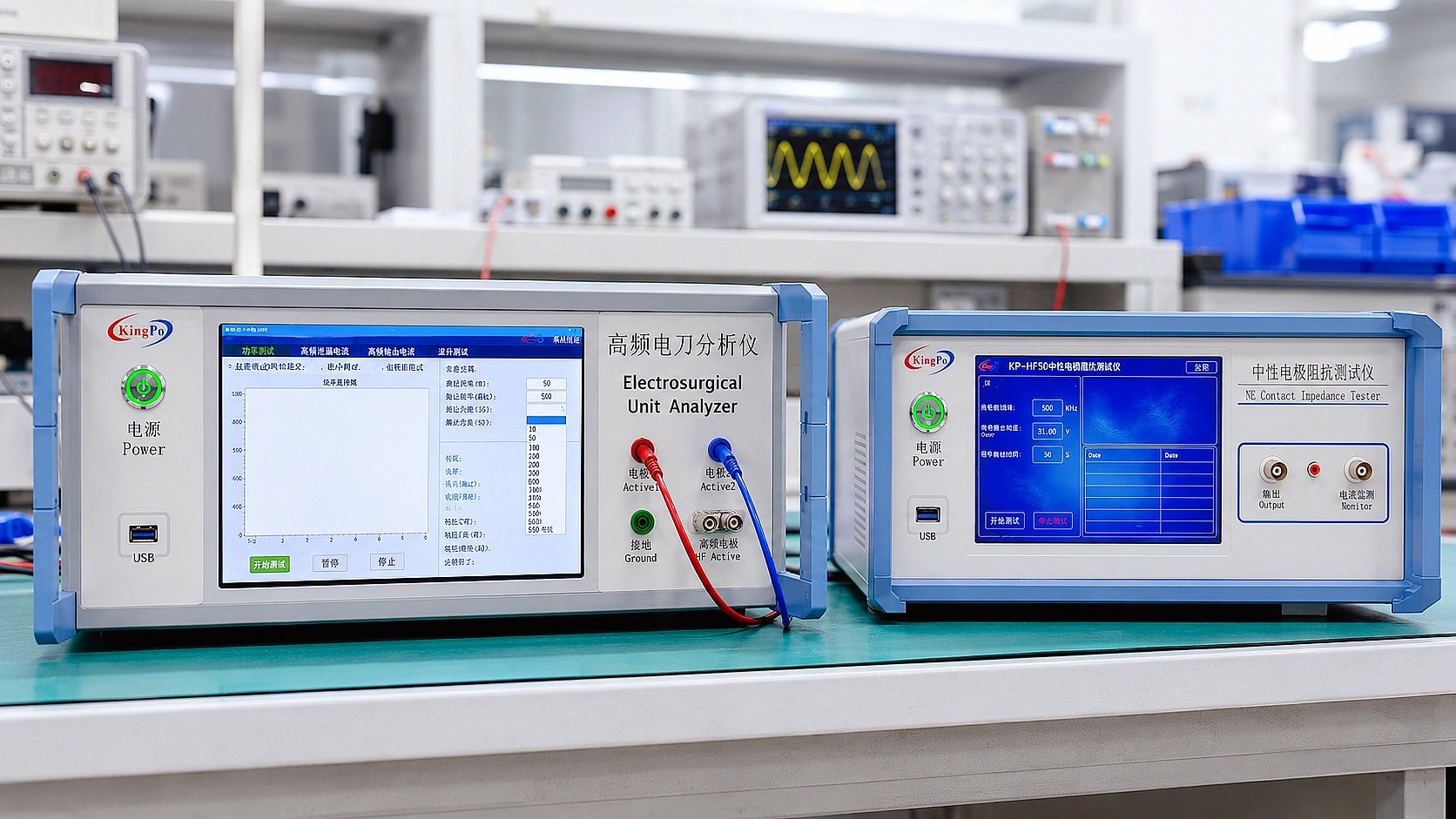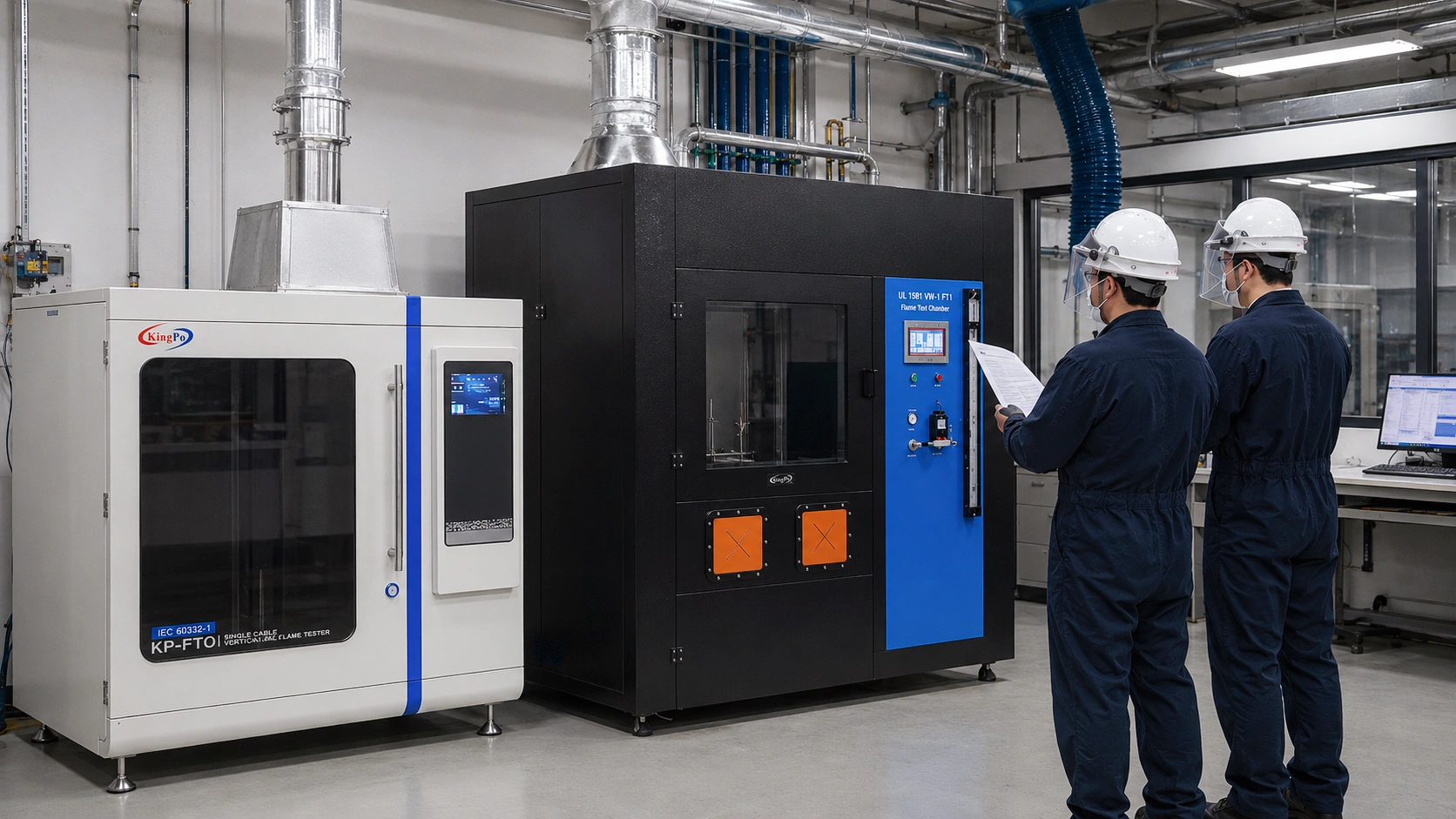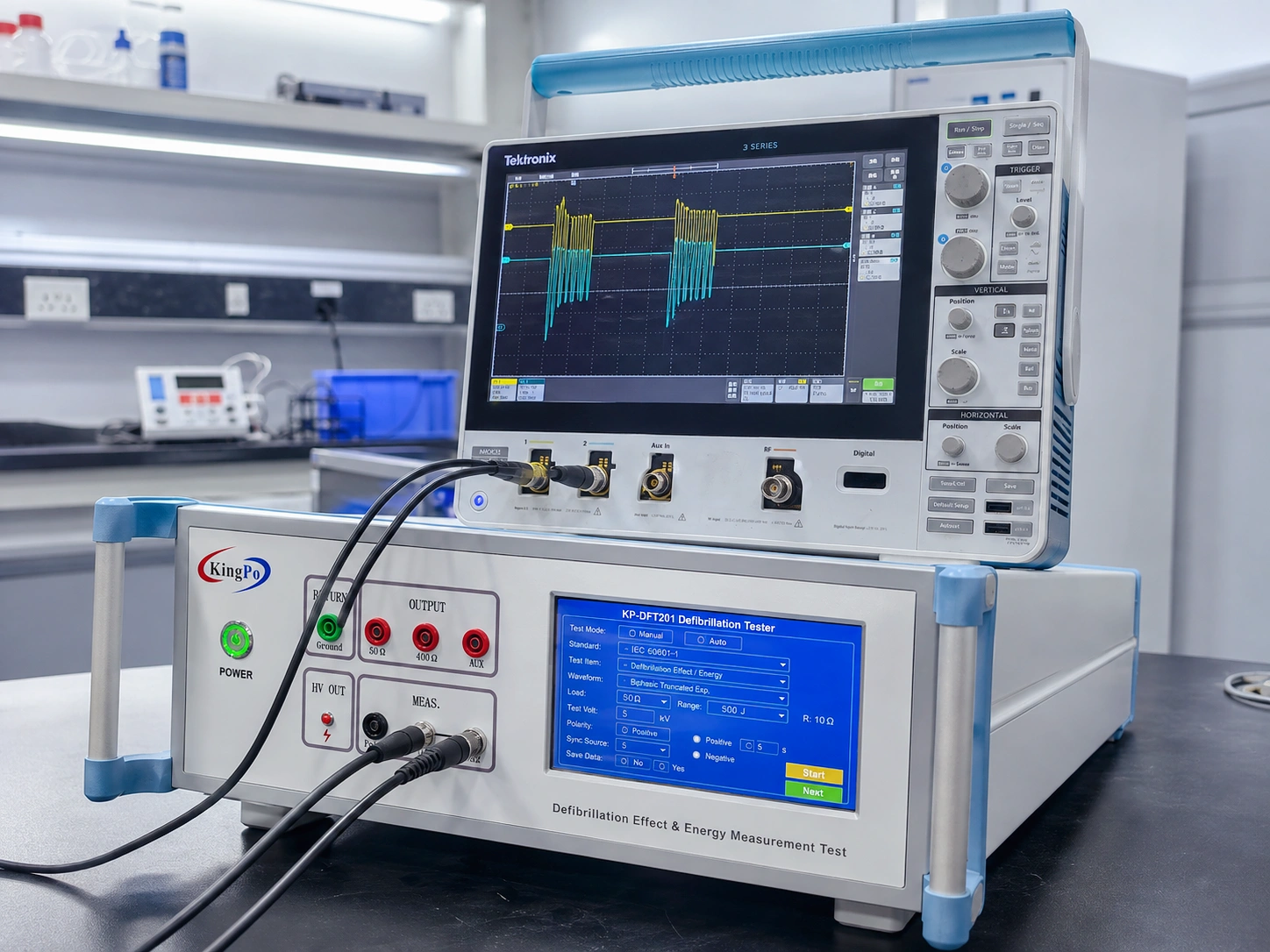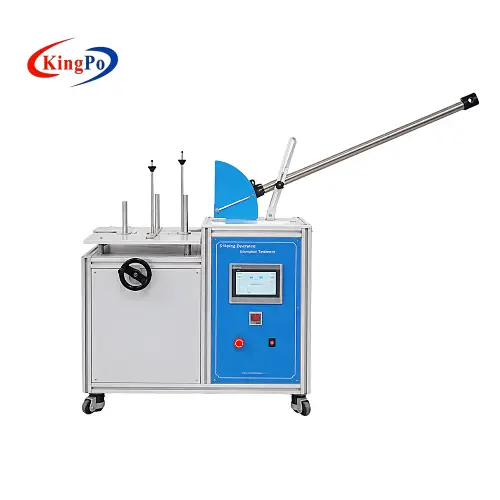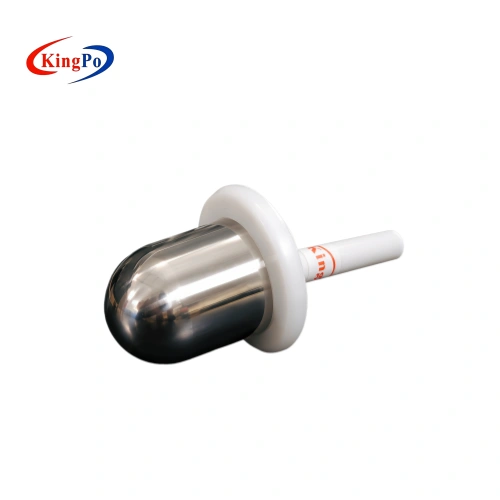
You rely on a water heater performance tester to check if your electric storage water heaters meet strict IEC 60335 standards. This system lets you measure both performance and safety, making sure your products protect users from hazards. Advanced features like dual-station testing, real-time monitoring, and automatic alarms help you catch any safety issues quickly and keep your testing efficient.
Accurate, standards-based testing gives you confidence in every result.
Key Takeaways
-
Understand IEC 60335-1 as the key safety standard for electric storage water heaters. Compliance ensures user protection and product reliability.
-
Utilize a water heater performance tester with dual-station design for efficient testing of both horizontal and vertical heaters simultaneously.
-
Leverage real-time monitoring to catch safety issues quickly. Instant feedback helps maintain safe performance during tests.
-
Conduct essential electrical safety tests, including leakage current and insulation resistance, to confirm compliance with IEC standards.
-
Regularly calibrate your testing equipment to ensure accurate measurements. Annual calibration and quarterly checks are recommended.
-
Document all test results meticulously. Clear records support compliance verification and facilitate audits.
-
Stay updated on changes to IEC standards. Continuous learning helps maintain compliance and product safety.
-
Invest in operator training to enhance testing accuracy. Well-trained staff reduce errors and improve overall testing quality.
IEC 60335-1 and Water Heater Compliance
Overview of IEC 60335-1
You need to understand the foundation of product safety for electric storage water heaters. IEC 60335-1 serves as the primary international standard for electrical appliances used in homes and similar environments. This standard sets out the general requirements that every appliance must meet to ensure user protection. The scope of IEC 60335-1 covers a wide range of products, including water heaters, and focuses on both performance and safety.
Here is a summary of the scope and application:
|
Aspect |
Description |
|---|---|
|
Scope |
Safety standards for electrical appliances used for household and similar purposes. |
|
Voltage Ratings |
Not more than 250 V for single-phase appliances and 480 V for others. |
|
Specific Application |
Includes specific requirements for electric storage water heaters under IEC 60335-2-21 standard. |
IEC 60335-1 works together with IEC 60335-2-21, which addresses the unique requirements for electric storage water heaters. You must follow both standards to ensure your products meet all necessary criteria.
Key Requirements for Water Heaters
When you test electric storage water heaters, you must pay attention to several key requirements set by the standard. IEC 60335-1 outlines general safety and performance rules, while IEC 60335-2-21 provides additional details specific to water heaters. These standards require you to check for electrical insulation, grounding, temperature control, and protection against electric shock. You also need to verify that the heater maintains safe surface temperatures and operates reliably under normal and abnormal conditions.
The standard demands that you test for:
-
Withstand voltage
-
Leakage current
-
Insulation resistance
-
Ground continuity
-
Heating performance
-
Outlet and case temperature
-
Power consumption
By following these requirements, you help ensure that your water heaters deliver consistent performance and protect users from hazards.
Why IEC Compliance Matters
You cannot ignore the importance of compliance with IEC 60335-1 and related standards. Meeting these requirements is not just about following rules; it is about ensuring the safety of your customers and the reputation of your brand. If you fail to comply with the standard, you may face serious consequences:
-
Manufacturers who do not comply with IEC 60335 for water heaters risk rejection of licenses.
-
Non-compliance can result in product recalls.
-
Legal penalties may be imposed.
-
Brand reputation can suffer significant damage.
Compliance with IEC 60335-1 is essential for electric storage water heater manufacturers. It guarantees that your products meet safety and performance requirements. This compliance is a key factor for gaining access to various markets that mandate certification for electrical appliances. When you meet the standard, you improve your competitiveness and foster consumer trust.
You should view IEC 60335-1 as more than just a safety standard. It is a critical tool for building reliable products, gaining market approval, and protecting your business from costly setbacks.
Water Heater Performance Tester Functions
Essential Features
Dual-Station Design
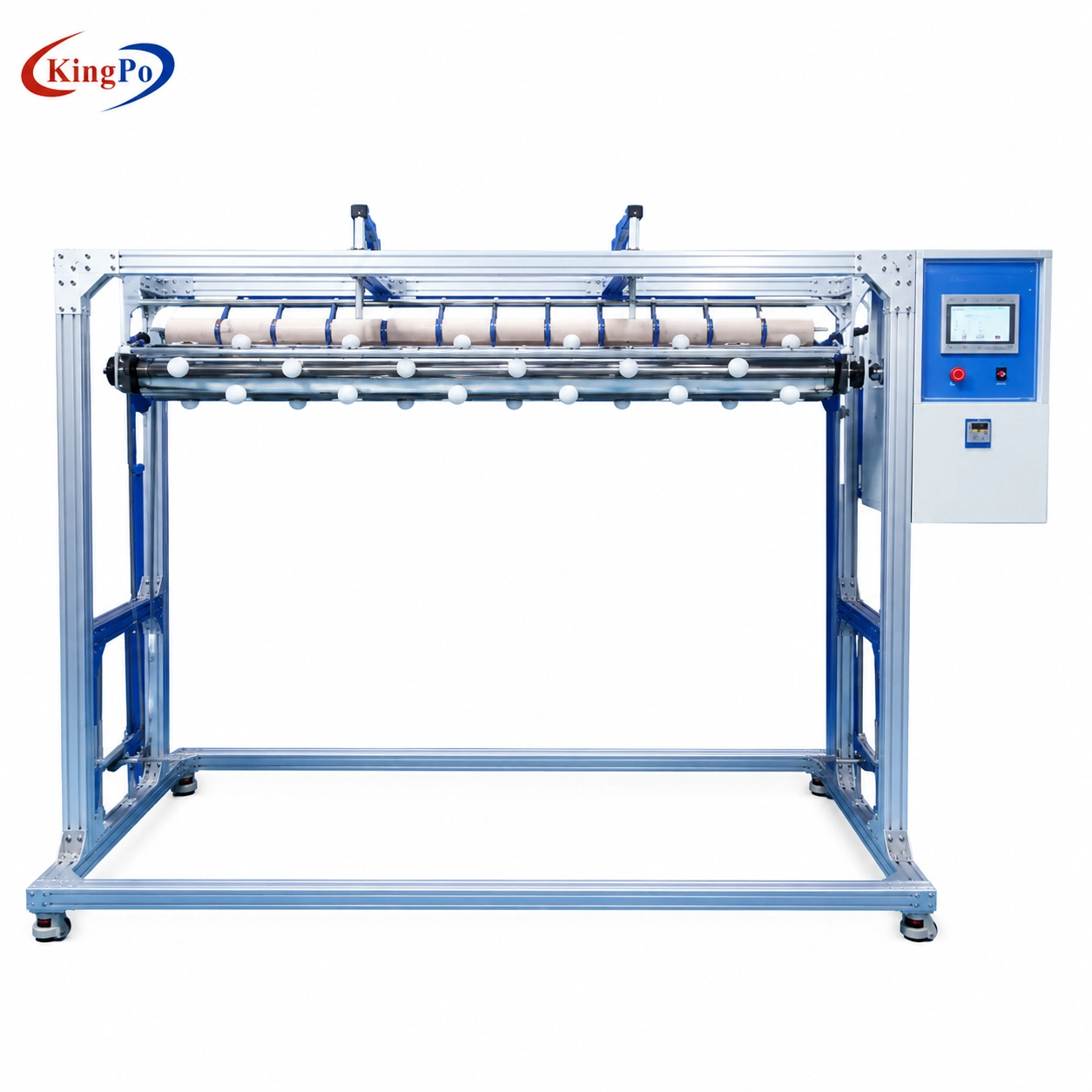
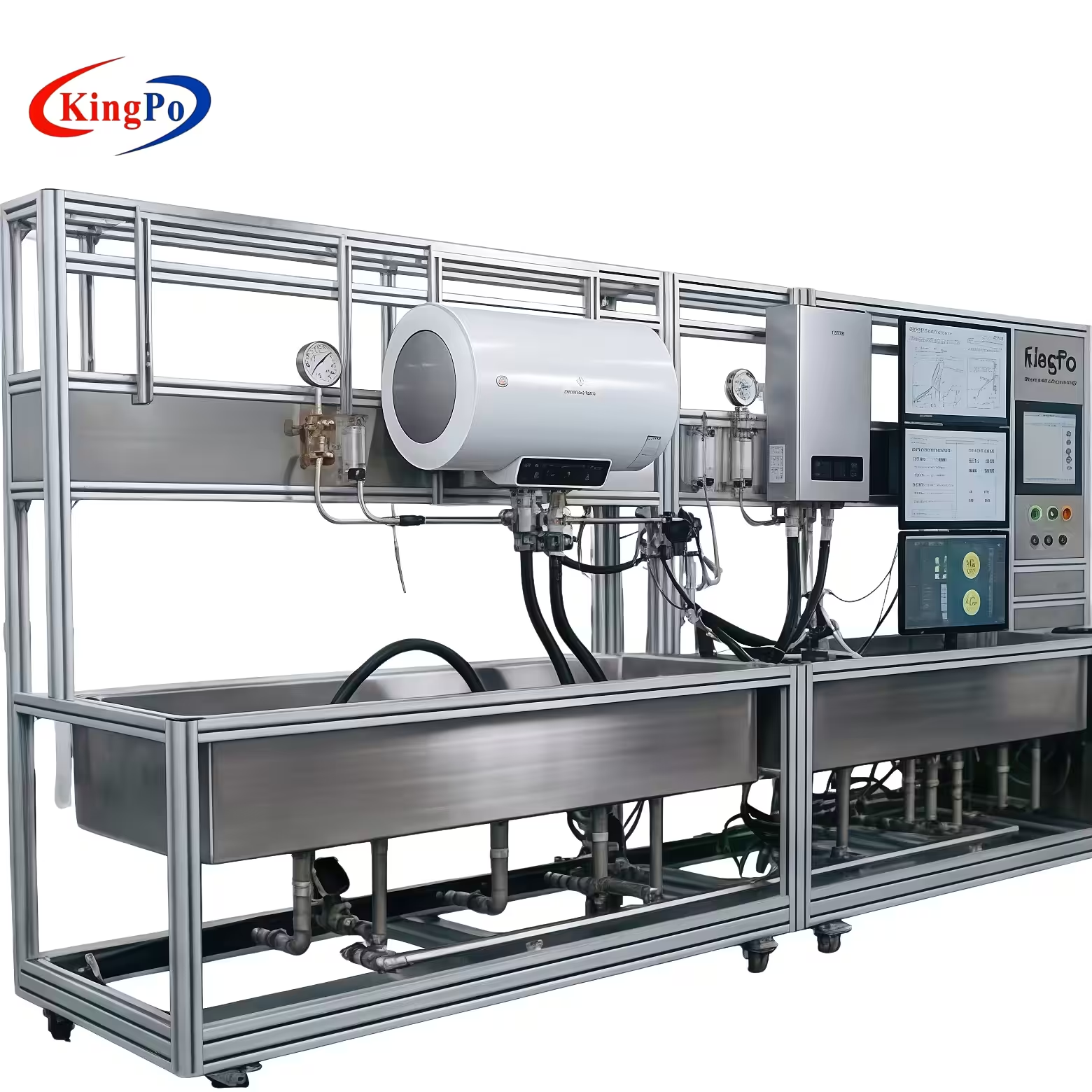
You benefit from the dual-station design of the water heater performance tester. This system includes both horizontal and vertical stations. The horizontal station measures 110 cm in length, while the vertical station stands 80 cm tall. Each station supports loads up to 150 kg. You can test two water heaters at the same time. Adjustable hooks help you position each heater precisely. This feature saves you time and improves accuracy. You can test both types of heaters without switching setups.
Real-Time Monitoring
You gain real-time monitoring with this tester. The system displays key parameters as you run tests. You see heating performance, outlet temperature, and case temperature instantly. You can spot any abnormal readings right away. This helps you maintain safe performance and catch issues before they become problems. Real-time feedback keeps your testing efficient and reliable.
Data Recording and Alarms
You rely on automatic data recording and built-in alarms. The water heater performance tester logs every measurement during testing. You can review the data later for analysis or reporting. Alarms alert you if any parameter goes outside the safe range. This protects your products and ensures compliance with IEC standards. You do not miss critical safety events.
Measurement Capabilities
Heating and Temperature Tests
You use the tester to measure heating performance and temperature. The system checks how quickly the water heater reaches the target temperature. It records outlet and case temperatures to verify safe operation. You confirm that the heater does not exceed safe limits. This supports IEC 60335-2-21 requirements for temperature control and user protection.
Electrical Safety Tests
You perform electrical safety tests with advanced features. The water heater performance tester measures leakage current with a resolution of 100nA. It checks insulation resistance up to 450GΩ. High-voltage testing validates insulation integrity. You also test ground continuity. These capabilities help you meet IEC 60335-1 and IEC 60335-2-21 safety standards. You ensure your water heaters operate safely.
-
Leakage current measurement with high resolution
-
Insulation resistance testing up to 450GΩ
-
High-voltage withstand tests for insulation integrity
Calibration and Accuracy
You maintain accuracy through regular calibration. Annual sensor recalibration is recommended. You should verify the flowmeter and pressure gauge every quarter. Regular cleaning of components keeps the tester performing well. Rigorous calibration and documentation practices are essential for compliance. You trust your results and meet IEC requirements.
Tip: Consistent calibration and maintenance help you achieve reliable and repeatable testing results.
You use the water heater performance tester to verify safe performance and compliance. Its advanced features and measurement capabilities make your testing process efficient and thorough.
Test Procedures for IEC Compliance

Preparing for the Test
Pre-Test Inspection
You start every test with a careful pre-test inspection. You check the water heater for visible damage, loose wires, or missing parts. You verify that the heater matches the specifications required for IEC 60335 verification. You confirm that all labels and markings are clear and correct. You inspect the power cord and plug for signs of wear. You make sure the protective earth connection is intact. You review the test station for cleanliness and proper calibration. This safety check helps you avoid errors and ensures reliable results.
Mounting and Setup
You mount the water heater securely on the appropriate station. The KingPo tester offers both horizontal and vertical stations. You use adjustable hooks to position the heater precisely. You check that the heater sits firmly and does not move during testing. You connect the power cord and water supply as specified. You set the power switch to “ON” if required. You verify that the protective earth is connected. You prepare the tester for real-time monitoring and data recording. You confirm that all sensors and probes are in place. You review the test parameters before starting the verification.
Electrical Safety Test Steps
Withstand Voltage
You perform the withstand voltage test to check insulation strength. You apply a high voltage between live parts and accessible metal parts, including the ground. You monitor for breakdown or leakage. IEC 60335 requires you to use specific voltages and durations. You follow these guidelines:
|
Test Voltage |
Max. I |
Test Time |
|
|---|---|---|---|
|
Performance |
500-2400 VAC x rated V + 2400 |
No Breakdown |
60 s |
|
Production |
400-2500 VAC |
5-30 mA |
1 s |
You record the results and check for any signs of insulation failure. You ensure the heater passes this test before moving forward.
Leakage Current
You measure leakage current to verify electrical safety. You connect the tester to the heater and monitor the current flowing from live parts to ground. IEC 60335 sets strict limits for leakage current. You use the tester’s high-resolution measurement to detect even small currents. You record the values and compare them to the standard. You confirm that the leakage current stays within safe limits. You repeat the test for both horizontal and vertical stations.
Insulation Resistance
You check insulation resistance to ensure the heater’s electrical parts are safe. You apply a test voltage between live parts and ground. You measure the resistance using the tester. IEC 60335 requires high insulation resistance, often up to 450GΩ. You record the readings and verify that the heater meets the threshold. You document the results for compliance verification.
Ground Continuity Testing
You conduct ground continuity testing to confirm the integrity of the protective earth. You follow a step-by-step process:
-
You test the heater when it is cold and de-energized. You set the power switch to “ON” if needed.
-
You disconnect the heater from the mains supply.
-
You connect one probe to the earth pin of the plug or earth terminal. You connect the other probe to each accessible conductive part, such as metal casings, knobs, handles, screws, and any part intended to be earthed.
-
You apply a test current for a few seconds to get a stable reading.
You measure the earth resistance of the power cord. You use the formula: maximum allowable resistance = 0.1 Ω + measured value. For example, if the measured resistance is 0.08 Ω, the maximum allowed is 0.18 Ω. You check that every accessible part has a resistance to ground of ≤ 0.18 Ω. You document the results for verification.
Tip: Ground continuity testing is essential for confirming the safety of the protective earth connection. Always check every accessible part.
Performance and Efficiency Tests
Heating Performance
You evaluate heating performance using the tester. You measure how quickly the heater warms water to the target temperature. You monitor the heating cycle and record the time taken. You check that the heater meets IEC 60335-2-21 requirements for performance. You repeat the test for both stations to ensure consistency.
Outlet and Case Temperature
You measure outlet water temperature and case temperature during operation. You use sensors to record these values in real time. You verify that the outlet temperature does not exceed safe limits. You check the case temperature to protect users from burns. You document all readings for compliance verification.
Power Measurement
You measure power consumption with the tester. You simulate real operating conditions to get accurate results. You monitor the electrical power used during heating cycles. You record the values and compare them to IEC 60335 standards. You check that the heater operates efficiently and safely.
-
The tester evaluates heating performance and electrical safety.
-
It measures outlet water temperature, case temperature, and power.
-
It simulates real conditions for accurate power consumption evaluation.
You complete all tests and review the data for compliance. You ensure that every water heater passes safety and performance checks before certification.
Data Collection and Interpretation
You must collect accurate data during every test. The KingPo Water Heater Performance Tester records measurements automatically. You see real-time values for heating performance, outlet temperature, case temperature, and electrical safety parameters. You review these values on the display as the test progresses.
You start by setting up the test parameters. You select the station—horizontal or vertical—and mount the water heater. You connect sensors and probes. You activate the test sequence. The tester begins recording data for each step.
You monitor the following during the test:
-
Heating time and temperature rise
-
Outlet water temperature
-
Case surface temperature
-
Power consumption
-
Leakage current
-
Insulation resistance
-
Ground continuity
You check the data log after the test. The tester stores every measurement with a timestamp. You export the data for analysis. You compare the results to IEC 60335-1 and IEC 60335-2-21 requirements.
Tip: Always verify that the test data matches the expected values for each parameter. This helps you spot errors early.
You interpret the data by reviewing each parameter. You look for values outside the safe range. You check if the water heater passed or failed each test. You use tables to organize your results.
|
Parameter |
IEC Limit |
Measured Value |
Pass/Fail |
|---|---|---|---|
|
Outlet Temperature |
≤ 60°C |
58°C |
Pass |
|
Case Temperature |
≤ 85°C |
80°C |
Pass |
|
Leakage Current |
≤ 0.5 mA |
0.3 mA |
Pass |
|
Insulation Resistance |
≥ 2 MΩ |
3 MΩ |
Pass |
|
Ground Resistance |
≤ 0.18 Ω |
0.15 Ω |
Pass |
You use this table to summarize the test results. You document each outcome for certification records.
You analyze trends in the data. You look for patterns that indicate consistent performance. You identify any anomalies that require further investigation. You use the tester’s software to generate reports. You include graphs and charts to visualize the test results.
You keep detailed records for every test. You store calibration certificates, test logs, and analysis reports. You ensure traceability for audits and certification. You follow best practices for data management.
Note: Reliable data collection and interpretation are essential for IEC compliance. You must maintain clear records for every test.
You use the tester’s alarms to catch deviations during the test. You respond quickly to any warning. You repeat the test if you find errors. You confirm that the water heater meets all safety and performance standards.
You finish by reviewing the final report. You submit the results for IEC certification. You use the data to improve product quality and safety.
Using Test Results for IEC Certification
Interpreting Data
You need to compare your test results directly with the requirements in iec and iec 60335-2-98. Each test you perform gives you data that shows if your water heater meets the safety and performance standards. You should look at the values for heating time, outlet temperature, case temperature, leakage current, and insulation resistance. You must check if each test value falls within the limits set by iec and iec 60335-2-98.
For example, if your test shows an outlet temperature of 58°C, you compare this with the maximum allowed by iec 60335-2-98. If your test for leakage current gives a value below the limit, you know your product passes that part of the standard. You should repeat each test to confirm consistent results. This process helps you identify any failures before you submit your product for certification.
Tip: Always review your test data carefully. Consistent results across multiple tests show strong product reliability.
Documentation and Reporting
You must keep detailed records for every test you conduct. Proper documentation is a key part of the iec certification process. You should include the test date, the model number, the test station used, and all measured values. You also need to note the calibration status of your equipment.
A clear test report helps you show compliance with iec and iec 60335-2-98. You should organize your test results in tables for easy review. Here is a simple example:
|
Test Parameter |
IEC Limit |
Test Value |
Pass/Fail |
|---|---|---|---|
|
Outlet Temperature |
60°C |
58°C |
Pass |
|
Leakage Current |
0.5 mA |
0.3 mA |
Pass |
You should attach CNAS-accredited calibration certificates to your test reports. This step proves that your test equipment meets international standards. Accurate reporting speeds up the iec certification process and reduces the risk of delays.
Audit and Traceability
You need to prepare for audits by keeping all test records organized and accessible. Auditors may ask to see your test logs, calibration certificates, and test reports. You should store your test data in a secure location. Good traceability means you can show every step of your iec 60335-2-98 testing process.
You should use unique identifiers for each test and product sample. This practice helps you track results over time. If you find a problem during a test, you can quickly trace it back to the source. You should also keep records of any corrective actions you take after a failed test.
Note: Strong traceability supports your iec certification and builds trust with customers and regulators.
You use your test results to prove compliance with iec and iec 60335-2-98. Careful interpretation, clear documentation, and strong traceability help you achieve certification and maintain high product standards.
Challenges and Best Practices
Common Testing Issues
Testing electric storage water heaters for IEC 60335 compliance presents several challenges. You often encounter issues that can affect the accuracy and reliability of your results. The following table highlights some of the most common problems during testing:
|
Test Area |
Common Issues Encountered During IEC 60335 Water Heater Testing |
|---|---|
|
Moisture Resistance |
Water ingress into electrical components, corrosion of metal parts |
|
Abnormal Operation |
Lack of overcurrent protection, inadequate ventilation during faults |
|
Thermal Safety |
Overheating motors or heating elements, use of non-flame-retardant plastics |
You must pay close attention to these areas. Water ingress can damage electrical parts and cause failures. Corrosion affects the longevity of your heater. Overcurrent protection is vital for preventing electrical hazards. Poor ventilation during faults can lead to overheating. Using non-flame-retardant plastics increases fire risk.
Calibration Errors
Calibration errors can significantly impact your test results. If you do not calibrate your tester properly, you may record inaccurate measurements. System-level calibration reduces integration problems by about 40% compared to calibrating individual components. Unified calibration ensures error compensation across the entire system. Studies show that system-calibrated meters maintain an accuracy of ±2.1%, while separately calibrated units only reach ±3.7%. You should always calibrate your tester as a complete system to achieve reliable results.
Environmental Factors
Environmental conditions can influence your testing outcomes. High humidity may cause moisture to enter electrical components. Temperature fluctuations can affect sensor readings. Dust and debris may interfere with connections. You should control your testing environment by keeping it clean, dry, and at a stable temperature.
Ensuring Accurate Results
Tester Maintenance
Regular maintenance keeps your tester functioning correctly. You should clean sensors and probes, check for loose connections, and inspect moving parts. Replace worn components promptly. Schedule annual calibration and quarterly checks for flowmeters and pressure gauges. Proper maintenance ensures your tester delivers accurate and consistent results.
Operator Training
Operator training is essential for reliable testing. You need to understand how to operate the water heater performance tester, maintain it, and troubleshoot common issues. The table below outlines recommended training areas:
|
Training Focus |
Description |
|---|---|
|
System Operation |
Learn to operate the tester effectively |
|
Maintenance Best Practices |
Follow guidance to maintain equipment and ensure compliance with IEC standards |
|
Troubleshooting |
Identify and resolve common issues |
|
Data Interpretation |
Analyze and interpret test data for accurate results |
You should invest in comprehensive training for your team. Well-trained operators reduce errors and improve the quality of your compliance testing.
Staying Updated with IEC Standards
IEC standards evolve over time. You must stay informed about changes to IEC 60335-1 and IEC 60335-2-21. Subscribe to updates from standards organizations. Attend industry seminars and workshops. Review new guidelines regularly. Keeping your knowledge current ensures your testing methods remain valid and your products meet the latest requirements.
Tip: Staying proactive with maintenance, calibration, and training helps you avoid common pitfalls and ensures your water heaters meet IEC standards for safety and protection.
You depend on advanced testers like KingPo’s to verify IEC 60335 compliance. Precise measurements and real-time monitoring help you ensure product safety and performance. Reliable testing supports regulatory approval and builds trust with customers.
-
Improve product quality with robust testing.
-
Accelerate market entry by meeting standards.
-
Protect your brand with accurate compliance checks.
Stay proactive. Invest in reliable testing solutions and keep up with IEC standards to maintain your competitive edge.
FAQ
What is IEC 60335-2-21?
IEC 60335-2-21 sets safety requirements for electric storage water heaters. You use this standard to ensure your products protect users from electrical and thermal hazards.
Why should you use a dual-station tester?
A dual-station tester lets you test both horizontal and vertical water heaters at the same time. You save time and improve accuracy by avoiding frequent setup changes.
How does real-time monitoring help you?
Real-time monitoring shows you instant test results. You spot abnormal readings quickly. This feature helps you prevent unsafe conditions and ensures reliable compliance checks.
What safety tests must you perform?
You must check withstand voltage, leakage current, insulation resistance, and ground continuity. These tests confirm your water heater meets IEC safety standards.
Tip: Always document each test result for certification.
How often should you calibrate your tester?
You should calibrate sensors annually. Flowmeters and pressure gauges need checks every quarter. Regular calibration keeps your measurements accurate.
Can you use the tester for certification?
Yes, you can use the tester for certification, quality control, and failure analysis. The system provides CNAS-accredited calibration reports for official documentation.
What happens if your water heater fails a test?
If your water heater fails a test, you must fix the issue and retest. You cannot submit products for certification until all tests pass.
How do you keep your test records organized?
You should use tables and digital logs to store test results. Attach calibration certificates and keep all records accessible for audits.