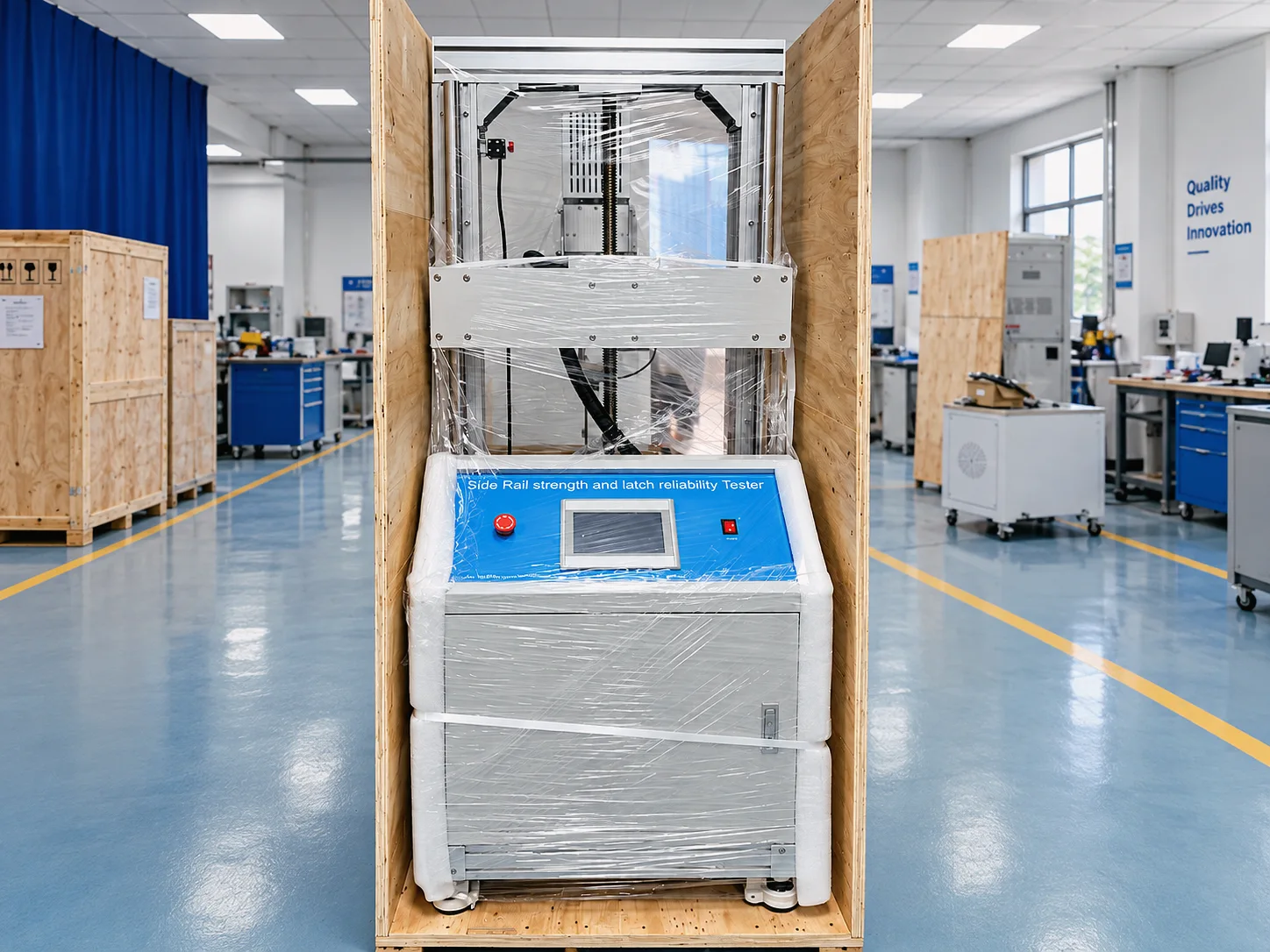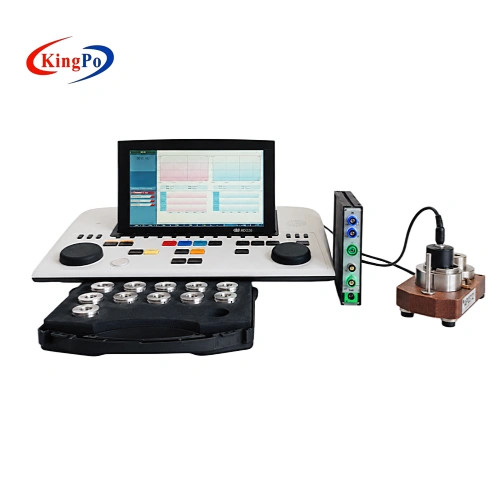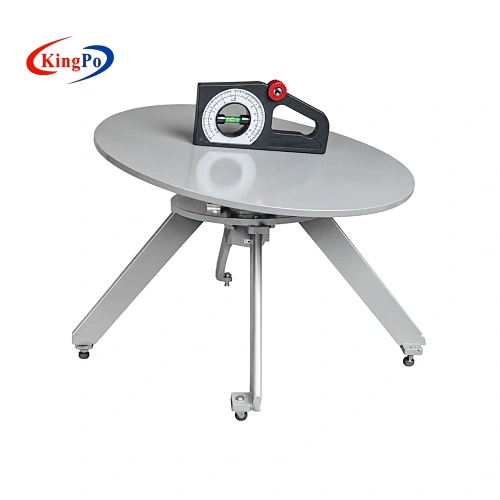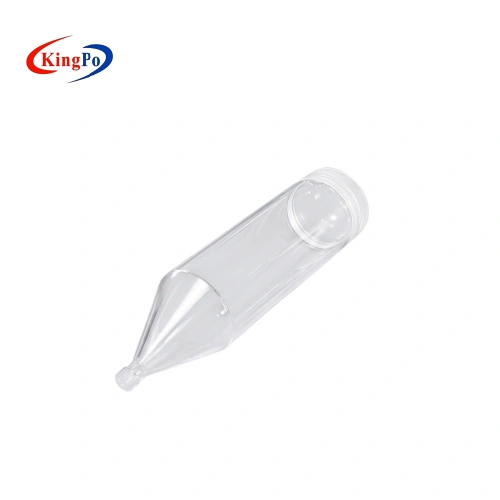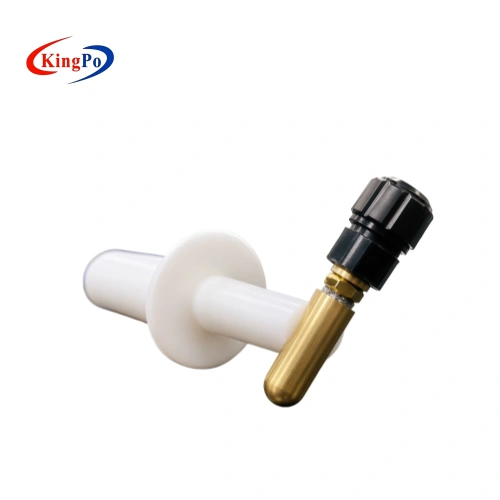
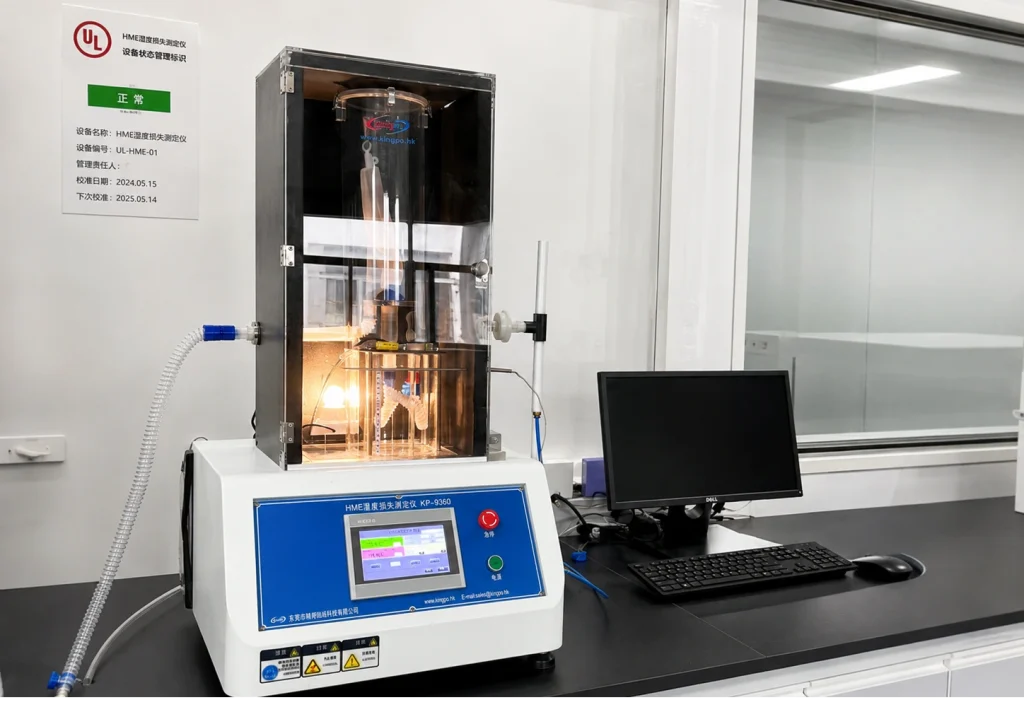
KingPo completed the delivery of a customized HME Moisture Loss Measurement System to UL Solutions Suzhou Laboratory on March 23, 2023.
The system is used for moisture loss measurement of Heat and Moisture Exchanger (HME) devices used in anesthesia and respiratory equipment. It was developed according to YY/T 0735.1-2009 / ISO 9360-1:2000 and configured for laboratory testing requirements involving respiratory simulation, airflow control, automated weighing, and moisture loss calculation.
For this project, KingPo supplied an automated test system with dual-channel airflow comparison sampling, sinusoidal bidirectional airflow generation, real-time parameter monitoring, and programmed operation through an HMI control platform.
Project Snapshot
| Item | Project Information |
|---|---|
| Customer | UL Solutions Suzhou Laboratory |
| Delivery Date | March 23, 2023 |
| Supplied Equipment | HME Moisture Loss Measurement System |
| Application | Moisture loss measurement for Heat and Moisture Exchanger devices |
| Industry | Medical device testing and certification |
| Applicable Standard | YY/T 0735.1-2009 / ISO 9360-1:2000 |
| Related Reference Standards | ASTM F2100, ASTM F2101, EN 14683 |
| System Type | Customized automated laboratory testing equipment |
| Key Configuration | Dual-channel airflow comparison sampling |
| Main Functions | Respiratory simulation, automated weighing, real-time monitoring, moisture loss calculation |
Project Overview
The project included a customized HME Moisture Loss Measurement System for laboratory evaluation of heat and moisture exchangers used in respiratory medical applications.
In HME testing, the test setup needs to reproduce controlled breathing conditions and measure moisture loss under defined airflow, temperature, humidity, tidal volume, and breathing frequency settings. Consistent respiratory simulation and reliable weighing are important for repeatable laboratory evaluation.
KingPo supplied the system with attention to airflow stability, sampling consistency, automated measurement, operation workflow, and pre-delivery verification. The system was prepared for repeated laboratory use under controlled testing conditions.
Application Background
Heat and Moisture Exchanger devices are used in anesthesia and respiratory systems to help conserve heat and moisture in respiratory gas.
YY/T 0735.1-2009 / ISO 9360-1:2000 provides requirements for testing heat and moisture exchangers used to humidify respired gases in anesthesia and respiratory equipment. For this type of test, the equipment needs to simulate breathing conditions and measure moisture loss through a defined test process.
The delivered system provides a dedicated platform for HME moisture loss testing, combining respiratory airflow generation, dual-channel comparison sampling, automated weighing, and real-time monitoring into one laboratory test system.
Project Requirements
The project required a customized system for moisture loss measurement of HME products under controlled respiratory simulation conditions.
The main requirements included:
- Moisture loss measurement for HME devices
- Dual-channel airflow comparison sampling
- Sinusoidal bidirectional airflow generation
- Respiratory simulation for adult, child, and infant test conditions
- Multiple tidal volume and breathing frequency settings
- Real-time monitoring of temperature, airflow, and tidal volume
- Automated weighing and moisture loss calculation
- Programmed operation through an HMI interface
- Reduced manual intervention during the test process
- Stable operation for repeated laboratory testing
Delivered System
The delivered HME Moisture Loss Measurement System integrates respiratory simulation, airflow sampling, automated weighing, data acquisition, and control functions.
The system is configured to support the HME moisture loss test workflow, including respiratory condition setting, airflow generation, sample testing, weighing data reading, and moisture loss calculation.
Main System Configuration
Dual-Channel Airflow Comparison Sampling
The system is configured with dual airflow paths for comparative sampling during moisture loss measurement.
This arrangement supports parallel sampling between two airflow channels and provides a controlled setup for repeated HME testing.
The configuration includes:
- Dual airflow channel design
- Synchronized sampling process
- Comparative airflow measurement
- Controlled airflow path arrangement
- Test setup suitable for repeated laboratory operation
Respiratory Simulation Unit
The system uses a bidirectional airflow generator to provide sinusoidal breathing airflow for HME testing.
The respiratory simulation unit supports multiple test conditions according to different patient groups.
The configuration includes:
- Sinusoidal bidirectional airflow output
- Adult respiratory simulation mode
- Child respiratory simulation mode
- Infant respiratory simulation mode
- Multiple tidal volume selections
- Multiple breathing frequency selections
Automated Weighing and Moisture Loss Calculation
The system includes automated weighing and data reading functions for moisture loss measurement.
During the test process, the system reads weighing data and calculates moisture loss according to the programmed test workflow.
The configuration includes:
- Automated weighing function
- Automatic reading of weighing values
- Moisture loss mass calculation
- Data acquisition during the test cycle
- Reduced manual data processing
During weighing-related steps, necessary handling may still be required to avoid the influence of tubes and cables on the weighing result.
Monitoring and Control System
The system provides real-time monitoring and control of key test parameters.
The monitored parameters include:
- Temperature
- Airflow
- Tidal volume
- Breathing frequency
- Weighing data
- Test status
These parameters are integrated into the control system to support consistent operation during the test process.
HMI Operation Platform
The HMI platform is designed to match the test sequence and laboratory operation workflow.
The interface supports:
- Step-by-step test operation
- Parameter setting
- Real-time data display
- Test status monitoring
- Programmed operation sequence
- Data reading and calculation display
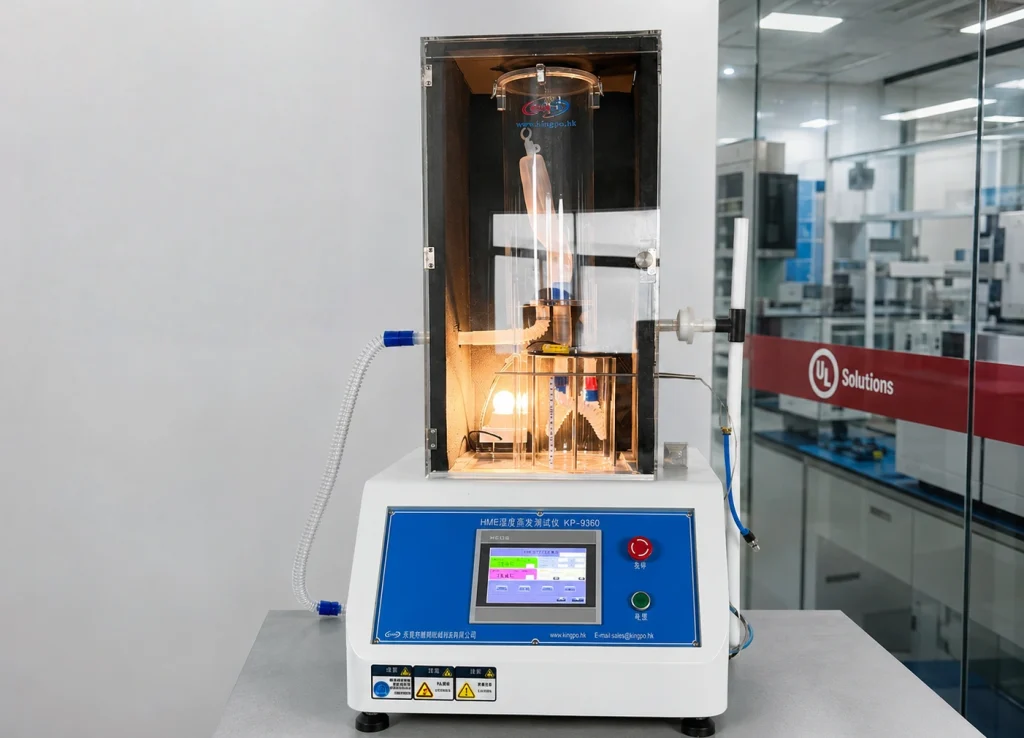
The operating sequence is arranged to follow the test procedure, helping reduce missed steps during routine laboratory use.
KingPo’s Engineering Approach
For this delivery, KingPo focused on practical laboratory operation and repeatable test execution.
Key engineering considerations included:
- Stable sinusoidal bidirectional airflow generation
- Dual-channel sampling consistency
- Accurate weighing and data reading
- Real-time monitoring of temperature, airflow, and tidal volume
- Respiratory simulation for different patient groups
- Programmed test workflow aligned with the test procedure
- Low-noise and stable operation for laboratory environments
- System integration suitable for repeated professional use
The system design also considered ease of operation, test sequence control, and long-term usability in a laboratory environment.
Factory Testing and Delivery
Before delivery, KingPo carried out factory testing and system verification to check the performance and operating condition of the HME Moisture Loss Measurement System.
The pre-delivery checks included:
- Airflow stability testing
- Bidirectional airflow generation verification
- Tidal volume and breathing frequency checks
- Temperature and airflow monitoring verification
- Automated weighing function check
- Moisture loss calculation check
- HMI operation workflow check
- Continuous operation stability testing
- Electrical safety inspection
- System integration inspection
- Appearance and usability inspection
After factory testing, the system was prepared for delivery and supplied to UL Solutions Suzhou Laboratory for installation and laboratory use.
Project Delivery Value
The delivered system provides a dedicated platform for HME moisture loss measurement under controlled respiratory simulation conditions.
By combining respiratory airflow generation, dual-channel comparison sampling, automated weighing, parameter monitoring, and programmed operation, the system supports repeatable HME testing in a laboratory environment.
For laboratories working with respiratory medical devices, a dedicated test system helps keep the test process structured, measurable, and easier to reproduce across repeated evaluations.
Application Areas
The HME Moisture Loss Measurement System is suitable for laboratory applications involving:
- Heat and Moisture Exchanger testing
- HME moisture loss measurement
- Respiratory medical device evaluation
- Anesthesia and breathing equipment testing
- Medical device certification testing
- Standard compliance verification
- Laboratory research and development
- Product comparison and quality control testing
Related Capabilities
KingPo provides customized respiratory testing equipment and medical device testing systems according to applicable standards, test methods, sample requirements, and laboratory operating conditions.
Related capabilities include:
- HME moisture loss measurement systems
- Respiratory simulation testing systems
- Medical device performance testing equipment
- Automated laboratory testing systems
- Customized medical device test platforms
- ISO and YY standards-based testing equipment
- Laboratory test system integration
Related Standards and Applications
This project is mainly related to YY/T 0735.1-2009 / ISO 9360-1:2000 for Heat and Moisture Exchanger testing.
Depending on the product type and test requirement, KingPo can also support customized testing equipment development according to selected ISO, ASTM, EN, YY, IEC, and customer-defined test methods.
Typical applications include HME devices, respiratory medical devices, anesthesia and breathing equipment, medical protective product testing, certification laboratory testing, manufacturer quality control, and research and development testing.
Technical Notes
How is moisture loss measured during the HME test?
During the test, the system generates controlled bidirectional respiratory airflow through the HME test setup. The test process includes respiratory simulation, parameter monitoring, weighing data acquisition, and moisture loss calculation.
The system reads the weighing data during the defined test sequence and calculates the moisture loss mass according to the test procedure. Temperature, airflow, tidal volume, and test status are monitored during operation to support repeatable measurement conditions.
What is the purpose of the dual-channel airflow configuration?
The dual-channel airflow configuration is used for comparative sampling during HME moisture loss measurement.
By arranging two airflow paths within the same test system, the setup allows the laboratory to compare sampling conditions under a controlled operating sequence. This configuration is intended to reduce test variation caused by airflow instability, sampling inconsistency, or repeated manual setup.
How does the system simulate respiratory conditions?
The system is equipped with a bidirectional airflow generator that provides sinusoidal respiratory airflow. Different tidal volume and breathing frequency settings can be selected according to the required test condition.
The system can be configured for adult, child, and infant respiratory simulation, allowing the laboratory to test HME products under different application scenarios.
Which parameters are monitored and controlled?
The system can monitor and control key parameters involved in HME moisture loss testing, including:
- Temperature
- Airflow
- Tidal volume
- Breathing frequency
- Weighing data
- Test sequence status
These parameters are integrated into the control system so that the test process can follow a defined operating sequence instead of relying only on manual observation.
Is the weighing process completely unattended?
The system includes automated weighing, weighing data reading, and moisture loss calculation functions.
However, during weighing-related steps, necessary manual handling may still be required to avoid the influence of tubes, cables, or external pulling forces on the weighing result. This is an important detail in HME moisture loss testing, because small disturbances during weighing may affect the measured mass difference.
Other parts of the test process are designed to reduce operator intervention and support consistent test execution.
What was checked before delivery?
Before delivery, KingPo carried out factory testing and system verification covering the main operating functions of the HME Moisture Loss Measurement System.
The checks included:
- Bidirectional airflow generation
- Airflow stability
- Tidal volume setting
- Breathing frequency setting
- Temperature and airflow monitoring
- Automated weighing function
- Moisture loss calculation
- HMI operating sequence
- Continuous operation stability
- Electrical safety
- System integration
- Appearance and usability
These checks were carried out to confirm that the system was ready for shipment, installation, and laboratory use.
Does the supplied system represent certification or product approval?
No. The supplied system is customized laboratory testing equipment for HME moisture loss measurement.
It is intended to support laboratory test setup preparation and product performance evaluation. The delivery of the system does not represent a certification result, product approval, or authorization by any standards organization.
What information is needed for a customized HME test system?
For customized HME moisture loss measurement systems, the following information is usually required before design confirmation:
- Applicable standard or test method
- HME sample type and connection interface
- Required tidal volume range
- Required breathing frequency range
- Airflow and humidity conditions
- Weighing resolution and measurement method
- Laboratory layout and installation space
- Data recording and reporting requirements
- Special operating or calibration requirements
These details help define the airflow path, control logic, weighing arrangement, test sequence, and user interface before manufacturing.
Can KingPo provide similar respiratory testing systems?
Yes. KingPo can develop customized respiratory testing systems and medical device testing equipment according to specific standards, test methods, sample structures, and laboratory operating requirements.
Typical customized systems may include respiratory simulation units, airflow measurement modules, automated systems and medical device testing equipment according to specific standards, test methods, sample structures, and laboratory operating requirements.
Typical customized systems may include respiratory simulation units, airflow measurement modules, weighing systems, humidity and temperature monitoring, HMI control platforms, and data acquisition functions.
About UL Solutions
UL Solutions is a global safety science company providing testing, inspection, certification, and related services across a wide range of industries. Its laboratory network supports manufacturers in product safety evaluation, regulatory compliance, and global market access.
About KingPo
KingPo Technology Development Limited develops and manufactures testing equipment for electrical safety, medical devices, appliance safety, waterproof testing, material flammability, environmental reliability, and customized laboratory test systems.
With experience in IEC, ISO, UL, ASTM, EN, YY, and other standards, KingPo provides standard testing instruments and customized test solutions for laboratories, certification organizations, manufacturers, and research institutions worldwide.
Need HME Moisture Loss Measurement Systems or Customized Respiratory Testing Equipment?
KingPo can provide customized HME moisture loss measurement systems, respiratory simulation testing systems, and medical device testing equipment according to applicable standards and laboratory requirements.
For related projects, customers may provide the applicable standard, sample information, test method, respiratory parameter requirements, laboratory layout, and specific testing objectives for technical discussion.