Disposable ECG Electrode Electrical Performance Tester
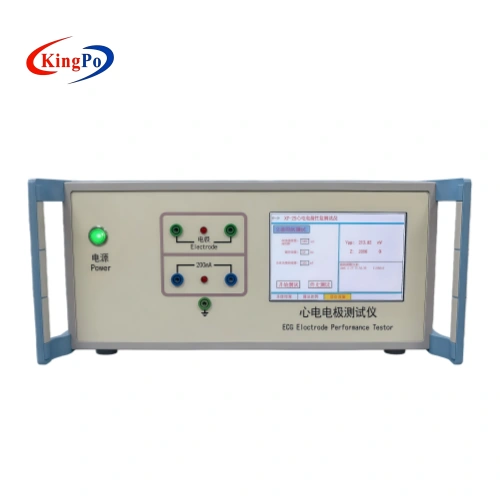
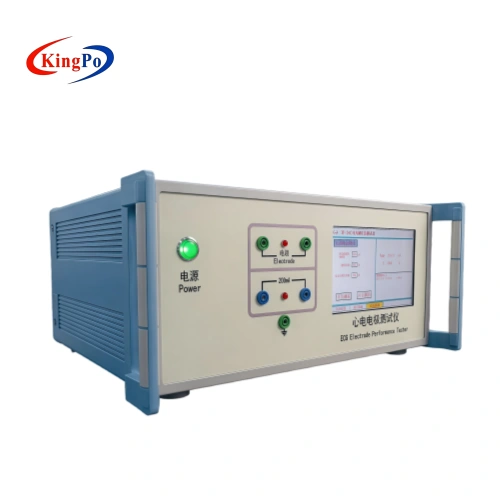
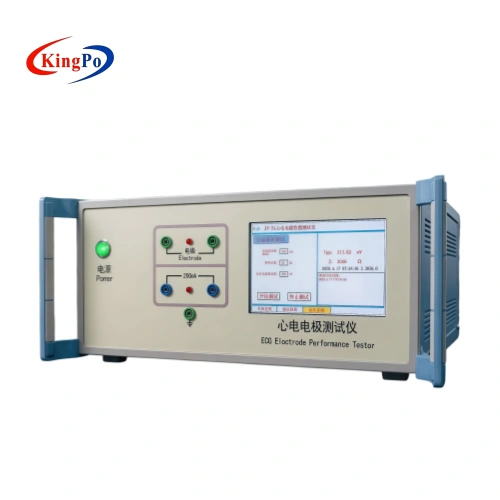
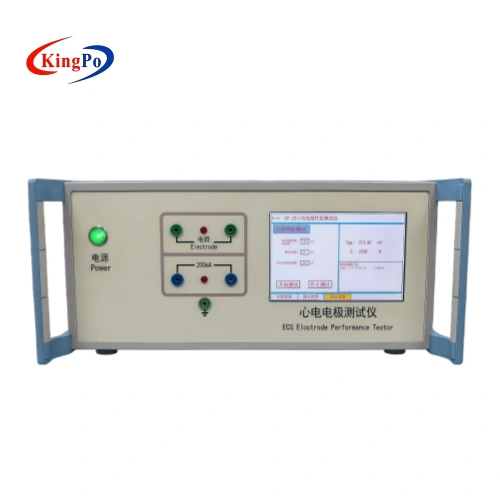
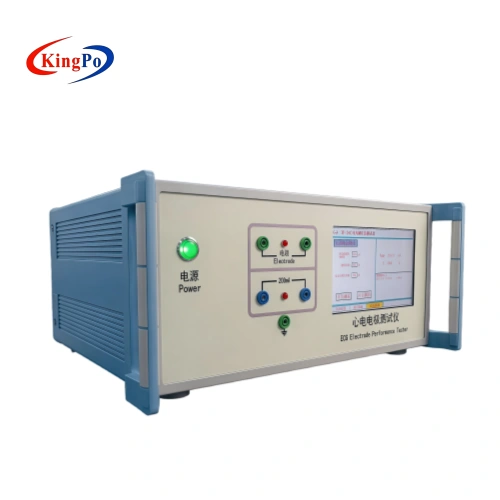
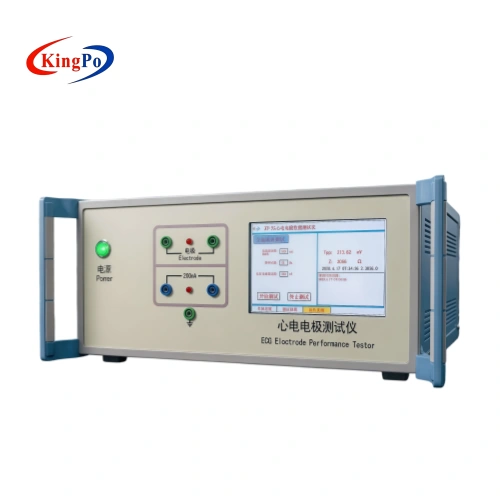
The KP-ECG100E is a dedicated benchtop tester for disposable ECG electrode electrical performance testing. Disposable ECG electrodes are used to acquire and transmit body-surface electrical signals in ECG equipment and patient monitoring systems. Poor electrode performance may cause unstable signal acquisition, excessive offset voltage, abnormal noise, delayed recovery after defibrillation overload, or unreliable long-term stability.
This tester helps users verify whether ECG electrodes meet the required electrical performance before production release, batch delivery, laboratory validation, or technical documentation submission. It is especially useful for manufacturers that need a repeatable quality control process for disposable ECG electrodes.
Designed for Manufacturers and Testing Laboratories
For manufacturers, the KP-ECG100E can be used for incoming inspection, R&D comparison, production quality control, batch verification, and outgoing inspection. For laboratories and inspection institutions, it provides a dedicated platform for electrode-specific electrical tests according to the selected standard and test procedure.
The system integrates built-in test circuits, automated test programs, touchscreen operation, and report generation. This helps reduce manual operation steps and improves the consistency of routine electrode testing.
Applicable Standards and Test Scope
YY/T 0196 and ANSI/AAMI EC12 Test Background
The KP-ECG100E is designed to support electrical performance testing of disposable ECG electrodes according to YY/T 0196-2005 and ANSI/AAMI EC12 related test methods. These standards focus on disposable ECG electrodes and include requirements related to electrode performance and test methods.
The tester focuses on the electrical performance part of ECG electrode verification. It helps users evaluate key performance characteristics such as conductivity, offset stability, noise performance, defibrillation overload recovery behavior, and long-term bias current tolerance.
ECG Electrode Testing vs IEC 60601 ECG Equipment Testing
Disposable ECG electrodes are used together with electrocardiographs and ECG monitoring equipment, so IEC 60601-related ECG equipment standards are often part of the application background. However, the KP-ECG100E is not a full IEC 60601 medical electrical safety tester.
It does not replace an ECG simulator, ECG machine analyzer, patient monitor analyzer, leakage current tester, dielectric strength tester, or complete IEC 60601 compliance test system. Its purpose is more specific: to test the electrical performance of disposable ECG electrodes used in ECG-related medical applications.
What This Tester Does Not Replace
The KP-ECG100E is not intended to replace biological safety evaluation, adhesive performance testing, packaging validation, shelf-life validation, full product compliance assessment, or clinical performance evaluation. These requirements should be handled separately according to the relevant medical device standards, regulatory pathway, and quality management system.
Core Electrical Test Functions
AC Impedance Test
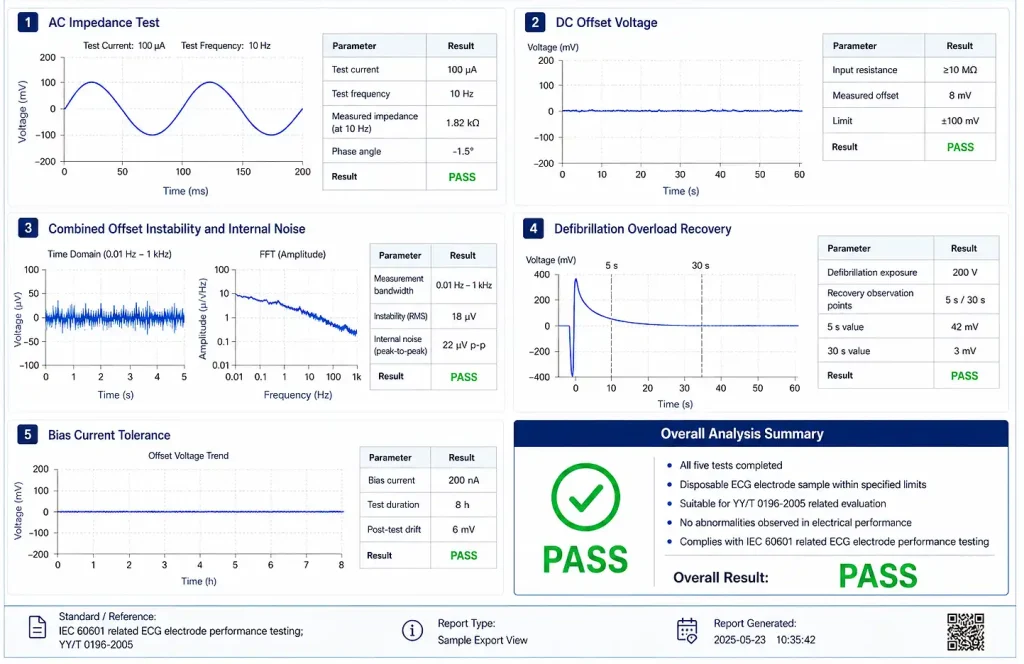
The AC impedance test evaluates the conductive performance of the ECG electrode pair. The tester applies a sine-wave AC current to the electrode pair and calculates impedance from the voltage response. This test helps determine whether the electrode can maintain suitable conductivity for ECG signal acquisition.
High or unstable impedance may indicate problems with the conductive gel, electrode material, contact surface, production process, or storage condition. For manufacturers, this test is useful for material comparison, batch control, and outgoing inspection.
DC Offset Voltage Test
The DC offset voltage test measures the unwanted DC potential generated between a pair of ECG electrodes. Excessive DC offset may affect baseline stability and signal acquisition quality in ECG applications.
The KP-ECG100E uses a high-input-impedance measurement circuit to evaluate the electrode pair during the specified measurement period. This helps users identify electrode designs or production batches with unacceptable offset characteristics.
Combined Offset Instability and Internal Noise Test
This test evaluates low-frequency drift and internal noise performance of the electrode pair. In ECG signal acquisition, unstable offset or excessive internal noise can interfere with weak bioelectric signals and reduce signal quality.
The tester measures the voltage variation of the electrode pair under the specified test condition and frequency response. This is important for evaluating electrode stability, conductive gel consistency, and long-term signal quality.
Defibrillation Overload Recovery Test
The defibrillation overload recovery test simulates the electrical stress that an electrode may experience during defibrillation-related conditions. The tester applies a defined discharge condition and monitors the recovery voltage at specified time points.
This test helps determine whether the electrode can recover to a stable electrical state after overload exposure. It is especially important when ECG electrodes may remain connected during emergency treatment or monitoring scenarios.
Bias Current Tolerance Test
The bias current tolerance test evaluates the long-duration stability of disposable ECG electrodes when a small DC current is applied over an extended period. This test helps identify gradual voltage drift or instability caused by electrode polarization, gel characteristics, or material behavior.
Because this test requires a long measurement time, a stable test platform and clear data recording are important for quality control and laboratory documentation.
Technical Specifications
Key System Specifications
| Item | Specification |
|---|---|
| Model | KP-ECG100E |
| Product Type | Benchtop ECG electrode electrical performance tester |
| Test Object | Disposable ECG electrodes |
| Electrode Test References | YY/T 0196-2005; ANSI/AAMI EC12 |
| ECG Equipment Application Background | IEC 60601-related ECG equipment applications |
| Main Test Functions | AC impedance; DC offset voltage; combined offset instability and internal noise; defibrillation overload recovery; bias current tolerance |
| Display | 7-inch capacitive touchscreen, 800 × 480 resolution |
| Operation Mode | Built-in test programs, one-button automated operation |
| Report Function | Automatic test data calculation and report generation |
| Power Supply | AC 220 V ±10%, 50 Hz / 60 Hz |
| Dimensions | 480 × 460 × 200 mm |
| Weight | Approx. 5 kg |
Detailed Electrical Test Parameters
| Test Item | Specification |
|---|---|
| AC Impedance Test | 100 μA sine-wave AC current, 10 Hz; measurement range: 0–10 kΩ |
| DC Offset Voltage Test | DC input impedance ≥10 MΩ; measurement range: -400 mV to +400 mV; measurement time: 60–90 s |
| Combined Offset Instability and Internal Noise Test | Test circuit frequency response: 0.01 Hz–1 kHz; input impedance ≥10 MΩ; measurement range: -5 mV to +5 mV; measurement time: 60–360 s |
| Defibrillation Overload Recovery Test | 10 μF capacitor, 200 V test source; measurement range: -400 mV to +400 mV; observation at 5 s, 15 s, 25 s and 35 s |
| Bias Current Tolerance Test | 200 nA DC current; measurement range: -400 mV to +400 mV; measurement time: ≥8 h |
Final configuration should be reviewed according to the customer’s electrode type, applicable standard, test procedure, connector interface, and report requirements.
Testing Principle and Measurement Workflow
Electrode Pair Connection and Test Circuit Integration
The KP-ECG100E evaluates disposable ECG electrodes by connecting electrode pairs to the corresponding test circuit. Each test item uses a defined electrical condition to evaluate a specific performance characteristic of the electrode pair.
The system integrates the main test circuits required for routine electrical performance verification. This reduces the need for users to assemble multiple external circuits during daily testing and helps maintain consistent test conditions.
Automated Test Sequence and Result Calculation
The operator selects the required test item through the touchscreen interface and starts the test program. The tester applies the required electrical condition, measures the corresponding voltage or impedance response, calculates the result, and records the test data.
Automatic test data calculation and report generation help users create consistent documentation for production quality control, laboratory records, batch traceability, and technical communication with customers or regulatory teams.
Long-Duration Bias Current Test Considerations
The bias current tolerance test requires long-duration measurement. During this test, the electrode pair should be properly connected and kept under a stable test condition. The laboratory environment, electrode preparation method, and test duration should follow the selected standard or internal quality procedure.
For customers who need frequent long-duration testing, KINGPO can discuss the suitable test workflow, sample preparation method, and report format before quotation.
Applications
ECG Electrode Manufacturing Quality Control
The KP-ECG100E is suitable for routine quality control of disposable ECG electrodes. Manufacturers can use it for raw material evaluation, production process verification, finished product inspection, and outgoing quality control.
Typical quality control applications include checking electrode impedance, comparing gel formulations, evaluating electrode pair stability, and screening abnormal production batches before shipment.
Medical Device Testing Laboratories
Testing laboratories can use the KP-ECG100E to perform electrode-specific electrical performance tests according to YY/T 0196-2005, ANSI/AAMI EC12, or customer-defined test procedures.
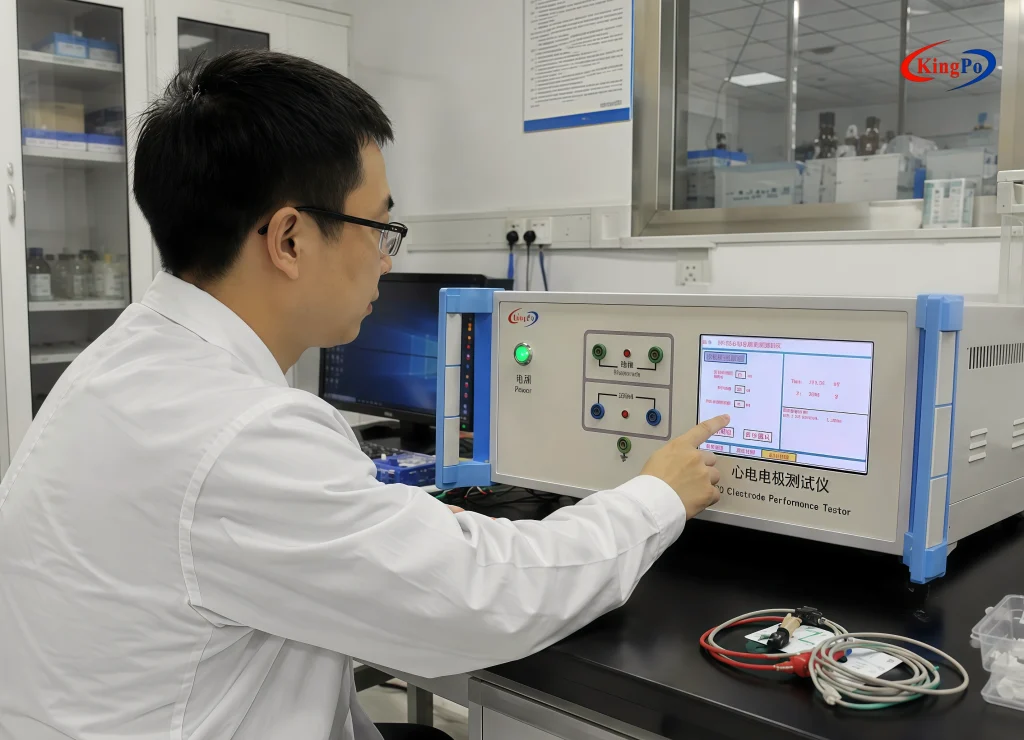
The tester provides a dedicated platform for repeatable testing, clear test data, and report documentation, which is useful for third-party testing, product verification, and internal laboratory method development.
R&D Evaluation of Electrode Materials and Conductive Gel
For R&D departments, the tester can support comparison of electrode materials, conductive gel formulas, backing materials, contact structures, and production processes. Engineers can use test results to identify how material changes affect impedance, offset voltage, noise, overload recovery, and long-duration stability.
This helps manufacturers improve electrode design before mass production.
Incoming Inspection and Batch Verification
The KP-ECG100E can also be used for incoming inspection of purchased electrodes or components. When suppliers change materials or process conditions, electrical performance testing can help identify potential quality differences before the electrodes are used in production or clinical-related products.
Configuration and Customization Support
Electrode Interface and Fixture Confirmation
Different ECG electrodes may use different shapes, sizes, snaps, tabs, connectors, or leadwire interfaces. Before quotation, customers are encouraged to provide electrode photos, sample drawings, connector details, and the intended test standard.
KINGPO can review the electrode interface and recommend a suitable connection method or fixture arrangement according to the test requirement.
Report Format and Test Program Support
The KP-ECG100E supports automatic test data calculation and report generation. Report format requirements may vary depending on the customer’s internal quality system, laboratory workflow, or project documentation needs.
Customers can provide their preferred report template, required data fields, sample identification method, and pass/fail judgment requirements for review before order confirmation.
Power Supply and Laboratory Setup Requirements
The standard power supply is AC 220 V ±10%, 50 Hz / 60 Hz. If the customer requires another voltage or plug type, this should be confirmed before ordering.
For stable test results, the tester should be used in a suitable laboratory environment with proper grounding, clean electrode handling procedures, and stable test connections.