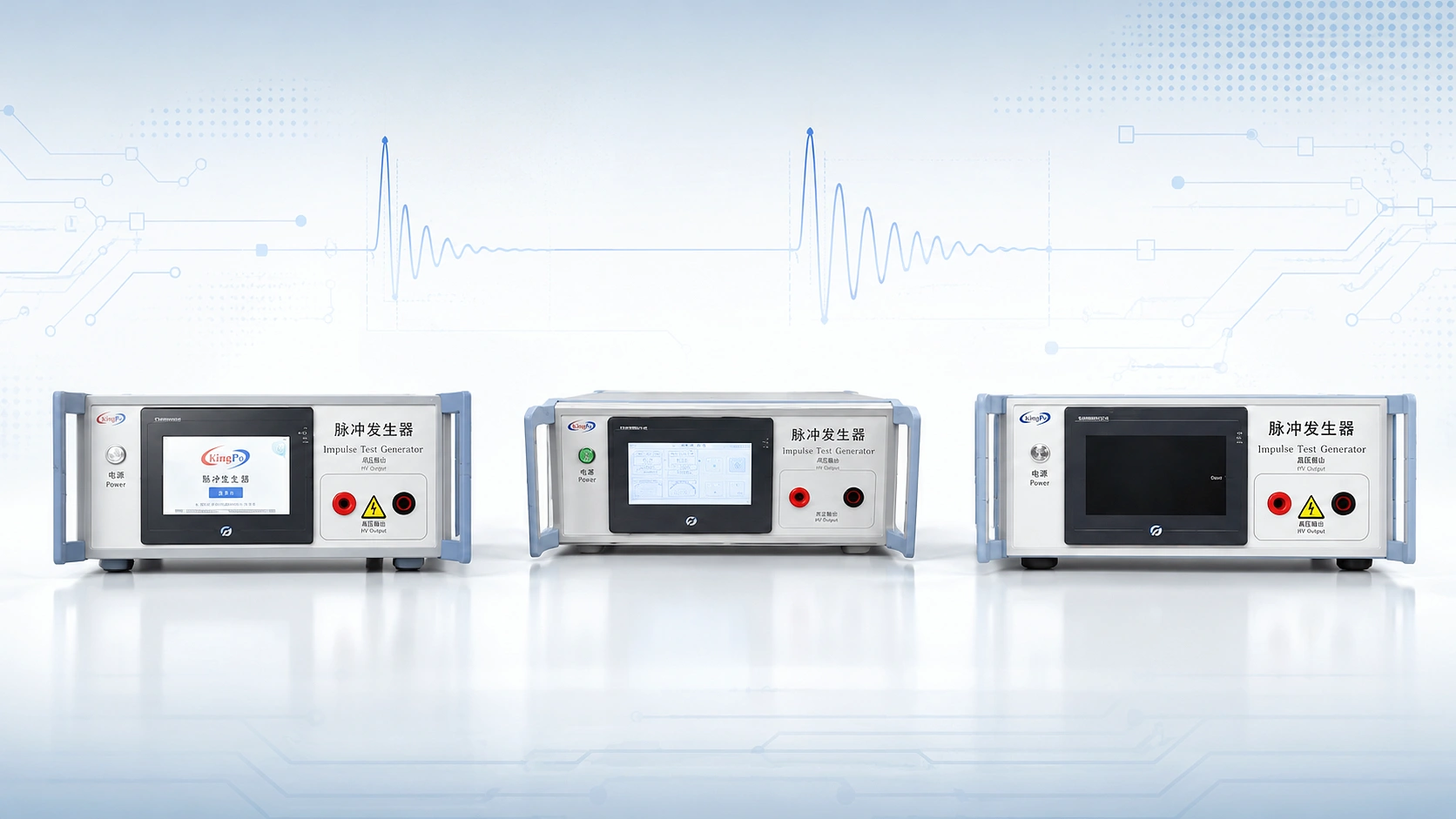
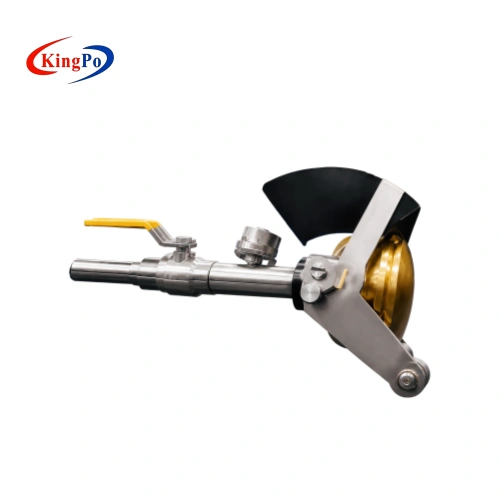
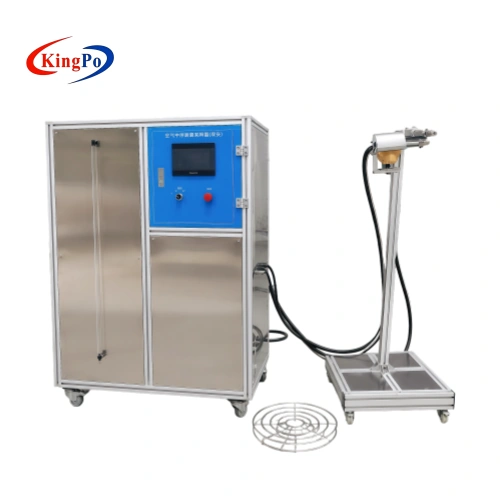
You need reliable Water Ingress Protection Test Equipment for products that must withstand moisture exposure. Using IP Test Chambers and IPX1-6 Ingress Protection Test Equipment ensures your devices meet compliance standards, avoid water damage, and remain safe. Manufacturers depend on advanced Water Ingress Protection Test Equipment, including IP Test Chambers and IPX1-6 Ingress Protection Test Equipment, to achieve consistent and accurate results. Automated systems featuring these technologies are increasingly popular, especially in regions like APAC, as they help save time and reduce costs during testing. This shift allows you to focus on product quality and meet strict industry regulations.
Key Takeaways
-
IP testing equipment keeps products safe from water harm and helps people stay safe.
-
IEC 60529 is the main rule for water ingress tests and is used everywhere.
-
Automated IP testing systems give results that are correct and can be trusted.
-
Checking and fixing testing equipment often makes sure results are right.
-
Writing down test details helps show rules are followed and helps people trust the product.
IP Testing Equipment Compliance Overview
Definition and Purpose
It is important to know what IP testing equipment compliance means before picking tools for water ingress protection. The International Electrotechnical Commission (IEC) made the IP Code in standard 60529. This code helps you see how well a case keeps out dust, solid things, and water. The standard also tells you how to test for this protection. You will notice IP ratings like IPX1 to IPX8. Each rating shows a different level of water resistance.
|
Rating |
Description |
|---|---|
|
IPX1 |
Protected from falling water like 3-5mm rain each minute for 10 minutes. |
|
IPX2 |
Protected from falling water when tilted up to 15 degrees. |
|
IPX3 |
Protected from spraying water at 60 degrees from straight up. |
|
IPX4 |
Protected from splashing water from any direction. |
|
IPX5 |
Protected from water jets using a 6.3mm nozzle. |
|
IPX6 |
Protected from strong water jets using a 12.5mm nozzle. |
|
IPX7 |
Protected from being underwater for 30 minutes at 1 meter deep. |
|
IPX8 |
Protected from staying underwater for a long time under special conditions. |
Different groups, like IEC and UL, have their own ways to check compliance. IEC standards look at how products perform and work worldwide. UL certification checks electrical and mechanical safety, mostly in the United States and Canada.
|
Characteristic |
IEC Standards |
UL Certification |
|---|---|---|
|
Region |
Used worldwide |
Mostly United States and Canada |
|
Scope |
Focuses on performance and IP ratings |
Focuses on electrical and mechanical safety |
|
Testing |
Labs can check if products meet standards |
Third-party testing and factory checks |
|
Follow-up Audits |
Not as strict or often |
Ongoing checks to keep up with rules |
Importance for Water Ingress Protection
IP testing equipment compliance helps keep your products safe and working well. Following these rules helps stop accidents and makes sure devices work in wet places. You also follow laws and avoid fines by meeting these standards. Using the same protection rules helps you sell products in other countries.
Tip: Always look at the IP rating for your equipment. This rating helps stop dust and water damage, lowers downtime, and makes your devices last longer.
If you do not follow compliance, your products might break, rust, or have short circuits. Water can cause rust and harm parts, which costs money to fix or replace. Picking equipment that meets IP standards protects your money and your company’s good name.
-
Keeps people safe by stopping accidents in bad conditions
-
Meets rules so you do not get fined
-
Makes work easier by using the same rules for selling worldwide
-
Helps equipment last longer and lowers downtime
You can feel sure your products will handle water and keep working as they should.
Water Ingress Protection Test Equipment Standards
IEC 60529 and Global Standards
You need to understand the standards before you choose Water Ingress Protection Test Equipment. IEC 60529 is the main international standard for water ingress testing. This standard tells you how to test products for water resistance. It sets clear rules for how to use Water Ingress Protection Test Equipment and how to measure results. Many countries use IEC 60529, so you can trust that your products will meet global requirements.
The IEC 60529 standard gives you a way to rate how well your product keeps out water. You see these ratings as IP codes, like IPX1 or IPX6. Each rating means your product passed a certain test. The standard also explains how to set up the tests. For example, you must use water jets at specific angles and distances. You need to control the pressure and temperature during testing. These details help you get accurate and repeatable results.
Note: If you follow IEC 60529, you can sell your products in many countries. You also show your customers that your products are safe and reliable.
Here is a table that shows the main IPX ratings and what they mean:
|
IP Rating |
Description |
|---|---|
|
IPX1 |
Protected against vertically falling water drops (drip-proof). |
|
IPX2 |
Protected against dripping water when tilted up to 15°. |
|
IPX3 |
Protected against spraying water at up to 60° from vertical. |
|
IPX4 |
Protected against water splashes from any direction. |
|
IPX5 |
Protected against low-pressure water jets from any direction. |
|
IPX6 |
Protected against powerful water jets (high-pressure spray). |
You need Water Ingress Protection Test Equipment that matches these standards. The equipment must spray water at the right angles and distances. For example, you may need to use water jets from four angles: 0°, 30°, 60°, and 90°. The distance from the nozzle to the product should be between 100 and 150 mm. The pressure can range from 80 to 100 bar, and the temperature can reach up to 80 °C. These strict rules help you test your products in real-world conditions.
IPX1-IPX9K Test Types
You see many types of IPX tests when you use Water Ingress Protection Test Equipment. Each test checks a different level of water resistance. You need to pick the right test for your product.
-
IPX1: This test checks if your product can handle water drops falling straight down. You use this test for basic protection.
-
IPX2: You tilt your product up to 15 degrees and check if it still keeps out dripping water.
-
IPX3: You spray water at your product from up to 60 degrees from vertical. This test is good for products that face rain or splashes.
-
IPX4: You splash water from any direction. This test helps you see if your product can handle wet environments.
-
IPX5: You use low-pressure water jets from any direction. This test is for products that might get sprayed or washed.
-
IPX6: You use powerful water jets. You need this test for products that face strong sprays or cleaning.
-
IPX7: You put your product underwater for 30 minutes at a depth of 1 meter. This test is for products that might get dropped in water.
-
IPX8: You keep your product underwater for a long time under special conditions. You use this test for products that need to work underwater.
-
IPX9K: You test with high-pressure, high-temperature water jets at different angles. This test is very tough. You need it for products used in places like cars or airplanes.
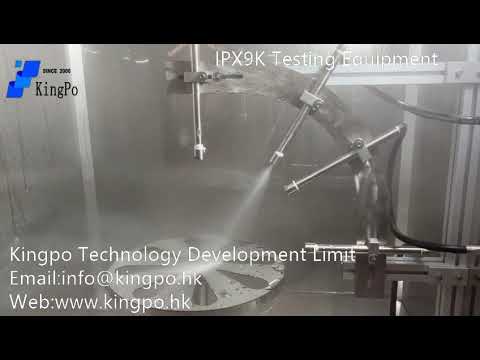
Tip: Always match your Water Ingress Protection Test Equipment to the IPX rating you need. If you test for IPX9K, make sure your equipment can handle high pressure and heat.
You use these tests to prove your product can survive water exposure. You also show your customers and regulators that you care about safety and quality. When you use Water Ingress Protection Test Equipment that meets IEC 60529, you get results you can trust.
Modern Compliance Methods
Automation and Accuracy
You can make water ingress protection testing better with automated IP testing equipment. Automation helps you get results that are more correct. It also saves you time. Modern systems use smart sensors and AI-driven analysis. These tools help you avoid mistakes. They also make your testing faster.
Here is a table that shows how new automation helps test accuracy:
|
Advancement Type |
Impact on Test Accuracy |
|---|---|
|
Automated IP Testing Systems |
More accurate and quicker test cycles |
|
Smart Sensors |
Less chance for people to make mistakes |
|
AI-driven Analysis |
Makes testing more efficient |
Automated systems run tests using scripts. You do not have to worry about missing steps. Smart sensors check every detail and send data to the computer. AI-driven analysis looks at results and finds problems fast. You get good data every time you test.
Manual testing can cause mistakes. People get tired or read results wrong. Automated equipment stops these problems. You can trust the results. You know your products meet compliance standards.
Tip: Pick automated IP testing equipment to lower human error and get better accuracy.
Automation gives you more consistent results. Every test uses the same steps. You do not have to remember what to do. This makes your testing strong and reliable.
-
Automated testing stops mistakes like tiredness, skipped steps, or wrong results.
-
Manual testing can have problems because people make errors.
-
Automated testing uses scripts to run tests, so it is reliable.
-
Manual testing can give wrong results because of human mistakes.
Reporting and Traceability
You need clear records to show your products meet water ingress protection standards. Automated IP testing equipment helps you keep track of every test. The system saves data, test settings, and results. You can look at these records any time.
Good reporting helps you prove to regulators and customers that your products are safe. Traceability means you can see how each test was done. If you find a problem, you can check the records and fix it quickly.
Automated systems make reports with all the details. You do not have to write notes by hand. The computer saves everything for you. You can print reports or share them with your team.
Note: Always keep your test records neat. This helps you pass audits and keeps your business working well.
You build trust with customers when you show clear and correct reports. Traceability protects your company and helps you make your products better over time.
Reliable Testing Practices

Calibration and Maintenance
You must keep your Water Ingress Protection Test Equipment working well. Regular calibration and maintenance help you get correct results. When you check and fix your equipment, you make sure parts like water pressure gauges and temperature sensors work right. This helps your test results stay correct every time.
Tip: Make a plan for calibration and inspection. Do not wait for problems to happen. Taking care of your equipment early saves time and money.
If you skip maintenance, your equipment might give wrong results. This can cause products to fail or create safety risks. Always write down your maintenance work. Good records help you show your equipment meets compliance standards.
You also need to keep detailed technical documents. These should have:
-
Design specifications
-
Test reports
-
Risk assessments
-
User manuals
These records help you prove your product still meets the rules during certification.
Choosing Water Ingress Protection Test Equipment
When you pick Water Ingress Protection Test Equipment, look for features that match international standards. The right equipment lets you test products in the right way. Use this table to help you choose:
|
Criteria |
Description |
|---|---|
|
IP Code |
Rates how well enclosures block solids and liquids. |
|
First Digit |
Shows protection against solid particles (0-6). |
|
Second Digit |
Shows protection against water ingress (0-9). |
|
Testing Parameters |
Lists nozzle type, water flow rate, pressure, and test duration. |
You should also check these things:
-
Each test has rules for nozzle type, water flow, pressure, time, and sample position.
-
If you change these rules, your test results may not count.
The right IP rating depends on where you use your product and what rules your industry has. Always pick equipment that fits your needs and meets the standards.
When you use IP testing equipment that follows the rules, you keep your products safe and save money. Automated testing helps you find problems early. This means you do not have to pay for many repairs. Customers are happier because your products work well and last longer. Water-resistant products do not break as fast. They stay strong and do their job better.
|
Evidence Description |
Contribution to Product Success |
|---|---|
|
Extended Product Lifespan |
Products last longer and cost less to replace |
|
Quality Assurance |
Better quality leads to satisfied customers |
|
Higher Equipment Reliability |
You trust your equipment to perform well |
Pick equipment that matches worldwide standards. Always keep good records of your tests. This helps people trust your company and lets your business get bigger.
FAQ
What does an IP rating mean for my product?
An IP rating tells you how well your product blocks water and dust. You can use this rating to choose the best device for wet or dusty places.
How often should I calibrate my IP testing equipment?
You need to check your equipment at least once every year. Some companies say you should check it more often. Checking your equipment often helps you get correct test results.
Can I use manual testing for water ingress protection?
Manual testing is okay for simple checks. Automated systems give you better and faster results. You can trust automated tests to meet the rules.
What is the difference between IPX7 and IPX8?
|
IPX7 |
IPX8 |
|---|---|
|
Underwater for 30 minutes at 1 meter |
Underwater for longer times with special rules |
Why do I need to keep test records?
Keeping records helps you show your product follows the rules. You can prove to regulators and customers how you test. Good records also help you find and fix problems fast.