Abstract Routine tests are mandatory production-line verifications performed on each unit of electrical equipment intended for measurement, control, and laboratory applications to confirm ongoing conformity with safety requirements. Governed primarily by IEC 61010-1 (Edition 3.0 and its amendments) and its Chinese national adoption GB/T 42125.1, these non-destructive tests focus on verifying the integrity of protective earthing (where applicable) and electrical insulation between hazardous live parts and accessible conductive parts. This article provides a comprehensive overview of the required routine test items, detailed test methods, acceptance criteria, voltage levels, common failure modes, and practical implementation considerations for manufacturers and testing laboratories in 2026.
1. Purpose and Scope of Routine Tests
Routine tests (also called production-line tests or lot-by-lot tests) differ fundamentally from type tests:
- Type tests verify that the design satisfies all relevant clauses of the standard (usually performed on representative samples).
- Routine tests confirm that each manufactured unit maintains the essential safety properties established during type approval, with emphasis on non-destructive methods suitable for 100% inspection or statistically valid sampling.
According to IEC 61010-1:2010 + AMD1:2019 (and aligned national standards), routine tests are required for equipment containing hazardous live parts that could become accessible under normal use or single-fault conditions.

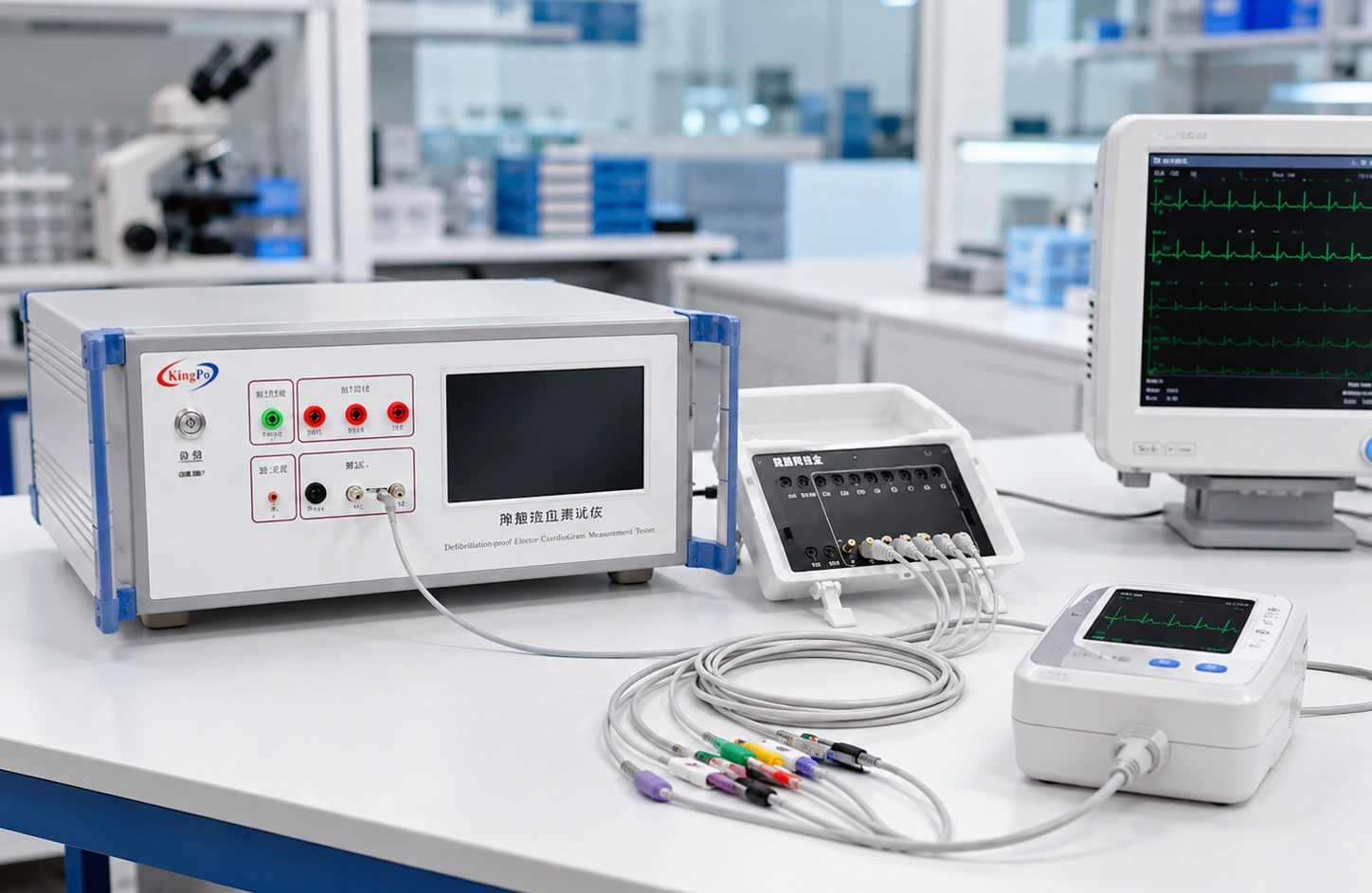
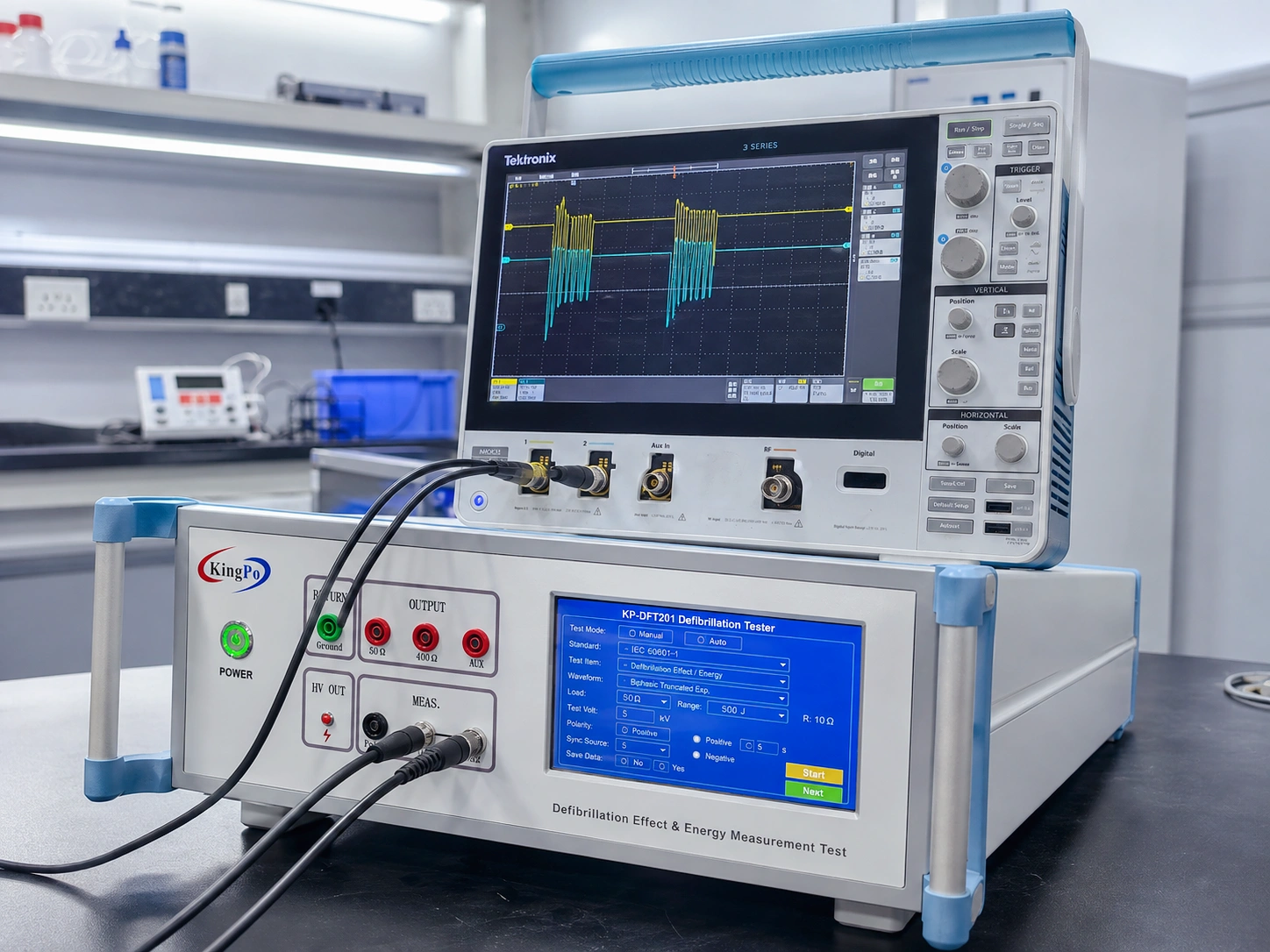
The image above shows a typical workplace electrical safety testing setup, representative of environments where routine compliance checks are performed on instruments and appliances.
2. Required Routine Test Items
Per Annex F of IEC 61010-1 (Edition 3.0), the mandatory routine tests are limited to the following two items when relevant:
- Protective conductor continuity (ground continuity test) — required only for equipment incorporating protective earthing or protective screening.
- Dielectric strength test (high-voltage / hipot test) — required for all equipment with hazardous live parts and accessible conductive parts.
Unlike Edition 2.0, the third edition does not differentiate routine dielectric strength voltage levels according to insulation type (basic, supplementary, double/reinforced), simplifying factory testing while still ensuring safety.
3. Protective Conductor Continuity Test
Objective: Verify that the impedance of the protective earthing path remains sufficiently low to maintain accessible conductive parts at or near earth potential during a fault.
Test method:
- Connect the test current between the protective conductor terminal (or earthing pin of a supply cord) and all accessible conductive parts bonded to it.
- The equipment must remain de-energized during the test.
Parameters:
- Test current: Commonly 10 A, 25 A, or 1.5× rated current (whichever is greater).
- Duration: Typically 10–60 seconds.
- Measurement technique: Four-terminal (Kelvin) method recommended for improved repeatability.
Acceptance criterion: Commonly ≤ 0.1–0.2 Ω (depending on product category and national deviation).
Common failure causes:
- Loose or corroded grounding terminals
- Poor crimping of grounding conductors
- Insulating coatings over grounding contact surfaces
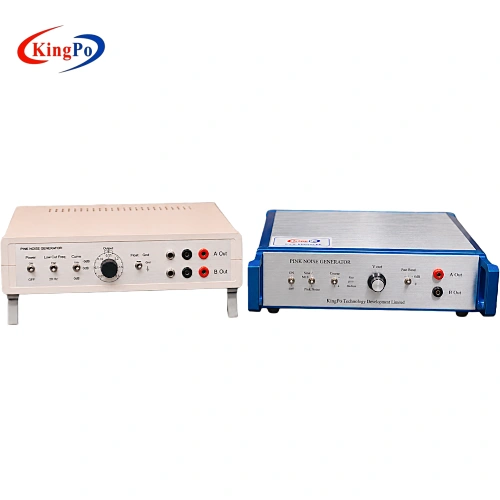
Example of portable appliance testing equipment commonly used for ground continuity and insulation checks in production or service environments.
4. Dielectric Strength (Hipot) Test
Objective: Confirm that insulation between hazardous live parts and accessible/protective conductor parts can withstand overvoltages without breakdown or excessive leakage.
Test method:
- Short-circuit all hazardous live terminals together.
- Connect all accessible conductive parts and protective conductor terminals together.
- Apply test voltage between the two groups.
- Voltage ramp-up: reach full value within ≤ 5 seconds; hold for ≥ 2 seconds (AC/DC).Test voltages for mains-powered circuits (excerpt):
Nominal Line-to-Neutral Voltage Overvoltage Category II AC rms (V) DC (V) Overvoltage Category III AC rms (V) DC (V) ≤ 150 V 840 1 200 1 400 2 000 > 150 V – ≤ 300 V 1 400 2 000 2 200 3 100 > 300 V – ≤ 600 V 2 200 3 100 3 300 4 700 Acceptance criterion: No flashover, breakdown, or unacceptable leakage current.
Common failure causes:
- Insufficient clearance/creepage distances
- Contamination or damage during assembly
- Unsuppressed sensitive components not disconnected

Electrical Test Equipment
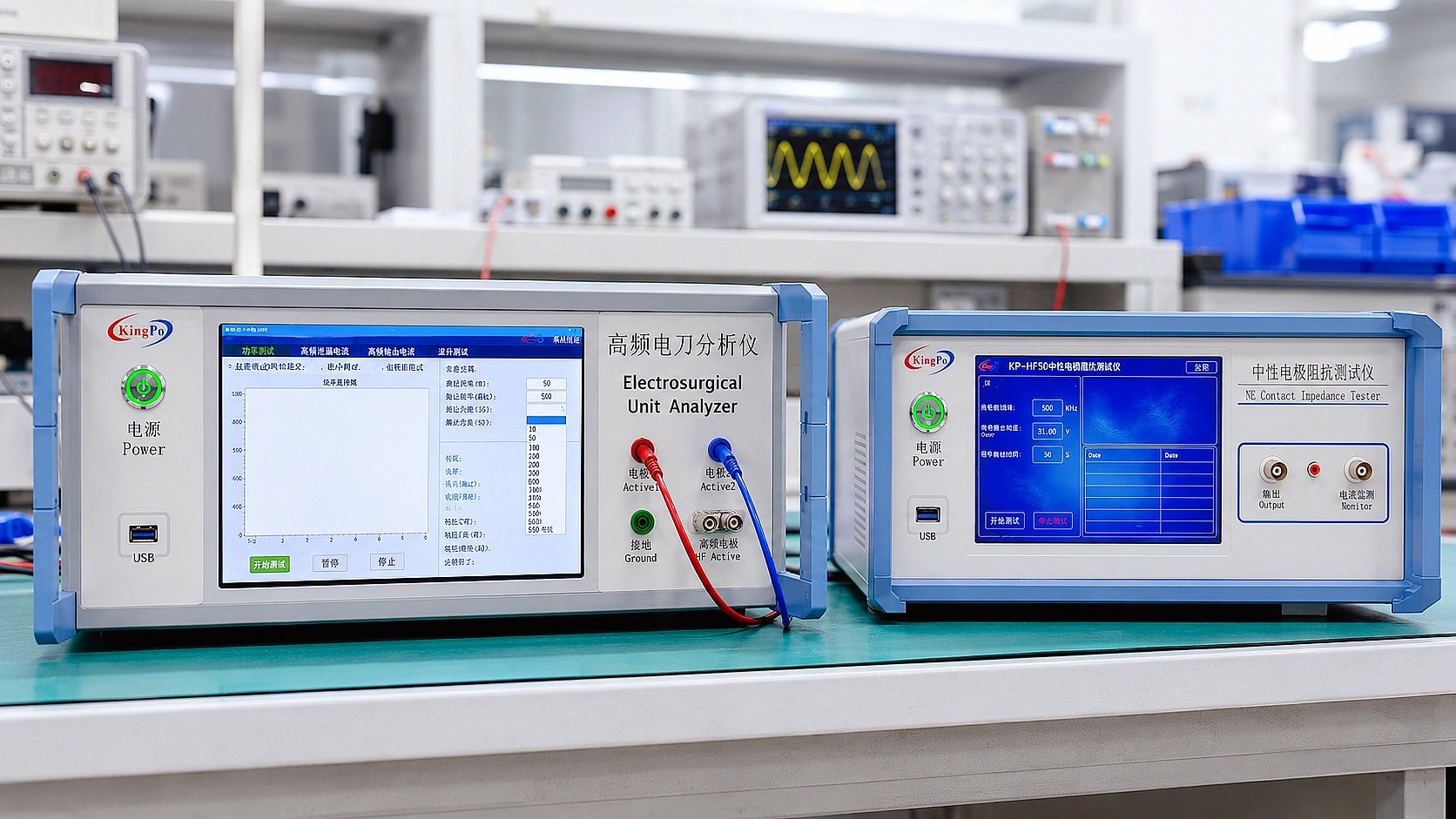
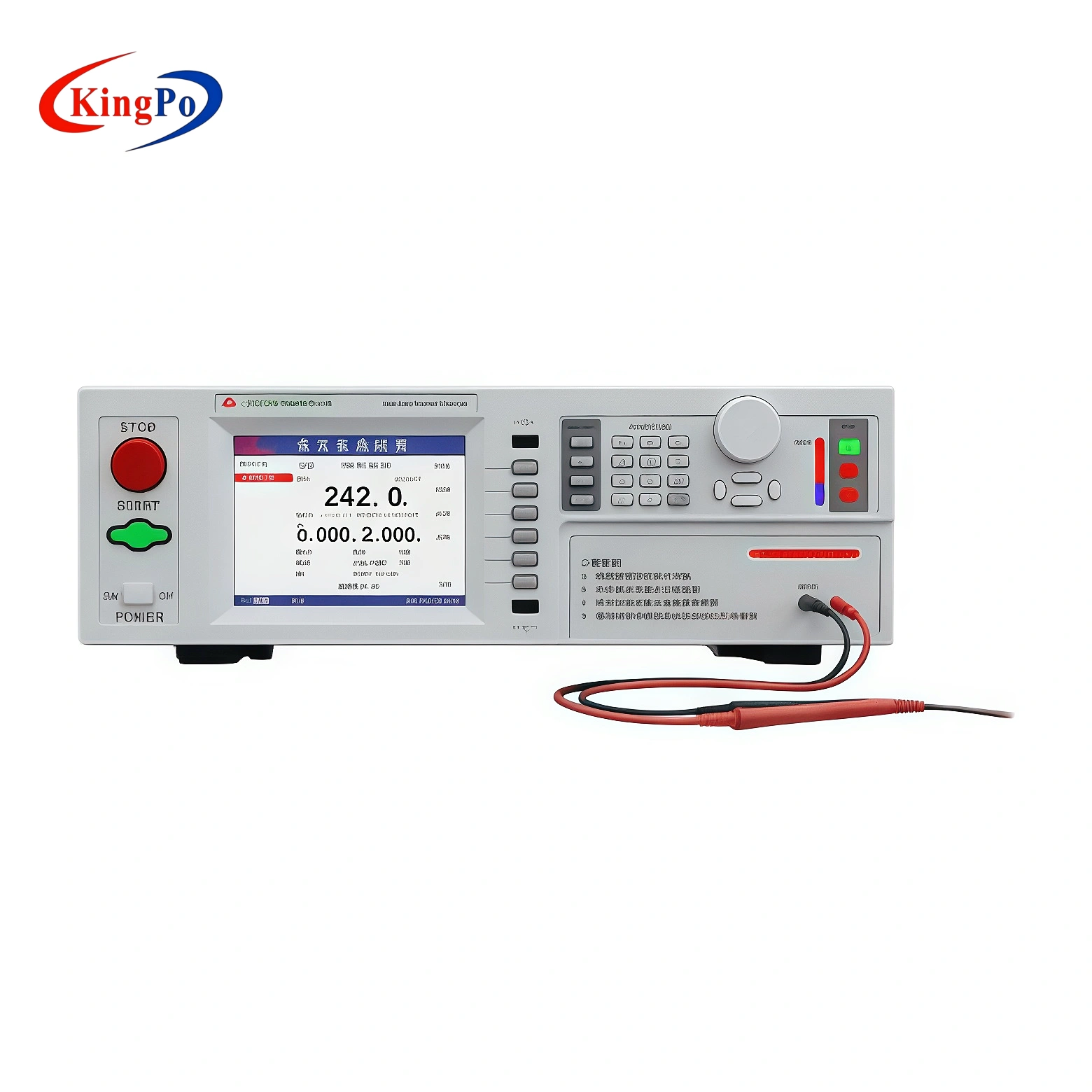
Modern multi-function electrical safety testers (such as those from leading manufacturers) integrate hipot, insulation resistance, and ground continuity testing in a single unit for efficient routine compliance.
5. Practical Implementation Recommendations (2026)
- Adopt automated or semi-automated safety testers capable of performing continuity + hipot in sequence.
- Establish clear SOPs including test sequence, probe fixturing, pass/fail logging, and monthly instrument verification.
- Document all failures with root-cause analysis; never ship untested or failed units.
- Monitor updates to GB/T 42125.1 and relevant IECEE CTL resolutions.
Conclusion
Implementing a robust routine test program in accordance with IEC 61010-1 Edition 3.0 is essential for demonstrating continuing conformity, reducing field safety risks, and satisfying regulatory and customer audits.
References
- IEC 61010-1:2010 + AMD1:2019
- GB/T 42125.1 (Chinese adoption of IEC 61010-1 Ed. 3.0)
- Relevant IECEE CTL Decisions