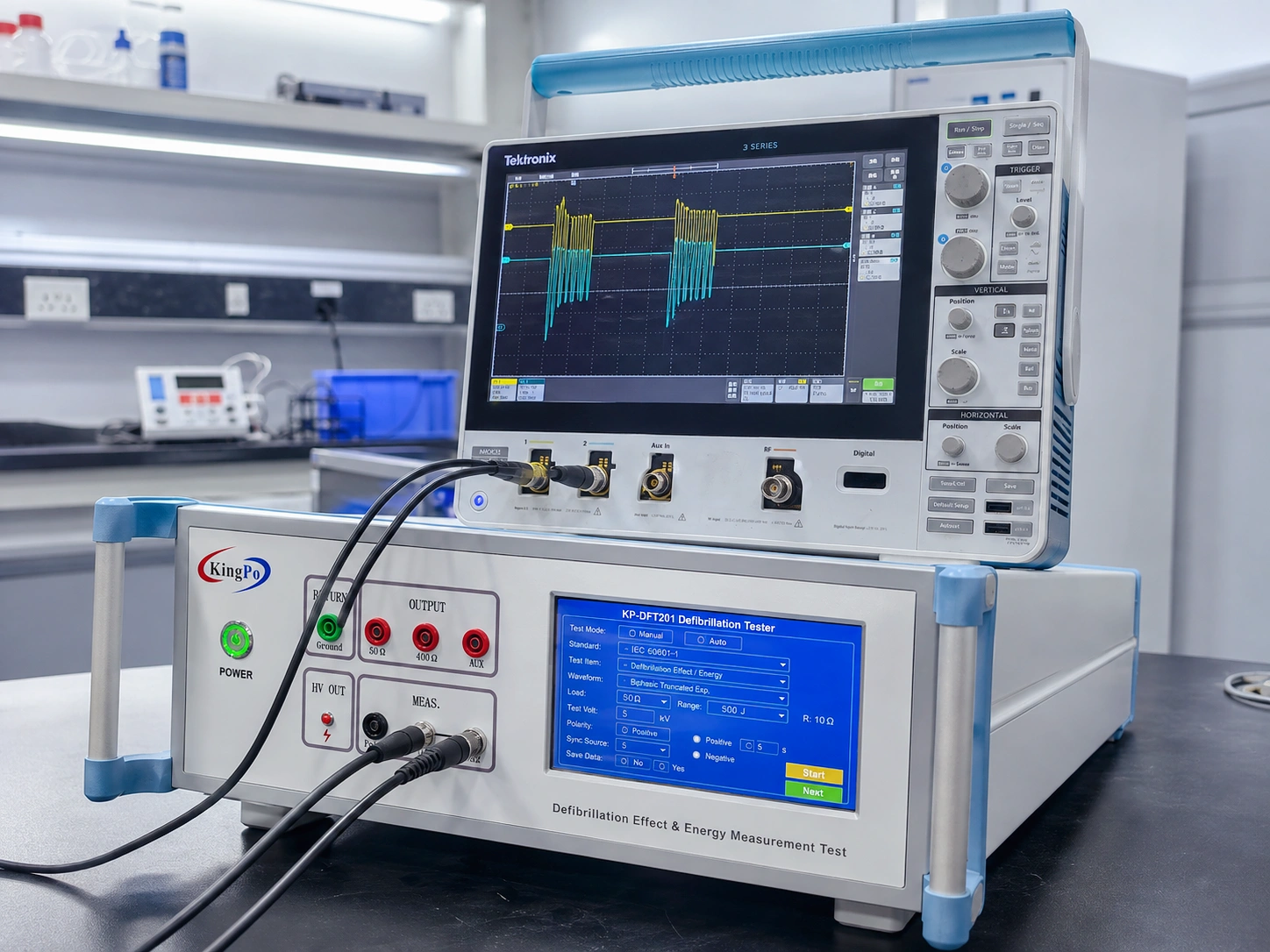
KINGPO supports manufacturers by providing expert guidance throughout the ip and ik protection testing process. These ratings play a key role in ensuring product safety, reliability, and access to markets worldwide. KINGPO uses standardized testing methods and deep technical knowledge to help clients meet strict certification requirements. Technical managers, product developers, and compliance professionals benefit from streamlined workflows, reduced risks, and faster time to market.
Key Takeaways
-
KINGPO provides expert guidance for IP and IK protection testing, ensuring product safety and market access.
-
Their advanced laboratory equipment tests products for dust, water, and impact resistance, meeting international standards.
-
Custom solutions and consultations address unique product testing needs, enhancing reliability and compliance.
-
IP and IK ratings are crucial for product safety, proving durability against environmental hazards and mechanical impacts.
-
Partnering with KINGPO speeds up certification, reduces risks, and helps products enter global markets confidently.
KINGPO and IP/IK Protection Testing
Testing Services Overview
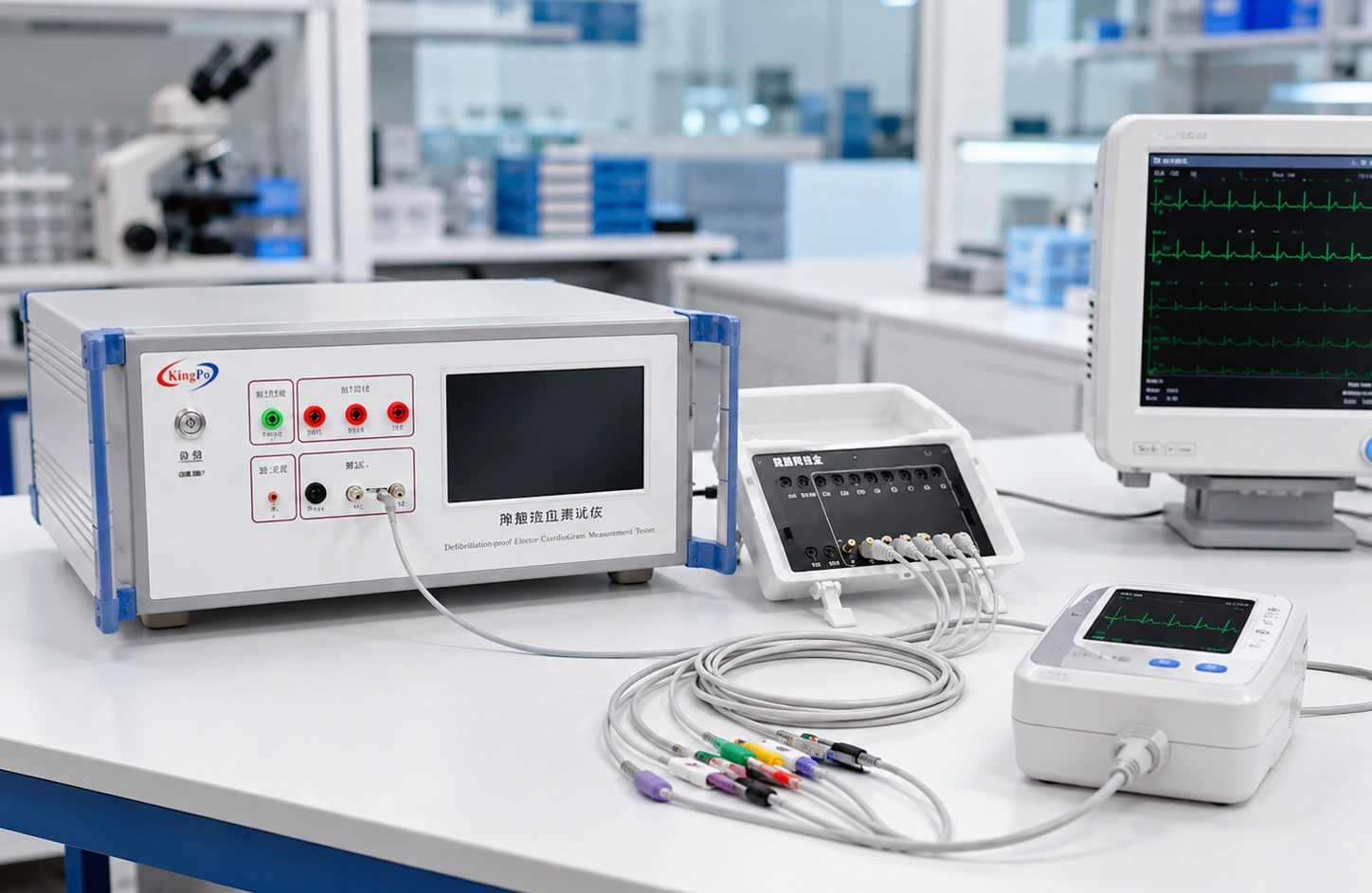
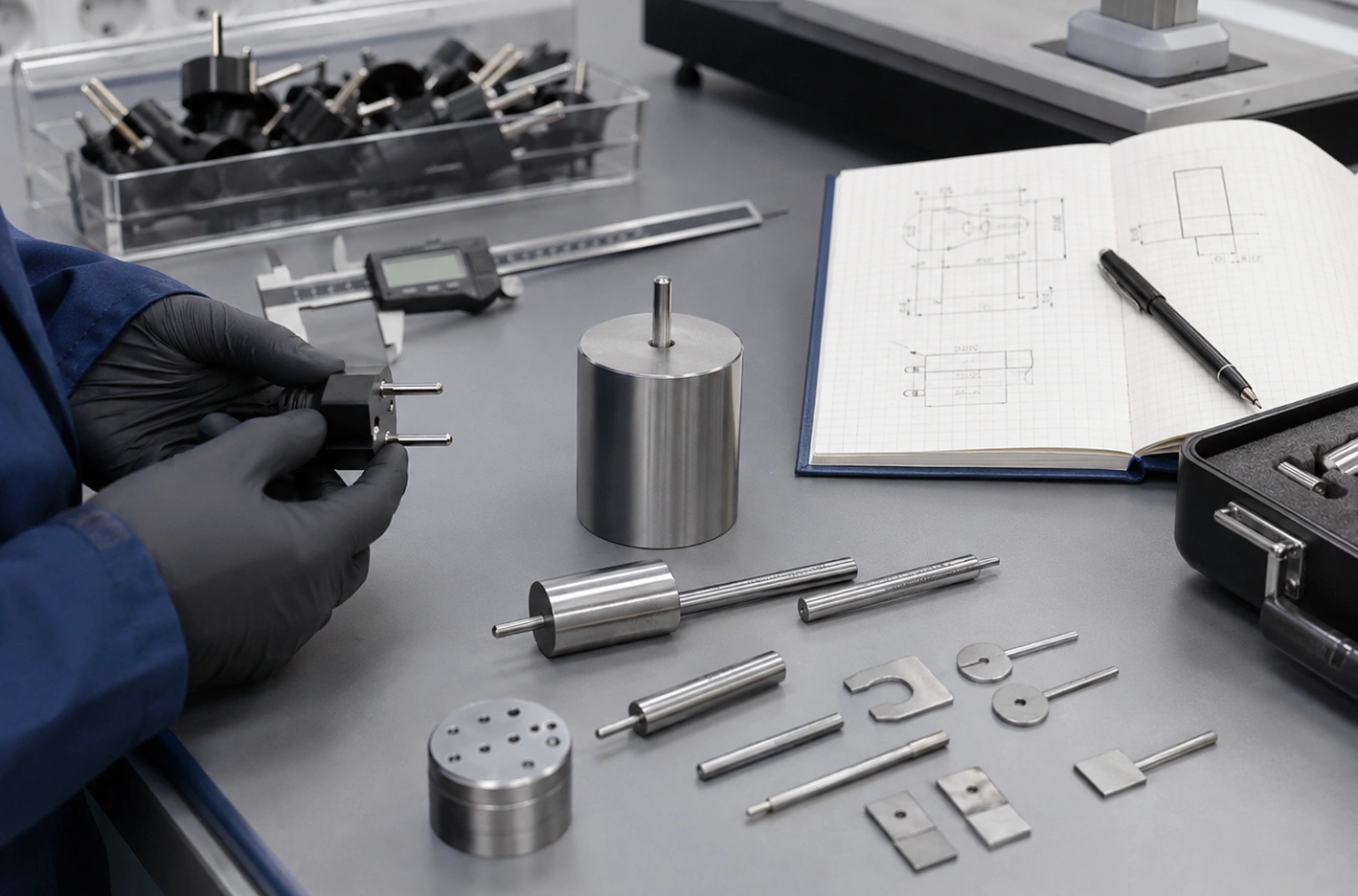
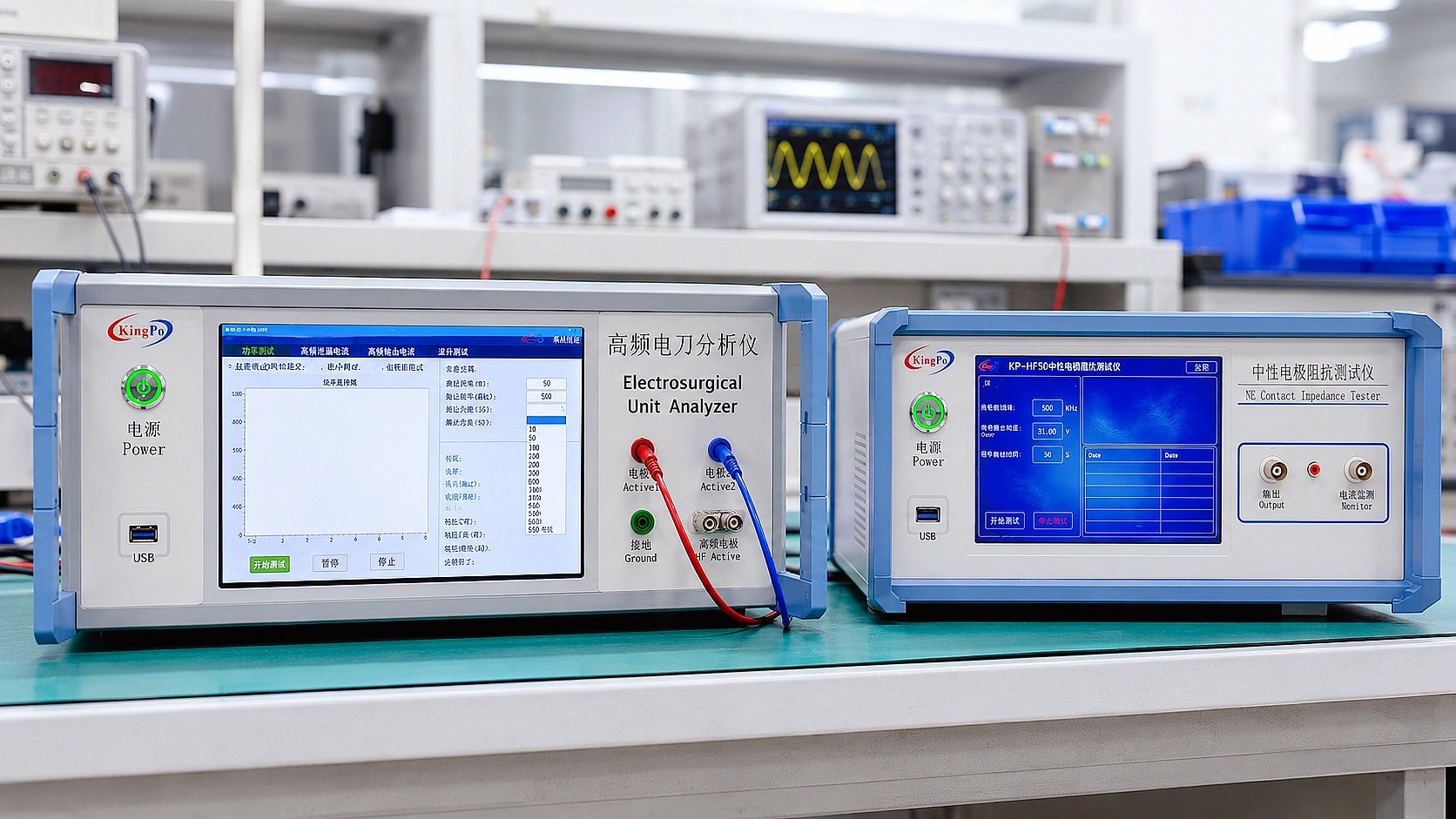
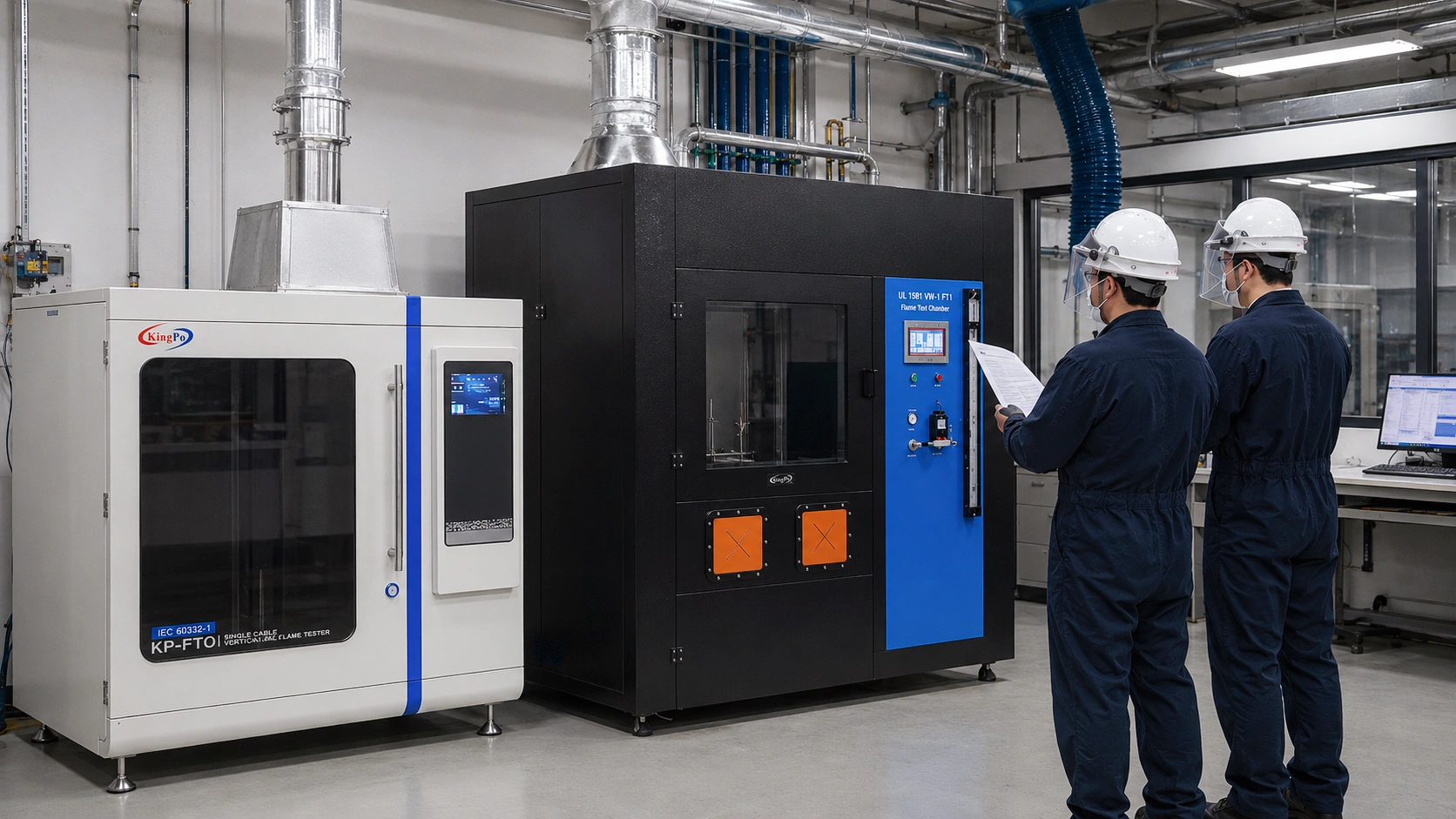
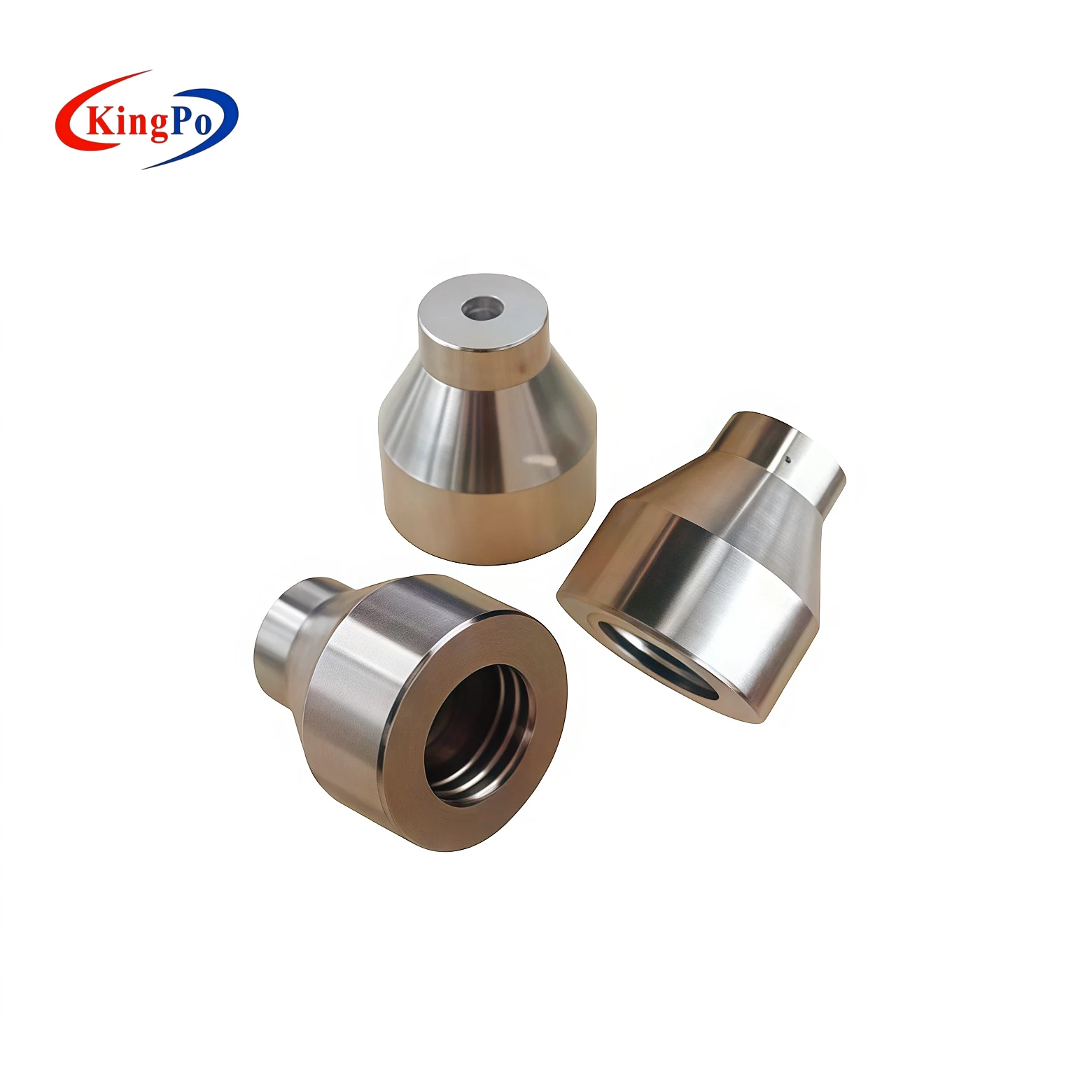
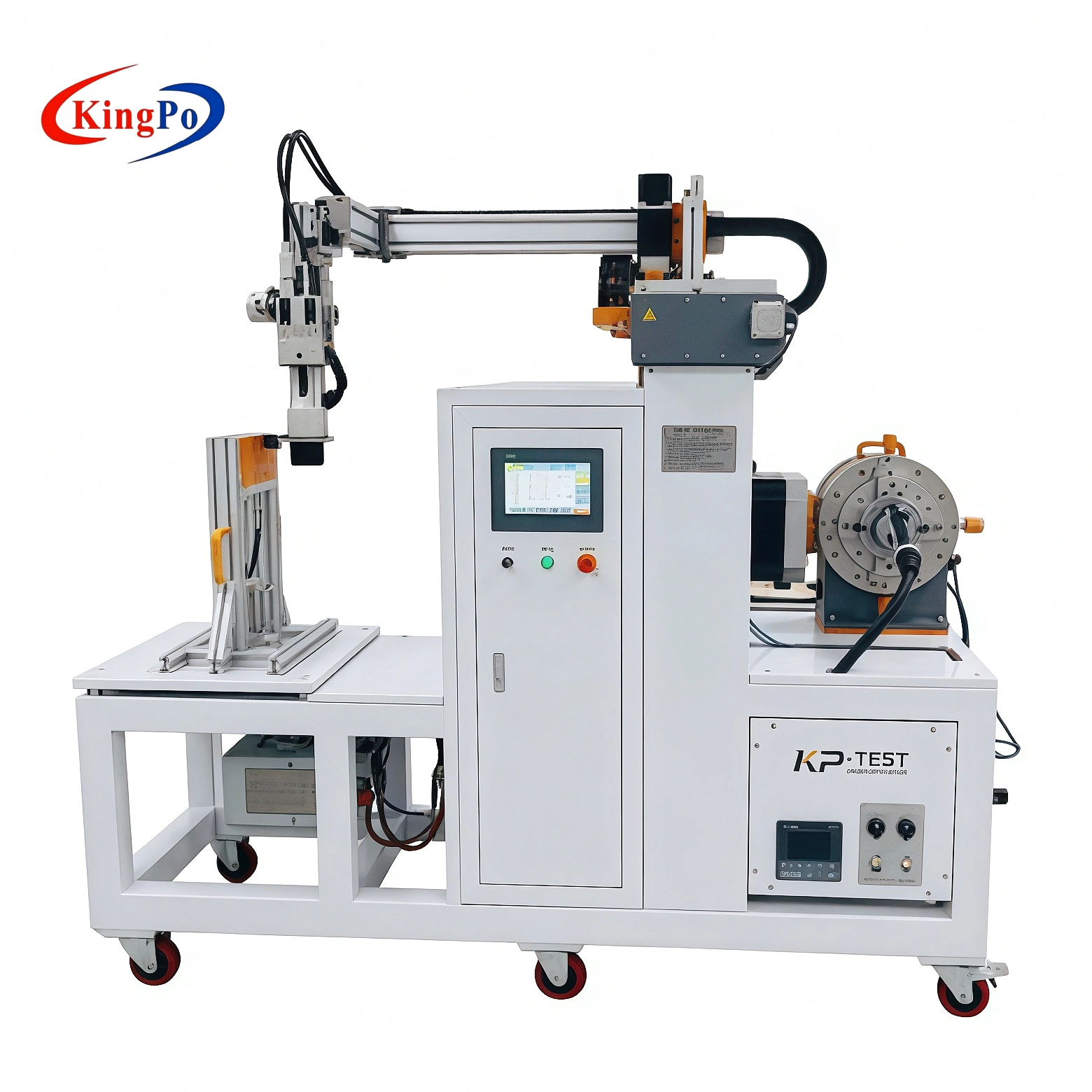
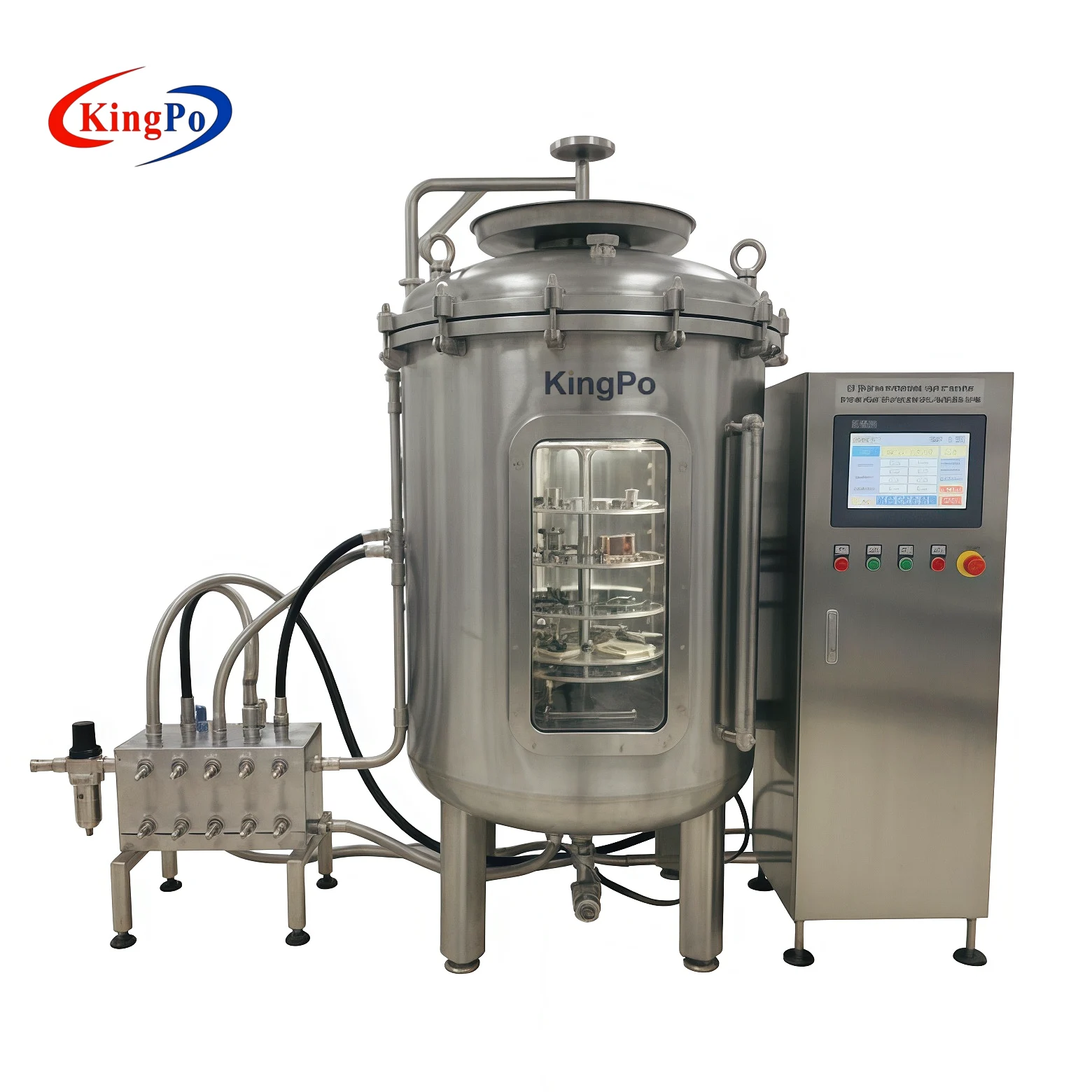
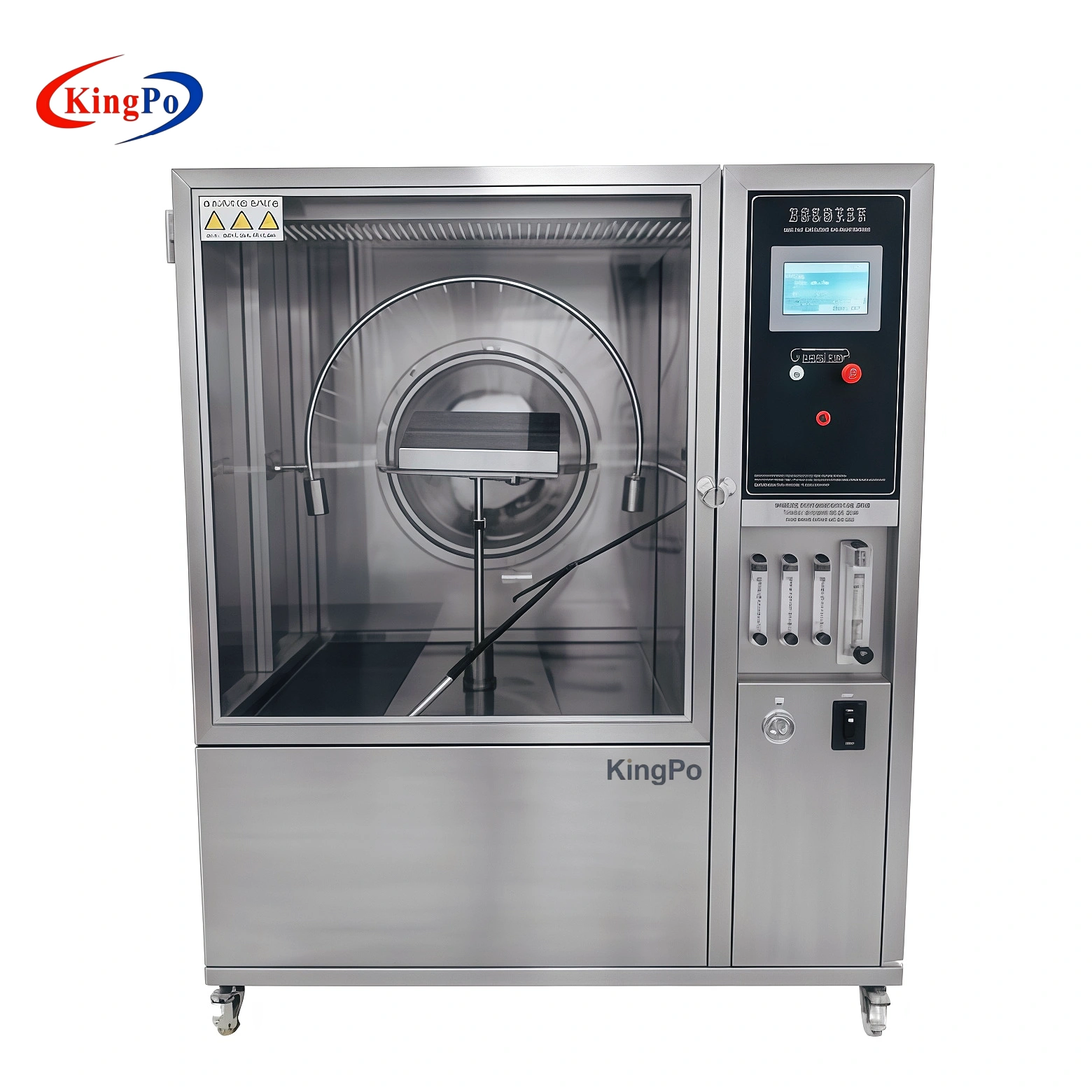
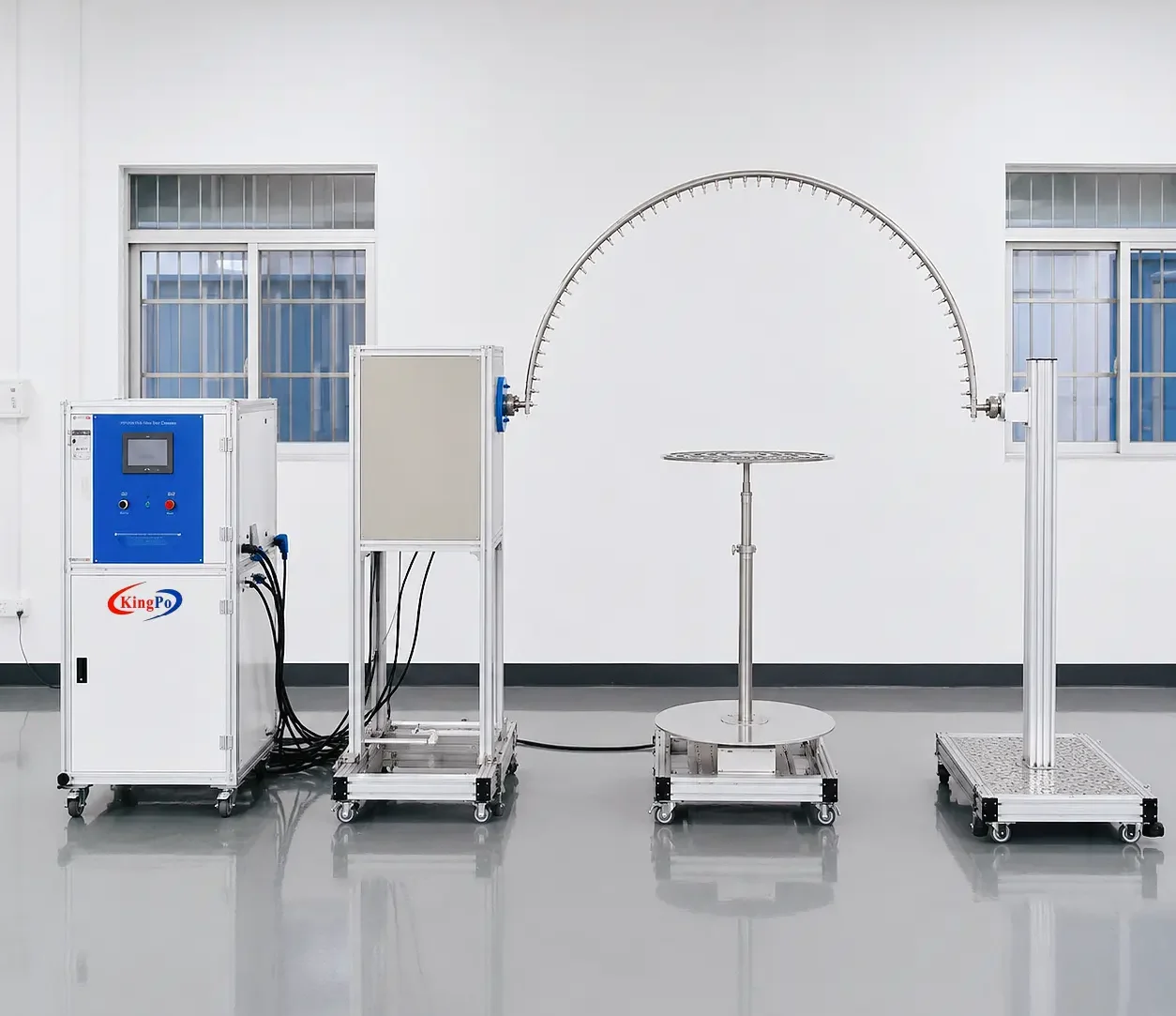
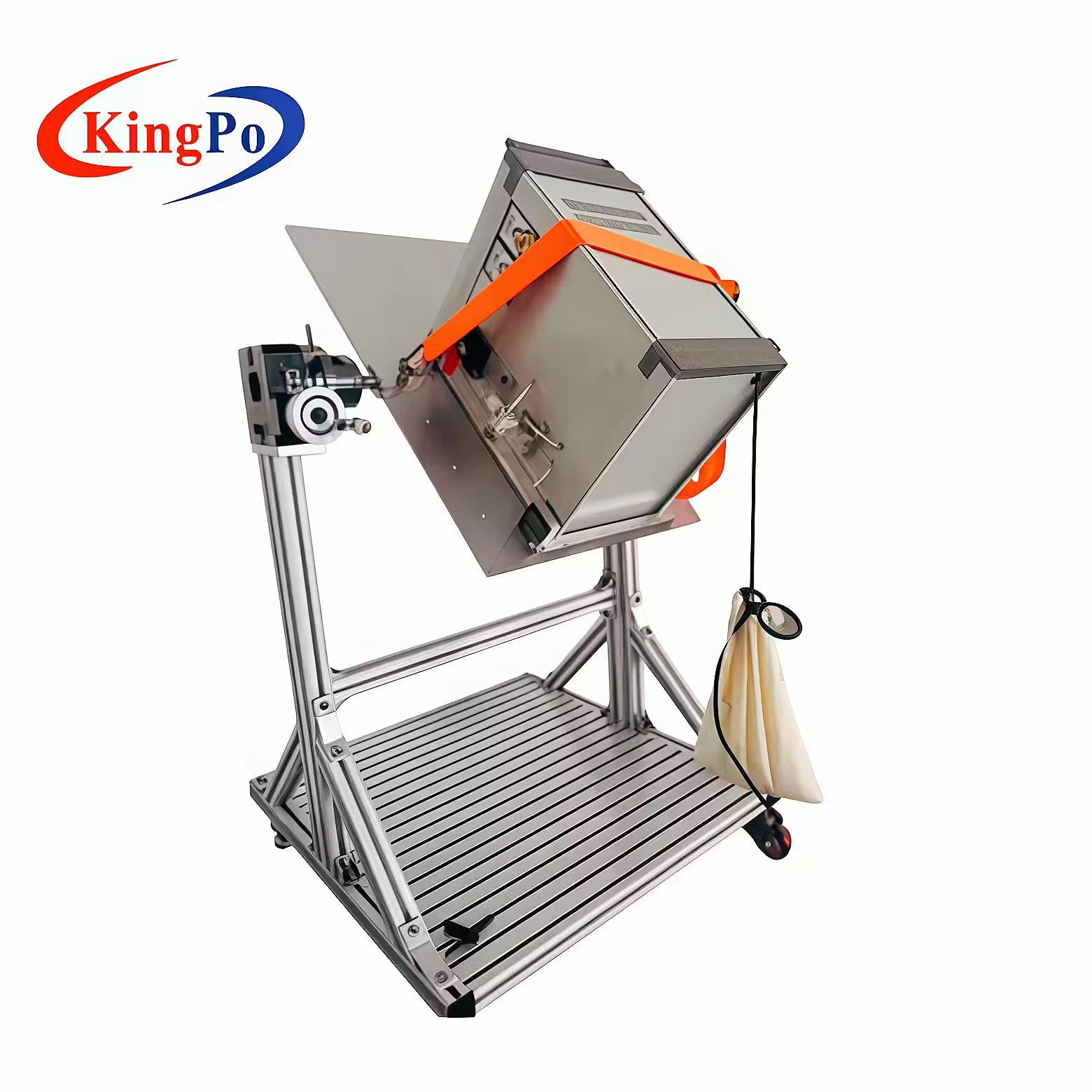
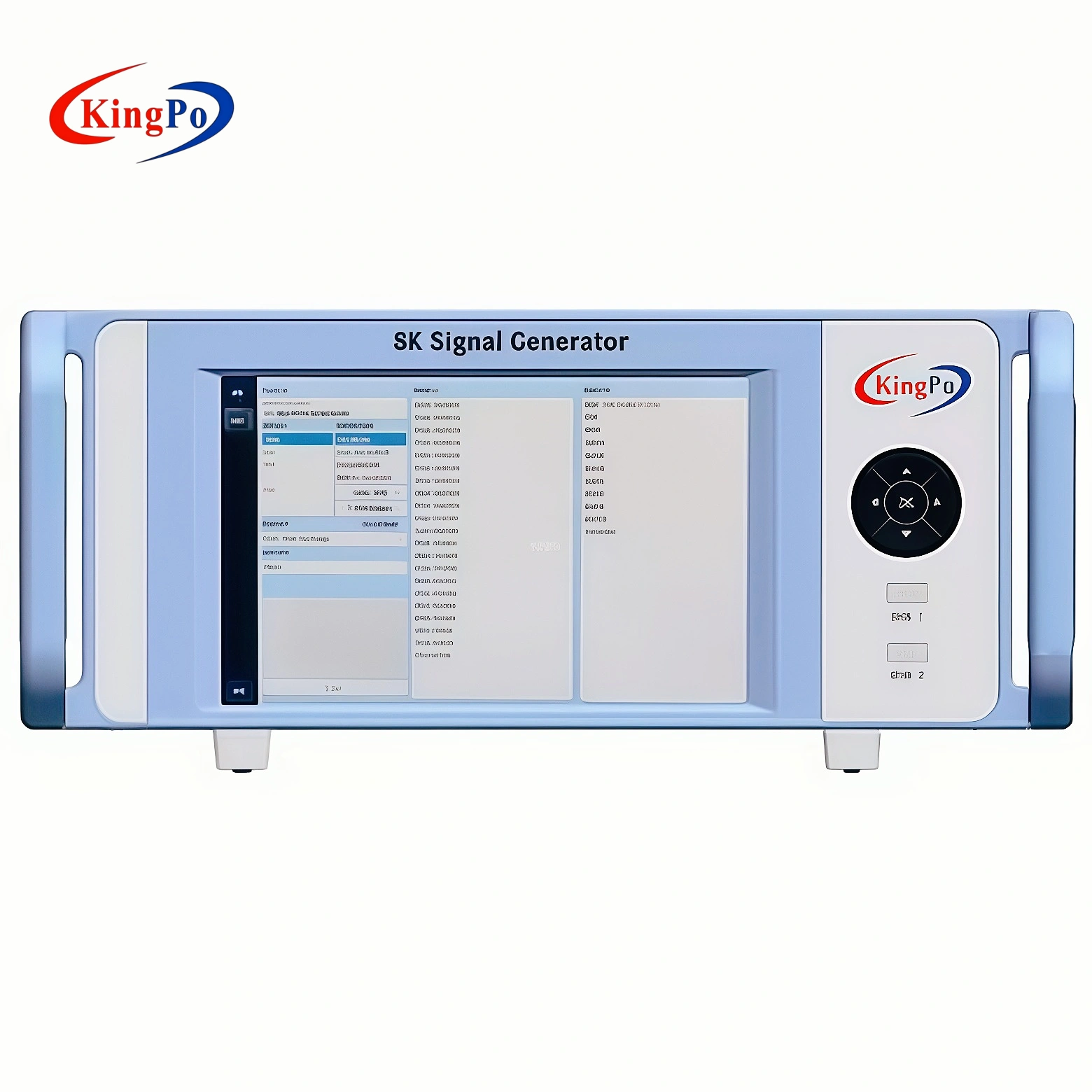
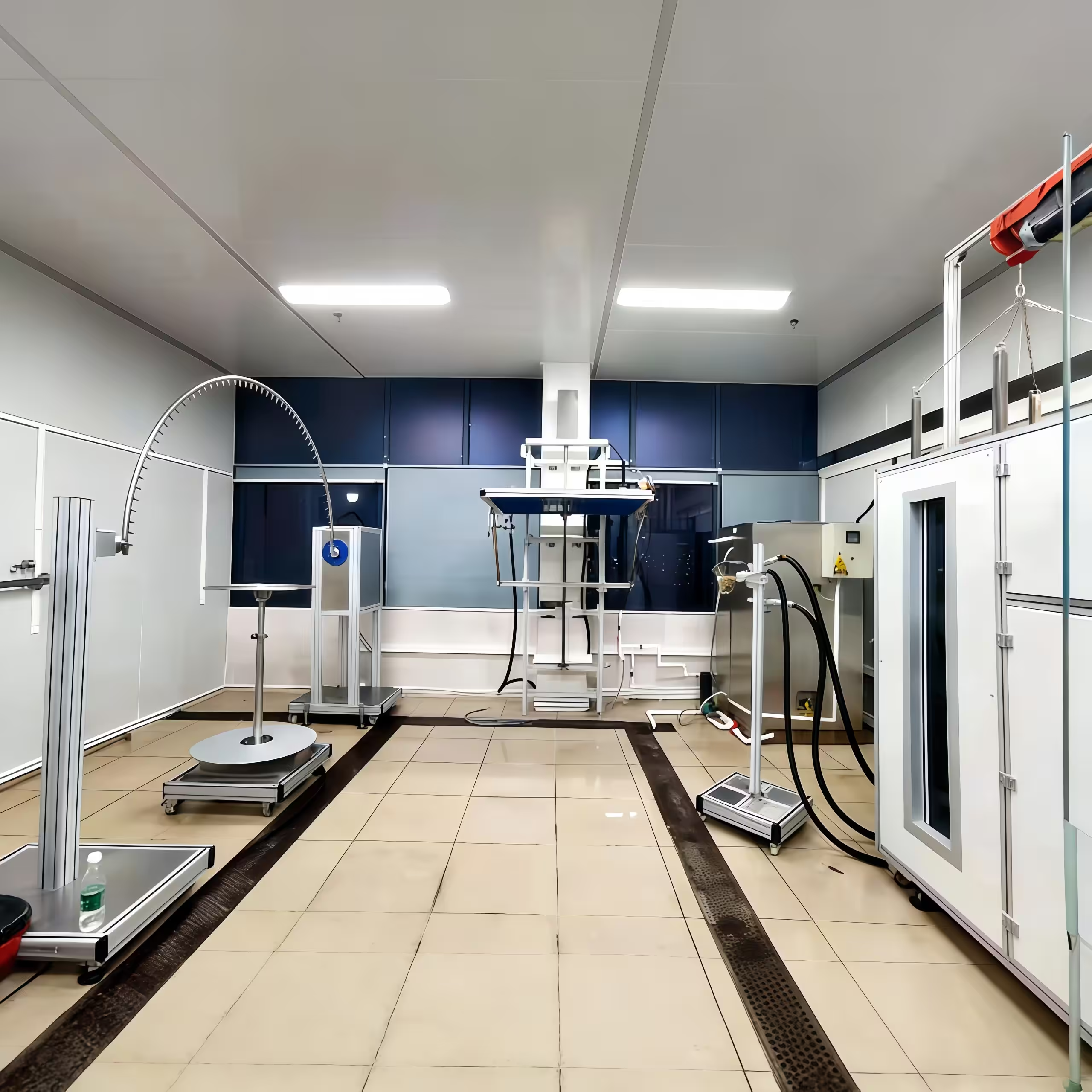
KINGPO offers a full range of ip and ik protection testing services to help manufacturers achieve reliable product certification. Their laboratory features advanced equipment designed to meet the strict requirements of international protection standards. The team uses specialized tools to test products for resistance to dust, water, and mechanical impact. These tests ensure that products meet the correct ip code and can withstand harsh environments.
The laboratory includes several key pieces of equipment:
|
Equipment Type |
Description |
|---|---|
|
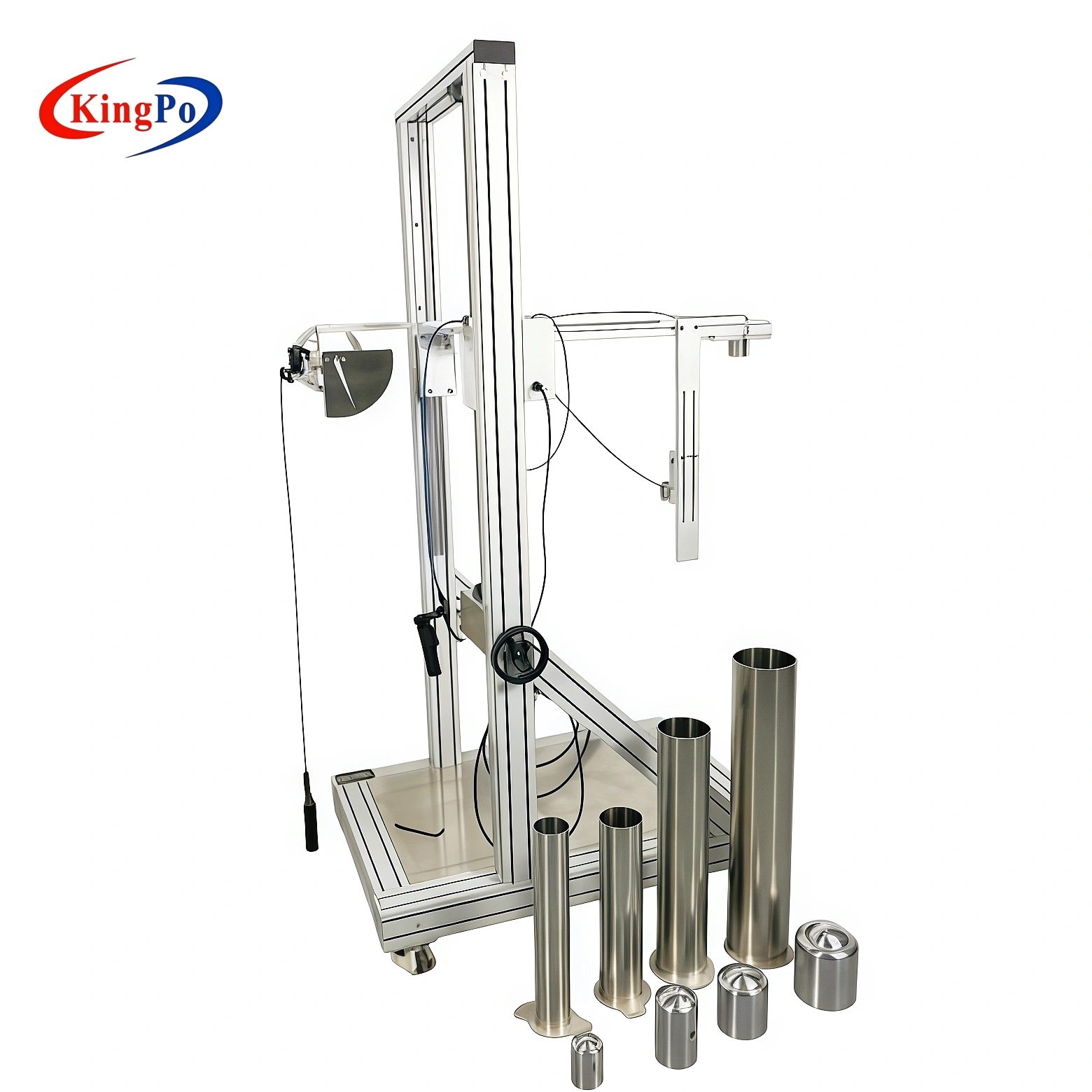
IK Pendulum Hammer |
IEC 62262 IK Pendulum Hammer for specifying enclosure capacity |
|
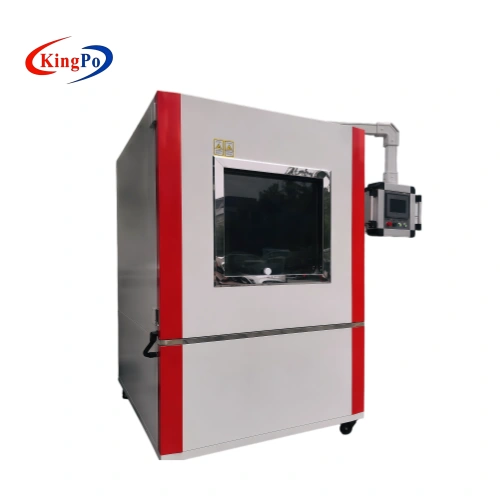
Dust Test Chamber |
Large 3x3x3m Dust Test Chamber with IEC 60529 Compliance for IP5X/IP6X Testing |
|
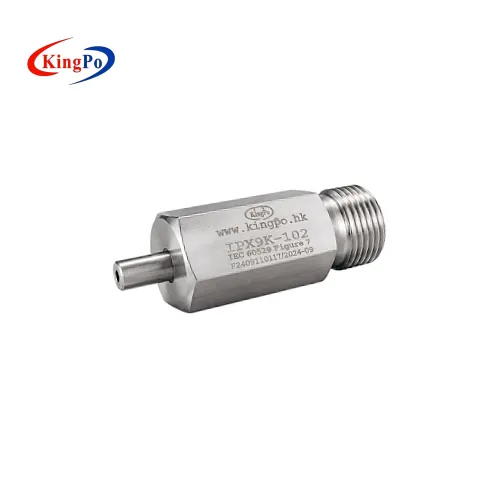
Rain Test Chamber |
ISO20653 IPX4K Rain Test Chamber with PLC Program Control and Adjustable Drip Height |
This equipment allows KINGPO to perform accurate and repeatable ip and ik protection testing. The laboratory supports a wide range of products, from consumer electronics to industrial devices. KINGPO also follows standards such as ul 50 and csa c22.2 to ensure global acceptance.
Engineering and Custom Solutions
KINGPO understands that every product has unique testing needs. The engineering team provides custom solutions to address specific challenges in ip and ik protection testing. They offer tailored consultations and develop specialized equipment for unique applications. The team designs custom test benches and adapts testing methods to fit unusual product shapes or functions.
Some of the custom engineering solutions include:
-
Tailored consultations and customized battery testing solutions
-
Customized environmental testing solutions
-
Small bore testing equipment designed for ISO 80369-20:2015 and other standards
-
Variants for specific standards and requirements
KINGPO invests in research and development to create innovative testing equipment. The company uses sensor data acquisition, computer control technology, and high-accuracy transmission devices. Their R&D center has developed over 160 products, supporting a wide range of ip code testing needs.
Market Access Support
Manufacturers must meet strict certification requirements to sell products in global markets. KINGPO helps clients navigate the complex process of achieving ip code and ik ratings. The project management team guides clients from initial assessment to final certification. They provide support for documentation, testing schedules, and compliance with international protection standards.
KINGPO’s expertise covers both established and emerging markets. The team understands the requirements for ce marking, ul 50, and csa c22.2 certifications. They help clients prepare for audits and inspections, reducing the risk of delays. With KINGPO’s support, manufacturers can achieve faster market access and greater confidence in their product reliability.
Tip: Early engagement with KINGPO’s experts can streamline the ip and ik protection testing process and improve the chances of first-time certification success.
Understanding IP and IK Rating Codes
What Are IP and IK Codes?
Manufacturers use ip and ik rating codes to describe how well a product’s enclosure protects against environmental hazards. These codes help engineers, designers, and compliance teams understand the level of protection a product offers. The ip rating codes, also known as ingress protection rating or international protection rating, focus on keeping out dust, water, and other foreign objects. The ik code measures how well a product resists mechanical impacts.
The following table shows the main standards that define these codes:
|
Standard |
Description |
|---|---|
|
IEC 60529 |
Defines degrees of protection provided by enclosures (IP Code). |
|
IEC 62262 |
Specifies impact protection ratings (IK Code) for enclosures against mechanical impacts. |
IEC 60529 outlines the classifications for ip rating codes based on protection against solids and liquids. IEC 62262 specifies the testing conditions for ik code, including mounting, atmospheric conditions, and impact energy levels. ISO 20653 also provides guidance for automotive applications.
The table below highlights the differences between ip and ik rating codes:
|
Code |
Definition |
Focus |
|---|---|---|
|
IP |
Degree of protection against access to dangerous parts and the ingress of foreign solids; degree of water penetration. |
Protection against foreign objects and water |
|
IK |
Degree of resistance of materials to mechanical shocks. |
Mechanical shock resistance |
A typical ip rating code uses two digits. The first digit shows protection against solids, such as dust. The second digit shows protection against liquids, such as water. For example, an IP67 rating means the product is dust-tight and can withstand immersion in water. The ik code uses numbers from IK01 to IK10. Higher numbers mean better protection against impacts.
Importance for Product Safety
Ip and ik rating codes play a critical role in product safety and reliability. These codes help manufacturers prove that their products can survive in harsh environments. Many industries, such as consumer electronics, automotive, and industrial equipment, require strict testing to meet safety standards.
The ip rating codes ensure that enclosures prevent dust and water from damaging sensitive components. This protection reduces the risk of electrical failures, corrosion, and short circuits. The ik code shows how well a product can resist impacts from accidental drops or vandalism. Products with higher ik ratings offer better protection and last longer in demanding settings.
The following table shows the range of ik ratings and what they mean:
|
IK Rating |
Description |
|---|---|
|
IK01 |
Lowest protection |
|
IK10 |
Highest protection |
Regulatory bodies and certification agencies often require products to meet specific ip and ik rating codes before they can enter the market. Meeting these requirements helps companies avoid costly recalls and liability issues. It also builds trust with customers who expect reliable and safe products.
Note: Choosing the right ingress protection rating and ik code during the design phase can save time and resources during certification. Early planning helps ensure compliance with international protection rating standards.
IP and IK Protection Testing Process
IP Code Testing Steps
Manufacturers follow a structured process to determine the correct ip code for their products. The testing begins with a review of the product’s enclosure and intended use. Technicians select the appropriate test methods based on the desired level of ingress protection. The laboratory uses specialized equipment and controlled environments to ensure accurate results.
Key steps in ip code testing include:
-
Dust testing for IP5X and IP6X uses a dust chamber with finely ground talcum powder. For IP6X, a vacuum simulates pressure differences.
-
Water ingress testing for IPX5 to IPX9 involves specific nozzles and flow rates. For example, IPX5 uses a 6.3 mm nozzle at 12.5 L/min, while IPX6 uses a 12.5 mm nozzle at 100 L/min.
-
Immersion tests for IPX7 and IPX8 require a static pressure tank.
-
Hot water testing for IPX9 uses high-pressure washers with water at 80 °C.
Technicians document all procedures and results to support the ip certification process.
IK Code Testing Steps
IK code testing measures how well a product resists mechanical impacts. The process follows IEC 62262 and related standards. The laboratory subjects devices to impacts using pendulums or spring hammers to simulate real-world conditions.
The main steps include:
-
Selection of the appropriate impact energy level, from IK01 to IK10.
-
For IK01 to IK06, a spring impact hammer delivers smaller energy impacts.
-
For IK07 to IK10, a pendulum applies larger energy impacts.
-
The team installs and ventilates the device as specified in IEC62262, IEC60598, and IEC60068-2-75.
-
Each impact is carefully measured, and the product is inspected for damage or loss of function.
Detailed records support the final ip certification and demonstrate compliance.
Achieving IP Certification
To achieve ip certification, manufacturers must prepare thorough documentation and evidence. The process includes:
-
Submitting government-issued identity documents for key stakeholders.
-
Providing organizational documents, such as articles of incorporation and bylaws.
-
Demonstrating majority ownership and control by qualified individuals.
-
Supplying evidence of investment, job creation, or revenue generation.
-
Presenting records of successful investment, such as bank statements or equity agreements.
-
Including documentation of government awards or grants, if applicable.
A complete and organized submission increases the likelihood of successful ip certification. Manufacturers who follow these steps can confidently demonstrate their product’s ingress protection and impact resistance.
Applications and Industry Use Cases
Consumer Electronics
Manufacturers of consumer electronics rely on IP and IK testing to ensure their products meet safety and durability standards. Devices such as smartphones, tablets, and smartwatches must resist dust and water to function reliably in daily life. Many companies test these products for impact resistance, especially for screens and casings. Human-machine interfaces, like touchscreens and control panels, require IK ratings to show they can withstand accidental drops or knocks. These tests help manufacturers gain market approval and meet international requirements, including CE marking. Products that pass IP and IK testing often display their ratings on packaging, giving consumers confidence in their durability.
-
Smartphones and wearables undergo IP testing for dust and water resistance.
-
Impact protection testing ensures screens and casings can survive drops.
-
Devices used in rugged environments, such as outdoor cameras, need higher IK ratings.
Industrial and Automotive Sectors
Industrial and automotive manufacturers use IP and IK testing to guarantee equipment reliability in harsh conditions. Control panels, sensors, and lighting systems in factories must resist dust, water, and mechanical impacts. Vehicles, including electric cars and trucks, require components that meet strict ingress and impact protection standards. These tests help companies comply with CE marking and other certifications. Many industrial products also reference nema ratings, which indicate enclosure protection levels in North America. Automotive lighting and sensors often need both IP and IK ratings to ensure safety and long-term performance.
-
Factories use IP-rated enclosures for electrical panels and machinery.
-
Automotive parts, such as headlights and cameras, require high IK ratings for impact resistance.
-
Nema ratings and IP codes often appear together in industrial product documentation.
Other Key Industries
Several other industries depend on IP and IK testing for regulatory compliance and product safety. Medical device manufacturers test equipment for water and dust resistance, especially for devices used in hospitals or outdoor settings. Portable monitors and handheld diagnostic tools must withstand impacts during transport and use. Electrical components, including switches and sockets, need proper IP and IK ratings to prevent accidents. Household appliances, such as dishwashers and washing machines, require high IP ratings to avoid water damage. These tests support CE marking and other international certifications, helping companies enter global markets.
Note: Selecting the correct IP and IK ratings during product design can reduce certification delays and improve customer trust.
Why Choose KINGPO for IP and IK Testing
Technical Expertise
KINGPO stands out as a leader in IP and IK protection testing. The company invests in advanced laboratory equipment and employs a team of skilled engineers. Their experts understand the latest international standards, such as IEC 60529 and IEC 62262. They design custom test benches and develop specialized solutions for unique products. The research and development center continues to create new testing devices, which helps clients address emerging challenges in product certification.
Clients often praise KINGPO’s technical reports for their clarity and accuracy. Many describe the reports as clean, consistent, and logical. The team provides valuable insights that go beyond standard market research. KINGPO’s focus on infographics and easy-to-understand graphics makes technical data accessible to everyone. Clients also appreciate the prompt help and willingness to make modifications when needed.
-
“One of the cleanest reports we have seen in terms of data consistency, format, and logic. Very easy to read, and we are satisfied with the outputs.”
-
“The prompt help and excellent modification are greatly appreciated. This report will be valuable for our business moving forward. Thank you!”
-
“Comprehensive reports with a strong focus on infographics. Graphics are easy to understand. Highly recommend your services.”
Efficient Certification Support
KINGPO supports clients through every stage of the certification process. The project management team guides manufacturers from initial assessment to final approval. They help organize documentation, schedule tests, and prepare for audits. This support reduces the risk of delays and ensures a smooth path to certification.
Manufacturers benefit from KINGPO’s experience with global standards. The team addresses earlier requirements and provides robust discussions to clarify results. Many clients report that KINGPO’s reports reveal valuable information and unique industry insights. This level of support helps companies achieve certification faster and with greater confidence.
Choosing KINGPO means working with a partner who values accuracy, efficiency, and client satisfaction. Their expertise and commitment help manufacturers bring safe, reliable products to market.
Partnering with KINGPO gives manufacturers a clear path to reliable IP and IK certification. These tests help products meet safety standards, pass compliance checks, and reach global markets. KINGPO’s expertise and advanced tools support every step of the process.
-
Improve product safety and reliability
-
Speed up certification and market entry
-
Gain expert guidance for complex requirements
For a smooth certification journey, contact KINGPO today to schedule a consultation or product assessment.
FAQ
What does an IP rating mean for a product?
An IP rating shows how well a product’s enclosure protects against dust and water. Higher numbers mean better protection. Manufacturers use these ratings to prove their products can survive in tough environments.
How does IK testing differ from IP testing?
IK testing measures resistance to mechanical impacts, such as drops or strikes. IP testing checks for protection against dust and water. Both tests help ensure product durability and safety.
Why do manufacturers need IP and IK certification?
Certification helps products meet safety standards. It also allows access to global markets. Customers trust certified products more because they know the products can handle real-world conditions.
How long does the IP and IK testing process take?
Testing time depends on product type and required ratings. Most projects finish within two to four weeks. KINGPO’s team works quickly to help clients meet deadlines.