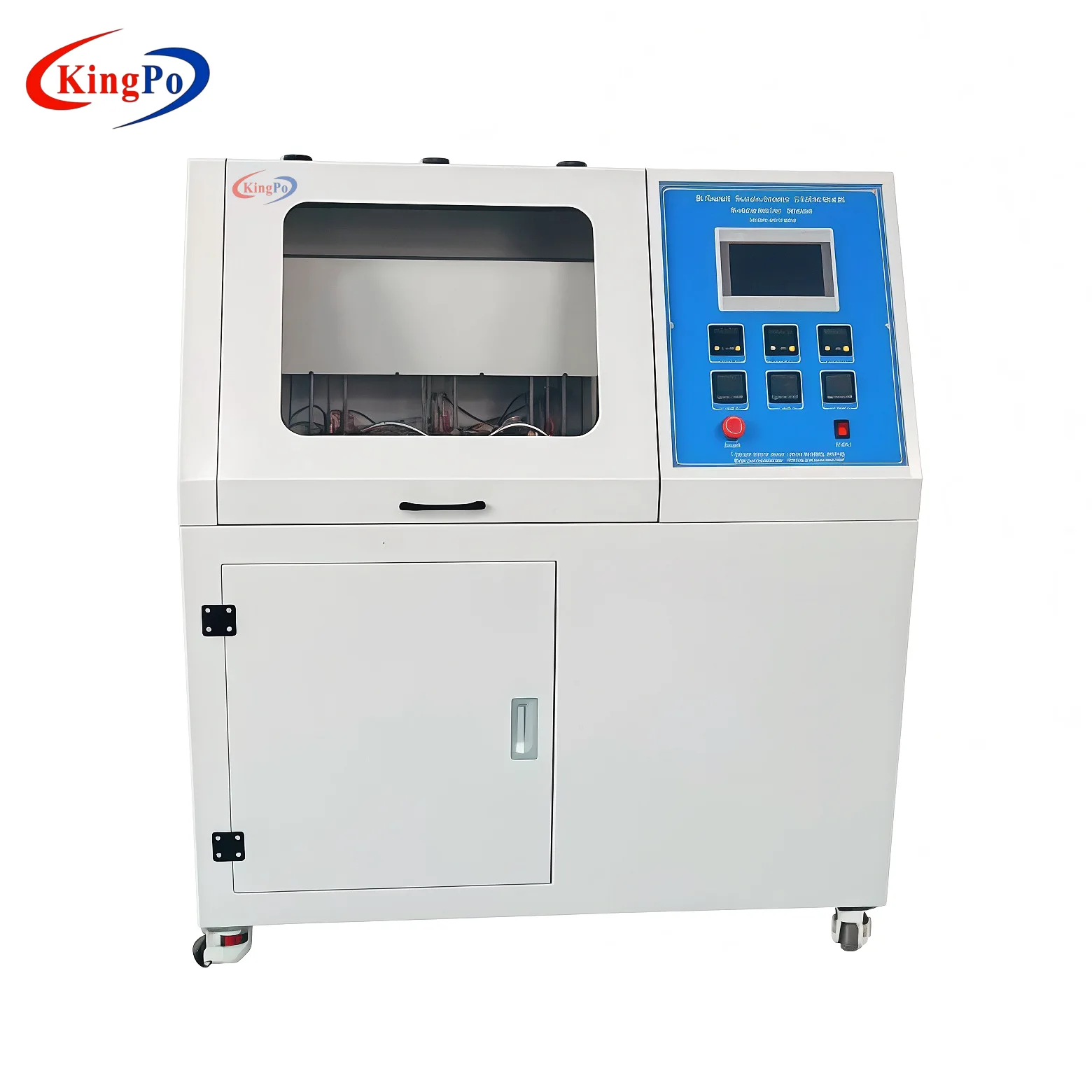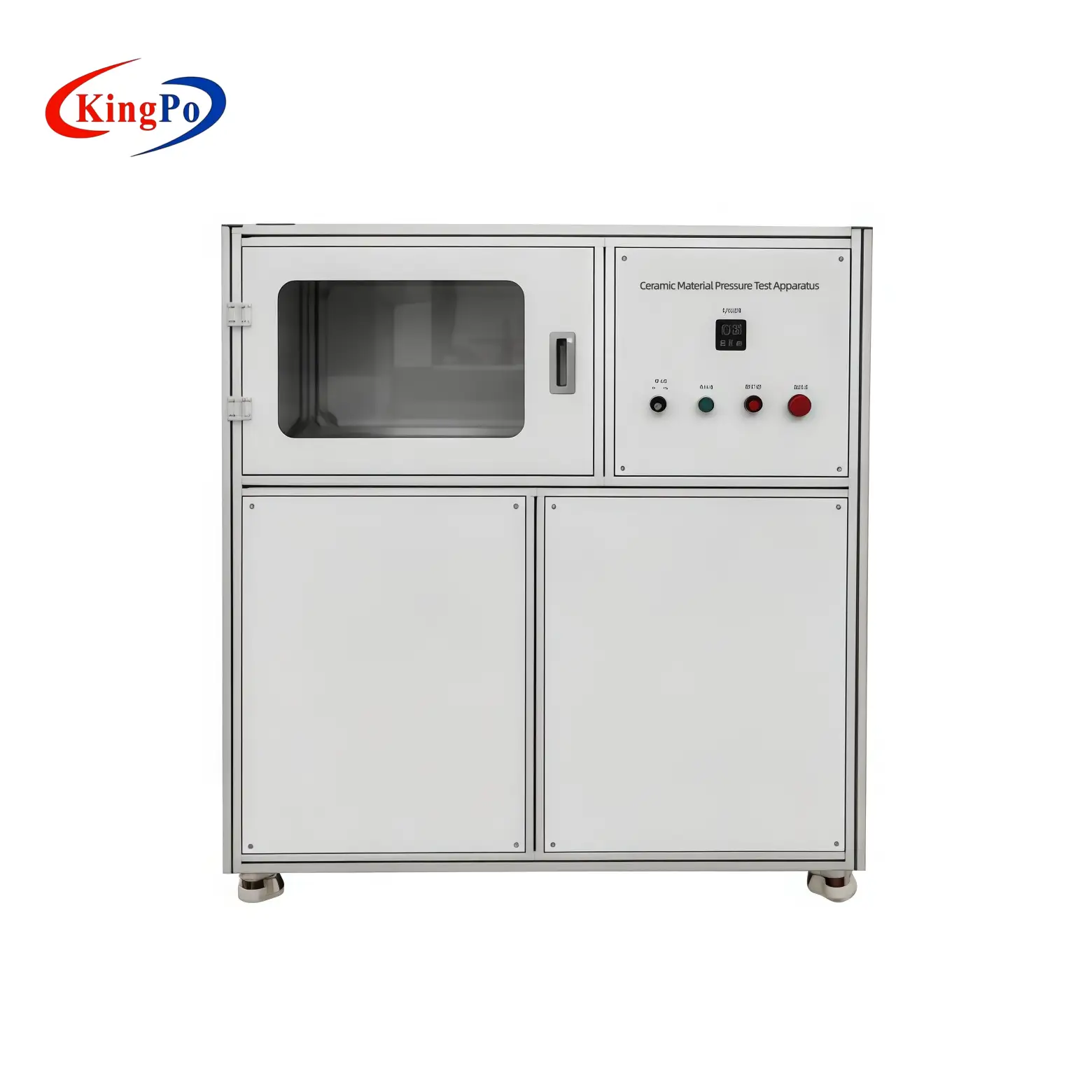
Front-right view of KingPo KP-Y3501 ceramic material pressure test apparatus showing the control panel and test chamber
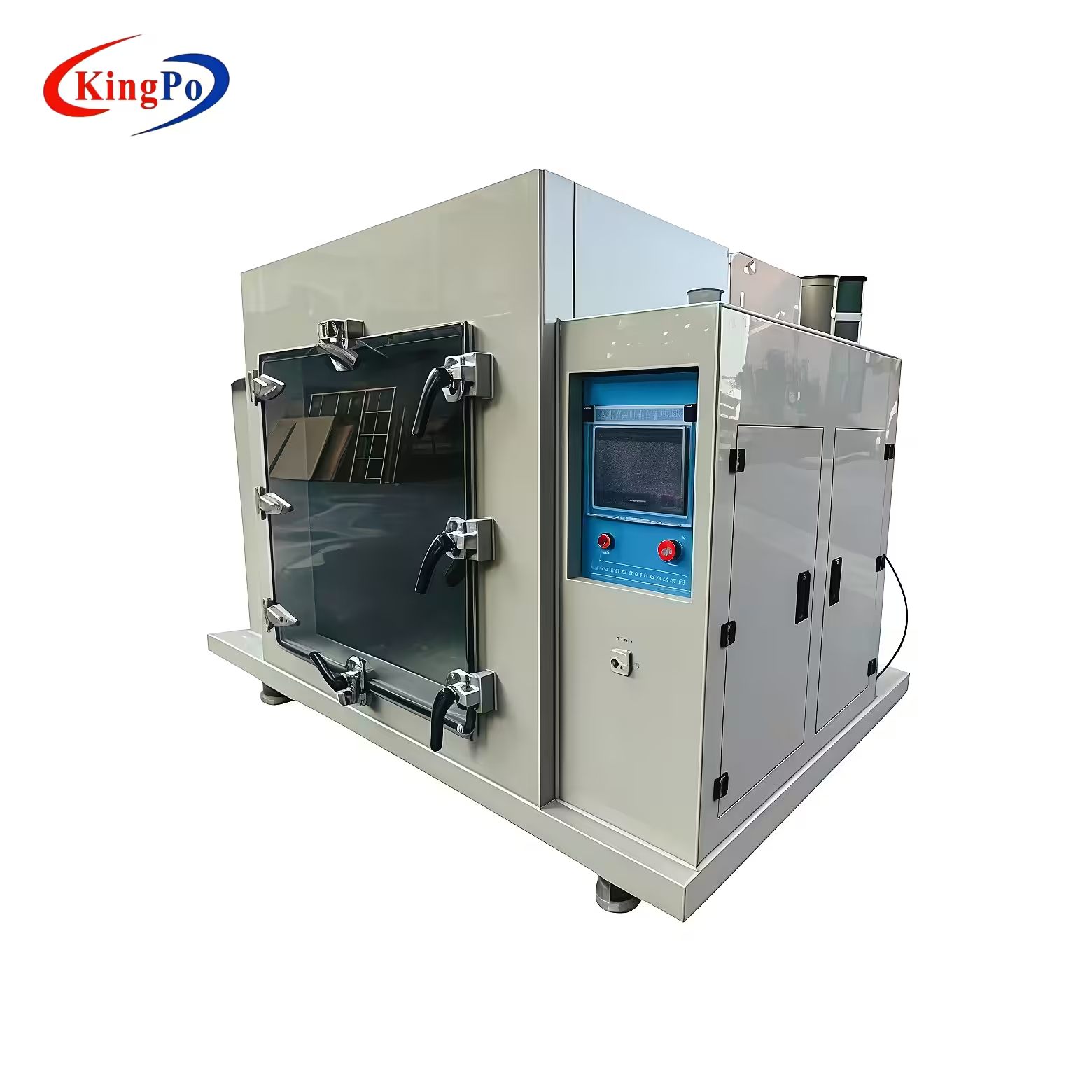
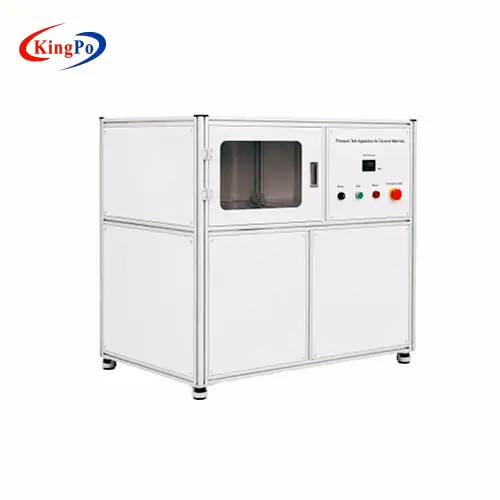
Front-left perspective of KingPo KP-Y3501 pressure test apparatus for tightly sintered ceramic material evaluation
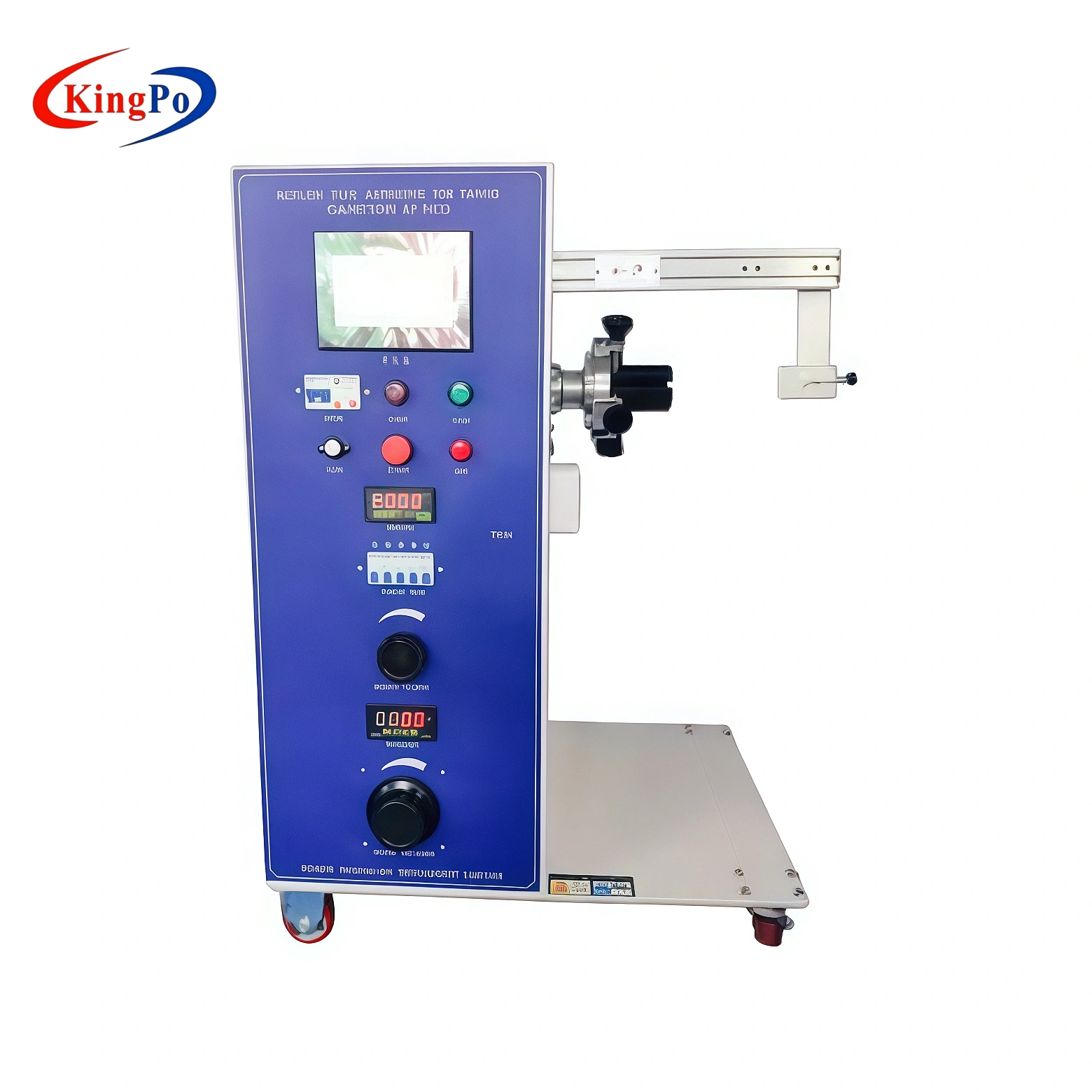
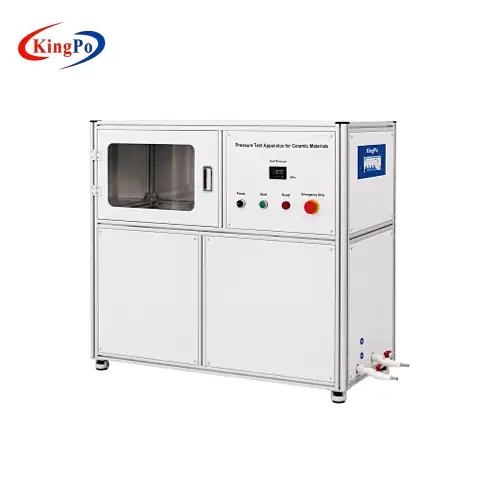
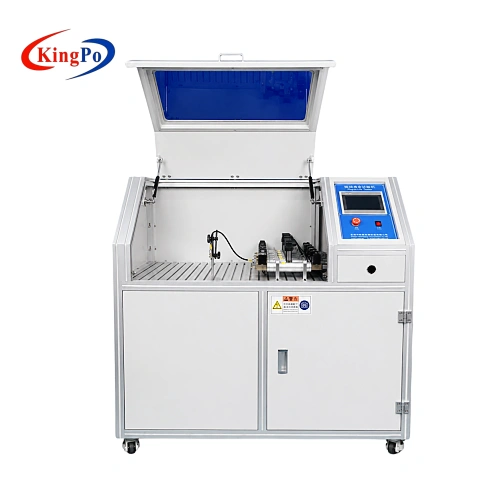
Front view of KingPo KP-Y3501 pressure test apparatus for ceramic materials for IEC 60335-1 Clause 22.32 testing
Front-right view of KingPo KP-Y3501 ceramic material pressure test apparatus showing the control panel and test chamber
Front-left perspective of KingPo KP-Y3501 pressure test apparatus for tightly sintered ceramic material evaluation
Front view of KingPo KP-Y3501 pressure test apparatus for ceramic materials for IEC 60335-1 Clause 22.32 testing

IEC 60335-1 Clause 22.32 Pressure Test Apparatus for Ceramic Materials

The KingPo KP-Y3501 Pressure Test Apparatus for Ceramic Materials is designed for the tightly sintered ceramic material test associated with IEC 60335-1 Clause 22.32. It is used to evaluate whether applicable ceramic insulating material allows a fuchsine test solution to penetrate into its internal structure when exposed to high pressure for a specified period.

  • Model: KP-Y3501
  • Primary Standard: IEC 60335-1
  • Clause: Clause 22.32
  • Test Object: Applicable ceramic insulating material and ceramic components
  • Test Purpose: Evaluation of whether ceramic material is tightly sintered
  • Test Method: High-pressure fuchsine solution penetration test
  • Pressure Capability: Above 15 MPa, adjustable up to 20 MPa
  • Test Time: 1–99 h adjustable
  • Pressure Vessel Volume: 450 mL
  • Pressurization: Automatic electric pressurization
  • Pressure Relief: Automatic after test completion
  • Typical Application: Household appliance safety and ceramic insulation material testing

IEC 60335-1 Ceramic Material Pressure Test Apparatus

Product Overview

Ceramic components can form part of the insulation system in household and similar electrical appliances. Where the applicable construction requirement depends on the ceramic material being tightly sintered, a visual surface inspection alone is not sufficient to evaluate whether the material contains connected pores or internal paths through which liquid can penetrate.

The KP-Y3501 creates a controlled high-pressure environment for this evaluation.

The ceramic specimen is immersed in a fuchsine-containing test solution inside the pressure vessel. The apparatus automatically raises the vessel to the preset pressure and maintains the pressure for the programmed test period. At the end of the test, the system automatically releases the pressure and provides a completion indication.

After the vessel has been fully depressurized, the ceramic specimen is removed, cleaned and broken. The newly exposed internal surfaces are then examined for evidence of fuchsine penetration.

Test Scope:
The KP-Y3501 performs a pressure-assisted dye penetration test. It is not a ceramic compressive-strength tester, burst-pressure tester or conventional mechanical strength testing machine.

Technical Specifications

The main test parameters and equipment configuration of the KingPo KP-Y3501 are listed below.

Test & Pressure Parameters

Item Specification
Product Name Pressure Test Apparatus for Ceramic Materials
Brand / Model KingPo / KP-Y3501
Standard Reference IEC 60335-1 Clause 22.32
Test Application Tightly sintered ceramic material evaluation
Test Method Fuchsine solution pressure penetration test
Pressure Capability Above 15 MPa, adjustable up to 20 MPa
Test Time 1–99 h adjustable
Pressure Vessel Volume 450 mL

System & Installation

Item Specification
Pressurization Automatic electric pressurization
Pressure Holding Automatic holding after the preset pressure is reached
Pressure Relief Automatic pressure relief after test completion
Completion Indication Audible reminder
Completion Reminder Time 3 min, as stated in the original product data
Power Supply AC 380 V, 50 Hz
Rated Power 4 kW
Overall Dimensions Approx. 1200 × 500 × 1360 mm (L × W × H)
Power Supply Note:
AC 380 V / 50 Hz is the documented KP-Y3501 configuration. For laboratories using a different supply voltage or frequency, the required electrical configuration should be confirmed before quotation.

What Does This Equipment Test?


The KP-Y3501 evaluates whether applicable ceramic material remains sufficiently dense to prevent the specified dye solution from penetrating into its internal structure during high-pressure exposure.

The test focuses on four elements:

01  Ceramic material under evaluation
02  Exposure to fuchsine-containing solution
03  High-pressure penetration conditions
04  Internal structure after testing

A specimen that permits dye to enter the internal material can be identified after the ceramic is broken and the fresh fracture surfaces are examined.

Important Technical Distinction:
This test is fundamentally different from ceramic mechanical-strength testing. The applied pressure is used to promote liquid penetration into possible connected pores, rather than to determine how much mechanical compression the specimen can withstand.

IEC 60335-1 Clause 22.32 Test Application

IEC 60335-1 covers general safety requirements for household and similar electrical appliances. Clause 22 addresses construction requirements, and the relevant Clause 22.32 test includes evaluation of ceramic material where the safety requirement depends on the material being tightly sintered.

The KP-Y3501 is designed to provide the high-pressure liquid-penetration function required for this specific type of ceramic-material assessment.
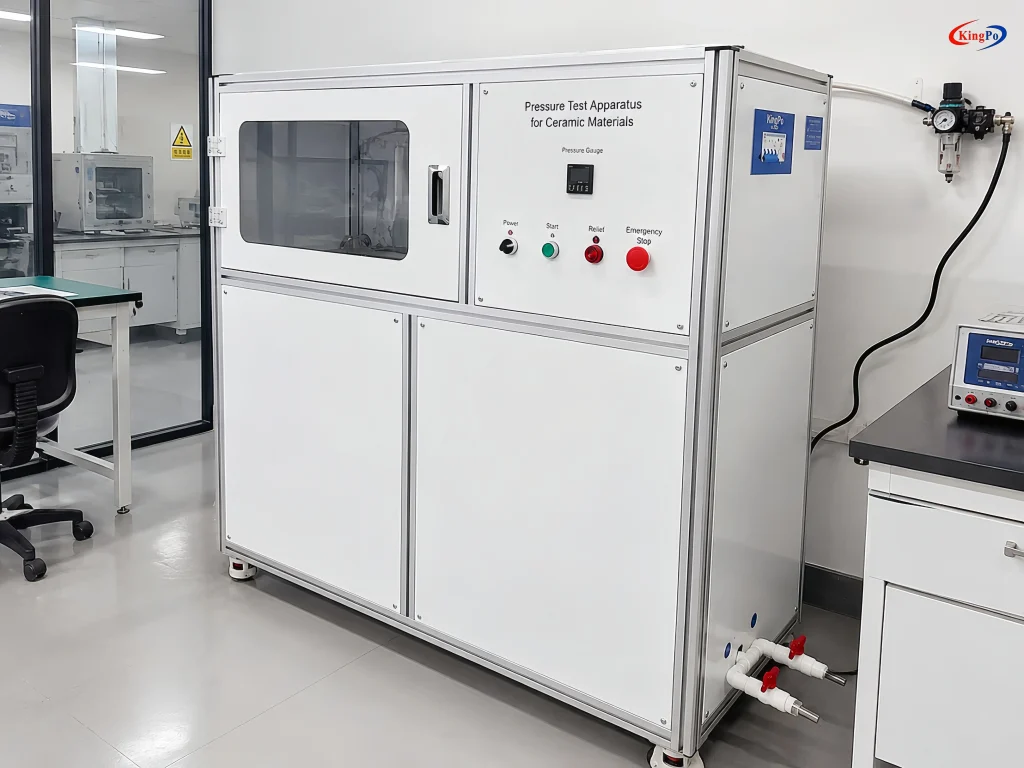
KingPo KP-Y3501 pressure test apparatus for ceramic materials installed in a laboratory for IEC 60335-1 Clause 22.32 testing

The apparatus should not be interpreted as a complete IEC 60335-1 test system. Compliance with IEC 60335-1 can require additional electrical, mechanical, thermal, moisture, abnormal-operation and construction tests depending on the appliance.
China Standard Edition Note

The original KP-Y3501 documentation references GB 4706.1-2005 Clause 22.32.

For current China-market projects, laboratories should confirm the corresponding requirement in the applicable edition of GB/T 4706.1-2024 rather than automatically using legacy GB 4706.1-2005 project information.

Before equipment configuration is finalized, confirm:

  • Applicable IEC or GB/T standard
  • Standard edition or publication year
  • Applicable clause
  • Certification or laboratory project requirements

Test Principle

The test uses a colored fuchsine solution as a penetration indicator.

According to the original KingPo procedure, the test solution is prepared using:

Methylated Spirit
100 g
Basic Fuchsine
1 g

The ceramic specimen is immersed in this solution inside the pressure vessel.

During the pressure-holding stage, the high external liquid pressure promotes penetration into any connected pores or insufficiently dense regions in the ceramic structure. Because the solution contains a visible dye, penetration can subsequently be detected by breaking the ceramic and examining its internal surfaces.

Original Procedure Pressure
Approx. 15 MPa
Original Procedure Duration
12 h
Equipment Capability
Up to 20 MPa
These values should be distinguished carefully: 20 MPa and 1–99 h are equipment capabilities. The pressure, duration, solution preparation and acceptance criteria used for formal conformity testing should follow the controlled edition of the applicable standard.

Automatic Test Sequence

01

Prepare the Ceramic Specimen

Select the ceramic component or material specimen specified by the applicable product standard or laboratory procedure and place it in the pressure vessel.

02

Add the Test Solution

Add the required fuchsine-containing solution so that the specimen is exposed according to the applicable test method. The original KP-Y3501 procedure uses 1 g of basic fuchsine in 100 g of methylated spirit.

03

Set the Test Pressure

Set the required pressure using the pressure-control system. The equipment provides an adjustable high-pressure capability above 15 MPa up to 20 MPa.

04

Set the Test Duration

Program the required pressure-holding time. The KP-Y3501 timer can be set from 1 to 99 hours.

05

Reset the Pressure-Relief Mechanism

Before starting the test, return the automatic pressure-relief mechanism and pressure-holding valve to the required test position.

06

Start Automatic Pressurization

Start the test cycle. The electric pressure-boosting system automatically raises the pressure inside the vessel. When the preset pressure is reached, the pressurization system stops and the vessel enters the pressure-holding stage.

07

Maintain the Preset Pressure

The ceramic specimen remains exposed to the pressurized test solution for the programmed duration. Automatic pressurization and holding reduce the need for continuous manual intervention during long-duration testing.

08

Automatic Pressure Relief

When the programmed test time expires, the pressure-relief mechanism automatically opens and releases system pressure. An audible reminder indicates completion of the programmed test cycle.

09

Remove and Examine the Specimen

Open the pressure vessel only after complete depressurization has been confirmed. Remove and clean the specimen, then break it to expose fresh internal surfaces and inspect for evidence of fuchsine penetration.

Pressure and Control System

The KP-Y3501 is designed around a long-duration high-pressure penetration test rather than a manually operated pressure vessel.

Automatic Electric Pressurization

An electrically driven boosting system raises the vessel pressure automatically after the test is started, reducing the need for continuous manual pressure generation.

Preset Pressure Control

The required pressure is set before the test cycle. When the preset value is reached, the pressure-boosting system stops and the apparatus enters the holding stage.

Long-Duration Pressure Holding

The programmable timer supports test periods from 1 to 99 hours, allowing long-duration pressure exposure without continuous operator intervention.

Automatic Pressure Relief

At the end of the programmed test period, the apparatus automatically initiates pressure release, which is particularly relevant for extended tests at pressures in the 15 MPa class.

450 mL Pressure Vessel

The documented pressure vessel capacity is 450 mL. Sample dimensions and quantity should be confirmed before quotation to verify vessel suitability.

Test Solution and Result Evaluation

The fuchsine solution functions as a visual penetration indicator.

The test does not simply check whether the outer surface of the ceramic becomes stained. The critical observation is made after the tested specimen has been cleaned and broken.

  1. Complete the specified pressure exposure.
  2. Fully depressurize the vessel.
  3. Remove the ceramic specimen.
  4. Clean residual solution from the external surface.
  5. Break the specimen.
  6. Inspect the newly exposed internal ceramic surfaces.
  7. Evaluate visible fuchsine penetration according to the applicable standard.
This evaluation approach helps distinguish superficial external staining from actual penetration into the internal ceramic structure.

Typical Test Objects

The KP-Y3501 is intended for ceramic materials and ceramic components for which the applicable product-safety standard requires a tightly sintered material evaluation.

Ceramic insulating components
Ceramic insulation parts used in household appliances
Ceramic components forming part of an electrical insulation system
Ceramic material samples removed from appliance components
Ceramic parts subject to the Clause 22.32-type penetration test
Other ceramic components requiring tightly sintered material verification
A component should not be subjected to this test simply because it is made of ceramic. The applicable product standard, construction and insulation function should first be confirmed.

Typical Laboratory Applications

The KP-Y3501 is primarily intended for laboratories involved in household-appliance safety and ceramic insulation material assessment, including:

Third-party electrical safety laboratories
Certification and conformity-assessment laboratories
Household appliance manufacturers
Electrical component manufacturers
Product safety laboratories
R&D departments
QA and QC laboratories
Inspection and regulatory laboratories

For these users, the key purchasing considerations are normally the applicable standard edition, test pressure, holding time, specimen dimensions, pressure-vessel capacity, electrical supply and calibration/documentation requirements.

Safety and Operating Considerations
High-Pressure and Solvent Handling

The test combines high pressure with a test solution containing methylated spirit. Appropriate laboratory safety procedures are therefore required.

Operators should ensure that:

  • the pressure vessel and all pressure connections are correctly secured before testing;
  • the specified operating pressure is not exceeded;
  • the vessel is fully depressurized before opening;
  • pressure-system components are periodically inspected and maintained;
  • the test solution is prepared and handled according to laboratory chemical-safety procedures;
  • suitable ventilation is provided when methylated spirit is handled;
  • appropriate personal protective equipment is used;
  • ignition sources are controlled according to the laboratory’s solvent-handling procedures;
  • the pressure vessel is not opened while residual pressure remains.
Configuration Limitation:
The available KP-Y3501 documentation does not identify the system as explosion-proof certified equipment. If a project requires explosion-proof electrical construction or installation in a classified hazardous location, this requirement must be specified separately before quotation.

Compliance & Regulatory Assurance

The KP-Y3501 Pressure Test Apparatus is designed for the high-pressure fuchsine penetration test of ceramic materials in accordance with the relevant requirements of IEC 60335-1 and GB 4706.1 Clause 22.32.

Please confirm the applicable standard edition, test pressure, holding time and documentation requirements before ordering

Product Datasheet
Download the KP-Y3501 IEC 60335-1 Pressure Test Apparatus datasheet for product specifications, test principle, operating information and configuration details.

Download Datasheet

Technical Inquiry & Expert Support

To confirm the appropriate KingPo KP-Y3501 Pressure Test Apparatus for Ceramic Materials configuration, please provide:

  • Applicable standard
  • Ceramic component or material type
  • Specimen dimensions
  • Number of specimens per test
  • Required test pressure
  • Required pressure-holding duration
  • Required test-solution procedure
  • Available laboratory power supply
  • Required pressure calibration points
  • Timer calibration requirement
  • Third-party or accredited calibration requirement
Providing this information before quotation allows KingPo to confirm whether the pressure range, vessel capacity, electrical configuration and documentation package are suitable for the intended test.

Pressure Test Apparatus for Ceramic Materials

FAQ

What is the KP-Y3501 designed to test?
The KP-Y3501 evaluates whether ceramic material is tightly sintered by checking for dye penetration after high-pressure exposure. It is intended for ceramic parts used in the insulation or protective construction of electrical appliances.
Which standards are associated with this test?
The test method is associated with IEC 60335-1 and GB 4706.1 Clause 22.32. The applicable edition, national adoption and any relevant Part 2 standard should be confirmed before ordering
Is this a ceramic compression-strength tester?
No. The apparatus does not measure the maximum mechanical load or compressive strength of a ceramic component. It uses a colored solution and controlled pressure exposure to reveal possible pores or penetration pathways within insufficiently sintered material.
How are the test pressure and holding time selected?
The referenced method specifies a pressure of at least 15 MPa, with pressure and duration selected so their numerical product is approximately 180. Typical combinations include 15 MPa for about 12 hours, 18 MPa for about 10 hours and 20 MPa for about 9 hours.
What solution is used for the test?
The referenced method uses a solution containing 1 g of basic fuchsine per 100 g of methylated spirit. The laboratory is responsible for preparing, storing, handling and disposing of the solution according to its chemical-safety procedures.
What samples can be placed in the 450 mL vessel?
The vessel is intended for prepared ceramic fragments that can be fully immersed while allowing safe vessel closure. Actual batch capacity depends on fragment dimensions, sample quantity and solution level, so representative sample information should be provided before quotation.
Which parts of the test cycle are automatic?
The KP-Y3501 provides electric pressurization, timed pressure holding, automatic pressure release and an audible completion reminder. Solution preparation, sample loading, vessel closure, rinsing, drying, sample breaking and visual inspection remain operator-controlled procedures.
How are the samples inspected after testing?
After pressure exposure, the ceramic pieces are removed, rinsed and dried before being broken into smaller pieces. The newly exposed fracture surfaces are examined visually for dye penetration in accordance with the applicable standard and the laboratory’s approved procedure.
Can calibration and inspection documents be supplied?
Calibration points, pressure accuracy requirements, certificate type and traceability expectations should be specified before ordering. The available documentation depends on the selected instrument configuration and the requirements agreed in the technical quotation.
What safety conditions are required for installation and operation?
The apparatus should be installed in a controlled, ventilated laboratory area with suitable electrical protection, protective earthing and ignition-source control. Operators must follow high-pressure and chemical-handling procedures and must never open the vessel until pressure has been fully released and a safe condition verified.

Related Products

Related News

Quick Answer Leakage current testing devices are used to measure unintended current that may flow from live parts, insulation systems, […]

KingPo Eurofins IEC 60335 Test Equipment Delivered to Finland Espoo, Finland — Jun 2023 —A complete set of high-precision IEC 60335 […]

KingPo HCT IEC 60335 Test Equipment Delivered to Korea Seoul, Korea — Jun 2021 — High-precision KingPo HCT IEC 60335 test […]

KingPo Delivers IEC 60335 Test Equipment to Intertek Hong Kong and Korea   Hong Kong & Seoul, March 2023 — KingPo […]

IEC61010 Safety Standards​ set essential rules for electrical equipment, protecting users from shock, fire, and mechanical hazards in various industries.
Water Heater Performance Tester checks IEC 60335 compliance by measuring safety, performance, and reliability for electric storage water heaters.

As service robots (Service Robots) are increasingly deployed in commercial, public, and healthcare environments, human-robot interaction safety, mobility-related hazards, and […]

Strengthening Academic Credibility in Product Safety Testing and Standards-Based Engineering Kingpo Technology Development Limited has been recognized as a Vice President […]

Scroll to Top

Get A Free Quote Now !

Contact Form
If you have any questions, please do not hesitate to contact us.