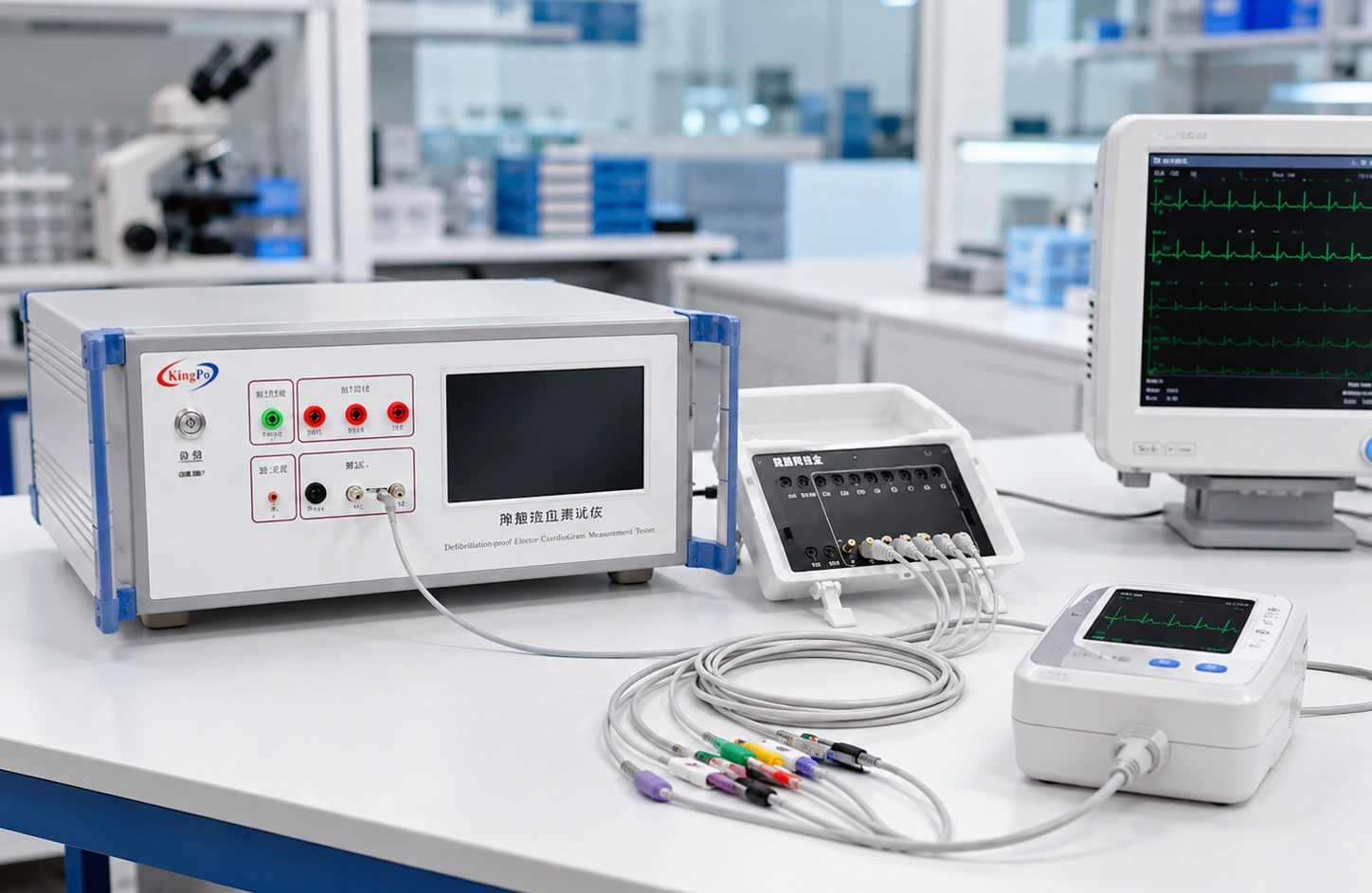
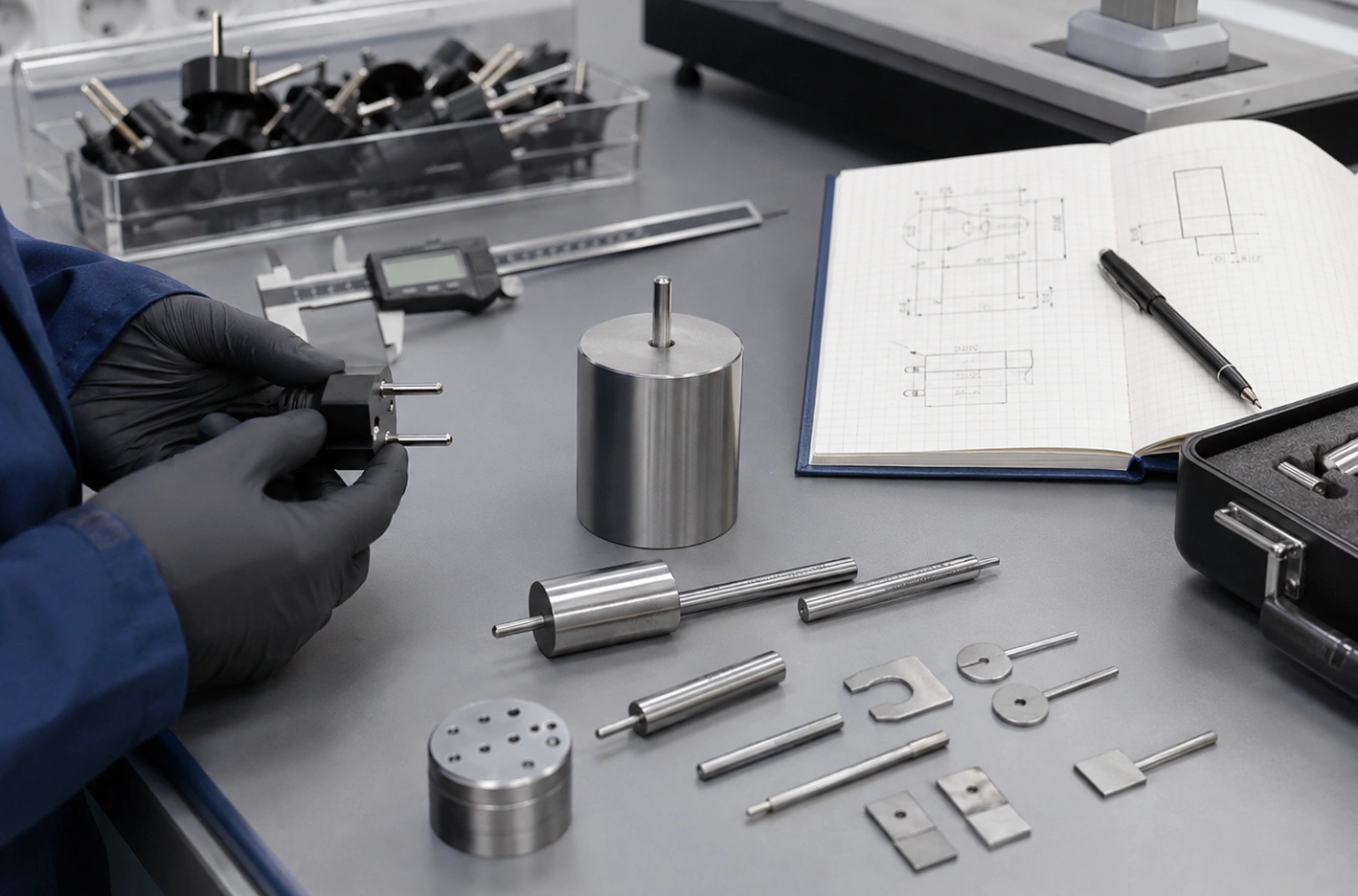
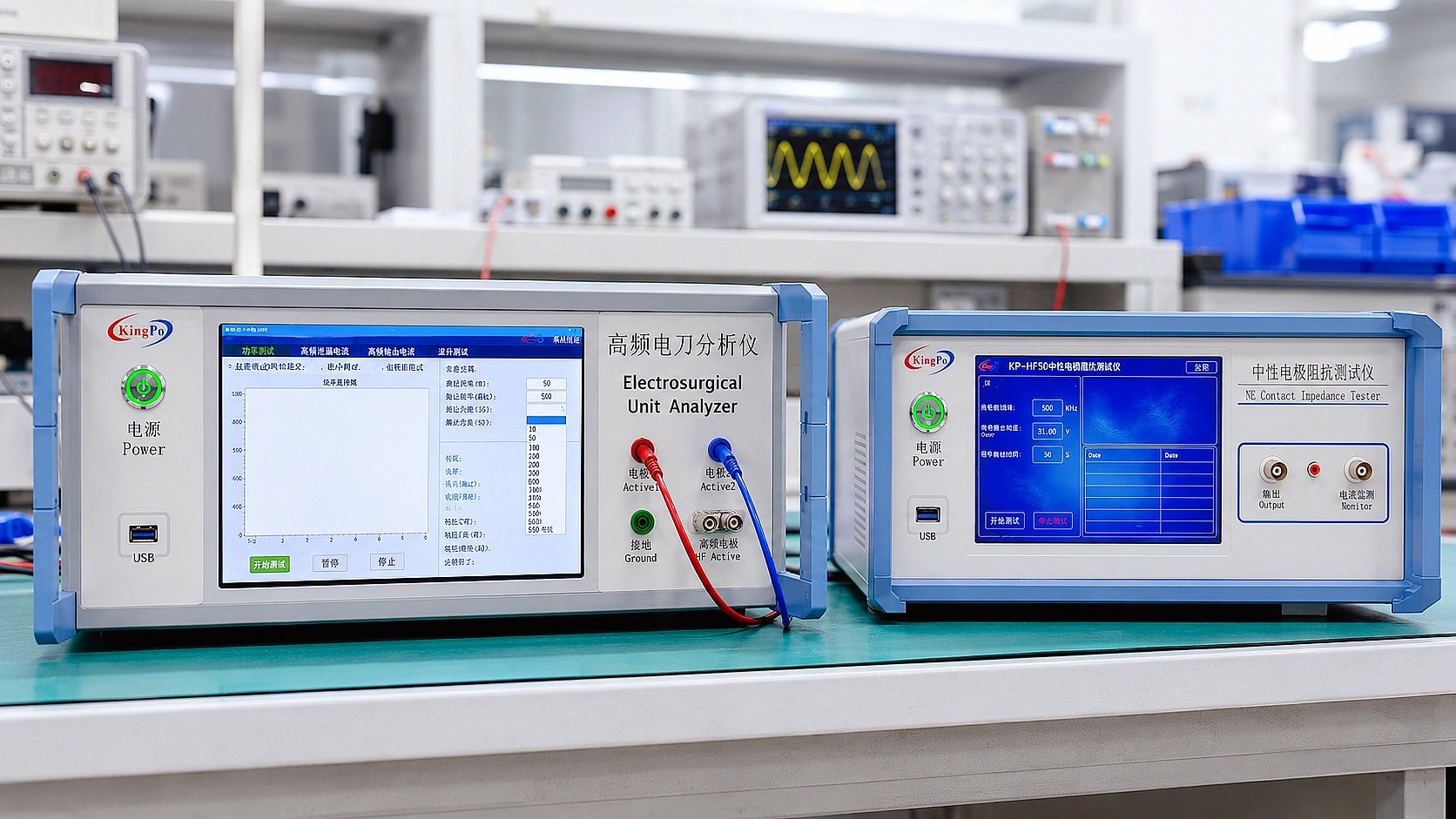
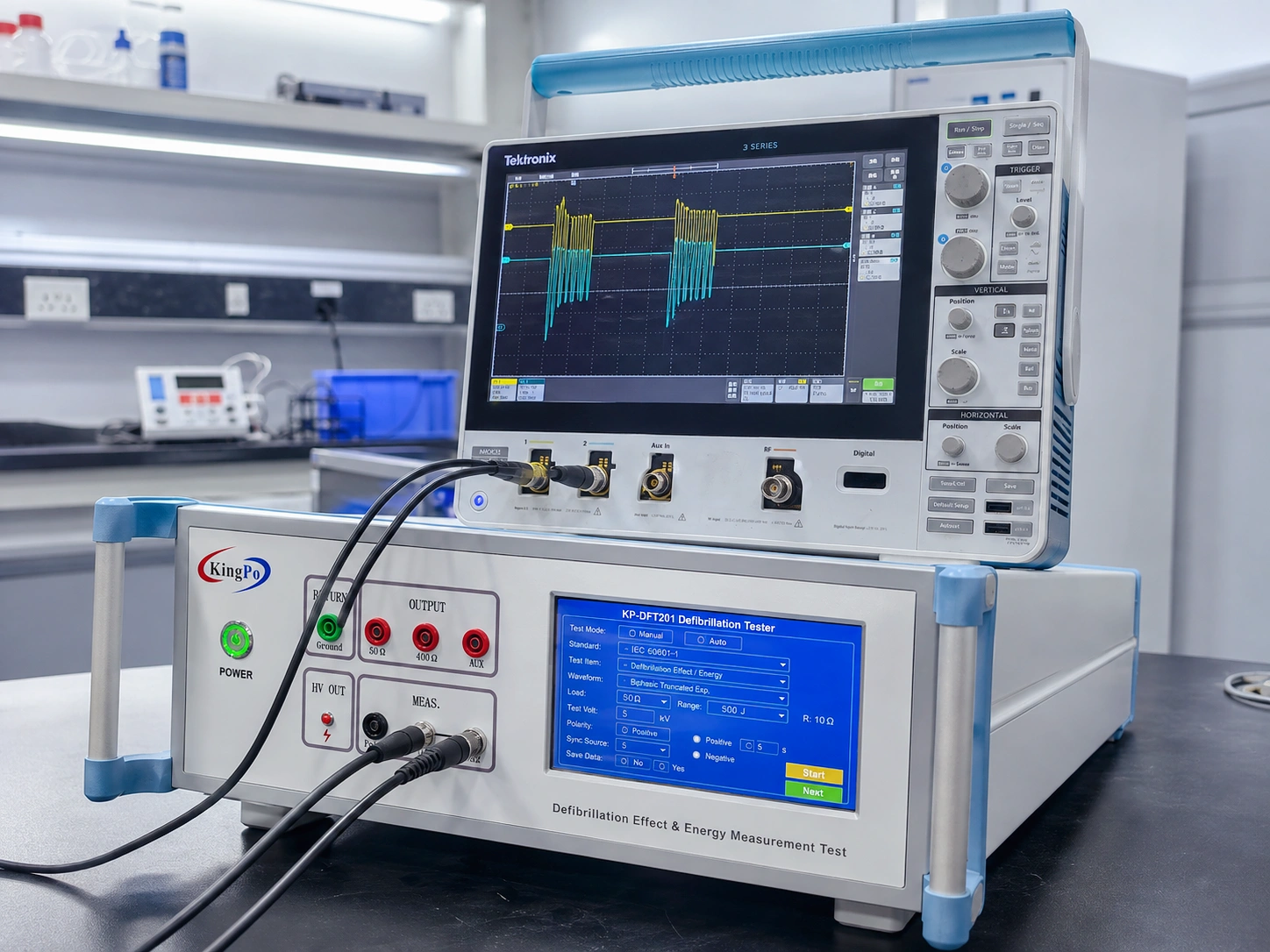
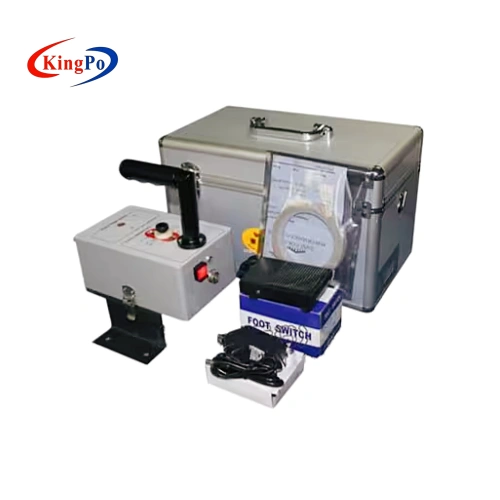
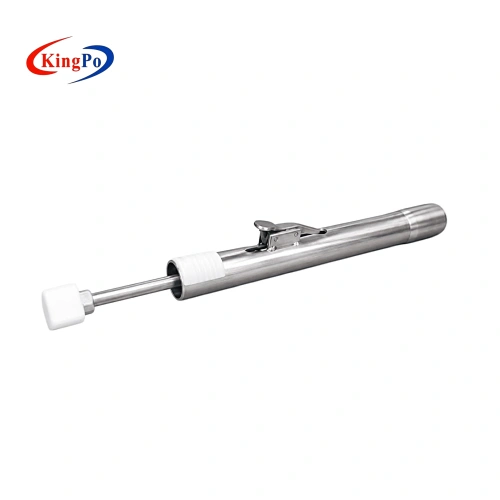
You encounter IEC Standards and Definitions in many aspects of daily life, from household electronics to industrial equipment. IEC Standards and Definitions are international documents created by the International Electrotechnical Commission, focusing on the safety, reliability, and compatibility of electrical and electronic systems. Understanding IEC Standards and Definitions helps you ensure products meet global safety and performance benchmarks.
-
IEC Standards and Definitions promote product safety, reliability, and interoperability.
-
They enable products from different countries to work together, facilitating global trade and encouraging innovation.
Key Takeaways
-
IEC Standards ensure safety and reliability in electrical and electronic products.
-
These standards help products from different countries work together, boosting global trade.
-
Understanding IEC standards can help you choose safer and more efficient appliances.
-
You can find IEC standards in various industries, including healthcare, energy, and telecommunications.
-
Look for IEC certification marks on products to confirm they meet international safety standards.
-
Participating in IEC activities can keep you informed about new standards and global initiatives.
-
Using IEC standards can improve product quality and support innovation in your organization.
-
Explore the IEC Webstore for access to over 10,000 international standards.
IEC Standards and Definitions

What Are IEC Standards?
You encounter IEC standards and definitions when you use everyday devices or work with industrial equipment. These standards are developed by the International Electrotechnical Commission, a global organization that sets technical requirements for electrical and electronic technologies. IEC standards and definitions help you ensure that products are safe, reliable, and compatible across different regions. You benefit from these standards because they make it easier for manufacturers to create products that meet international safety and performance benchmarks.
You find IEC standards classified into several main categories.
-
IEC 60335 Series covers safety requirements for household appliances such as refrigerators, washing machines, and microwave ovens.
-
IEC 60950 addresses the safety of information technology equipment, though IEC 62368 has replaced it in many cases.
-
IEC 60529 defines degrees of protection for electrical enclosures, known as the IP Code.
-
IEC 61249 focuses on materials for printed boards and interconnecting structures, including halogen-free materials.
-
Other standards include lighting (IEC 61347), batteries (IEC 62133), electrical connectors (IEC 61076), and renewable energy equipment (IEC 61730).
You see the influence of IEC standards and definitions in sectors such as power generation, transmission, distribution, industrial plants, and infrastructure projects. These standards guide the design, testing, and certification of products used in these industries.
Key Definitions
You need to understand key terms when you work with IEC standards and definitions. The table below explains some important definitions:
|
Term |
Definition |
|---|---|
|
IEC |
The International Electrotechnical Commission is a global standards organization that develops and publishes technical standards for electrical, electronic, and related technologies. |
|
International Standards |
These are clear requirements set for electrotechnical products and systems, developed by technical committees of experts. |
|
Testing and Certification Schemes |
Programs like IECEE, IECEx, and IECQ provide globally recognized testing and certification to ensure products meet IEC standards. |
|
Application Areas |
IEC standards are applied across various industries including energy, telecommunications, manufacturing, and healthcare technology. |
You notice that IEC definitions differ from those used by other international standards organizations. The table below highlights the differences between IEC and EN standards:
|
Aspect |
IEC Standards |
EN Standards |
|---|---|---|
|
Focus |
Global, international standardization |
Primarily European countries |
|
Development Process |
Consensus of international experts, voluntary adoption |
Mandated by EU legislation, essential for market access |
|
Scope |
Worldwide |
Limited to European Economic Area |
|
Compliance |
No legal requirement in most countries |
Compliance is essential for market access in EU |
|
Relationship |
Most EN standards began as IEC standards |
EN standards override conflicting IEC standards in EU countries |
Scope of IEC Standards
You find that IEC standards and definitions cover a wide range of applications. These standards apply to products and systems used in energy, telecommunications, manufacturing, and healthcare. IEC standards provide requirements for safety, performance, and environmental impact. You see horizontal standards like IEC 62443, which are technology-independent and apply across different industries. These standards enhance cybersecurity in industrial automation and control systems. You use IEC 62443 to improve security in IIoT, sensor-level protection, and supply chain risk management. The standards offer frameworks for reference architectures, security processes, product development, and management systems. You can adopt these standards to implement consistent security controls and certifications across diverse applications.
You rely on IEC standards and definitions to ensure that products meet global requirements. You use these standards to guide the design, manufacturing, and testing of electrical and electronic devices. You benefit from the broad scope of IEC standards, which help you address challenges in safety, interoperability, and cybersecurity.
Tip: You can explore the IEC Webstore to access over 10,000 international standards. The IEC Style Guide helps you understand how standards are drafted and categorized.
FAQ
Q. How can I learn more about the IEC and its role in international electrotechnical regulations?
A. Here’s a clear guide to learning more about the International Electrotechnical Commission (IEC) and its role in international electrotechnical regulations:
-
IEC Academy: This central hub offers a full-scale Online Learning Platform with courses on the standards development process, conformity assessment, and change management.
-
IEC Webstore & Style Guide: You can browse the IEC Webstore for the 10,000+ international standards published. The IEC Style Guide provides technical rules for how these standards are drafted and categorized.
Q. What are the key differences between IEC and IEEE standards?
A. IEC (International Electrotechnical Commission) and IEEE (Institute of Electrical and Electronics Engineers) standards differ in their geographical reach, technical scope, and development processes.
|
Feature |
IEC Standards |
IEEE Standards |
|---|---|---|
|
Primary Region |
Predominant in Europe and Asia |
Predominant in North America |
|
Development |
National committee consensus |
Individual and entity-based volunteers |
|
Scope |
Entire lifecycle (safety, environment) |
Specific technical areas and performance |
|
Grid Frequency |
Typically optimized for 50Hz systems |
Typically designed for 60Hz grids |
About the IEC
IEC Organization Overview
You interact with the IEC through its global network. The International Electrotechnical Commission brings together experts from 89 member countries and 85 affiliate countries. You see national committees representing each country, which include manufacturers, consumers, government agencies, and standards developers. The central office coordinates activities worldwide, while regional centers support operations in different areas. National committees may consist of public sector representatives, private sector participants, or a mix of both. Most people preparing IEC standards work in the industry, so you benefit from practical knowledge and real-world experience.
|
Component |
Description |
|---|---|
|
National Committees (NCs) |
Each member country is represented by one NC, which includes various stakeholders. |
|
Stakeholders |
Manufacturers, consumers, governmental agencies, and standards developers are involved. |
|
Central Office |
The IEC has a central office to coordinate activities globally. |
|
Regional Centers |
These centers help facilitate operations in different regions. |
|
Composition of NCs |
NCs can be public sector only, a mix of public and private, or private sector only. |
|
Standards Development |
About 90% of those preparing IEC standards work in the industry. |
Note: You can find IEC members in almost every region. This global structure helps you access standards that fit local needs and international requirements.
|
Member Type |
Number of Countries |
|---|---|
|
IEC Members |
89 |
|
Affiliate Country Programme |
85 |
Mission and Global Role
You rely on the IEC to foster international collaboration in electrotechnical standardization. The mission of the IEC focuses on eliminating technical trade barriers and supporting the creation of international standards. You benefit from this mission because it promotes cooperation among national committees and member countries, including major trading nations. IEC standards serve as foundational references for national standardization efforts and international contracts. You see these standards facilitate trade, market expansion, and economic growth worldwide.
The IEC’s mission helps you access safer, more reliable products and systems. You use IEC standards to ensure compliance, improve quality, and support innovation.
How IEC Works
You observe the IEC collaborating with other international organizations to fulfill its mission. The IEC works closely with the IAEA to develop standards and technical reports that implement IAEA guidance. Experts from both organizations contribute to standards supporting nuclear security, especially in information and computer security at nuclear facilities. IEC standards help you design and certify digital systems aligned with IAEA regulatory models. Experts from the nuclear industry use IEC standards to inform future IAEA guidance, creating a feedback loop. Contributions to IEC work are voluntary, so you join a global community of experts building standards for the nuclear industry.
You also see the IEC collaborating with ISO and UL Standards & Engagement to embed ESG principles in governance and policy design. Together, they published a joint climate action Policy Paper guiding policymakers on using international standards to accelerate climate action. This collaboration supports governments in achieving COP30 objectives by promoting transparency, renewable energy, and circular economy practices. The IEC Secretary-General highlights the role of international standards in scaling renewable energy and reducing carbon emissions. The partnership leads the Standards Pavilion initiative, raising awareness and promoting standards among policymakers as tools for climate action.
Tip: You can participate in IEC activities or follow updates to stay informed about new standards and global initiatives.
Developing IEC Standards
Standards Creation Process
You play an important role in the development of IEC standards. The process begins with a clear need for a new standard or an update to an existing one. You may notice gaps in current requirements or see new technologies emerge. When this happens, you can propose a new project to the International Electrotechnical Commission. Experts from different countries review your proposal and decide if it should move forward.
Proposal and Drafting
You help shape the first draft of a standard. Technical committees gather input from industry, government, and users. You see these committees work together to write clear and practical requirements. They focus on safety, performance, and reliability. You may join working groups that discuss technical details and suggest improvements. Drafts go through several rounds of review to make sure they address real-world needs.
Review and Approval
You participate in the review process by sharing feedback on draft standards. National committees collect your comments and send them to the IEC. The organization values your input and considers every suggestion. After careful review, the final draft goes to a vote. If most members agree, the IEC publishes the new standard. You can then use it to improve safety and quality in your products or systems.
Stakeholder Involvement
You see many stakeholders involved in developing IEC standards. Each group brings a unique perspective to the table:
-
Asset owners (end users) share their needs and challenges.
-
Automation product suppliers provide technical expertise.
-
Integrators build and maintain control system solutions.
-
Service suppliers support the operation of control systems.
You benefit from this teamwork because it leads to standards that reflect real industry needs. This collaboration helps you trust that IEC standards support safety and innovation.
Conformity Assessment
You rely on conformity assessment to check if products meet IEC standards. This process ensures safety, performance, and reliability. The IEC’s Conformity Assessment Board oversees these activities and certifies commercial bodies. You follow a standardized approach, guided by international standards like ISO/IEC 17000, to achieve consistent results. Conformity assessment is essential for market entry. It gives you confidence that products are safe and perform as expected.
You can see the impact of conformity assessment in the number of certifications issued each year. For example:
-
In 1999, 15,893 CB Test Certificates were issued.
-
In 2000, 19,597 CB Test Certificates were issued.
-
In 2001, 24,259 CB Test Certificates were issued.
You understand that these certificates show how many products and organizations meet IEC safety requirements. This system helps you trust the products you use every day.
Tip: You can look for the CB Test Certificate mark to confirm that a product meets IEC safety standards.
Why IEC Standards Matter
Global Harmonization
You see the impact of IEC standards when countries align their technical requirements. IEC standards reflect a global consensus among technical experts. You benefit because these standards provide clear guidelines for the design, manufacture, and testing of electrical and electronic devices. Many countries incorporate IEC standards into their national regulations, which enhances international trade and reduces barriers.
You can observe how organizations adopt IEC standards to promote harmonization:
|
Example of IEC Standards Adoption |
Implication |
|---|---|
|
European Committee for Electrotechnical Standardization (CENELEC) adopts IEC standards |
Facilitates the development of EN standards, promoting harmonization across Europe. |
|
IEC standards in European Union’s EN standards |
Ensures consistent safety and performance criteria for electrical and electronic products across EU markets. |
-
IEC standards help you access products that meet the same requirements worldwide.
-
Harmonizing standards lowers trade costs and improves interstate trade.
-
You see government policies prioritize voluntary consensus standards, which make compliance easier and improve product quality.
Note: When importing-market standards align with IEC standards, exporters from developing countries face fewer barriers. This change can turn negative impacts into positive outcomes for global trade.
Safety and Performance
You rely on IEC standards to protect yourself and others. These standards set strict safety requirements for electrical and electronic products. For example, the IEC 60601 series addresses safety in medical devices, helping you avoid risks like electric shock and mechanical hazards. Regulatory bodies such as the FDA and EU oversee compliance with IEC standards, which leads to continuous improvement in safety and product performance.
-
IEC 61508 uses proven-in-use concepts and failure mode analysis to establish safety integrity levels.
-
You need documented operational history and controlled configurations to validate hardware reliability.
-
IEC standards ensure that products meet high safety standards, reducing accidents and improving reliability.
You trust IEC standards because they evolve to address new safety concerns and adapt to modern technologies. You see these standards in hospitals, factories, and homes, where they protect people and equipment.
Energy Efficiency and EMC
You notice that IEC standards play a key role in energy efficiency and electromagnetic compatibility (EMC). These standards establish performance benchmarks for energy efficiency, so electrical products consume less energy while maintaining functionality. You save money and help the environment when products follow IEC standards.
-
IEC standards set requirements for EMC, preventing devices from emitting or being affected by disruptive electromagnetic interference.
-
You experience stable operation of interconnected systems, which is crucial for the reliability of electrical goods.
-
Manufacturers use IEC standards to design products that meet energy efficiency targets and avoid EMC problems.
Tip: When you choose products certified to IEC standards, you support sustainability and enjoy reliable performance.
IEC Standards Examples
Electrical Safety Standards
You rely on electrical safety standards to protect yourself and others from hazards. The iec develops some of the most widely adopted standards in this area. These standards help you ensure that devices and systems operate safely in homes, hospitals, and industrial settings. You can find several key iec safety standards:
-
IEC 61508: Focuses on functional safety for electrical, electronic, and programmable systems. You use this standard to manage risks and prevent accidents in automation and control systems.
-
IEC 61511: Pertains to safety instrumented systems in the process industry. You apply this standard to chemical plants, oil refineries, and other facilities where safety is critical.
-
IEC 60601-1: Relates to medical equipment safety. You depend on this standard to ensure devices like X-ray machines and infusion pumps meet strict safety requirements.
These iec standards guide manufacturers and engineers in designing, testing, and certifying products. You benefit from safer environments and reliable equipment.
EMC Standards
You encounter electromagnetic compatibility (EMC) standards every time you use consumer electronics or industrial equipment. The iec sets benchmarks for EMC to prevent electromagnetic interference that could disrupt device functionality. You see these standards applied in the design and testing of smartphones, computers, and factory machinery. Manufacturers follow specific iec testing protocols to certify their products. This process assures you and regulators that devices meet safety, performance, and interoperability criteria. You experience fewer disruptions and enjoy consistent operation of your electronics because of these standards.
Energy Efficiency Standards
You save energy and money when you choose appliances that meet iec energy efficiency standards. These standards help you identify products that use less electricity without sacrificing performance. You can compare some of the most recognized energy efficiency standards in the table below:
|
Standard Name |
Description |
|---|---|
|
ErP Directive |
A European Union directive aimed at improving the energy efficiency of energy-related products, covering items like dishwashers and air conditioners. |
|
Energy Star |
A US program that labels energy-efficient products, helping consumers identify and choose efficient appliances. |
|
80 Plus |
A certification for power supplies in computers, indicating higher efficiency in energy conversion. |
You use these iec standards to select appliances and electronics that reduce your environmental impact. Manufacturers design products to meet these requirements, so you benefit from lower energy bills and a more sustainable lifestyle.
Tip: When you see an iec certification or label, you know the product meets international standards for safety, EMC, or energy efficiency.
Labeling and Test Methods
You encounter IEC labeling and test method standards every time you select electrical or electronic products. These standards guide manufacturers in how to mark products and how to verify their performance. You see labels on devices that indicate compliance with international safety and quality benchmarks. IEC standards make it easier for you to identify products that meet strict requirements.
IEC labeling standards specify what information must appear on products. You find details such as voltage, current, protection ratings, and certification marks. These labels help you understand the product’s capabilities and limitations. For example, the IP Code from IEC 60529 shows how well a device resists dust and water. You use this information to choose products that fit your needs and environment.
Test methods play a crucial role in product certification. IEC standards provide clear protocols for testing electrical and electronic devices. Manufacturers and accredited laboratories follow these methods to check if products meet safety, performance, and environmental criteria. You benefit from consistent results because everyone uses the same procedures.
Tip: When you see a product with an IEC certification mark, you know it has passed rigorous testing and labeling requirements. This mark gives you confidence in the product’s safety and reliability.
You can follow the steps below to understand how IEC labeling and test methods support product certification:
-
IEC standards define the safety, performance, and environmental criteria products must meet.
-
Test methods provide precise protocols to verify product compliance with these criteria.
-
Manufacturers and accredited labs conduct testing based on these standards and methods.
-
Test results are analyzed against the standards to determine conformity.
-
Products meeting all requirements proceed to certification by recognized bodies.
-
Certification confirms compliance, ensuring product safety, reliability, and quality.
-
Compliance with IEC standards facilitates international market access by harmonizing requirements and reducing redundant testing.
-
Regular audits and updates maintain conformity as standards evolve.
You see the impact of these standards in real-world products. For instance, IEC 61000 series covers EMC test methods, helping you avoid interference between devices. IEC 60335 series outlines test procedures for household appliances, ensuring they operate safely. You rely on these standards to select products that work as intended and protect you from hazards.
Manufacturers use IEC labeling and test methods to access global markets. Certification based on IEC standards assures you and other stakeholders of product quality and safety. You find that regulatory authorities recognize these certifications, making it easier for products to meet legal requirements in different countries.
Note: You can check the IEC Webstore for detailed information about labeling and test method standards. This resource helps you stay informed about the latest requirements and updates.
Using IEC Standards
Industry Applications
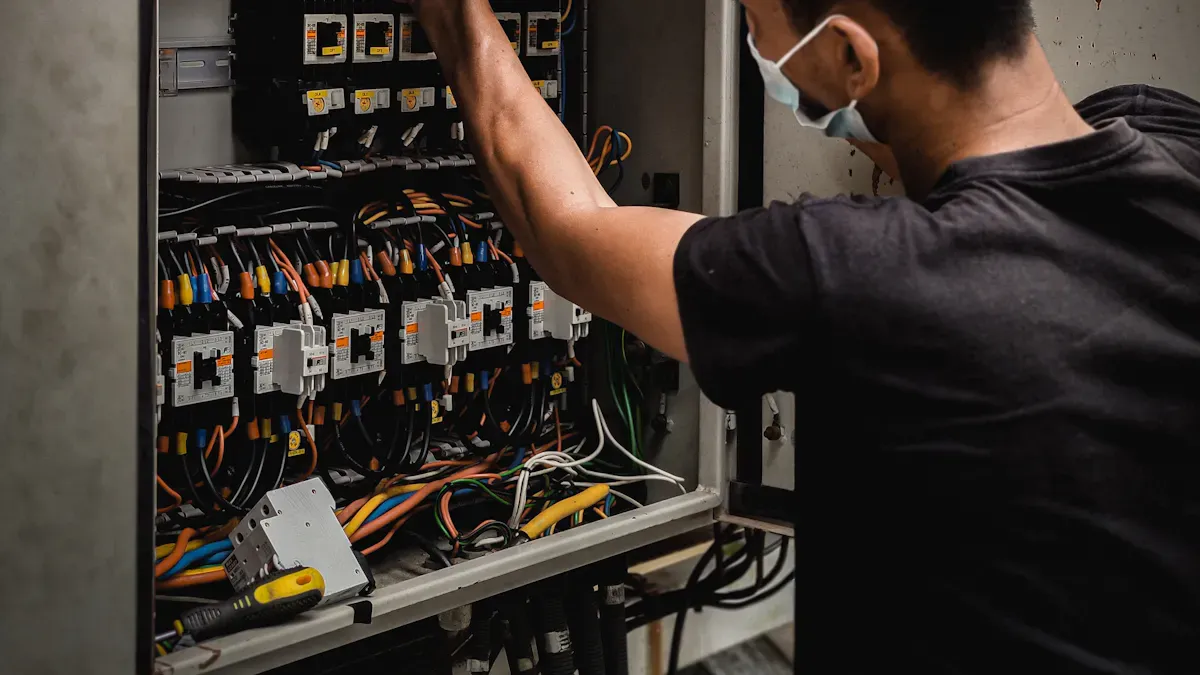
You see iec standards in action across many industries. Power plants use these standards to ensure safe operation of electrical grids. Hospitals rely on them to keep medical devices reliable and safe for patients. Manufacturers follow iec guidelines to design products that work well in different countries. You find these standards in renewable energy, where they help solar panels and wind turbines connect smoothly to the grid. Telecommunications companies use iec standards to maintain stable and secure networks. When you buy electronics, you benefit from products that meet international requirements for safety and performance.
Tip: You can look for the iec certification mark on products to confirm they meet recognized safety and quality standards.
Certification and Compliance
You need to follow a clear process to achieve iec certification and maintain compliance. This process helps you prove that your products or systems meet international standards. Here are the typical steps you take:
-
Develop documentation, including policies, risk assessments, and procedures.
-
Train employees and raise awareness about the standards.
-
Monitor and review your management system through audits and reviews.
-
Conduct an internal audit to find and fix any issues.
-
Prepare for the certification audit by choosing a certification body and organizing your documents.
-
Complete the certification audit and receive your certificate if you pass.
-
Maintain and improve your system with regular audits and updates.
You see that each step builds confidence in your products and processes. Certification opens doors to new markets and assures customers of your commitment to safety and quality.
Best Practices
You can follow best practices to get the most value from iec standards. Start by involving all stakeholders in the implementation process. This approach ensures everyone understands their roles and responsibilities. Keep your documentation up to date and easy to access. Regular training sessions help your team stay informed about changes in standards. Use internal audits to identify areas for improvement. When you find non-conformities, address them quickly and update your processes. Stay connected with industry groups to learn about new developments in iec standards.
Note: You can visit the IEC Webstore to access the latest standards and resources. Staying updated helps you maintain compliance and improve your products.
By applying these practices, you support a culture of safety, reliability, and innovation in your organization.
IEC vs. Other Standards Bodies
IEC vs. ISO
You often hear about both IEC and ISO when you study international standards. IEC focuses on electrotechnical standards, while ISO covers a broader range of industries, including food safety, quality management, and environmental protection. You see that IEC and ISO share similar goals, but their areas of expertise differ. IEC develops standards for electrical, electronic, and related technologies. ISO creates standards for almost every other sector.
|
Organization |
Main Focus |
Example Standards |
|---|---|---|
|
IEC |
Electrotechnical (electrical, electronic, related technologies) |
IEC 60601 (medical electrical equipment), IEC 61508 (functional safety) |
|
ISO |
General industries (quality, environment, manufacturing, etc.) |
ISO 9001 (quality management), ISO 14001 (environmental management) |
You notice that both organizations use a consensus-based approach. Experts from many countries contribute to the development of standards. You benefit from this because it ensures that standards reflect global needs.
Tip: When you work with electrical or electronic products, you usually follow IEC standards. For other industries, you rely on ISO standards.
Collaboration and Differences
You see IEC and ISO collaborate on many projects. They often form joint technical committees to address topics that overlap, such as information technology or environmental management. You find examples like ISO/IEC 27001, which sets requirements for information security management systems. This joint standard combines expertise from both organizations.
You observe differences in their structure and membership. IEC has national committees focused on electrotechnical fields. ISO includes national bodies from many industries. You notice that IEC standards often become the basis for regional standards, such as EN standards in Europe. ISO standards also influence regulations worldwide.
-
IEC and ISO both use voluntary participation from experts.
-
You see that their standards help you access global markets and improve product quality.
-
Collaboration leads to harmonized standards, making it easier for you to comply with regulations.
Note: You can check the IEC Webstore and ISO website to find joint standards and learn about their development process.
Understanding IEC Certification
You need to understand how IEC certification works. IEC certification confirms that products, systems, or processes meet international standards for safety, performance, and quality. You follow a clear process to achieve certification:
-
Prepare documentation and procedures based on IEC standards.
-
Work with accredited testing laboratories to verify compliance.
-
Submit products for testing and evaluation.
-
Receive certification if your products meet all requirements.
You see certification marks on products, such as the CB Test Certificate. This mark shows that the product passed rigorous testing. You trust these marks because they indicate compliance with recognized standards.
FAQ:
Q. How can I learn more about the IEC and its role in international electrotechnical regulations?
A. You can use the IEC Academy, which offers online courses about standards development, conformity assessment, and change management. You can browse the IEC Webstore for over 10,000 international standards. The IEC Style Guide helps you understand how standards are drafted and categorized.
Q. What are the key differences between IEC and IEEE standards?
A. IEC and IEEE standards differ in region, development, scope, and technical focus. IEC standards are predominant in Europe and Asia, developed by national committee consensus, and cover the entire lifecycle, including safety and environment. IEEE standards are common in North America, developed by volunteers, and focus on specific technical areas and performance. IEC standards typically optimize for 50Hz systems, while IEEE standards design for 60Hz grids.
|
Feature |
IEC Standards |
IEEE Standards |
|---|---|---|
|
Primary Region |
Europe and Asia |
North America |
|
Development |
National committee consensus |
Volunteer-based |
|
Scope |
Safety, environment, lifecycle |
Technical areas, performance |
|
Grid Frequency |
50Hz |
60Hz |
You can use this comparison to decide which standards fit your needs.
You now understand the purpose and impact of IEC standards. These standards help you ensure safety, quality, and innovation in electrical and electronic products worldwide. You support global trade and protect consumers by following IEC guidelines.
If you want to learn more, check the IEC Academy for courses or visit the IEC Webstore for official standards.
For a quick comparison between IEC and IEEE standards, review the FAQ section above.
-
Stay informed.
-
Choose certified products.
-
Support a safer, more connected world.
FAQ
How can I learn more about the IEC and its role in international electrotechnical regulations?
You can explore the IEC Academy for online courses. Visit the IEC Webstore to access standards. Use the IEC Style Guide to understand drafting rules. These resources help you gain knowledge about IEC’s global impact.
Tip: Start with the IEC Academy for structured learning.
What are the key differences between IEC and IEEE standards?
You notice differences in region, development, scope, and grid frequency. The table below shows a quick comparison:
|
Feature |
IEC Standards |
IEEE Standards |
|---|---|---|
|
Primary Region |
Europe, Asia |
North America |
|
Development |
National committees |
Volunteer groups |
|
Scope |
Safety, lifecycle |
Technical areas |
|
Grid Frequency |
50Hz |
60Hz |
Why do manufacturers use IEC standards?
Manufacturers use IEC standards to ensure products meet international safety and performance requirements. You see these standards help companies access global markets and build consumer trust.
How do IEC standards support product certification?
You rely on IEC standards for clear testing and labeling methods. Accredited labs use these standards to certify products. Certification proves compliance and boosts product reliability.
Can you use IEC standards in different industries?
You can apply IEC standards in energy, healthcare, manufacturing, and telecommunications. These standards guide you in designing safe and reliable products for many sectors.
Where can you find official IEC standards?
You find official IEC standards in the IEC Webstore. This online platform lets you search, view, and purchase standards. You stay updated by checking new releases and revisions.