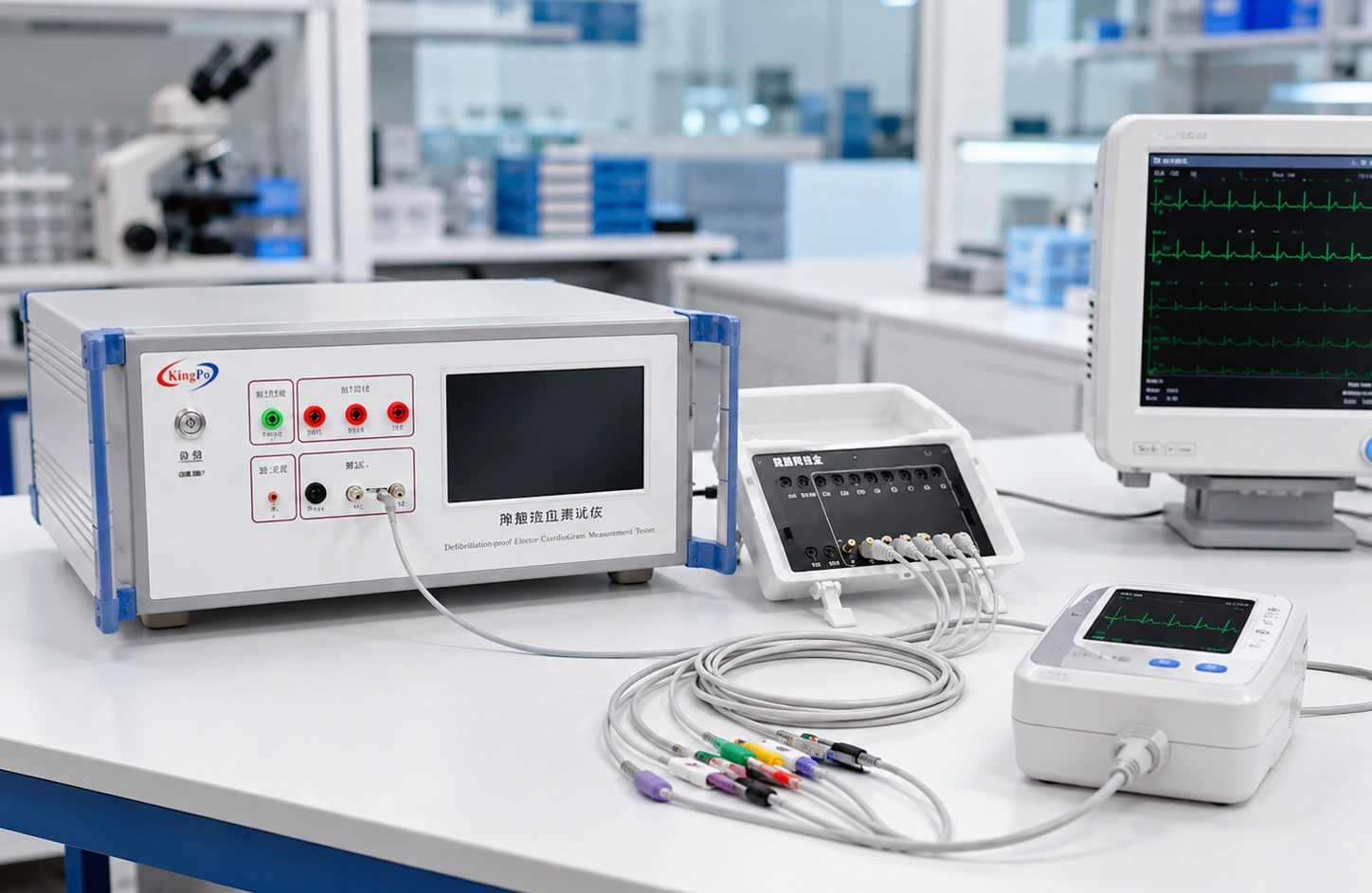
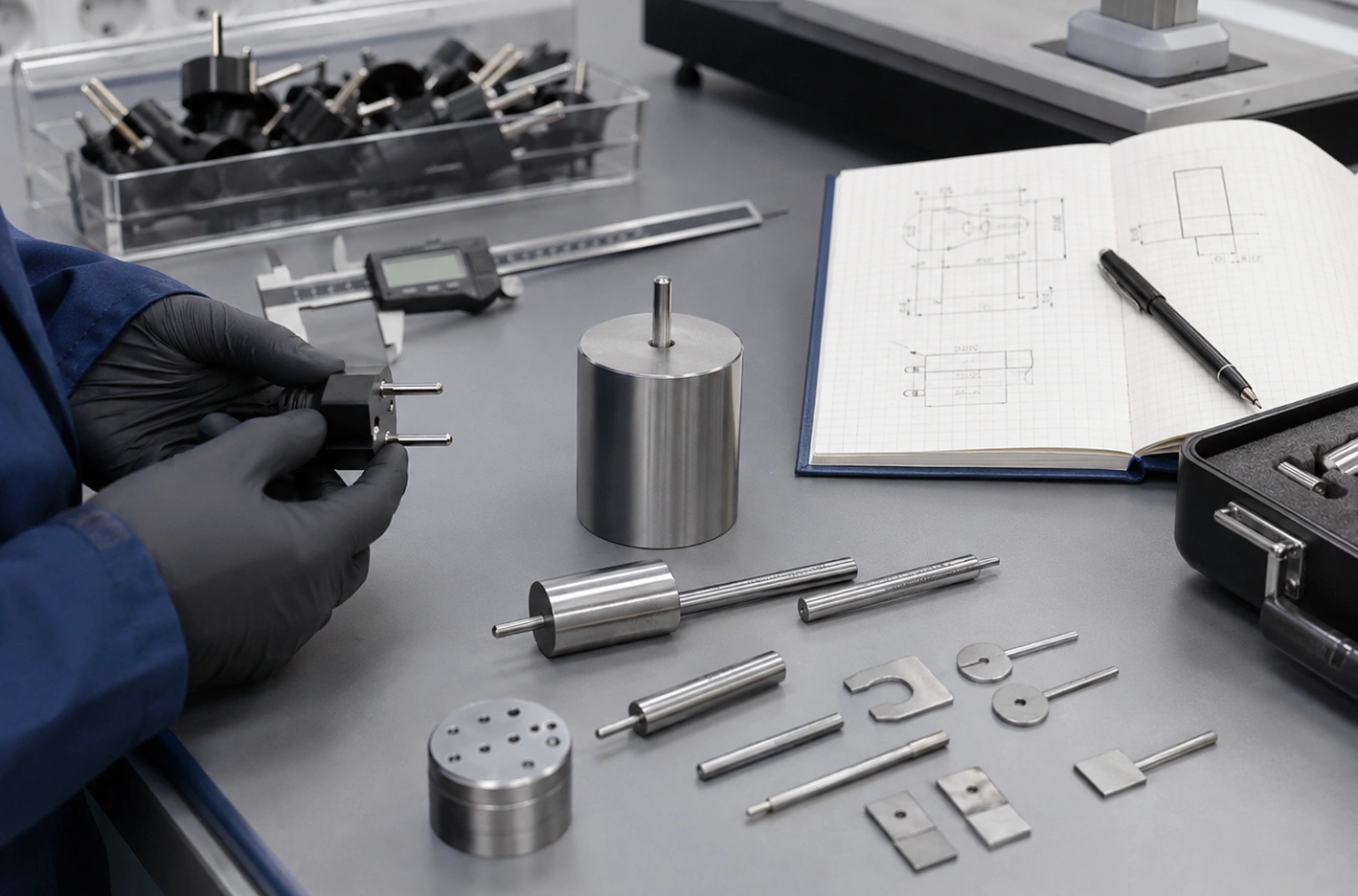
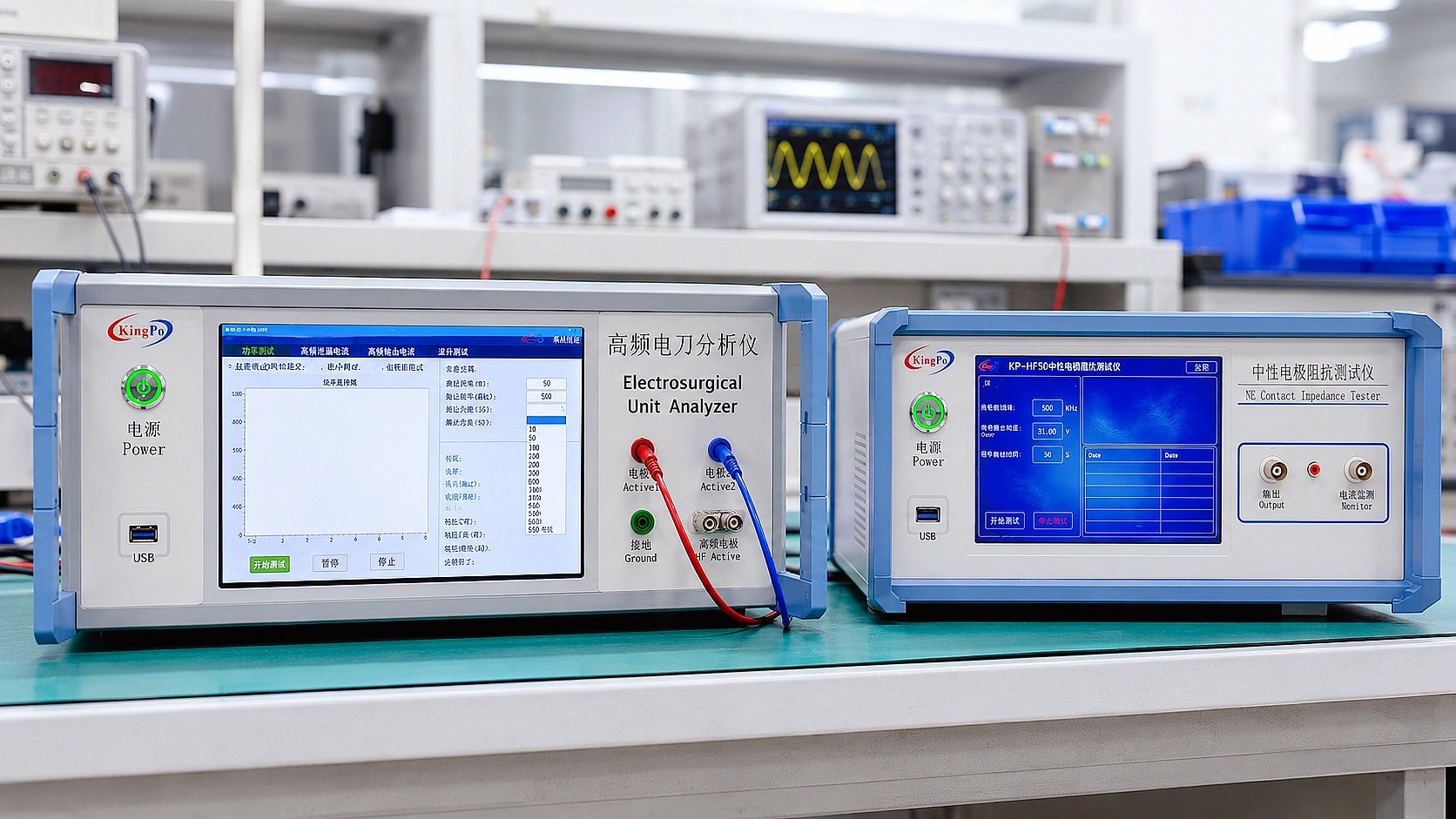
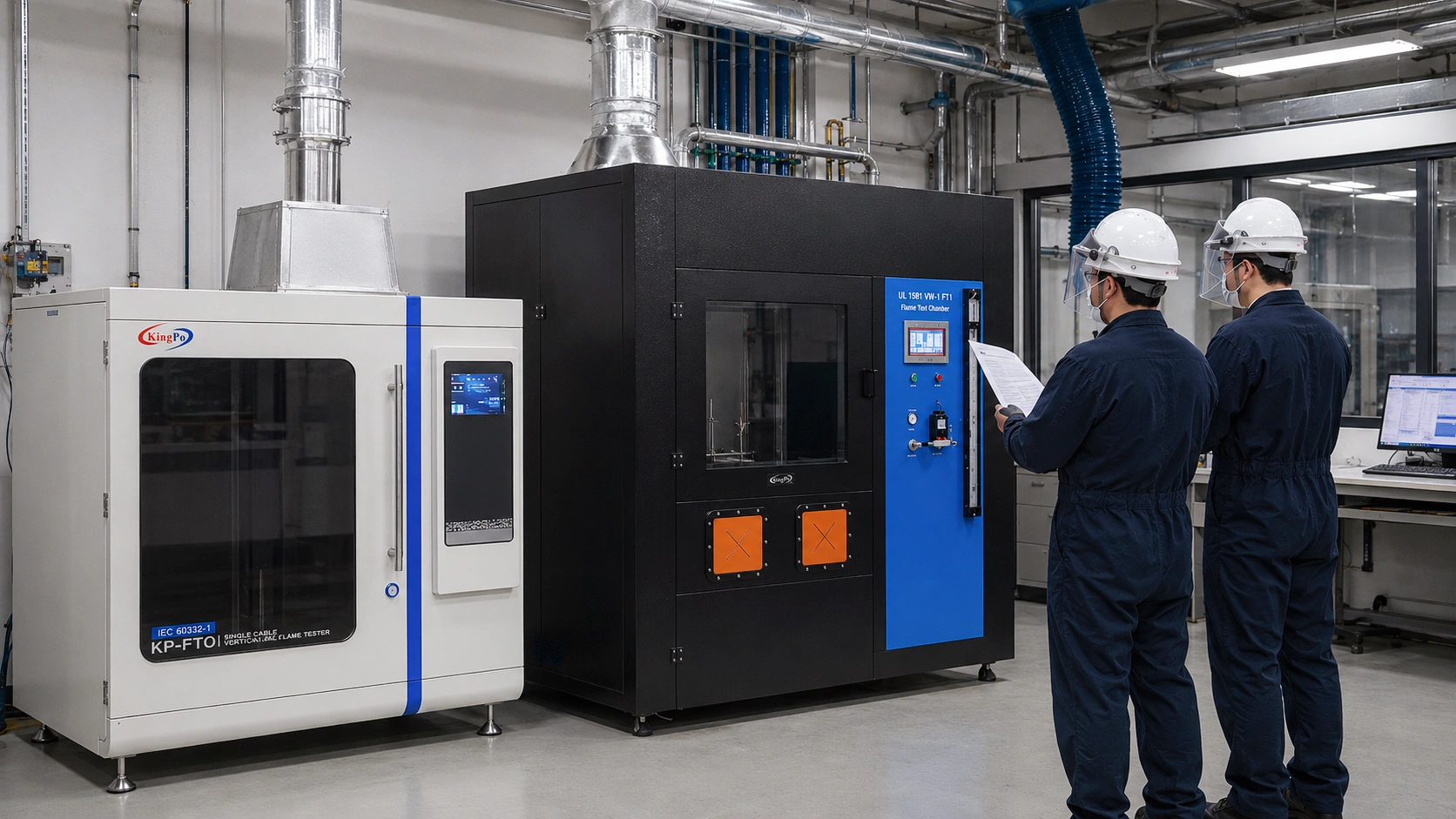
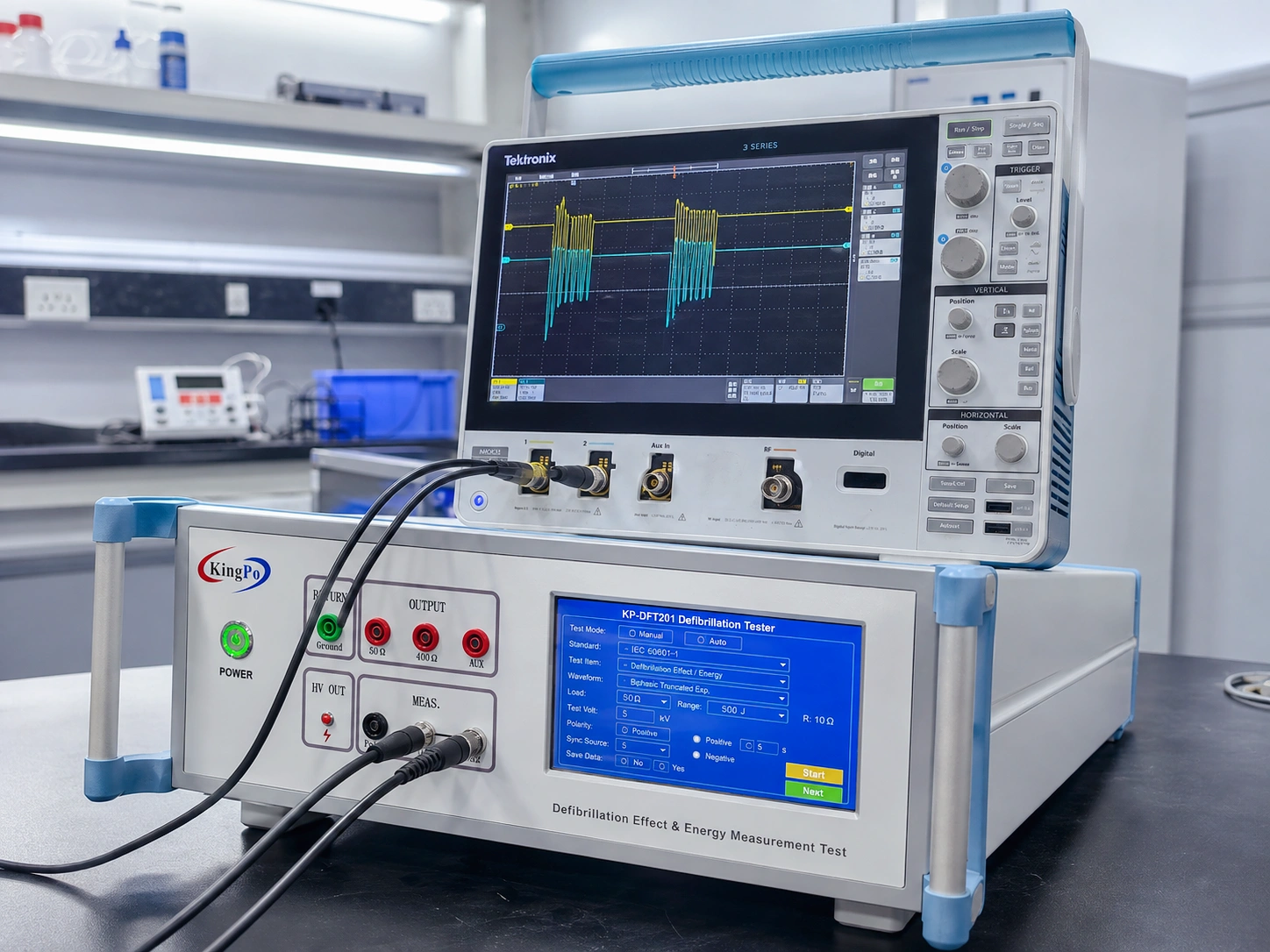
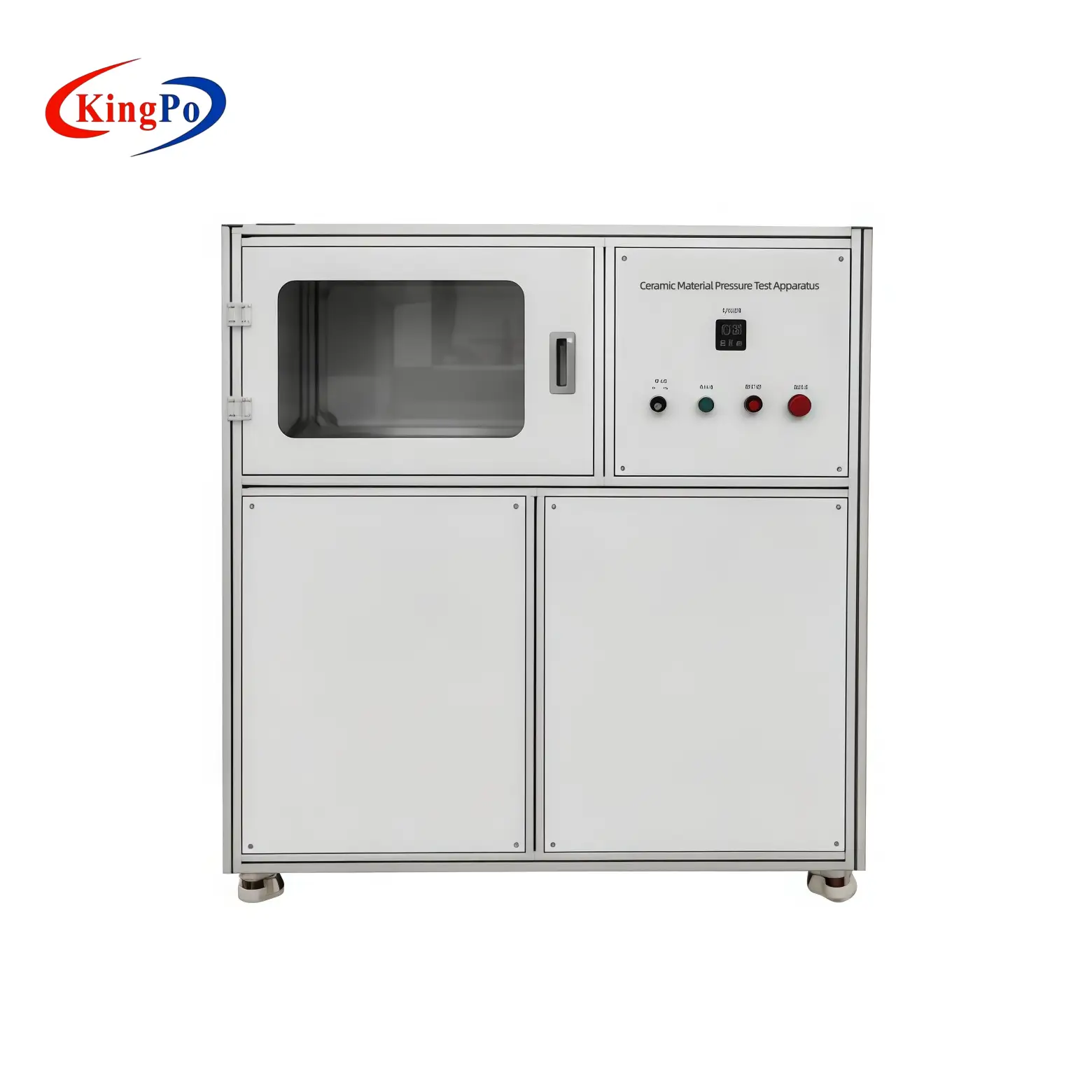
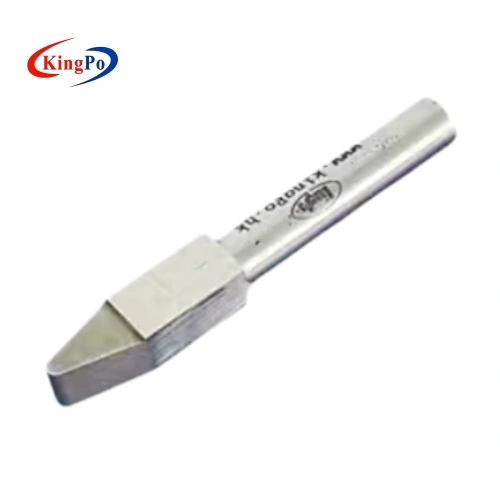
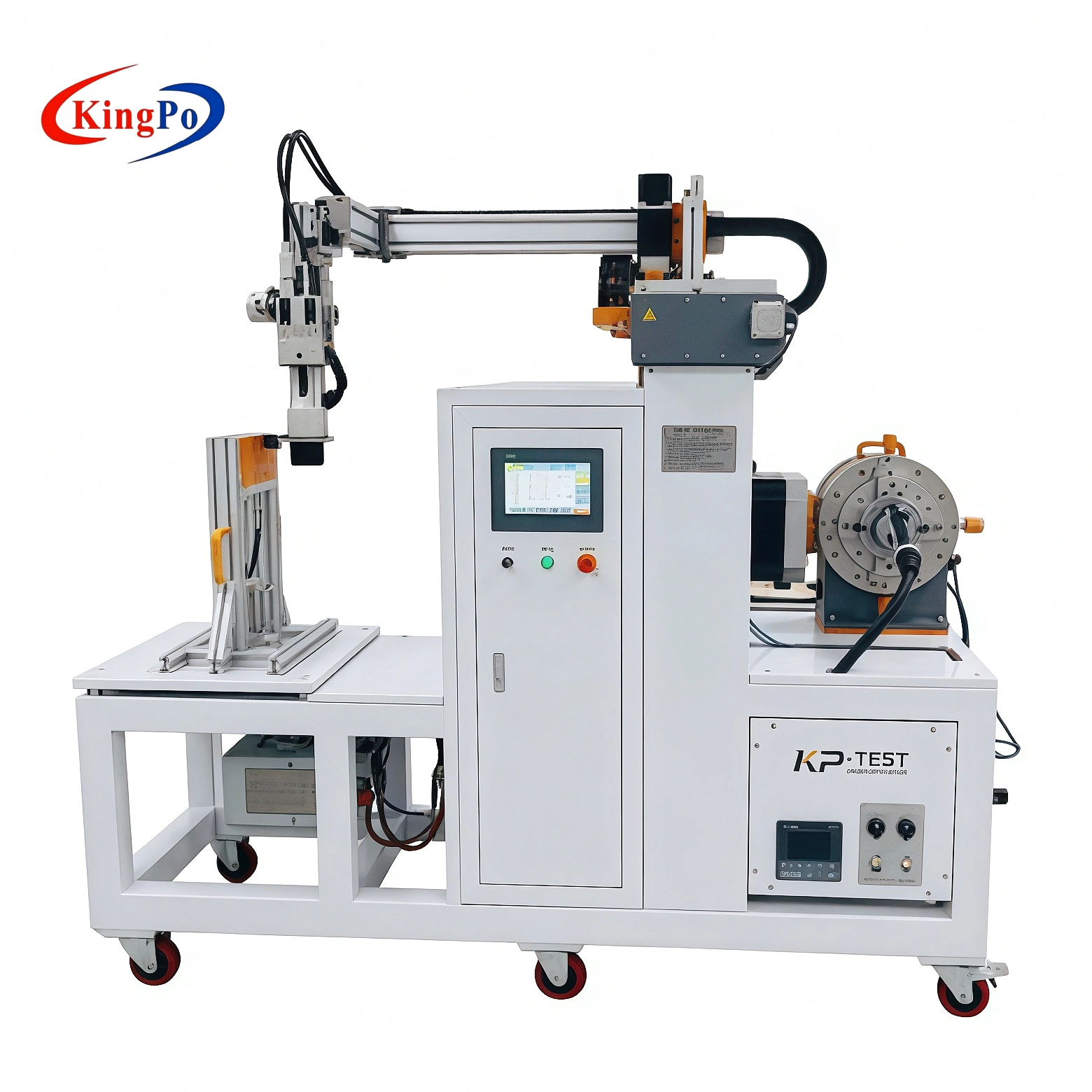
You may wonder why electrical equipment needs safety rules. IEC 61010 sets clear guidelines for electrical measuring, control, and laboratory devices. These rules protect you from electric shock, fire, and other dangers. IEC61010 Safety Standards help you trust that your equipment works safely and reliably. If you make or use electrical tools, you should care about these standards because they keep you safe and help prevent accidents.
Key Takeaways
-
IEC 61010 sets essential safety standards for electrical measuring and control devices, protecting users from electric shock and fire hazards.
-
Equipment that meets IEC 61010 standards undergoes rigorous testing, ensuring reliability and safety in various environments like labs and factories.
-
Choosing IEC 61010-compliant devices enhances workplace safety and reduces the risk of accidents, benefiting both users and manufacturers.
-
Manufacturers gain global market access and build trust with customers by adhering to IEC 61010, avoiding costly recalls and legal issues.
-
Always check for IEC 61010 labels on equipment to ensure it meets safety requirements and protects you from potential hazards.
What is IEC 61010
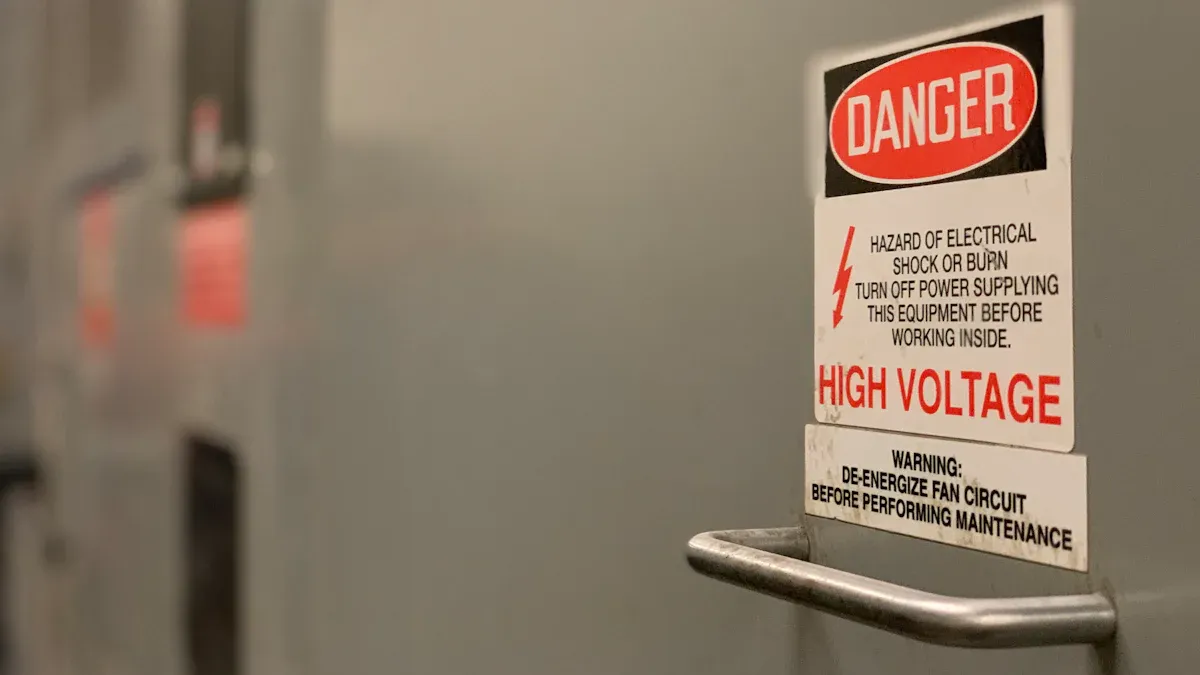
Definition and Purpose
You may see many electrical devices in labs, factories, or hospitals. These devices must keep you safe while you use them. IEC 61010 is an international standard from the International Electrotechnical Commission. It sets safety rules for electrical equipment used in measurement, control, and laboratory work. The standard covers many types of equipment, such as testing tools, medical devices, and industrial control systems.
The main goal of IEC 61010 is to protect you from dangers like electric shock, fire, and mechanical injuries. The standard tells manufacturers how to design equipment that keeps you safe. It also makes sure that devices work well in different environments, such as places with dust, water, or heat. When you see equipment that follows IEC61010 Safety Standards, you know the maker cares about your safety and the quality of their product.
Note: IEC 61010 applies to equipment with supply voltages up to 1000 volts AC or 1500 volts DC. It also covers accessories and parts that go with these devices.
Here are some key safety requirements found in IEC 61010:
|
Safety Requirement |
Description |
|---|---|
|
Electrical Insulation |
Prevents electric shock hazards and ensures safe operation across various voltage ranges. |
|
Protection Against Environmental Hazards |
Addresses moisture, dust, heat, and mechanical stress to maintain equipment integrity. |
|
Mechanical Safety |
Covers structural stability and protection against moving parts to prevent injuries. |
|
Fire Safety |
Includes requirements for materials and insulation to reduce fire hazards. |
|
Grounding and Bonding |
Minimizes electrical noise and reduces electric shock risks. |
|
Overcurrent Protection |
Provisions for fuses and circuit breakers to prevent equipment damage and electrical faults. |
|
User Interface and User Safety |
Promotes safe operation through proper labeling, warnings, and instructions for users. |
Series Overview
IEC 61010 is not just one rulebook. It is a series with different parts. Each part focuses on a special type of equipment or safety need. The main part, IEC 61010-1, gives the basic safety rules for all electrical measuring, control, and laboratory devices. Other parts, called IEC 61010-2, add extra rules for certain devices, like those that heat or cool.
|
Part |
Focus |
|---|---|
|
IEC 61010-1 |
General standard specifying basic safety requirements for all electrical measuring, control, regulation, and laboratory devices |
|
IEC 61010-2 |
Particular standards with additional or modified requirements tailored to specific equipment classes or applications, addressing application-specific risks such as heating or cooling |
When you use equipment that meets IEC61010 Safety Standards, you can feel confident that it has passed strict tests for safety and performance.
Scope of IEC 61010
Equipment Types Covered
You use many types of electrical equipment in your daily work or studies. IEC 61010 covers a wide range of devices that help you measure, control, and test electrical signals. You can find these standards in:
-
Electrical test and measurement equipment, such as multimeters and oscilloscopes
-
Electrical industrial process-control equipment, like controllers and automation systems
-
Electrical laboratory equipment, including power supplies and analyzers
These devices play a key role in research labs, factories, and classrooms. IEC61010 Safety Standards make sure each piece of equipment meets strict safety rules. You can trust that these devices protect you from electrical and mechanical hazards.
Application Areas
You see IEC 61010 in action across many industries and environments. You might use equipment that follows these standards in:
-
Scientific laboratories for research and education
-
Industrial control systems in manufacturing plants and power stations
-
Environmental monitoring for pollution control and data collection
-
Medical devices in hospitals and clinics
Many industries rely on these standards to keep people safe. You find IEC 61010 in healthcare, energy, technology, automotive, building construction, chemicals, and even data centers. Government services, life safety, and retail also depend on safe electrical equipment.
Tip: When you choose equipment that meets IEC61010 Safety Standards, you help create a safer workplace and reduce the risk of accidents.
The broad scope of IEC 61010 shows its importance. You see it as a foundation for electrical safety in many fields. This standard helps you work with confidence, knowing your equipment is designed to protect you.
IEC61010 Safety Standards Requirements
Key Safety Principles
You need to know the main safety principles when you use electrical measuring or laboratory equipment. IEC61010 Safety Standards set these principles to keep you safe and help you trust your devices. The standard covers many types of equipment, such as test tools, lab instruments, and control systems.
Here is a table that shows the key safety principles you should remember:
|
Key Safety Principle |
Description |
|---|---|
|
Standard Scope |
Applies to electrical test and measurement equipment, laboratory instruments, and industrial control systems. |
|
Protection |
Ensures protection against electric shock, mechanical hazards, fire, and other risks. |
|
CAT Ratings |
Categorizes equipment based on overvoltage ratings (CAT I to CAT IV) to indicate the level of protection against electrical transients. |
You see that IEC61010 Safety Standards focus on protecting you from many dangers. The standard uses CAT ratings to show how much protection your equipment gives against electrical surges. You can check these ratings to pick the right tool for your job.
Manufacturers must follow a systematic approach when they design equipment. They look for possible hazards and add safety features to reduce risks. This process helps you use the equipment with confidence, knowing that safety comes first.
Hazard Protections
You face several hazards when you work with electrical devices. IEC61010 Safety Standards address these dangers by setting clear rules for equipment design and use. The standard covers three main types of hazards: electrical shock, fire, and mechanical injuries.
Protection Against Electrical Shock
You can avoid electric shock if your equipment has the right safety features. The standard requires:
|
Safety Requirement |
Description |
|---|---|
|
Insulation Requirements |
Prevents electric shock by ensuring adequate insulation in laboratory devices. |
|
Grounding Requirements |
Ensures that electrical faults are safely directed to the ground. |
|
Protection Against Overcurrent/Overvoltage |
Mitigates risks associated with excessive current or voltage. |
|
Safe Design Considerations |
Addresses design aspects to prevent hazards from moving parts and hot surfaces. |
|
Clear Labeling and User Manuals |
Promotes safe handling and operation through proper instructions and warnings. |
You should always check for clear labels and follow the user manual. These steps help you use the equipment safely.
Fire Prevention
You want to avoid fires in your lab or workplace. IEC61010 Safety Standards require:
|
Requirement Type |
Description |
|---|---|
|
Materials |
Requirements for materials used in electrical measuring equipment to prevent fire hazards. |
|
Insulation Properties |
Specifications regarding insulation to ensure safety and reduce fire risks. |
|
Overheating Protection |
Guidelines for protection mechanisms to prevent overheating and potential fire. |
You can see that the standard asks for safe materials and insulation. It also requires devices to have features that stop overheating.
Mechanical Hazard Protection
You may face risks from moving parts or sharp edges. The standard helps protect you by:
-
Checking equipment stability and safety of moving parts
-
Guarding hazardous parts to prevent injuries
-
Evaluating sharp edges and pinch points
-
Making sure the structure stays safe during normal use
You should always look for guards and covers on your equipment. These features keep your hands and fingers safe.
How These Requirements Influence Equipment Design and User Safety
You benefit from these safety rules every time you use compliant equipment. Manufacturers must:
-
Identify possible hazards and add safety measures
-
Use strong insulation to prevent shocks
-
Add overcurrent protection like fuses or circuit breakers
-
Design moving parts with guards or covers
-
Choose materials that resist fire and heat
These steps make sure your equipment works safely in many situations. You can trust IEC61010 Safety Standards to help you avoid accidents and injuries.
Tip: Always choose equipment that meets IEC61010 Safety Standards. You protect yourself and others by using safe, reliable devices.
Importance of Compliance

Benefits for Manufacturers
You gain many advantages when you follow IEC61010 Safety Standards. These standards help you meet safety requirements in different countries. When you design products that comply, you make it easier to sell them around the world. The rules create a common language for safety, so you do not have to change your product for each market. This global approach supports international trade and helps you reach more customers.
You also improve your product’s reputation. When your equipment passes strict safety tests, buyers trust your brand. You avoid costly recalls and legal problems. The certification process checks your equipment for electrical, mechanical, and fire safety. If you skip compliance, you risk delays or rejection from regulators. You also face challenges like keeping up with new rules, working with many teams, and making sure every part meets the standard. Staying up to date with IEC61010 Safety Standards helps you stay ahead in the market.
Tip: Products that meet these standards often last longer and work more reliably, which makes your customers happy.
Impact on Users
You benefit directly from equipment that meets these safety standards. The devices you use go through tough tests for insulation, mechanical strength, and fire resistance. This means you face fewer risks of electric shock, burns, or injuries. Your equipment works safely even in harsh conditions, such as places with dust, heat, or moisture.
-
Electrical insulation protects you from shocks.
-
Fire safety rules lower the chance of fires.
-
Mechanical safety features guard against moving parts.
-
Overcurrent protection keeps devices from failing.
When you use compliant equipment, you also enjoy longer-lasting tools. The strict testing makes sure your devices stay safe and reliable for years. This reduces accidents and helps everyone in your workplace feel more secure.
|
Hazard Type |
Description |
|---|---|
|
Electric Shock or Burn |
Stops shocks and burns from faulty equipment. |
|
Mechanical Hazards |
Prevents injuries from moving parts. |
|
Spread of Fire |
Reduces fire risks in your environment. |
|
Excessive Temperature and Burns |
Avoids burns from hot surfaces. |
|
Effects of Fluids and Pressure |
Protects against leaks and bursts. |
|
Effects of Radiation |
Shields you from harmful rays. |
|
Gas Explosions or Implosions |
Prevents dangerous explosions. |
You help create a safer workplace and protect yourself by choosing equipment that meets these standards.
You see IEC 61010 as a key part of electrical safety. When you choose compliant equipment, you help create safer workplaces and support reliable performance. Many countries use IEC 61010 as a base for their own rules, like UL 61010 in North America. You can expect more innovation and stricter safety rules in the future.
|
Trend/Factor |
Description |
|---|---|
|
Regulatory Environment |
Stronger safety standards and new rules drive demand for safer equipment. |
|
Innovation & R&D |
New features like AI diagnostics and wireless tools will become common in the next few years. |
|
Policy Triggers |
Updates to IEC 61010 and local laws will speed up adoption. |
-
IEC 61010 helps you trust products from around the world.
-
Regional standards often build on IEC 61010, making it a global foundation.
You make a smart choice when you pick IEC 61010-compliant devices. Safety standards will keep growing as technology changes.
FAQ
What does IEC 61010 mean for you as a user?
IEC 61010 means your equipment meets strict safety rules. You get protection from electric shock, fire, and mechanical injuries. You can trust your devices to work safely in labs, factories, or schools.
How do you know if your equipment meets IEC 61010?
Look for labels or certificates on your device. Manufacturers often mark compliant products with “IEC 61010” or similar wording. You can also check the user manual for safety standard references.
Why should manufacturers care about IEC 61010?
Manufacturers gain access to global markets. They build trust with customers. They reduce the risk of recalls or legal issues. Meeting IEC 61010 helps them create safer, more reliable products.
Does IEC 61010 apply to home electronics?
No, IEC 61010 does not cover most home electronics. It focuses on laboratory, measurement, and industrial control equipment. For home devices, other standards like IEC 60335 apply.