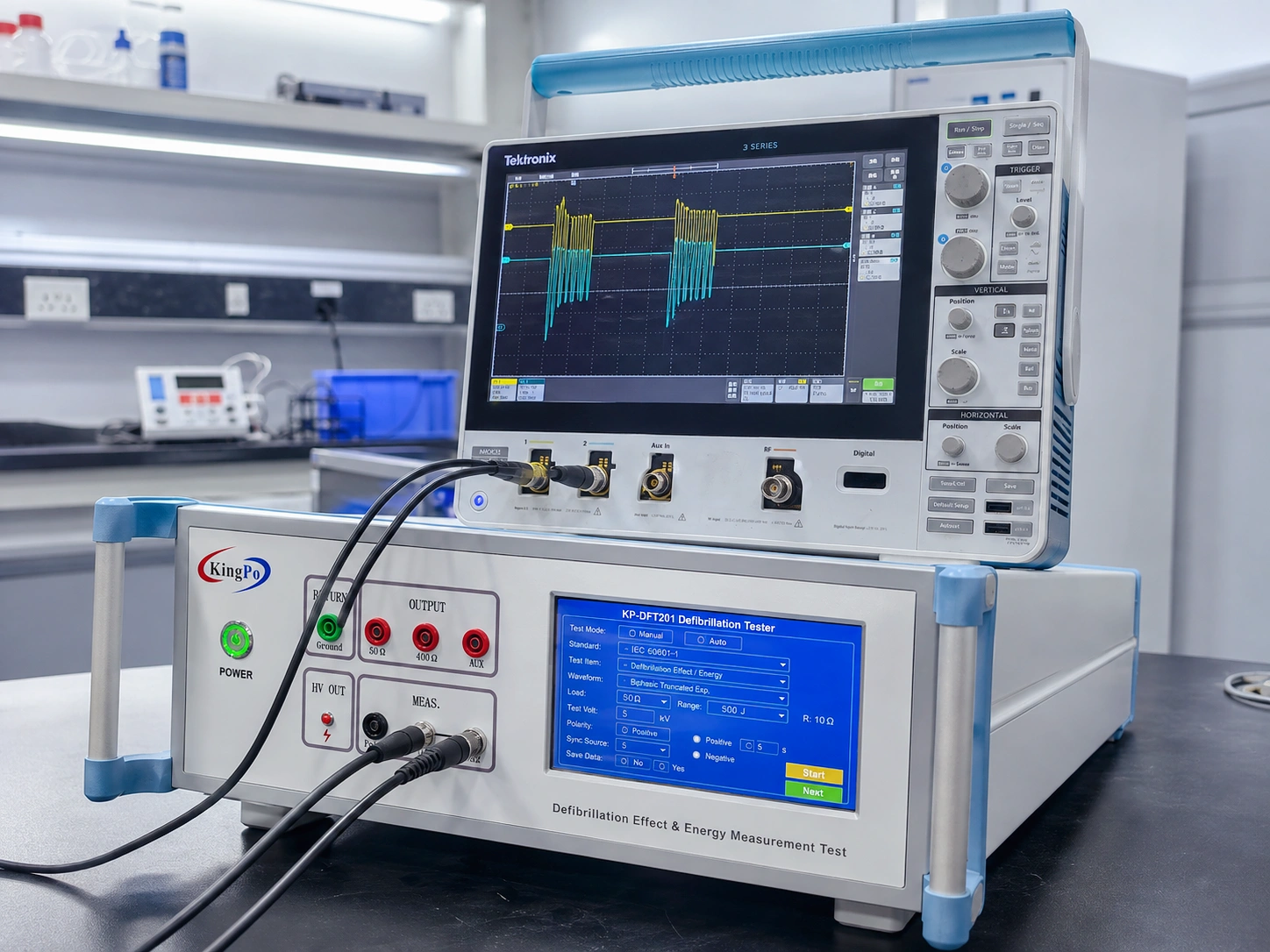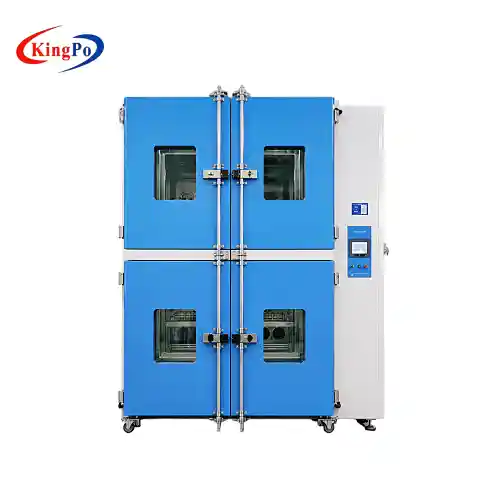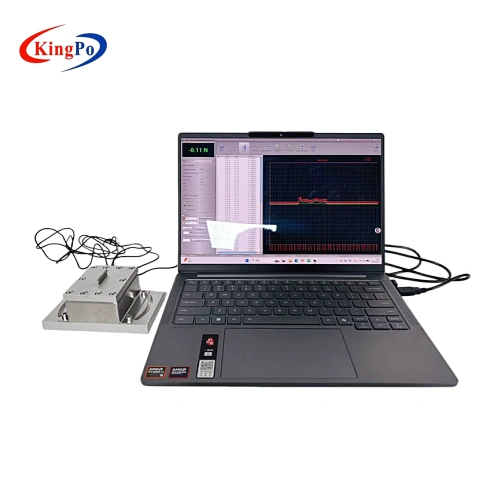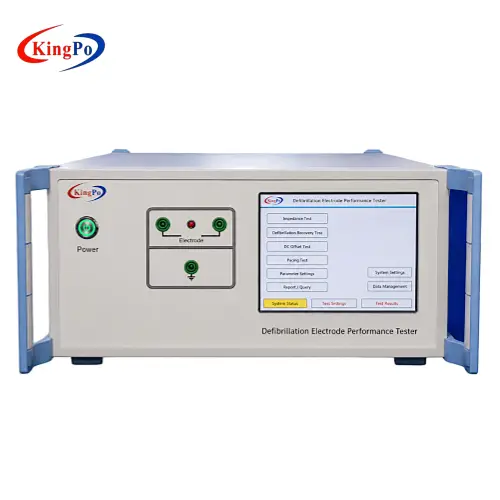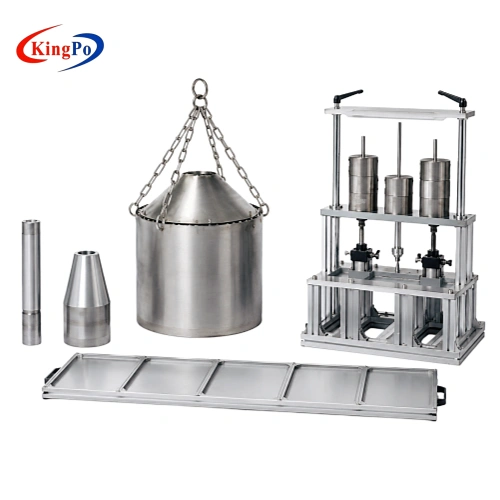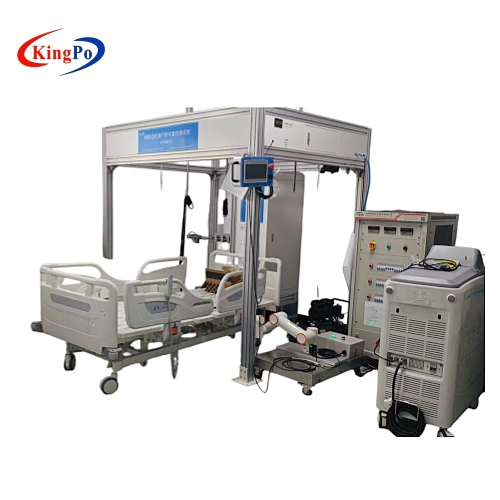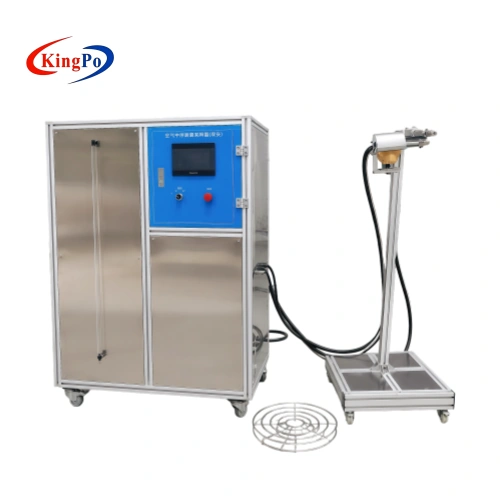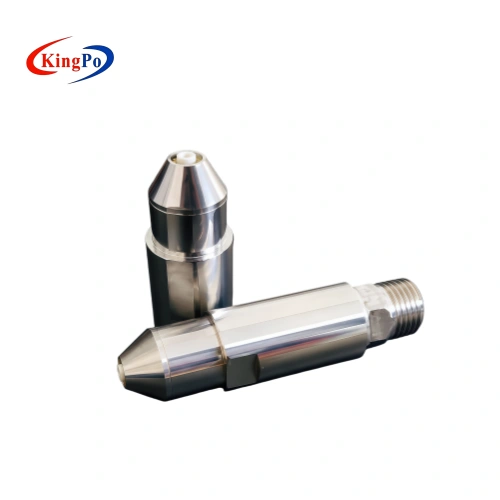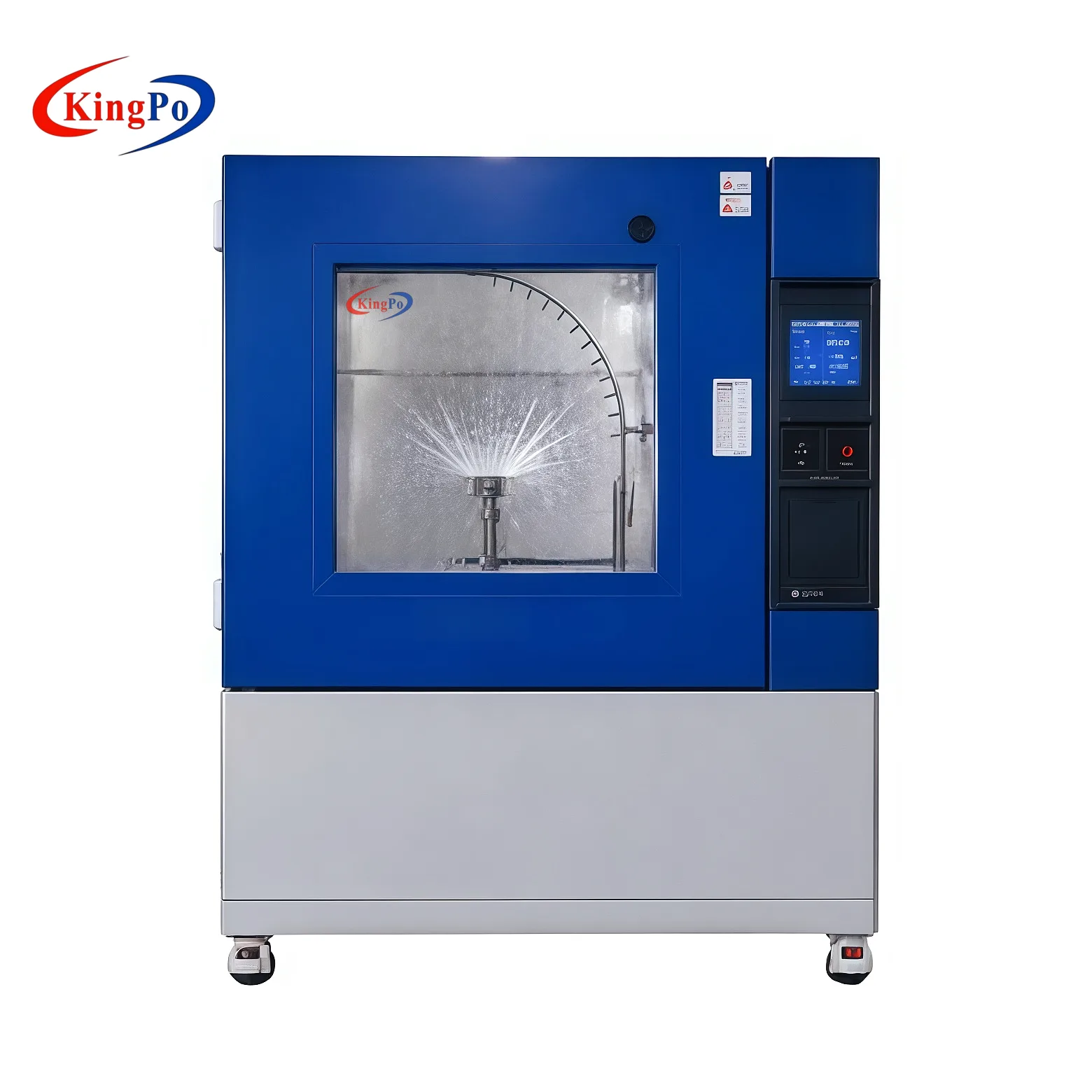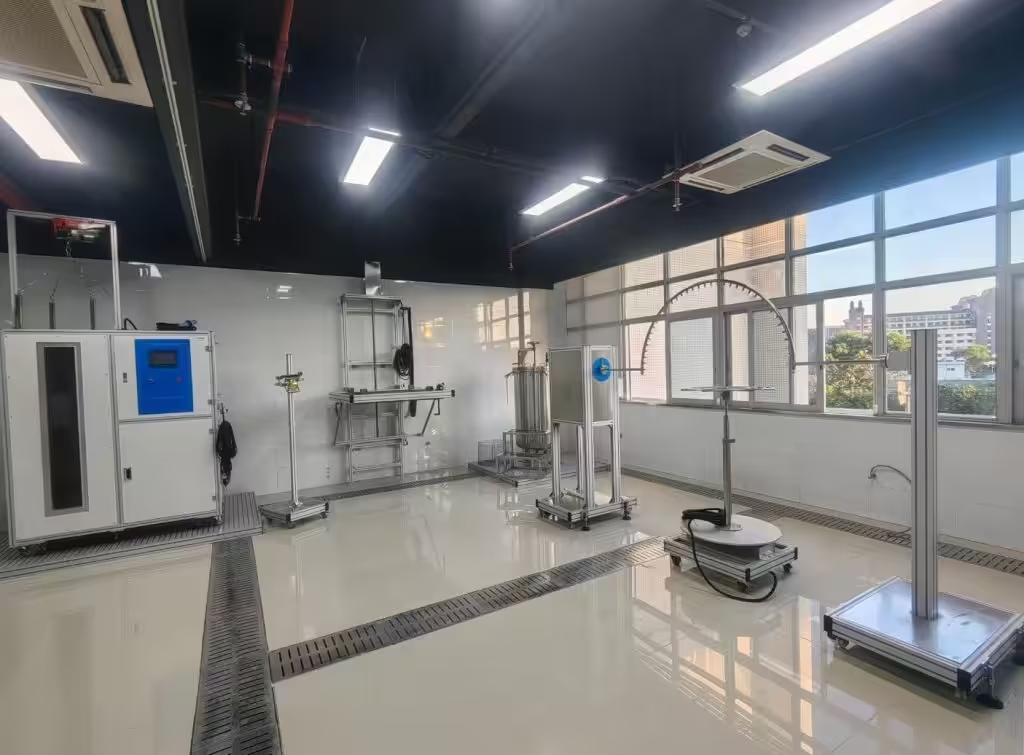
I see IP ratings as a critical tool for understanding how well equipment can resist dust and water. The IP ratings and IEC 60529 standard help me trust that equipment will perform safely and reliably in tough environments. When I choose IP Testing Equipment, I check if it meets the IEC 60529 requirements for safety. I rely on Ingress Protection (IP) Testing Equipment, IPX1-8 Waterproof Test Equipment, and IPX9K Test Equipment to ensure each device has the right level of safety. Certified testing and advice from experts like KINGPO give me confidence in every IP rating I select.
Key Takeaways
-
IP ratings indicate how well equipment resists dust and water. Always check these ratings before purchasing.
-
The first digit of an IP code shows protection against solids, while the second digit shows protection against liquids.
-
Choosing the right IP rating prevents equipment damage and costly repairs, especially in harsh environments.
-
Regular maintenance and inspections help keep the IP rating effective and extend the lifespan of your equipment.
-
Different industries have unique IP rating needs. Match the rating to the specific challenges of your environment.
-
Higher IP ratings do not always mean better protection. Focus on the actual risks your equipment will face.
-
Consult experts and certified labs for accurate IP testing to ensure your equipment meets safety standards.
-
Understanding IP ratings helps you make informed decisions, ensuring safety and reliability in your equipment.
IP Ratings and IEC 60529 Standard
What Is an IP Rating?
When I look at equipment specifications, I always check the ip rating. The ip rating, also called the ingress protection code or international protection rating, tells me how well an enclosure protects against solids and liquids. The International Electrotechnical Commission (IEC) defines this system. I find it helpful because it gives me a clear idea of what to expect from a product in terms of safety and durability.
-
An ip rating classifies how well electrical enclosures protect against solids and liquids.
-
Each ip code consists of two digits: the first digit indicates resistance to solids, and the second digit indicates resistance to liquids.
-
The ip code ratings system was developed by the IEC to provide a standardized way to describe protection levels.
-
The first digit rates protection against solids (0-6), and the second digit rates protection against liquids (0-9).
When I see an ip code like IP67, I know exactly what level of protection the device offers. This helps me make informed decisions, especially when I need equipment that must withstand dust or water in harsh environments.
Purpose of IP Code Ratings
I rely on ip code ratings to prevent equipment damage, especially in industrial environments. Dust and water are two of the most common threats to electronic devices. By choosing the right ip ratings and iec 60529 standard, I can avoid problems like premature equipment failure or unexpected downtime. This keeps operations running smoothly and ensures safety for everyone involved.
Tip: Always check the ip code ratings before buying equipment for outdoor or industrial use. The right rating can save you from costly repairs and replacements.
The ip ratings and iec 60529 standard serve as a universal language for protection. Manufacturers and users around the world use these ratings to communicate expectations and requirements. This consistency helps me trust that a product tested in one country will meet the same standards elsewhere.
Structure of the IP Code
The structure of the ip code ratings is simple but powerful. I see two main digits in every ip code, and sometimes there are optional letters. Each part of the code tells me something specific about the device’s protection.
|
Digit |
Protection Against Solids |
Protection Against Liquids |
|---|---|---|
|
0 |
No protection |
No protection |
|
1 |
> 50 mm (e.g., hands) |
Vertically falling drops |
|
2 |
> 12.5 mm (e.g., fingers) |
Tilted drops up to 15° |
|
3 |
> 2.5 mm (e.g., tools) |
Spraying water up to 60° |
|
4 |
> 1 mm (e.g., small tools) |
Splashing water |
|
5 |
Limited dust protection |
Water jets from a nozzle |
|
6 |
Complete dust protection |
Powerful water jets |
|
7 |
N/A |
Immersion up to 1 meter |
|
8 |
N/A |
Continuous immersion |
|
9 |
N/A |
High-pressure jets |
When I read an ip code like IPX5 or IPX7, I know the first digit is replaced by “X” if the product was not tested for solids. For example, IPX5 means the device is protected against water jets, while IPX7 means it can handle immersion up to 1 meter. This difference is important when I select equipment for wet environments.
FAQ: What’s the difference between IPX5 and IPX7 waterproof ratings?
IPX5 means the device can resist water jets from any direction, but it is not designed for immersion. IPX7 means the device can be submerged in water up to 1 meter for a limited time. I always check this when I need to know if a device can survive rain or accidental drops in water.
FAQ: What does the IP rating in IEC 60529 indicate about a device’s protection level?
The ip rating in iec 60529 tells me the exact level of protection against solids and liquids. The first digit shows how well the device keeps out dust or solid objects. The second digit shows how well it resists water. This guidance for assigning an ip code helps me compare products easily.
FAQ: How is ingress protection testing conducted for electronic enclosures?
Testing for ip code ratings follows strict procedures set by iec 60529. Labs use dust chambers, water jets, and immersion tanks to simulate real-world conditions. I trust certified labs to provide accurate results, so I know the equipment meets the required safety standards.
The ip ratings and iec 60529 standard give me confidence when I select equipment for any environment. I know that products tested under this system meet global expectations for safety and reliability.
Understanding IP Code Ratings
First Digit – Solids Protection
When I examine ip code ratings, I always start with the first digit. This digit tells me how well an enclosure protects against solid objects. The range goes from 0 to 6. Each level gives me a clear idea of the device’s resistance to dust and other particles.
Levels 0-6 Overview
-
0: No protection. I avoid devices with this rating in dusty environments.
-
1: Protection against objects larger than 50 mm, like a hand. I use this for basic indoor equipment.
-
2: Protection against objects larger than 12.5 mm, such as fingers. I select this for safer consumer electronics.
-
3: Protection against objects larger than 2.5 mm, like tools or thick wires. I trust this for industrial controls.
-
4: Protection against objects larger than 1 mm, including small tools and wires. I rely on this for sensitive devices.
-
5: Limited dust protection. Dust may enter, but not enough to harm operation. I choose this for moderate environments.
-
6: Complete dust protection. No dust enters. I select this for harsh, dusty locations.
I always check the first digit in ip code ratings to ensure the device meets my needs for dust resistance.
Second Digit – Liquids Protection
The second digit in ip code ratings defines the degree of protection against liquids. I use this information to decide if a device can handle rain, splashes, or immersion. The levels range from 0 to 9K.
Levels 0-9K Overview
I find the following table helpful when comparing ip code ratings for protection against liquids:
|
Level |
Effective against |
|---|---|
|
0 |
No protection against water ingress |
|
1 |
Vertically falling water drops |
|
2 |
Vertically falling water drops when enclosure is tilted < 15º |
|
3 |
Water sprayed at an angle < 60º from the vertical position |
|
4 |
Water splashing against the enclosure from any direction |
|
5 |
Water projected by a nozzle (6.3mm) against the enclosure from any direction |
|
6 |
Water projected in powerful jets (12.5mm nozzle) against the enclosure from any direction |
|
7 |
Ingress of water when temporarily immersed (up to 1m of submersion) |
|
8 |
Ingress of water when continuously immersed (beyond 1m of submersion) |
|
9K |
Powerful high temperature water jets |
I always match the second digit in ip code ratings to the environment. For example, I select IPX5 for protection against moisture and water jets. I choose IPX7 for protection from fluid during immersion. This helps me avoid equipment failure.
Tip: I check ip code ratings for protection against liquids before installing devices outdoors or in wet areas.
Optional Letters in IP Ratings
Sometimes, I see optional letters in ip code ratings. These letters give extra information about the device’s testing or protection features. I use the following table to understand what each letter means:
|
Letter |
Meaning |
|---|---|
|
H |
High Voltage: Designed for higher voltages, typically above 1000 volts. |
|
M |
Device Moving During Water Test: Tested for water resistance while in motion. |
|
S |
Device Stationary During Water Test: Tested for water resistance while stationary. |
|
W |
Weather Conditions: Protection against specific weather conditions like solar radiation. |
|
F |
Oil Resistant: Protected against the ingress of oil. |
|
K |
High-Pressure/High-Temperature Water Jets: More stringent test than IPX9. |
|
D |
Protection Against Wire: Safe from accidental contact with high current wires. |
|
B |
Protection Against Specific Hazardous Parts: Safe from access to dangerous parts. |
I always look for these optional letters in ip code ratings when I need special protection features. For example, I select devices with “W” for outdoor use, or “K” for high-pressure cleaning environments.
I rely on ip code ratings to guide my equipment choices. The ingress protection rating gives me confidence that devices will withstand dust and water. I trust ingress protection ratings to keep my electronics safe in challenging conditions.
IEC 60529 Compliance and Testing
What Is IEC 60529?
I see the importance of iec 60529 compliance every time I select equipment for demanding environments. IEC 60529 sets the global standard for ip code ratings, making it easier for manufacturers and consumers to understand protection levels. This standard creates a uniform system for designating how well electrical enclosures resist solids and liquids. When I follow iec 60529 compliance, I know that products meet safety and regulatory requirements. I trust this framework because it promotes reliability and efficiency in equipment design and use.
Note: IEC 60529 compliance helps me make informed decisions and enhances product credibility in the market.
I rely on iec 60529 compliance to ensure that ip code ratings are consistent and reliable. This standard gives me confidence that equipment will perform as expected, no matter where it was manufactured.
Testing Methods for IP Ratings
I always pay close attention to ip testing methods when evaluating ip code ratings. Standardized ip testing procedures guarantee that results are accurate and repeatable. I see manufacturers face several challenges during ip testing, such as maintaining jet pressure for IPX5 and IPX6, ensuring consistent spray coverage for IPX4, and preventing air trapping during immersion tests like IPX7. Seal degradation and post-test component failure can also affect results. Proper documentation is essential for certification.
When I visit independent labs for ip testing, I notice they use advanced test chambers and custom fixtures to hold devices under test. They calibrate critical parameters like water flow rate and nozzle pressure regularly. Labs follow strict iec 60529 protocols and maintain water quality to prevent scale buildup. Controlled environmental conditions help replicate real-world scenarios. I trust these labs to deliver reliable ip code ratings.
|
Aspect |
Description |
|---|---|
|
Test Chambers |
Advanced, standards-compliant chambers for accurate ip testing. |
|
Calibration Practices |
Annual calibration of water flow and pressure by accredited services. |
|
Adherence to Standards |
Strict protocols defined by iec 60529 compliance. |
|
Custom Fixtures |
Proper device orientation without sheltering from spray. |
|
Water Quality Management |
Filtration and deionized water to prevent scale buildup. |
|
Controlled Conditions |
Tests under real-world environmental conditions. |
Certification Process
I know that achieving iec 60529 compliance requires a thorough certification process. Manufacturers must document every step of ip testing, from dust ingress testing to water immersion trials. Incomplete records can delay certification. Independent labs play a crucial role by verifying results and ensuring that ip code ratings meet the standard.
I always recommend ongoing maintenance to maintain ip rating compliance. Proper installation and regular inspections help prevent equipment failure from dust or water ingress. This approach protects against safety hazards and legal penalties. I check for signs of seal degradation and residual moisture to avoid long-term damage.
Tip: Regular maintenance and inspection extend the lifespan of equipment and preserve ip code ratings.
I rely on iec 60529 compliance to guarantee safety and performance. Consistent ip testing and certification give me peace of mind that equipment will withstand harsh conditions.
Selecting the Right IP Rating
Assessing Environmental Risks
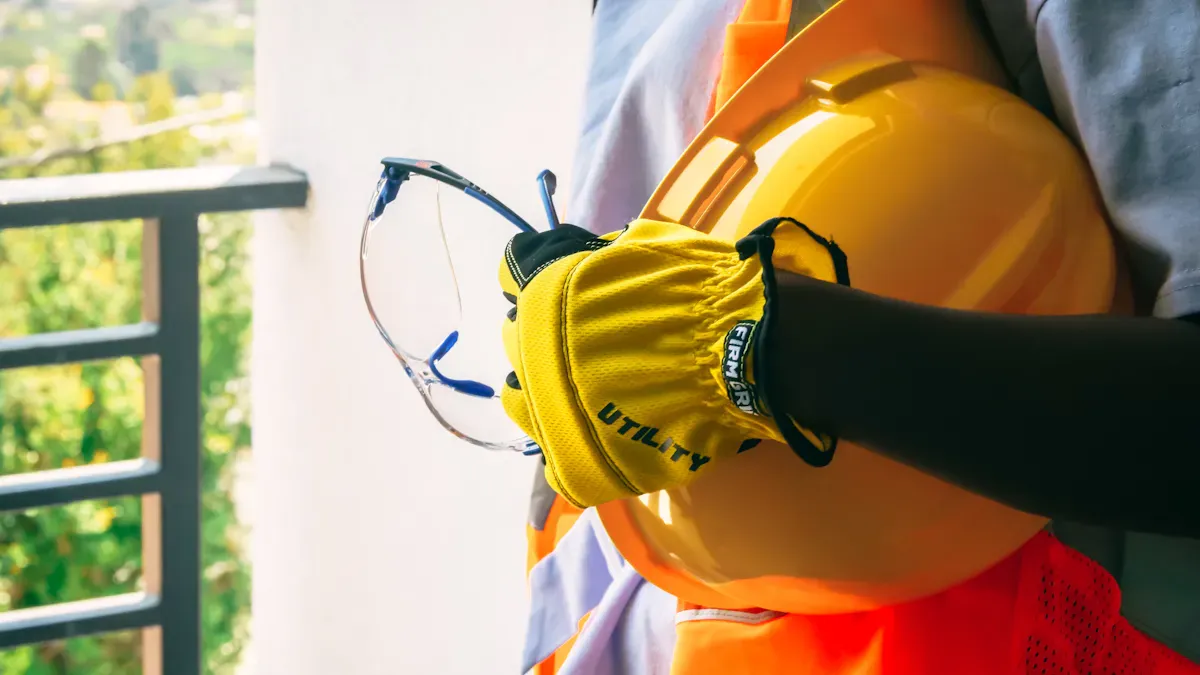
When I select electrical equipment, I always start by assessing environmental conditions. I look at where the equipment will operate and what hazards it might face. Dust, water jets, and immersion are common threats in many workplaces. I ask myself if the equipment will be used indoors or outdoors. Outdoor environments often expose electronics to rain, dust, and temperature changes. Indoor settings can still present risks, especially in factories or kitchens.
I follow a simple process for choosing the right ip rating:
-
I evaluate the environment for exposure to dust, water, or immersion.
-
I determine if the equipment will be used inside or outside.
-
I select an ip rating that matches the severity of these factors.
If I choose an ip rating that is too low, I risk equipment failure and costly downtime. If I pick a rating that is too high, I may spend more than necessary. Matching the ip rating to real-world conditions helps me balance protection and cost. I always consider the specific needs of my electronics before making a decision.
Tip: I never skip assessing environmental conditions. This step ensures my electrical equipment lasts longer and performs reliably.
Industry-Specific IP Rating Needs
Every industry has unique requirements for electrical equipment. I have learned that electronics in different sectors face distinct challenges. I always match the ip rating to the demands of each application.
Automotive
In the automotive industry, I see electronics exposed to dust, mud, rain, and even pressure washing. I select electrical equipment with high ip ratings, such as IP67 or IP69K, for components under the hood or on the exterior. These ratings protect against both dust and powerful water jets. I know that choosing the right ip rating prevents failures that could affect vehicle safety and performance.
Consumer Electronics
For consumer electronics, I focus on daily hazards like spills, sweat, and dust. Smartphones, headphones, and smartwatches often need at least IPX4 or IPX5. I choose higher ip ratings for devices used outdoors or during sports. I always check the ip rating before buying new electronics to ensure they can handle my lifestyle.
Industrial Equipment
Industrial environments present some of the toughest challenges for electrical equipment. I see dust, oil, and water everywhere in factories. I select ip ratings like IP65 or IP66 for control panels and machinery. In food processing or packaging, I look for equipment that can withstand frequent washdowns. I know that selecting the right ip rating keeps operations running and reduces downtime.
Medical Devices
Medical devices require strict protection from dust and liquids. I choose electronics with ip ratings that prevent contamination and ensure patient safety. Devices used in hospitals or clinics often need at least IP54 or higher. I always verify the ip rating to meet regulatory standards and maintain hygiene.
Packaging Equipment
Packaging equipment faces constant exposure to dust and moisture. In the food industry, I select electrical equipment with ip ratings that resist these challenges. I know that the right ip rating ensures machinery stays reliable and safe during production. This choice helps me avoid unexpected breakdowns and maintain product quality.
Note: In every industry, matching the ip rating to actual conditions is essential. I avoid under- or over-specifying protection to keep costs and risks in check.
Balancing Protection and Cost
I always weigh the benefits of higher ip ratings against their costs. Choosing equipment with a higher ip rating often leads to reduced maintenance expenses. I see improved longevity in my electronics, which means fewer repairs and replacements. This approach gives me a better return on investment.
-
I notice that higher ip ratings protect electrical equipment from harsh environments, which boosts operational efficiency.
-
This protection lowers the frequency of repairs, saving me money on maintenance.
-
Equipment with high ip ratings lasts longer, so I get more value from my investment.
However, I avoid selecting an ip rating that exceeds my actual needs. Over-specifying protection can increase upfront costs without adding real value. I always match the ip rating to the environment and application. This strategy helps me achieve the right balance between durability and budget.
Callout: I recommend reviewing the specific risks in your workplace before choosing the right ip rating. This step ensures you get the best protection without overspending.
By carefully assessing environmental risks, considering industry-specific needs, and balancing protection with cost, I make informed decisions about electrical equipment. I trust this process to keep my electronics safe and my operations efficient.
Common Misconceptions About IP Ratings
Higher IP Ratings Are Not Always Better
Many people believe that a higher ip rating always means better protection. I used to think the same way. Now, I know that the best ip rating depends on the actual environment and application. For example, I once considered using IP68 for a camera on a mobile robot. IP68 means the device can handle continuous water immersion. In reality, the camera faced dust, mud, rain, and high-pressure cleaning, not underwater conditions. Designing for IP68 added cost and complexity without real benefits. I learned that choosing the highest ip rating does not always make sense. I focus on the risks my equipment will face, not just the numbers.
Tip: I always match the ip rating to the real-world hazards. Over-specifying protection can waste money and complicate maintenance.
IP Ratings vs. Other Certifications
I often see confusion between ip ratings and other equipment certifications. I used to think that ip ratings covered everything, but I discovered that different standards serve different purposes. Here is how I compare them:
-
NEMA ratings test for a wider range of environmental factors, including corrosion and ice formation.
-
IP ratings focus on sealing against dust and moisture.
-
The two systems are not interchangeable. Each one addresses specific needs for equipment protection.
When I select equipment, I check if I need more than just an ip rating. Sometimes, I need to meet both NEMA and ip requirements, especially in harsh industrial settings. I always read the specifications carefully to avoid mistakes.
Limits of IP Ratings
I rely on ip ratings to guide my choices, but I know they have limits. I have seen how ip ratings affect the performance and lifespan of LED lights and sensors. Proper ingress protection keeps light output steady and reduces maintenance costs. If I choose the wrong ip rating, I risk higher expenses and lower reliability. I also know that ip ratings do not cover every possible hazard. For example, they do not address chemical resistance, UV exposure, or mechanical impact.
Some common limits of ip ratings include:
-
IP ratings do not guarantee protection against all environmental threats.
-
They do not measure resistance to chemicals, sunlight, or physical damage.
-
Inadequate ip ratings can disrupt cost-of-ownership models and affect investments, such as utility rebate programs.
I always consider these limits when I select equipment. I combine ip ratings with other certifications and real-world testing to make the best choice.
Note: I never rely on ip ratings alone. I use them as one part of a complete protection strategy.
Real-World Applications of IP Ratings

IP65 vs. IP67 Comparison
When I compare the ip65 rating and ip67 rating, I notice clear differences in their protection levels. I often use the ip65 rating for equipment that faces water jets and dust in outdoor environments. The ip67 rating gives me confidence when I need devices that can survive accidental immersion. I rely on the ip code to guide my choices for each situation.
Here is a table that helps me understand the differences:
|
Feature |
IP65 |
IP67 |
|---|---|---|
|
Water Resistance |
Protection against water jets |
Temporary immersion capability |
|
Environmental Suitability |
Harsh outdoor conditions |
For potential submersion |
|
Physical Construction |
Less expensive to manufacture |
Robust sealing, increasing cost |
|
Performance |
Works in wet conditions |
Survives accidental immersion |
I use the ip65 rating for devices exposed to rain or cleaning with water jets. The ip67 rating is ideal for equipment that might fall into water or need to operate in wet environments. IP65 protects against water projected from a nozzle, while IP67 prevents water ingress during immersion up to 1 meter for 30 minutes. This distinction helps me select the right ip rating for each application.
Case Studies Across Industries
I have seen the impact of ip ratings in many industries. In medical devices, I remember a case where redesigning a housing achieved an IP54 rating. This change reduced weight and improved durability. Diagnostic monitors use sealed overlays and bonded bezels to meet IP54 standards. Infusion pumps rely on O-rings and silicone gaskets to resist cleaning agents. Portable ECG units use edge-sealed enclosures to maintain performance during transport.
-
Diagnostic monitors: Sealed overlays and rubberized gaskets protect screens.
-
Infusion pumps: O-rings and silicone gaskets prevent liquid ingress.
-
Portable ECG units: Edge-sealed enclosures ensure reliability in mobile conditions.
I also see ip ratings play a role in automotive and consumer electronics. Equipment with the ip65 rating withstands dust and water jets in vehicles and factories. Medical devices benefit from ip ratings by improving safety and reliability. These examples show how the ip code influences design and performance across industries.
KINGPO’s Expertise in IP Testing
I trust KINGPO for ip testing and certification. They design and manufacture high-quality safety testing equipment, including tools for ip testing. KINGPO uses double inspection methods, combining internal high-precision testing with third-party lab tests. This approach ensures accuracy and reliability. They issue test certificates based on rigorous testing processes.
|
Expertise/Service |
Description |
|---|---|
|
Design and Manufacture |
KINGPO specializes in creating high-quality safety testing equipment, including ip testing tools. |
|
Accuracy Assurance |
Double inspection methods with internal and third-party lab tests. |
|
Certification |
KINGPO issues test certificates after rigorous testing. |
I rely on KINGPO’s expertise to verify ip ratings and ensure compliance with IEC 60529. Their services help me select equipment that meets global standards for safety and performance.
Trends in IP Ratings and IEC 60529
Advances in Testing Technology
I have seen major improvements in how labs test for ip rating accuracy. Automated testing systems now streamline the process, which means I get faster and more reliable results. Advanced sensor technology gives me precise measurements of water pressure and flow rates. Real-time monitoring lets me see test results as they happen, so I can make quick adjustments if needed. Multi-parameter testing allows labs to check several factors at once, making the assessment more complete.
Here is a table that shows some of the latest advances:
|
Advancement Type |
Description |
|---|---|
|
Automated Testing Systems |
Streamlines testing, improves efficiency, and reduces human error. |
|
Advanced Sensor Technology |
Enhances measurement precision for more reliable ip rating assessments. |
|
Real-time Monitoring |
Provides immediate feedback during tests for accurate results. |
|
Multi-parameter Testing |
Evaluates multiple factors at the same time for comprehensive assessments. |
These advances help me trust the ip rating on any device. Consistent results and high throughput mean that manufacturers can test more products in less time. Data integration also allows for automatic logging and analysis, which gives me deeper insights into equipment performance.
Demand for Higher IP Ratings
I notice that more industries now require a higher ip rating for their equipment. Food processing, pharmaceuticals, and outdoor equipment sectors all push for better protection. I see a strong focus on achieving IP68 and IP69K standards, especially where hygiene and durability matter most. Consumer electronics like mobile phones and smartwatches also drive the need for higher ip ratings, as users want devices that survive drops, spills, and rain.
Manufacturers respond by adding better sealing mechanisms and rugged enclosures. This proactive design reduces the risk of equipment failure in tough conditions. The rise of smart automation in factories and food processing plants means that ip-rated equipment must keep up with new technologies like AI, collaborative robots, and IoT systems. I also see innovative materials that make devices more durable while keeping them lightweight.
Tip: I always check for a high ip rating when I need equipment for harsh or demanding environments.
Integration with Other Standards
I often compare ip ratings with other international standards to make sure my equipment meets all requirements. For example, the NEMA rating system in the United States covers more than just dust and water. It also looks at corrosion resistance and ice formation. I find it helpful to see how these standards relate:
|
Standard |
Description |
Focus Areas |
|---|---|---|
|
IP Ratings |
International standard by IEC |
Protection against solids and liquids |
|
NEMA Ratings |
U.S. standard by NEMA |
Corrosion, ice, and other environmental risks |
Many manufacturers now design products that meet both ip and NEMA standards. This integration gives me confidence that my equipment will perform well in any region or industry. I always look for products that list both ratings, so I know they offer complete protection.
Note: I rely on ip ratings as a foundation, but I always consider other standards for full equipment safety.
I see ip ratings as essential for protecting equipment from dust and moisture. I rely on IEC 60529 compliance to ensure safety and reliability in every industry. I always match the ip rating to the environment and application. I consult experts like KINGPO for accurate ip testing and certification. Regular inspection and maintenance help me preserve the ip rating and extend equipment life.
|
Aspect |
Importance |
|---|---|
|
Testing Protocols |
Establishes methods for evaluating dust and moisture resistance in ip tests |
|
Industry Applications |
Critical for automotive, electronics, and aerospace ip reliability |
|
Regulatory Compliance |
Necessary for market acceptance and product claims with ip ratings |
-
ip ratings provide a standardized measure of protection.
-
ip is essential for electrical and electronic device safety.
-
ip applies to industrial control panels and outdoor lighting fixtures.
I always make informed decisions by understanding ip ratings and choosing the right level of protection.
FAQ
What’s the difference between IPX5 and IPX7 waterproof ratings?
IPX5 protects against water jets from any direction. IPX7 protects against immersion in water up to 1 meter for 30 minutes. I always check which rating matches my device’s needs before making a choice.
How is ingress protection testing conducted for electronic enclosures?
I see labs use dust chambers, water jets, and immersion tanks. They follow strict IEC 60529 procedures. Each test simulates real-world conditions to check if the enclosure keeps out dust and water.
What does the IP rating in IEC 60529 indicate about a device’s protection level?
The IP rating shows how well a device resists solids and liquids. The first digit rates dust protection. The second digit rates water resistance. I use this code to compare products easily.
Can I use a device with a lower IP rating outdoors?
I avoid using devices with low IP ratings outside. Outdoor environments expose electronics to rain, dust, and dirt. I always pick a higher IP rating for outdoor use to prevent damage.
Do higher IP ratings always mean better protection?
Not always. I match the IP rating to the real risks my device will face. Over-specifying can waste money. I focus on the actual environment, not just the highest numbers.
Are IP ratings and NEMA ratings the same?
No, they are different. IP ratings focus on dust and water. NEMA ratings cover more, like corrosion and ice. I check both if my equipment needs to meet multiple standards.
How often should I inspect equipment for IP rating maintenance?
I inspect my equipment regularly, at least every six months. I look for seal damage or moisture inside. Regular checks help me keep the IP rating effective and extend equipment life.
What do the optional letters in IP ratings mean?
Optional letters give extra details. For example, “K” means protection against high-pressure water jets. “W” means weather resistance. I look for these letters when I need special features.