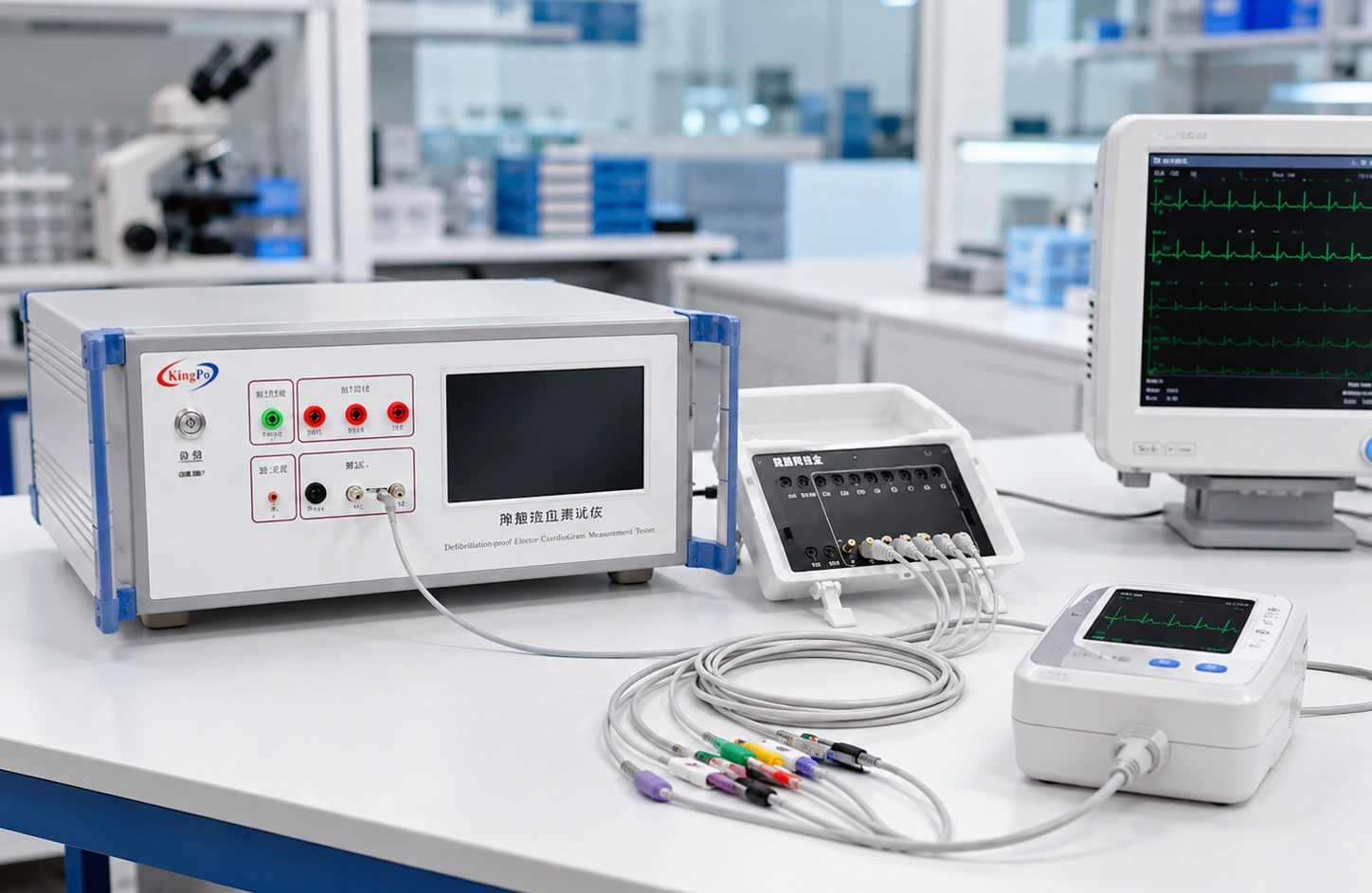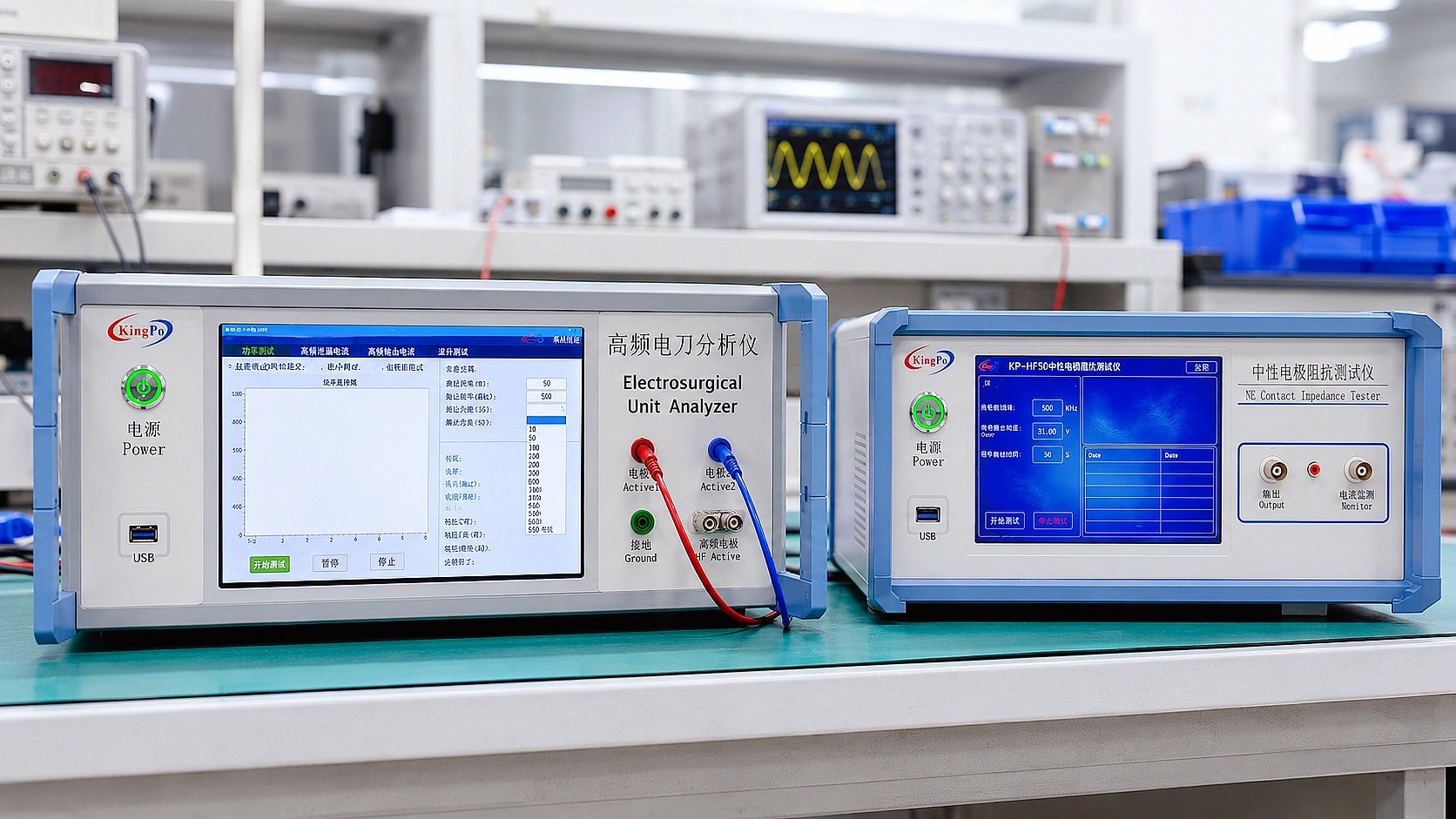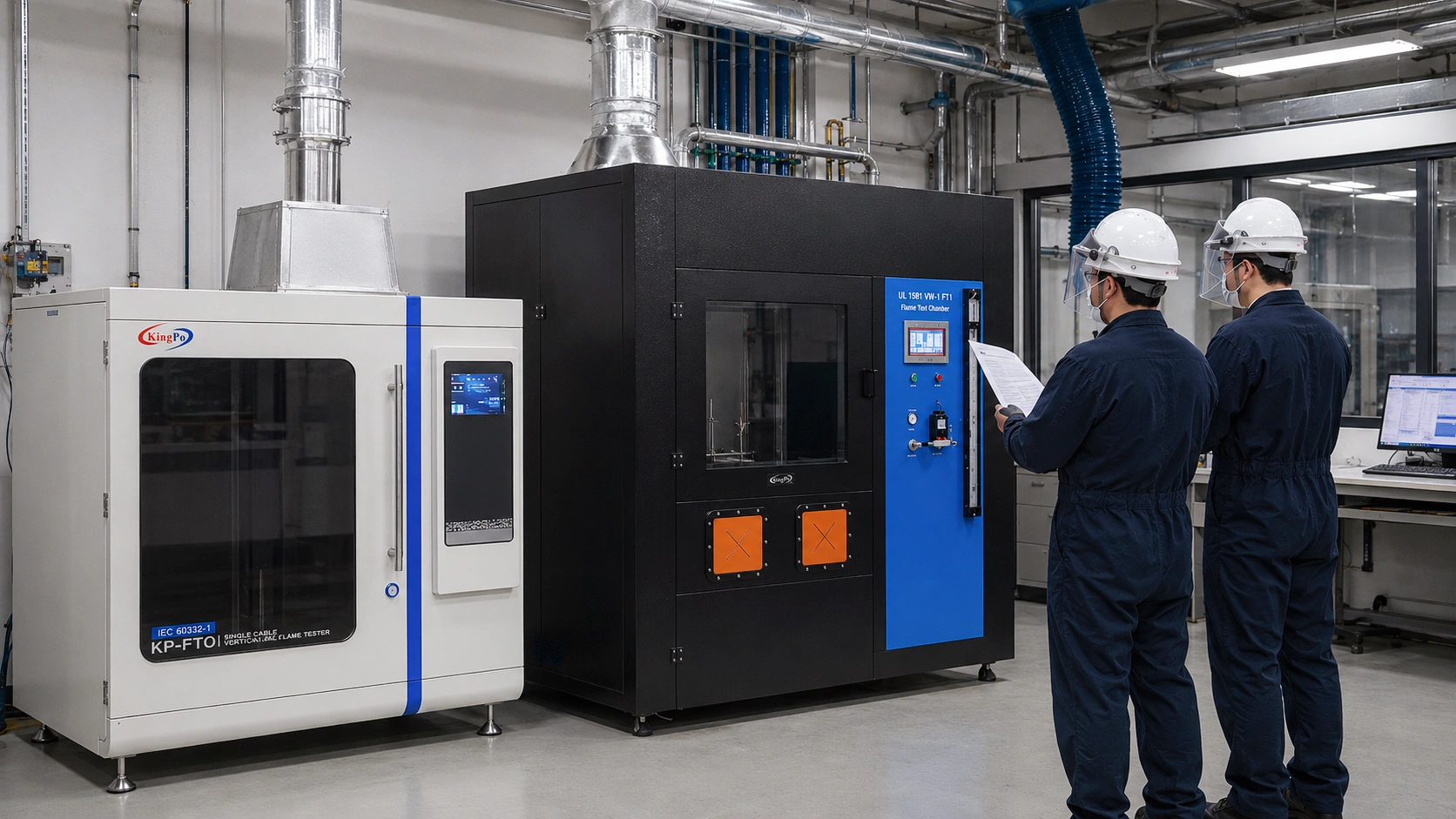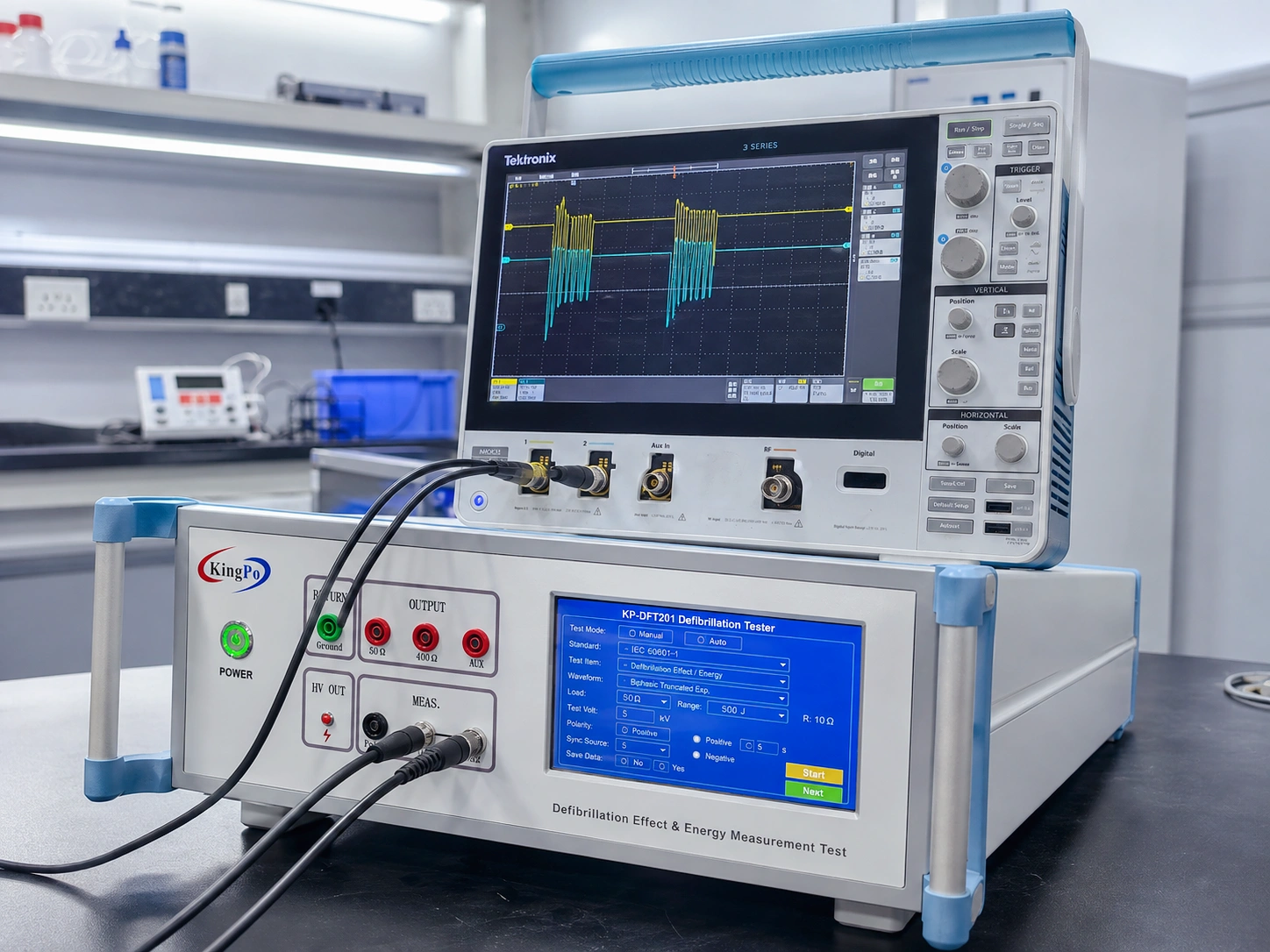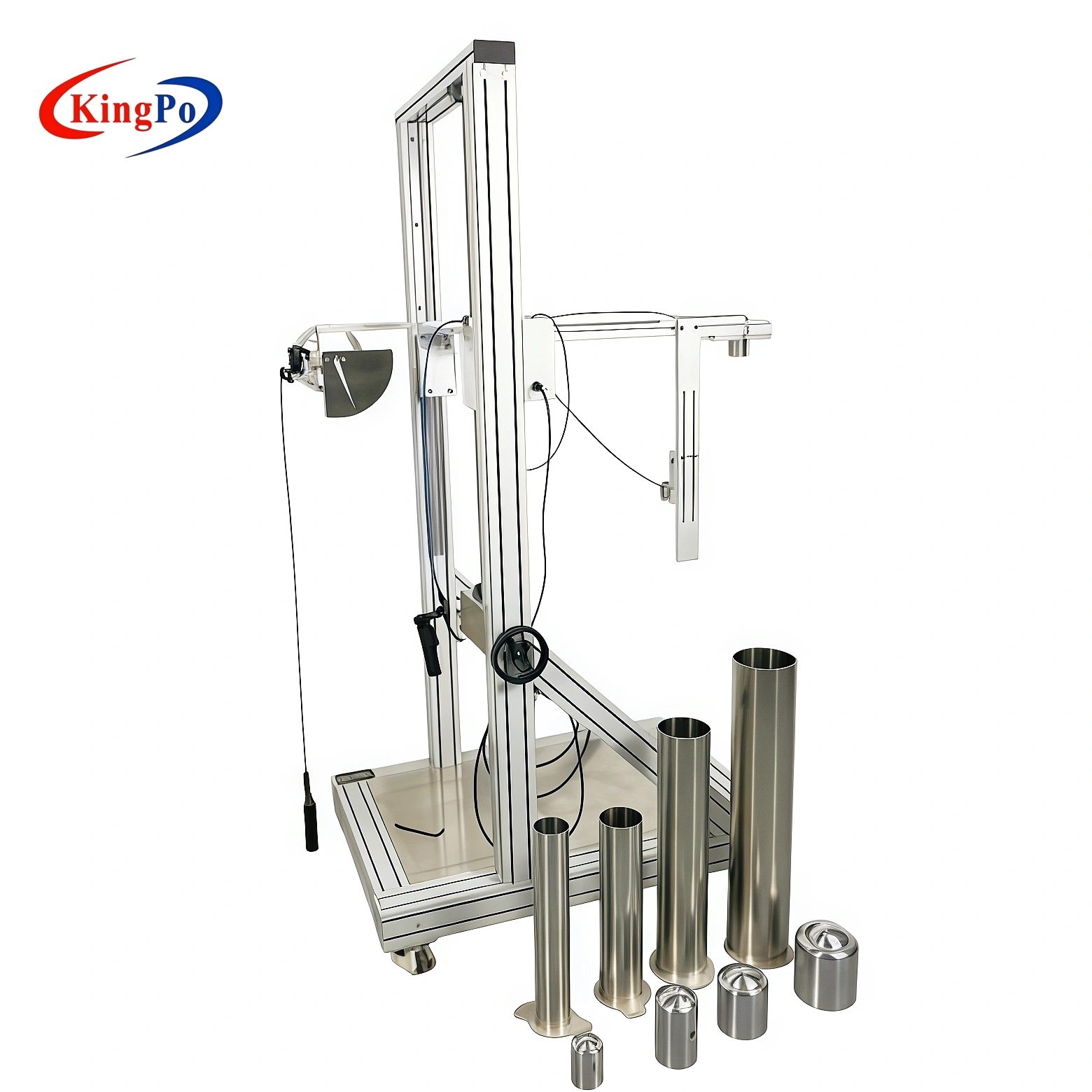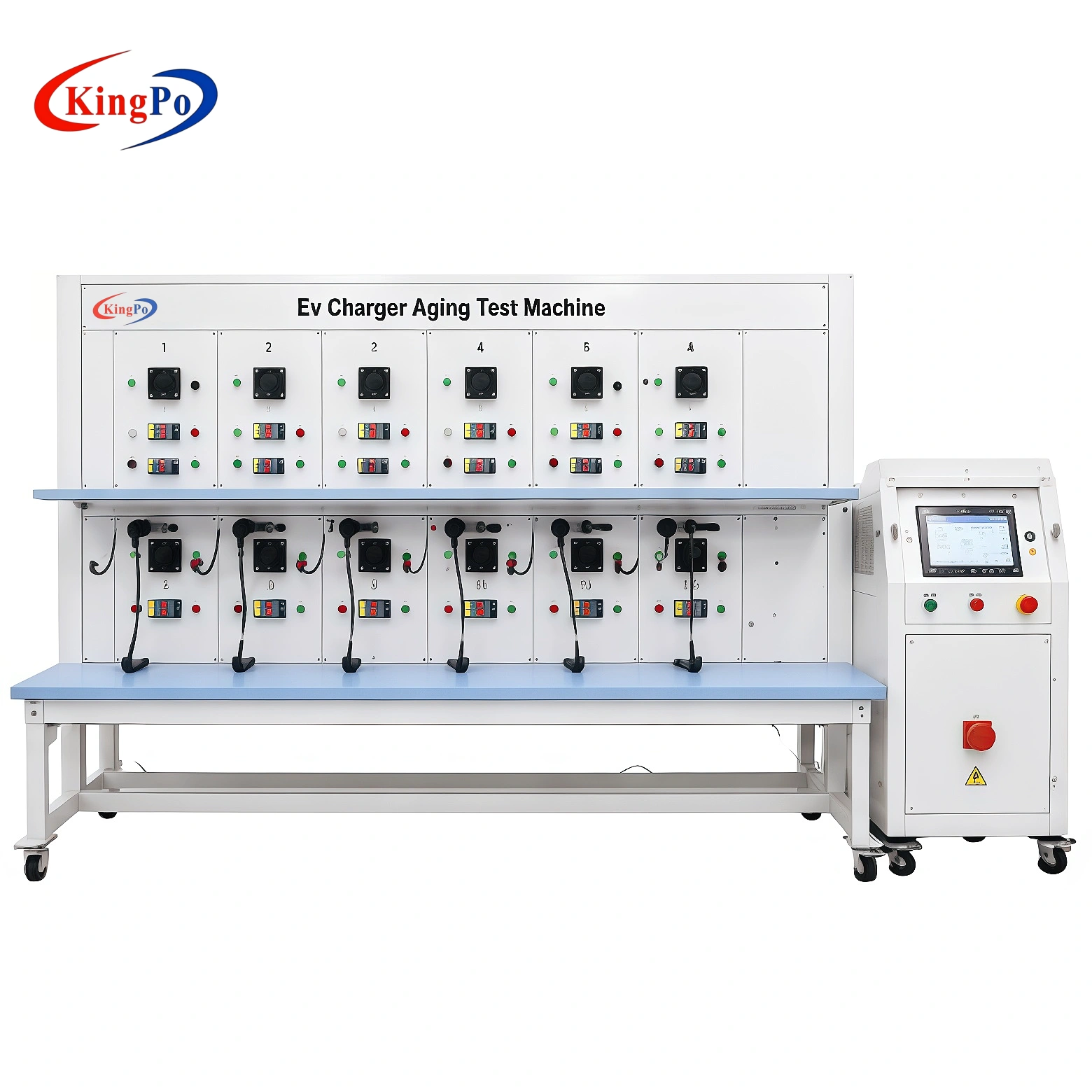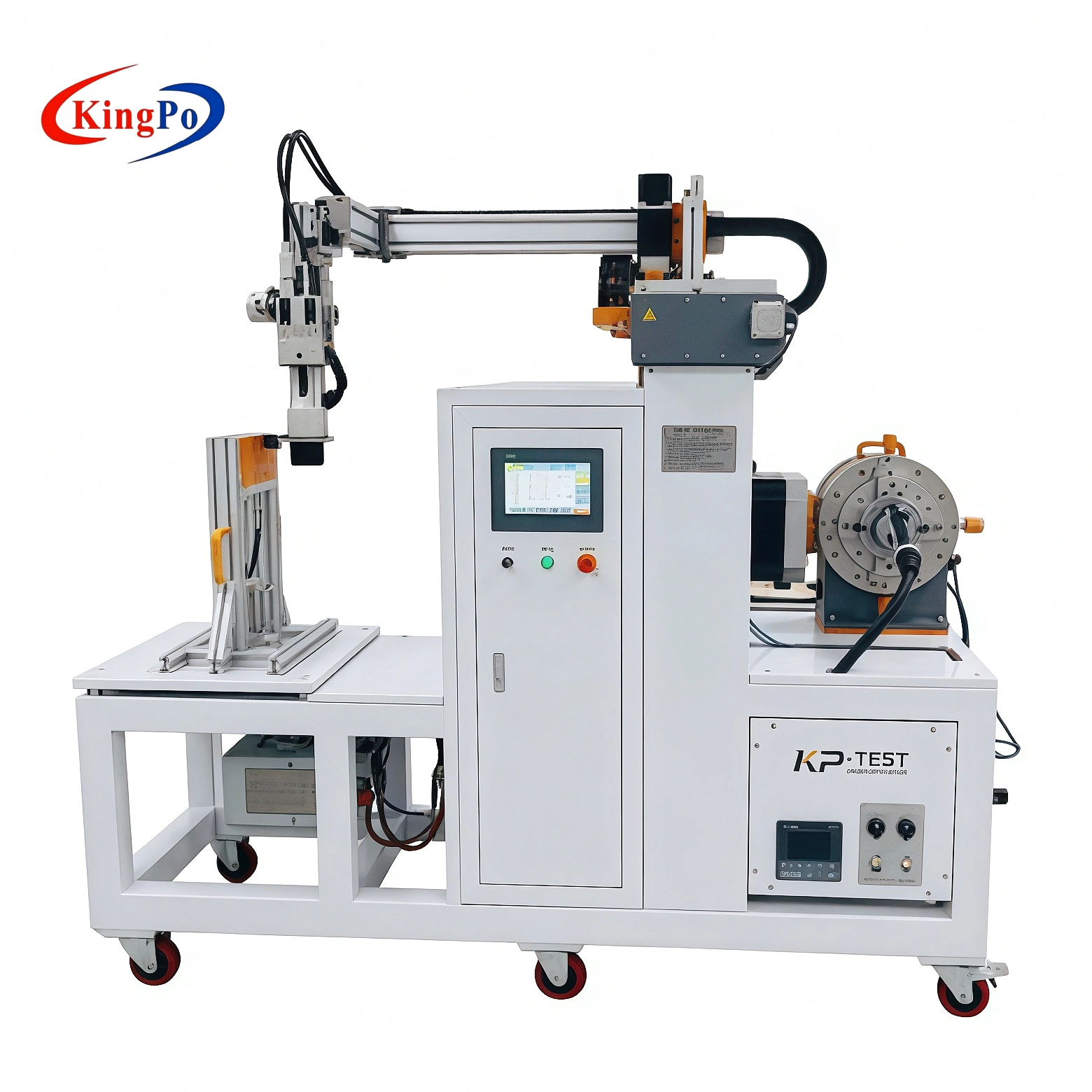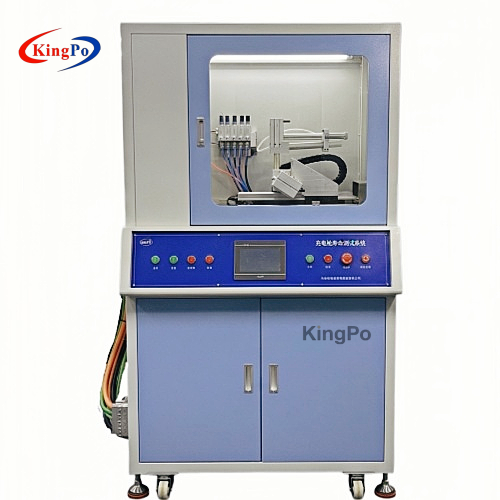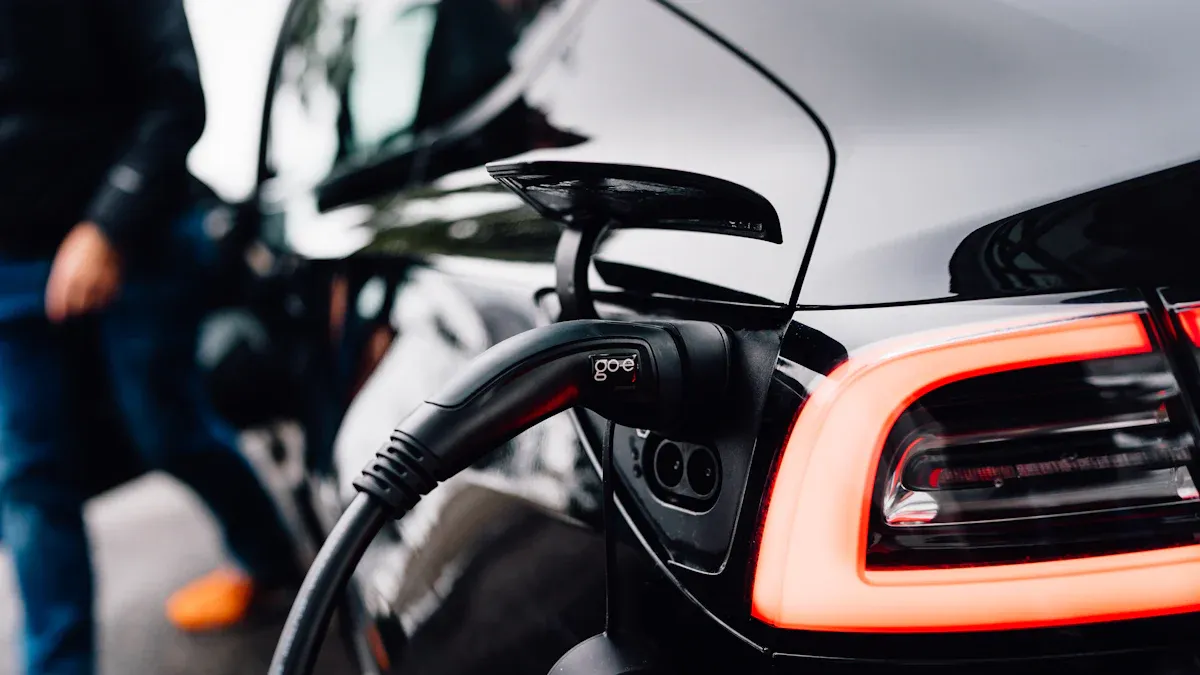
You now live in a world where electric vehicles shape the future of mobility. In Norway, more than 95% of new cars are electric. China leads the way with millions of public chargers, making e-mobility accessible to everyone. As you support this shift, you recognize that reliable EV Charging infrastructure stands at the heart of progress. Modern testing solutions, such as the Vehicle Charging Gun Test System and the EV Connector Temperature Rise Test, help you ensure safety and reliability at every step. Devices like the Fluke FEV100 perform essential checks, from insulation tests to ground fault detection. You rely on these advancements to maintain trust in every EV Charging solution.
Key Takeaways
-
Conduct thorough testing of EV charging connectors to ensure safety and prevent overheating, battery damage, and fire hazards.
-
Stay compliant with international standards like IEC 62196 and CCS to maintain customer trust and avoid costly retrofits.
-
Utilize automated testing tools to enhance speed and accuracy, reducing human error and improving testing efficiency.
-
Incorporate AI diagnostics to predict faults and optimize maintenance, leading to higher uptime and lower operational costs.
-
Document every step of the testing process to support compliance and track performance trends for continuous improvement.
EV Charging Connector Testing Essentials
Safety and Reliability Factors
You play a vital role in shaping the future of e-mobility. When you test EV charging connectors, you protect users, vehicles, and the entire charging infrastructure. Inadequate ev charger testing can lead to catastrophic failures.
Researchers found that all tested EV chargers delivered 220V at 80A (~16kW), causing their charging cables to enter thermal runaway. With temperatures soaring to 177°C (350°F), several cables overheated, melted, and burst into flames. None of the chargers had hardware-based overcurrent protection, highlighting the risks of inadequate testing.
You must conduct comprehensive testing to prevent overheating, battery damage, and fire hazards. Reliable ev charger testing ensures that every charging session remains safe for both people and property. You also verify that communication protocol testing works as intended, which is essential for modern electric vehicles.
Compliance with International Standards
You cannot ignore the importance of compliance in ev charger testing. International standards set the benchmark for safety, performance, and interoperability. The table below highlights the most referenced standards for ev charging connector testing in 2026:
|
Standard |
Description |
|---|---|
|
IEC 62196 |
Global standard for EV charging connectors, covering electrical performance, interoperability, mechanical strength, and environmental resistance. |
|
CCS |
Commonly used standard for fast charging in Europe and North America. |
|
NACS |
Standard gaining traction in North America for EV charging. |
|
GB/T |
Standard used primarily in China for EV charging. |
|
Type 2 |
Widely adopted standard in Europe for AC charging. |
|
CHAdeMO |
Standard for fast charging, particularly in Japan. |
If you fail to comply with these standards, you risk losing customer trust, facing market entry barriers, and incurring costly retrofits. Non-compliance can also expose your systems to cyberattacks and disrupt operations.
Importance of Temperature Rise Testing
You must prioritize temperature rise testing in ev charger testing, especially for high-power charging. This process helps you:
-
Ensure charging safety by predicting and preventing overheating and fire risks.
-
Verify electrical contact performance, which protects the battery and connector from damage.
-
Evaluate the design and materials for effective heat dissipation during charging.
-
Extend the lifespan of charging equipment and maintain stable operation.
-
Meet regulatory standards and support certification for charging infrastructure.
-
Improve user experience by preventing discomfort from overheating.
-
Adapt charging solutions to various environments, supporting global mobility.
By focusing on these essentials, you guarantee that your electric charging solutions remain safe, reliable, and ready for the future.
Modern Charging Solutions and Technologies
Automated Testing Tools
You now have access to a new generation of automated testing tools that transform how you approach ev charging connector validation. These tools deliver speed, accuracy, and repeatability, making them essential for modern electric vehicle development. Automated systems streamline the process, allowing you to test more connectors in less time while reducing human error.
-
Screw terminal clamping test technology verifies the mechanical reliability and structural design of connector terminals. This ensures that every connection remains secure during high-power charging.
-
Automated testing systems follow strict IEC standards, giving you confidence that your results meet global safety and durability requirements.
-
The market for ev charging cable and connector durability test equipment continues to expand rapidly. By 2036, experts expect the market to more than double, reflecting the growing demand for reliable charging solutions.
-
CCS (Combo) technology dominates the landscape, holding a significant share of the market. This focus on advanced testing solutions highlights the importance of durability and compliance as electric vehicles become mainstream.
Automated testing tools help you identify issues early, prevent costly failures, and maintain the highest standards for every charging session. As you adopt these technologies, you ensure that your charging infrastructure supports the evolving needs of electric vehicles and their users.
AI Diagnostics in EV Charger Testing
Artificial intelligence now plays a pivotal role in ev charger testing. You can leverage AI agents to troubleshoot problems, analyze data, and accelerate the development cycle. These intelligent systems use machine learning and predictive analytics to spot potential issues before they cause failures, keeping your charging stations running smoothly.
|
AI Application |
Description |
|---|---|
|
AI agents in troubleshooting |
AI agents analyze test data, identify root causes, and support rapid diagnosis. |
|
Predictive AI diagnostics |
Machine learning algorithms predict faults, enabling proactive maintenance. |
AI diagnostics offer measurable benefits that directly impact your operations:
|
Benefit |
Description |
|---|---|
|
Higher uptime |
Early fault detection and automated triage reduce unplanned downtime. |
|
Lower energy costs |
Demand charge management and price-aware scheduling lower monthly bills. |
|
New revenue |
Participation in demand response and premium reservation services. |
|
Better utilization |
Queue prediction and routing guidance optimize station use. |
|
Improved NPS |
Proactive alerts and self-service troubleshooting enhance user satisfaction. |
|
Faster scaling |
Repeatable AI agents manage complex networks efficiently. |
|
Compliance confidence |
Built-in policy enforcement and audit logging simplify regulatory tasks. |
By integrating AI diagnostics, you gain a powerful tool for maintaining safe, efficient, and reliable charging operations. These systems help you deliver a seamless experience for electric vehicle drivers and support the rapid growth of ev charging solutions worldwide.
KingPo EV Connector Temperature Rise Test System
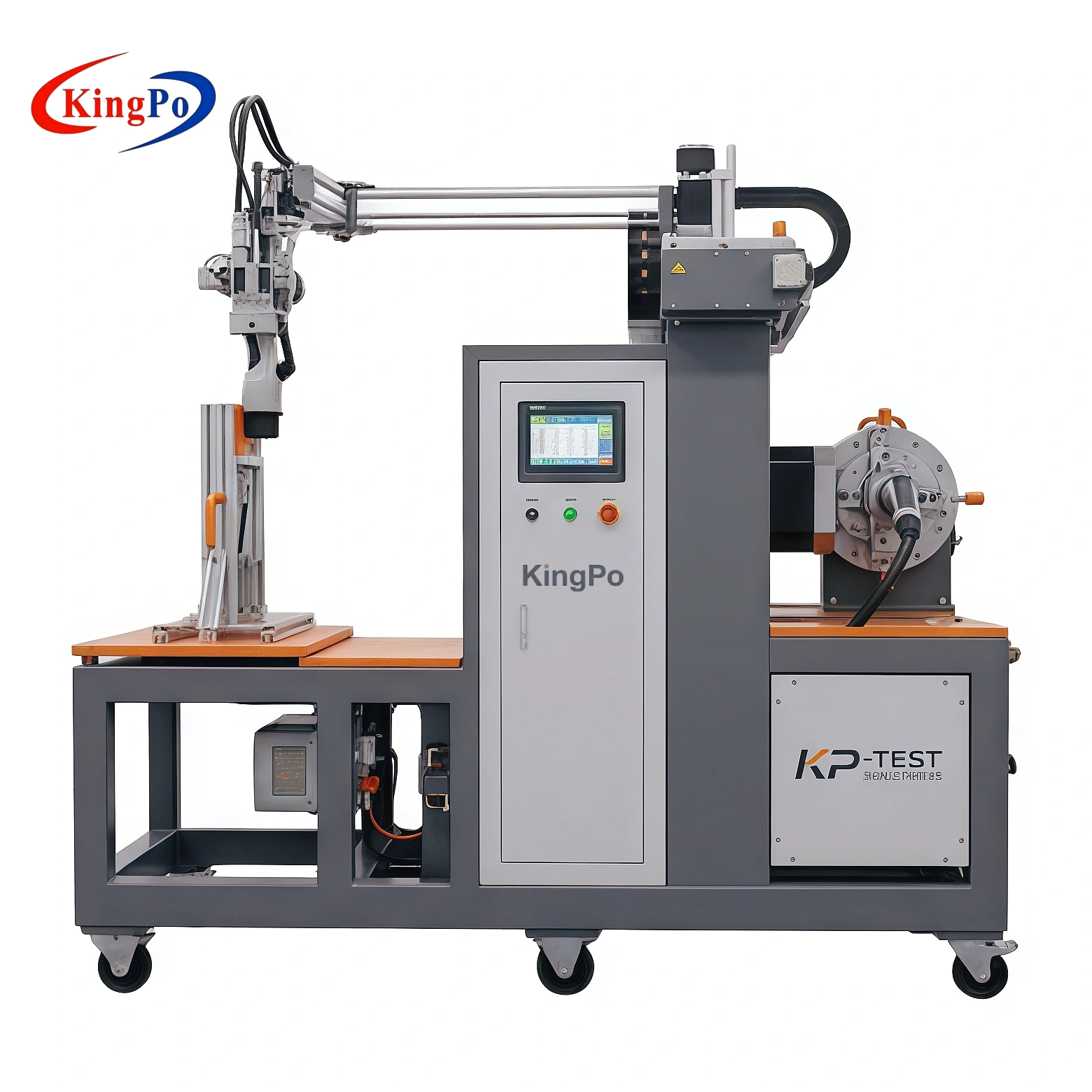
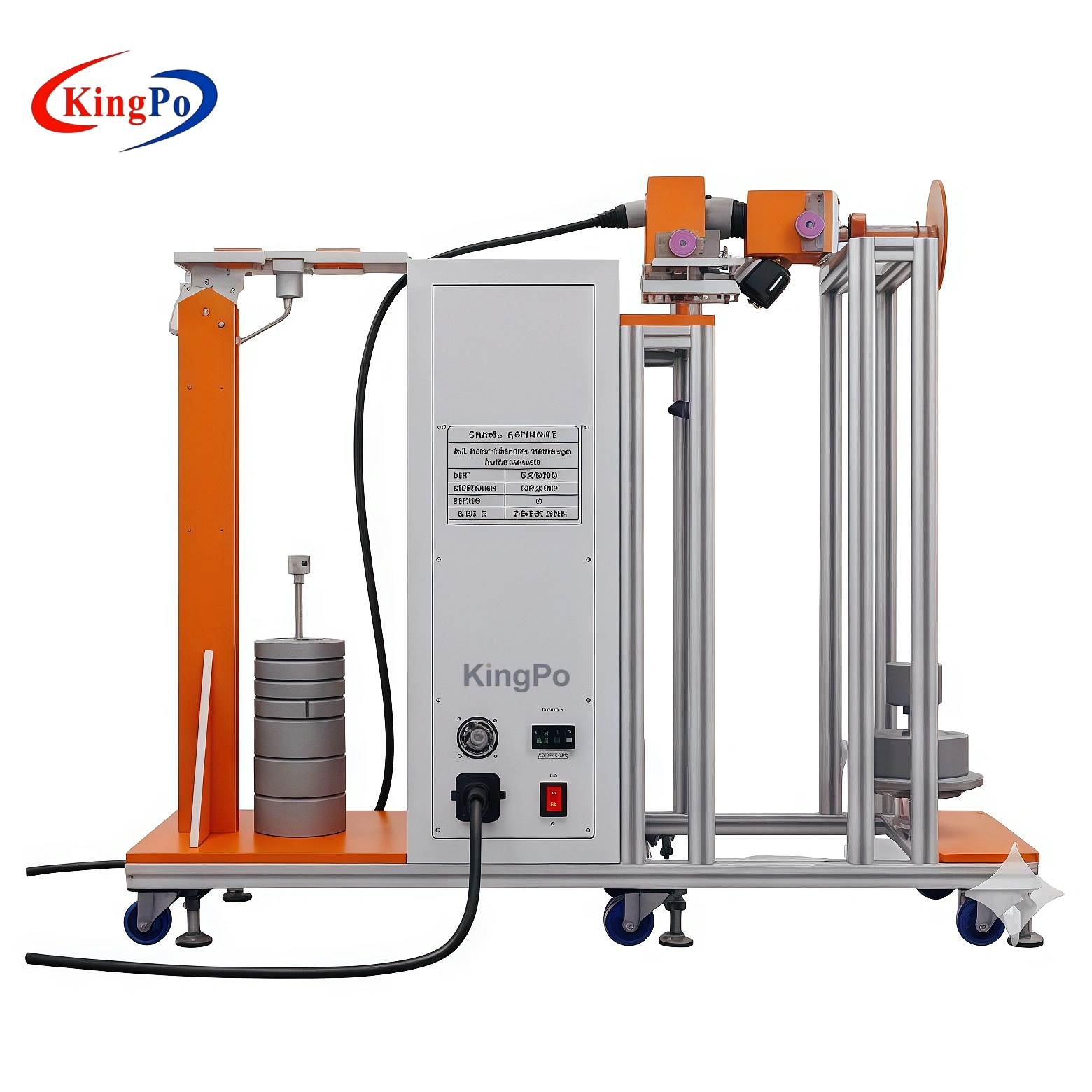
When you need to validate the safety and performance of high-power charging connectors, the KingPo EV Connector Temperature Rise Test System stands out as a leading solution. This advanced system enables you to conduct precise thermal evaluations under real-world conditions, ensuring that every connector meets the demands of modern electric vehicles.
|
Parameter |
Specification |
Remark / Notes |
|---|---|---|
|
Output Current |
DC 200–6500 A (continuously adjustable) |
Constant current output |
|
Ripple Factor |
< 1% |
High stability DC output |
|
Maximum Output Voltage |
DC < 15 V |
Low voltage high current |
|
Current Accuracy |
±(0.25% of reading + 0.25% of range) |
Resolution 1 A |
|
Temperature Channels |
16 channels (including ambient) |
K-type thermocouples |
|
Temperature Range |
0–260 °C |
Accuracy ±0.3% + 1 °C |
|
Test Modes |
Continuous / On/Off / Auto Temp Control |
Programmable timing |
|
Control System |
15-inch industrial touchscreen + PC |
Real-time curve & report generation |
|
Dimensions & Weight |
1000×1300×1800 mm, ≈400 kg |
Heavy-duty mobile design |
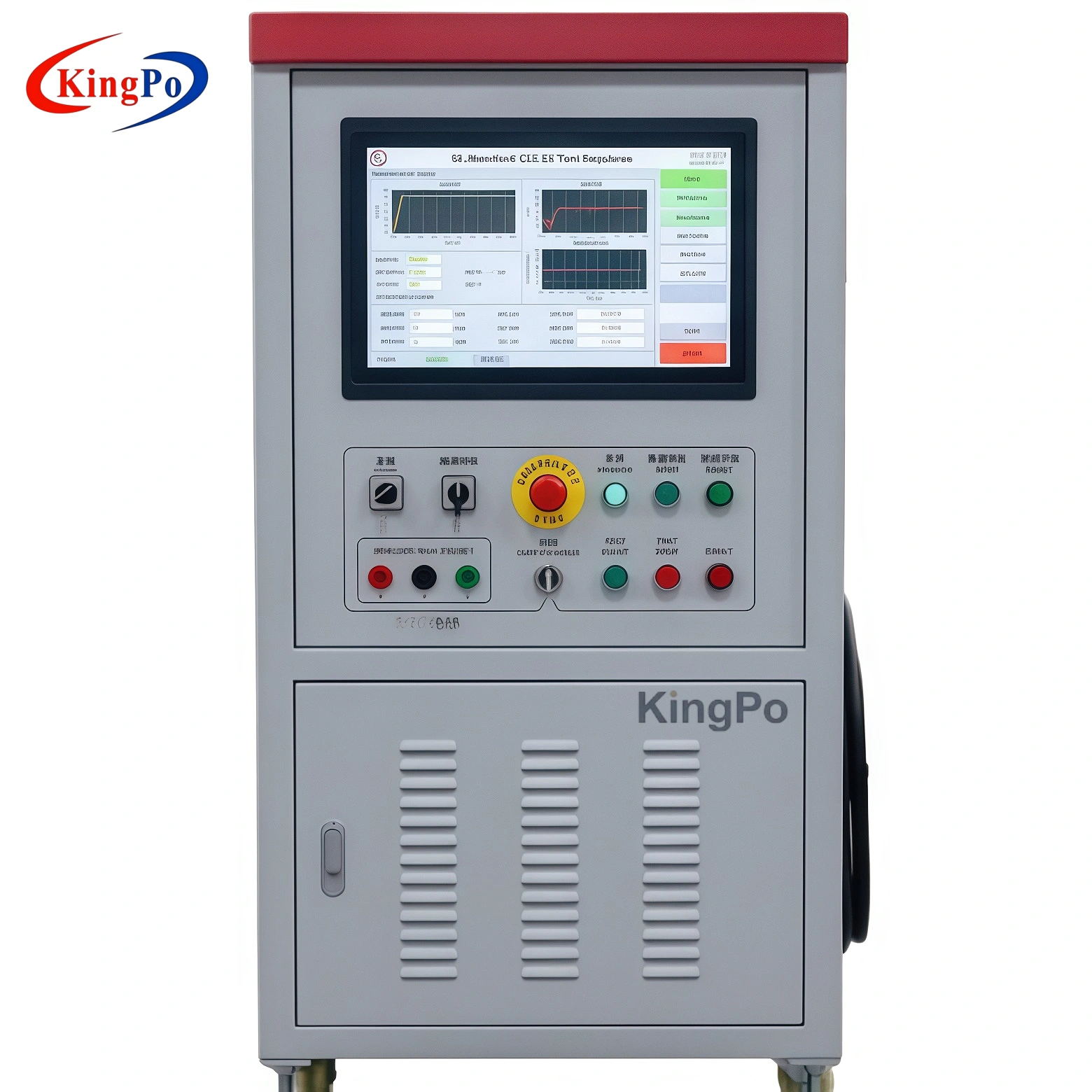
You benefit from a system that delivers continuous DC current up to 6500A, with a ripple factor below 1%. This high stability is crucial for accurate battery and connector testing. The 16-channel temperature monitoring system allows you to track temperature rise across multiple points, ensuring comprehensive safety validation during charging.
KingPo’s system complies with the latest international standards, including IEC 62196-1:2020. You can trust that your tests simulate real-world stresses and exceed standard requirements. The intuitive 15-inch touchscreen and professional software make it easy for you to visualize data, generate automated reports, and maintain compliance records.
|
Feature |
Description |
|---|---|
|
Compliance Standards |
Adheres to IEC 62196-1:2020 for rigorous plug and socket testing. |
|
Testing Capabilities |
Exceeds standard requirements with precise, real-world simulation. |
|
Control Mechanism |
Servo motor drive and PLC touchscreen for accurate, user-friendly operation. |
|
Safety Features |
Comprehensive protections and real-time monitoring. |
|
After-sales Support |
Software upgrades ensure ongoing compliance with evolving standards. |
You can use the KingPo system for a wide range of applications, from liquid-cooled charging couplers to Megawatt Charging System components. Its robust construction and intelligent cooling ensure reliable operation, even during demanding high-power charging tests. With a one-year warranty and lifetime technical support, you gain peace of mind and expert assistance whenever you need it.
Other notable industry solutions include the Fluke FEV100 for essential electrical checks and the Vehicle Charging Gun Test System for communication protocol validation. By combining these tools with KingPo’s advanced temperature rise testing, you create a comprehensive approach to ev charging safety and performance.
You now have the opportunity to lead the way in electric vehicle charging by adopting these modern technologies. With the right solution, you ensure that every charging session is safe, efficient, and ready for the future of mobility.
Implementing EV Charger Testing
Preparation and Setup
You begin by preparing your workspace and gathering the necessary equipment for accurate ev charger testing. A well-organized setup ensures reliable results and protects both operators and electric vehicles. Start by reviewing the test plan and confirming that all safety protocols are in place. Always use personal protective equipment and verify that your testing area is free from hazards.
To achieve precise results, you need specialized equipment and controlled environmental conditions. The table below outlines the essential components for a professional testing environment:
|
Equipment/Condition |
Description |
|---|---|
|
Power factor correction and AC/DC converter |
Converts 3-phase AC to high-voltage DC and ensures compliance with power factor and harmonics standards. |
|
DC/DC converter |
Provides isolation and voltage regulation for the vehicle charging port. |
|
Control systems and power management |
Manages communication with the vehicle and regulates power flow during charging. |
|
User interfaces |
Allows interaction with the charging system. |
|
LAN/cellular communications |
Facilitates remote monitoring and control. |
|
High voltage charging and communication vehicle port |
Connects the charger to the electric vehicle. |
|
Bidirectional power supplies |
Simulates the behavior of an EV battery during testing, capable of sinking and sourcing current. |
|
Oscilloscope-based systems |
Used for accurate measurements of power quality, harmonics, and efficiency. |
You set up the KingPo EV Connector Temperature Rise Test System by connecting the power supply, configuring the 16-channel temperature sensors, and calibrating the system using the touchscreen interface. You select the appropriate test mode—Continuous, On/Off cyclic, or Automatic Temperature Control—based on your test objectives. Before starting, you double-check all connections, especially those between the charger, connectors, and electric vehicle simulation equipment. This careful preparation ensures that your charger testing capabilities deliver consistent and repeatable results.
Test Execution and Data Analysis
Once your setup is complete, you initiate the test sequence. You monitor the charging process in real time using the KingPo system’s industrial touchscreen and software. The system delivers a stable DC current, simulating real-world charging conditions for electric vehicles. You observe temperature rise across all critical points, including plugs, sockets, and connectors, to detect any abnormal heating.
During the test, you pay close attention to battery performance and connector integrity. The system’s precision monitoring allows you to identify early signs of overheating or electrical faults. You use the charger testing capabilities to evaluate how the connector handles high current loads and how effectively it dissipates heat.
For actionable insights, you analyze the collected data using advanced features built into the KingPo solution. The following table summarizes key data analysis tools:
|
Feature |
Description |
|---|---|
|
Anomaly Detection |
Identifies communication anomalies during charging sessions. |
|
Visual Analytics |
Provides customizable charts for visualizing charging session data. |
|
Automated Report Generation |
Generates reports that help in identifying root causes and summarizing compatibility. |
|
Custom Workflows |
Allows for tailored reporting formats and extraction of specific metrics. |
|
Critical Metrics Inspection |
Enables inspection of key metrics like voltage, current, and power output. |
You review visual analytics to spot trends and outliers. You inspect critical metrics such as voltage, current, and power output to ensure the charging process remains within safe limits. If you detect anomalies, you use the system’s diagnostic tools to pinpoint the root cause, whether it relates to the battery, connector, or electric vehicle interface.
Reporting and Documentation
After completing the tests, you generate comprehensive reports using the KingPo system’s automated reporting features. These reports include detailed charts, temperature profiles, and summaries of all test results. You customize the report format to meet regulatory requirements or internal quality standards.
You document every step of the testing process, from initial setup to final analysis. This documentation provides a clear record for audits, certification, and future reference. You store historical data securely, enabling you to track performance trends and support continuous improvement in your charging infrastructure.
Tip: Consistent and thorough documentation not only supports compliance but also helps you identify long-term patterns that can improve the safety and reliability of electric charging solutions.
By following these steps, you ensure that your ev charger testing process is efficient, accurate, and aligned with industry best practices. You build confidence in your charging systems and contribute to the advancement of electric vehicles worldwide.
Best Practices and Future Trends in Charging
Avoiding Common Pitfalls
You can achieve accurate and compliant testing by following a structured approach at every stage of the charging system lifecycle. Start with a thorough site survey and electrical testing before installation. During installation, focus on electrical safety, power output, and mechanical reliability. Functional testing should cover the charging process, payment systems, and user interface. Always document your work, including installation records and commissioning reports. Schedule preventive maintenance to catch issues before they affect electric vehicle users.
|
Testing Phase |
Strategies |
|---|---|
|
Pre-Installation |
Site survey, electrical testing, network connectivity, environmental checks |
|
Installation |
Electrical safety, power output, protection systems, mechanical setup |
|
Functional Testing |
Charging process, payment systems, network communication, user interface |
|
Documentation |
Installation records, commissioning report, user training, warranty |
|
Preventive Maintenance |
Proactive schedules to prevent failures and ensure availability |
Tip: Consistent documentation and proactive maintenance help you avoid costly downtime and ensure safe charging for every electric vehicle.
Staying Updated with Standards
You need to stay informed as electric charging standards evolve. Monitor regional differences, such as the use of Type 2 connectors in Europe and CCS or CHAdeMO in North America. Track new developments in universal connectors and automated charging systems. Follow industry news and updates from standardization bodies. This approach helps you anticipate changes and adapt your charging infrastructure quickly.
-
Monitor regional fragmentation of standards.
-
Track rapid advancements in charging technology.
-
Watch for trends toward universal connectors.
-
Stay informed about automated charging innovations.
Emerging Testing Technologies
You will see significant changes in charging connector standards by 2026. Major automakers are moving toward lighter, more compact connectors that support both AC and DC charging. For example, the NACS (SAE J3400) standard, originally developed by Tesla, is now being adopted by Ford, GM, and Rivian. This shift reduces the diversity of connector types and simplifies the charging experience for electric vehicle owners.
|
Feature |
CCS1 |
NACS (SAE J3400) |
|---|---|---|
|
Standard Origin |
Existing standard |
Tesla, now standardized |
|
Major Automakers Transition |
Limited adoption |
Most major automakers |
|
Design |
Bulkier |
Lighter, compact, AC/DC |
|
Region |
Global |
North America |
|
Trend |
Diversification |
Centralization |
Stay ready to adopt new testing solutions that match these evolving standards. Embrace automation, AI diagnostics, and advanced temperature rise systems to keep your electric charging operations safe and future-proof.
You can lead the industry by adopting modern connector testing solutions.
-
Embrace the North American Charging Standard as it becomes the primary technology for high-power AC and DC charging.
-
Stay informed with resources like UL 2252, SAE courses, and organizations such as CharIN and UL Solutions.
-
Invest in advanced testing to deliver safe, efficient, and durable products.
|
Test Type |
Connector Standard |
Equipment Format |
End User |
|---|---|---|---|
|
Durability Testing |
CCS |
Benchtop Systems |
Cable and Connector OEMs |
|
Electrical Safety |
NACS |
Automated Rigs |
EVSE Manufacturers |
Ongoing education and industry engagement help you maintain a competitive edge as the market evolves.
FAQ
What is temperature rise testing for EV connectors?
Temperature rise testing measures how much a connector heats up during high-current charging. You use this test to ensure connectors stay within safe temperature limits, preventing overheating and potential safety hazards.
How does the KingPo EV Connector Temperature Rise Test System improve safety?
You gain precise temperature monitoring and real-time data analysis. The system helps you detect overheating early, ensuring your connectors meet strict safety standards and perform reliably under demanding conditions.
Which international standards does the KingPo system support?
You can test according to IEC 62196-1, IEC 62916-2, and IEC 62916-3. These standards cover safety, performance, and compatibility for modern charging connectors worldwide.
Can I generate automated reports with the KingPo system?
Yes. You can use the touchscreen interface and software to create detailed reports automatically. These reports help you document results for audits, certifications, and quality control.
Who should use advanced connector testing systems?
Manufacturers, service providers, and fleet operators benefit from advanced testing. You ensure your charging infrastructure remains safe, reliable, and compliant with industry requirements.