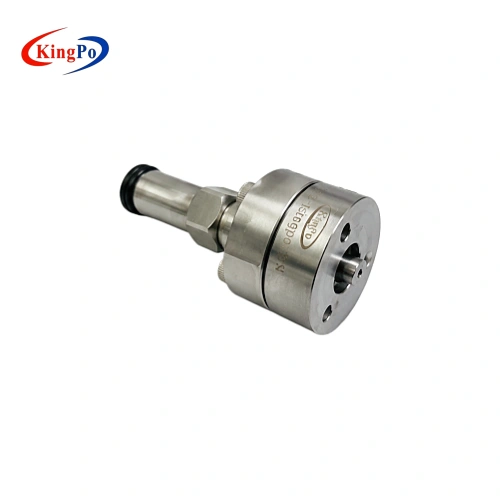
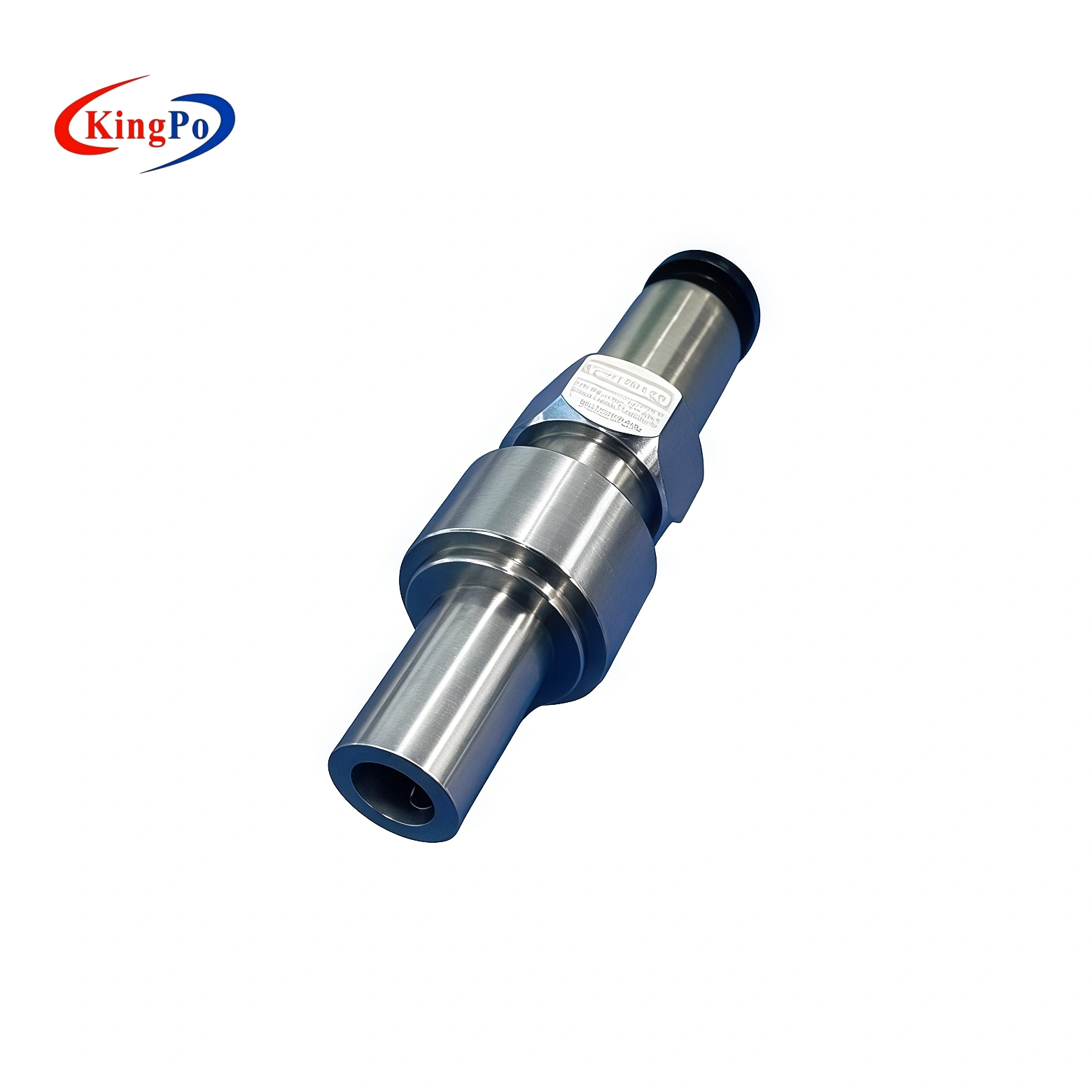
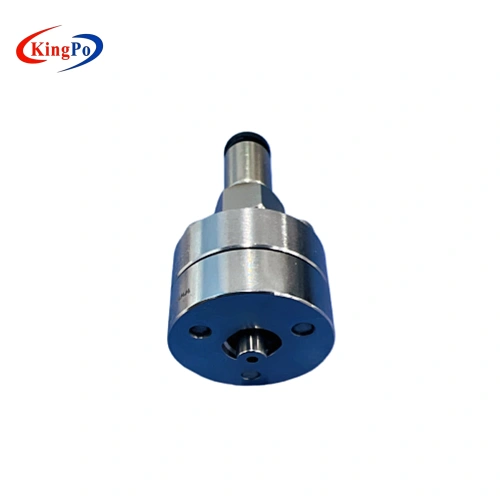
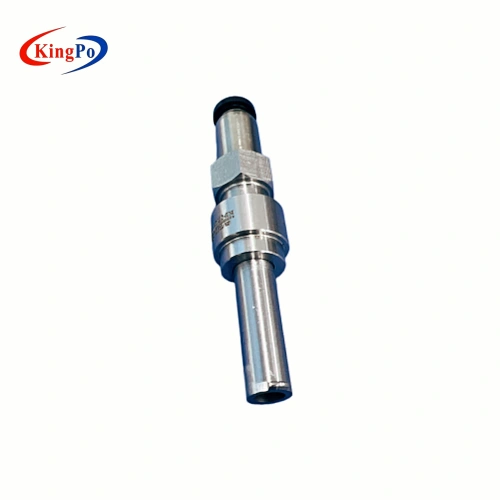
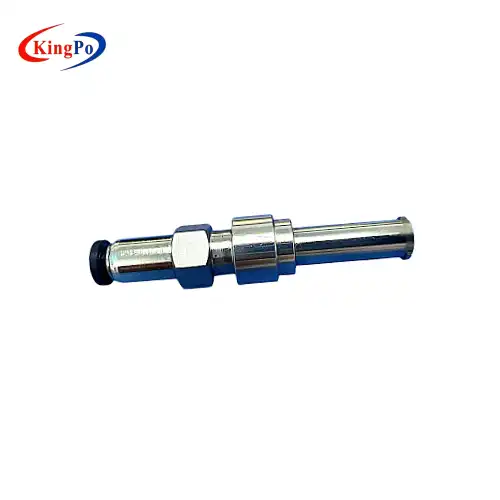
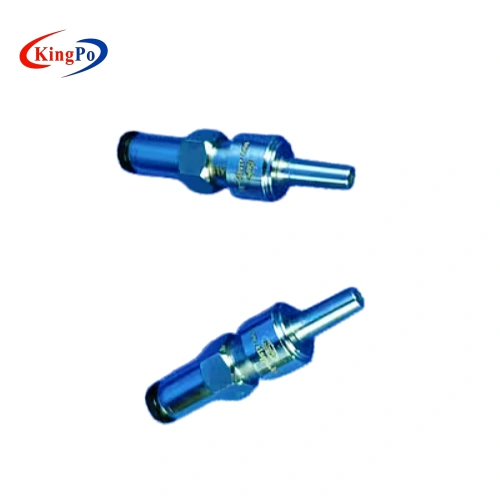
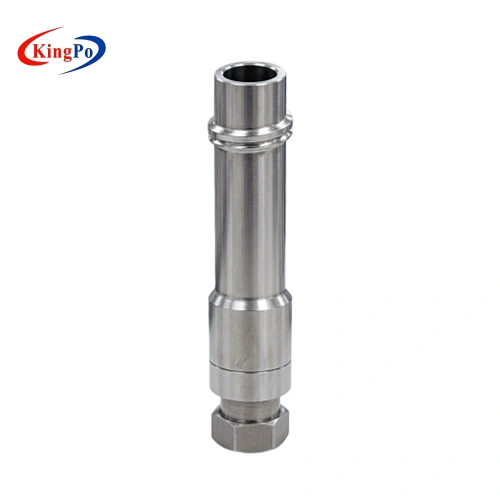
You use iso 80369 test equipment to check medical connectors. This equipment helps you prevent dangerous misconnections between tubes and devices. It plays a key role in patient safety. When you follow these standards, you make sure medical devices work safely in hospitals and clinics.
Key Takeaways
-
ISO 80369 test equipment ensures medical connectors meet safety standards, preventing dangerous misconnections.
-
Regular calibration of ISO 80369 test equipment is crucial for accurate testing results and compliance with safety regulations.
-
Using ISO 80369 compliant connectors enhances patient safety and supports reliable medical device performance.
What is ISO 80369 Test Equipment

Definition and Main Purpose
You use iso 80369 test equipment to check if medical connectors meet strict standards. These standards help you prevent dangerous misconnections in hospitals and clinics. When you test luers, you make sure that only the right tubes and devices connect together. This keeps patients safe and helps you avoid serious mistakes.
Note: Misconnections can cause injuries or even death. That is why iso 80369 standards are so important in medical device safety.
You find that iso 80369 test equipment focuses on several main goals:
-
It helps you reduce the risk of misconnections in medical devices.
-
It checks if luers and other connectors follow the correct shape and size.
-
It makes sure that all parts meet the requirements for compliance with iso 80369 standards.
-
It protects patients by making sure only the right connections are possible.
You often see iso 80369 test equipment used for luer systems and luer lock connectors. These are common in hospitals for things like IV lines and syringes. The general requirements for these tests come from iso 80369-1, which covers all small-bore connectors used in healthcare.
Key Features and Components
When you look at iso 80369 test equipment, you notice that it includes many parts and features. Each part of the iso 80369 standards focuses on a different type of connector. You can see this in the table below:
|
Part |
Description |
|---|---|
|
Part 1 |
General requirements for small-bore connectors to prevent misconnections in healthcare applications. |
|
Part 2 |
Connectors for breathing systems and driving gases applications. |
|
Part 3 |
Connectors for enteral applications. |
|
Part 4 |
Connectors for urethral and urinary applications. |
|
Part 5 |
Connectors for limb cuff inflation applications. |
|
Part 6 |
Connectors for neuraxial applications. |
|
Part 7 |
Connectors with 6% (Luer) taper for intravascular or hypodermic applications. |
|
Part 20 |
Common test methods for small-bore connectors. |
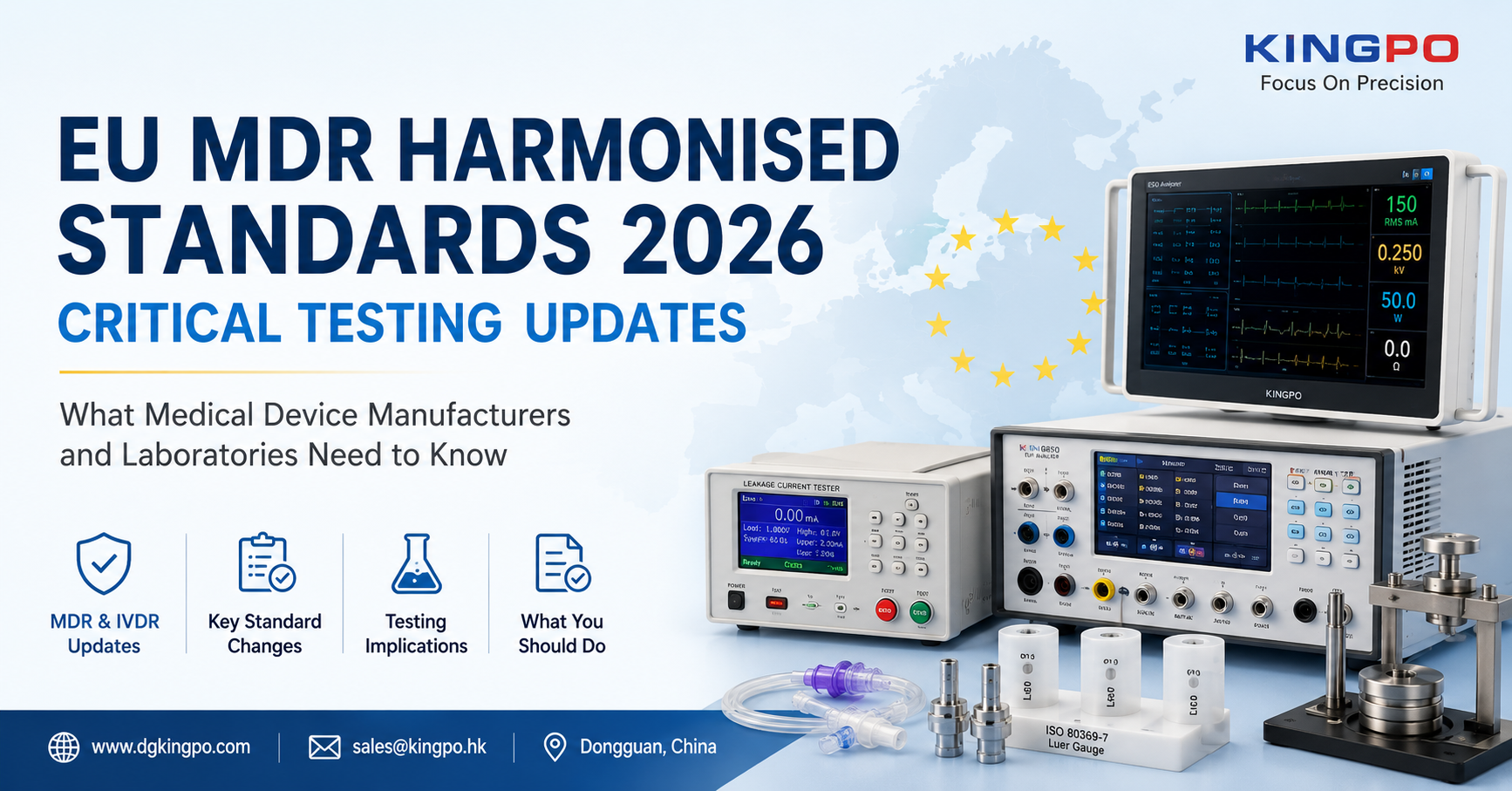
You use iso 80369 test equipment to check many types of luers. These include luer slip, luer lock, and other small-bore connectors. The equipment measures the size, shape, and fit of each connector. It also checks if the connectors can handle the right amount of pressure without leaking or breaking.
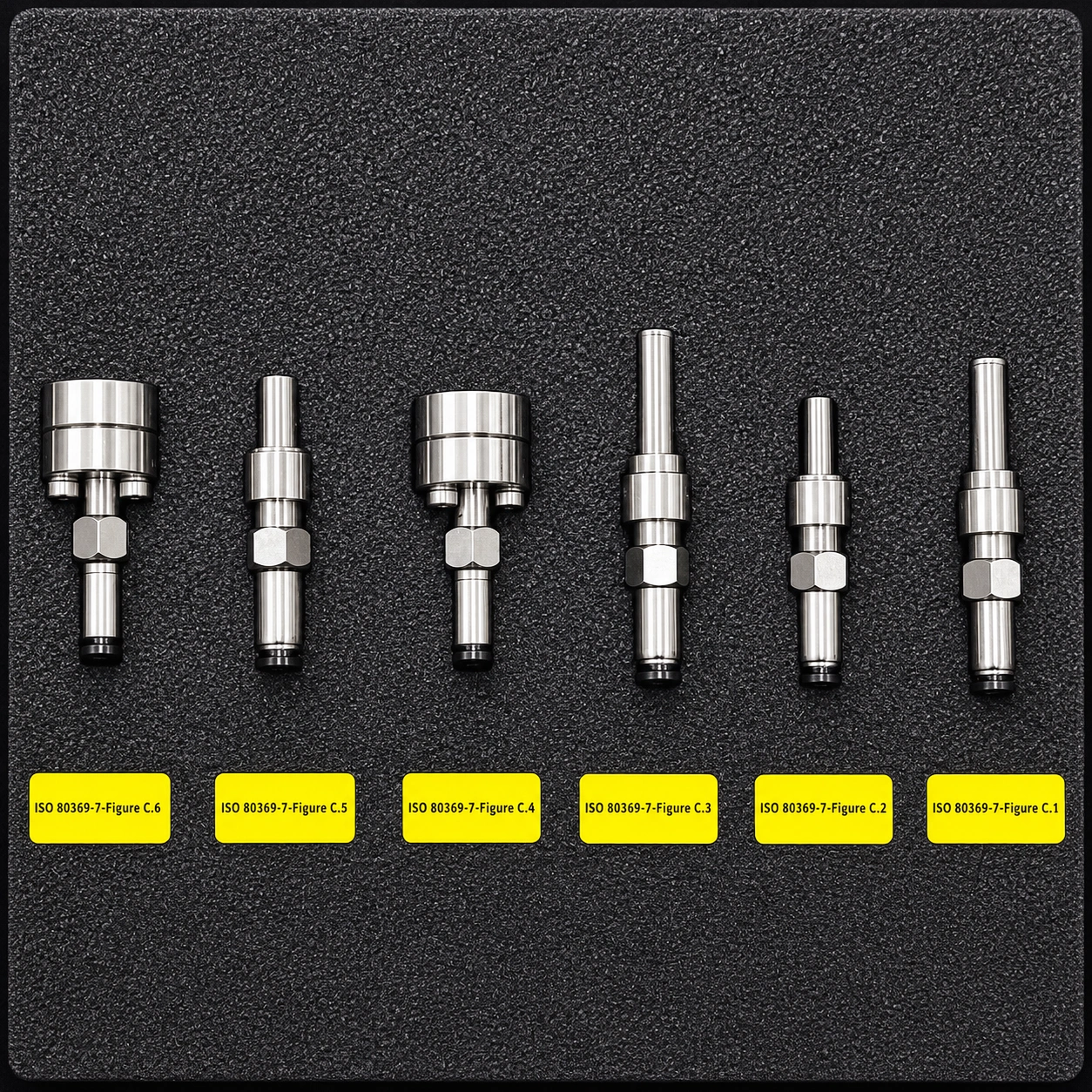
You find that iso 80369-1 gives you the general rules for all connectors. Iso 80369-7 focuses on luer connectors, which are the most common in medical devices. Iso 80369-20 explains the test methods you use to check compliance.
You also need to make sure your iso 80369 test equipment stays accurate. You do this by sending it to a calibration laboratory. Skilled technicians use precise machines to check and adjust your equipment. This keeps your testing results reliable and helps you meet all iso 80369 standards.
|
Key Aspect |
Details |
|---|---|
|
Calibration Laboratory |
Servo Innovations LLC is an A2LA Audited, ISO 17025 Calibration Laboratory. |
|
Importance of Accreditation |
Not all ISO 17025 Accredited Laboratories are equal; check their ISO 17025 Scope for capabilities. |
|
Calibration Requirements |
Calibration for Medical Test Machines is exacting and requires skilled technicians and precise equipment. |
You see that following iso 80369 standards and using the right test equipment helps you keep patients safe. It also helps you meet all compliance rules for medical devices. When you use iso 80369 test equipment, you make sure that every luer and connector works as it should.
ISO 80369 Testing Process

How ISO 80369 Test Equipment Works
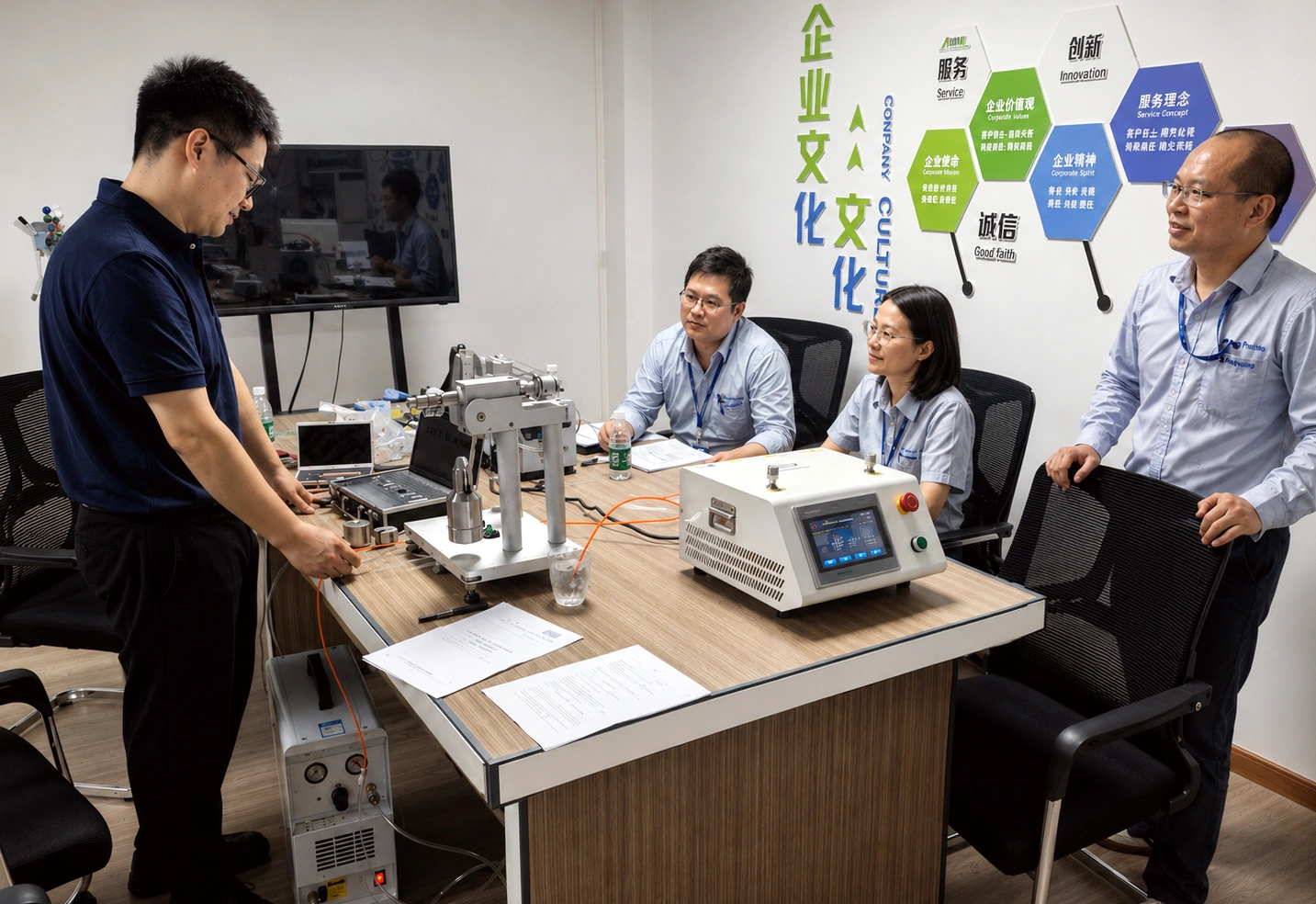
You use iso 80369 test equipment to check small-bore connectors in medical devices. The process starts with setting up the testing system. You position and align each connector specimen by hand. The equipment then performs a series of automatic tests. These include leakage by pressure decay, positive-pressure liquid leakage, subatmospheric pressure air leakage, stress cracking, resistance to separation from axial load, resistance to unscrewing, resistance to overriding, and disconnection by unscrewing. You record data for each connector, such as force, displacement, torque, angle, and pressure. After the drop test, you remove the specimen. This step-by-step approach ensures you meet iso 80369 standards for medical device compliance.
Testing Methods and Criteria
You follow strict testing and validation methods to meet iso 80369 requirements. The main criteria include:
-
Dimensional compliance: You check the physical dimensions of connectors to ensure they fit only with the correct devices.
-
Material assessments: You examine the materials to confirm safety and performance in medical applications.
-
Performance assessments: You test for leakage and stress to make sure connectors work under different conditions.
-
Physical testing: If dimensional analysis shows possible interconnectability, you perform physical tests against a reference connector.
-
Leakage testing: You assemble connectors and test for leaks to prevent misconnection in real-world use.
ISO 80369-1 and ISO 80369-7 Overview
Iso 80369-1 sets the general requirements for small-bore connectors in healthcare. Iso 80369-7 focuses on luer connectors, which are common in intravascular and hypodermic medical applications. These two standards work together to cover both broad and specific safety needs. This approach helps you reduce the risk of misconnection and supports patient safety in all medical settings.
Preventing Misconnections in Practice
You protect patients by using iso 80369 compliant connectors and following iso standards. Many organizations now use ENFit devices to improve safety in medication administration. You also rely on advanced metrology equipment and expert teams to ensure accurate results. Iso 80369 test results guide the design of new connectors, helping you meet regulatory and medical device standards. By following these practices, you support patient safety, achieve medical device compliance, and meet all regulatory requirements for functional and dimensional requirements in medical device compliance.
Tip: Always use iso 80369 test equipment that meets iso/iec 17025 accreditation for reliable testing and validation results.
You play a key role in patient safety when you use ISO 80369 test equipment.
-
ISO 80369 standards help you reduce misconnections in healthcare.
-
These standards improve safety for fluid and gas delivery systems.
Prioritizing ISO 80369 testing gives you reliable products and keeps your devices safe for everyone.
FAQ
What does ISO 80369 test equipment check?
You use this equipment to check connector size, shape, and strength. It helps you make sure connectors fit safely and do not leak.
Why do you need to calibrate ISO 80369 test equipment?
You need calibration to keep your test results accurate. Regular calibration helps you trust your equipment and meet safety standards.
Can you use ISO 80369 test equipment for all medical connectors?
You use ISO 80369 test equipment for small-bore connectors. You cannot use it for large connectors or non-medical devices.