You rely on household appliances every day, expecting them to work safely and efficiently. IEC 60335 safety standards set clear rules to help protect you from hazards like electric shock, fire, and mechanical injury. Developed by experts, these standards focus on consumer protection and reflect updates for modern risks, such as battery-operated devices and moisture resistance. IEC 60335-1 stands as the cornerstone, shaping global safety for appliances and pushing manufacturers to meet strict requirements that keep you safe at home.
Key Takeaways
-
IEC 60335 safety standards protect you from hazards like electric shock, fire, and mechanical injury in household appliances.
-
The cornerstone standard, IEC 60335-1, sets general safety requirements for a wide range of electrical appliances.
-
Manufacturers must conduct rigorous tests for insulation, earthing, mechanical strength, and moisture resistance to ensure appliance safety.
-
Look for certification marks on appliances to confirm they meet IEC 60335 standards and have passed safety tests.
-
Stay informed about updates to IEC 60335 standards, especially regarding new technologies like smart appliances and battery safety.
-
Understanding the scope of IEC 60335 helps you choose safe appliances for both home and commercial use.
-
Compliance with IEC 60335 not only protects consumers but also enhances manufacturers’ reputations and market access.
-
Regularly check product manuals and labels for compliance information to ensure your appliances are safe.
IEC 60335 Safety Standards Overview
What Is IEC 60335?
You encounter electrical appliances every day, from coffee makers to washing machines. IEC 60335 safety standards help you trust these devices. IEC 60335 focuses on the safety of electrical appliances for household and similar purposes. The standard applies to appliances with a rated voltage not exceeding 250 V for single-phase and 480 V for other appliances. You also find that it covers battery-operated and other d.c. supplied appliances. The scope extends to appliances not intended for normal household use but may pose a danger to the public, such as those used by laymen in shops, light industry, and farms.
IEC 60335-1 stands as the cornerstone standard. It sets general safety requirements for household and similar electrical appliances. You benefit from provisions for electrical safety, mechanical strength, moisture resistance, and protection against hazards like electric shock and fire. The sixth edition introduces new safety requirements addressing modern issues such as cybersecurity and battery-operated products.
Here is a summary of the main objectives and structure of IEC 60335:
|
Objectives |
Structure |
|---|---|
|
Ensure safety, reliability, and quality in appliance design and manufacturing |
General requirements, specific appliance categories, updates addressing modern safety concerns |
Who Develops the Standard?
You may wonder who creates these standards. The International Electrotechnical Commission (IEC) develops IEC 60335 safety standards. Experts from around the world contribute their knowledge to ensure the standards reflect the latest technology and risks. The IEC works with national committees and industry professionals to update requirements and address new hazards. This global approach helps you trust that household appliances meet consistent safety expectations, no matter where you live.
Appliances and Voltage Limits
You find IEC 60335-1 at the heart of appliance safety. The standard applies to a wide range of household appliances, including washing machines, refrigerators, vacuum cleaners, and more. It sets clear voltage limits:
-
Rated voltage for multi-phase appliances: up to 480 V
You see that these limits include battery-operated and d.c. supplied appliances. The standard also covers appliances used outside the home, such as those in shops or farms, if laymen operate them.
IEC 60335-1 focuses on consumer protection and global adoption. Manufacturers must follow strict requirements to ensure appliances resist moisture, withstand mechanical stress, and prevent electric shock or fire. You benefit from these rules because they address both traditional and modern risks, including cybersecurity and battery safety.
Which tests are required to meet IEC 60335 certification for a washing machine or similar appliance?
You need to know which tests help a washing machine meet IEC 60335 certification. Manufacturers must perform tests for electrical insulation, earthing, mechanical strength, moisture resistance, and protection against overheating. They also test for abnormal operation, such as blocked motors or water leaks. These tests ensure the appliance remains safe during normal use and under fault conditions. You can trust that certified appliances have passed rigorous checks before reaching your home.
Purpose and Scope of Safety Standards
Protecting Consumers
You want to feel safe when using household appliances. IEC 60335-1 sets out to protect you from common hazards that can occur during everyday use. The main purposes of these safety standards include:
-
Electrical safety: You get protection from electric shock and fire hazards through requirements for insulation, earthing, and overcurrent protection.
-
Mechanical safety: You avoid injury because the standards require stability and strength in appliance design.
-
Thermal safety: You stay safe from burns and fire risks, as the standards set limits on surface temperatures and overheating.
-
Functional safety: You can trust your appliances to work as intended, reducing the risk of malfunctions that could cause harm.
These goals help you use appliances with confidence, knowing that manufacturers must address the most significant risks before products reach your home.
Household Appliances Covered
You find that IEC 60335-1 covers a wide range of household appliances. The standard applies to devices you use every day, as well as some commercial equipment that laypeople might operate. Examples include:
-
Coffee mills and coffee grinders
-
Instantaneous water heaters
-
Commercial electric cooking ranges, ovens, hobs, and hob elements
-
Commercial electric deep fat fryers
-
Appliances for clothes dryers and towel rails
-
Ironers
-
Portable heating tools and similar appliances
-
Oral hygiene appliances
-
Surface-cleaning appliances for household use employing liquids or steam
-
Electrical appliances for use with aquariums and garden ponds
-
Commercial electric dishwashing machines
-
Humidifiers
-
Commercial microwave ovens
-
Robotic battery powered electrical lawn mowers (draft only)
You see that the scope is broad. The standard covers both traditional and modern appliances, including those with new technologies.
General vs. Particular Requirements
You may notice that IEC 60335-1 provides general requirements for all household appliances. These rules set the foundation for safety, such as protection against electric shock, mechanical injury, and fire. However, not all appliances present the same risks. For this reason, the IEC also publishes particular requirements for specific types of appliances. These additional standards address unique hazards or features, such as water exposure in washing machines or high temperatures in ovens.
Tip: Always check if your appliance must meet both the general requirements of IEC 60335-1 and a particular standard for its category.
You benefit from this two-level approach. General requirements ensure a baseline of safety for all appliances, while particular requirements provide extra protection where needed. This structure helps manufacturers design safer products and gives you peace of mind when using devices at home.
|
Hazard Type |
Description |
|---|---|
|
Electric Shock |
Protection measures against electric shock, including insulation and grounding requirements. |
|
Mechanical Risks |
Safety requirements to prevent injury from moving parts and ensure stability of appliances. |
|
Fire Hazards |
Mandatory thermal protection devices and cooling mechanisms to prevent overheating and fires. |
|
Radiation Control |
Limits on radiation emissions and testing requirements to ensure safety from electromagnetic fields. |
You can see how IEC 60335-1 addresses a wide range of hazards, making your home a safer place.
Key Safety Requirements
When you look at household appliances, you expect them to work safely every time. IEC 60335-1 sets out clear rules to help you avoid risks. These requirements focus on electric shock protection, mechanical safety, and thermal safety. Each area includes specific tests and design features that manufacturers must follow.
Electric Shock Protection
You want to avoid any risk of electric shock when using appliances. IEC 60335-1 addresses this with strict requirements for insulation and earthing. These measures keep you safe by stopping electricity from reaching parts you might touch.
Insulation
Insulation acts as a barrier between live electrical parts and you. Manufacturers use high-quality materials to cover wires and components. This prevents accidental contact with electricity. During safety tests, appliances must show that their insulation can withstand normal use and even some faults. If you use a washing machine, for example, the insulation must protect you even if water leaks inside.
Earthing
Earthing, or grounding, provides another layer of protection. If a fault occurs and a live wire touches a metal part, the current flows safely to the ground. This reduces the risk of electric shock. Appliances with metal cases, like ovens or refrigerators, must have proper earthing. IEC 60335-1 requires manufacturers to test the effectiveness of earthing during certification.
Here is a summary of the main methods for electric shock protection:
|
Method of Protection |
Description |
|---|---|
|
Adequate Insulation |
Ensures that live parts are insulated to prevent contact. |
|
Proper Grounding |
Provides a path for fault current to reduce shock risk. |
Tip: Always check for a grounded plug or label on your appliance. This shows the manufacturer followed IEC 60335-1 requirements for electric shock protection.
Mechanical Safety
You also need protection from moving parts and unstable appliances. IEC 60335-1 includes rules to prevent injuries from sharp edges, spinning blades, or tipping hazards.
Moving Parts
Moving parts, such as fans or blades, can cause injury if not properly guarded. The standard requires that these parts are either covered or need deliberate action to access. For example, a blender should not operate unless the lid is secure. Safety tests check that guards stay in place and that you cannot easily reach dangerous parts.
Stability
Stability keeps appliances from tipping over during use. IEC 60335-1 requires stability assessments, especially for tall or heavy devices. During testing, appliances are tilted at a 10° angle to see if they tip. If an appliance fails this test, it cannot be certified. This helps prevent accidents, especially with children or pets in the home.
Here are some key mechanical safety features:
|
Safety Feature |
Description |
|---|---|
|
Stability Assessment |
Evaluates if the appliance tips over when tilted at a 10° angle. |
|
Moving Parts Evaluation |
Ensures that accessible moving parts are either guarded or require deliberate action to operate. |
|
Impact Test |
Assesses the durability of the appliance by dropping a steel ball onto it. |
Note: Mechanical safety tests help avert injuries from moving parts, sharp edges, or unstable appliances.
Thermal Safety
Thermal safety protects you from burns and fire hazards. IEC 60335-1 sets strict temperature limits and requires tests for overheating.
Overheating
Overheating can cause fires or damage. The standard sets maximum allowable temperatures for different parts of an appliance. During safety tests, appliances must operate under normal and abnormal conditions to check for overheating. For example, a washing machine must not exceed safe temperatures, even if the motor is blocked or overloaded.
|
Key Safety Requirements |
Description |
|---|---|
|
Temperature limits |
Addresses the risk of overheating in appliances by setting maximum allowable temperatures during operation. |
|
Overheating |
Specific measures are included to mitigate the risk of overheating under normal use conditions. |
Surface Temperatures
Surface temperatures must stay within safe limits. IEC 60335-1 requires that parts you can touch do not get too hot. This prevents burns, especially for children or elderly users. Manufacturers test appliances to ensure that handles, knobs, and outer surfaces remain safe during use.
Remember: Thermal safety tests help prevent overheating and keep surfaces cool enough to touch.
What tests are required to meet IEC 60335 certification for a washing machine or similar appliance?
To meet IEC 60335-1 certification, manufacturers must perform a series of safety tests. These include checks for electrical insulation, earthing, mechanical strength, stability, and protection against overheating. They also test for abnormal operation, such as blocked motors or water leaks. These tests ensure that your washing machine remains safe during normal use and under fault conditions.
You can trust that appliances certified under IEC 60335 safety standards have passed rigorous safety tests. This gives you peace of mind every time you use your household devices.
Moisture Resistance
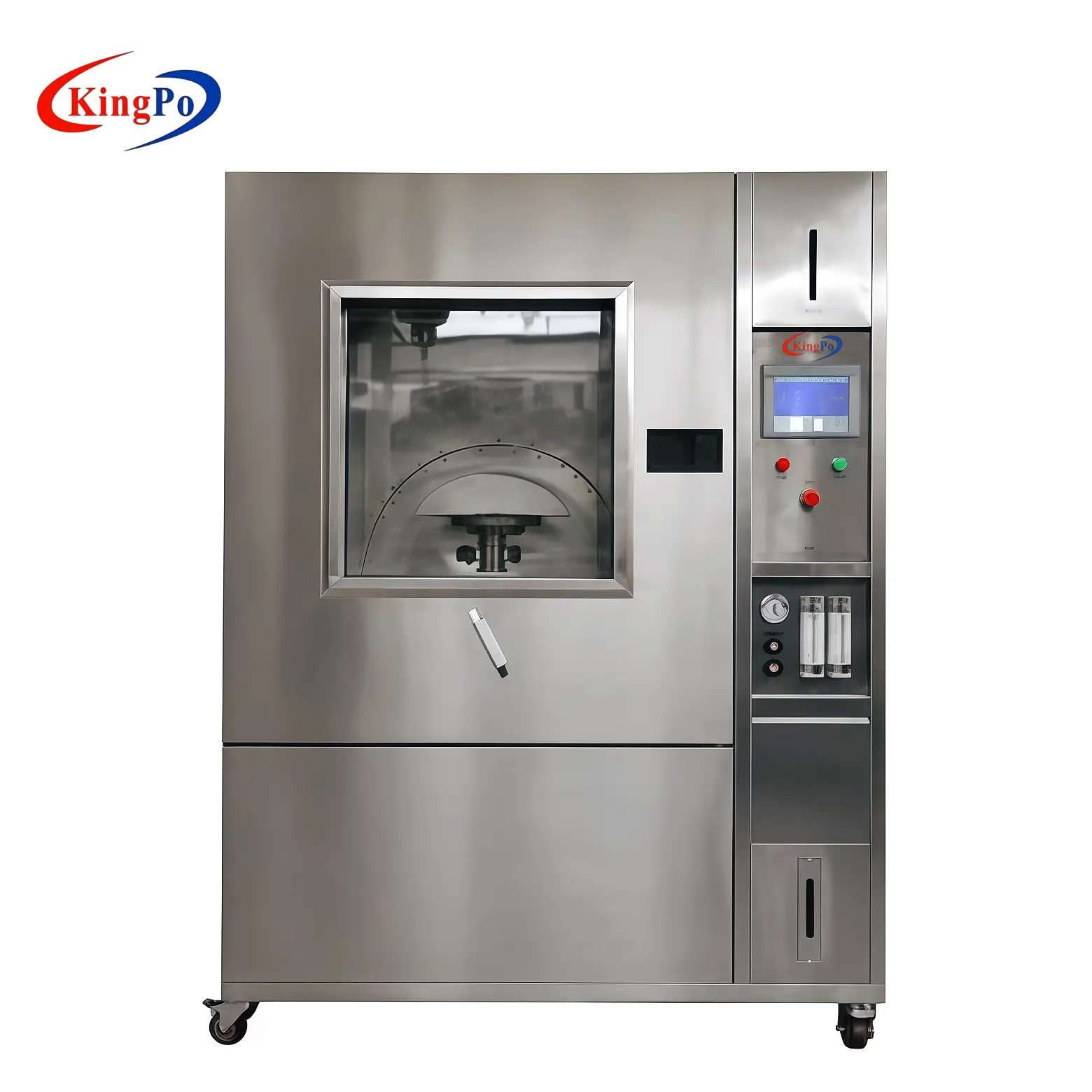
You expect household appliances to work safely even when exposed to water or humidity. Moisture resistance plays a key role in preventing electric shock and damage. IEC 60335-1 requires manufacturers to perform safety tests that simulate real-world conditions. These tests help ensure appliances continue to operate safely in your home.
IP Ratings
IP ratings measure how well an appliance resists water and dust. IEC 60335-1 uses several tests to check moisture resistance. You can see the main types of tests in the table below:
|
Test Type |
Description |
|---|---|
|
Simulates light rain by dripping water onto the appliance. |
|
|
Sprays water from all directions for 5 minutes. |
|
|
Humidity Test |
Exposes the appliance to 93% humidity at 40°C for 48 hours. |
These tests help you trust that appliances will not fail when exposed to spills or high humidity. You can look for IP ratings on product labels to understand the level of protection.
Tip: Appliances with higher IP ratings offer better protection against water and dust. This is important for devices used in kitchens, bathrooms, or laundry rooms.
Spill Testing
Spill testing checks how appliances handle accidental water exposure. You might spill water on a toaster or use a humidifier in a damp room. IEC 60335-1 requires manufacturers to test appliances for leaks and water ingress. Safety tests simulate spills and splashes to make sure the appliance does not short-circuit or cause electric shock. You benefit from these requirements because they help prevent accidents in your household.
Abnormal Operation
You want appliances to stay safe even when something goes wrong. IEC 60335-1 addresses abnormal operation by requiring fault testing and fail-safe features. These measures protect you from hazards when appliances malfunction.
Fault Testing
Fault testing simulates conditions like blocked motors, power surges, or water leaks. Manufacturers must check that appliances remain safe during these events. For example, a washing machine must not catch fire or expose you to electric shock if the motor stalls or water leaks inside. Safety tests help identify weak points and ensure appliances can handle faults without causing harm.
Note: Fault testing helps you avoid risks from unexpected failures. Appliances certified under IEC 60335-1 have passed rigorous checks for abnormal operation.
Fail-Safe Features
Fail-safe features keep appliances safe when faults occur. IEC 60335-1 recommends several types of protection. You can see the main aspects in the table below:
|
Safety Aspect |
Description |
|---|---|
|
Electrical Safety |
Addresses insulation, protective earthing, overcurrent protection, and dielectric strength to prevent electric shock and fire hazards. |
|
Mechanical Safety |
Specifies requirements for stability, strength of materials, and access to hazardous components to minimize injury risks. |
|
Thermal Safety |
Outlines temperature limits, thermal protection devices, and insulation to prevent burns and fire hazards. |
|
Functional Safety |
Ensures proper functioning and control of appliances through controls, indicators, and safety functions to reduce malfunctions. |
You benefit from these features because they help appliances shut down safely or alert you when something goes wrong. For example, thermal safety devices can turn off a heater if it overheats. Functional safety controls can stop a washing machine if water leaks.
Radiation and Chemical Safety
You want household appliances to protect you from invisible hazards. IEC 60335-1 sets limits for radiation and chemical emissions. These requirements help keep your home safe from long-term risks.
Emission Limits
Emission limits control the amount of electromagnetic radiation and chemicals released by appliances. Manufacturers must test devices for compliance. You can trust that certified appliances do not emit harmful levels of radiation or toxic substances. Safety tests check for electromagnetic fields, ozone, and other emissions.
Alert: Always check for certification labels. These show that the appliance meets emission limits and chemical safety requirements.
Material Safety
Material safety ensures that appliances use safe components. IEC 60335-1 requires manufacturers to select materials that resist fire, do not release toxic fumes, and withstand normal use. You benefit from these rules because they reduce risks from chemical exposure and improve the durability of household appliances.
Remember: Material safety protects you from hidden dangers. Certified appliances use materials that meet strict safety standards.
Compliance and Certification
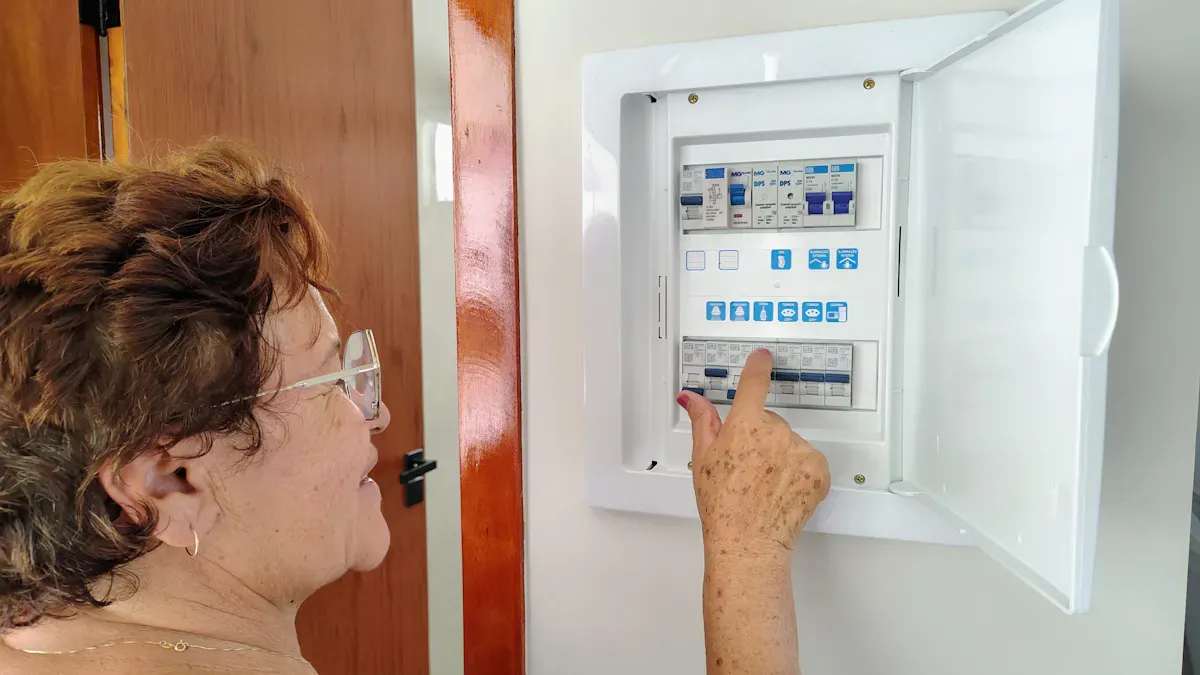
Steps for Manufacturers
You play a crucial role in ensuring household appliances meet IEC 60335 standards. To achieve compliance, you need to follow a clear process that covers every stage of product development. Here are the main steps you should take:
-
Review the scope and safety objectives of IEC 60335. Understand which appliances the standard covers and what hazards it addresses, such as electric shock, fire, and mechanical risks.
-
Carry out a risk assessment during the design and manufacturing phases. Identify potential hazards and plan how to prevent them.
-
Integrate electrical protection features. Use proper insulation, grounding, and safe plug designs to reduce the risk of electric shock.
-
Focus on mechanical safety. Choose strong materials, design for stability, and guard moving parts to prevent injuries.
-
Add fire prevention measures. Install thermal protection devices and cooling systems to handle abnormal conditions.
-
Address radiation and electromagnetic risks. Follow limits and use shielding if needed.
-
Apply special rules for specific appliance types. Some products, like washing machines, have unique requirements.
-
Submit your appliance for safety tests at an accredited laboratory. These tests check if your product meets all IEC 60335 criteria.
-
Obtain certification after passing the tests. You can then display a compliance mark, showing consumers your product is safe and reliable.
Tip: Start thinking about compliance early in the design process. This helps you avoid costly changes later.
Testing and Documentation
You must prove your appliance meets IEC 60335 requirements. Testing and documentation are essential parts of this process. Accredited labs perform a series of safety tests to check for risks like electric shock, overheating, and mechanical failure. For example, if you manufacture a washing machine, the lab will test insulation, earthing, stability, and how the appliance reacts to faults such as blocked motors or water leaks.
Keep detailed records of all tests, design changes, and risk assessments. These documents show that you have followed the standard and help you respond quickly if questions arise. Good documentation also makes it easier to update your product when standards change.
Note: Accurate records and thorough testing help you gain trust from both certification bodies and consumers.
Certification Bodies
You need to work with recognized certification bodies to complete the compliance process. These organizations review your test results and documentation. If your appliance meets all requirements, they issue a certificate and allow you to use a compliance mark.
Some well-known certification bodies include:
|
Certification Body |
Region |
Role |
|---|---|---|
|
UL (Underwriters Laboratories) |
North America |
Testing and certifying appliances |
|
TÜV Rheinland |
Europe/Global |
Safety testing and certification |
|
Intertek |
Global |
Product inspection and certification |
|
SGS |
Global |
Testing, inspection, and certification |
Working with an accredited certification body helps you access global markets. Many countries require proof of compliance before you can sell your products.
By following these steps, you ensure your appliances meet international safety standards. This not only protects consumers but also opens doors to new markets and builds your reputation as a trusted manufacturer.
Impact on Manufacturers and Consumers
Manufacturer Benefits
When you follow IEC 60335 standards, you gain more than just compliance. You build a stronger reputation and open new business opportunities. Meeting these safety requirements shows your commitment to quality and consumer protection. This approach helps you stand out in a competitive market.
Here is how compliance benefits you as a manufacturer:
|
Benefit |
Description |
|---|---|
|
Enhanced Brand Reputation |
You boost your brand’s credibility and reputation by meeting recognized safety standards. |
|
Increased Customer Trust |
You assure your customers that you care about their safety, which encourages loyalty. |
|
Access to Global Markets |
You can sell your products in more countries, as many markets require proof of compliance. |
Tip: When you display a compliance mark, you show customers and partners that your products meet international safety standards.
Consumer Safety
You want to know that the appliances you use every day are safe. IEC 60335 compliance gives you this confidence. Manufacturers must test products under normal and fault conditions. This process helps prevent accidents and injuries in your home.
The table below highlights how these standards protect you:
|
Consumer Benefit |
Description |
|---|---|
|
Consumer Safety |
Appliances go through rigorous testing to ensure safety, even if something goes wrong. |
|
Regulatory Compliance |
Certified products meet legal requirements, reducing the risk of recalls or legal issues. |
|
Risk Reduction |
Early detection of design flaws means fewer product failures and warranty claims for you. |
Note: When you choose certified appliances, you lower your risk of accidents and enjoy greater peace of mind.
Real-World Examples
You see the impact of IEC 60335 compliance in many everyday products. For example, washing machines that meet these standards must pass tests for insulation, earthing, stability, and overheating. If a fault occurs, such as a blocked motor or water leak, the appliance must remain safe. This means you can trust your washing machine to protect you and your family, even in unexpected situations.
Manufacturers who follow IEC 60335 also avoid costly recalls and legal problems. For instance, a company that sells certified electric kettles can enter markets in Europe, North America, and Asia without extra testing. This global acceptance saves time and money.
Choosing appliances with IEC 60335 certification helps you create a safer home and supports responsible manufacturers.
Future Trends in Appliance Safety
Evolving Standards
You see that safety standards for household appliances continue to change as technology advances. IEC 60335 has evolved over the decades to address new risks and innovations. The table below shows how each major edition has focused on different safety priorities:
|
Edition |
Year |
Key Focus Areas |
|---|---|---|
|
1st |
1970 |
Basic electrical safety |
|
5th |
2010 |
IoT and smart features |
|
6th |
2020 |
Battery-operated appliances, cybersecurity, smart appliances (Annex U) |
You notice that early editions focused on basic electrical safety. Later editions added requirements for smart features and connected devices. The most recent edition addresses battery safety and cybersecurity. This means you benefit from standards that keep up with the latest risks in modern appliances.
Note: As new hazards appear, the IEC updates its standards to protect you from emerging threats.
New Technologies
You use more smart and connected appliances every year. These devices offer convenience, but they also introduce new safety challenges. For example, smart refrigerators and washing machines connect to your home Wi-Fi. This creates risks related to data privacy and cybersecurity. The latest IEC 60335 standards now include rules for these smart features.
Battery-powered appliances have also become common. You find cordless vacuum cleaners, robotic mowers, and kitchen gadgets that use lithium-ion batteries. These batteries can overheat or catch fire if not properly managed. IEC 60335 now requires tests for battery safety and protection against overheating.
You also see new materials and designs in appliances. Manufacturers use lightweight plastics and advanced sensors. These changes improve efficiency, but they require updated safety checks. The standards now include tests for durability, moisture resistance, and safe operation under abnormal conditions.
-
Smart features require cybersecurity measures.
-
Battery-operated devices must pass overheating and short-circuit tests.
-
New materials need extra checks for fire and chemical safety.
Staying Informed
You play an important role in appliance safety by staying informed. When you buy new appliances, look for certification marks that show compliance with the latest IEC 60335 edition. These marks mean the product has passed updated safety tests.
You can also follow updates from trusted sources. The IEC and national safety agencies publish news about changes to standards. Many manufacturers share information about how their products meet new safety rules.
Tip: Check product manuals and labels for compliance information. Ask retailers or manufacturers if you have questions about appliance safety.
By keeping up with evolving standards and new technologies, you help create a safer home for yourself and your family.
You rely on household appliances every day. IEC 60335 safety standards help you stay safe by setting clear rules for manufacturers. When companies follow these standards, you get reliable products that protect you from hazards. Manufacturers also gain trust and access to more markets. Always look for certified appliances and stay informed about updates. Your attention to safety standards helps create a safer home for everyone.
FAQ
What is the main purpose of IEC 60335?
You use IEC 60335 to ensure household appliances protect you from electric shock, fire, and mechanical injury. The standard sets safety rules for design, testing, and performance.
Which appliances does IEC 60335 cover?
You find IEC 60335 applies to most household and similar electrical appliances. This includes washing machines, refrigerators, vacuum cleaners, and even some commercial devices used by laypeople.
Who enforces IEC 60335 compliance?
Certification bodies and national safety agencies enforce compliance. You must work with these organizations to test and certify your appliances before selling them.
Which tests are required to meet IEC 60335 certification for a washing machine or similar appliance?
You need to pass tests for electrical insulation, earthing, mechanical strength, moisture resistance, overheating, and abnormal operation. These tests check that your appliance stays safe during normal use and when faults occur.
How do you identify a certified appliance?
You can look for certification marks or labels from recognized bodies like UL, TÜV, or Intertek. These marks show your appliance meets IEC 60335 safety standards.
Why do manufacturers update appliances for new IEC 60335 editions?
You see manufacturers update appliances to address new risks, such as cybersecurity or battery safety. Meeting the latest edition helps you stay safe with modern technology.
What happens if an appliance fails IEC 60335 tests?
You cannot sell the appliance until you fix the safety issues. Certification bodies require you to retest and prove compliance before market entry.
Does IEC 60335 address smart and connected appliances?
Yes. You find the latest editions include rules for smart features, battery safety, and cybersecurity. This ensures your connected devices remain safe in your home.