Abstract
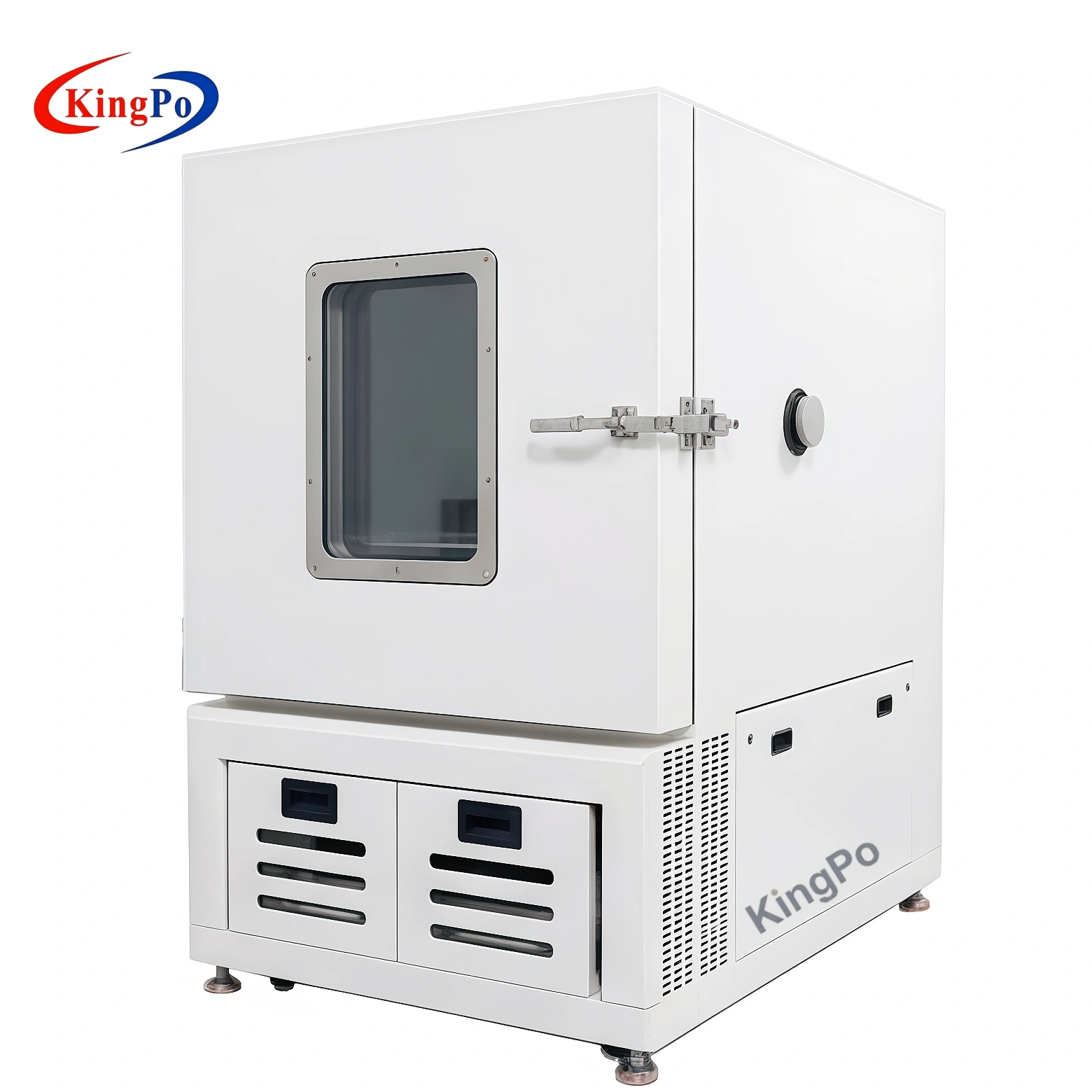
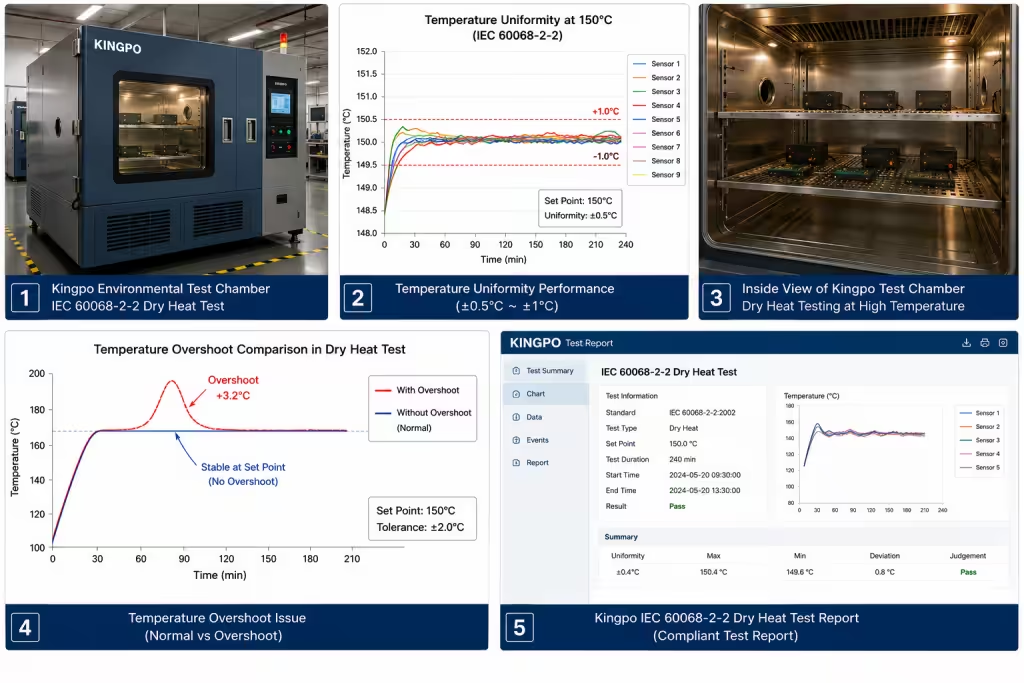
The IEC 60068-2-2 dry heat test is essential for evaluating product reliability under high-temperature conditions. Many laboratories encounter test failures due to poor temperature stability, excessive temperature overshoot, and oxidation issues. Kingpo high-precision Environmental Test Chambers provide excellent temperature uniformity (±0.5°C to ±1°C), precise PID control, and advanced thermal management systems, enabling laboratories to achieve accurate and repeatable results in compliance with IEC 60068-2-2:2025.
Introduction
High-temperature exposure is one of the most demanding environmental tests for electronic components, batteries, connectors, and industrial equipment. The IEC 60068-2-2 standard (Test B: Dry Heat) assesses a product’s ability to withstand elevated temperatures during operation, storage, or transportation without performance degradation.
However, many laboratories report inconsistent results, premature specimen failure, or prolonged test cycles when performing dry heat tests. These issues are often caused by limitations in the test chamber rather than the product itself.
This article examines the most common problems encountered during IEC 60068-2-2 dry heat testing and provides practical solutions using advanced Environmental Test Chambers.
Why IEC 60068-2-2 Dry Heat Test Becomes a Common Challenge
Laboratories frequently face the following difficulties:
-
Temperature overshoot or undershoot during ramp-up and stabilization
-
Poor temperature uniformity across the working space
-
Excessive oxidation or discoloration of test specimens
-
Long stabilization times due to insufficient heating power
-
Inconsistent test results between different chambers or test runs
According to IEC 60068-2-2:2025, the dry heat test requires precise temperature control, adequate stabilization time, and proper specimen conditioning. Any deviation can lead to invalid test data or product damage.
Common Failures in Dry Heat Testing and Their Root Causes
1. Temperature Overshoot and Instability Many chambers have slow or inaccurate PID control, causing the temperature to overshoot the target value. This can damage sensitive components or produce misleading test results.
2. Poor Temperature Uniformity Temperature variation exceeding ±2°C across the chamber workspace is a frequent issue, especially with larger specimens or high-temperature settings (above 100°C).
3. Specimen Oxidation and Degradation Prolonged exposure at high temperatures without proper airflow or temperature control can cause excessive oxidation, leading to false failures in electrical or mechanical performance.
4. Long Stabilization Time Low heating capacity forces laboratories to wait extended periods for the chamber to stabilize, significantly increasing overall test time and cost.
Kingpo Environmental Test Chambers Advantages for IEC 60068-2-2 Dry Heat Testing
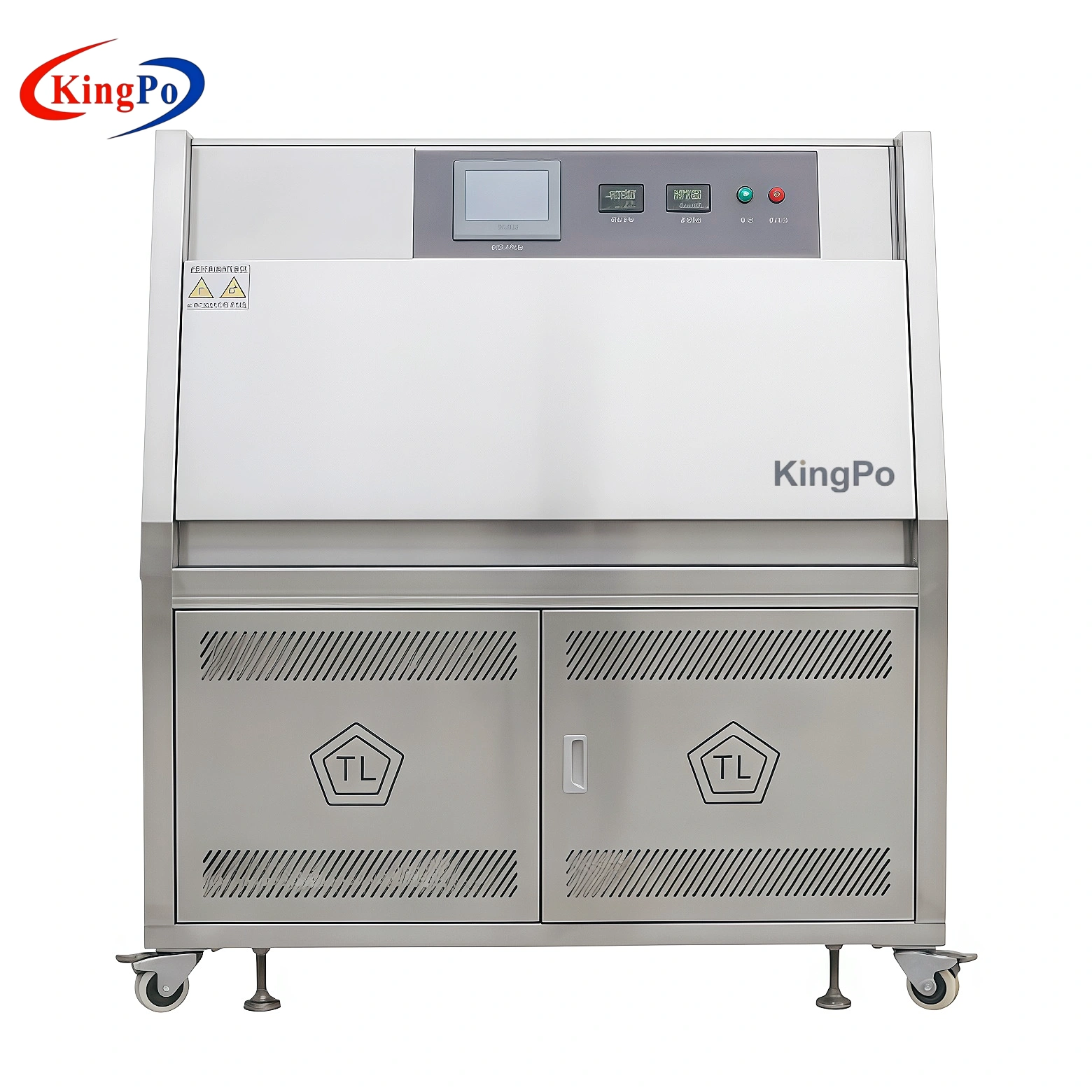
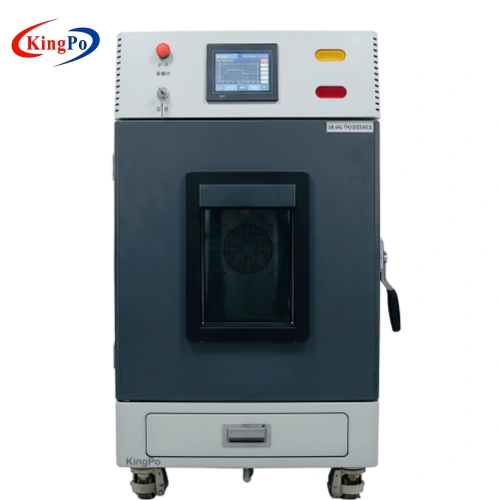
Kingpo Technology Development Limited, with over 20 years of independent R&D expertise in environmental testing equipment, has developed high-performance Environmental Test Chambers specifically optimized for IEC 60068 series standards. All core technologies, including the advanced PID temperature control algorithm, high-efficiency heating system, and precision airflow design, are independently developed by Kingpo’s in-house engineering team, ensuring superior stability, reliability, and long-term performance.
Key advantages for dry heat testing include:
- Wide Temperature Range: Up to +180°C (optional +200°C) with excellent stability
- Superior Temperature Uniformity: ±0.5°C to ±1°C across the entire workspace, even under high-temperature conditions
- Precise PID Control: Fast response with minimal overshoot, ensuring accurate target temperature achievement
- High-Efficiency Heating System: Rapid heating rate (up to 5°C/min) to significantly reduce stabilization time
- Optimized Airflow Design: Ensures even temperature distribution and minimizes hot spots and oxidation risks
- Energy-Efficient Operation: Advanced insulation and regenerative technology reduce power consumption by up to 40%
These features enable laboratories to perform reliable IEC 60068-2-2 dry heat tests with higher accuracy and efficiency while benefiting from Kingpo’s proven 20+ years of specialized experience in environmental testing solutions.
Step-by-Step Guide to Successful IEC 60068-2-2 Dry Heat Testing
- Pre-Test Preparation Inspect specimens and record initial measurements. Ensure the chamber has been properly calibrated.
- Temperature Setting Set the target temperature according to product specifications (commonly +55°C, +70°C, +85°C, +125°C, or +150°C).
- Ramp-Up Phase Use controlled heating rate (recommended 1–5°C/min) to avoid thermal shock to specimens.
- Stabilization Period Allow sufficient time for temperature to stabilize (usually 1–2 hours depending on specimen size and temperature).
- Exposure Duration Follow the standard’s recommended exposure time (2h, 16h, 72h, or 96h). Monitor temperature continuously.
- Recovery Phase Gradually reduce temperature to avoid condensation or thermal stress during cooldown.
- Post-Test Evaluation Perform final measurements and visual inspection. Document any changes in appearance or performance.
Conclusion
The IEC 60068-2-2 dry heat test is critical for ensuring product reliability in high-temperature environments. With over 20 years of independent R&D, Kingpo Environmental Test Chambers deliver the precision, uniformity, and long-term stability required for compliant and repeatable dry heat testing.
For the complete IEC 60068 Environmental Testing Standards Overview, please visit: https://www.dgkingpo.com/iec-60068-environmental-testing-overview-guide/
Need expert guidance on selecting the right Environmental Test Chamber for your dry heat testing requirements? Contact the Kingpo technical team today for professional advice and customized solutions.