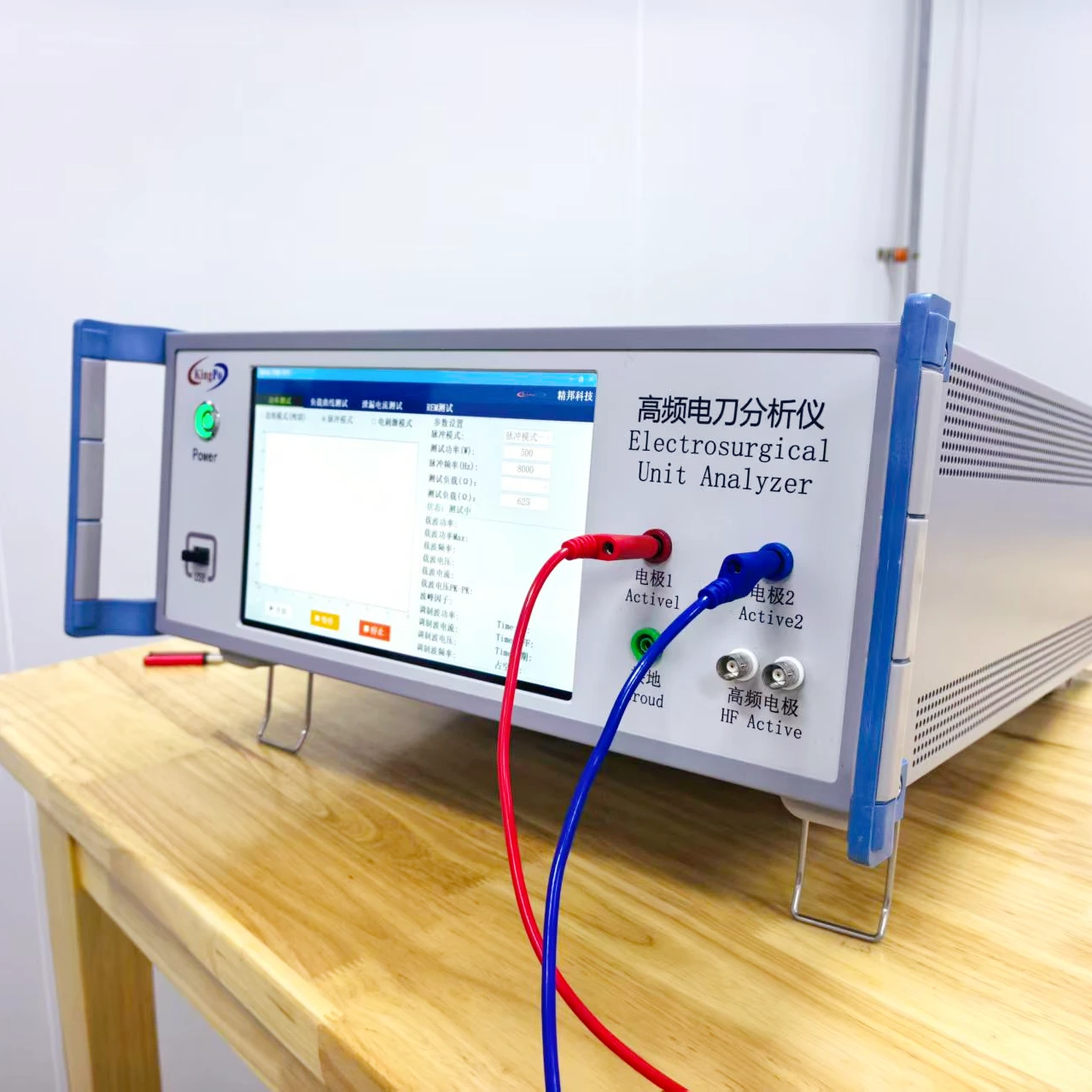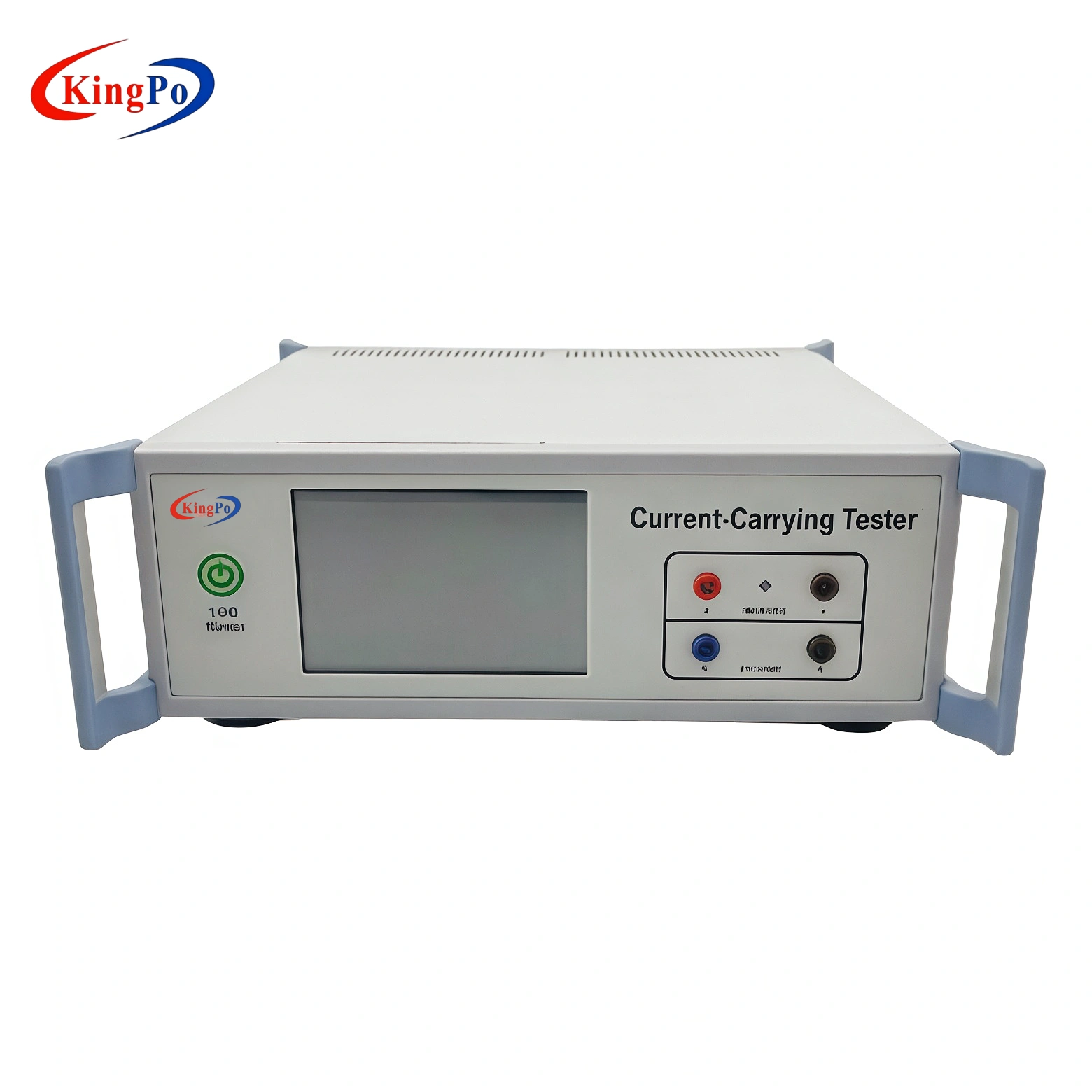
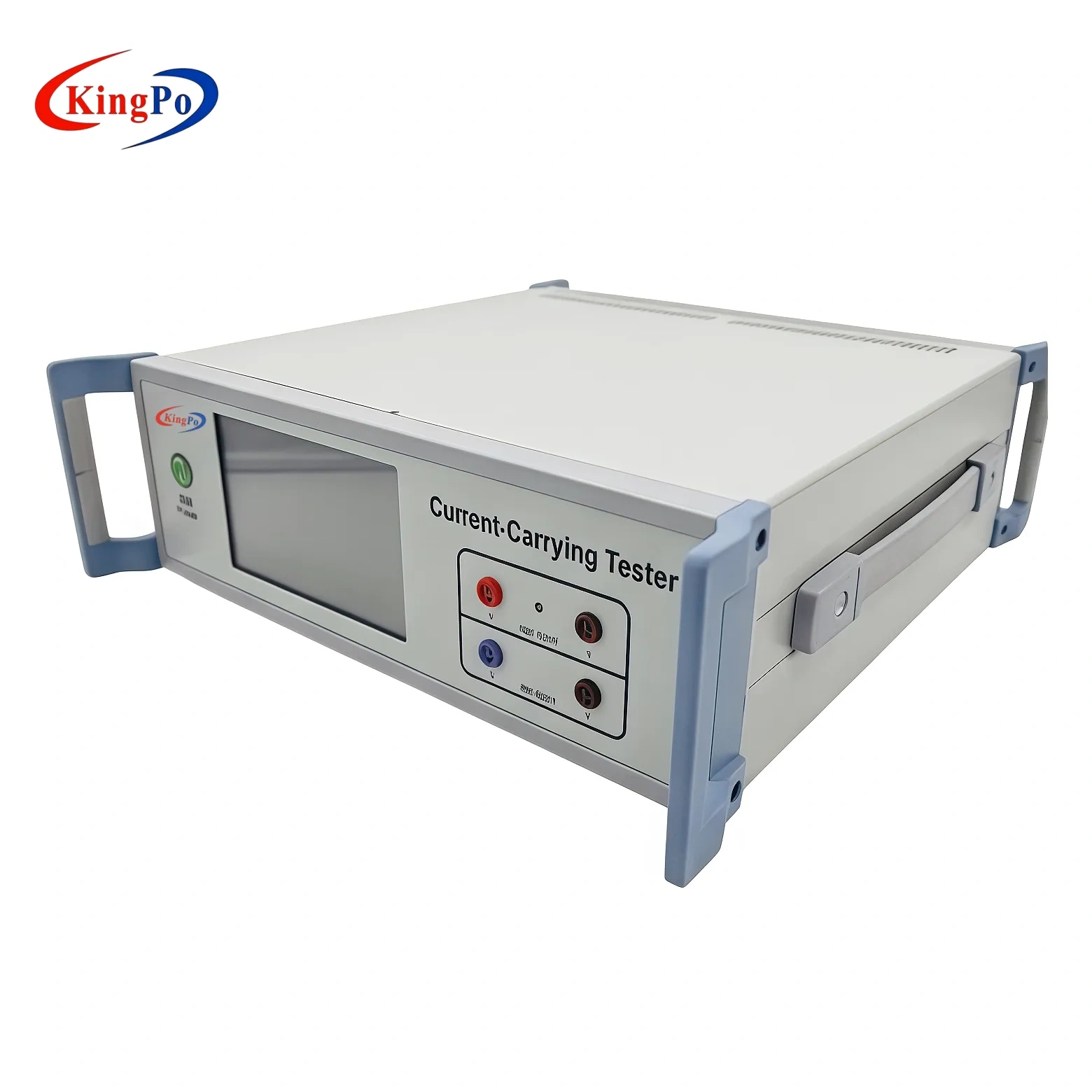
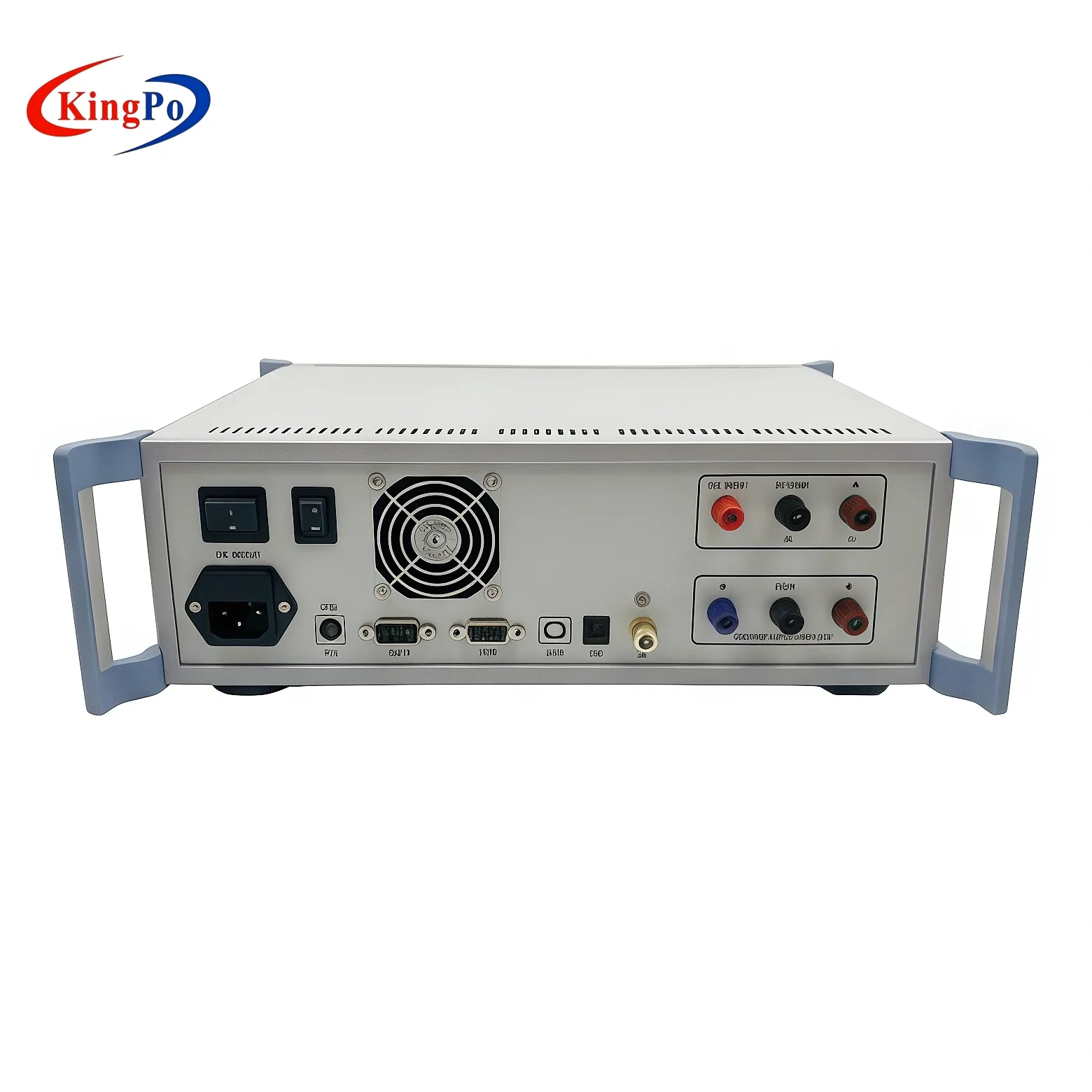
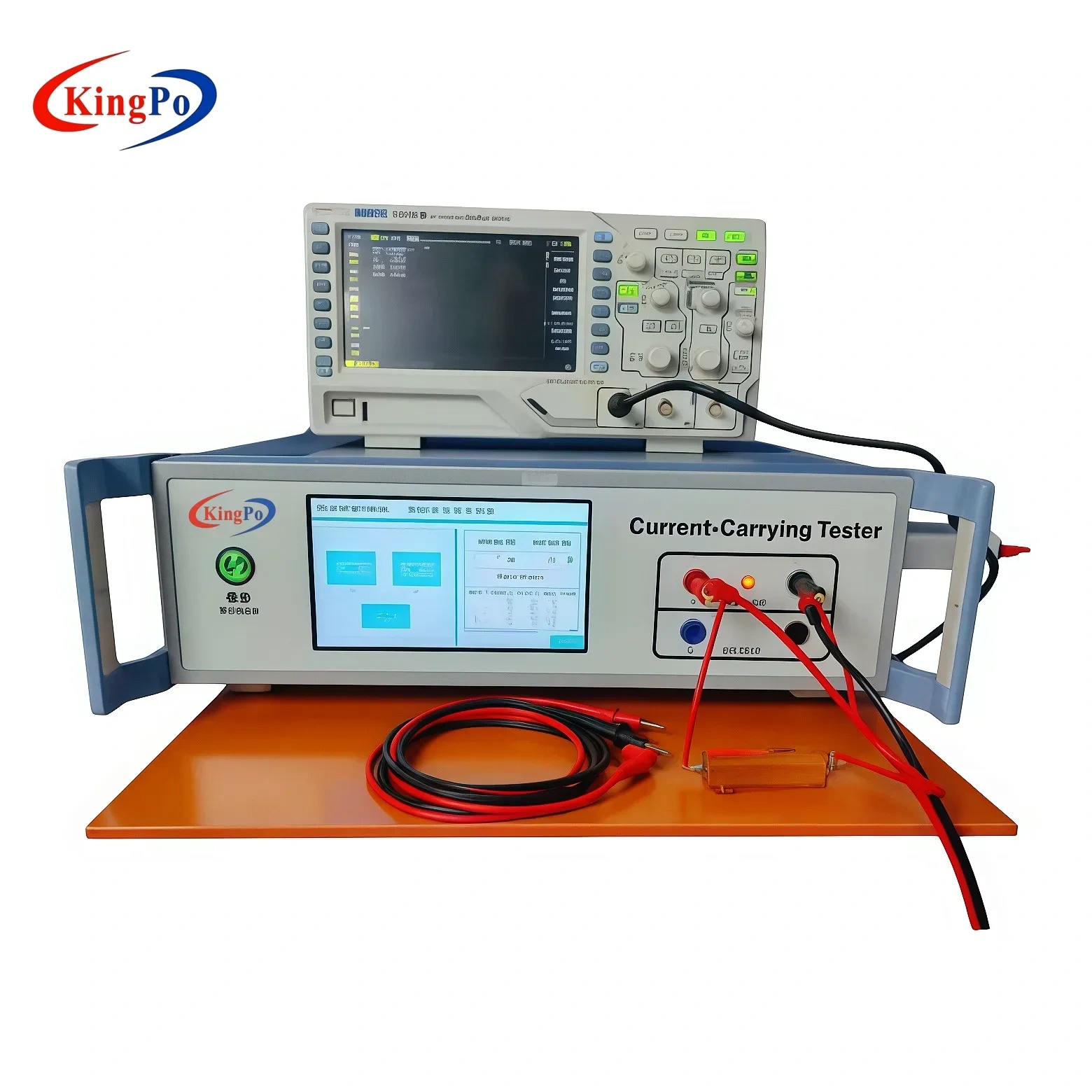
High Voltage Current Carrying Test System โ€“ Quadripolar Connector High-Current Test
High Voltage Current Carrying Test System Full System โ€“ Precision Medical Test Equipment
High Voltage Current Carrying Test System โ€“ Monophasic Truncated Exponential Pulse
High Voltage Current Carrying Test System โ€“ ISO 27186:2020 Quadripolar Connector Tester
High Voltage Current Carrying Test System โ€“ Quadripolar Connector High-Current Test
High Voltage Current Carrying Test System Full System โ€“ Precision Medical Test Equipment
High Voltage Current Carrying Test System โ€“ Monophasic Truncated Exponential Pulse
High Voltage Current Carrying Test System โ€“ ISO 27186:2020 Quadripolar Connector Tester

KP-1240S High Voltage Current Carrying Test System | ISO 27186:2020 Quadripolar Connector Defibrillation

The High Voltage Current Carrying Test System is a specialized high-current pulse generator designed to evaluate the high-voltage and high-current withstand capability of quadripolar connector systems in active implantable medical devices.

  • Standard Compliance: ISO 27186:2020 Annex E โ€“ high-voltage current carrying test for four-pole connectors
  • Peak Voltage: 0โ€“2 kV (measured peak 1.53 kV)
  • Peak Current: โ‰ฅ50 A (under standard 100 ฮฉ load)
  • Pulse Duration: 10โ€“20 ms (default 18 ms truncated exponential)
  • Rise Time: <10 ฮผs
  • Application: Defibrillation pulse testing of IS-4/DF-4 quadripolar connectors in pacemakers, ICDs and CRT devices
  • MOQ: 1
  • Delivery Period: 20 working days

High Voltage Current Carrying Test System Description

KP-1240S High Voltage Current Carrying Test System with 1.53 kV Peak Voltage and โ‰ฅ50 A Current Peak for ISO 27186:2020 Compliant Defibrillation Pulse Testing

The High Voltage Current Carrying Test System is a professional high-current pulse test instrument designed to generate monophasic truncated exponential defibrillation pulses for evaluating the high-voltage and high-current withstand capability of quadripolar (IS-4/DF-4) connector systems in active implantable cardiac rhythm management devices, in full accordance with ISO 27186:2020 Annex E.

Technical Parameters

Waveform Performance Parameters

Parameter Specification Remark / Notes
Standard ISO 27186:2020 Annex E High-voltage current carrying test for four-pole connectors
Waveform Type Monophasic Truncated Exponential Simulates external defibrillator output
Peak Voltage 0โ€“2 kV (measured peak 1.53 kV) Adjustable high-voltage output
Peak Current โ‰ฅ50 A (under 100 ฮฉ standard load) High-current carrying capacity verification
Pulse Duration 10โ€“20 ms (default 18 ms) Controlled truncated exponential decay
Rise Time <10 ฮผs Fast rise to simulate real defibrillation shocks
System Specifications
Parameter Specification Remark / Notes
Load Simulation Built-in 50โ€“100 ฮฉ resistive load Simulates patient impedance during defibrillation
Repetition Rate 1โ€“10 pulses per minute Manual or automated sequencing
Polarity Positive / Negative selectable Meets monophasic waveform requirements
Power Supply AC 220 V ยฑ10%, 50/60 Hz, <500 W Standard laboratory power
Operating Environment 10โ€“40ยฐC, humidity <80% non-condensing Suitable for medical device testing labs


Professional Construction & Technical Precision

The High Voltage Current Carrying Test System features a robust high-voltage and high-current pulse generation circuit with advanced isolation (>10 kV) between output and control circuits. It incorporates programmable energy control, real-time waveform monitoring, and precise digital adjustment of voltage, current and duration for excellent repeatability.

  • High Voltage Current Carrying Test System โ€“ ISO 27186:2020 Quadripolar Connector Tester
    High Voltage Current Carrying Test System

Safety-critical systems include automatic residual energy discharge after each pulse, overload/short-circuit protection, and emergency stop function. The compact desktop design with touchscreen control and built-in data recording facilitates easy integration into R&D and certification laboratories while ensuring full compliance with ISO 27186:2020 Annex E.

Testing Principle

The High Voltage Current Carrying Test System applies a monophasic truncated exponential high-voltage, high-current pulse (peak voltage 1.53 kV, peak current โ‰ฅ50 A, 18 ms duration) directly across the quadripolar connector of the implantable device under test. After the pulse, the device is evaluated for permanent damage and functional integrity through immediate reprogramming verification, confirming the connectorโ€™s ability to withstand defibrillation shocks as required by ISO 27186:2020 Annex E.

Common Error Mitigation

To ensure maximum repeatability, always verify actual output waveform parameters (peak voltage, peak current, rise time and decay) using a calibrated high-voltage oscilloscope and current probe before each test sequence. Confirm secure connection of the quadripolar test fixture and correct load impedance (50โ€“100 ฮฉ). Perform immediate post-pulse reprogramming verification to accurately assess device recovery. Annual calibration of the high-voltage and high-current circuits is recommended to maintain traceability.

Primary Use Cases & Business Value

The High Voltage Current Carrying Test System is the dedicated high-current test solution used by medical device manufacturers and certification laboratories to verify the high-voltage and high-current withstand capability of quadripolar connectors in active implantable cardiac devices, ensuring long-term device reliability, patient safety and regulatory compliance under simulated defibrillation conditions.

Industrial Applications & Lab Scenarios

  • Implantable Medical Device Manufacturers โ€” High-voltage/high-current endurance testing of quadripolar connectors in pacemakers, ICDs and CRT devices during product development and validation.
  • Third-Party Certification Laboratories โ€” Traceable compliance verification according to ISO 27186:2020 Annex E.
  • R&D Departments โ€” Development and optimization of next-generation connector systems to improve high-current tolerance and safety performance.
  • Quality Control Teams โ€” End-of-line batch verification and production sampling of implantable leads and pulse generators.
  • Regulatory Compliance Teams โ€” Generation of technical documentation and test reports demonstrating connector safety for regulatory submissions and market approval.

Strategic Procurement Advantages & Global Support

  • High-Efficiency Testing: Precise high-voltage/high-current pulse generation with automated sequencing and safety features for fast, repeatable testing.
  • Certified Manufacturing: ISO 9001/14001/45001 and CE certified production with ISO 17025 traceable calibration ensures laboratory-grade reliability.
  • Reliability & Support: Each unit undergoes rigorous factory calibration in our Dongguan facility and is backed by a full one-year warranty, on-site installation guidance, and lifetime technical engineering support.
Compliance & Regulatory Assurance

The High Voltage Current Carrying Test System is designed and manufactured in full accordance with ISO 27186:2020 Annex E for high-voltage current carrying testing of four-pole connector systems in active implantable medical devices. It provides a standardized, reproducible test method essential for demonstrating compliance with international requirements for implantable cardiac rhythm management systems.

For detailed information on test procedures, please refer to the latest edition of ISO 27186:2020. Annual calibration is recommended to maintain waveform and current accuracy.

Technical Inquiry & Expert Support

KingPo provides validated High Voltage Current Carrying Test Systems for quadripolar connector testing. Contact our engineering team for custom configurations and setup support.

The Core Value We Deliver

  • ISO 27186:2020 Compliance: Precise high-voltage/high-current pulse (1.53 kV / โ‰ฅ50 A) per Annex E.
  • High-Current Accuracy: โ‰ฅ50 A peak current with fast rise time and controlled decay.
  • Safety & Reliability: Advanced isolation, automatic discharge and multiple protection mechanisms.
  • Lab Ready: Compact desktop design with touchscreen control and data recording.
  • Fast Response: Get a tailored technical recommendation within 24 hours.

Related Videos

Detail Display

High Voltage Current Carrying Test System FAQs

What is the primary purpose of the High Voltage Current Carrying Test System?
It is designed to evaluate the high-voltage and high-current withstand capability of quadripolar connectors in implantable cardiac devices by generating monophasic truncated exponential defibrillation pulses per ISO 27186:2020 Annex E.
Which standard does the High Voltage Current Carrying Test System comply with?
The system fully complies with ISO 27186:2020 Annex E for high-voltage current carrying testing of four-pole connector systems in active implantable cardiac rhythm management devices.
What are the key waveform parameters of the High Voltage Current Carrying Test System?
It delivers a monophasic truncated exponential waveform with 1.53 kV peak voltage, โ‰ฅ50 A peak current, 18 ms pulse duration and fast rise time <10 ฮผs.
Does the High Voltage Current Carrying Test System support testing of pacemakers and ICDs?
Yes. It is specifically engineered for high-current defibrillation pulse testing of IS-4/DF-4 quadripolar connectors in pacemakers, ICDs and CRT devices.
How is device recovery verified after high-current testing?
After applying the defibrillation pulse, the implanted device is immediately reprogrammed using the manufacturerโ€™s programmer to confirm full functional recovery and no permanent damage.
What safety features does the High Voltage Current Carrying Test System include?
The system incorporates >10 kV isolation, automatic residual energy discharge, overload/short-circuit protection, emergency stop and multiple interlocks for operator safety.
How often should the High Voltage Current Carrying Test System be calibrated?
Annual calibration by a qualified laboratory is recommended to maintain voltage, current and waveform accuracy and traceability to ISO 27186:2020.
Is the High Voltage Current Carrying Test System suitable for both R&D and production testing?
Yes. It supports development validation, optimization and end-of-line quality control testing of quadripolar connectors.
What load does the High Voltage Current Carrying Test System use during testing?
It uses built-in resistive loads (50โ€“100 ฮฉ) to simulate patient impedance during external defibrillation.
What is the typical delivery period for the High Voltage Current Carrying Test System?
Standard delivery is 20 working days, with full technical support and training provided.

Related Products

Related News

Pink noise balances sound energy for relaxation and sleep. See how a pink noise generator works and why it’s gentler than white noise for daily use.

Abstract & Technical Summary Navigating Australia’s heavy-duty electrical landscape requires strict adherence to the AS/NZS 3123 standard, which governs polyphase […]

The Ultimate Guide to Desktop Temperature Humidity Chamber in 2026: Precision High-Low Cycling, Environmental Adaptability, and Reliability Verification โ€“ A […]

Ensure ISO 14117 compliance for AIMDs by using a Defibrillation Test Pulse Generator to meet safety standards and document reliable defibrillation immunity testing.
Ensure IEC 60601 compliance in 2026 with Defib-proof and Energy Reduction Tester for safer, faster medical device approval and reliable patient protection.

Essential equipment for residual voltage testing under IEC 60601-1, IEC 60335-1, IEC 61010-1, IEC 62368-1 and similar safety standards. 1. […]

External defibrillators are performanceโ€‘critical devices. For thirdโ€‘party calibration and certification laboratoriesโ€”and for manufacturersโ€™ QA/production teamsโ€”the โ€œmake or breakโ€ is whether […]

Conflict of interest disclosure: This is a firstโ€‘party, engineeringโ€‘style review of the Kingpo KPโ€‘8850 ESU analyzer. We aim to be […]

Scroll to Top

Get A Free Quote Now !

Contact Form
If you have any questions, please do not hesitate to contact us.