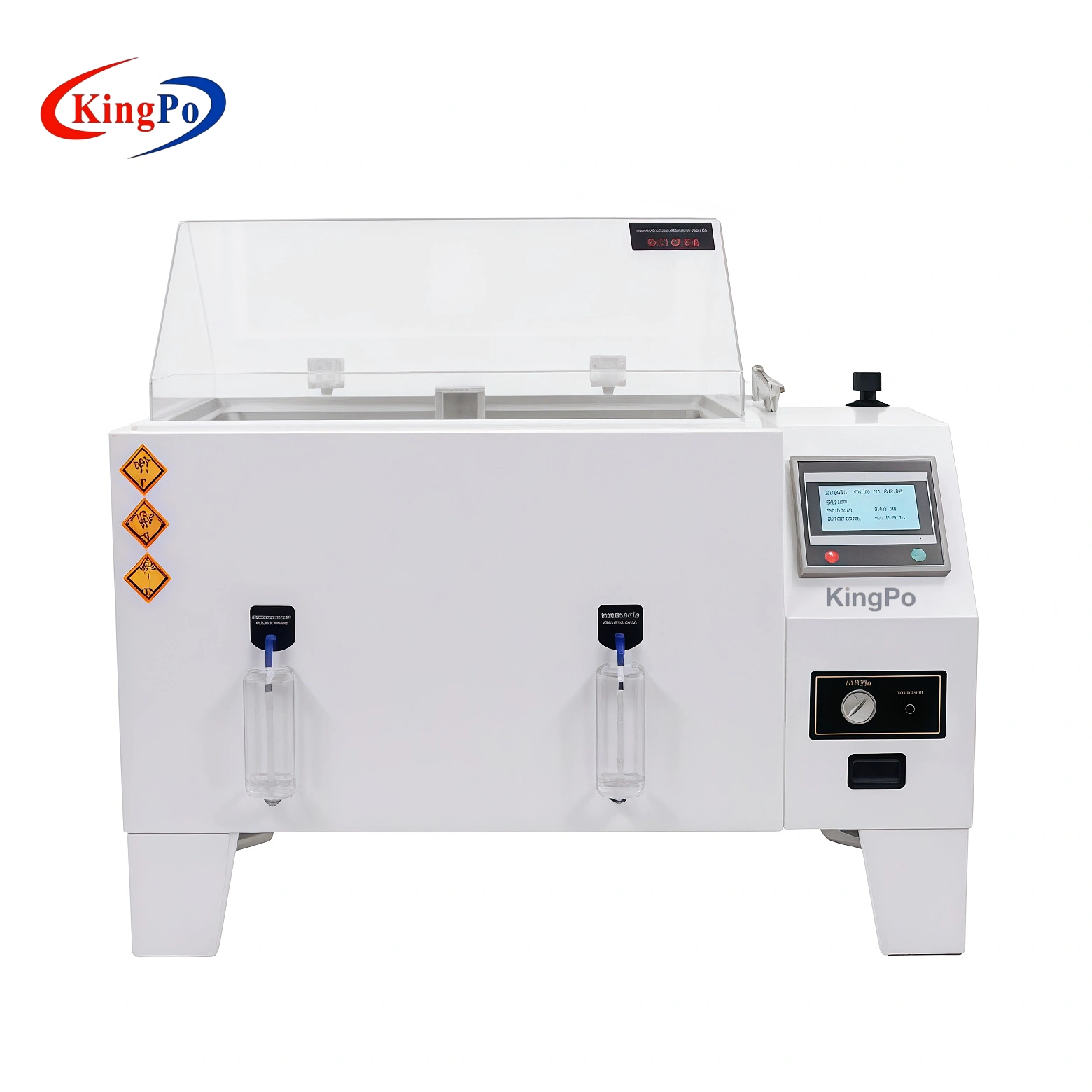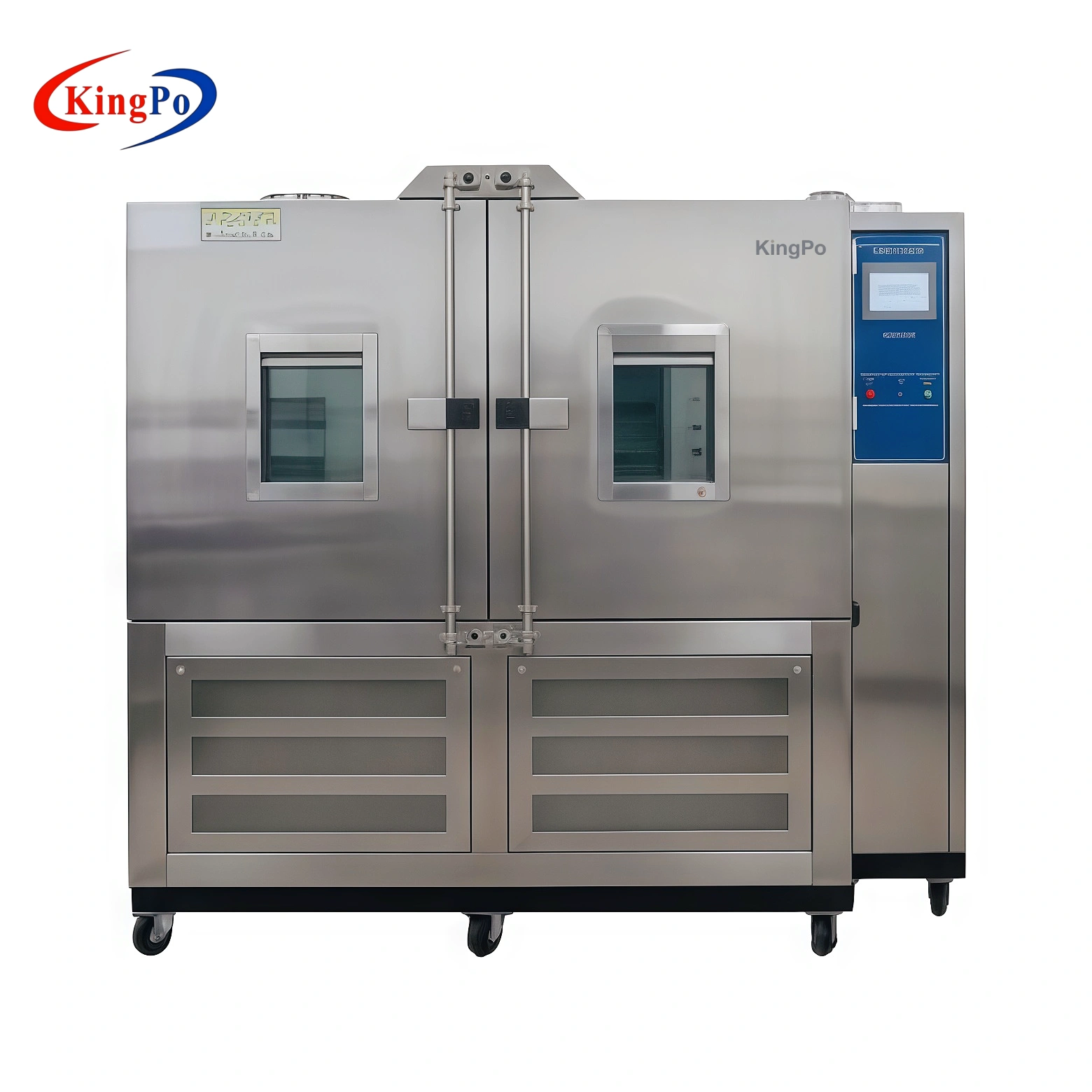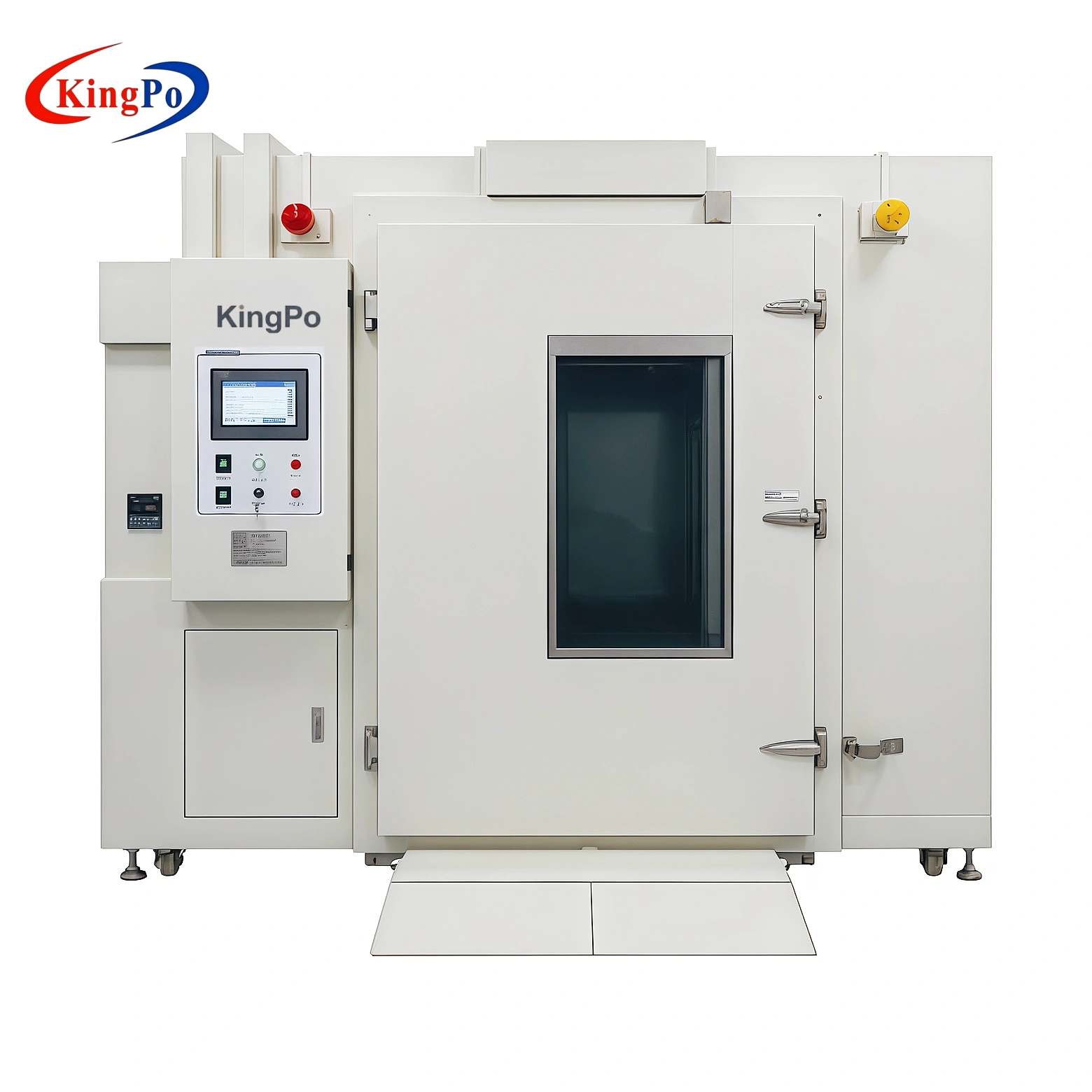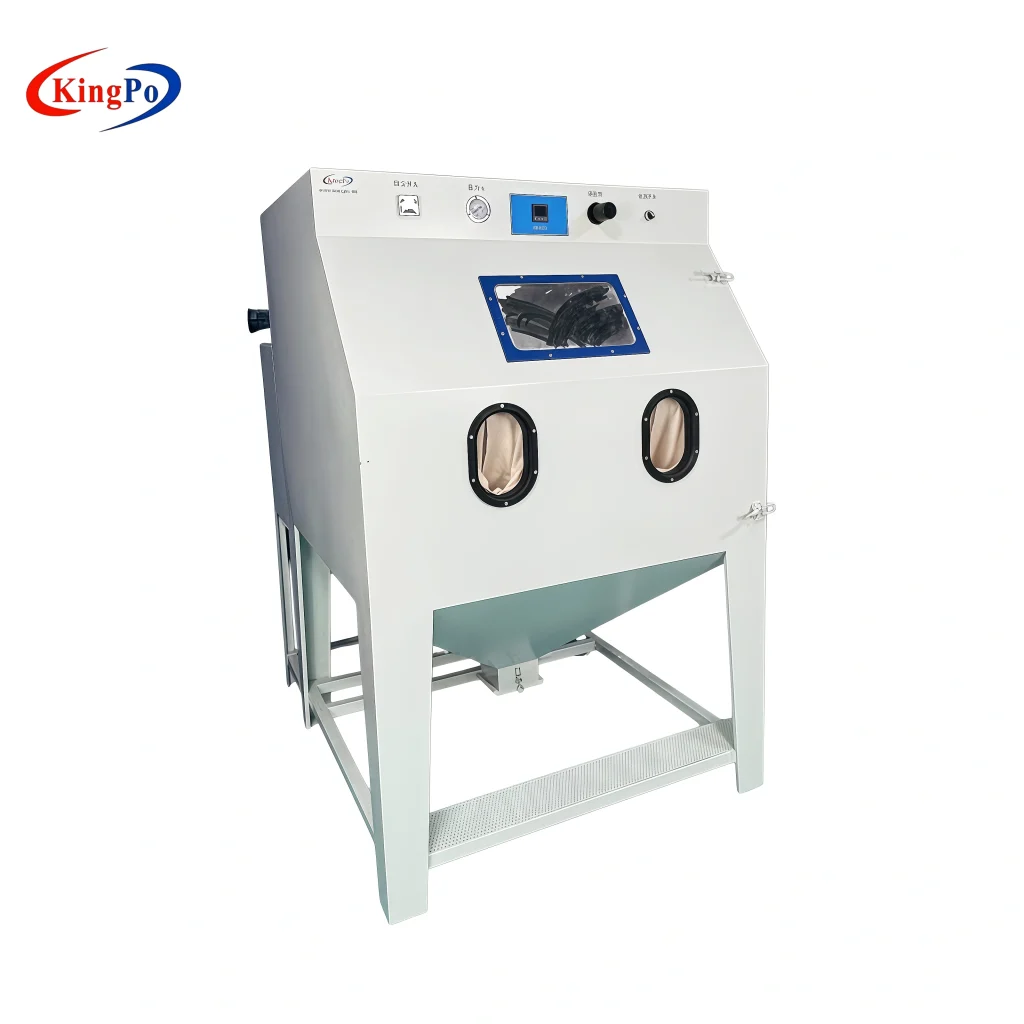
You can simplify UL50E-2020 compliance with the name name UL 50E Dust tester by Kingpo. This device uses advanced features to help you meet the strict requirements of Clause 8.4.1.1. You get reliable results with its precise dust application and easy-to-use controls. Many manufacturers face challenges with the new standard.
-
About 35% of electrical enclosure manufacturers will need to modify their designs to meet UL 50E environmental certifications and energy efficiency criteria.
You can trust this tester to bring efficiency and confidence to your dust testing process.
Key Takeaways
-
The UL 50E Dust Tester simplifies compliance with UL50E-2020, ensuring reliable dust testing results.
-
Regular dust testing helps identify weak points in enclosures, reducing the risk of product failures and recalls.
-
Understanding the key compliance criteria, such as test chamber conditions and dust application methods, is essential for successful testing.
-
Common challenges in achieving UL50E-2020 compliance include extensive testing requirements and the need for thorough documentation.
-
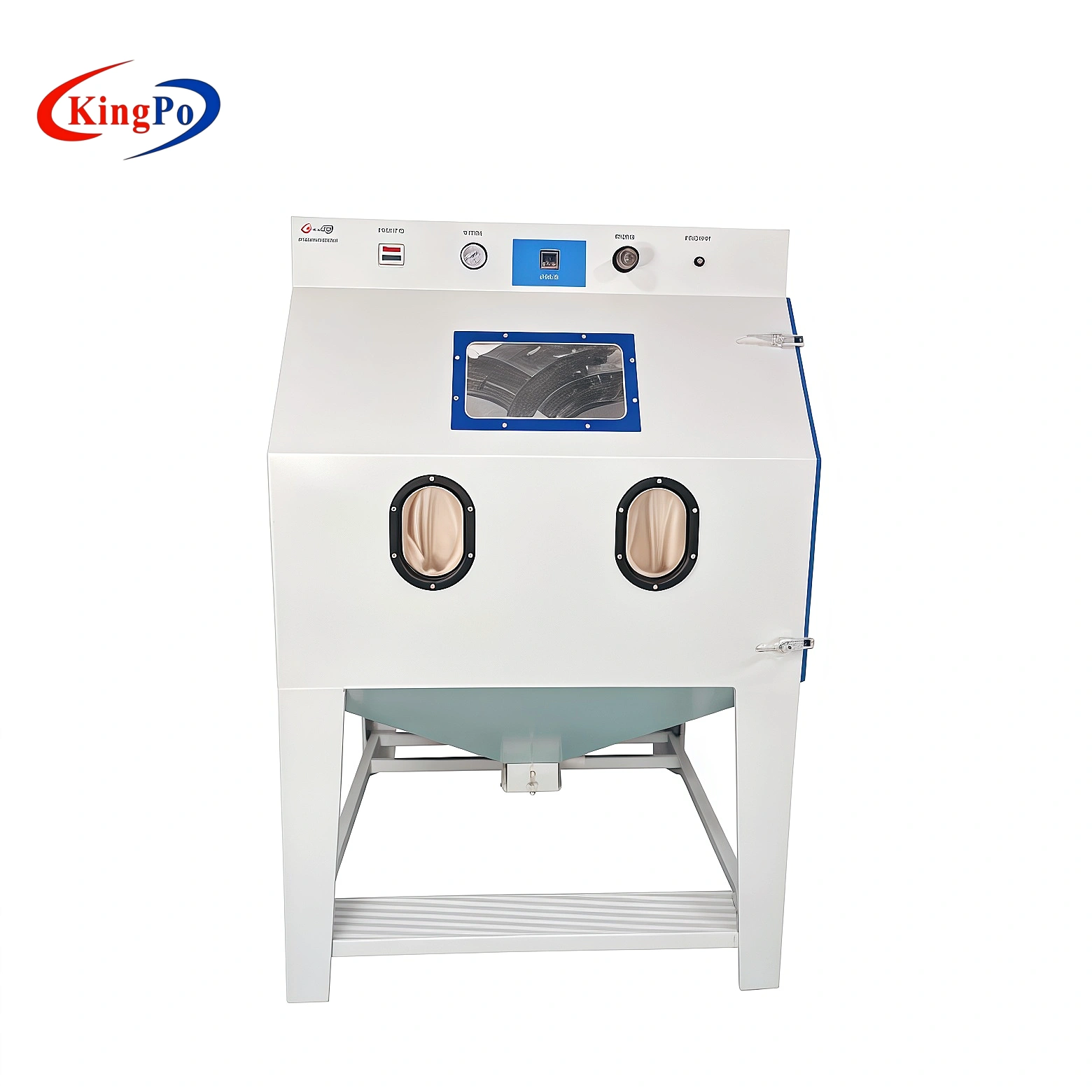
The UL 50E Dust Tester features advanced systems like a suction-type sand blast gun and an integrated pipe balance box for accurate results.
-
Automatic recycling of dust during tests enhances efficiency, saving time and reducing material waste.
-
Proper training and regular maintenance of the UL 50E Dust Tester are crucial for accurate testing and compliance.
-
Staying updated with industry standards ensures your products meet the latest safety requirements and maintain market readiness.
Understanding UL50E-2020 Compliance
What Is UL50E-2020?
UL50E-2020 is a safety standard that sets requirements for enclosures used to protect electrical equipment. You use this standard to make sure your products can withstand harsh environments, such as dust, water, and other contaminants. The goal is to keep electrical components safe and working as intended. UL50E-2020 focuses on how well an enclosure can prevent dust and other particles from entering. This standard is important for industries like electronics, automotive, and industrial manufacturing. When you follow UL50E-2020, you show that your products meet strict safety and performance guidelines.
Why Dust Testing Matters
Dust can cause serious problems for electrical enclosures. When dust enters an enclosure, it can lead to short circuits, overheating, or even equipment failure. You need to test your enclosures to make sure they keep dust out. Dust testing helps you find weak points in your designs. It also helps you improve your products before they reach your customers. By performing dust tests, you reduce the risk of product recalls and safety issues. You also build trust with your clients and end users.
Tip: Regular dust testing can help you catch problems early and avoid costly repairs or replacements.
Key Compliance Criteria
To comply with UL50E-2020, you must meet several important criteria. Clause 8.4.1.1 outlines the specific requirements for dust testing. Here are the main points you need to know:
-
Test Chamber: You must use a controlled chamber that simulates real-world dust exposure.
-
Dust Type: The test uses specific dust, such as slaked lime powder, to match the standard’s requirements.
-
Application Method: You need to apply dust using precise equipment, like a suction-type sand blast gun, to ensure even coverage.
-
Pressure and Distance: The test requires you to control the spray pressure and the distance between the nozzle and the enclosure.
-
Duration: The test runs for a set period to check how well the enclosure resists dust over time.
-
Pass/Fail Criteria: After testing, you inspect the enclosure for dust entry. If no dust gets inside, your product passes.
You must document each step and result. This documentation helps you prove compliance during audits or certification reviews.
Common Industry Challenges
When you work toward UL50E-2020 compliance, you may encounter several obstacles that can slow your progress. Many manufacturers find that the process is more demanding than they first expect. Understanding these challenges helps you prepare and plan for a smoother path to certification.
-
Extensive Testing Requirements
You must test and evaluate every component of your enclosure. This step ensures that each part meets the strict standards set by UL50E-2020. The process often involves repeated testing to confirm that your enclosure can withstand dust exposure. If you overlook even a small detail, you may need to start the testing process again. This requirement can feel overwhelming, especially if you have a complex product. -
Delays in Product Development
The rigorous testing process can add significant time to your development schedule. You might plan to launch a new product, but testing delays can push your timeline back. Each round of testing takes time, and if you need to make changes, you must retest. These delays can affect your ability to meet market demands or customer expectations. -
Complex Compliance Across Components
Ensuring that every component meets compliance standards can be challenging. If one part fails, you must address the issue and retest the entire enclosure. This complexity increases if you use parts from different suppliers. You need to coordinate with your supply chain and verify that all materials and components meet the required standards. -
Documentation and Record-Keeping
You must document every step of your testing and compliance process. Accurate records help you prove compliance during audits or certification reviews. Keeping detailed documentation can be time-consuming, but it is essential for a successful outcome. -
Resource Allocation
You may need to dedicate extra staff, equipment, and budget to meet compliance requirements. Smaller teams can feel the strain more than larger organizations. Planning for these resources early can help you avoid last-minute challenges.
Note: You can overcome these challenges by using specialized equipment, like the UL 50E Dust Tester. This device streamlines the testing process and helps you achieve reliable results faster.
By understanding these common industry challenges, you can take proactive steps to address them. Careful planning, the right tools, and a focus on detail will help you achieve UL50E-2020 compliance with greater confidence.
Features of Name Name UL 50E Dust Tester

Advanced Dust Application System
The name name UL 50E Dust tester gives you a powerful and precise dust application system. This system helps you meet the strict requirements of UL50E-2020 with ease. You can rely on its advanced engineering to deliver consistent and repeatable results every time.
Suction-Type Sand Blast Gun
You get a suction-type sand blast gun designed for accuracy. The air ejector diameter measures 4.7mm, and the nozzle diameter is 9.5mm. This setup allows you to apply dust exactly where you need it. The gun uses a controlled spray pressure between 620 and 690kPa. This range ensures that dust reaches every part of your enclosure during testing. You can trust this feature to simulate real-world dust exposure and help you identify any weak spots in your product design.
Adjustable Nozzle and Pressure
You can adjust the nozzle-to-shell distance from 305mm to 380mm. This flexibility lets you test different enclosure sizes and shapes. You also control the spray pressure, which means you can match the test conditions to the requirements of Clause 8.4.1.1. These adjustments help you create a realistic and challenging environment for your enclosures. You get reliable data that supports your compliance efforts.
Integrated Pipe Balance Box
The integrated pipe balance box sets the name name UL 50E Dust tester apart from other dust testing equipment. This feature measures both internal and external pressures during the test. You gain valuable data that helps you analyze how your enclosure performs under different conditions. The balance box ensures that pressure differences do not affect your results. You get a more accurate picture of your product’s dust resistance. This level of detail supports your documentation and helps you pass compliance audits with confidence.
Tip: Use the integrated pipe balance box to monitor pressure changes in real time. This approach helps you catch issues early and make quick adjustments.
Precision Testing Chamber
The precision testing chamber is the heart of the name name UL 50E Dust tester. You benefit from a chamber designed for accuracy, repeatability, and flexibility. The chamber uses advanced sealing technology to prevent dust leakage. High-quality rubber or silicone seals keep the test environment stable, so you get consistent results.
Screen and Particle Control
You find a square screen inside the chamber with a wire diameter of 50μm and a wire gap of 75μm. This screen ensures that only the correct dust particles enter the test area. You use standard-spec dust, such as slaked lime powder, to match the requirements of UL50E-2020. The chamber maintains stable airflow, so dust spreads evenly across your sample. This setup helps you achieve uniform dust injection and reliable test outcomes.
Chamber Volume and Flexibility
The inner chamber measures 1000×1000×1000mm. You can test a wide range of enclosure sizes and shapes. The large volume gives you the flexibility to run multiple tests or accommodate bigger samples. Proper product positioning inside the chamber prevents interference and ensures reproducible results. Optimized airflow circulation keeps dust concentration stable throughout the test.
Here is a table that highlights the advanced features that distinguish the name name UL 50E Dust tester from other dust testing equipment:
|
Feature |
Description |
|---|---|
|
Dustproof Capabilities |
Essential protection in industrial settings where dust and particulate matter can impair functionality. |
|
Weatherproof and Waterproof |
Ensures protection in rain or outdoor environments. |
|
Corrosion-resistant |
Made from materials like stainless steel or treated metals. |
|
Impact-resistant |
Designed to protect against physical damage in high-traffic or hazardous areas. |
You can see that the name name UL 50E Dust tester offers more than just basic dust testing. You get a complete solution that supports your compliance goals and helps you deliver safer, more reliable products.
Discover the UL 50E Dust Tester
Explore advanced features and ensure compliance with UL50E-2020 standards. Get started today!
Below is a table that summarizes the key features of the precision testing chamber and how they ensure repeatable and reliable dust test results:
|
Feature |
Description |
|---|---|
|
Advanced sealing technology |
High-quality rubber or silicone seals prevent dust leakage. |
|
Consistent dust properties |
Standard-spec dust is used, ensuring uniform particle size. |
|
Stable airflow |
Advanced fans maintain consistent dust distribution. |
|
Correct product positioning |
Proper installation prevents interference, ensuring reproducible results. |
|
Uniform dust injection |
Specialized devices disperse dust evenly across the chamber. |
|
Optimized airflow circulation |
Air ducts maintain stable dust concentration for repeatable testing. |
You can depend on these features to give you accurate, repeatable, and trustworthy results every time you use the name name UL 50E Dust tester.
Automatic Recycling and Efficiency
You want your dust testing process to be efficient and sustainable. The name name UL 50E Dust tester helps you achieve this with its automatic recycling system. This feature collects and recycles slaked lime powder inside the test chamber. You do not need to stop the test to refill or clean the chamber. The system keeps dust circulating, so you get consistent exposure throughout the entire test duration.
You save time and reduce waste with this automatic recycling. The device maintains a steady dust concentration, which means your results stay accurate from start to finish. You also lower your operating costs because you use less test material. The recycling system supports continuous testing, so you can run multiple tests without long interruptions.
Tip: Use the automatic recycling feature to streamline your workflow. You can schedule back-to-back tests and keep your lab running smoothly.
Here are some benefits you gain from the automatic recycling and efficiency features:
-
Reduced downtime between tests
-
Lower material consumption
-
Consistent dust concentration for reliable results
-
Less manual intervention required
You can focus on analyzing your results instead of managing the test environment. This efficiency helps you meet tight project deadlines and improve your overall productivity.
Ready-to-Use Package and Warranty
When you receive the name name UL 50E Dust tester, you get everything you need to start testing right away. The package includes 50kg of dry slaked lime powder, which matches the requirements of UL50E-2020. You do not need to source additional materials or worry about compatibility. The included powder ensures your first tests meet the standard from day one.
You also benefit from a comprehensive warranty. Kingpo stands behind the quality of this equipment. The warranty gives you peace of mind and protects your investment. If you encounter any issues, you can rely on prompt support and service.
Note: Always check the included materials before starting your first test. This step helps you avoid delays and ensures you follow the correct procedures.
The ready-to-use package and warranty offer several advantages:
-
Immediate setup with included test materials
-
Assurance that your equipment meets compliance standards
-
Reliable support for troubleshooting or repairs
-
Confidence in your testing process
You can start your compliance journey without extra steps or hidden costs. The name name UL 50E Dust tester provides a complete solution for dust testing, so you can focus on achieving certification and delivering safe, reliable products.
Using the UL 50E Dust Tester for Compliance
Setup and Preparation
Equipment Assembly
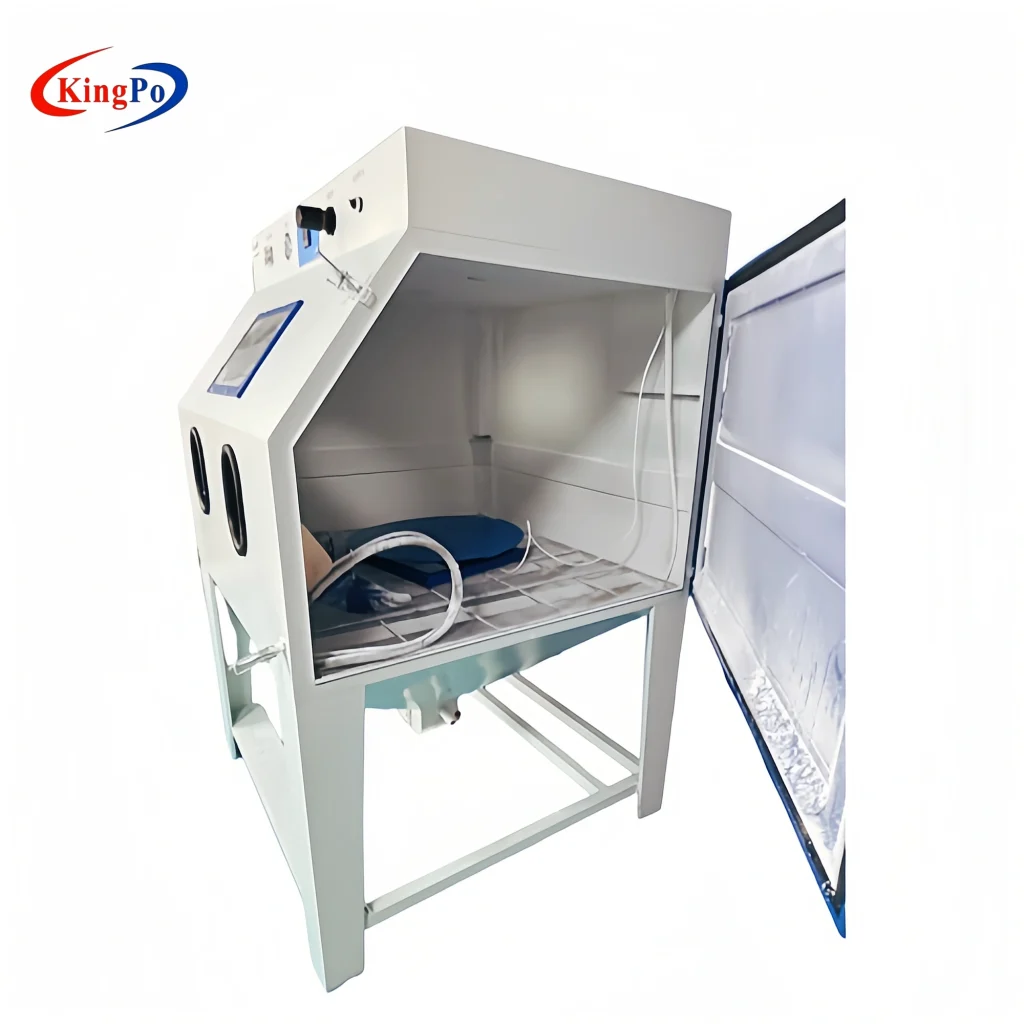
Start by unpacking your name name UL 50E Dust tester. Place the main unit on a stable, level surface in your testing area. Check that all components are present, including the suction-type sand blast gun, integrated pipe balance box, and the chamber. Connect the sand blast gun to the main unit using the provided hoses. Attach the pipe balance box to the chamber. Make sure all seals and gaskets are in place to prevent dust leakage.
Plug in the power cord and switch on the main unit. Inspect the control panel and verify that all buttons and indicators work. Pour the included slaked lime powder into the designated hopper. Close the chamber door securely. Review the user manual for any specific safety instructions before you begin.
Tip: Double-check all connections before starting the test. This step helps you avoid leaks and ensures accurate results.
Sample Placement
Prepare your enclosure sample by cleaning its surface. Remove any debris or moisture. Open the chamber door and place your sample on the test platform inside. Position the sample so that the nozzle can reach all critical surfaces. Adjust the sample holder if needed to keep the enclosure steady during testing.
Make sure the sample does not touch the chamber walls. This setup allows dust to circulate freely around the enclosure. Close the chamber door and lock it. Confirm that the sample is visible through the observation window. You are now ready to set your test parameters.
Running the Test
Selecting Parameters
Set the spray pressure on the control panel. Use the recommended range of 620 to 690kPa. Adjust the nozzle-to-shell distance between 305mm and 380mm, depending on your sample size. Choose the test duration based on UL50E-2020 requirements. Select the dust feed rate, which should be 2.27kg/min for slaked lime powder.
Check the chamber temperature and humidity if your test protocol requires it. Enter all parameters into the control system. Review your settings before starting the test.
|
Parameter |
Recommended Setting |
|---|---|
|
Spray Pressure |
620–690 kPa |
|
Nozzle Distance |
305–380 mm |
|
Dust Feed Rate |
2.27 kg/min |
|
Test Duration |
As per UL50E-2020 standard |
Note: Always follow the standard’s guidelines for parameter selection. This practice ensures your results are valid for certification.
Monitoring and Adjustments
Start the test by pressing the “Begin” button on the control panel. Watch the chamber through the observation window. Monitor the pressure gauges on the pipe balance box. Make sure the dust circulates evenly and the spray pattern covers the entire sample.
If you notice uneven dust distribution, pause the test and adjust the nozzle position. Check the dust feed system for clogs or blockages. Use the control panel to make small changes to pressure or feed rate if needed. Record any adjustments in your test log.
Alert: Never open the chamber door during testing. Wait until the cycle ends and the dust settles before removing your sample.
Analyzing Results
Pass/Fail Criteria
After the test, open the chamber and carefully remove your sample. Inspect the enclosure for signs of dust entry. Use a flashlight to check seams, joints, and gaskets. If you find dust inside the enclosure, the sample does not pass. If the interior remains clean, your product meets the standard.
Document your findings with photos and notes. Record the test parameters and results in your compliance file.
Troubleshooting
If your sample fails the test, review your setup and parameters. Check for leaks in the chamber or around the sample. Make sure you used the correct dust type and feed rate. Inspect the seals and gaskets for damage. Repeat the test after making corrections.
If you continue to see failures, consider redesigning your enclosure or improving the sealing method. Keep detailed records of each attempt. This documentation helps you identify patterns and improve your process.
Tip: Use your test logs to track changes and outcomes. This habit makes troubleshooting faster and more effective.
Documentation for Certification
You need strong documentation to achieve UL50E-2020 certification. Good records prove that you followed the correct procedures and met all requirements. You also need these documents for audits and future reference. The UL 50E Dust Tester makes it easy to collect and organize the information you need.
Key Documents to Prepare:
-
Test Setup Records
-
List the equipment you used, including the UL 50E Dust Tester model and serial number.
-
Record the date and time of each test.
-
Note the names of the operators and observers.
-
-
Test Parameters and Conditions
-
Write down all test settings. Include spray pressure, nozzle distance, dust feed rate, and test duration.
-
Record the type and amount of dust used.
-
Note the temperature and humidity if required.
-
-
Sample Information
-
Describe each enclosure sample. Include model numbers, dimensions, and materials.
-
Attach photos of the sample before and after testing.
-
-
Test Results
-
Record your observations after each test. Note if dust entered the enclosure.
-
Use a checklist to mark pass or fail for each sample.
-
Add comments about any issues or adjustments made during the test.
-
-
Troubleshooting and Retest Logs
-
Document any problems you found and the steps you took to fix them.
-
Keep a log of all retests, including changes to the setup or sample.
-
-
Calibration and Maintenance Records
-
Include certificates for equipment calibration.
-
Record any maintenance performed on the tester.
-
Tip: Keep your records organized in a digital folder. Use clear file names and dates. This habit saves time during audits.
Sample Documentation Table
|
Document Type |
What to Include |
Example Entry |
|---|---|---|
|
Test Setup |
Equipment, date, operator |
UL 50E, 2024-06-10, J. Smith |
|
Test Parameters |
Pressure, distance, dust type, duration |
650 kPa, 320 mm, slaked lime, 8 min |
|
Sample Info |
Model, size, material, photos |
ENC-100, 200x150x80 mm, ABS, [photo] |
|
Test Results |
Pass/fail, notes, photos |
Pass, no dust inside, [photo] |
|
Troubleshooting |
Issue, fix, retest info |
Leak at seal, replaced gasket, pass |
|
Calibration/Maintenance |
Date, action, certificate |
2024-05-01, calibrated, cert #1234 |
Best Practices for Audit-Ready Documentation:
-
Use clear, simple language in your notes.
-
Attach photos or diagrams when possible.
-
Store both digital and paper copies if required by your company.
-
Review your records after each test cycle to catch missing details.
Note: Auditors look for complete, accurate, and consistent records. Well-organized documentation speeds up the certification process and builds trust with certifying bodies.
You can use the UL 50E Dust Tester’s features, such as digital data logging, to make record-keeping easier. Export your test data directly from the control panel when possible. This step reduces manual errors and saves time.
Checklist for Certification Documentation:
-
All test setup details recorded
-
Test parameters and conditions logged
-
Sample information complete with photos
-
Results clearly marked as pass or fail
-
Troubleshooting steps documented
-
Calibration and maintenance up to date
You can follow this checklist to ensure you have everything needed for a smooth certification process. Good documentation not only helps you pass audits but also improves your testing process over time.
Benefits of the UL 50E Dust Tester

Simplified Compliance Audits
You can make compliance audits much easier with the name name UL 50E Dust tester. This device helps you avoid the stress and confusion that often come with certification reviews. You get clear, organized results that auditors can understand quickly. When you use this tester, you reduce the risk of missing important details or having to repeat tests.
Manufacturers and testing laboratories benefit from streamlined processes. You do not need to worry about extensive retesting. The tester uses UL Recognized components, which means you meet requirements the first time. This approach saves you time and prevents costly delays. Non-compliance can lead to extra expenses and push your project back by weeks.
You also minimize design issues. The tester helps you spot potential problems early in development. You can fix these issues before they become major obstacles during audits. Auditors appreciate when you present clear documentation and reliable test results.
Here is a table that shows how the tester simplifies compliance audits:
|
Benefit |
Description |
|---|---|
|
Avoids extensive retesting |
Using UL Recognized components helps you avoid repeated testing and streamlines the process. |
|
Reduces design issues |
Compliance with UL 50E minimizes potential design problems during product development. |
|
Saves time and costs |
Non-compliance can cause delays (up to 50 days) and increase costs due to retesting needs. |
Tip: Keep your test records organized and up to date. This habit makes audits faster and easier for everyone involved.
You gain confidence knowing your testing process meets industry standards. Auditors can review your results without confusion. You move through certification with less stress and more certainty.
Versatility for Multiple Applications
You need a dust tester that adapts to your changing needs. The UL 50E Dust Tester gives you that flexibility. You can use it in many industries and for a wide range of products. This versatility makes it a smart investment for your lab or production line.
You can test electrical enclosures, automotive parts, and industrial control panels. The large chamber fits different sample sizes. You do not need to buy separate equipment for each type of product. You can switch between projects with minimal setup time.
Tip: Use the adjustable nozzle and chamber settings to match the requirements of each test. This feature helps you get accurate results for every application.
Here are some common applications where you can use the UL 50E Dust Tester:
-
Electronics: Test circuit boards, connectors, and device housings for dust resistance.
-
Automotive: Evaluate dashboards, sensors, and control modules for performance in dusty environments.
-
Industrial Equipment: Check control panels, switches, and machinery enclosures for dust ingress.
-
Consumer Products: Assess home appliances, lighting fixtures, and smart devices for durability.
-
Telecommunications: Test outdoor cabinets and network equipment for environmental protection.
You can see how one device supports many testing needs. The chamber’s size and the adjustable dust application system let you handle both small and large samples. You can run tests on prototypes or finished products. This flexibility helps you respond quickly to new projects or customer requests.
|
Application Area |
Example Products Tested |
Benefit of Using UL 50E Dust Tester |
|---|---|---|
|
Electronics |
Circuit boards, device housings |
Ensures reliable operation in dusty areas |
|
Automotive |
Sensors, dashboards |
Confirms safety and longevity |
|
Industrial Equipment |
Control panels, switches |
Reduces risk of equipment failure |
|
Consumer Products |
Appliances, lighting fixtures |
Improves product quality and reputation |
|
Telecommunications |
Outdoor cabinets, network gear |
Protects critical infrastructure |
You can also use the tester for research and development. You can compare different designs or materials under the same test conditions. This approach helps you make better decisions and improve your products before they reach the market.
Note: The UL 50E Dust Tester supports both standard and custom test protocols. You can meet industry standards or create your own procedures for special projects.
You gain more value from your investment when you use the tester for multiple applications. You save space, reduce costs, and simplify your workflow. The UL 50E Dust Tester gives you the versatility you need to stay competitive in today’s fast-changing industries.
Best Practices for Ongoing Compliance

Regular Maintenance
You need to keep your UL 50E Dust Tester in top condition. Regular maintenance helps you avoid unexpected breakdowns and ensures accurate results. Clean the chamber after each test. Check the seals and gaskets for wear. Replace them if you see cracks or damage. Inspect the sand blast gun and nozzle for clogs. Remove any dust buildup. Calibrate the pressure gauges and balance box every month. Record each maintenance activity in your logbook.
Tip: Schedule a monthly maintenance check. Use a checklist to make sure you do not miss any steps.
Here is a simple maintenance checklist:
|
Task |
Frequency |
Notes |
|---|---|---|
|
Chamber cleaning |
After each test |
Prevents dust buildup |
|
Seal inspection |
Monthly |
Look for cracks |
|
Nozzle cleaning |
Weekly |
Remove blockages |
|
Calibration |
Monthly |
Use certified tools |
|
Log update |
Every activity |
Keep records accurate |
You protect your investment and improve your testing reliability with regular care.
Staff Training
You must train your staff to use the UL 50E Dust Tester correctly. Proper training reduces errors and improves safety. Start with a hands-on demonstration. Show each step of the setup and testing process. Explain how to adjust the nozzle and pressure. Teach your team how to monitor the chamber and balance box. Review the documentation process. Encourage questions during training sessions.
Alert: Untrained staff may cause inaccurate results or damage the equipment.
Use these training steps:
-
Demonstrate equipment assembly.
-
Explain sample placement.
-
Review parameter selection.
-
Practice monitoring and adjustments.
-
Teach documentation and troubleshooting.
You build a confident team that can handle compliance testing with ease.
Staying Updated with Standards
You need to stay informed about changes in UL50E-2020 and related standards. Standards may update to include new requirements or testing methods. Subscribe to industry newsletters. Attend webinars or workshops when possible. Review official documentation every quarter. Assign one team member to track updates and share information with the group.
Note: Staying updated helps you avoid compliance gaps and keeps your products market-ready.
Here are ways to stay current:
-
Read industry publications.
-
Join professional associations.
-
Attend training events.
-
Review standard updates regularly.
You maintain compliance and adapt quickly to new regulations. This practice protects your business and ensures your products meet the latest safety requirements.
Real-World Applications

Electronics Industry
You work in electronics. You need to protect sensitive devices from dust. The UL 50E Dust Tester helps you verify that circuit boards, connectors, and device housings resist dust intrusion. You can simulate real-world conditions and check for weak points in your designs. You improve reliability and reduce the risk of failures.
-
Test circuit boards for dust ingress.
-
Evaluate connectors for long-term durability.
-
Check device housings for environmental protection.
Tip: Use the tester to compare different enclosure materials. You can select the best option for your products.
|
Product Type |
Testing Focus |
Benefit |
|---|---|---|
|
Circuit Boards |
Dust ingress |
Improved reliability |
|
Connectors |
Durability |
Fewer failures |
|
Device Housings |
Environmental sealing |
Longer product lifespan |
Automotive Components
You design automotive parts. You must ensure that sensors, dashboards, and control modules withstand dusty environments. The UL 50E Dust Tester lets you simulate harsh conditions found on roads and in factories. You identify potential issues before products reach customers.
-
Test sensors for dust resistance.
-
Evaluate dashboards for performance in dusty areas.
-
Check control modules for sealing effectiveness.
Alert: Dust can cause malfunctions in automotive electronics. Early testing prevents costly recalls.
|
Component |
Testing Goal |
Outcome |
|---|---|---|
|
Sensors |
Dust resistance |
Reliable operation |
|
Dashboards |
Performance |
Enhanced safety |
|
Control Modules |
Sealing effectiveness |
Reduced maintenance |
Other Industrial Uses
You work in industrial manufacturing. You need to protect control panels, machinery enclosures, and switches from dust. The UL 50E Dust Tester adapts to different sample sizes and shapes. You can test consumer products, telecommunications equipment, and even lighting fixtures.
-
Test control panels for dustproofing.
-
Evaluate machinery enclosures for durability.
-
Check switches for environmental protection.
Note: The tester supports custom protocols. You can create unique tests for specialized products.
|
Application Area |
Example Products |
Key Benefit |
|---|---|---|
|
Industrial Equipment |
Control panels, switches |
Reduced downtime |
|
Consumer Products |
Appliances, fixtures |
Improved quality |
|
Telecommunications |
Cabinets, network gear |
Infrastructure safety |
You gain confidence in your products. You meet industry standards. You deliver safer, more reliable solutions to your customers.
You can make UL50E-2020 compliance easier with the name name UL 50E Dust tester. This device gives you advanced features, reliable results, and simple controls. You save time and reduce errors in your testing process. If you want to improve your certification workflow, consider reaching out to Kingpo or requesting a demo. Take the next step toward stronger compliance and safer products.
FAQ

How often should you calibrate the UL 50E Dust Tester?
You should calibrate the tester every month. Regular calibration ensures accurate results and helps you maintain compliance with UL50E-2020 standards.
What type of dust does the tester use?
The tester uses dry slaked lime powder. This dust matches the requirements of UL50E-2020 and provides reliable, repeatable test results.
Can you test different enclosure sizes?
Yes, you can test a wide range of enclosure sizes. The chamber measures 1000×1000×1000mm, which fits both small and large samples.
How do you know if your enclosure passes the test?
You inspect the inside of your enclosure after testing. If you find no dust inside, your enclosure passes. Always document your results for certification.
Is training required to operate the tester?
You should train all staff before they use the tester. Proper training reduces errors and ensures safe, accurate operation.
What maintenance does the tester need?
You need to clean the chamber after each test, check seals monthly, and keep the nozzle clear. Regular maintenance keeps your tester working reliably.
Does the tester come with a warranty?
Yes, Kingpo provides a warranty with each tester. This warranty protects your investment and gives you access to support if needed.
UL 50E Dust Tester | Sand Blast Enclosure Dust Ingress Test Apparatus