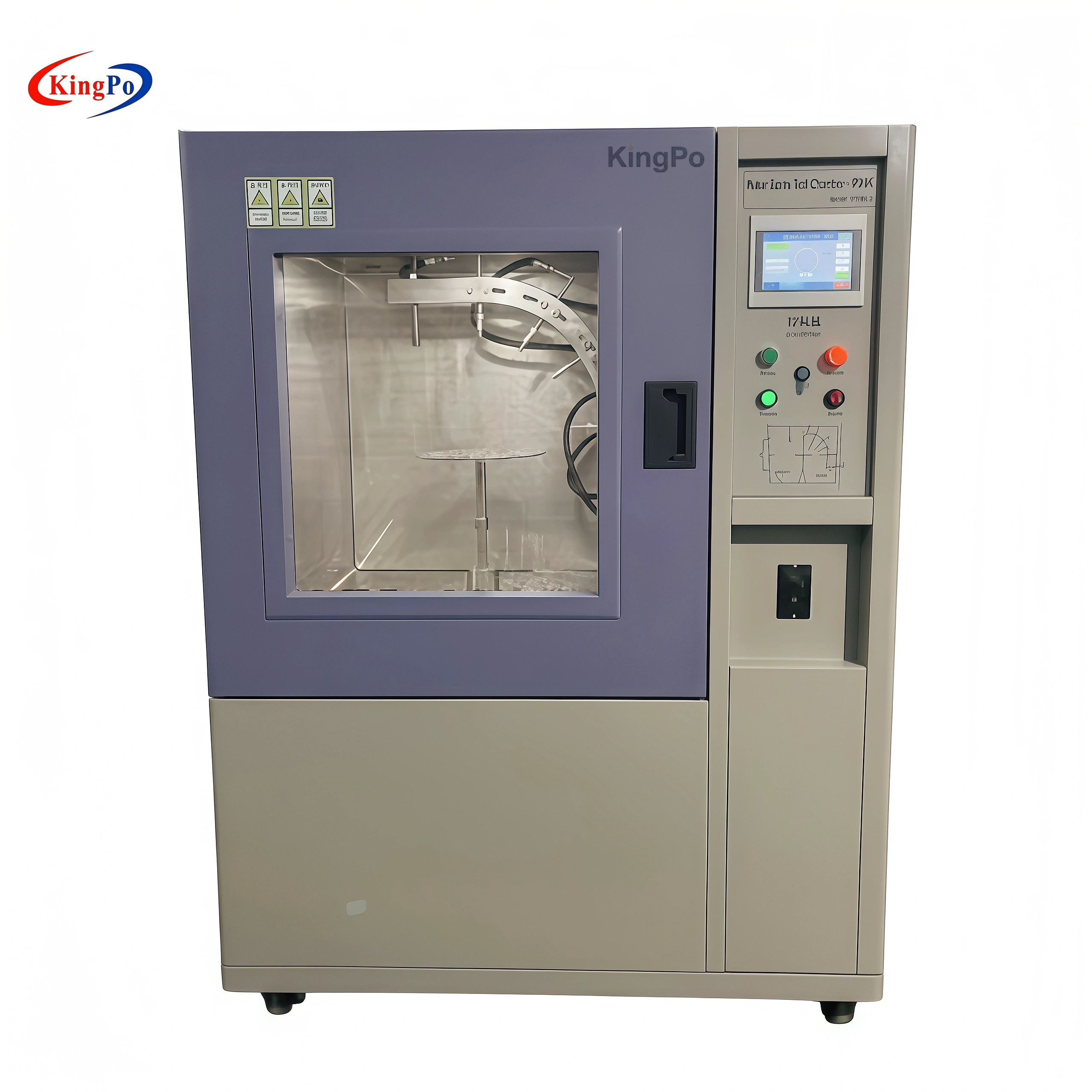
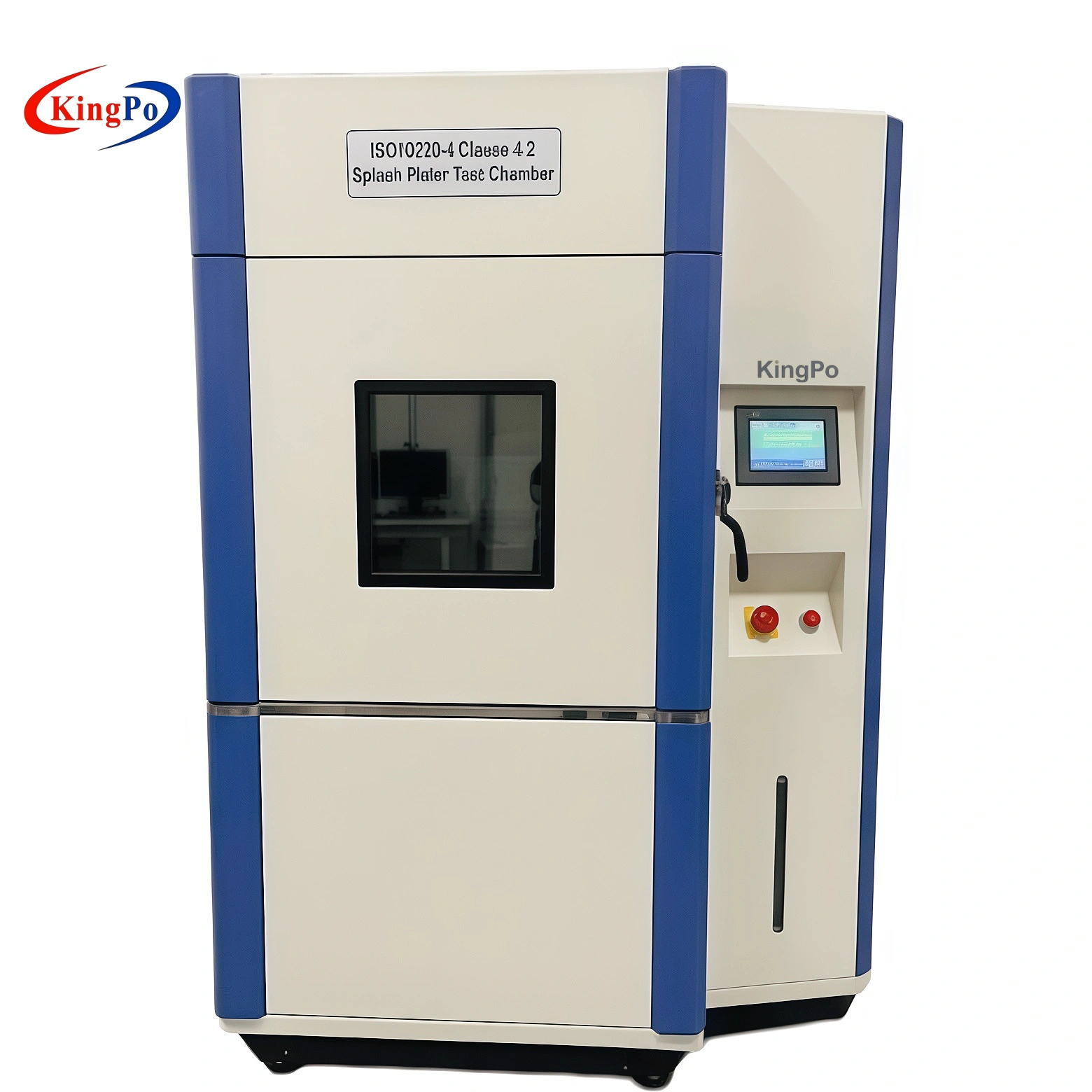
You see KINGPO environmental test chambers when you need to check how products handle hard conditions. These chambers make very hot, cold, wet, or dusty places. You use them to find out if your products stay safe and work well. When you put things inside an Environmental Test Chamber, you can check if they follow strict safety and quality rules. Companies use these chambers to make sure products work before people buy them.
Good testing helps you stop problems and keeps your products following the rules.
Key Takeaways
-
Environmental test chambers copy tough conditions to check if products are safe and work well.
-
It is important to check and fix chambers often. This helps tests stay correct and makes chambers last longer.
-
There are many kinds of chambers, like climatic and thermal shock. Each type is used for special tests in different jobs.
-
Using environmental test chambers helps companies follow safety rules. It also lowers the chance that products will fail.
-
Some chambers can be changed to fit special needs. This helps make better tests and improves new products.
What Are Environmental Test Chambers?
Definition and Purpose
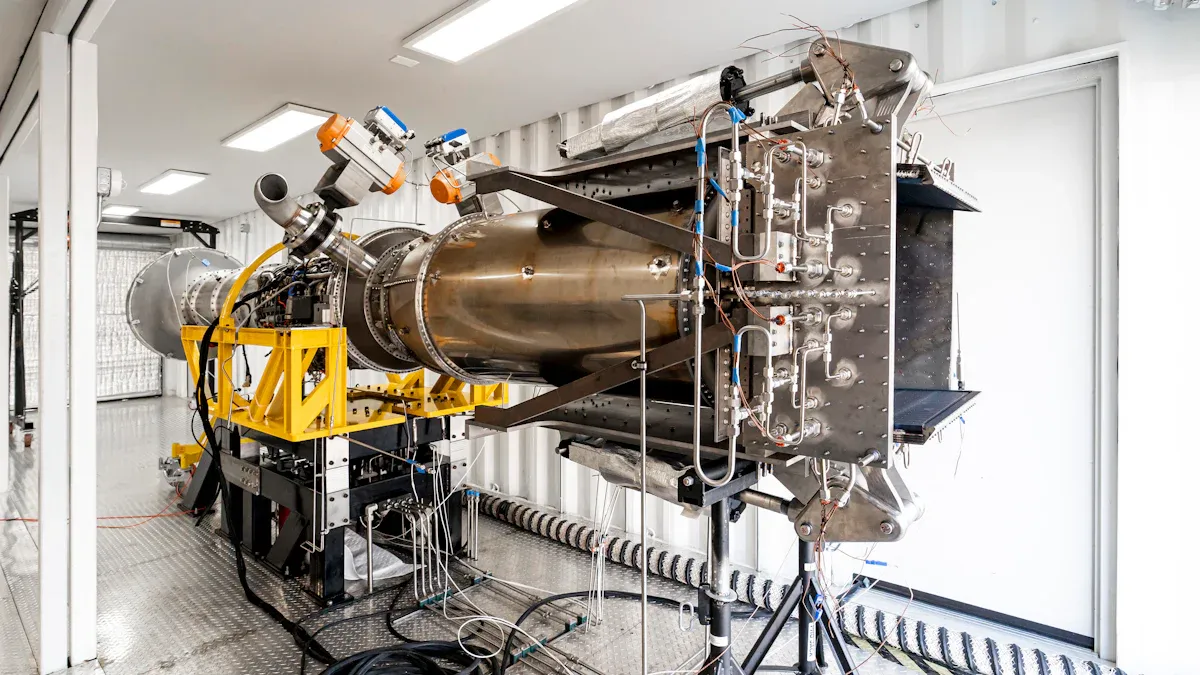
You use environmental test chambers to see how products act in different conditions. These chambers make special environments for testing. You can make the chamber hot, cold, humid, dry, or dusty. You put your product inside and watch how it does with these changes. This helps you know if your product is safe and works well.
Environmental test chambers are important for testing. You can use them to copy real-world situations. For example, you can check if a phone works in freezing weather. You can also see if a car part lasts in high humidity. You get results that show if your product is safe and good quality. You can make your design and materials better from these results.
Note: Environmental testing helps you stop products from failing. You can make sure your products work before people use them.
You find environmental chambers in many types of work. Car, airplane, and defense companies use them because products must not fail. You can use environmental test chambers to check electronics, medical tools, and food packaging. You get good and repeatable test results every time.
How They Work
You control the settings inside an environmental test chamber. You set the temperature, humidity, and other things. The chamber uses heating, cooling, and humidifying systems to change these settings. You can change them to fit your test.
Testing experts run the chamber. They watch the settings with special sensors. These sensors check temperature and humidity all the time. The chamber uses feedback to keep the settings steady. If the sensors find a change, the system fixes the settings right away.
Here is a table that shows the main science ideas behind environmental test chambers:
|
Aspect |
Description |
|---|---|
|
Control System |
Changes the settings inside the chamber within set limits. |
|
Sensor Technology |
Watches the settings all the time and gives feedback for changes. |
|
Feedback Mechanism |
Keeps the test conditions steady by using a closed-loop system. |
You can see how environmental test chambers work step by step:
-
Special sensors always check the settings.
-
Feedback systems change the settings right away.
-
PID control algorithms make the settings just right using sensor data.
You can copy real-life conditions like temperature changes and humidity. You can do fast life tests to see if your product is strong. You use environmental test chambers with testing machines to make real-life situations. You can put stress on your product while controlling the environment. This helps you make your product work better.
You make humidity by heating water to make steam. The chamber puts this steam inside to get the right humidity. You can change temperature and humidity for your needs. You get good results that help you make your products better.
Tip: You can use environmental test chambers to make sure your products are safe and work well. You can test them in special conditions and fix problems before they go to customers.
Types of Environmental Test Chambers
There are many types of environmental test chambers. Each one helps you test products in a different way. You can pick the best chamber for your test.
Climatic Chambers
Climatic chambers let you change temperature, humidity, and light. You use them to see how products act when the environment changes. These chambers help you test if packages and materials are strong. You can check if electronics or car parts work in hot, cold, or wet places.
Climatic chambers copy real-life conditions. You can test temperature, humidity, and light.
Thermal Shock Chambers
Thermal shock chambers help you test sudden temperature changes. You move your product fast between hot and cold areas. These chambers are used for electronics, cars, and airplane parts. You can see if your product breaks or stops working when temperatures change quickly.
-
Electronics, car, and airplane companies use thermal shock chambers to check strength.
-
You test sensors, engines, and circuit boards for temperature problems.
Salt Spray Chambers
Salt spray chambers help you test if things rust. You spray salt water on your product to see if it gets rusty. These chambers are used for boats, cars, and building parts. You follow rules like ASTM B117 and ISO 9227 to make sure your test is right.
|
Standard |
Scope |
Typical Use |
|---|---|---|
|
ASTM B117 |
Neutral salt spray test |
General metal rust testing |
|
ISO 9227 |
Salt spray test rules |
Coatings and factory uses |
Dust and Rain Chambers
Dust and rain chambers help you test how products handle dust and water. You use dust chambers to see if electronics get too hot or stop working. Rain chambers let you check if your product stays dry and safe. You can test phones, sensors, and outdoor tools.
-
Dust chambers copy real-life dust for electronics.
-
You can find problems like overheating and make your designs better.
Altitude and Vacuum Chambers
Altitude and vacuum chambers help you test products for high places or space. You can change air pressure and temperature. These chambers are used for airplane and defense parts. You make sure your product works in planes or satellites.
|
Parameter |
Description |
|---|---|
|
Pressure Control |
Slow changes with special valves and pumps |
|
Temperature Adjustment |
Matches different altitude conditions |
|
Safety Features |
Special controls keep things safe |
Walk-in Chambers
Walk-in chambers are big and let you test large things or many items at once. You can walk inside and set temperature and humidity. You use these chambers for cars, big machines, or lots of electronics. You get results for many things together.
Battery Test Chambers
Battery test chambers help you test lithium-ion batteries safely. You use fire safety systems, air flow, and alarms. You follow rules like UN 38.3 and IEC 62133. You make sure batteries do not catch fire or blow up.
-
Fire alarms and safety systems keep you safe during battery tests.
-
You check batteries for too much charge, heat, and explosion risks.
Plant Growth Chambers
A plant growth chamber lets you control temperature, humidity, light, and carbon dioxide. You use these chambers for farm research. You can grow plants in special ways and see how they react. You measure water, air speed, and pH to help plants grow better.
|
Parameter |
Measurement Method |
|---|---|
|
Temperature |
Sensors covered with shiny material |
|
Atmospheric moisture |
Infrared tools or special meters |
|
Carbon dioxide |
Infrared tools in a set range |
|
Light cycles |
Can be set for day and night |
You can use a plant growth chamber to study plant health and make crops better.
Stability Chambers
Stability chambers help you test medicine and medical products. You control temperature and humidity to see how long a product stays safe. You use these chambers to find out when things expire and follow safety rules. You get warnings if something changes.
-
Stability chambers keep temperature and humidity the same.
-
You use live checks to protect your products.
Benchtop Chambers
Benchtop chambers are small and fit on a table. You use them to test small things or a few samples. These chambers save power and cost less money. You can set temperature and humidity for quick tests. They work well in small labs.
-
Benchtop chambers heat and cool things fast.
-
You can run test cycles and get good results.
You can use environmental test chambers for many tests. Each chamber helps you check if products are safe and good. Environmental chambers let you control settings and get the same results every time.
Key Features of Environmental Chambers
Temperature Control
You can set the temperature in an environmental test chamber. This lets you test products in very hot or cold places. You see how materials act when it is hot or cold. Most chambers can reach many different temperatures. Here is a table that shows some examples:
|
Company |
Model |
Temperature Range (°C) |
|---|---|---|
|
BMA |
AH-202 |
-50 to 177 |
|
BMA |
TC-4 |
-73 to 220 |
|
Envirotronics |
ST1.2 |
-73 to 177 |
|
THERMOTRON |
S1.2 |
-30 to 170 |
|
TENNEY |
BTC |
-20 to 200 |
|
ESPEC |
PRA-3AP |
-20 to 150 |
|
ESPEC |
LHL-112M-U |
5 to 85 |
You use temperature and humidity control to make special test places. This helps you check if products work in different weather.
Humidity Control
Humidity control is important in every environmental test chamber. You can change how much water is in the air. This helps you copy real-life weather. Good humidity control gives you better test results. There are different ways to control humidity:
-
Nitrogen purge takes out water and stops frost.
-
Dry-air purge uses a drying material to lower water in the air.
-
Recirculating desiccant dryer takes out water and puts dry air back in.
You need to check sensors often. Keeping temperature and humidity steady stops water drops and keeps things safe. Humidity control helps you test electronics, medicine, and packaging.
Airflow and Uniformity
You need even airflow in chambers for fair tests. Good airflow uses many fans to move air everywhere. Zoned temperature control keeps all samples at the same temperature. Thick insulation helps keep the edges the same as the middle. Here is a table with common ways to do this:
|
Method |
Description |
|---|---|
|
Optimized Airflow Design |
Many fans, fans with speed control, and air guides |
|
Zoned Temperature Control |
Many heating and cooling spots for even heat |
|
Premium Insulation |
Thick foam, special wool, and walls that stop heat loss |
Even airflow and good temperature and humidity control help you get fair test results.
Observation and Access
Observation windows and ports make chambers easy to use. You can watch your products during tests without opening the door. Most chambers have windows, and you can ask for bigger ones. Walk-in chambers often have two windows. Special windows let you see inside vacuum chambers. These features help you check your products while testing.
Energy Efficiency
Energy efficiency is important in test chambers. More than half of a lab’s energy is used by these chambers. Good insulation and smart controls can save up to 30% energy. Smart systems also cut waste by 15%. You save money and help the planet with energy-saving chambers.
Tip: Pick energy-saving chambers to spend less and help nature.
Customization Options
You can change chambers to fit your work. Custom chambers help in car, plane, and medical jobs. Makers work with you to build the right chamber. The steps are:
-
Find out what you need to test.
-
Work together to design the chamber.
-
Make sure it meets your goals and rules.
Custom chambers fit your space and needs. You get the right temperature and humidity for your tests. Custom chambers help you get the best results for every test.
Applications of Environmental Test Chambers
Electronics Testing
Environmental test chambers help you check electronics in tough places. You can test batteries, sensors, and circuit boards for heat and humidity. You can also test vibration. This helps you see if your products stay strong over time. You find weak spots before customers use your products.
-
You check if products last and work well.
-
You copy heat, humidity, and vibration.
-
You use labs to get good data.
Automotive Components
You use environmental chambers to test car parts like seat belts and airbags. You also test engines. These chambers let you copy cold, heat, and fast temperature changes. You can test lithium batteries in new energy cars. This testing helps you make better designs and stop recalls.
-
You check how parts work under stress.
-
You make sure parts are safe in all places.
-
You use test data to help research.
Aerospace and Defense
Environmental test chambers help you check airplane and defense parts. You test parts with different pressures, temperatures, and humidity. You follow strict rules for testing.
|
Application Area |
Description |
|---|---|
|
Aerospace & Aviation |
Copy air conditions for planes and parts |
|
Quality Assurance |
Check if parts last and work in hard places |
|
Standards Compliance |
Follow rules from SAE International and other groups |
You use these tests to check products and do science.
Pharmaceuticals and Medical Devices
Pharmaceutical stability chambers help you test drugs and medical devices. You check how they react to temperature and humidity. You also test packaging and transport. This helps you make sure things are safe and good.
-
You check chemical, physical, and germ stability.
-
You use fast stability tests to guess shelf life.
-
You use science to check and prove products.
Research and Materials Science
You use environmental chambers in research to study materials. You test them with set temperature, humidity, and pressure. This helps you get good data for science. You use results to make materials better and help research.
You get good data for research and development with environmental test chambers.
Agriculture and Food
Environmental chambers help you test plant growth, seed storage, and food shelf life. You make special places for research in farming and food science.
|
Application Area |
Description |
|---|---|
|
Agriculture |
Test plant growth, store seeds, and help farm research |
|
Food and Beverage |
Test shelf life, stability, and quality of food |
You use fast stability tests and science to make sure food is good.
Benefits of Environmental Test Chambers
Product Reliability
You make products more reliable with environmental test chambers. You put products in controlled places and test them with tough conditions. You see how materials and designs handle stress. You get data from fast tests and use math models to guess how long products last. You feel sure about your product’s life by using temperature cycling and checking failure times.
-
Fast testing finds weak spots and shows problems early.
-
Math models like Weibull distribution and Bayesian inference help you guess how products work in real life.
-
Temperature cycling gives you good data to check how long products last.
Regulatory Compliance
You follow strict rules when you use environmental chambers for testing. You meet standards set by different industries. You use environmental testing to show your products pass safety and quality checks. You can see important rules in the table below:
|
Standard |
Industry |
Key Requirements |
|---|---|---|
|
MIL-STD-810 |
Military/Defense |
Temperature extremes, altitude, humidity, thermal shock, vibration |
|
IEC 60068 |
Electronics |
Environmental testing methods including temperature, humidity, vibration |
|
JEDEC JESD22 |
Semiconductors |
Temperature cycling, moisture sensitivity, board-level reliability |
|
ASTM D4169 |
Packaging |
Shipping container testing, vibration, drop, compression |
|
SAE J1455 |
Automotive |
Electronic component environmental testing procedures |
|
ICH Q1A(R2) |
Pharmaceutical |
Stability testing protocols for drug products |
|
IEC 61215 |
Solar/PV |
Crystalline silicon photovoltaic module qualification |
|
UN 38.3 |
Battery/Transport |
Lithium battery transport safety testing requirements |
Quality and Risk Reduction
You lower risks and make products better with environmental chambers. You use tests to find problems early. You collect data and fix issues before products go to customers. You protect your brand and stop expensive recalls. You use stability testing to check if products stay safe for a long time.
Innovation Acceleration
You make new ideas faster with environmental chambers. You use tests to try new designs and materials. You get data quickly and use it to make things better. You use stability testing to check new products and help research. You learn things that help you make better solutions.
Operational Efficiency
You work better by using environmental test chamber systems. You run many tests in controlled places. You use data from tests to make your process smoother. You use stability testing to cut waste and save time. You help research and make your work easier.
You use environmental test chambers to help research, make products better, and follow rules. You depend on testing, checking, and stability testing to make products safer and stronger.
Environmental Chamber Repair and Preventive Maintenance
Importance of Calibration
You need to check your environmental test chamber often. Calibration keeps the chamber working right. You look at sensors and controls to make sure they show the correct temperature and humidity. If you do not calibrate, your tests might be wrong. Keeping the chamber in good shape protects your research and products. Calibration also stops chamber breakdowns and keeps your work safe.
Preventive Maintenance Strategies
Preventive maintenance helps your chamber work well. You follow a plan to check parts, clean filters, and test alarms. You look for problems before they get worse. Doing preventive maintenance helps your chamber run longer. Labs that plan maintenance have fewer shutdowns, up to 40% less. Regular care can cut energy use by 10–20%. Routine maintenance can help your chamber last from 10 to 18 years.
Here is a table that shows how preventive maintenance helps:
|
Benefit |
Description |
|---|---|
|
Fewer emergency repairs |
Finding worn parts early lowers repair costs and stops emergencies. |
|
More chamber uptime |
Scheduled checks stop surprise breakdowns and keep things running. |
|
Protects important work |
Stops mistakes that could hurt research or production. |
|
Better energy use |
Well-kept parts use less energy and save money. |
|
Longer chamber life |
Regular care slows wear and makes chambers last longer. |
|
Easier planning and budgeting |
Knowing what needs fixing helps manage costs. |
|
Stronger trust between checks |
Chambers work well between checks, so you can rely on them. |
Tip: Preventive maintenance saves money and keeps your work safe.
Water Quality Management
You must check water quality in your chamber. Bad water can cause scale, rust, or block pipes. Clean water keeps the chamber safe. You check filters and change them when needed. You test water for minerals and keep levels low. Good water quality stops repairs and helps your chamber last longer.
Professional Repair vs. In-House
You can fix your chamber yourself or call experts. For small problems, you may use in-house maintenance. For big issues, you call professionals. Professional repair gives you skilled help and special tools. You get fast service and strong support. Experts help with preventive maintenance to keep your chamber safe. You save time and protect your research with professional help.
Note: Using both in-house care and professional repair keeps your chamber reliable.
You depend on environmental test chambers to check if your products stay safe and strong. You use data from tests to improve designs and meet rules. You trust data to show how your products work in real life. You save time and money by using data to make smart choices. KINGPO gives you reliable solutions for testing. If you want expert advice, you can contact KINGPO for help.
You can use KINGPO to get the best results for your testing needs.
FAQ
What can you test in an environmental chamber?
You can test things like electronics, car parts, medicine, plants, and food. Chambers help you see how products handle heat, cold, humidity, dust, and other hard conditions.
How often should you calibrate your chamber?
You should check and calibrate your chamber at least once a year. Doing this often keeps your tests right and protects your results.
Can you customize a chamber for special tests?
Yes, you can get custom chambers for special tests. You pick the size, temperature range, humidity, and other features you need.
Is it safe to test batteries in a chamber?
You can test batteries safely in special battery chambers. These chambers have alarms, fire safety systems, and airflow to keep you safe during tests.
What happens if you skip maintenance?
If you do not take care of your chamber, it might break down. You could get bad test results and pay more for repairs. Regular care helps your chamber work well.