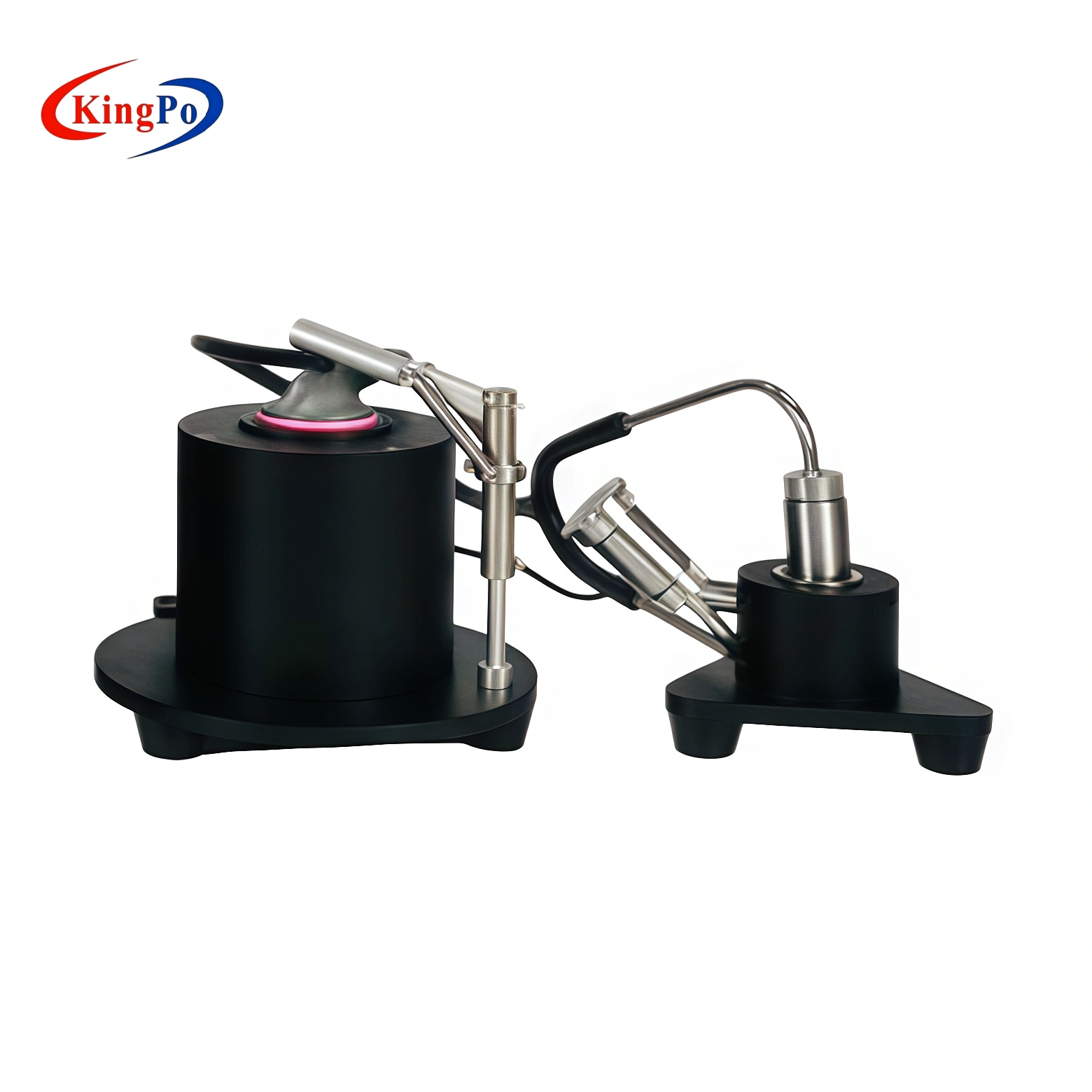
A medical stethoscope is used to listen to sounds from the heart, lungs and other organs. Although the structure of stethoscopes has developed over time, the basic acoustic path still includes the chestpiece, sound transmission tube and earpiece.
For stethoscope manufacturers, acoustic quality cannot be judged only by appearance or manual listening. A stethoscope may look acceptable but still have excessive sound attenuation, unstable output level, high distortion or poor noise performance.
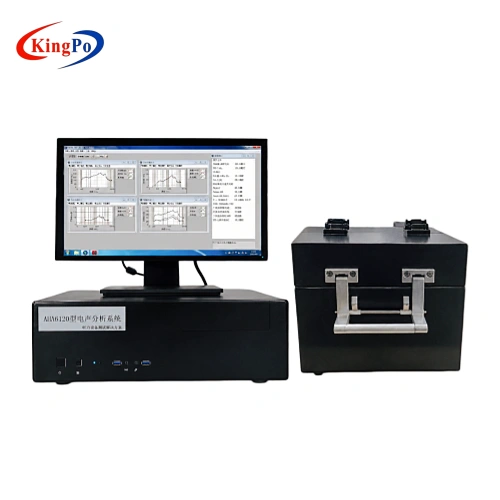
The Stethoscope Acoustic Test System provides a structured test method for evaluating these acoustic characteristics. It helps users compare product designs, verify batch consistency, support quality inspection and generate measurable acoustic performance data.
IEC 61672-1 Sound Level Measurement
The acoustic measurement section of the system is designed around IEC 61672-1 compliant sound level measurement. This makes the system suitable for measuring sound pressure level and acoustic transmission behavior in a controlled stethoscope test setup.
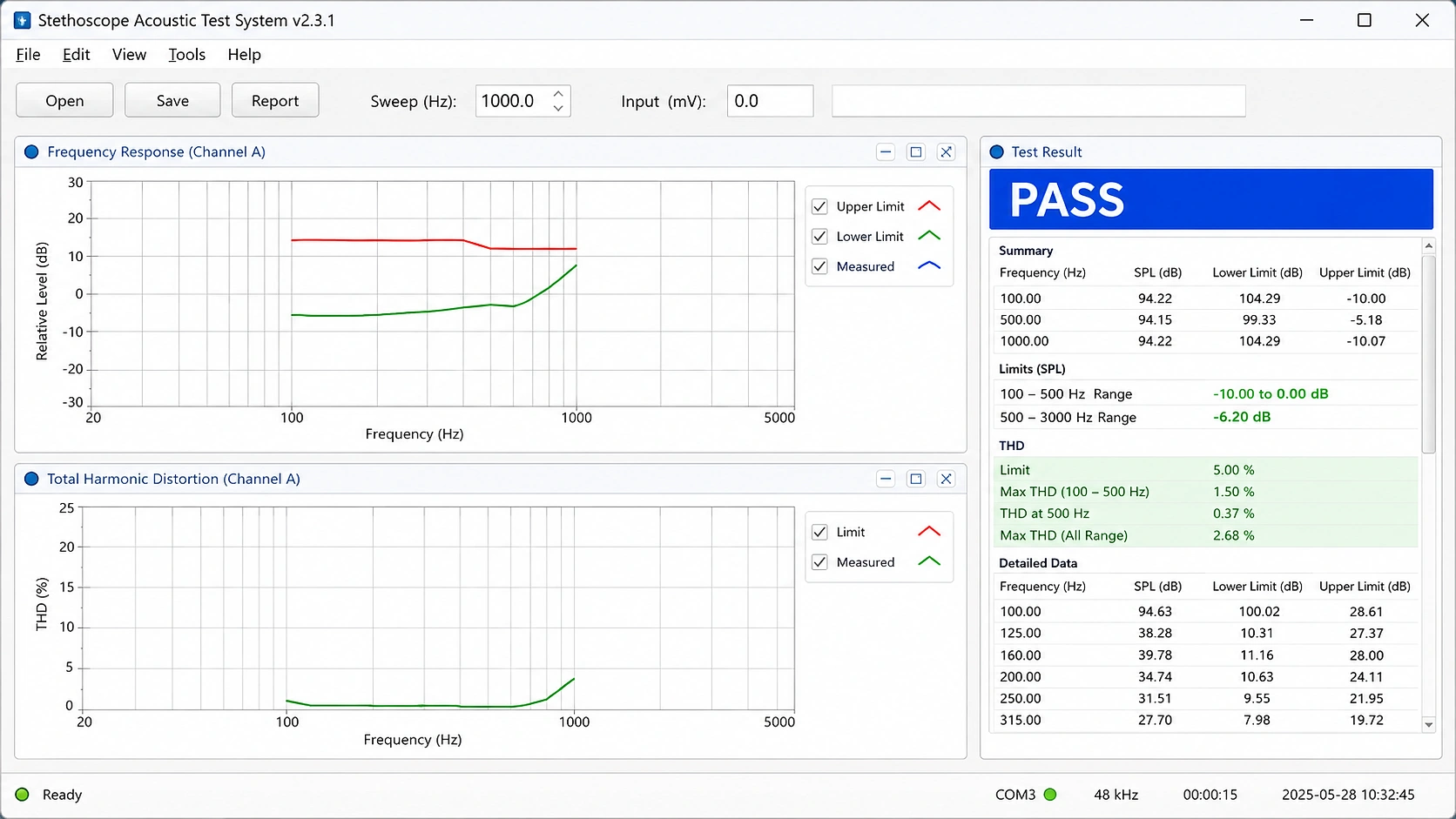
During testing, the system measures both the sound source output level and the sound pressure level at the stethoscope earpiece side. The software then calculates the attenuation value between the two levels to evaluate the stethoscope’s sound transmission performance.
Stethoscope-specific test methods may also refer to YY/T 1035-2021 and YY 91035-1999 when required by the customer’s internal procedure or target market.
What the System Tests
Sound Attenuation Curve
Evaluates how much sound is reduced through the stethoscope acoustic path.
Output Sound Pressure Level
Measures the sound pressure level delivered to the earpiece side.
Harmonic Distortion Curve
Evaluates distortion performance of sound-amplifying stethoscopes.
Equivalent Input Noise
Checks internal noise performance of sound-amplifying stethoscopes.
Frequency Response Behavior
Helps compare acoustic performance at different test frequencies.
Typical Test Purpose
Supports design comparison, batch verification and laboratory acoustic evaluation.
Test Principle
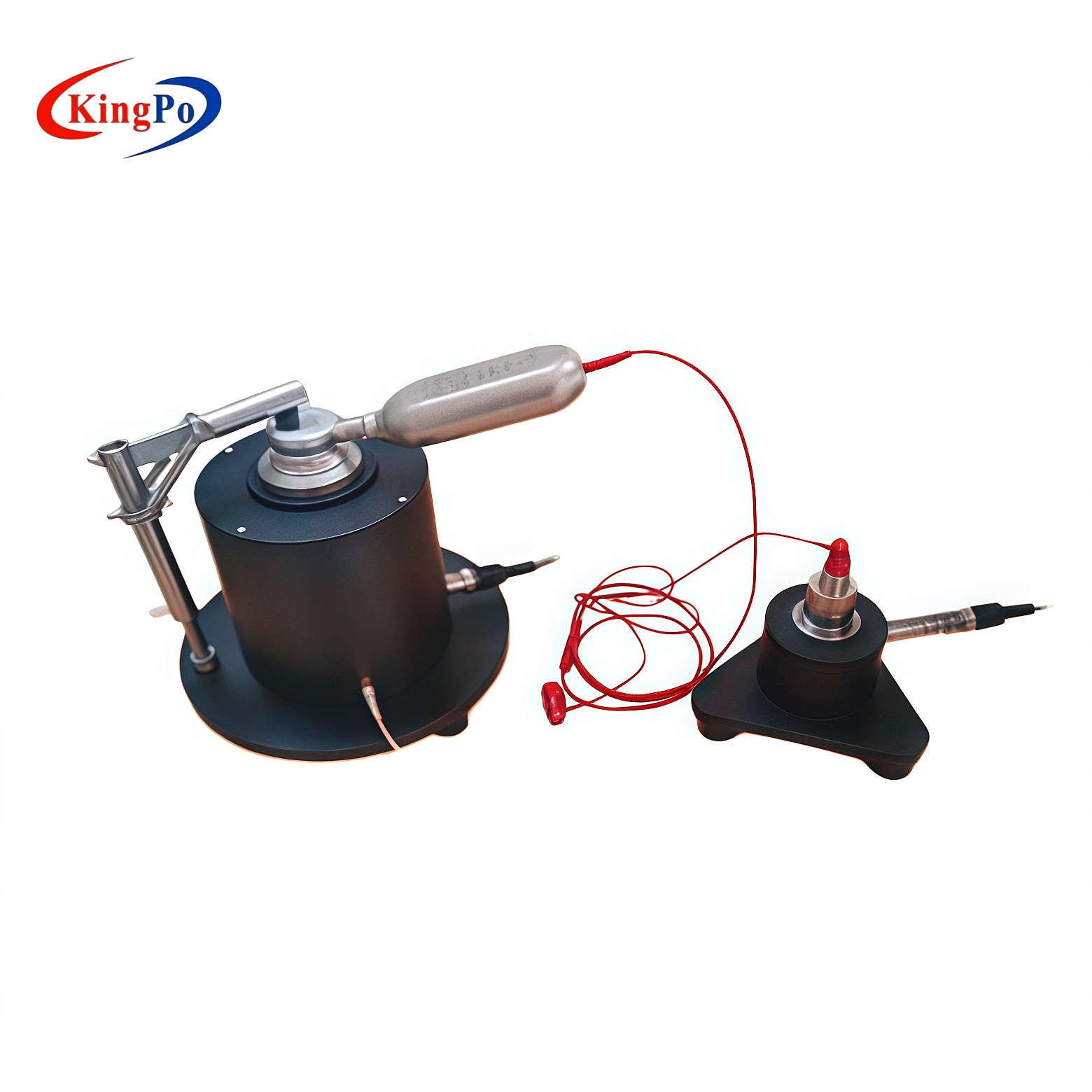
The system uses an electroacoustic analysis platform with dedicated stethoscope test software. A test sound source generates controlled acoustic output, while the artificial ear / 2 cc coupler measures the sound pressure level at the stethoscope earpiece side.
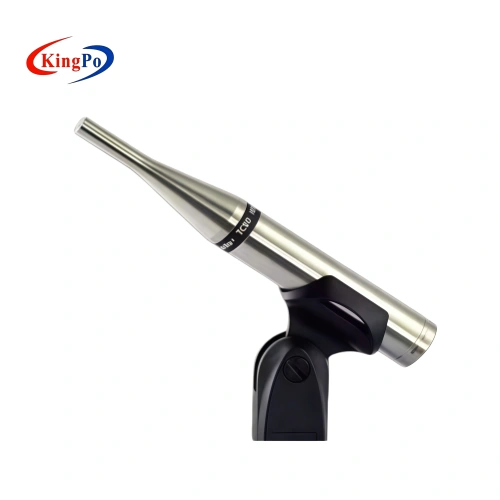
The sound source microphone is used to calibrate the test sound source so that it reaches the required sound pressure level at different frequencies. The software then measures the sound source output level and the stethoscope earpiece output level by point-frequency method.
The difference between these two levels is used to calculate the attenuation value. This attenuation value is the key basis for evaluating the acoustic transmission performance of the stethoscope.
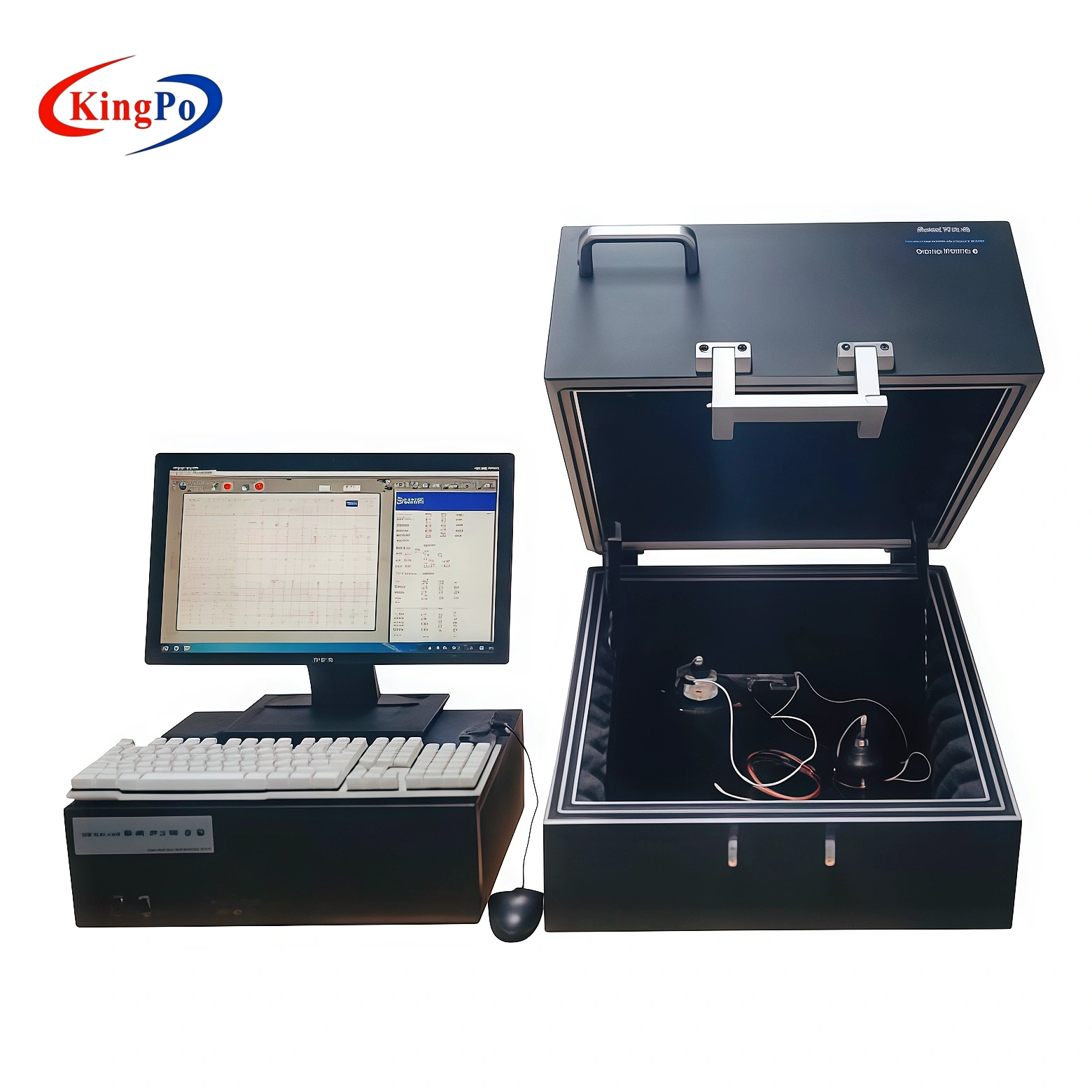
For sound-amplifying stethoscopes, the system can also support harmonic distortion and equivalent input noise testing. Because this type of test is sensitive to environmental noise, testing should be performed in an acoustic test box or anechoic room when required.
System Composition
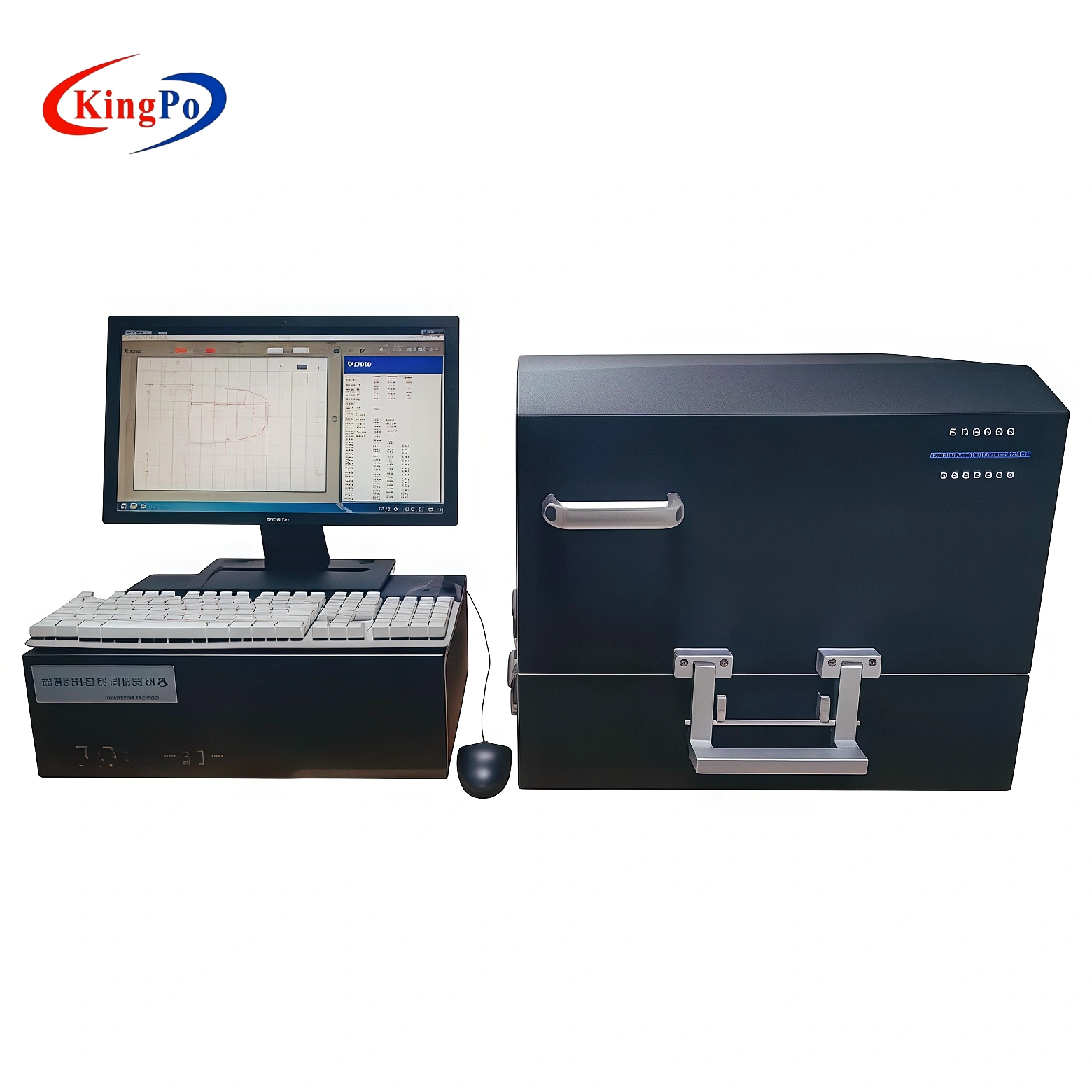
Measurement and Analysis Unit
- Electroacoustic analysis system
- Stethoscope test software
- Sound pressure type test microphone
- Sound calibrator
Acoustic Test Fixtures
- Test sound source
- Artificial ear / 2 cc coupler
- Semi-in-ear adapter
- Acoustic test box
Operation and Accessories
- Monitor, keyboard and mouse
- Optional foot switch
- Connection cables
- System operation accessories
Measurement Functions
| Sound Attenuation Measurement | Measures the level difference between sound source output and earpiece output. |
| Output SPL Measurement | Measures output sound pressure level at the stethoscope earpiece side. |
| Harmonic Distortion Test | Used for sound-amplifying stethoscope evaluation. |
| Equivalent Input Noise Test | Used to evaluate internal noise of sound-amplifying stethoscopes. |
| Measurement Method | 1/3 OCT point-frequency method. |
| Measurement Trigger | Mouse, keyboard or foot switch. |
| Instrument Noise | < -75 dBV, Z-weighting. |
Technical Specifications
Acoustic and Signal Specifications
| Test Sound Source | AH6156 test sound source |
| Test Sound Source Frequency Range | 20 Hz to 8 kHz |
| Electrical Signal Input Frequency Range | 20 Hz to 20 kHz |
| Electrical Signal Input Amplitude Range | 25 dB to 130 dB |
| Microphone Reference Sensitivity | 50 mV/Pa, 1/3 OCT |
| Electrical Signal Output Frequency Range | 20 Hz to 20 kHz |
| Electrical Signal Output Amplitude Range | 1 mV to 10 V RMS |
| Output Sound Pressure Level | 60 dB and 94 dB |
Coupler and Acoustic Environment
| Coupler / Artificial Ear | AWA6161 or AWA6161A |
| Equivalent Coupler Volume | 2 cm³ |
| Acoustic Test Box | AH8585 test box |
| Recommended Test Environment | Acoustic test box or anechoic room for sound-amplifying stethoscope testing |
Power, Environment and Dimensions
| Power Supply | 220 V / 50 Hz AC |
| Operating Temperature | 0 °C to 40 °C |
| Relative Humidity | 20% to 90% RH |
| Atmospheric Pressure | 86 kPa to 106 kPa |
| Main Unit Dimensions | 440 mm × 325 mm × 151 mm |
| Acoustic Test Box Dimensions | 500 mm × 470 mm × 430 mm |
| Main Unit Weight | Approx. 8 kg |
| Acoustic Test Box Weight | Approx. 27.5 kg |
Traditional Stethoscope Testing
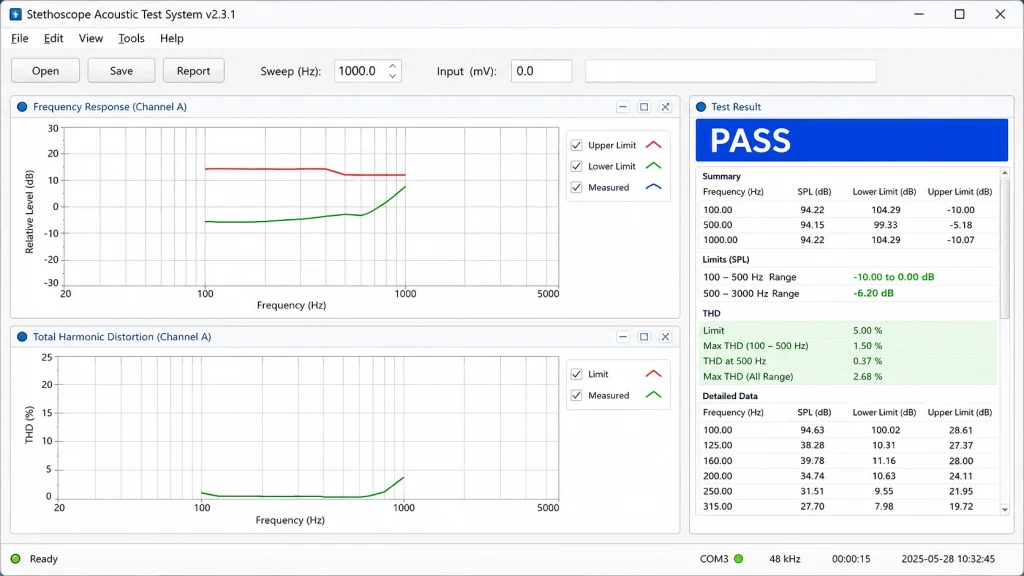
For traditional stethoscopes, the main test purpose is to evaluate sound transmission performance. The system measures the output level of the test sound source and the sound pressure level at the stethoscope earpiece side, then calculates the attenuation value.
- Sound attenuation curve testing
- Product design comparison
- Batch consistency inspection
- Incoming or outgoing quality control
- Acoustic transmission performance verification
Sound-Amplifying Stethoscope Testing
Sound-amplifying stethoscopes include electronic gain circuits, so their acoustic evaluation is more complex than that of passive traditional stethoscopes.
In addition to sound attenuation and output sound pressure level, the system can support harmonic distortion and equivalent input noise testing. An acoustic test box or anechoic room is recommended for stable and repeatable measurement.
Typical Applications