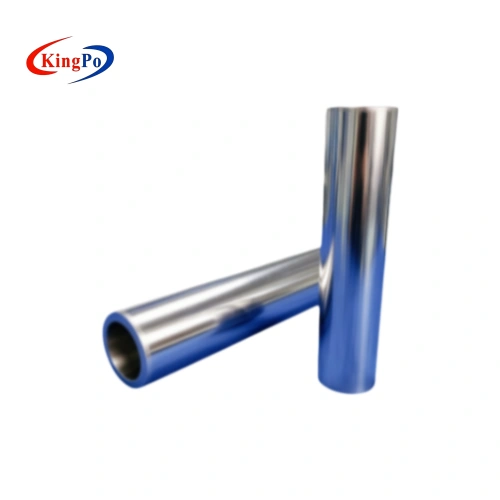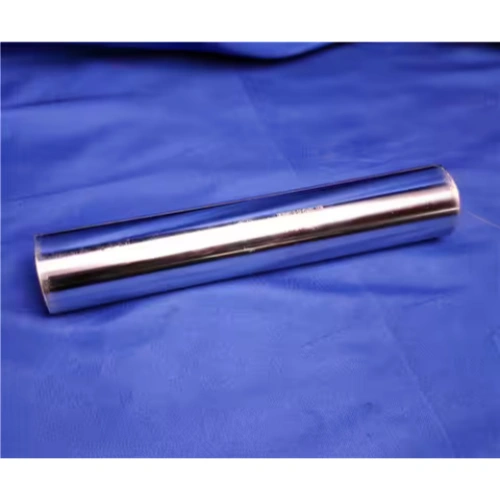
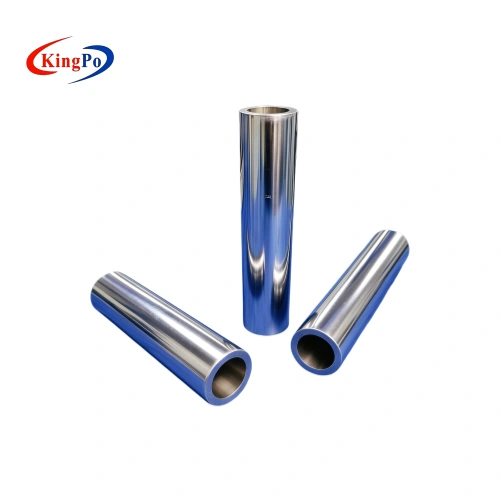
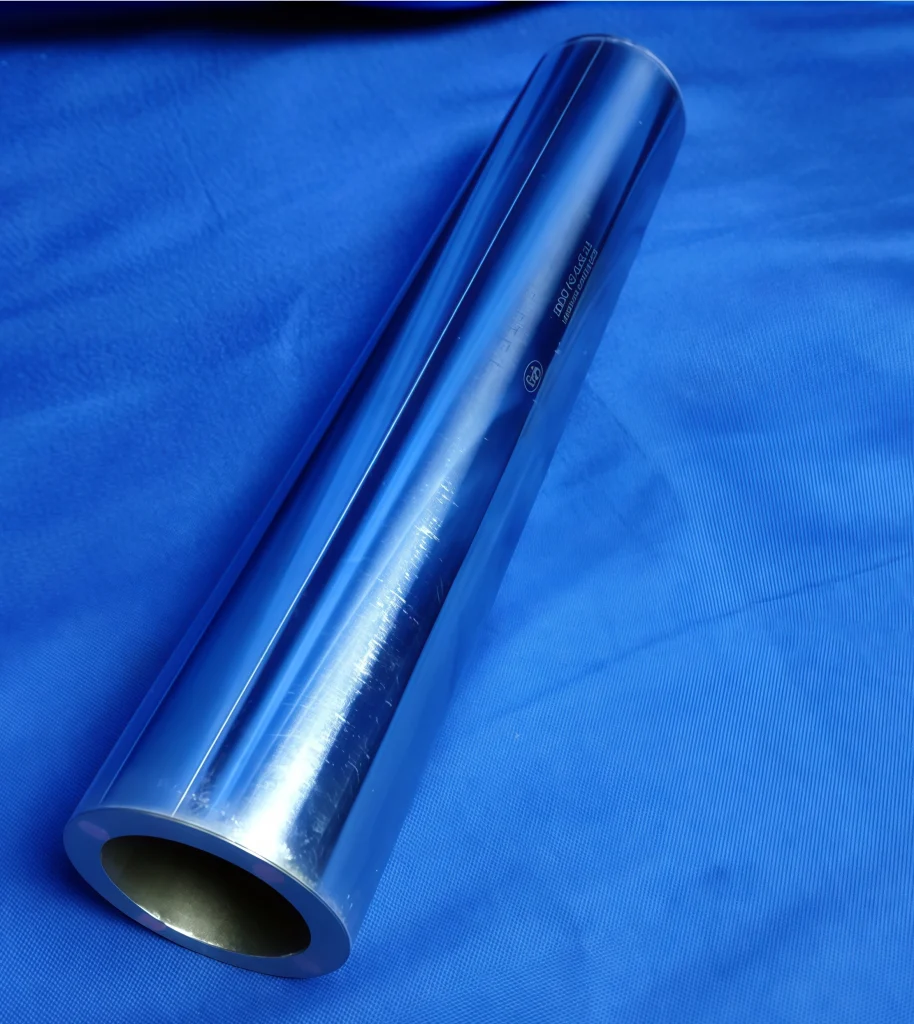
Detailed view of IEC 60601-2-52 Figure 201.103 b Cylinder Tool for medical bed safety testing
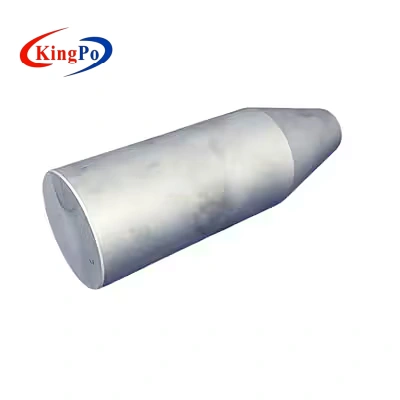
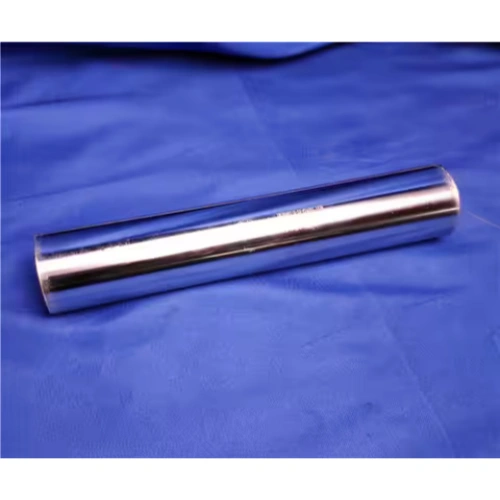
Side view of IEC 60601-2-52 Cylinder Tool with 318 mm length and precision steel construction
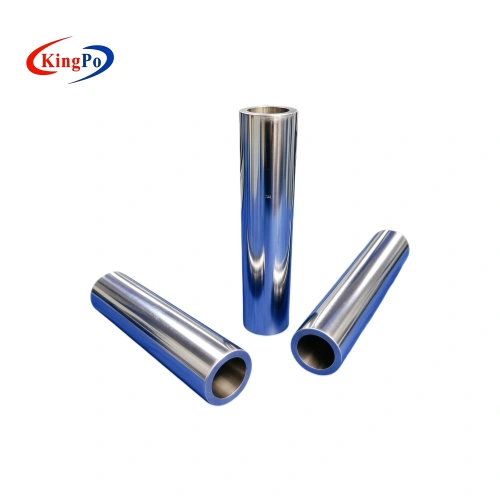
IEC 60601-2-52 Cylinder Tool for medical bed patient entrapment testing
Detailed view of IEC 60601-2-52 Figure 201.103 b Cylinder Tool for medical bed safety testing
Side view of IEC 60601-2-52 Cylinder Tool with 318 mm length and precision steel construction
IEC 60601-2-52 Cylinder Tool for medical bed patient entrapment testing

IEC 60601-2-52 Cylinder Tool | Figure 201.103 b Entrapment Test Tool

The IEC 60601-2-52 Cylinder Tool is a precision steel test fixture designed according to IEC 60601-2-52 Figure 201.103 b. It is used to assess potential patient entrapment gaps in medical beds by checking whether a patient’s head, neck, or body could pass through openings between the mattress, side rails, and other bed components.

  • Standard Compliance: Manufactured according to IEC 60601-2-52 Figure 201.103 b
  • Material: High-quality steel construction for durability and dimensional stability
  • Dimensions: Φ60 mm diameter × 318 mm length
  • Weight: 3.34 kg ± 0.05 kg with weight adjustment capability
  • Surface Finish: Surface roughness of 1.6 for consistent test performance
  • Design Features: Marked centre line and drilling hole for weight adjustment
  • MOQ: 1 set
  • Delivery Time: 15 working days

IEC 60601-2-52 Cylinder Tool | Figure 201.103 b Entrapment Test Tool Description

IEC60601-2-52 Entrapment Test Tools | Cylinder Tool

The IEC 60601-2-52 Cylinder Tool is used to determine whether the gaps in medical beds could allow a patient’s head, neck, or body to become entrapped. The cylinder is applied to various potential entrapment zones of the bed, such as between the mattress and side rails, headboard, or footboard, to verify compliance with safety requirements defined in IEC 60601-2-52.

This test tool helps medical bed manufacturers and testing laboratories identify and mitigate entrapment hazards. By using the precisely dimensioned cylinder, assessors can evaluate the effectiveness of bed design features, thereby supporting patient safety and regulatory compliance.

Technical Parameters

Parameter Specification Remark / Notes
Applicable Standard IEC 60601-2-52 Figure 201.103 b Entrapment test tool used for assessing patient safety in medical beds
Material Steel Provides high durability, dimensional stability, and long service life
Diameter Φ60 mm Standardized dimension for consistent entrapment gap evaluation
Length 318 mm Designed for effective testing of various bed component gaps
Weight 3.34 kg ± 0.05 kg Includes weight adjustment capability to maintain testing accuracy
Surface Roughness 1.6 Ensures consistent and repeatable contact during gap assessment
Design Features Marked centre line, weight adjustment hole Facilitates accurate positioning and repeatable test results
Construction Type Precision-machined solid steel cylinder Robust construction suitable for frequent laboratory and production use
Application Medical bed entrapment testing Used to evaluate gaps that may pose risks of patient head, neck, or limb entrapment
Manufacturing Tolerance High precision machining Ensures dimensional consistency and reliable test outcomes


Professional Construction & Technical Precision
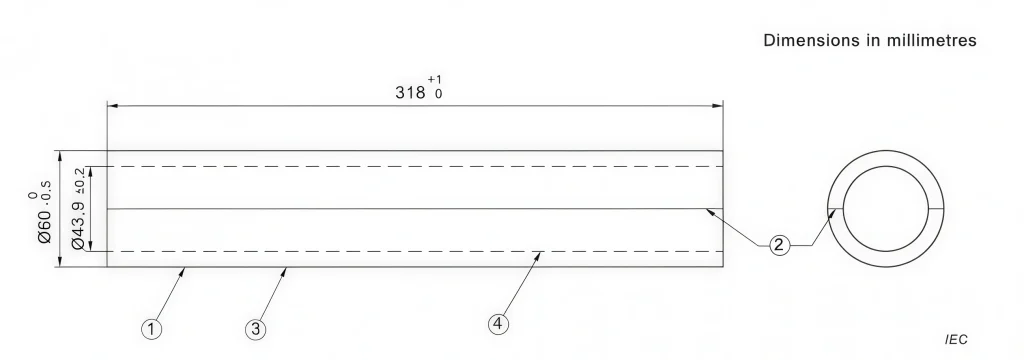
IEC 60601-2-52 Cylinder Tool | Figure 201.103 b Entrapment Test Tool

The IEC 60601-2-52 Cylinder Tool is manufactured from high-quality steel with precise dimensional control, including a diameter of Φ60 mm and a weight of 3.34 kg ± 0.05 kg. The tight manufacturing tolerances and surface roughness of 1.6 ensure consistent and reliable contact during testing.

The tool features a marked centre line and a drilling hole for weight adjustment, allowing users to maintain accuracy and repeatability across multiple tests. Its robust steel construction provides excellent durability, making it suitable for frequent use in laboratory and production environments.

Testing Principle

The IEC 60601-2-52 Cylinder Tool is used to physically assess potential patient entrapment zones in medical beds. The tool is applied to gaps between the mattress and side rails, as well as between the headboard, footboard, and other bed components. If the cylinder can pass through or become lodged in these gaps, it indicates a possible risk that a patient’s head, neck, or limbs could become entrapped.

This method provides a practical and repeatable approach to evaluate whether medical bed designs meet the entrapment prevention requirements specified in IEC 60601-2-52, helping manufacturers and testing laboratories ensure patient safety in clinical environments.

Common Error Mitigation

To obtain accurate and reliable test results, the following practices are recommended:

  • Ensure the cylinder tool is clean and free from damage or deformation before use.
  • Apply the tool consistently and in the correct orientation as defined by the test procedure.
  • Verify that the bed is properly assembled and the mattress is correctly positioned during testing.
  • Record test results clearly, including the specific locations tested and whether the cylinder passed through or became entrapped.
  • Regularly inspect the cylinder for wear, especially if used frequently in laboratory or production environments.

Applications & Use Cases
IEC 60601-2-52 Cylinder Tool | Figure 201.103 b Entrapment Test Tool

The IEC 60601-2-52 Cylinder Tool is used by medical bed manufacturers, testing laboratories, certification bodies, hospitals, and research institutions to evaluate patient entrapment risks in medical beds. It supports entrapment hazard assessment by checking gaps between the mattress, side rails, headboard, footboard, and other bed components in accordance with IEC 60601-2-52 Figure 201.103 b.

This test tool helps manufacturers during product design and development, enables laboratories to perform compliance testing, assists certification bodies in regulatory approval processes, and supports hospitals in safety verification of medical beds. It contributes to improved patient safety by identifying potential entrapment hazards in healthcare environments.
Calibration & Verification Support

This Cylinder Tool is designed and manufactured to meet the specifications defined in IEC 60601-2-52 Figure 201.103 b. It supports laboratories and manufacturers in evaluating medical bed designs for compliance with patient entrapment safety requirements.

Metrological Integrity & Validation

  • The cylinder dimensions and weight should be periodically verified to maintain testing accuracy.
  • Regular inspection for surface damage or deformation is recommended, especially with frequent use.
  • Proper care and storage help ensure consistent performance over time.

Download Product Documentation

Technical Inquiry & Expert Support

KingPo supplies IEC 60601-2-52 Cylinder Tools for medical bed safety evaluation. Our team can provide guidance on proper use and integration into medical bed testing procedures. For technical specifications or quotations, please contact us.

The Core Value We Deliver

  • Precision-manufactured Cylinder Tool compliant with IEC 60601-2-52 Figure 201.103 b
  • Supports reliable evaluation of patient entrapment risks in medical beds
  • Suitable for manufacturers, testing laboratories, and certification bodies
  • Robust steel construction with practical design features for ease of use
  • Technical support for equipment application and standard compliance

IEC 60601-2-52 Cylinder Tool | Figure 201.103 b Entrapment Test Tool

Cylinder Tool IEC 60601-2-52 FAQs

What is the IEC 60601-2-52 Cylinder Tool used for?
The IEC 60601-2-52 Cylinder Tool is used to evaluate potential patient entrapment risks in medical beds. It helps determine whether gaps between the mattress, side rails, headboard, and footboard are small enough to prevent a patient’s head, neck, or limbs from becoming entrapped.
Which standard does this Cylinder Tool comply with?
This tool is designed and manufactured in accordance with IEC 60601-2-52 Figure 201.103 b, which specifies the requirements for entrapment test tools used in medical bed safety evaluation.
What are the dimensions of the IEC 60601-2-52 Cylinder Tool?
The tool has a diameter of Φ60 mm and a length of 318 mm. It weighs 3.34 kg ± 0.05 kg and includes a weight adjustment feature for maintaining testing accuracy.
How is the Cylinder Tool used during medical bed testing?
The tool is physically applied to various gaps in a medical bed. If the cylinder can pass through or become lodged in a gap, it indicates a potential entrapment hazard that may not meet the safety requirements of IEC 60601-2-52.
What does it mean if the cylinder passes through a gap?
If the cylinder can pass through a gap, it suggests that the opening may be large enough for a patient’s head, neck, or limbs to become entrapped, indicating a potential safety risk that requires design improvement.
Who typically uses the IEC 60601-2-52 Cylinder Tool?
It is commonly used by medical bed manufacturers, testing laboratories, certification bodies, hospitals, and research institutions involved in medical equipment safety evaluation and compliance testing.
Why is patient entrapment testing important for medical beds?
Patient entrapment testing helps identify design risks that could lead to serious injury or death. It supports compliance with IEC 60601-2-52 and helps manufacturers improve bed safety for patients in hospitals and care facilities.
Can the weight of the Cylinder Tool be adjusted?
Yes. The tool includes a drilling hole for weight adjustment, allowing users to fine-tune the weight to maintain testing accuracy and consistency across different test conditions.
How should the Cylinder Tool be maintained?
The tool should be kept clean, inspected regularly for surface damage or deformation, and stored properly to maintain its dimensional accuracy and ensure reliable test results over time.
Is this tool suitable for all types of medical beds?
Yes. The IEC 60601-2-52 Cylinder Tool can be used to assess entrapment risks in various types of medical beds, including hospital beds, nursing home beds, and other electrically operated medical beds.

Related Products

Related News

IEC 60601-2-34 Figure 202.103 sets strict test standards for high-frequency surgery protection, ensuring patient safety and reliable device performance.
ISO 18193 Figure C.2 Vascular Model ensures precise, compliant testing of dual lumen cannulae by simulating human vascular anatomy for reliable results.
IP ratings and IEC 60529 standard define equipment protection against dust and water, ensuring safety, compliance, and suitability for diverse environments.

In the field of environmental reliability testing for electrical, electronic, and electromechanical products, the IEC 60068 series of standards provides […]

Thermal shock testing exposes products to rapid temperature changes to reveal weaknesses, ensuring reliability and safety in demanding environments.
Environmental test chamber solutions boost product reliability by simulating real-world stress, identifying weaknesses, and ensuring consistent performance.
An Environmental Test Chamber simulates temperature, humidity, and other conditions to test product durability, safety, and performance before market release.

Dynamic Compensation Implementation for High-Frequency Electrosurgical Unit Testing Using High-Frequency LCR or Network Analyzers Above MHz Shan Chao1, Qiang Xiaolong2, […]

Scroll to Top

Get A Free Quote Now !

Contact Form
If you have any questions, please do not hesitate to contact us.