Guide to IPX8 Water Immersion Testing

Table of Contents

Guide to IPX8 Water Immersion Testing
Guide to IPX8 Water Immersion Testing 5

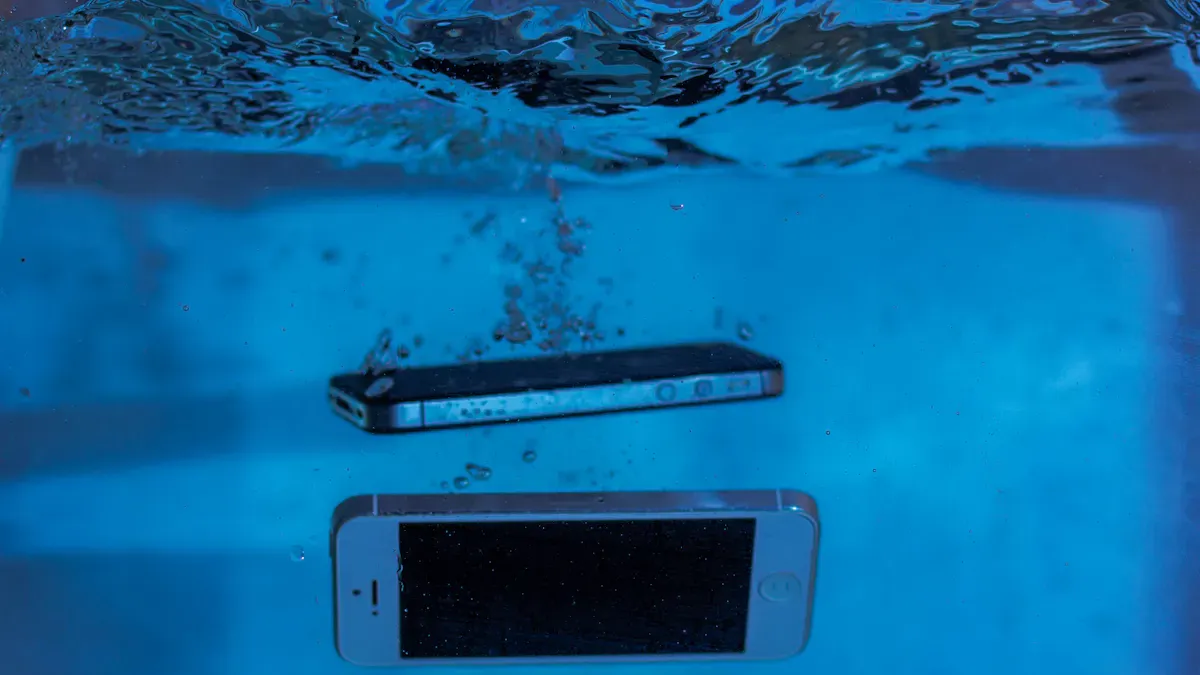
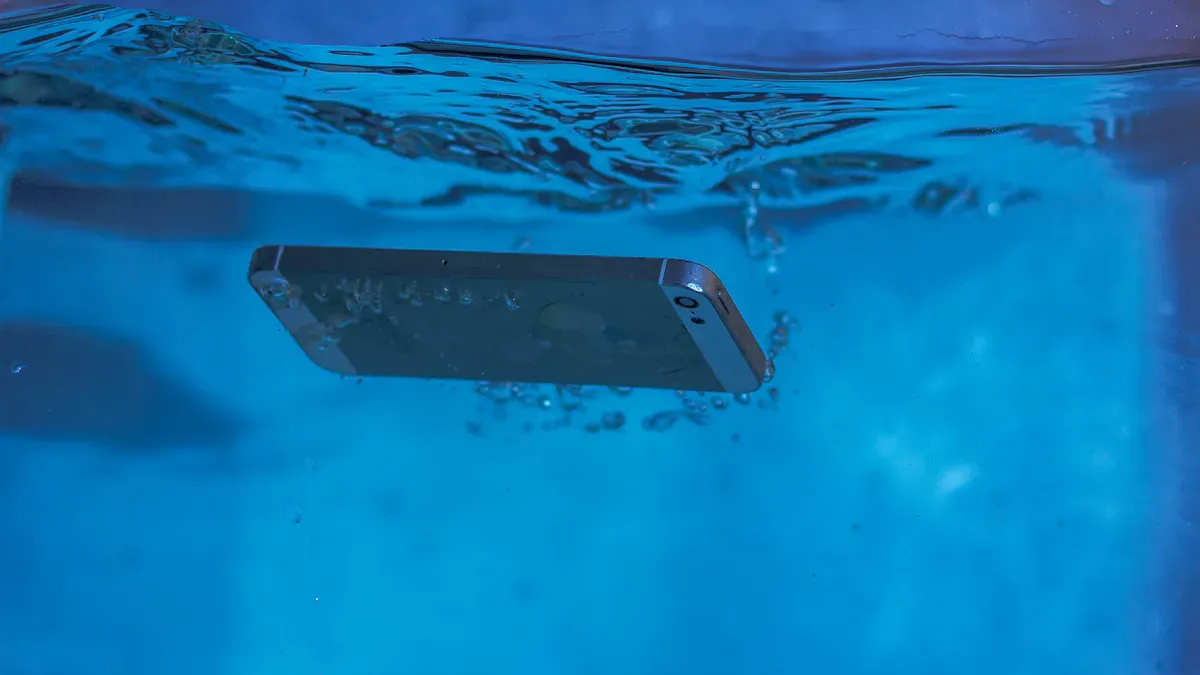
I see IPX8 water immersion testing as a benchmark for ensuring that products can withstand continuous submersion in water without performance loss. This type of test goes beyond temporary immersion and demands a higher level of protection. When I compare IPX7 and IPX8, I notice a clear difference in the depth and duration of water exposure required. The table below summarizes these standards:

Standard

Definition

Requirements

IPX7

Immersion in up to one meter of water

No harmful quantities of water ingress under defined conditions of pressure and time.

IPX8

Immersion in over one meter of water

Suitable for continuous immersion under specific conditions set by the manufacturer. Equipment is typically hermetically sealed, with any liquid intrusion producing no harmful effects.

I rely on international standards like IEC 60529 and ISO 20653 to guide each test and ensure compliance for every ipx8 waterproof product.

Key Takeaways

  • IPX8 testing ensures products can handle continuous water immersion without damage.

  • The difference between IPX7 and IPX8 lies in immersion depth and duration; IPX8 requires more rigorous testing.

  • Use international standards like IEC 60529 to guide testing and ensure compliance.

  • Regular testing during product development helps identify weaknesses and improve reliability.

  • Accurate documentation of test results is crucial for certification and traceability.

  • Choose the right testing equipment based on product size and required pressure for accurate results.

  • Operator training is essential for maintaining high testing standards and safety.

  • Integrating water resistance features early in product design saves time and costs in the long run.

IPX8 Waterproof Standards

What Is IPX8 Waterproof?

When I evaluate the ipx8 waterproof classification, I see it as the highest level of ingress protection testing for water resistance in consumer and industrial products. This rating means a device can withstand continuous immersion in water, far beyond what most everyday items encounter. I always check that the device is designed for underwater environments and meets strict technical and construction standards. The manufacturer must specify the exact depth and duration for the test, which usually exceeds one meter and can last for hours or even days.

For a product to achieve ipx8 waterproof status, I follow these steps during ingress protection testing:

  1. I place the device in its normal operating state and submerge it completely at the specified depth.

  2. I set the immersion depth according to the manufacturer’s claims, always exceeding one meter.

  3. I program the test duration, which can range from 30 minutes to several hours or more.

  4. After removing the device from water, I inspect it for any signs of water ingress.

  5. I test the device to confirm it functions normally after immersion.

  6. I check for any water penetration that could damage internal components.

If the device passes all these steps, I consider it to have robust waterproof capabilities and resistance to water ingress. This process ensures the product can perform reliably in challenging environments, such as marine, automotive, or outdoor applications.

IPX8 vs IPX7

I often compare ipx7 and ipx8 ratings to determine the right level of ingress protection testing for a product. Both ratings focus on water ingress, but their requirements differ significantly. Here is a quick comparison:

Feature

IPX7

IPX8

Immersion Depth

Up to 1 meter

Beyond 1 meter (manufacturer specifies)

Duration

30 minutes

Continuous (manufacturer specifies)

Application

Everyday water exposure

Demanding, long-term underwater environments

Test Criteria

Temporary immersion

Continuous immersion, higher pressure possible

Typical Use Cases

Phones, wearables, small electronics

Diving gear, marine sensors, outdoor enclosures

I use ipx7 and ipx8 ingress protection testing to match the product’s intended environment. For example, ipx7 allows immersion up to one meter for 30 minutes, which suits most consumer electronics. In contrast, ipx8 supports continuous immersion at greater depths, making it essential for products used in harsh or submerged conditions. The ip x7 x8 distinction helps me select the right standard for each application.

Standards: IEC 60529 & ISO 20653

I rely on international standards to guide every ingress protection testing process. IEC 60529 and ISO 20653 are the two main standards for ip x7 x8 water ingress testing. IEC 60529 applies to a wide range of industries, while ISO 20653 focuses on automotive applications. Both standards define the requirements for water ingress, resistance, and test methods, but they differ in scope and additional codes.

Here is a comparison of the two standards:

Aspect

ISO 20653

IEC 60529

Scope

Primarily for automotive industry

Broader application across multiple sectors

Additional Protection Levels

No additional special codes

Includes extra codes for access prevention and more

Test Methods

Varies based on automotive requirements

Varies based on diverse industry-specific needs

When I conduct ingress protection testing, I always reference iec 60529 for its comprehensive approach to water ingress and resistance. This standard ensures that products meet the highest requirements for ipx7 and ipx8 waterproof performance. ISO 20653 provides additional guidance for automotive engineers, especially when testing components exposed to water, mud, or other harsh elements.

The significance of these standards extends beyond compliance. I see them as essential tools for reducing field failure rates, strengthening brand reputation, and ensuring that products deliver reliable water resistance in real-world conditions. By following iec 60529 and ISO 20653, I help manufacturers, engineers, and consumers share a common understanding of what ipx8 waterproof means.

Tip: Always verify that your product’s ingress protection testing matches the intended application and environment. This step ensures long-term durability and customer satisfaction.

Why IPX8 Testing Matters

Product Reliability

I always prioritize product reliability when I conduct ipx8 testing. I know that water can cause serious damage to electronics, so I use this test to confirm that devices can withstand continuous immersion. When I see a device pass the test with no water ingress, I know the sealing is effective. If a device fails, I investigate the root cause, often finding issues like faulty O-rings or weak seals. This process helps me improve the design and materials, which increases reliability and reduces water damage risks.

I use ipx8 testing throughout research and development, reliability checks, and quality control. This approach allows me to validate waterproof performance before products reach the market. I have seen how this testing prevents costly recalls and builds consumer trust, especially for smartphones and smartwatches that face water exposure daily.

  • Successful tests show no water ingress, proving strong water resistance.

  • Failures reveal weak points, leading to better designs and materials.

  • Regular testing during development and production ensures consistent quality.

  • Manufacturers can confidently market their products as ipx8 waterproof.

Compliance & Certification

I understand that regulatory compliance is essential for any product that claims water resistance. I follow strict standards like IEC 60529 to assign accurate ingress ratings. I also consider regional requirements, such as CE marking in Europe or UL certification in North America. Each market has its own rules, so I document every test in accredited labs to meet these demands.

Here is a table that summarizes key compliance requirements for waterproof products:

Compliance Requirement

Description

Regulatory Compliance

Meet FCC standards for wireless devices to avoid legal issues and market restrictions.

Waterproof Certification

Obtain and label IPX ratings to show water resistance, which builds consumer trust.

Environmental Regulations

Follow RoHS and WEEE rules for hazardous substances and electronic waste.

Safety Standards

Ensure battery safety to prevent overheating or leaks.

Labeling and Transparency

Clearly communicate product capabilities and certifications to reduce liability.

I always make sure my products comply with IEC 60529 for ingress protection. I also adapt to local rules, such as CE, UL, or Asian market standards. I keep detailed records of every test to support certification and protect my brand.

  • Compliance with IEC 60529 is required for accurate ingress ratings.

  • Regional certifications like CE and UL are necessary for market access.

  • Accredited labs must document all testing procedures.

Industry Use Cases

I see ipx8 waterproof testing as essential in many industries. In consumer electronics, I test smartphones and smartwatches to prevent water damage from daily use. In automotive and transportation, I check sensors and connectors that face rain, splashes, or even submersion. Industrial sensors and controls must work in wet environments, so I use this test to confirm their reliability.

Marine and outdoor equipment, such as underwater cameras, navigation systems, and lighting, require high water resistance. I also test medical devices that need to withstand fluid exposure. In each case, I use the test to ensure the product can handle real-world conditions without suffering water damage.

  • Consumer electronics: smartphones, smartwatches, and wearables

  • Automotive: sensors, connectors, and modules exposed to water

  • Industrial: sensors and controls in wet environments

  • Marine: underwater cameras, navigation systems, and lighting

  • Medical: devices that must tolerate fluid exposure

I rely on ipx8 testing to prevent water ingress and water damage, which protects both the product and the user. This approach supports safety, reliability, and regulatory compliance across all major industries.

IPX8 Pressurized Water Immersion Test Equipment

IPX8 Pressurized Water Immersion Test Equipment
Guide to IPX8 Water Immersion Testing 6

Equipment Overview

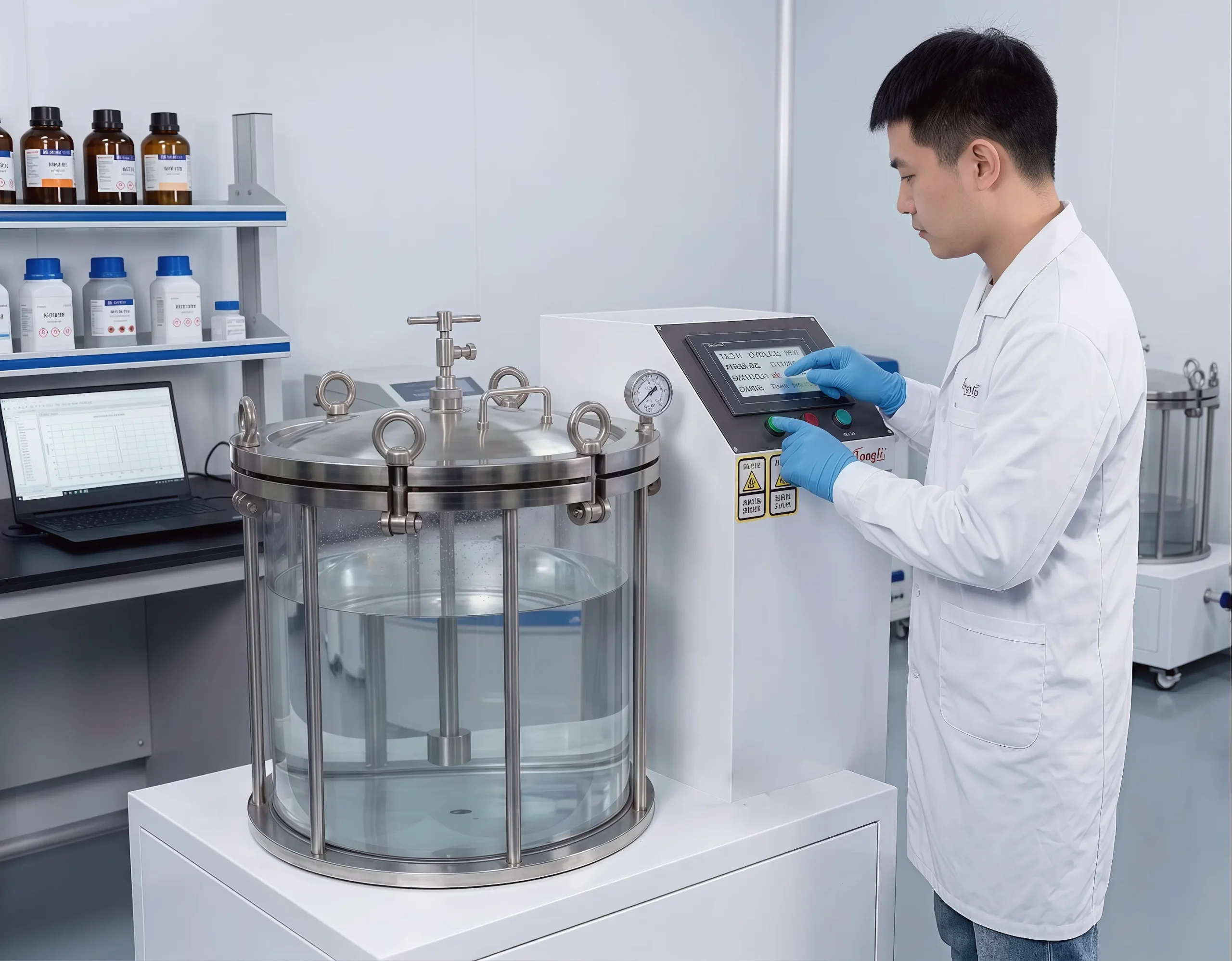
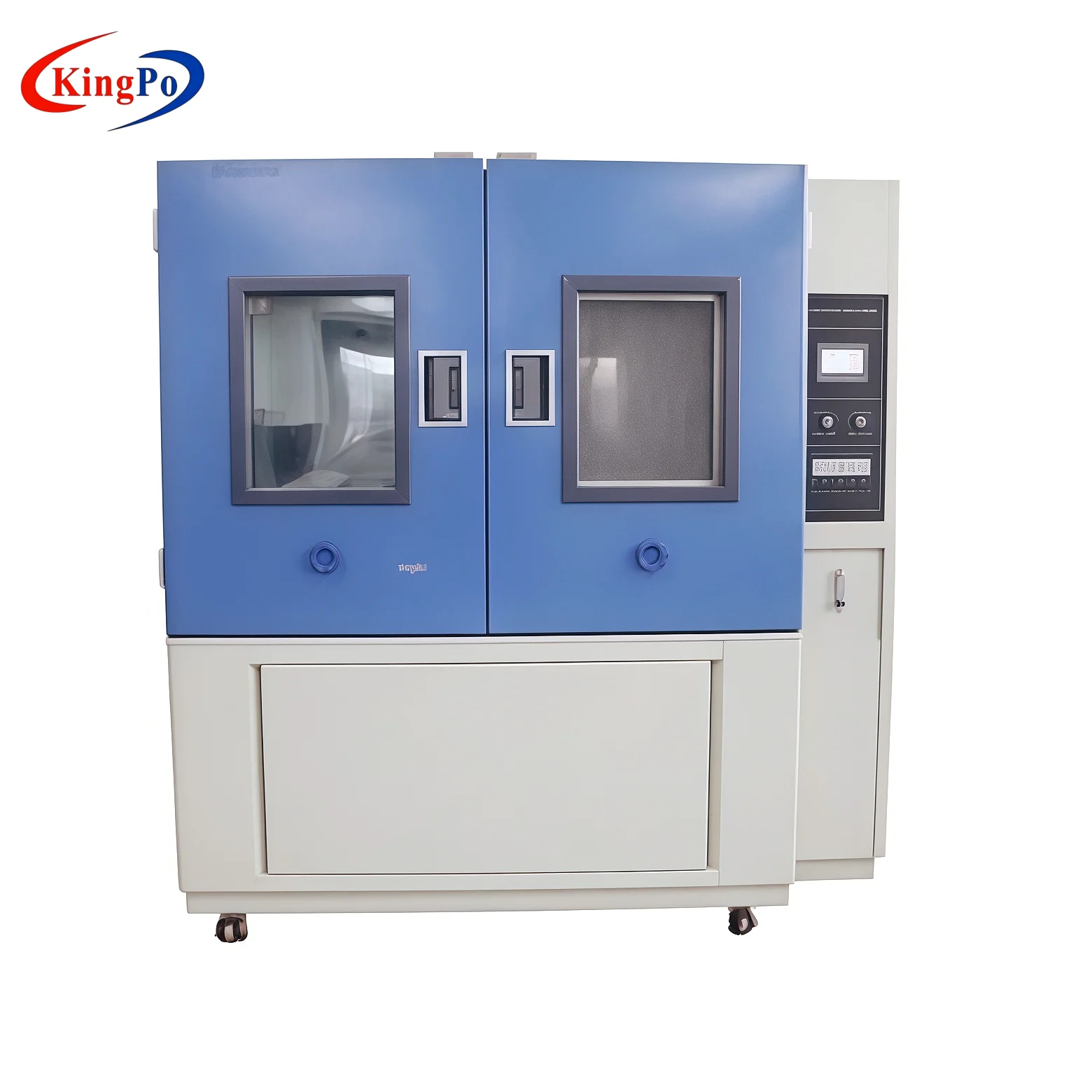
When I conduct a pressurized immersion test for IPX8, I rely on specialized equipment designed for accuracy and safety. The core of this setup is the IPX8 pressurized water immersion test equipment. This system uses a high-precision SUS304 stainless steel tank, which resists corrosion and is easy to clean. I appreciate the manual pressure adjustment feature, which allows me to set the exact conditions required for each test. The equipment includes a reliable pressure gauge and a programmable timer, so I can control both the depth and duration of immersion. I find the inlet and drain valves make water management simple, and the movable wheels help me position the chamber wherever I need it in the lab. Trusted electronic components ensure the system operates reliably during every pressurized immersion test.

Note: I always check that the equipment meets IEC 60529 and ISO 20653 standards before starting any ingress testing.

Technical Specifications Table

Parameter

Specification

Notes

Tank Material

SUS304 Stainless Steel

Corrosion-resistant, durable

Pressure Range

0–0.3 / 0–0.5 / 0–1 / 0–3 MPa

Selectable for various tests

Tank Size

Ø600 × H1000 mm / Ø1000 × H1500 mm

Custom sizes available

Test Duration

0–99 h 59 min

Programmable timer

Water Level Display

Graduation scale + transparent pipe

Real-time monitoring

Safety Features

Over-pressure valve, emergency stop

Operator protection

Control System

Digital gauge + PLC timer

Accurate, repeatable results

Key Features & Parameters

Pressure Range & Depth

I select the pressure range based on the product’s intended use. The IPX8 pressurized water immersion test equipment can simulate depths up to 30 meters, which equals 0.3 MPa. This flexibility lets me test everything from shallow-water electronics to deep-sea sensors. I adjust the pressure to match the manufacturer’s ingress requirements, ensuring the test reflects real-world conditions.

Tank Material & Size

The tank’s construction matters for both safety and performance. I use SUS304 stainless steel tanks with wall thicknesses of 3–5 mm. This material resists corrosion and handles high pressure without deforming. I choose the tank size based on the product dimensions. For small devices, a compact chamber works best. For larger assemblies, I use a bigger tank to ensure full immersion during the pressurized immersion test.

Safety & Control Systems

Safety is always my top priority. The IPX8 pressurized water immersion test equipment includes over-pressure relief valves and emergency stop buttons. The digital control system allows me to set precise parameters and monitor the test in real time. I rely on these features to protect both the operator and the product during every pressurized immersion test.

Equipment Selection Tips

When I select IPX8 pressurized water immersion test equipment, I consider several factors:

  • Product size and shape: I match the tank size to the largest item I plan to test.

  • Required pressure range: I ensure the equipment can reach the necessary depth for my application.

  • Compliance: I verify that the system meets IEC 60529 and ISO 20653 ingress standards.

  • Safety features: I look for over-pressure valves, emergency stops, and reliable electronic controls.

  • Portability: I prefer equipment with wheels for easy movement in the lab.

Application Comparison Table

Application Scenario

Recommended Pressure Range

Typical Tank Size

Example Products

Consumer Electronics

0–0.3 MPa

Ø600 × H1000 mm

Smartwatches, earbuds

Automotive Sensors

0–1 MPa

Ø1000 × H1500 mm

Connectors, control modules

Marine Equipment

0–3 MPa

Custom large tank

Underwater lights, cameras

Tip: I always choose equipment that can handle my most demanding test scenario. This approach ensures I am ready for any ingress testing challenge.

Immersion Water Tests Procedure

Immersion Water Tests Procedure
Guide to IPX8 Water Immersion Testing 7

Pre-Test Preparation

Sample Inspection

I always begin the immersion water tests with a thorough inspection of each sample. I check for any visible defects, cracks, or irregularities on the enclosure. I pay close attention to seals, gaskets, and joints. These areas often represent the weakest points during water immersion testing. I confirm that all components are assembled according to the manufacturer’s guidelines. If I find any damage or improper assembly, I reject the sample before starting the ipx8 test. This step ensures that only products in optimal condition proceed to the next stage.

Setting Parameters

Next, I set the parameters for the immersion testing procedure. I determine the required water depth and pressure based on the product’s intended application and the manufacturer’s specifications. For IPX8, I often simulate immersion at depths greater than one meter, sometimes up to 30 meters. I use the programmable control system to set the exact test duration, which can range from several minutes to many hours. I always verify that the pressure and time settings match the requirements outlined in IEC 60529 or ISO 20653. Accurate parameter setting is essential for repeatable and traceable results.

Equipment Setup

I prepare the test chamber before starting the immersion. I select the appropriate tank size based on the sample dimensions. I use a stainless steel chamber with a transparent water level pipe for real-time monitoring. I check that the pressure relief valve and emergency stop function correctly. I calibrate the digital pressure gauge and timer to ensure precise control during the test. I fill the chamber with clean water, making sure the water level matches the graduation scale. I also inspect the lifting basket for secure sample placement.

Tip: I always compare different test chamber models to match my testing needs. The table below helps me select the right equipment for each application.

Feature

KP-IP78-500

KP-IP78-1000

Typical Use Case

Tank Size

Ø600 × H1000 mm

Ø1000 × H1500 mm

Small electronics, automotive

Max Pressure

0–3 MPa

0–3 MPa

Deep immersion, marine devices

Basket Capacity

Up to 50 kg

Up to 50 kg

Batch testing

Water Level Display

Transparent pipe + scale

Transparent pipe + scale

Real-time monitoring

Portability

High

Moderate

Lab flexibility

I use this comparison to ensure I select the chamber that best fits the product size, required pressure, and test scenario.

Conducting IPX8 Testing

Immersion Process

I start the immersion testing procedure by packaging the sample according to IPX8 requirements. I make sure all seals are intact and secure. I place the sample in the lifting basket and lower it into the water-filled chamber. I close the chamber and initiate the pressurization system. I adjust the pressure to simulate the specified immersion depth. I monitor the chamber for any leaks or abnormal sounds. I always ensure a tight connection to prevent water leakage during the test.

Monitoring & Timing

I rely on the digital control system to track the test duration and maintain stable pressure. I observe the water level and pressure readings throughout the immersion. I check the sample periodically for any visible changes or movement. I use the programmable timer to ensure the test runs for the exact duration required by the standard. When the test ends, I slowly release the pressure and drain the water. I remove the sample carefully to avoid introducing any external moisture.

Note: Accurate monitoring and timing are critical for valid results. I always document the start and end times, pressure levels, and any observations during the test.

By following these steps, I ensure that every immersion water test delivers reliable, repeatable, and traceable results. This immersion testing procedure forms the foundation for product certification and long-term reliability.

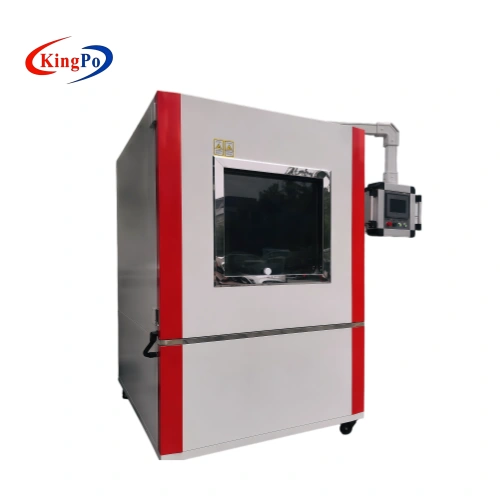
Water Immersion Test Chamber – KingPo IEC60529 Compliant Equipment for Diving Equipment and Outdoor Electrical Enclosures
Water Immersion Test Chamber 

Post-Test Evaluation

Visual & Functional Checks

After I complete the immersion test, I always begin with a thorough visual inspection. I dry the sample carefully and examine every surface, seam, and joint. I look for any signs of water droplets, condensation, or discoloration inside the enclosure. I pay special attention to areas around gaskets, connectors, and seals, since these are common points of failure. If I see any evidence of water ingress, I document the location and extent immediately.

Next, I perform functional checks. I power on the device and test all its features. I verify that displays, buttons, sensors, and communication ports operate as expected. If the product includes wireless functions or battery-powered systems, I check those as well. My goal is to confirm that the device works exactly as it did before the test, with no loss of performance or safety.

Tip: I always compare the device’s post-test condition to its pre-test state. This helps me identify even minor changes that could affect long-term reliability.

Here is a table I use to summarize the main criteria for evaluating IPX8 test results:

Criteria

Description

Typical Pass Condition

Depth

Continuous immersion, usually beyond 1 meter

No water ingress at specified depth

Duration

Defined by manufacturer and laboratory (e.g., 2 m for 4 hours)

No harmful effects after full period

Visual Check

Inspection for water, condensation, or corrosion

No visible water or damage

Functional Check

Operation of all features and safety systems

All functions normal

I use this approach to ensure that every product meets the strict requirements of IEC 60529 and ISO 20653. If a device passes both visual and functional checks, I consider it compliant with IPX8 standards.

Data Recording

Accurate data recording is essential for traceability and certification. I follow a structured process to document every step of the test:

  1. I prepare the sample and confirm all ports and seals are secure.

  2. I calibrate the test equipment, verifying pressure, depth, and timing.

  3. I record the exact parameters used for the test, including water temperature, pressure, and duration.

  4. I note any observations during the test, such as pressure fluctuations or unexpected events.

  5. After the test, I document the results of visual and functional checks.

  6. I compile all data into a formal test report, including photographs and measurement logs.

Note: I always keep detailed records for every test. This practice supports compliance with IEC 60529 and ISO 20653, and provides clear evidence for certification bodies or customers.

I use digital templates to standardize my reports. This ensures consistency and makes it easy to compare results across different products or test cycles. I also back up all data securely, so I can retrieve it for audits or future analysis.

Key Steps for Reliable IPX8 Test Documentation:

  • Prepare and secure the sample before testing.

  • Calibrate all equipment and verify settings.

  • Record all test parameters and environmental conditions.

  • Document visual and functional results immediately after testing.

  • Store reports and data in a traceable, organized system.

By following these steps, I maintain the highest standards of accuracy and reliability in every IPX8 water immersion test.

Interpreting IPX8 Testing Results

Pass/Fail Criteria

When I interpret the results of an IPX8 water ingress test, I always start with the official criteria from IEC 60529. This standard requires continuous immersion under conditions that I set with the manufacturer and customer. These conditions include immersion depth, test duration, water pressure, and temperature. I know that the term “continuous” means the product must withstand long periods underwater, sometimes up to 24 hours or even 7 days. The product passes if it shows no harmful effects from water after the test. I check for any sign of water inside the enclosure and confirm that all functions work as expected. If the device operates normally and there is no evidence of water ingress, I consider it to have strong water ingress resistance.

Tip: I always document the exact test parameters and compare them to the manufacturer’s claims. This step ensures the test matches real-world use.

Common Failures

During testing, I often see several types of failures. The most common issue is water entering through weak seals or gaskets. Sometimes, I find condensation inside the device, which can damage electronics over time. Cracks in the housing or poor assembly can also let water in. I have seen failures where connectors or buttons do not seal properly, leading to water damage. In some cases, the device works at first but fails after several hours underwater. I always record these failures and look for patterns that might point to design flaws.

Here are the most frequent failure points I observe:

  • Seals and gaskets that do not hold under pressure

  • Cracks or gaps in the enclosure

  • Poorly sealed connectors or buttons

  • Internal condensation after long immersion

When I find these issues, I recommend design changes or better assembly methods to improve water ingress resistance.

Reporting & Documentation

Accurate reporting is a key part of every water ingress test. I keep detailed records of each test, including the sample’s condition before and after immersion. I note the exact water depth, pressure, temperature, and test duration. I use photos and checklists to document visual inspections and functional checks. I always include a summary table in my report to make the results easy to review.

Test Parameter

Value Recorded

Pass/Fail Criteria

Result

Immersion Depth

2 meters

No water ingress allowed

Pass

Test Duration

24 hours

No harmful effects

Pass

Water Temperature

20°C

As specified

Pass

Functional Check

All features normal

Full operation required

Pass

I store all reports in a secure system for traceability. This practice helps with certification and supports future product improvements. I always share clear, organized results with my team and customers.

Note: Good documentation not only proves compliance but also builds trust with clients and regulatory bodies.

Best Practices for IPX8 Testing

Ensuring Accuracy

I always focus on accuracy when I perform an IPX8 test. I start by calibrating all instruments before each session. I check the pressure sensors and timers against certified reference devices. This step helps me avoid measurement drift and ensures that every reading reflects the true conditions inside the chamber. I also verify the water temperature and purity, since impurities or temperature changes can affect the results. I use only distilled water to prevent mineral buildup on the equipment and the samples.

I follow the IEC 60529 standard closely. I document every parameter, including immersion depth, pressure, and duration. I double-check the sample’s placement in the chamber to ensure full exposure to water. I always record the start and end times of each test. This careful approach gives me confidence in the reliability of my results.

Tip: I recommend using a digital logbook to track calibration dates and test parameters. This practice supports traceability and helps with audits.

Avoiding Errors

I have learned that small mistakes can lead to inaccurate results or even damage to the product. I always inspect the sample for defects before starting the test. I make sure all seals and gaskets are intact. I confirm that the chamber is clean and free of debris. I never rush the setup process. I check that the pressure relief valve and emergency stop work properly before each run.

During the test, I monitor the chamber for leaks or abnormal noises. I watch the pressure and water level closely. If I notice anything unusual, I pause the test and investigate. I also avoid overloading the chamber, as this can affect water circulation and pressure distribution.

Note: Consistent procedures and careful observation help me catch errors early and maintain high-quality testing standards.

Equipment Maintenance

Regular maintenance keeps my equipment reliable and extends its service life. I follow a strict schedule for cleaning, inspection, and calibration. I drain and clean the tank after each series of tests to prevent residue buildup. I inspect seals, valves, and sensors for wear or damage. I replace any worn parts immediately.

Here is the maintenance checklist I use for my IPX8 water immersion test equipment:

Maintenance Task

Frequency

Notes

Clean tank and basket

After each use

Use distilled water only

Inspect seals and gaskets

Weekly

Replace if cracked or worn

Calibrate pressure sensors

Monthly

Use certified reference device

Check emergency stop

Before each test

Ensure proper function

Drain and dry chamber

After each use

Prevent corrosion and residue

Review control software

Quarterly

Update firmware if needed

I keep detailed records of all maintenance activities. This habit helps me spot trends and address issues before they cause failures. Well-maintained equipment ensures that every test delivers accurate and repeatable results.

Tip: I recommend scheduling regular training for all operators on maintenance procedures. This step reduces downtime and supports consistent water ingress testing performance.

Operator Training

I believe operator training is the foundation of reliable IPX8 water immersion testing. Even the best equipment cannot deliver accurate results without skilled and knowledgeable operators. I always invest time in comprehensive training programs for every technician who handles IPX8 test chambers. This approach ensures that each test follows IEC 60529 and ISO 20653 standards precisely.

I start by teaching the basics of ingress protection and the significance of IPX8 ratings. I explain the difference between temporary and continuous immersion, and why pressure control matters. I show operators how to set up the test chamber, calibrate sensors, and program the timer. I also cover safety protocols, such as using emergency stops and checking over-pressure valves before each test.

Tip: I recommend hands-on practice with real samples. This method helps operators gain confidence and understand the nuances of each test scenario.

I focus on four core skills during operator training:

  • Equipment Setup: I teach operators to select the correct tank size, adjust pressure, and verify water levels.

  • Parameter Programming: I show how to set immersion depth, duration, and pressure according to the product’s requirements.

  • Monitoring and Troubleshooting: I train operators to watch for leaks, abnormal sounds, or pressure drops during the test.

  • Data Recording: I emphasize the importance of accurate documentation for traceability and certification.

I also encourage ongoing education. I schedule refresher courses every six months to keep everyone updated on the latest standards and equipment upgrades. I use checklists and quick-reference guides to reinforce best practices.

To highlight the value of operator training, I compare the outcomes of tests performed by trained and untrained personnel:

Aspect

Trained Operator

Untrained Operator

Test Accuracy

High, consistent results

Inconsistent, error-prone

Safety Compliance

Follows all protocols

May overlook safety steps

Equipment Handling

Proper setup and calibration

Risk of misuse or damage

Data Documentation

Complete and traceable records

Incomplete or missing records

Standards Compliance

Meets IEC 60529, ISO 20653

May fail to meet requirements

I have seen that well-trained operators reduce the risk of test failures, equipment damage, and safety incidents. They also help maintain certification and support continuous improvement in product quality.

Note: I always make operator training a priority in my lab. This investment pays off with reliable results, safer operations, and stronger compliance with international standards.

Implementing IPX8 Testing in Product Development

Design Integration

When I begin developing a new product that requires IPX8 protection, I integrate water resistance into the design from the earliest stages. I select materials and sealing methods that can withstand continuous immersion. I pay close attention to gaskets, O-rings, and enclosure joints. I always reference IEC 60529 and ISO 20653 to ensure my design meets the correct standards. I use simulation tools to predict how water will interact with the product. I also create prototypes and perform preliminary test cycles to identify weak points before moving to full-scale production.

Tip: Early integration of water resistance features reduces costly redesigns and speeds up certification.

Here is a comparison table I use when selecting design features for water-resistant products:

Feature

My Approach (IPX8)

Typical Competitor Approach

Seal Material

High-grade silicone

Standard rubber

Enclosure Thickness

3–5 mm stainless steel

2 mm plastic

Pressure Rating

Up to 3 MPa

Up to 1 MPa

Testing Standard

IEC 60529, ISO 20653

IEC 60529 only

Working with Labs

I collaborate closely with accredited laboratories during the product development process. I select labs that have experience with IPX8 water immersion test procedures and that follow IEC 60529 and ISO 20653. I provide detailed product specifications and intended use cases to the lab. I review their test protocols to ensure they match my requirements. I attend initial test sessions to observe the process and address any questions. After each test, I analyze the results with the lab team and discuss any failures or unexpected outcomes. This partnership helps me refine the product and ensures that the final version will pass official certification.

  • I choose labs with proven expertise in water ingress testing.

  • I communicate all design changes and updates to the lab.

  • I request detailed reports and data for every test cycle.

Cost & Time Factors

I always consider the cost and time required for IPX8 water immersion test integration. Early design planning helps me avoid expensive modifications later. I budget for multiple rounds of testing, including pre-certification and final certification. I factor in the time needed for lab scheduling, sample shipping, and report analysis. I also account for possible retesting if the product does not pass on the first attempt.

Note: Investing in thorough water resistance testing early in development saves time and money in the long run.

I track these factors to keep my project on schedule:

  • Prototype development and initial water resistance tests

  • Lab selection and certification test scheduling

  • Analysis of test results and design adjustments

  • Final certification and documentation

By integrating IPX8 requirements into every stage of product development, I ensure that my products deliver reliable performance and meet international standards for water resistance.

I see IPX8 waterproof testing as a critical part of product quality assurance. This process lets me validate waterproof ratings, identify weak points early, and study long-term reliability. I always follow IEC 60529 and ISO 20653 standards with reliable equipment. I recommend reviewing your current protocols and consulting experts for improvement. Integrating these steps into development ensures products perform well in humid and flood conditions.

Benefit

Description

Empirical Validation of IP Ratings

Confirms waterproof claims through rigorous testing.

Proactive Reliability Engineering

Finds design flaws early, improving durability.

Long-term Reliability Studies

Tracks product performance over time in wet environments.

FAQ

What does IPX8 water immersion testing involve?

I submerge the product at a specified depth and duration, then check for water ingress and verify all functions. I follow IEC 60529 and ISO 20653 standards to ensure reliable results.

How do I choose the right test chamber for my product?

I select the chamber based on product size, required immersion depth, and pressure range. I always confirm the chamber meets international standards and includes essential safety features.

Can IPX8 testing simulate real-world underwater conditions?

I use programmable pressure and duration settings to replicate actual underwater environments. This approach helps me validate product performance for marine, automotive, and outdoor applications.

What happens if a product fails IPX8 testing?

I inspect seals, gaskets, and enclosures for defects. I recommend design improvements and retesting to achieve compliance. I document all failures for traceability and future analysis.

Is IPX8 waterproof the same as fully waterproof?

IPX8 means the product withstands continuous immersion under specific conditions. It does not guarantee protection against all water types or extreme environments. I always check manufacturer specifications.

How often should I calibrate my test equipment?

I calibrate pressure sensors and timers monthly. I follow a strict maintenance schedule to ensure accuracy and repeatability in every testing session.


Picture of dgkingpoadmin

dgkingpoadmin

Welcome To Share This Page:

Related Products

Related News

IPX8 waterproof testing verifies products endure continuous water immersion, following IEC 60529 and ISO 20653 standards for reliable performance.
Real users praise the KINGPO Sand and Dust Test Chamber for reliability, precise testing, easy operation, and responsive customer support.

Key Takeaways UV Aging Test Chamber uses high-intensity UVA or UVB lamps combined with condensation and water spray to simulate

EV Charger Testing equipment is essential today to ensure charging station safety, meet compliance standards, and reduce costly failures for all users.
KINGPO’s Electrosurgical Unit analyzer ensures ESU safety and IEC 60601-2-2 compliance with precise testing, supporting patient protection and regulatory needs.
Compare KINGPO Salt Spray Test Chamber Economy Model with leading brands for corrosion testing accuracy, reliability, standards compliance, and value.
Pink noise balances sound energy for relaxation and sleep. See how a pink noise generator works and why it’s gentler than white noise for daily use.
What are the key differences between glow wire tests and other wire insulation tests for electrical? Compare fire resistance focus with insulation performance.
Scroll to Top

Get A Free Quote Now !

Contact Form
If you have any questions, please do not hesitate to contact us.