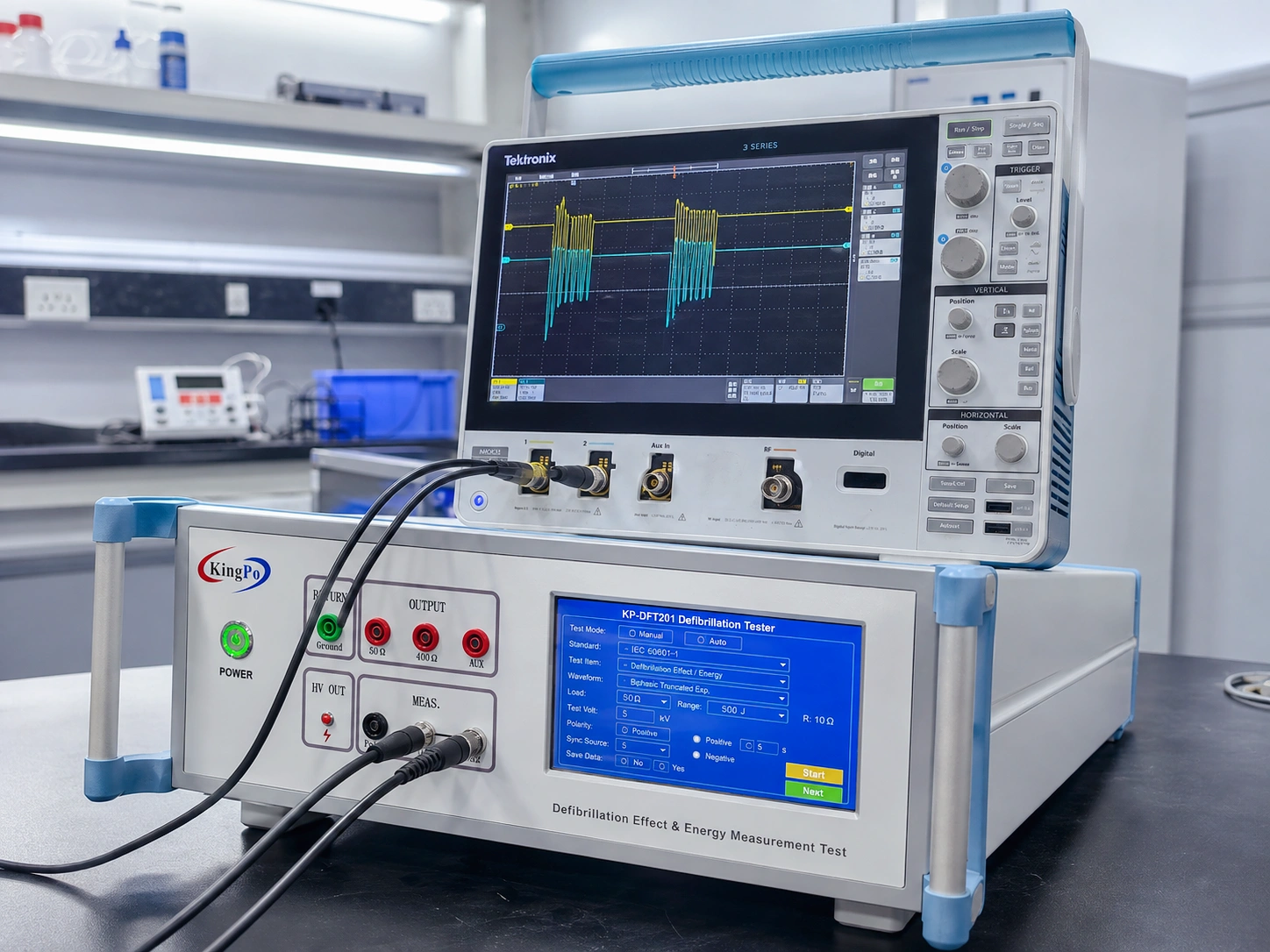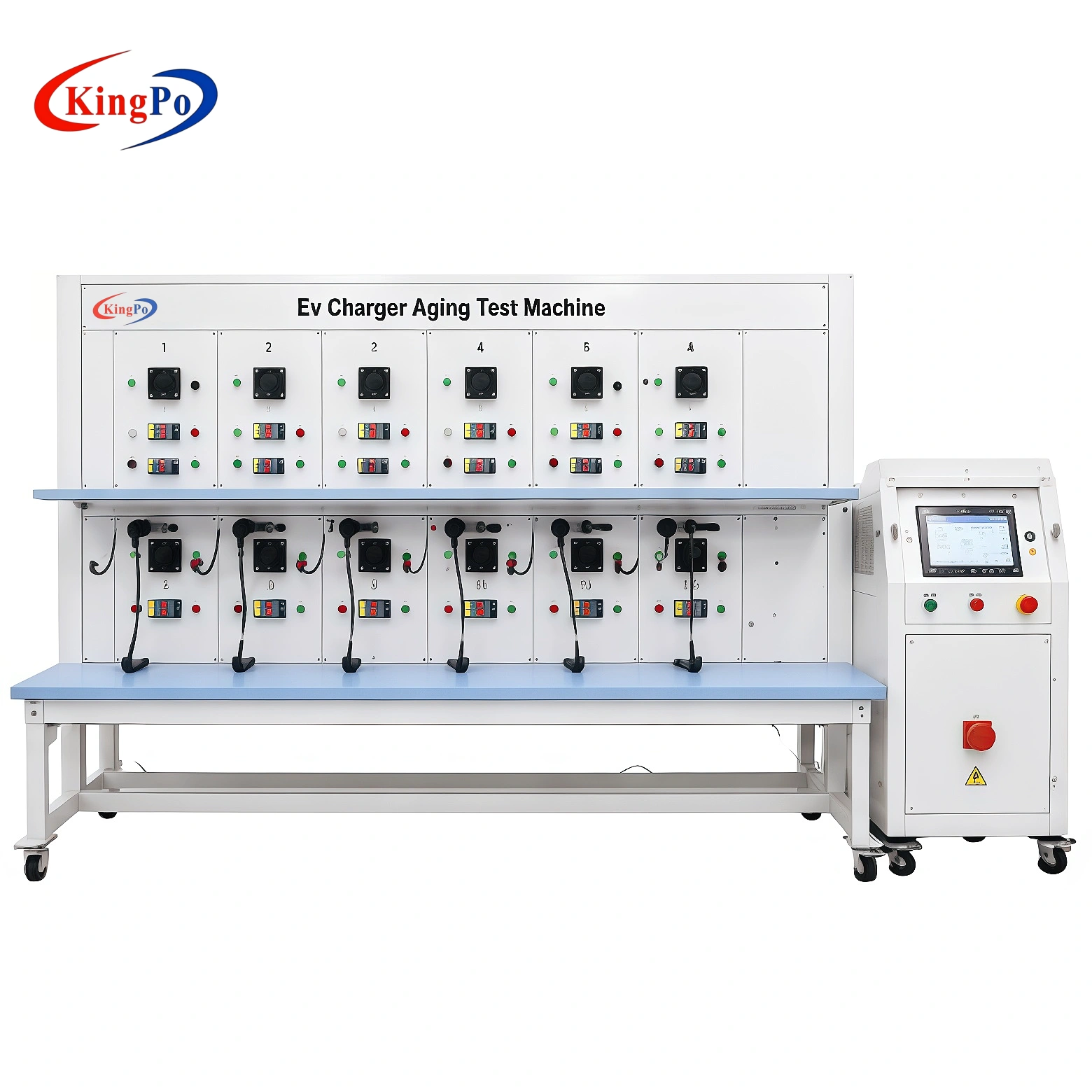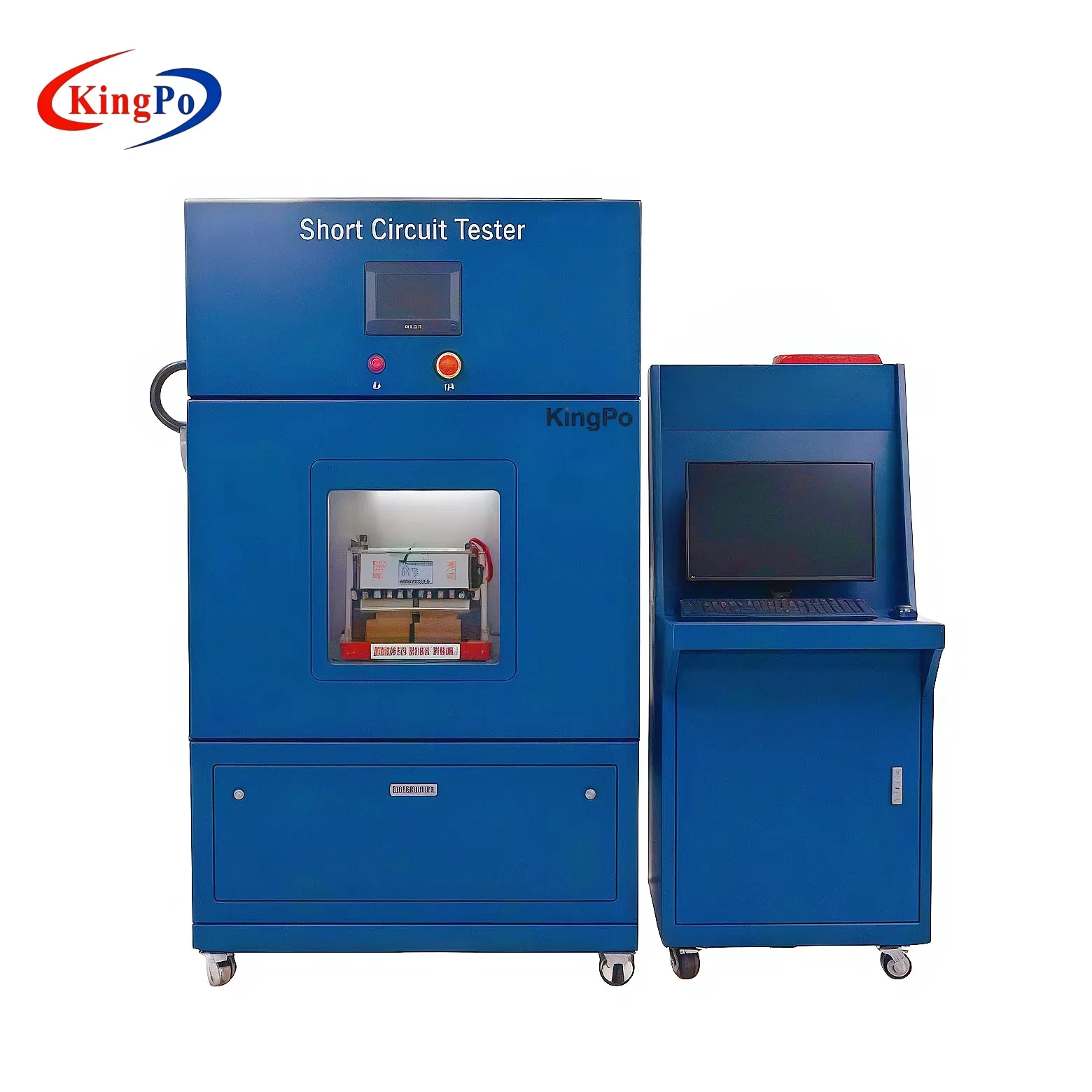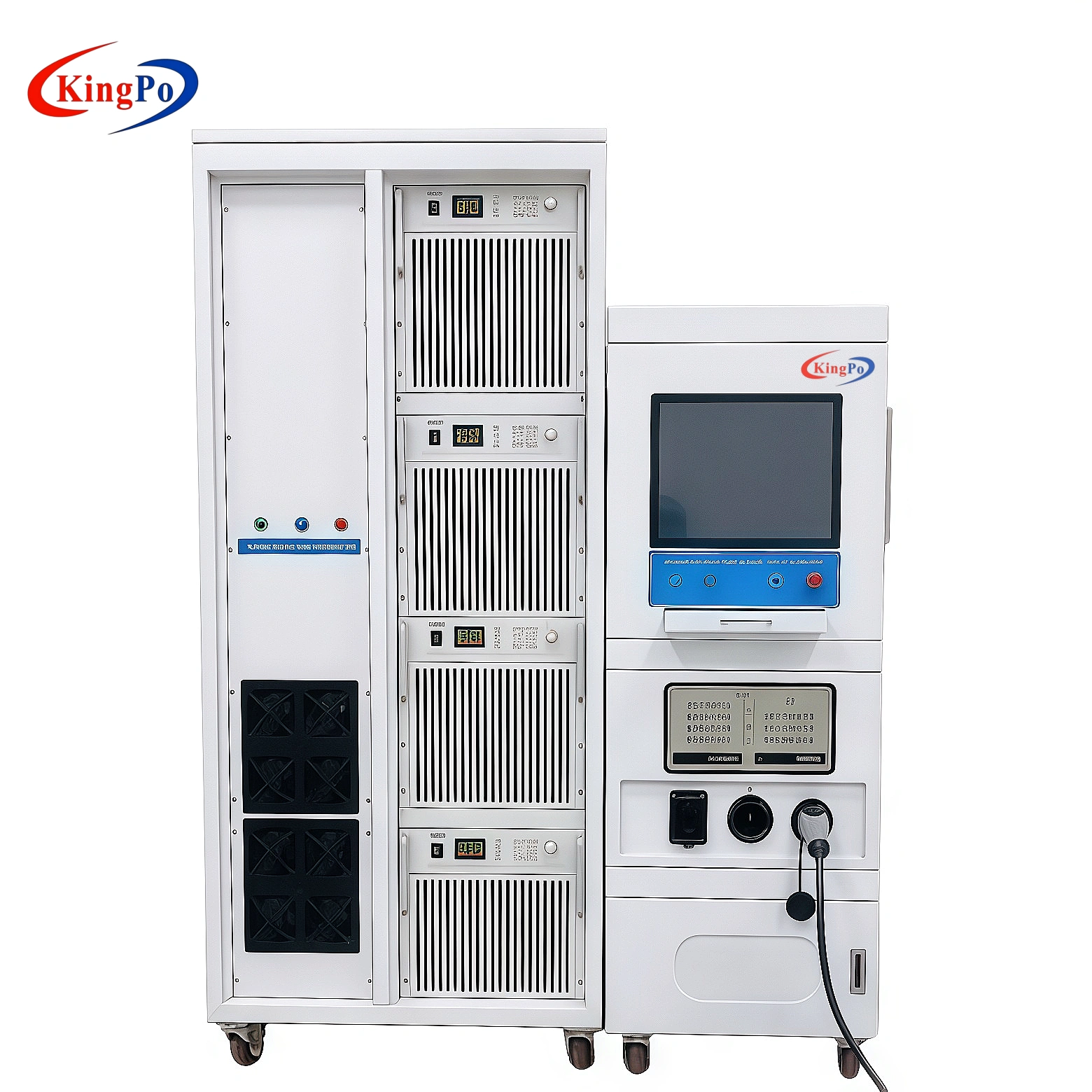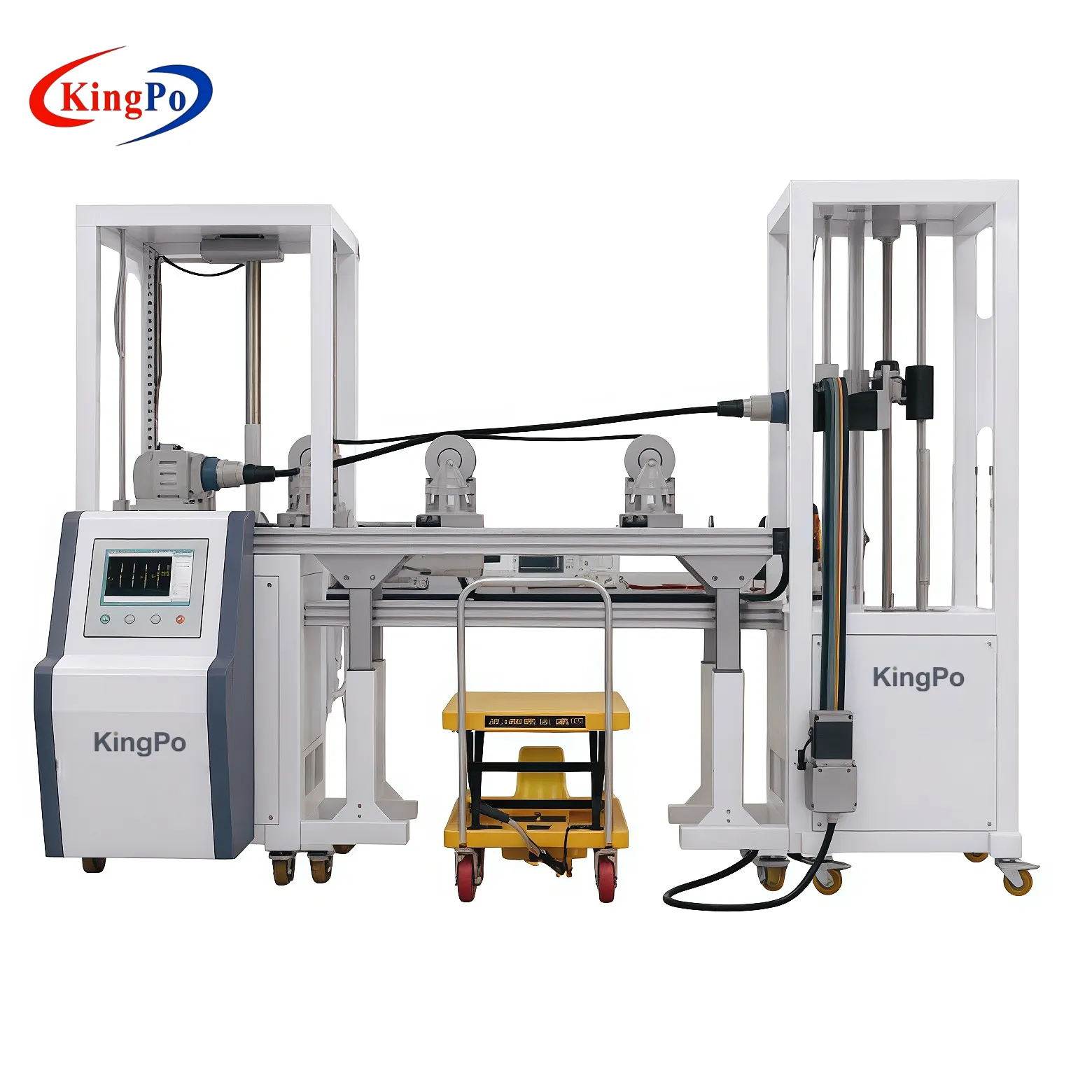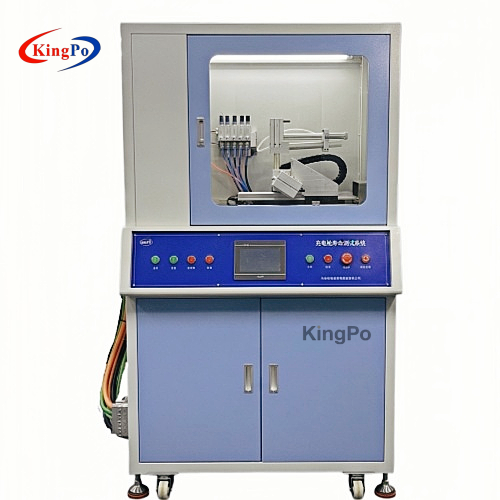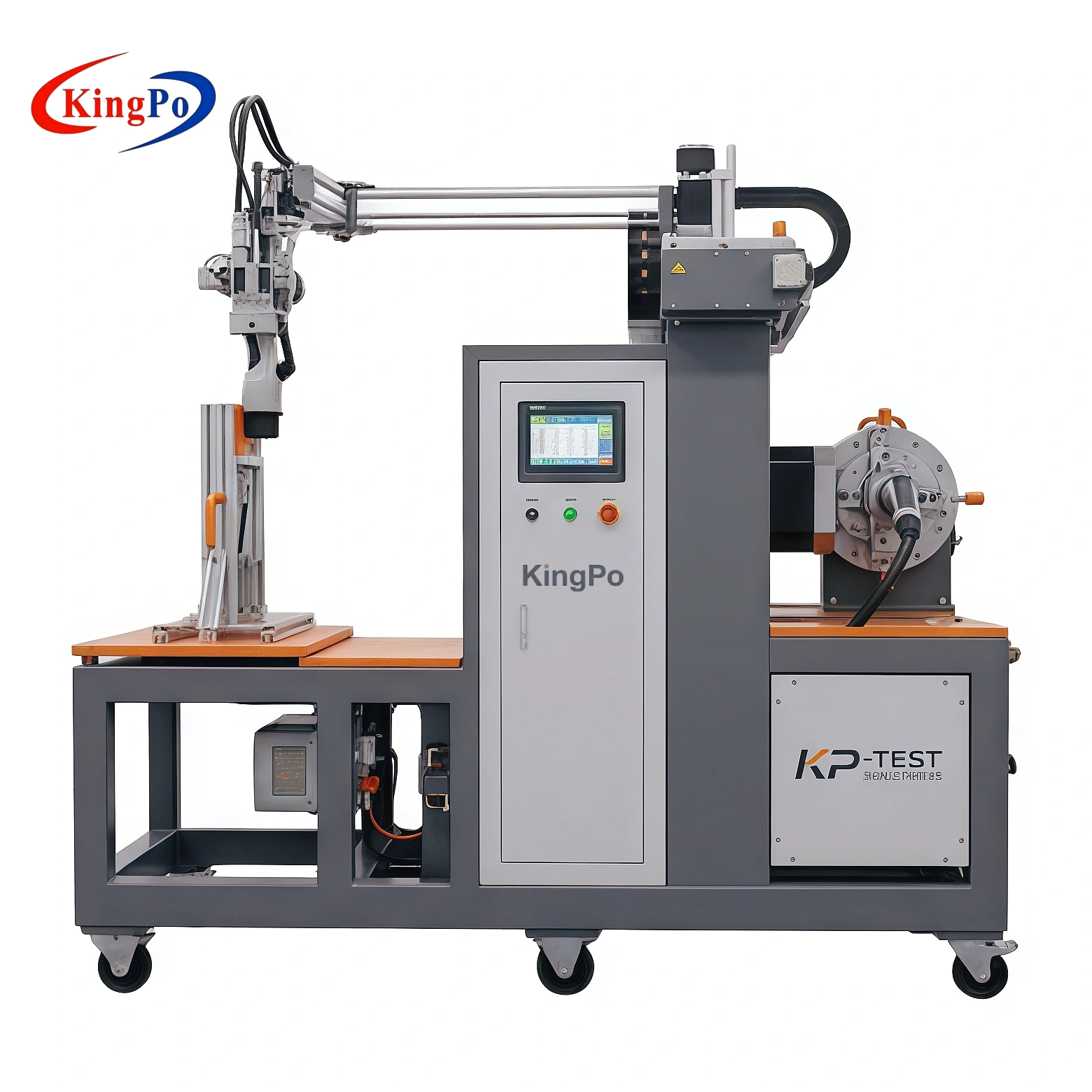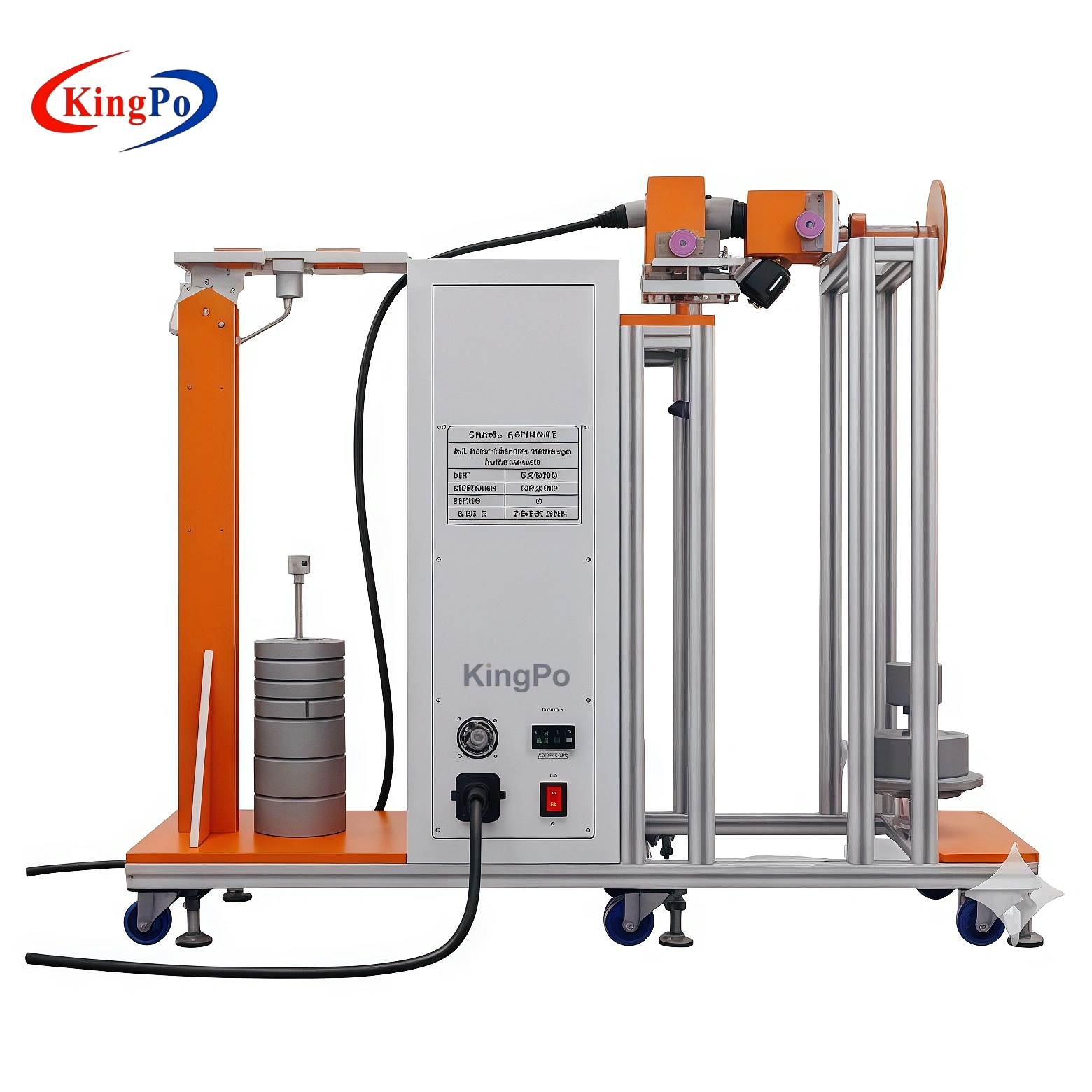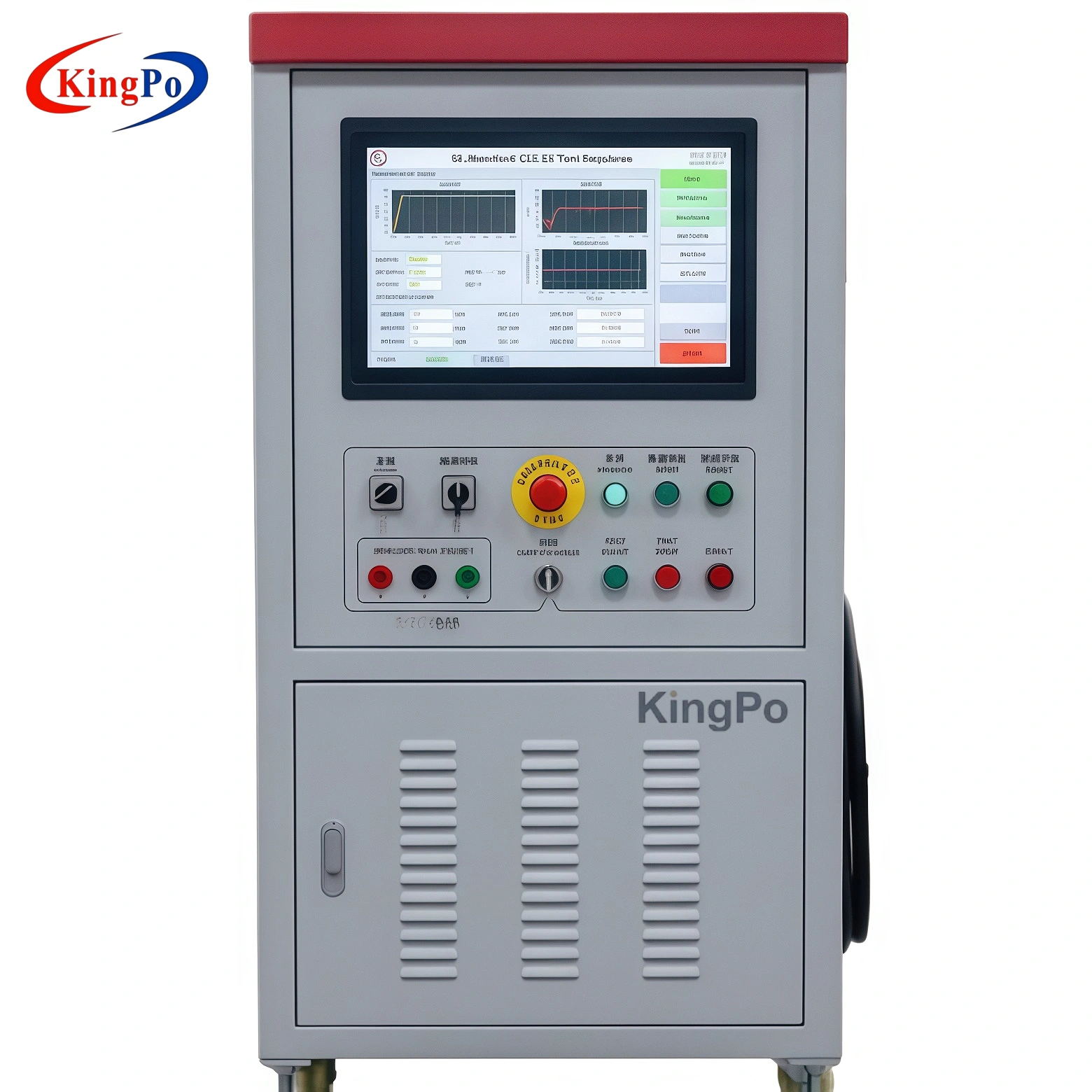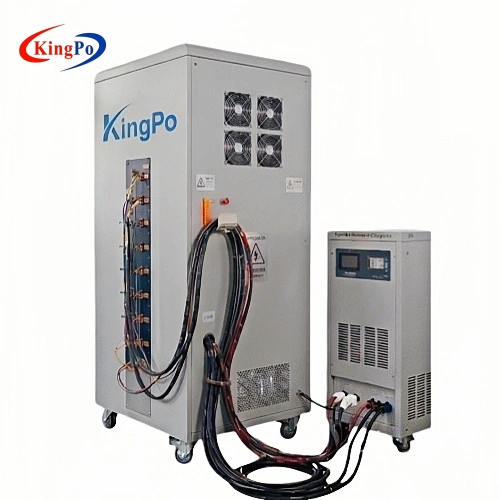
You need EV Charger Testing equipment today if you want to trust your charging station’s safety and reliability. The EV charging industry is growing very fast. Experts think it could be worth up to USD 113.4 billion by 2032. It is growing more than 20% each year. Because of this fast growth, you must follow strict international rules for every Vehicle Testing Equipment. This includes the steps for ev charger testing, Vehicle Plug Pull Torque Test, and EV Plug Breaking Capacity Test. If you do not use a proper EV charger test, you could break the rules. You could also have safety problems and expensive mistakes.
Key Takeaways
-
EV Charger Testing equipment keeps people safe. It follows rules from around the world. This stops electrical dangers and expensive errors.
-
Testing often can cut down failures in the field. Good equipment lowers problems by more than 40%. This makes things more reliable for everyone.
-
Homeowners can use simple testers for safety checks. Businesses need better tools to follow strict rules and keep customers happy.
-
Pick the right testing equipment for your needs. Professional tools test more things. Basic testers are good for home use.
-
Take care of your testing equipment to get correct results. Use best ways to clean and check it. This helps it last longer.
Why Testing Equipment Matters
Safety and Compliance
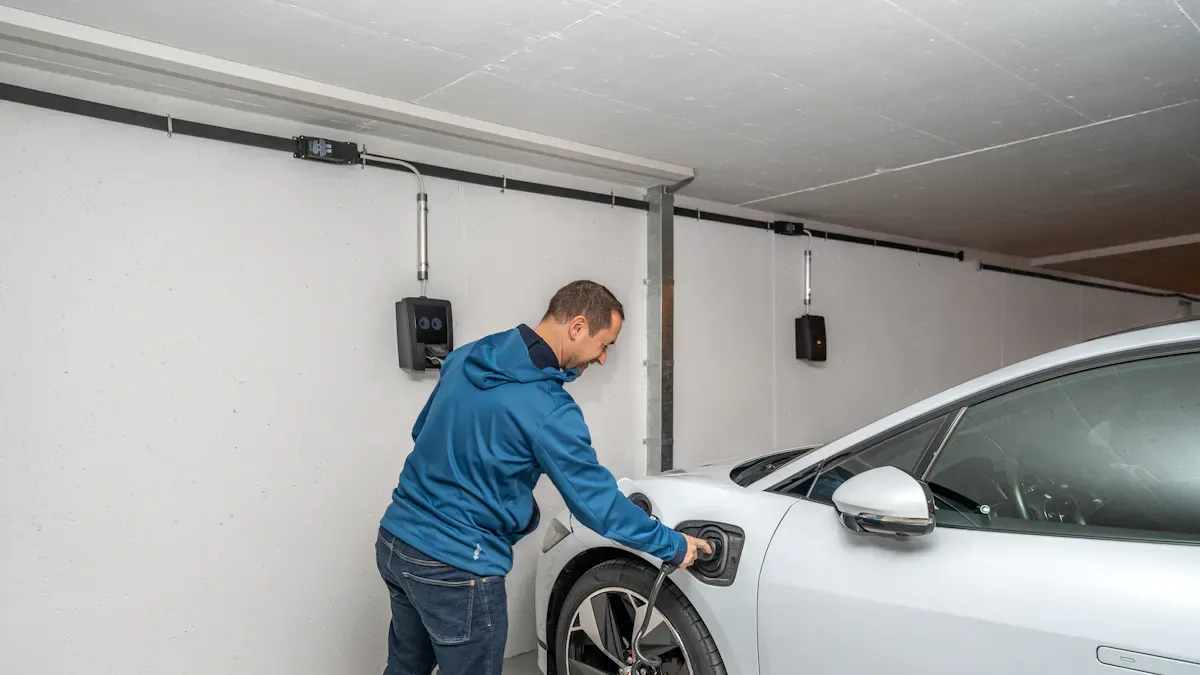
You want your EV charging station to be safe and follow rules. EV Charger Testing equipment helps you do both things. When you use this equipment, you can find problems early. This stops harm before it happens. It can help prevent electrical shocks, ground faults, and fires. These dangers can hurt people or damage things.
Here is a table that shows the main safety hazards that testing equipment can help prevent:
|
Safety Hazard |
Description |
|---|---|
|
Electrical Shock |
UL 2231-1 protects against electrical shock hazards in EV charging systems. |
|
Ground Faults |
The standard addresses ground fault detection to prevent hazards associated with faulty wiring. |
|
Overheating |
Testing ensures that systems do not overheat, reducing fire risks. |
|
Fire Risks |
Compliance with UL 2231-1 helps mitigate fire risks by ensuring proper electrical safety measures. |
EV chargers have special devices that protect you:
-
Charge-Circuit Interrupting Devices (CCIDs) look for ground faults and stop shocks.
-
Isolation Monitors/Interrupters (IM/I) turn off power during faults to lower fire risk.
Regulatory groups want you to follow strict standards. If you do not, you could get fined or have to recall your product. Here is a table that compares some important standards:
|
Standard |
Description |
|---|---|
|
General requirements for EV conductive charging systems. |
|
|
DC supply’s conductive connection to the EVSE. |
|
|
Mechanical testing for EV charging cables and connectors. |
You need EV Charger Testing equipment to meet these standards. For example, KingPo’s experience shows using the right tester helps you pass IEC 61851-23 and UL 2251 checks the first time. This saves you time and money.
Reliability and Field Failures
You want your EV charger to work every time you use it. If the cable anchorage is weak, it can break after many uses. This can make wires pull out or get damaged. When this happens, the charger may stop working or become unsafe.
Mechanical tests check if the cable anchorage is strong. These tests are important for home and business chargers. They make sure the charger can handle daily use. For example, KingPo has seen companies lower their field failure rates by over 40% after using proper EV Charger Testing equipment.
If you skip these tests, you risk:
-
More repairs and higher costs.
-
Angry customers who lose trust in your brand.
-
Safety problems that can lead to injury.
You can avoid these problems by using EV Charger Testing equipment. You can test for pull force, torque, and durability. You can also get reports that prove your charger meets the rules.
Tip: Always check that your testing equipment matches the latest standards. This keeps your chargers safe and reliable.
Who Needs EV Charger Testing Equipment
You might ask if you need EV Charger Testing equipment at home or if it is just for big companies. The answer depends on how you use your charging station and how safe you want it to be.
Homeowners and Personal Users
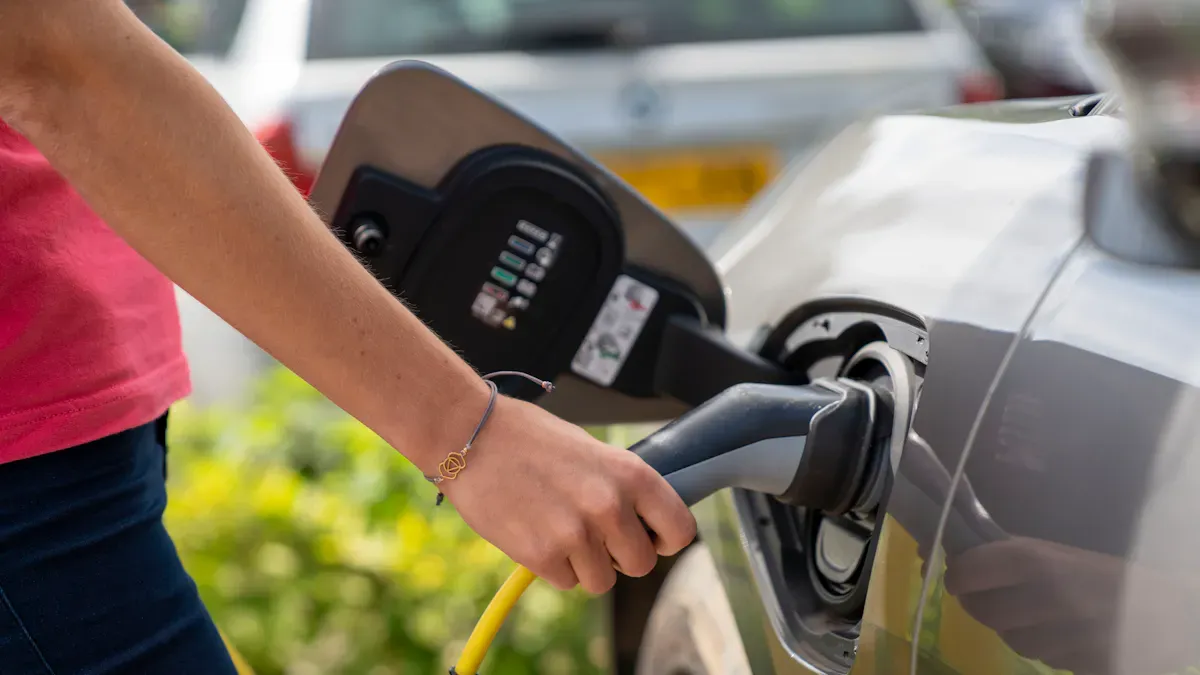
If you have an electric car and charge it at home, you want your charger to be safe. You do not need the same fancy tools as a company. You can use simple testers to check for safety, voltage, and current. These testers help you find problems before they get serious.
Here is a table that shows some common testing tools for people at home:
|
Equipment |
Type of Plug |
Compliance Standards |
Key Capabilities |
|---|---|---|---|
|
FLIR EV45-NACS |
NACS plug / SAE J1772 Type 1 |
CAT II 300V, IEC 61851-1 |
Safety checks, CCID testing, max current output indication, pilot state control |
|
FLIR EV45-T2 |
IEC 62196-2 Type 2 / SAE J1772 Type 1 |
CAT II 300V, IEC 61851-1 |
Same as EV45-NACS plus RCD testing |
|
FLIR DM286 |
N/A |
N/A |
Voltage and frequency measurements, troubleshooting capabilities |
You can use these tools to check if your charger works right. You do not need to test for pull force or torque at home.
Businesses and Installers
If you work for a business, install chargers, or manage a fleet, you need better testing tools. You must follow strict rules to keep people safe and avoid getting in trouble. You need to check things like cable anchorage strength, insulation, and ground faults.
Here is a table that shows what businesses and installers should check:
|
Requirement |
Description |
|---|---|
|
Safety Certification |
Charging stations should have UL or ETL marks from a Nationally Recognized Testing Laboratory. |
|
NEMA Ratings |
Charging stations should meet NEMA standards, such as NEMA 4, for water and dust protection. |
You can use tools like the Fluke FEV100 to check voltage, current, and power. These tools help you find problems quickly and keep your chargers safe.
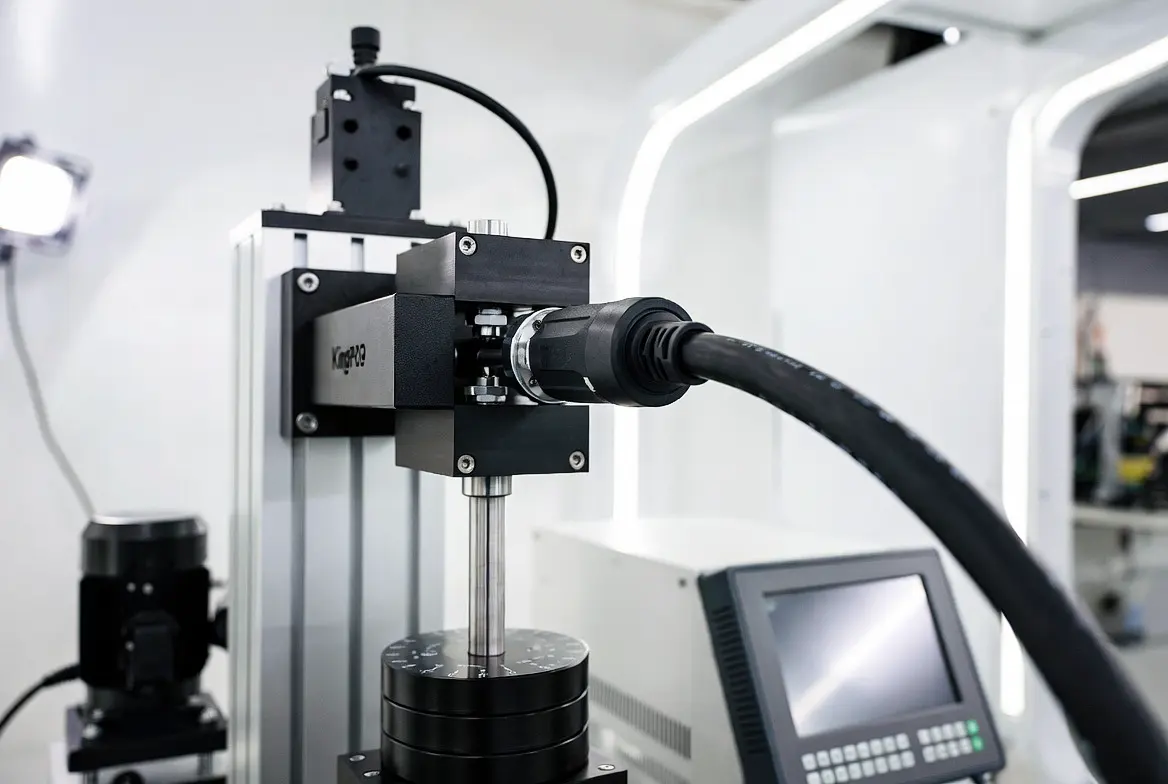
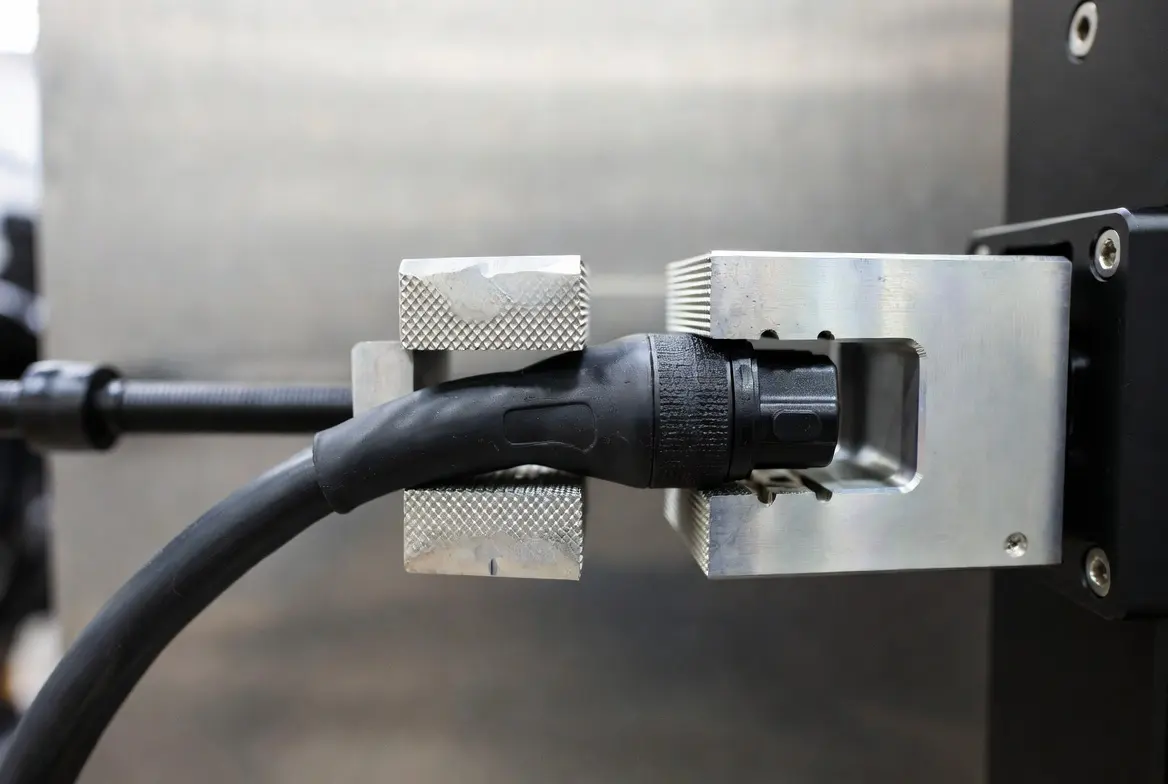
Manufacturers and labs need the best EV Charger Testing equipment. KingPo’s Cable Anchorage Pull Force Tester helps you test cable anchorage strength, torque, and durability. You can use it to meet IEC 61851-23 and UL 2251 standards. This kind of testing helps you stop recalls and warranty claims by finding problems early.
Note: If you are a manufacturer or lab, you need special testing equipment to meet international rules and protect your brand.
Here is a table that compares what different users need:
|
User Type |
Basic Safety Testers |
Advanced Testers |
Professional Lab Equipment |
Compliance Needs |
|---|---|---|---|---|
|
Homeowners |
✔️ |
|
|
Basic safety |
|
Businesses/Installers |
✔️ |
✔️ |
|
UL, NEMA |
|
Manufacturers/Labs |
|
✔️ |
✔️ |
IEC, UL, full compliance |
You can see that each group needs different things. KingPo helps all these groups with good advice and trusted solutions.
What EV Charger Testing Equipment Does
Key Functions and Features
You need EV Charger Testing equipment to make sure your charging station is safe and follows all rules. This equipment helps you test and make your EV chargers better. The table below shows the main things you should look for:
|
Feature |
Description |
|---|---|
|
Pull Force and Torque Testing |
Measures how much force and twist the cable anchorage can handle without failing. |
|
Programmable Test Cycles |
Lets you set the number of test cycles to match real-world use and durability needs. |
|
Real-Time Monitoring |
Shows live data on a screen so you can see test results as they happen. |
|
Compliance Reporting |
Creates reports that prove your charger meets standards like IEC 61851-23 and UL 2251. |
|
Adjustable Fixture |
Fits different cable outlet heights and designs for flexible testing. |
|
Power-Off Memory |
Keeps your settings safe even if the power goes out during a test. |
KingPo’s Cable Anchorage Pull Force Tester is a great tool for manufacturers and labs. You can see its technical strengths in the table below:
|
Parameter |
Specification |
Benefit |
|---|---|---|
|
Pull Force Range |
160 N – 500 N |
Covers all IEC 61851-23 requirements |
|
Torque Range |
0.6 N·m – 16.3 N·m |
Accurate torque application |
|
Test Cycles |
1 – 999,999 (programmable) |
Long-term durability testing |
|
Fixture Height |
500 mm – 1200 mm (adjustable) |
Fits all charging station outlets |
|
Control System |
PLC touchscreen |
Easy programming and monitoring |
|
Drive Mode |
Electric motor + eccentric mechanism |
Stable and repeatable force |
|
Construction |
Robust, industrial-grade |
Long-term reliability |
We at KingPo have helped clients lower field failure rates by more than 35% after using our tester for cable anchorage checks.
Here are the main features you get with KingPo’s tester: It uses a motor to give steady pull force. You can set up custom tests with programmable cycles. The PLC touchscreen makes it easy to control. The universal fixture fits all cable types. Power-off memory keeps your settings safe. It fully meets IEC 61851-23 and UL 2251 rules.
Ensuring Safe Charging
You want your EV charger to be safe every time you use it. EV Charger Testing equipment helps you find problems before they cause harm. The table below shows how this equipment keeps charging safe:
|
Testing Capability |
Description |
|---|---|
|
Electrical & Functional Validation |
Checks for overloads, short circuits, and efficiency to prevent failures. |
|
Communication Protocol Testing |
Makes sure your charger works with all EVs by testing CCS and CHAdeMO protocols. |
|
Environmental & Reliability Testing |
Tests for extreme temperatures, water, dust, and shock to ensure the charger lasts longer. |
|
Safety & Compliance Testing |
Follows international rules so you can trust your charger is safe and legal. |
You can use programmable cycle testing to see how your charger works in real life. This helps you find weak spots and fix them before you sell your product. Real-time monitoring lets you see problems fast and make changes right away.
Tip: Always use equipment that meets the newest standards. This keeps your chargers safe and helps you avoid expensive recalls.
With the right EV Charger Testing equipment, you can make your customers trust you. You can also keep your charging stations working well.
Alternatives and Limitations
Other Testing Methods
There are many kinds of EV charger testing equipment you can buy. Some brands, like Fluke and Triplett, make small testers you can carry. These tools check voltage, current, and ground faults. They are good for quick checks and simple safety tests at home or when installing chargers. But they cannot test cable anchorage strength or do programmable cycle tests.
Here is a table that shows how KingPo’s Cable Anchorage Pull Force Tester compares to other brands:
|
Feature/Brand |
KingPo Cable Anchorage Pull Force Tester |
Fluke FEV100 |
Triplett Model 9300 |
|---|---|---|---|
|
Pull Force Testing |
✔️ (160–500 N) |
❌ |
❌ |
|
Torque Testing |
✔️ (0.6–16.3 N·m) |
❌ |
❌ |
|
Programmable Cycles |
✔️ (up to 999,999) |
❌ |
❌ |
|
Real-Time Monitoring |
✔️ (PLC touchscreen) |
Basic LED/LCD |
Basic LCD |
|
Compliance Reporting |
✔️ (IEC 61851-23, UL 2251) |
Limited |
Limited |
|
Adjustable Fixture |
✔️ (500–1200 mm) |
❌ |
❌ |
Note: Pick professional lab equipment like KingPo’s tester if you need full compliance and advanced mechanical testing.
What Equipment Can’t Solve
Even the best EV charger testing equipment has some limits. Sometimes, there are problems that no tester can fix. Here are some common issues:
-
The equipment may not have all the data you need.
-
The electrical panel might not have circuit labels.
-
You might not reach the charger because of storage or parked cars.
Testing equipment cannot fix bad installation or poor maintenance. You must follow best practices to keep your EV charging stations safe and working well.
Best Practices for Using and Maintaining EV Charger Testing Equipment:
-
Always read the user manual before you start a test.
-
Check all connections and fixtures before each use.
-
Keep your equipment clean and dry.
-
Store the tester in a safe, dust-free spot.
-
Plan regular calibration and inspections.
Maintenance Checklist Table
|
Frequency |
Item to Check |
Recommended Action |
|---|---|---|
|
Daily |
Fixture and weights |
Visual inspection and cleaning |
|
Weekly |
Torque arm and mechanism |
Lubricate and check alignment |
|
Monthly |
PLC touchscreen and sensors |
Verify calibration |
|
Quarterly |
Drive motor and connections |
Professional inspection |
|
Annually |
Full system calibration |
ISO-certified service |
Tip: Good care and careful use help your EV charger testing equipment last longer and work better.
You need EV Charger Testing equipment to make sure your charging stations are safe and follow the rules. Manufacturers and labs should buy professional tools for full certification and quality checks. Businesses and installers get help from advanced testers that check safety and help users trust their chargers. Homeowners can use simple testers for basic safety checks. Professional testing follows global standards, lowers risks, and shows your chargers work well. For expert advice, after-sales help, and future-ready solutions, visit the KingPo product page. Pick the right equipment for your needs and help make EV charging safer.
-
Professional installers know local rules and safety codes.
-
Complete testing checks voltage, load, and system safety.
-
Reliable testing builds trust and meets IEC and ISO standards.
Tip: Think about what you need and pick the right equipment for lasting safety and following the rules.
FAQ
What is the main purpose of EV Charger Testing equipment?
EV Charger Testing equipment checks if your charging station is safe and strong. It helps you find problems before they get worse. You can stop electrical faults and follow rules like IEC 61851-23 and UL 2251.
Who should use professional EV Charger Testing equipment?
People in manufacturing, labs, or quality control need professional EV Charger Testing equipment. KingPo says this equipment is for anyone who must follow strict rules and wants fewer problems in the field.
How often should you calibrate your EV Charger Testing equipment?
You should calibrate your EV Charger Testing equipment once a year or after 10,000 tests. Regular calibration keeps your results correct and helps you pass safety checks.
Can you use the same tester for both AC and DC charging stations?
Yes, you can use KingPo’s Cable Anchorage Pull Force Tester for AC and DC charging stations. The adjustable fixture fits many cable types, so you can test different chargers.
What are the key benefits of using KingPo’s Cable Anchorage Pull Force Tester?
You get results you can trust, easy setup, and full rule compliance. KingPo’s tester helps you lower problems in the field, get certified faster, and make your product safer.
What problems can EV Charger Testing equipment not solve?
Testing equipment cannot fix bad installation or poor care. You need to follow good habits, check your chargers often, and keep your equipment in good shape.