Abstract / Technical Summary
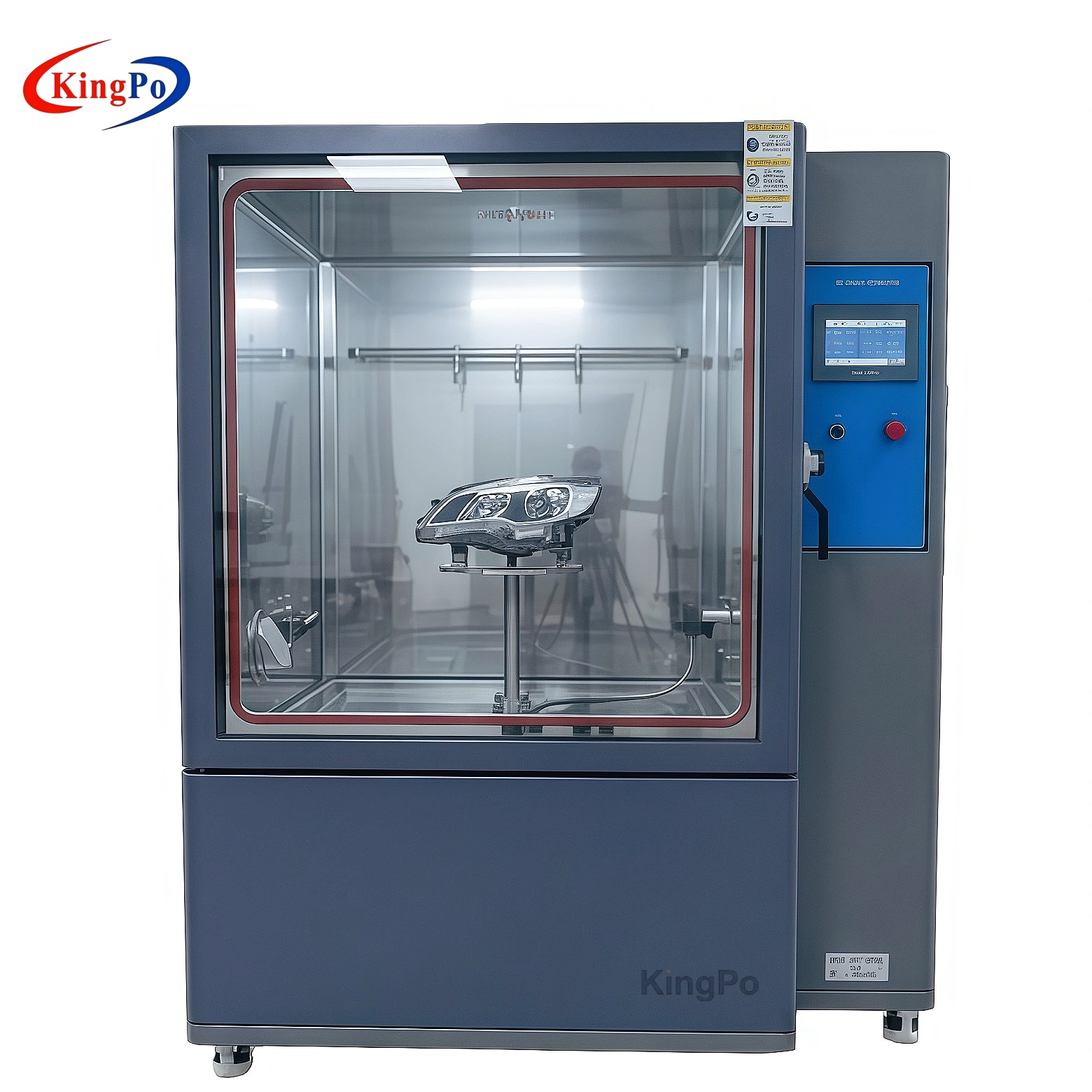
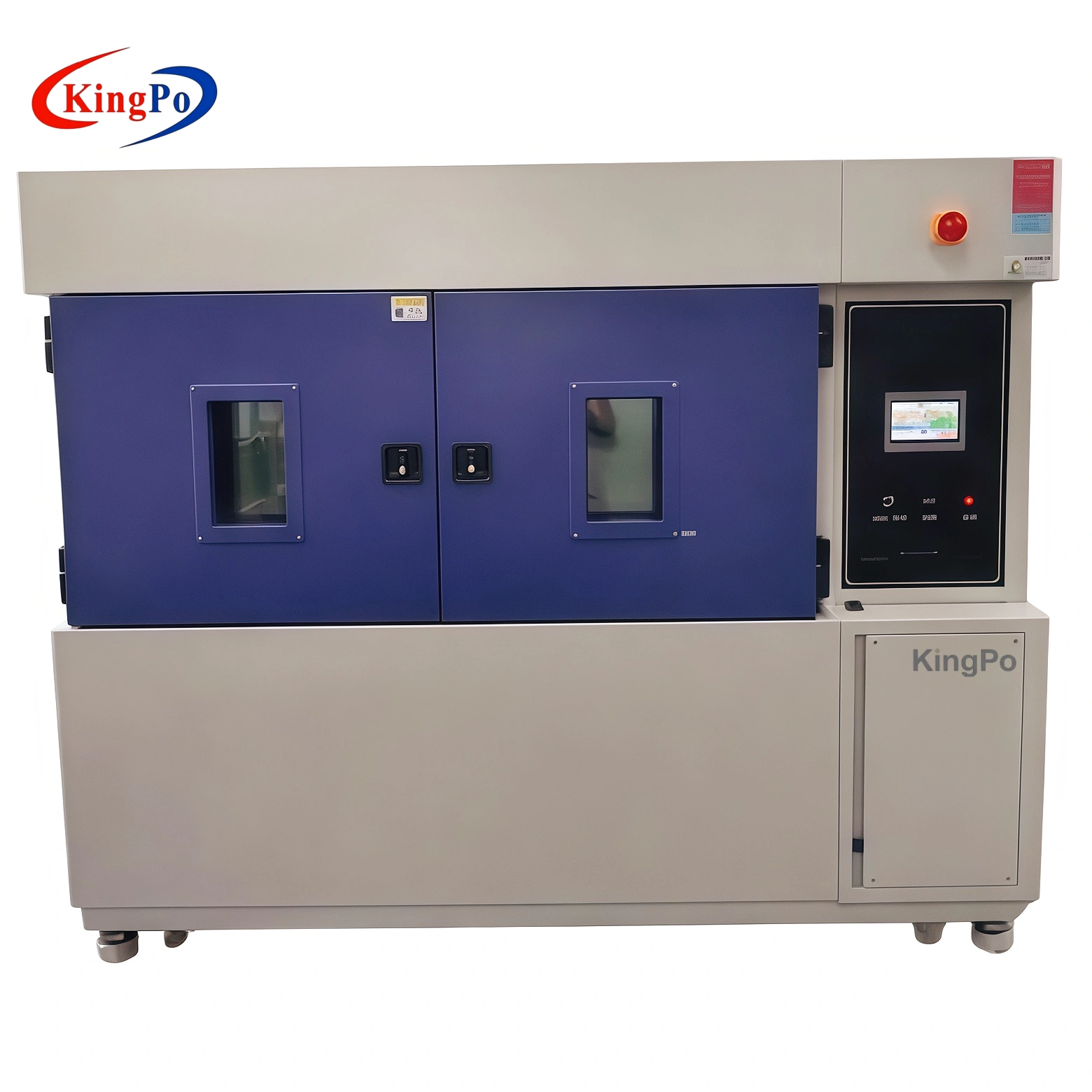
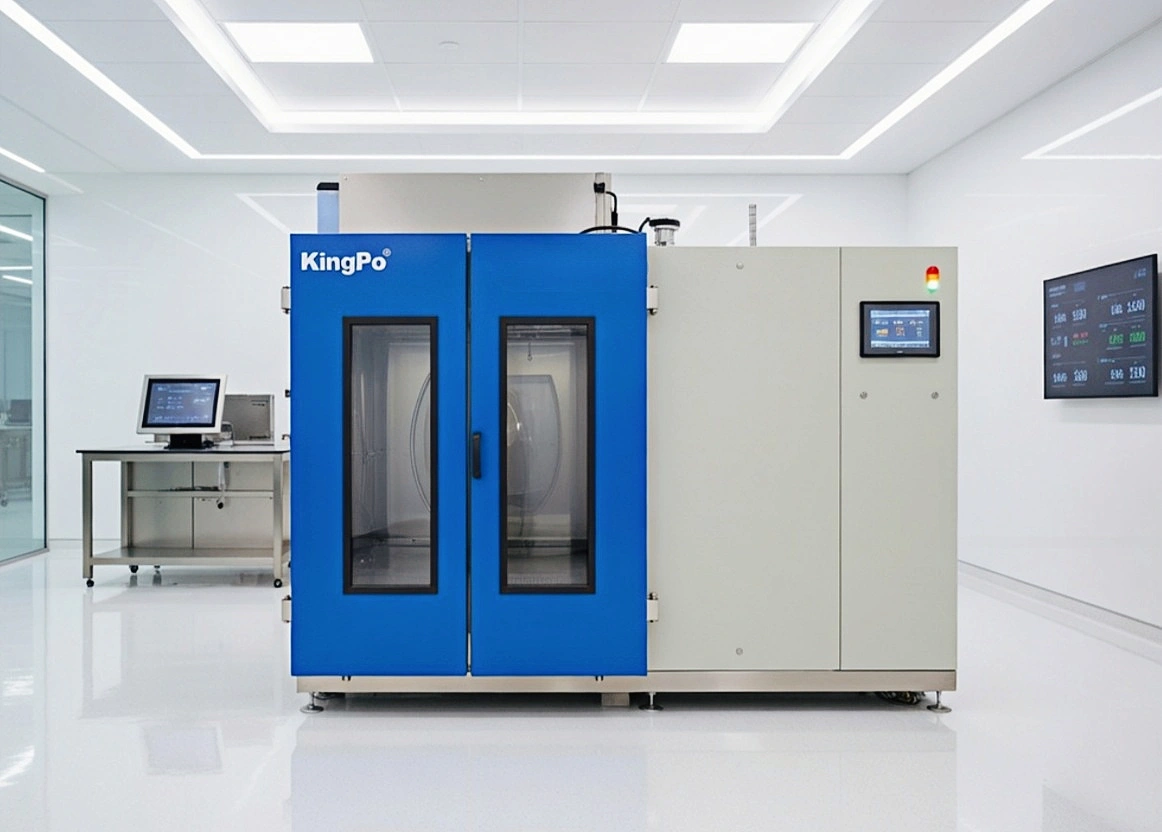
Our LV 124 K-12 thermal shock test chamber is a specialized ice water splash thermal shock testing system designed to verify the function and seal integrity of automotive components after sudden cooling. This comprehensive guide details the complete thermal shock test chamber testing procedure according to MBN LV 124-2 Clause 14.11, covering 100 cycles of ice water splash, precise temperature control, and functional verification for automotive parts reliability.
Introduction
We at KingPo have seen firsthand how sudden temperature drops from driving through winter puddles can cause immediate failure in automotive components. That is why we developed the LV 124 K-12 thermal shock test chamber to accurately simulate real-world ice water splash thermal shock conditions. In this in-depth guide, we share our complete step-by-step thermal shock test chamber testing procedure, key standard requirements, practical operation tips, troubleshooting strategies, maintenance best practices, and the tangible benefits of equipment we have built through over 20 years of autonomous research and development.
Why We Recommend Performing Thermal Shock Test Chamber Testing for Automotive Parts?
From our extensive collaboration with leading OEMs, we know that ice water splash thermal shock is one of the most critical tests for automotive components. The key risks we frequently observe include:
- Seal failure and water ingress due to sudden contraction
- Mechanical cracking from thermal stress
- Functional degradation of electronic modules and sensors
- Reduced insulation resistance leading to system malfunction
- Certification delays and costly warranty claims
That is why systematic testing in our thermal shock test chamber LV 124 K-12 is so important. It verifies function and seal integrity after abrupt cooling, meets MBN LV 124-2 requirements, and significantly reduces field failure rates.
Key Standards
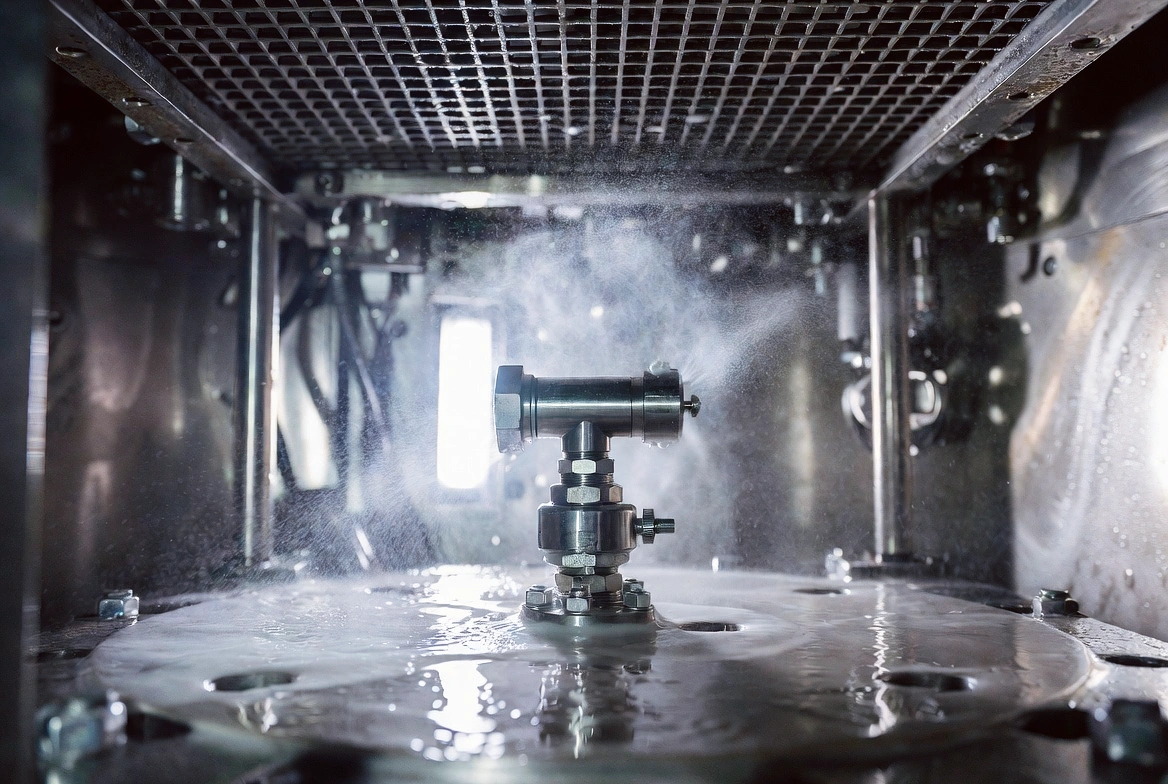
- According to the official MBN LV 124-2 technical specification published by the German Association of the Automotive Industry, the LV 124 K-12 ice water splash thermal shock test is specifically designed to simulate the exposure of components to splash water as occurs when driving through puddles. For a detailed technical explanation of LV 124 tests, including K-12 thermal shock with splash water, we refer to the LV 124 Technical Information Sheet published by Weiss Technik.
Test Purpose and Conditions
According to MBN LV 124-2 Clause 14.11, the test simulates the exposure of components to splash water when driving through puddles. We heat the DUT to the specified maximum temperature, hold it for 1 hour (or until stable), then apply a 3-second ice-water splash, repeating for 100 cycles.
Test Liquid and Key Parameters
We use tap water containing 3% Arizona dust by weight, with water temperature controlled at 0~+4°C and flow rate of 3–4 L / 3 s. Spray distance is adjustable from 300–350 mm to ensure the spray width exceeds the DUT dimensions.
Detailed Test Parameters Table (Our LV 124 K-12 Chamber)
| Parameter | Specification | Our Typical Setting in LV 124 K-12 |
|---|---|---|
| Test Cycles | 0–9999 (presettable) | 100 cycles |
| Holding Time at Tmax | 1 h or until DUT temperature stable | 1 hour |
| Conversion Duration | <20 s (manual conversion) | <20 s |
| Test Liquid | Tap water + 3% Arizona dust | 3% Arizona dust |
| Water Temperature | 0~+4°C | 0~+4°C |
| Water Flow | 3–4 L / 3 s | 3–4 L / 3 s |
| Spray Distance | 300–350 mm | 300–350 mm |
| Test Bench | φ60 cm, 50 kg capacity | φ60 cm, 50 kg |
| Test Bench Height Adjustment | 20 cm | 20 cm |
Root Cause Analysis of Common Failures
Seal Failure After Ice Water Splash
- We often see sudden cooling causing rapid contraction, leading to seal cracking or loss of compression.
Mechanical Cracking
- Thermal stress from abrupt temperature drop frequently causes material cracking in housings and connectors.
Functional Degradation
- Water ingress or thermal shock can affect electronic performance in sensors and ECUs.
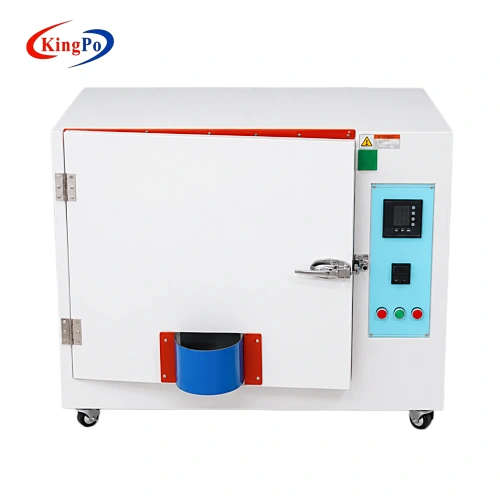
Technical Advantages of Our KingPo Thermal Shock Test Chamber LV 124 K-12
- With over 20 years of autonomous research and development, we at KingPo design and manufacture our thermal shock test chamber LV 124 K-12 entirely in-house. This complete in-house control ensures superior precision, durability, and long-term reliability compared to assembled solutions.
Key advantages we built into this chamber include:
- Precise closed-loop control of water temperature (0~+4°C) and flow rate (3–4 L / 3 s)
- Adjustable spray distance 300–350 mm with spray width exceeding DUT dimensions
- PLC with 7-inch color touchscreen for real-time monitoring of temperature, flow and cycles
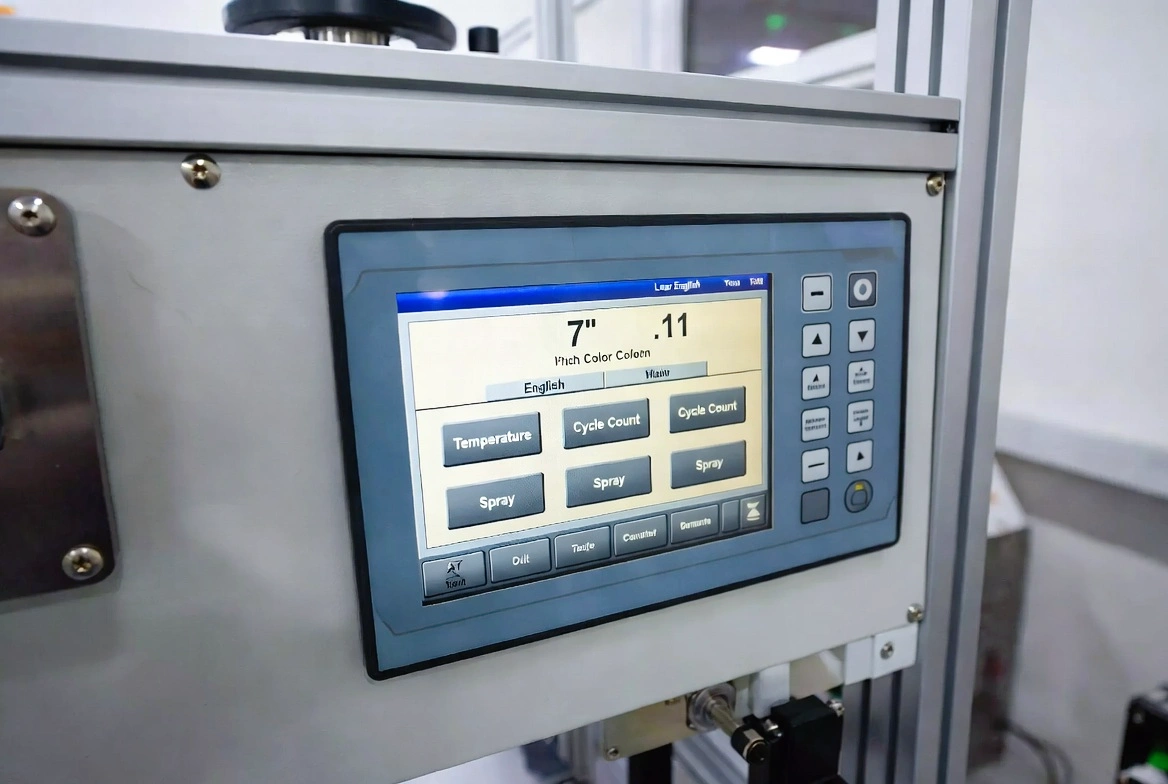
- Robust SUS304 stainless steel chamber with high-quality insulation
- Test bench (φ60 cm, 50 kg capacity, 20 cm height adjustment) for flexible sample positioning
For detailed technical specifications and configuration options, please visit the Thermal Shock Test Chamber product page.
Step-by-Step Thermal Shock Test Chamber Testing Procedure
Step 1 – Chamber and Sample Preparation
- We recommend thoroughly cleaning the chamber interior and inspecting the spray system. Power on the DUT if functional monitoring is required and document its initial condition with high-resolution photographs.
Step 2 – Specimen Positioning
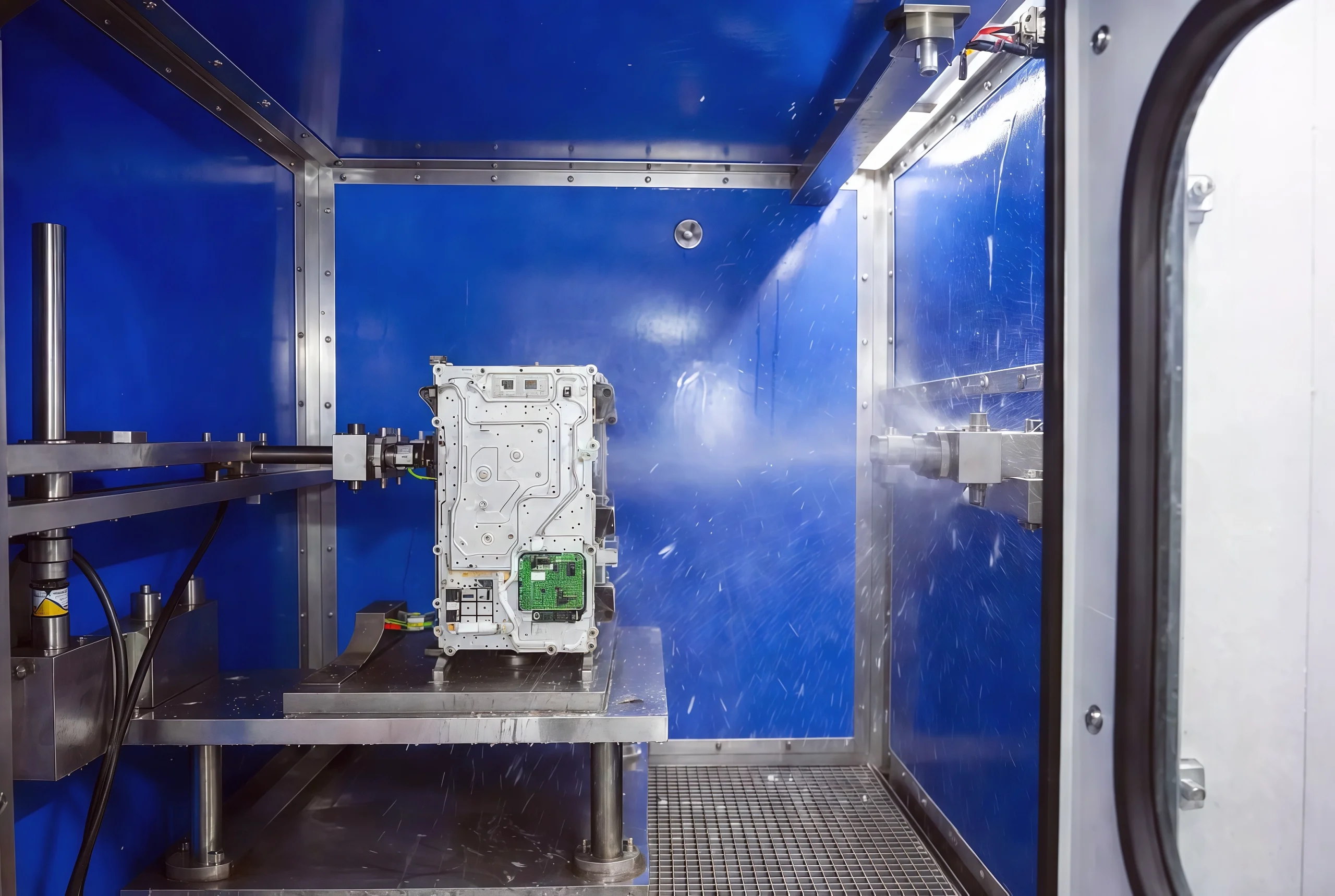
- Mount the automotive component on the test bench in its normal operating orientation. We ensure all critical surfaces are fully exposed to the ice water splash.
Step 3 – Heating Phase
- Heat the DUT to the specified maximum temperature and hold for 1 hour or until temperature is stable. We monitor this phase closely to ensure uniformity.
Step 4 – Ice Water Splash Phase
- Apply the 3-second ice-water splash using our precision spray system while monitoring function in real time.
Step 5 – Real-Time Monitoring
- We continuously observe for any functional degradation or water ingress throughout the test cycle.
Step 6 – Post-Test Inspection and Reporting
- Allow adequate settling time, carefully inspect for seal integrity, cracking, and functional performance, then generate a comprehensive compliance report with photographic evidence.
Best Practices and Maintenance for Long-Term Reliability
Weekly and Monthly Maintenance
- We recommend weekly cleaning of the spray system and monthly calibration of temperature sensors.
Maintenance Checklist Table (Recommended for LV 124 K-12)
| Frequency | Item to Check | Recommended Action |
|---|---|---|
| Weekly | Precision spray head and nozzles | Clean thoroughly with deionized water |
| Monthly | Temperature and flow sensors | Perform calibration with certified tools |
| Quarterly | PLC touchscreen and electrical connections | Check for wear and clean contacts |
| Annually | Full system (insulation, seals, bench) | Professional inspection and verification |
| After each test | Chamber interior surfaces | Clean to prevent cross-contamination |
How Do We Guarantee Repeatability in Every Test?
We recommend monthly calibration of temperature, flow, and pressure sensors, plus thorough chamber cleaning after each test to prevent residual contaminants from affecting background levels. This step is one of the most common reasons laboratory data becomes inconsistent, and it is a practice we strictly follow in all our projects.
Real-World Applications and Case Studies
In our projects with leading automotive OEMs, the thermal shock test chamber LV 124 K-12 has helped validate electronic modules and connectors, reducing field failure rates by over 35% after ice water splash exposure. Similar success stories are seen in sensor and connector validation for electric vehicles.
Conclusion
In our experience, a well-executed thermal shock test chamber LV 124 K-12 testing procedure is fundamental to ensuring automotive parts reliability after ice water splash thermal shock. Our professional equipment accelerates certification and delivers measurable improvements in product quality and customer satisfaction.
For tailored recommendations on thermal shock test chamber solutions that precisely meet your LV 124 K-12 requirements, please visit the Thermal Shock Test Chamber product page.