TNV Circuit Safety
TNV stands for Telecommunications Network Voltage. In legacy IEC 60950-1 terminology, TNV circuits are classified as TNV-1, TNV-2 or TNV-3 according to their normal operating voltage and whether overvoltage from a telecommunications network may be present. For current AV/ICT equipment projects, always confirm the applicable product standard, edition and test clause before selecting test equipment.
Quick Answer
What does TNV mean?
TNV means Telecommunications Network Voltage. It describes circuits connected to telecommunications networks where normal voltage and possible network overvoltage must be evaluated for electrical safety.
What is the difference between TNV-1, TNV-2 and TNV-3?
TNV-1 is normally within SELV voltage limits and may be exposed to network overvoltage. TNV-2 may exceed SELV limits but is not normally exposed to telecommunications network overvoltage. TNV-3 may exceed SELV limits and may also be exposed to network overvoltage.
What test equipment may be required?
Typical evaluation may involve dielectric strength testers, leakage current testers, impulse voltage generators, clearance and creepage distance tools, and safety test fixtures according to the applicable IEC or product standard.
TNV and IEC 62368-1: What Should Engineers Know?
TNV terminology comes from legacy IEC 60950-1 safety classification. For new AV/ICT equipment projects, many manufacturers now evaluate energy sources, safeguards, insulation, accessibility and transient withstand according to IEC 62368-1. TNV terminology may still appear in legacy documentation, telecom interfaces, old test reports and customer specifications, but final testing should follow the applicable product standard and edition.
TNV Circuits Overview
You can find TNV circuits in telecommunication and network-connected equipment. These circuits allow communication signals to pass while controlling user-accessible voltage, insulation, protective separation and abnormal overvoltage risk.
Low normal voltage with possible network transients
TNV-1 circuits are normally within SELV voltage limits, but they may still be exposed to overvoltage from telecommunications networks.
- Focus on accessibility
- Confirm voltage limitation
- Review insulation and separation
Higher normal voltage without network overvoltage
TNV-2 circuits may exceed SELV voltage limits, but telecommunications network overvoltage is not normally expected.
- Check insulation barriers
- Measure leakage or touch current
- Confirm protection from user access
Higher normal voltage with possible network overvoltage
TNV-3 circuits combine higher normal voltage risk with possible overvoltage from outside telecommunications networks.
- Review dielectric strength
- Perform impulse or surge-related evaluation
- Confirm protective separation
TNV-1, TNV-2 and TNV-3 Comparison
The table below summarizes the practical differences between TNV circuit classifications. Use the purchased standard and product-specific safety requirement for final design verification.
| Classification | Normal Operating Condition | Network Overvoltage Exposure | Main Difference | Typical Test Focus |
|---|---|---|---|---|
| TNV-1 | Normally within SELV voltage limits | Possible | Low normal voltage with possible telecommunications network transients | Voltage limitation, accessibility, insulation and protective separation |
| TNV-2 | May exceed SELV voltage limits | Not normally expected | Higher normal voltage without telecommunications network overvoltage | Insulation, leakage current, accessibility and protective barriers |
| TNV-3 | May exceed SELV voltage limits | Possible | Higher normal voltage with possible telecommunications network overvoltage | Dielectric strength, impulse voltage, insulation coordination and access protection |
Related KingPo Test Equipment for TNV Circuit Safety Evaluation
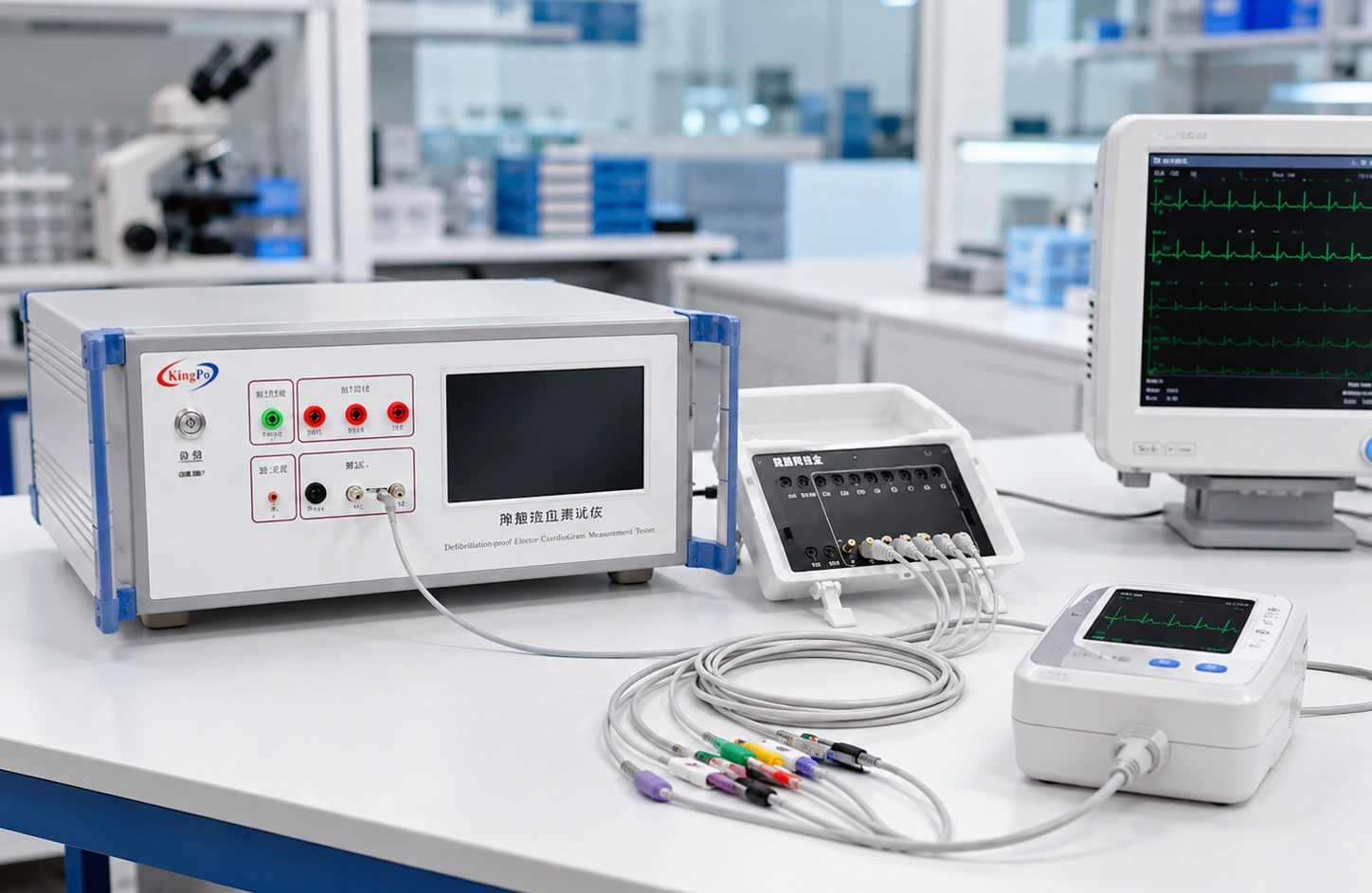
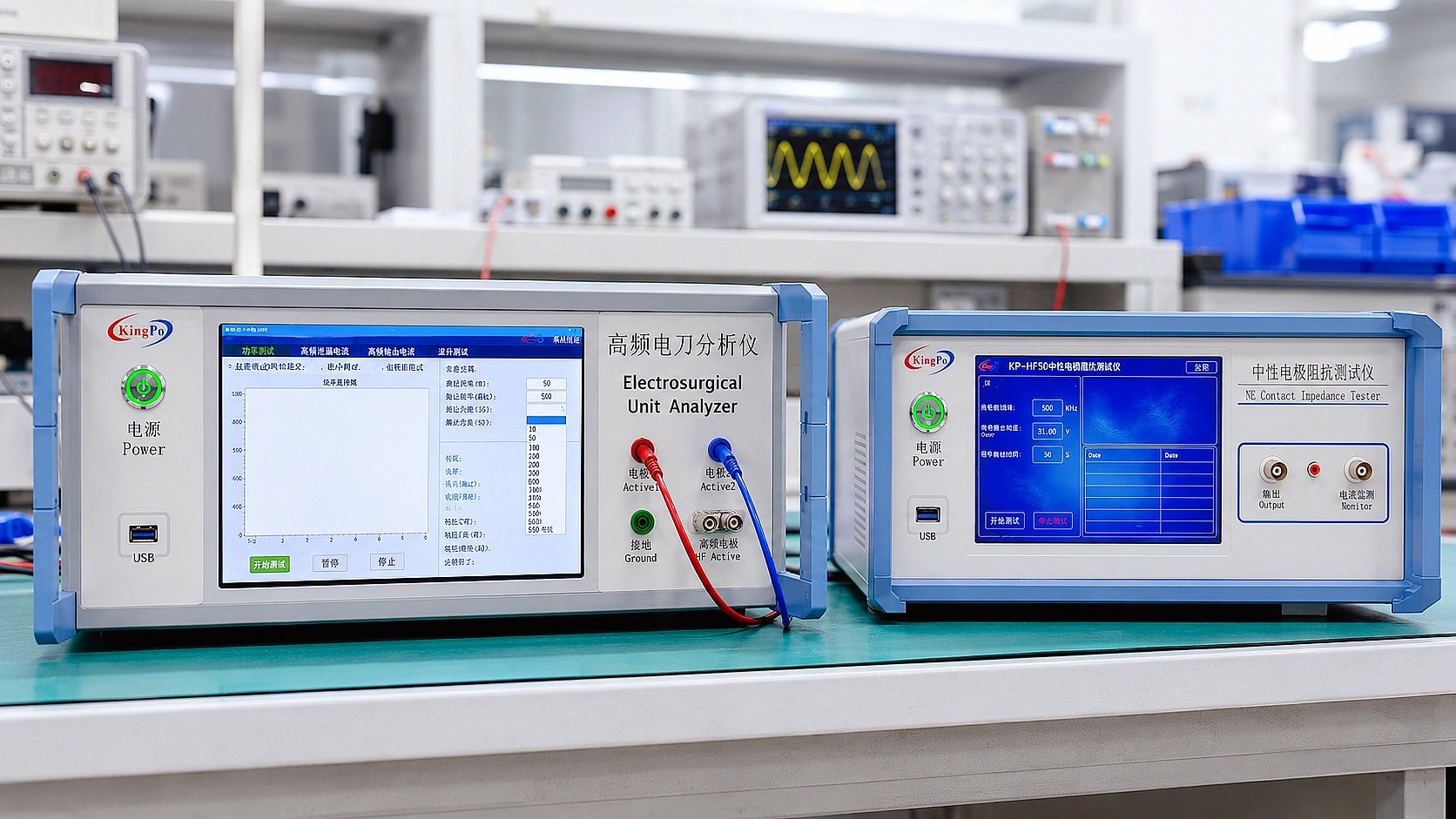
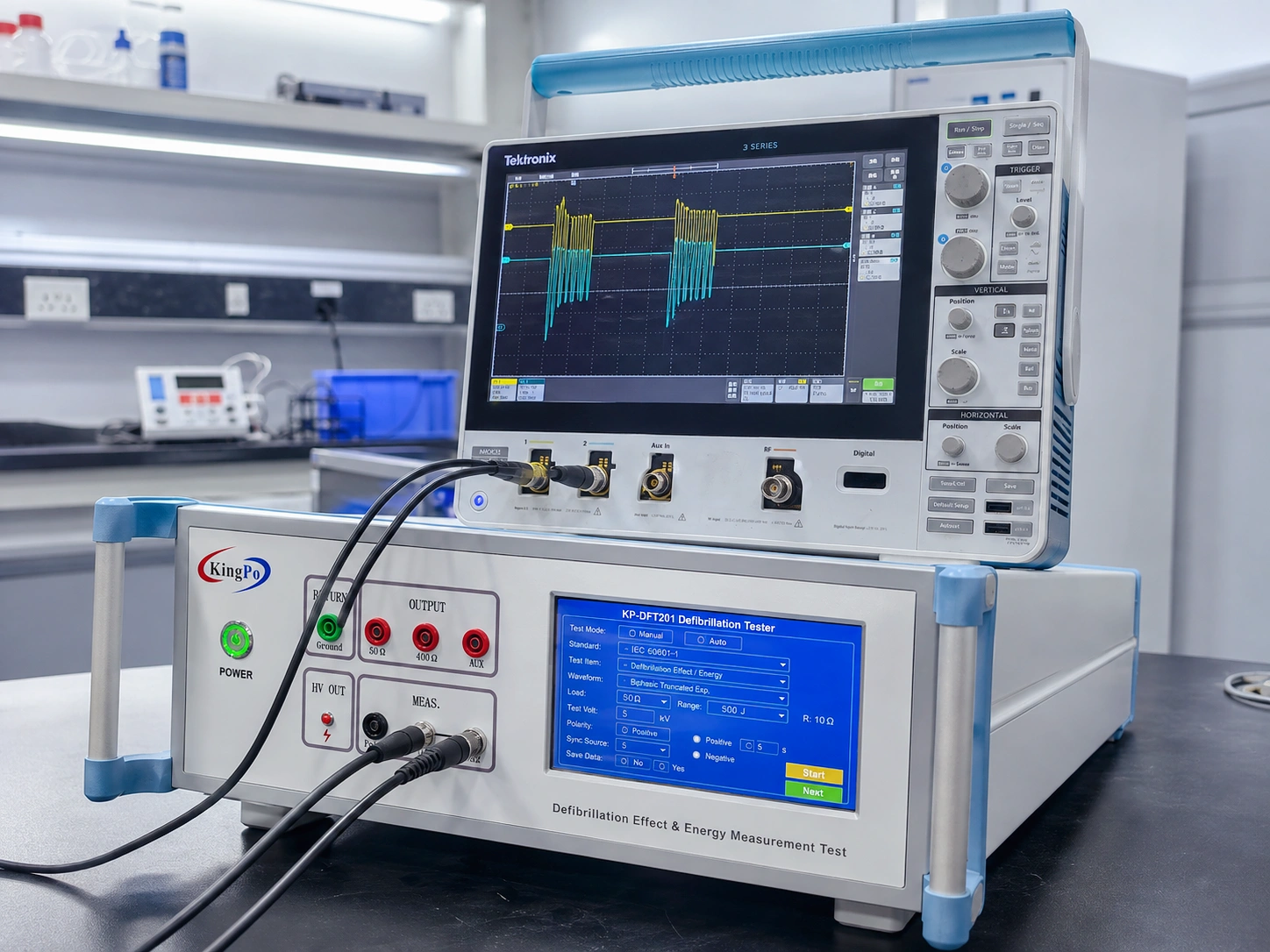
For TNV circuit evaluation, laboratories may need equipment for impulse voltage testing, dielectric strength testing, leakage current measurement, touch current evaluation, and clearance or creepage distance verification.
Testing TNV Circuits
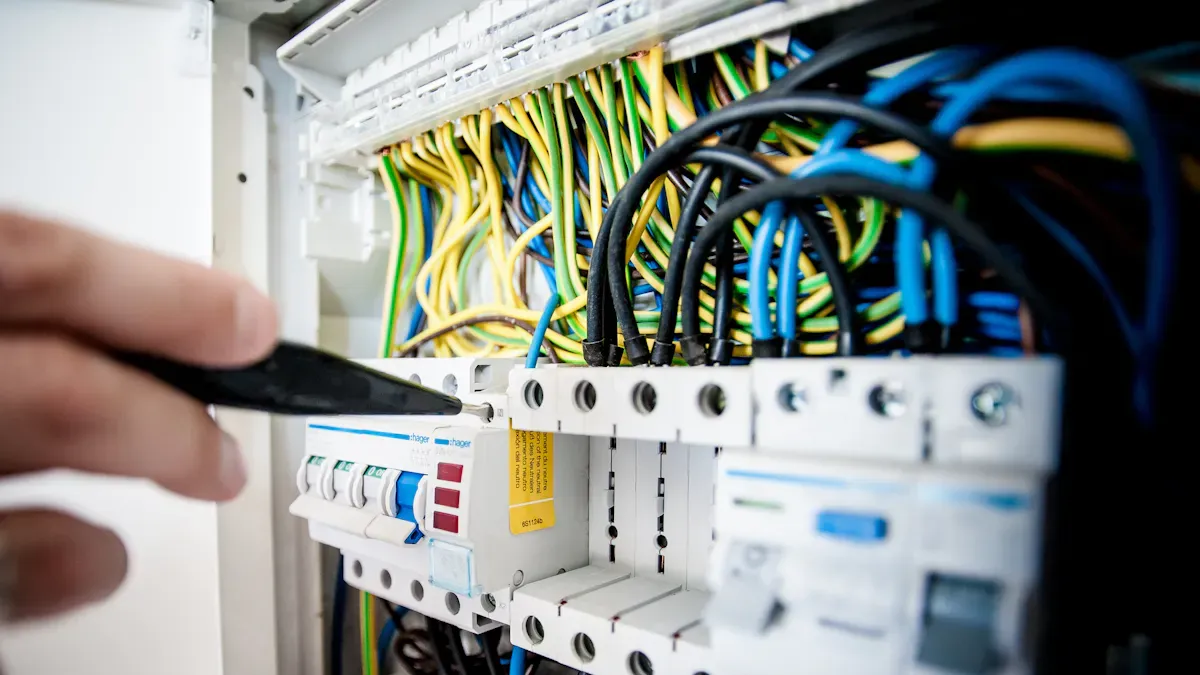
Testing should focus on the actual risk mechanism: voltage limitation, insulation strength, leakage or touch current, protective barriers, clearance and creepage distance, and ability to withstand expected overvoltage conditions.
Dielectric Strength
Checks whether the insulation system can withstand the required test voltage without breakdown.
Leakage / Touch Current
Measures current that may become accessible to users or service personnel.
Impulse Voltage
Evaluates surge-related stress and overvoltage withstand capability where applicable.
Clearance and Creepage
Verifies spacing across air and surfaces between hazardous and accessible parts.
Practical Testing Steps
| Step | What to Check | Why It Matters |
|---|---|---|
| 1 | Identify the circuit classification and applicable product standard. | The correct test condition depends on the safety standard and product design. |
| 2 | Measure normal operating voltage and evaluate abnormal conditions. | This confirms whether the circuit remains within the intended voltage limits. |
| 3 | Review whether telecommunications network overvoltage may be present. | This is one of the key differences between TNV-1, TNV-2 and TNV-3. |
| 4 | Check insulation, clearance, creepage and protective barriers. | These features help prevent electric shock and unsafe access. |
| 5 | Perform dielectric, impulse, leakage or touch-current tests where required. | Test equipment should match the standard clause and acceptance criteria. |
FAQ
What does TNV stand for?
TNV stands for Telecommunications Network Voltage. It is used to describe circuits connected to telecommunications networks in safety standards and legacy circuit classifications.
Why are TNV circuits divided into TNV-1, TNV-2 and TNV-3?
The classification helps designers and test laboratories evaluate normal operating voltage, telecommunications network overvoltage exposure, accessibility and required protective insulation.
Is TNV-1 always safe to touch?
Not automatically. TNV-1 is normally within SELV voltage limits, but accessibility and protection still need to be reviewed according to the applicable safety standard and equipment construction.
How do you test a TNV-3 circuit?
A TNV-3 circuit may require voltage measurement, dielectric strength testing, impulse voltage testing, leakage or touch-current evaluation, clearance and creepage inspection, and review of protective barriers.
Which KingPo equipment is relevant for TNV safety evaluation?
Relevant equipment may include impulse voltage generators, programmable leakage current testers, dielectric strength testers and other electrical safety test equipment depending on the applicable standard and test clause.