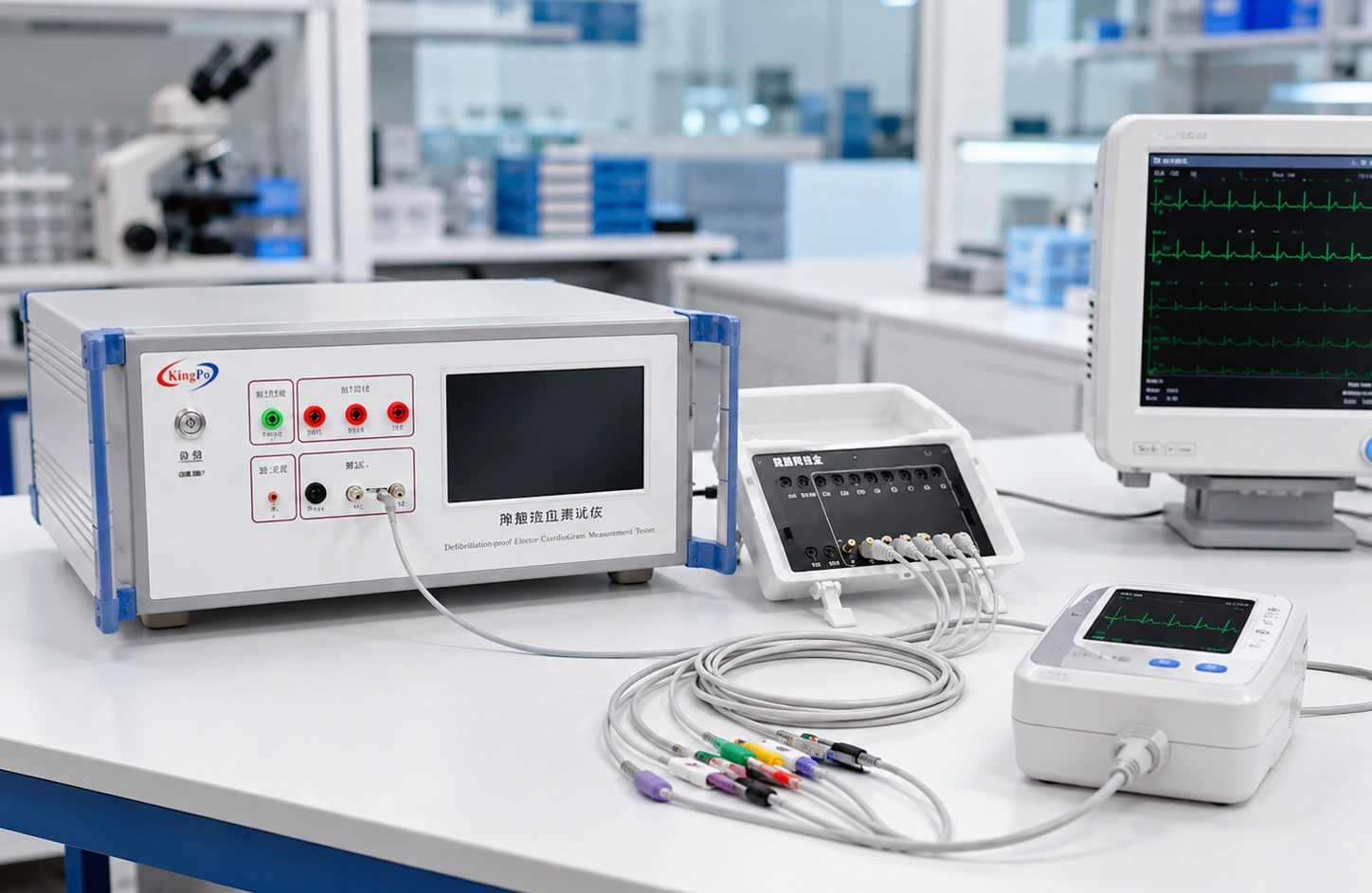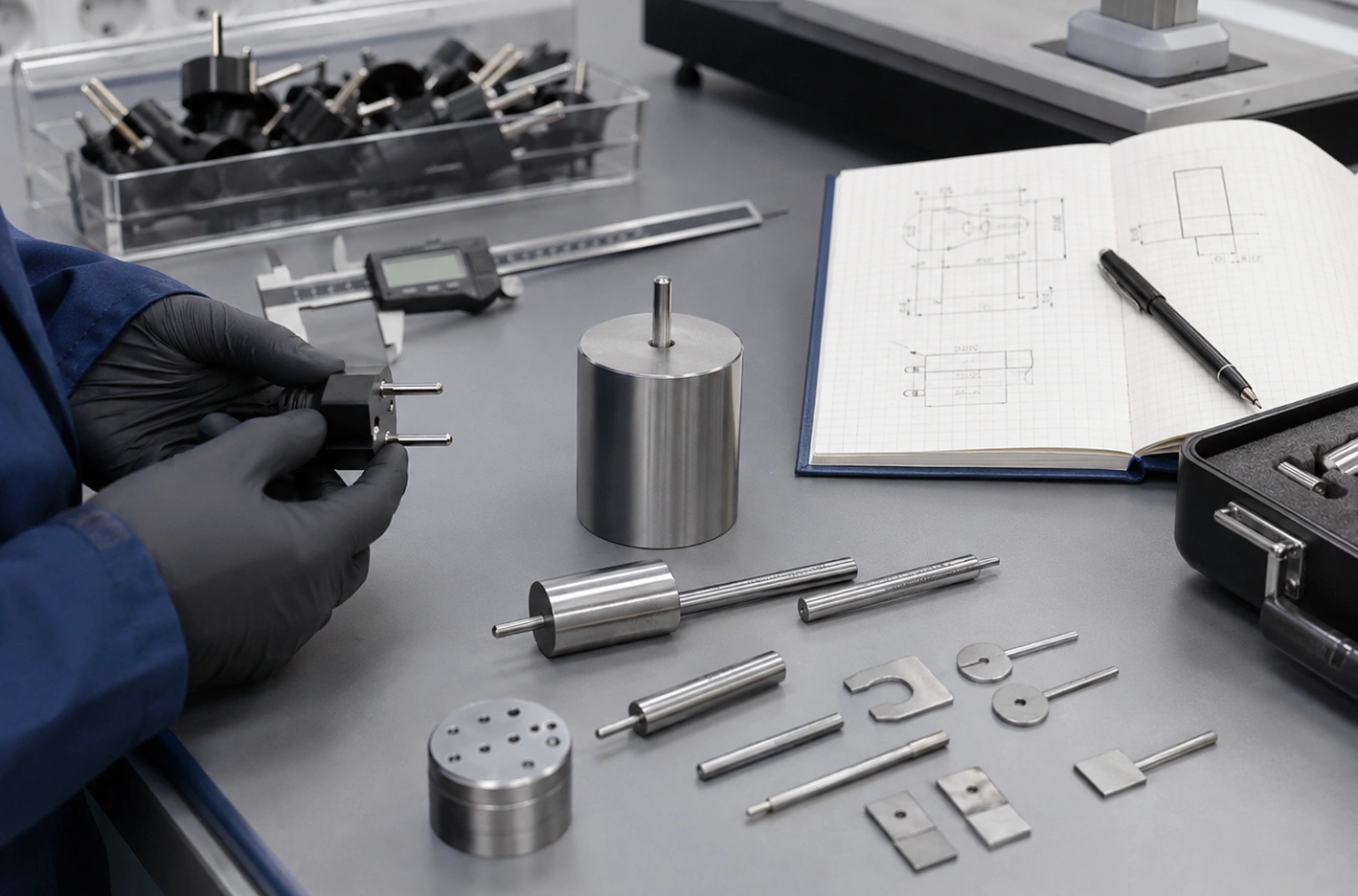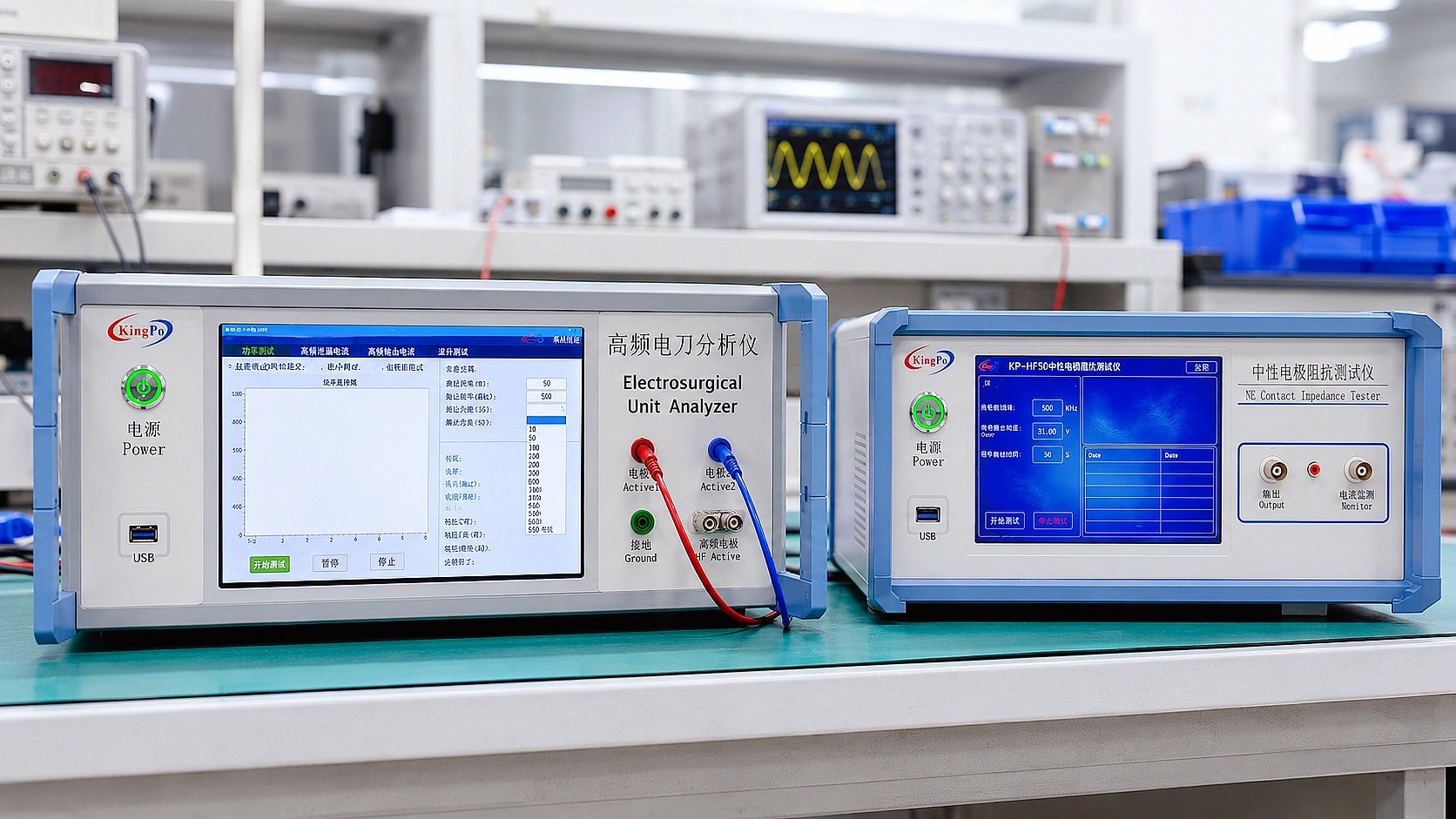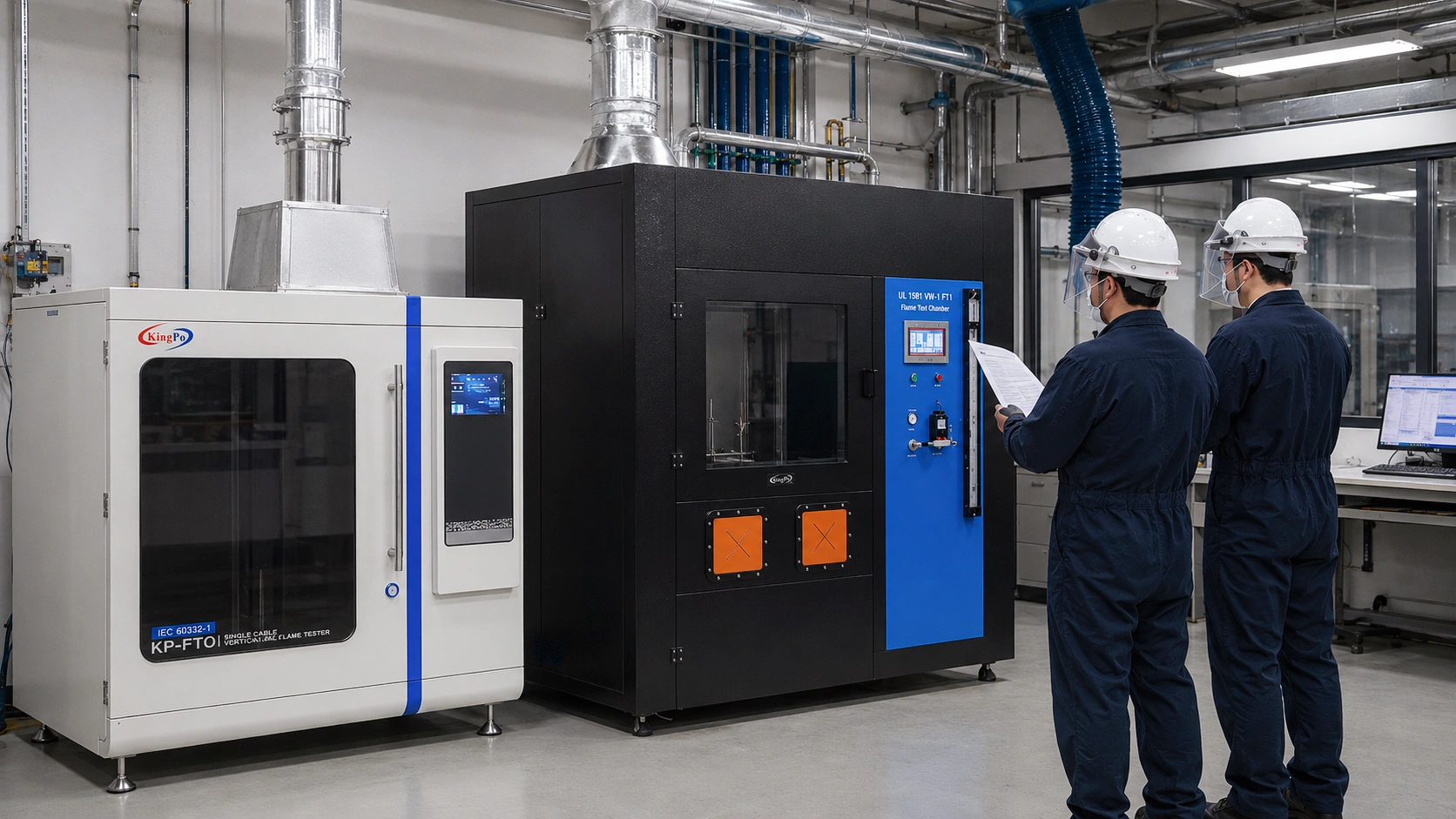
Fire safety is important when you use electronics at home or work. Glow Wire Tester shows how safe your devices are. It checks if materials can stop fire and flames. You can see how this test helps:
-
It checks how well electronic materials stop fire.
-
It looks at how flames move and how long they stay.
-
It helps companies make safer products for you.
When you learn about these tests, you can pick better electronics to use every day.
Key Takeaways
-
Glow Wire Testing checks if parts in electronics can stop fire. This helps keep you safe from fire dangers. – Check for safety marks like UL or IEC on your devices. These marks show the devices passed fire safety tests. – Regular testing helps makers find and fix fire risks in products. They do this before the products get to people. – Picking electronics tested with Glow Wire Tester shows you trust brands that care about safety. These brands also follow rules. – Stay careful by changing old or broken devices. This lowers the chance of fire in your home.
What is a Glow Wire Tester?
Purpose in Electronics
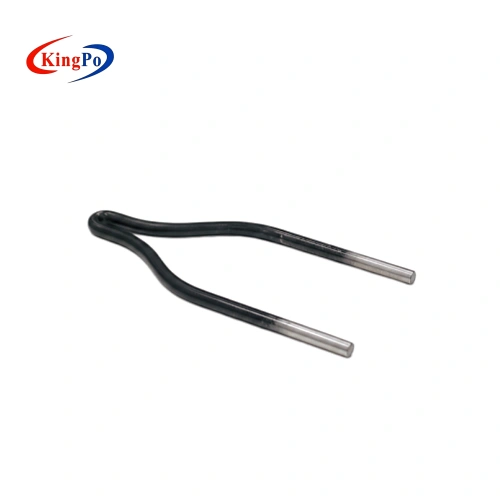
You use lots of electronic devices every day. These devices have parts made from plastic or other stuff. These materials need to stop fire to keep you safe. A Glow Wire Tester helps check how these materials act when they get very hot. International safety rules say the Glow Wire Tester copies what happens if a heated part starts a fire in these materials. The device uses a nickel-chromium wire that gets really hot, between 300°C and 1000°C. This test shows how much fire danger is in electrical and electronic equipment.
The Glow Wire Tester is important for making new products. It lets you see how materials act when they catch fire and how well they stop flames from spreading. This test helps lower fire risks in electrical parts. It copies real-life times when parts might catch fire from something hot. You get safer products because companies use this test to make devices that lower fire danger.
Here is a table that lists the main rules for Glow Wire Tester tests:
|
Standard Code |
Description |
|---|---|
|
IEC60695-2-1 |
Basic testing methods of Glow wire |
|
IEC60695-2-10 |
Basic testing methods of Glow wire device |
|
UL 746A |
Standard for flammability testing |
You find Glow Wire Testers in labs that check many types of electronic parts. These include:
-
Consumer electronics like phone and computer cases
-
Home appliance parts like refrigerator brackets and microwave seals
-
LED lamp covers and insulation
-
Regular lighting parts
-
Wire and cable insulation
-
Switch and socket panels
-
Car electronic cases and wire insulation
Flame Retardancy Testing
You want your devices to stop fire and keep you safe. Flame retardancy testing with a Glow Wire Tester follows easy steps. You can see the steps here:
-
Cut the material into a 60mm x 60mm piece for testing.
-
Heat the nickel-chromium wire to the right temperature.
-
Push the hot wire on the sample with a force of 1.0N ± 0.2N.
-
Watch what happens:
-
If the material catches fire, write down how long it burns.
-
If it does not catch fire or puts itself out in 30 seconds, it passes the test.
-
-
Check the results and decide if the material passes or fails by IEC 60695-2 rules.
You can look at the main parts of a Glow Wire Tester in this table:
|
Component |
Description |
|---|---|
|
Glow Wire |
Heated wire reaching 750-950°C to test materials |
|
Thermocouple |
Measures the temperature of the tested material |
|
Timer |
Tracks the time until ignition |
|
Data Logger |
Records temperature and time data |
|
Control Panel |
Manages power and timer settings |
You should know what makes a material pass the flame test. The table below explains these rules:
|
Criteria |
Description |
|---|---|
|
Highest temperature where a material will not catch fire or puts itself out in 30 seconds |
|
|
GWIT |
Lowest temperature where the material catches fire and burns for more than 5 seconds |
|
Pass Criteria |
No flame or glowing for more than 5 seconds during GWIT, or flame/glowing goes out in 30 seconds after removing the glow wire for GWFI |
You can see that flame retardancy testing helps you pick safer electronics. Companies use these results to make their products better and meet safety rules. You feel better knowing your devices passed tough fire safety tests.
How Glow Wire Tester Works
Testing Process Overview
You can learn how a Glow Wire Tester works by following simple steps. This test shows how materials act when they get very hot and might catch fire. Here is an easy summary:
-
Plug in the power cord. Make sure the power supply is grounded and set to AC 220V.
-
Turn on the power switch. Check the meter to see if it works.
-
Start the control panel. Look at the home page.
-
Press the ‘Heating’ button. This heats up the wire.
-
Change the current until the wire gets hot enough, usually about 750°C.
-
Press the ‘TEST’ button. This starts the glow wire test.
-
Watch the sample burn. Stop the timer when the flame goes out.
-
Finish the test by turning on the fan and light switches. Take out the sample and write down what happened.
Tip: Always follow safety rules when using a Glow Wire Tester. This keeps you safe and helps you get good results.
You need to take care of the equipment. Doing regular checks makes sure the test works right. Here is a table with important safety checks:
|
Maintenance Item |
Recommended Interval |
Purpose |
|---|---|---|
|
Glow wire visual inspection |
Every 50–100 tests |
Find out if the wire is damaged |
|
Temperature sensor cleaning |
Monthly or after heavy use |
Keep the sensor working well |
|
Contact force verification |
Quarterly |
Make sure the force is correct |
|
Chamber cleaning |
Weekly to monthly |
Stop dirt from causing problems |
|
Electrical connection inspection |
Semi-annually |
Keep the power working right |
You should also clean and oil the guides and rails with special heat-proof oil. Check the contact force with special tools. Clean the chamber after a few tests to get rid of dirt. Look at the electrical parts to make sure the power stays steady.
Simulating Heat and Fire Risks
You can see how the Glow Wire Tester copies real fire dangers in electronics. The test uses a nickel-chromium wire. This wire gets very hot, up to 750°C. You press the hot wire onto the test piece. This step is like what happens when electronic parts get too hot or break.
|
Aspect |
Description |
|---|---|
|
Test Specimen |
You put a sample under the hot wire to see what happens. |
|
Heating Element |
The wire is made from nickel-chromium to make strong heat. |
|
Temperature |
The wire gets to 750°C to check if the material can stop fire and flames. |
|
Real-World Simulation |
The test acts like parts that overheat, such as broken resistors or loose wires. |
You can watch for different fire actions during the test. These actions help you know about real fire dangers in your devices.
|
Process |
Description |
|---|---|
|
Pyrolysis |
The material breaks down and lets out gases when it gets hot. |
|
Ignition |
The gases mix with air and might catch fire, starting to burn. |
|
Combustion |
The burning makes heat and can cause fire problems. |
-
The Glow Wire Tester checks how fast materials catch fire when they get very hot.
-
The test copies what happens when electrical parts get too hot.
-
You measure how well materials stop fire from a hot wire, not from small flames or sparks.
You can see that this test helps you know how safe your electronics are. It shows how materials act with heat and helps you pick products that lower fire dangers.
Importance of Glow Wire Testing
Fire Hazards in Electronics
You can face fire dangers when you use electronics at home or work. Some problems happen if parts break or you use them wrong. Fire safety groups warn about these risks:
-
Broken wires can spark and start a fire.
-
Circuits with too much power can get hot and burn.
-
Appliances that do not work right can catch fire.
-
Electronics with water damage might shock you or short out.
-
Devices hurt by smoke can get too hot or spark, causing more fires.
-
Lithium-ion batteries can catch fire or blow up if they get too hot or charged too much.
-
Water can rust wires and circuit boards, making shocks and fires more likely.
-
Smoke can leave acid on metal parts, which can cause shorts.
Glow Wire Tester shows how materials act when these things happen. The test checks how hard it is to start a fire, how flames move, and how long things glow after burning. You find out which materials stop fire and which ones need to be better. The test acts like a real fire, so the results help keep you safe.
Tip: Always look at your devices for damage, like wires that are cut or batteries that look swollen. Fix or change them to stay safe from fire.
Safety Standards and Compliance
You want your electronics to follow strong safety rules. International rules like IEC 60695-1-10 and IEC 60695-1-11 say many products must have glow wire testing. These rules help stop fires and keep flames from spreading inside devices. Companies use the test to show their products are safe from fire.
|
Standard |
Purpose |
|---|---|
|
IEC 60695-1-10 |
Looks at fire dangers in electronic products |
|
IEC 60695-1-11 |
Stops fire from spreading and causing harm |
Companies must show their products pass glow wire testing. They use the test results to get safety labels and follow the law. In the European Union, glow wire testing is needed for products to meet RoHS and LVD rules. Safety programs use these tests to check if products can resist fire.
-
Glow wire testing checks if materials can handle heat and not burn.
-
Results help companies prove their products are safe.
-
Products that pass the test protect people at home and work.
You get safer electronics because of these rules. The test lowers the chance of electrical fires by making sure materials do not burn easily. You can trust products with safety labels to keep you and your family safe.
Benefits and Applications
Manufacturer Advantages
Manufacturers get many good things from using Glow Wire Tester. This tool helps them make safer products by copying real fire dangers. Companies learn how materials act when they get hot. They use this to make products safer and follow fire safety rules.
-
Companies find problems early and fix them before selling.
-
Regular tests help stop issues with flame resistance.
-
Good temperature control means results you can trust.
-
Safer products protect people and make brands stronger.
You can see how testing changes recalls and legal trouble:
|
Aspect |
Description |
|---|---|
|
Importance of Testing |
Flammability testing, like glow wire testing, lowers risks of recalls and legal problems. |
|
Consequences of Non-Compliance |
If companies skip tests, they may lose safety labels and have more recalls or hurt their reputation. |
|
Cost vs. Consequence |
Testing costs less than paying for recalls or legal trouble. |
Manufacturers use Glow Wire Tester for lots of products. You see this test used for things like:
|
Product Type |
Example Component |
Testing Temperature |
|---|---|---|
|
Household Appliance |
Toaster’s crumb tray |
750°C or 850°C |
|
Household Appliance |
Washing machine’s programmer housing |
750°C or 850°C |
Consumer Safety Tips
You want to buy electronics that keep you safe. Look for safety marks like UL or IEC on your devices. These marks mean the product passed fire safety tests. You can check boxes or manuals for these marks.
Picking electronics tested with Glow Wire Tester helps you feel safe. Companies that use this test care about safety and follow rules.
Products that pass glow wire testing help stop fires before they start. You get safer devices and trust the brands you buy.
You can use these tips to stay safe:
-
Look for safety marks before you buy electronics.
-
Read manuals to see if fire safety tests are listed.
-
Replace old or broken devices to lower fire danger.
-
Pick brands that care about safety.
|
Key Points |
Description |
|---|---|
|
Compliance with Standards |
Products that pass glow wire testing meet strong fire safety rules. |
|
Consumer Trust |
Brands that follow safety rules earn your trust. |
|
Market Growth |
More companies use glow wire testing because buyers want safe products. |
You help keep your home and family safe when you choose electronics tested for fire safety.
You use electronics all the time. Glow Wire Tester helps protect you by stopping fires before they begin. This test checks if materials can handle heat and flames. You should buy products that pass fire safety tests. Here is a short table to help you remember:
|
Main Point |
Description |
|---|---|
|
Purpose |
Stops fires from parts that get too hot. |
|
Testing |
Checks if electronics can resist flames. |
|
Application |
Used for things like lights and appliances. |
-
Always check for safety marks on your electronics.
-
Change broken devices to keep your home safe.
FAQ
What does a Glow Wire Tester do?
A Glow Wire Tester checks if materials in electronics can resist fire. You see how plastic and other parts react to high heat. This test helps you know if your devices are safe to use.
Why should you care about glow wire testing?
Glow wire testing keeps you safe from fire hazards. You can trust products that pass this test. Look for safety marks on electronics to make sure they meet fire safety standards.
Which products use Glow Wire Tester?
Manufacturers use Glow Wire Tester for plugs, sockets, appliance parts, lighting covers, and car electronics. You find safer products when companies test these items for fire resistance.
How do you know if your device passed glow wire testing?
Check for safety labels like UL or IEC on your device or packaging. These marks show your product passed fire safety tests. You can read the manual for more details.
Can you do glow wire testing at home?
You cannot do glow wire testing at home. This test needs special equipment and safety steps. You should buy electronics from trusted brands that follow fire safety rules.