I often get asked, what exactly is an isolation transformer and how does it differ from a regular transformer? An isolation transformer separates the electrical power between its input and output, keeping you and your equipment safe from direct electrical contact. I see them used in many places such as hospitals, factories, telecommunications, electronics, and even on machine tools. These transformers help protect sensitive devices and people by blocking unwanted currents and reducing electrical noise.
Key Takeaways
-
Isolation transformers keep input and output circuits separate, enhancing safety for people and equipment.
-
They block unwanted currents and reduce electrical noise, making them ideal for sensitive devices.
-
Use isolation transformers in environments like hospitals and labs to prevent electric shock and protect equipment.
-
These transformers maintain a 1:1 voltage ratio, ensuring stable power for sensitive applications.
-
Isolation transformers help eliminate ground loops, improving audio and video signal quality.
-
They are essential in various industries, including medical, industrial, and telecommunications, for reliable performance.
-
Always match the transformer to the specific needs of your equipment to ensure optimal protection and efficiency.
-
Remember, isolation transformers are a vital part of a comprehensive safety plan, not a standalone solution.
What Exactly Is an Isolation Transformer?
Simple Definition
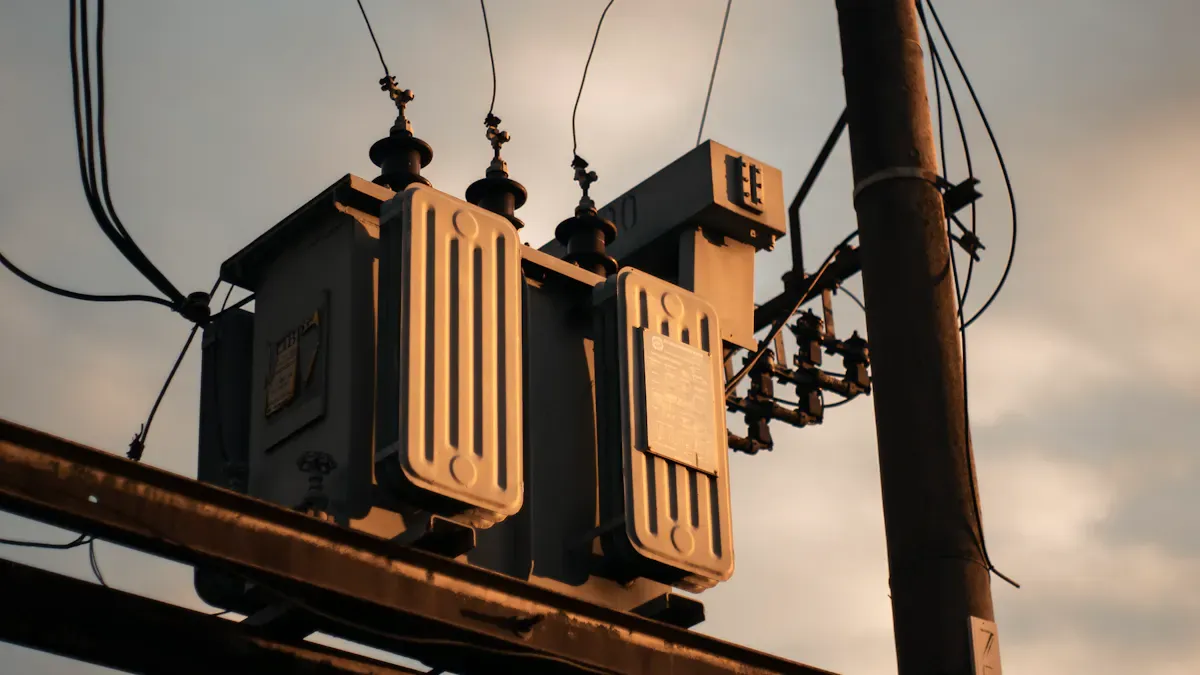
When people ask me, what exactly is an isolation transformer and how does it differ from a regular transformer?, I like to keep the answer simple. An isolation transformer is a device that moves electrical power from one place to another while keeping the input and output separate. This separation is called isolation. It means that the electricity on one side does not have a direct path to the other side. I often see isolation transformers with a 1:1 ratio, which means the voltage going in is the same as the voltage coming out. The main job of this transformer is to provide safety and reduce electrical noise. According to leading electrical engineering standards, an isolation transformer transfers power from an AC source to equipment while giving electrical isolation. This isolation is important for safety and for keeping unwanted electrical noise away from sensitive devices.
Core Purpose
I use isolation transformers for several important reasons. Here are the main purposes:
-
They provide isolation between circuits. This means there is no direct electrical connection, which helps keep people and equipment safe.
-
They help prevent electric shock and protect devices from damage.
-
They block DC currents but let AC currents pass. This helps reduce electrical noise that can cause problems in sensitive equipment.
-
They protect against voltage spikes and electrical interference, which can harm both people and machines.
I always remind my students that what exactly is an isolation transformer and how does it differ from a regular transformer? comes down to this: isolation transformers focus on safety and clean power. Regular transformers usually change voltage levels, but isolation transformers keep things separate and safe.
When I look at what exactly is an isolation transformer and how does it differ from a regular transformer?, I see that isolation transformers use a special design. They do not connect the input and output windings directly. This design gives galvanic isolation, which means no electrical path for dangerous currents. I find this especially useful in hospitals, labs, and places with sensitive electronics.
If you ever wonder what exactly is an isolation transformer and how does it differ from a regular transformer?, remember that isolation transformers are all about safety and protection. They do not just change voltage. They make sure that the power going to your devices is clean and safe. I use isolation transformers whenever I need to protect people or equipment from electrical problems.
Isolation transformers play a key role in many industries. I see them in medical devices, industrial machines, and even in audio equipment. Each time, the goal stays the same: provide isolation, reduce noise, and keep everyone safe.
How Does an Isolation Transformer Work?
Working Principle
Electrical Separation
When I explain the principle of isolation transformers, I always start with electrical separation. This means the transformer keeps the input and output circuits apart. I see this as the heart of isolation transformers. The primary and secondary windings do not touch each other. Instead, they use magnetic fields to transfer energy. This separation is what gives isolation transformers their name and their main safety feature. I often use isolation transformers in places where I need to protect people and equipment from electric shock.
Power Transfer
The principle of isolation transformers also involves safe power transfer. The transformer moves electrical energy from the input side to the output side using electromagnetic induction. I notice that most isolation transformers have a 1:1 voltage ratio. This means the voltage going in matches the voltage coming out. This design is important because it keeps the power stable and safe for sensitive devices. I use isolation transformers in medical equipment and labs because they keep the voltage steady and protect against dangerous surges.
Key Features
Galvanic Isolation
One of the most important features I look for in isolation transformers is galvanic isolation. This means there is no direct electrical path between the input and output. I find this especially useful for breaking ground loops and preventing unwanted currents. Here are some key features I always check:
-
Isolation transformers provide potential isolation by separating the primary and secondary windings.
-
They help stop common-mode interference, especially in low frequency and audio systems.
-
Some isolation transformers include a metal shield to reduce electrical noise even more.
-
Triple-shielded isolation transformers exist for places that need extra protection.
Tip: I always recommend using isolation transformers in audio and video systems to interrupt ground loops and keep signals clean.
Noise Reduction
Noise reduction is another reason I use isolation transformers. The principle of isolation transformers helps block electrical noise that can damage or confuse sensitive equipment. I see this benefit in data centers, hospitals, and communication lines. Isolation transformers do not just protect against shocks—they also keep signals clear and reliable.
I use isolation transformers whenever I need both safety and clean power. The principle of isolation transformers makes them perfect for environments where reliability matters most.
What Exactly Is an Isolation Transformer and How Does It Differ from a Regular Transformer?
Main Differences
Design and Construction
When I compare isolation transformers to regular transformers, I notice clear differences in their design and construction. Isolation transformers use a special winding arrangement. The primary and secondary windings sit apart, with no direct electrical connection. This creates isolation between the input and output. I often see isolation transformers built with a 1:1 voltage ratio, which means the voltage stays the same on both sides. This design focuses on safety and clean power.
Regular transformers usually change voltage levels. Their windings connect in ways that allow for stepping up or stepping down voltage. These transformers do not always provide isolation. Sometimes, the windings share a common connection, which can let unwanted currents pass through.
Isolation transformers often include extra shielding. I have seen metal shields added to reduce electrical noise. Medical grade isolation transformers follow strict standards like IEC 60601. These standards make sure the transformer keeps patients and equipment safe in hospitals.
Operation and Function
The operation of isolation transformers centers on safety and protection. I use isolation transformers to create a floating secondary circuit. This means the output does not connect directly to ground, which reduces shock hazards. Isolation transformers transfer power using electromagnetic induction, but they block direct electrical paths. This prevents dangerous currents from reaching sensitive equipment.
Regular transformers focus on changing voltage. They step voltage up or down for different applications. These transformers do not always provide isolation. Sometimes, they let electrical noise or surges pass through, which can harm devices.
I rely on isolation transformers to reduce electrical noise and interference. They absorb surges and disturbances, protecting connected devices. In industrial settings, isolation transformers improve operator safety and equipment performance. Regular transformers work well for general power distribution, but they do not offer the same level of protection.
Note: I always choose isolation transformers when I need to protect sensitive equipment or ensure operator safety. Regular transformers work best for changing voltage in power systems.
Use Case Comparison
I see isolation transformers used in many specialized applications. Here are some common use cases:
-
Medical equipment
-
Industrial control systems
-
Audio systems
-
Manufacturing equipment
-
Maintenance workstations
-
Test benches
-
Control cabinets
-
OEM equipment
-
Process controls
-
Measurement systems
Isolation transformers play a key role in these areas. They provide isolation, reduce shock hazards, and improve safety. I use them to protect sensitive devices from voltage spikes and electrical noise. In hospitals, isolation transformers prevent electrical shock and follow strict safety standards.
Regular transformers appear in power distribution and general electrical systems. They step voltage up or down for homes, factories, and commercial buildings. These transformers do not always provide isolation. They work well for moving power, but they do not protect against electrical noise or surges.
I often consider cost when choosing between isolation transformers and regular transformers. Here is a simple comparison table:
|
Factor |
Oil-Immersed Transformers |
Dry-Type Transformers |
|---|---|---|
|
Initial Cost |
Lower upfront cost |
Higher initial cost, but potentially safer and more efficient |
|
Maintenance Cost |
Higher due to oil management |
Lower, less frequent maintenance required |
|
Operating Costs |
Similar efficiency, but requires specialized cooling |
Easier maintenance with air-cooling |
|
Environmental and Safety Costs |
Higher risk of oil leaks and fire hazards |
Safer operation, less hazardous in failures |
|
Installation Costs |
May require specialized installation |
Simpler installation process, especially indoors |
I find that isolation transformers, especially dry-type, offer safer operation and easier maintenance. They cost more at first, but they protect equipment and people better. Regular transformers cost less, but they require more maintenance and pose higher risks.
Isolation transformers stand out in environments where safety and clean power matter most. I always recommend them for medical, industrial, and sensitive electronic applications. Regular transformers fit general power needs, but isolation transformers provide the extra protection I need for critical systems.
When to Use an Isolation Transformer
Safety Benefits
I always look for ways to improve safety in my work. Isolation transformers help me do that. They create a floating secondary circuit, which means there is no direct electrical path between the input and output. This design reduces the risk of electric shock for anyone using sensitive electronic equipment. I have seen how isolation transformers prevent ground loops that can cause interference or even harm. They also protect against voltage spikes and electrical disturbances. In medical facilities, isolation transformers stop dangerous electricity from reaching patients and staff. They control leakage currents and help prevent both macro-shock and micro-shock. Hospitals use medical-grade isolation transformers that meet strict standards like IEC 60601-1. These transformers break the direct electrical path and keep everyone safe.
Tip: I always recommend isolation transformers in environments where people and equipment need extra protection from electrical hazards.
Equipment Protection
I use isolation transformers to protect valuable equipment. They provide steady and reliable energy, which helps sensitive devices last longer. I have seen how isolation transformers shield laboratory instruments and medical devices from sudden voltage changes. They reduce noise and disturbances in power systems. This helps high-precision equipment work better and last longer. I always check the power rating and application before choosing a transformer. Here is a table that shows how different power ratings match different applications and advantages of isolation transformers:
|
Power Rating |
Applications |
Key Features |
|---|---|---|
|
Up to 500 VA |
Laboratory instruments, medical devices, electronics |
Precise isolation, small size, cost-effective |
|
500 VA – 1 kVA |
Office equipment, industrial controls, telecom |
Reliable isolation, good balance of performance and affordability |
|
1 kVA – 5 kVA |
Medium-power uses, efficiency improvement |
Protects sensitive electronics from power disturbances |
|
Above 5 kVA |
Manufacturing, power generation, large facilities |
Uninterrupted power, critical for mission-critical operations |
I always make sure to match the transformer to the equipment’s needs. This helps me avoid overheating and keeps everything running smoothly.
Common Applications
I see isolation transformers used in many industries. Medical, industrial, audio, and communication fields all rely on them. Here are some common applications and advantages of isolation transformers:
-
Medical equipment in hospitals and clinics
-
Industrial automation and manufacturing tools
-
Audio and video systems in studios
-
Communication equipment for clear signals
In hospitals, isolation transformers protect patients and devices in operating rooms and imaging systems. In factories, they safeguard automation equipment from electrical noise and power changes. Recording studios use them to eliminate hum and keep audio signals clean. Communication systems depend on isolation transformers to ensure signal integrity.
I always consider the installation environment and safety standards before choosing a transformer. For outdoor or wet areas, I pick enclosed types. For indoor use, I choose ventilated transformers. I also check if the transformer meets standards like IEC or UL.
Isolation transformers play a key role in keeping people safe and equipment reliable. I use them whenever I need to block electrical noise, prevent shocks, or protect sensitive devices.
Safety and Performance Advantages
Shock Protection
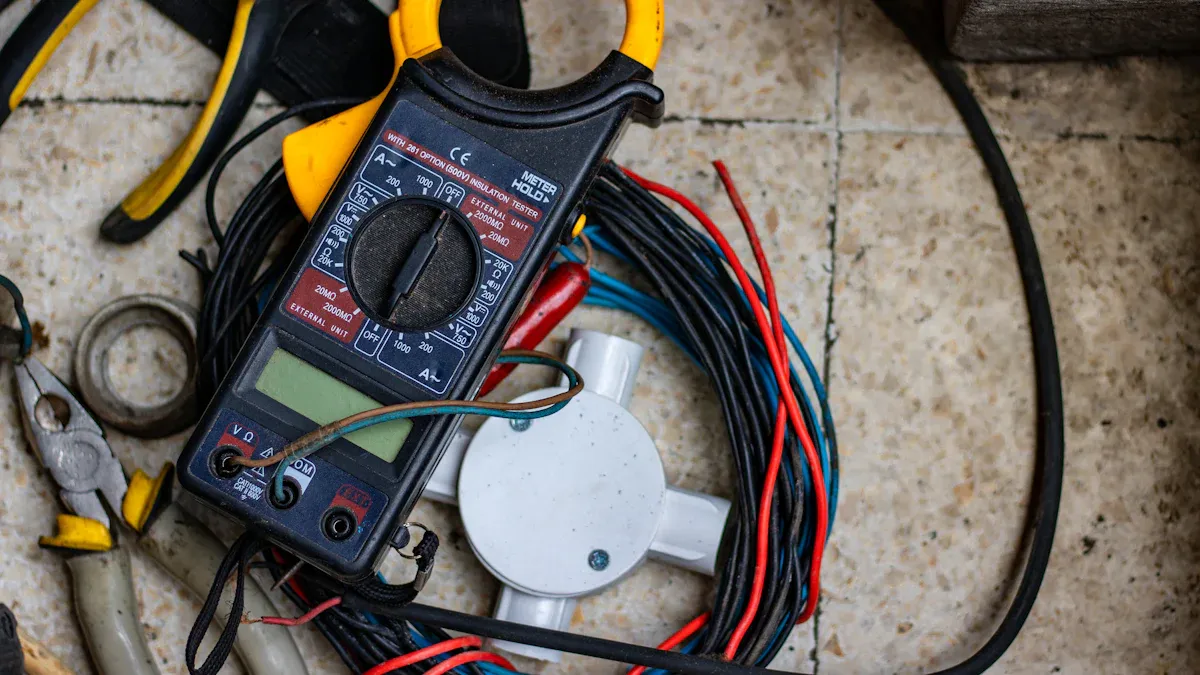
I always put safety first when I work with electricity. Isolation transformers give me peace of mind because they help prevent electric shock. They do this by keeping the input and output circuits completely separate. This separation means that dangerous currents cannot travel from one side to the other. I often use isolation transformers in wet or risky environments, like hospitals or laboratories, where shock hazards are high.
Here is a table that shows how isolation transformers protect against electric shock:
|
Contribution to Shock Protection |
Description |
|---|---|
|
Electrical Isolation |
Prevents direct electrical contact, reducing the risk of electric shock. |
|
Fault Propagation Prevention |
Ensures that a fault on one side does not affect the other side, protecting personnel and equipment. |
|
Floating Neutral Point |
Isolates the electrical system from ground, reducing electric shock risk in wet environments. |
International electrical codes also recommend using isolation transformers for safety. They classify transformers based on their insulation and protection features. I always check these classes before choosing a transformer for critical applications.
Eliminating Ground Loops
I often see ground loops cause problems in audio and video systems. These loops can create annoying hums or buzzing noises. Isolation transformers solve this issue by breaking the direct ground connection between devices. This keeps the signal clean and clear.
Here is a table that explains how different parts of an isolation transformer help eliminate ground loops:
|
Component |
Function |
Impact on Signal |
|---|---|---|
|
Isolation Transformer |
Electromagnetic signal transfer |
Maintains signal integrity while breaking ground connection |
|
Core Material |
Magnetic field generation |
Determines frequency response and distortion characteristics |
|
Shielding |
External interference rejection |
Prevents additional noise introduction |
I use isolation transformers in recording studios and broadcast facilities to keep signals transparent and free from interference. Home theaters and consumer systems also benefit, especially when connecting many devices or using older wiring. This makes isolation transformers a smart choice for many applications.
Reducing Electrical Noise
Electrical noise can ruin the performance of sensitive equipment. I rely on isolation transformers to block this noise and keep my devices running smoothly. They resist interference from electromagnetic sources and solve grounding problems. This isolation ensures that high-precision equipment, like laboratory instruments, works without errors.
I have seen isolation transformers make a big difference in laboratories, medical facilities, and audio production studios. They reduce the transfer of noise from the power supply to devices, which means I get clean electrical signals every time. Here are some ways isolation transformers help reduce electrical noise:
-
They physically separate circuits, stopping noise and interference.
-
They provide clean, consistent power output, which protects sensitive equipment.
-
Ultra-isolation transformers offer even higher levels of protection against electrical noise.
I always choose isolation transformers for applications where stability and reliability matter most. Their isolation improves both safety and performance, making them essential in many fields.
Myths and Misunderstandings
Common Misconceptions
I often hear many myths about isolation transformers. These misunderstandings can lead to confusion or even unsafe practices. I want to clear up some of the most common misconceptions I have come across:
-
Many people believe that isolation transformers are not safe. In reality, they provide extra safety by separating the circuit from ground. This separation helps protect both people and equipment from electric shock.
-
Some think that isolation transformers are less reliable than devices like GFCIs (Ground Fault Circuit Interrupters). I know that isolation transformers use a passive safety method. They do not need to detect unsafe conditions to work. This makes them very dependable in many situations.
-
I have met people who say isolation transformers are not necessary for certain jobs. However, I know that many safety codes require them on construction sites and in other high-risk areas. These rules exist because isolation transformers help prevent accidents and keep workers safe.
Tip: I always remind my students that isolation transformers do not replace other safety devices. They add another layer of protection.
I see these myths often in workplaces and classrooms. I always encourage people to ask questions and learn the facts before making decisions about electrical safety.
What Isolation Transformers Cannot Do
I want to be clear about what isolation transformers cannot do. Sometimes, people expect them to solve every electrical problem. That is not true. Here are some limits I have noticed:
|
Expectation |
Reality |
|---|---|
|
Will fix all electrical faults |
Only isolates circuits; does not repair wiring or faulty equipment |
|
Protects against lightning strikes |
Reduces some surges, but cannot stop direct lightning damage |
|
Replaces all safety devices |
Works best with other safety tools like GFCIs and circuit breakers |
|
Changes voltage levels |
Most isolation transformers keep voltage the same (1:1 ratio) |
|
Removes all types of noise |
Reduces common-mode noise, but may not block all interference |
I have seen people install isolation transformers and expect them to fix every issue. That approach does not work. I always use isolation transformers as part of a complete safety plan. I combine them with other devices, such as surge protectors and proper grounding.
Note: I never rely on isolation transformers alone for total protection. I always check the whole system and use the right tools for each job.
I hope this section helps clear up some of the confusion. Understanding what isolation transformers can and cannot do helps me make better choices and keeps everyone safer.
I see clear benefits when I choose isolation transformers over regular transformers. Isolation transformers keep circuits separate, which protects sensitive equipment from electrical faults and noise. I always check for galvanic separation because it helps contain voltage spikes and prevents damage. Understanding these differences lets me select the right transformer for each job. I recommend isolation transformers for safety and reliability. Remember, picking the right transformer keeps your equipment safe and your power clean.
-
Isolation transformers reduce noise and protect sensitive devices.
-
Magnetic coupling helps contain fault propagation and keeps equipment safe.
FAQ
What is a drive isolation transformer?
I use a drive isolation transformer to protect motors and variable frequency drives. It helps reduce electrical noise and keeps the drive running smoothly. I always choose this transformer when I want to extend the life of my equipment.
Why should I use a drive isolation transformer?
I use a drive isolation transformer to prevent voltage spikes and electrical disturbances from damaging my motor drives. This transformer improves safety and reliability. I recommend it for any system with sensitive electronic controls.
How do I choose between different types of isolation transformers?
I look at my application first. Some types of isolation transformers work best for medical devices, while others suit industrial machines. I always match the transformer to the equipment’s needs for the best results.
Where do I install a drive isolation transformer?
I usually install a drive isolation transformer close to the motor drive. This setup gives the best protection against electrical noise and voltage surges. I make sure the transformer matches the drive’s power rating.
Can a drive isolation transformer reduce electrical noise?
Yes, I use a drive isolation transformer to block unwanted electrical noise. This keeps my motor drives and sensitive equipment running without interference. I see the difference in smoother operation and fewer errors.
What are the main benefits of using a drive isolation transformer?
I see many benefits. A drive isolation transformer protects against surges, reduces noise, and extends equipment life. It also helps me meet safety standards in industrial settings.
Are all types of isolation transformers the same?
No, I find that different types of isolation transformers serve different purposes. Some focus on safety, while others, like the drive isolation transformer, target noise reduction and equipment protection. I always pick the right type for my needs.