You need to know how products handle extreme changes in temperature. Thermal Shock Testing puts materials through instant, extreme temperature shifts, sometimes as fast as 30°C per minute, between -75°C and +220°C. This test creates high strain and reveals weak points caused by rapid expansion and contraction. In fact, about 55% of microelectronic device failures come from thermal stress. As industries demand reliable products, you see why this testing matters for safety and performance.
Key Takeaways
-
Thermal Shock Testing reveals how products react to sudden temperature changes, helping identify weak points before they fail.
-
This testing is crucial for industries like aerospace and electronics, where safety and reliability are paramount.
-
By simulating real-world conditions, Thermal Shock Testing helps improve product design and longevity.
-
Understanding the testing process allows manufacturers to ensure their products can withstand extreme environments.
-
Early detection of issues through testing reduces warranty claims and enhances customer satisfaction.
Thermal Shock Testing Overview
Definition and Purpose
You need to understand how products react when they face sudden temperature changes. Thermal Shock Testing puts materials and devices through quick shifts between hot and cold. This process helps you see how well a product can handle real-world conditions. International standards say that this testing checks the performance of materials and electronic devices under changing temperatures. You use it to find out if a product will last when it faces tough environments, like those in aerospace, electronics, or defense.
The main goal is to test the strength and reliability of materials. When you move a product from a hot place to a cold one, the parts inside expand and contract at different rates. This can cause stress at the boundaries where different materials meet. You want to know if solder joints, circuit boards, or other parts will crack or break. By running these tests, you can spot problems before they show up in the real world.
Note: Thermal Shock Testing does not just check if a product works. It helps you understand how long it will last and if it will stay safe during its life.
International standards, like MIL-STD-810, include this testing as part of their rules. These standards say you must use good judgment because lab tests cannot copy every real-world situation. The main purpose is to make sure your product stays strong and reliable during its service life.
|
Aspect |
Description |
|---|---|
|
Scope |
Covers temperature extremes and shock as part of environmental testing standards. |
|
Limitations |
Lab results may not match all real-world stresses; engineering judgment is important. |
|
Purpose |
Ensures durability and worthiness of designs throughout their service life. |
Importance for Product Reliability
You want your products to work well, even in tough conditions. Thermal Shock Testing helps you find weak spots that normal tests might miss. When you expose a product to fast temperature changes, you can see if it will crack, shatter, or fail. This is very important for things like cars, airplanes, and electronics, where safety matters most.
Thermal Shock Testing shows you how materials handle stress from sudden temperature shifts. You can spot problems like:
-
Cracks and fractures in materials
-
Solder joint fatigue in electronics
-
Delamination in multilayer circuit boards
These problems can cause devices to stop working or even become unsafe. By finding these issues early, you can improve your design and make your product last longer.
You also use this testing to copy real-world conditions. For example, a car part might go from a freezing winter morning to a hot engine in minutes. If you do not test for this, you might miss a failure that could happen to your customer.
Thermal cycling tests, which are part of this process, help you see how products act when they face both high and low temperatures. You can find out if different materials inside a product work well together or if they will pull apart over time.
-
Thermal Shock Testing simulates extreme temperature changes.
-
It helps you find cracks, fractures, and other weak spots.
-
The results help you make better, stronger products.
You can trust that products passing these tests will perform better in high-stress environments. This means fewer failures, safer products, and happier customers.
Thermal Shock Testing Process
Testing Steps
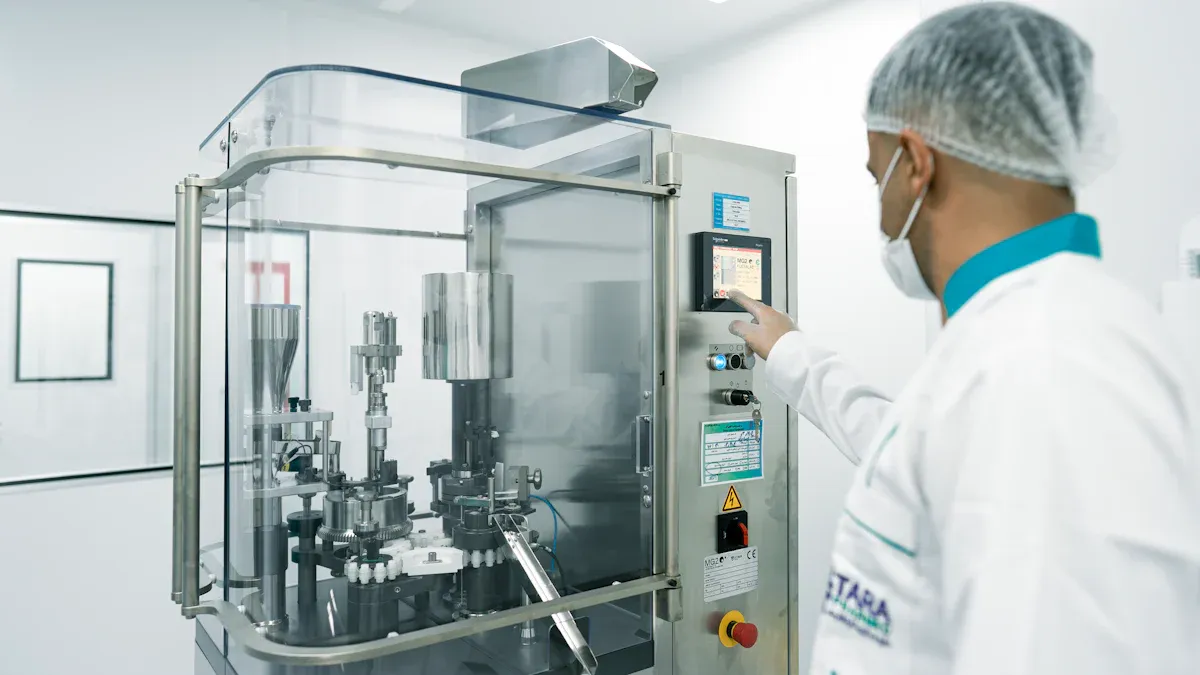
You need to know how Thermal Shock Testing works in practice. The process uses special machines called thermal shock chambers. These chambers move your product quickly between hot and cold zones. This helps you see how your product handles sudden temperature changes.
Here are the main steps you follow during testing:
-
Prepare the Specimen
You place your product or material inside the chamber. You make sure it is clean and ready for testing. -
Set the Temperature Zones
The chamber has two or three zones. One is very hot, and one is very cold. Sometimes, there is a third zone at room temperature. -
Start the Test Cycle
The chamber moves your product from the hot zone to the cold zone in less than 10 seconds. This fast transfer creates a big temperature shock. -
Hold at Each Temperature
Your product stays in each zone for a set time, usually 10 to 30 minutes. This is called the dwell time. -
Repeat the Cycle
You repeat the hot-cold cycle many times. Some tests use only 5 cycles, while others use over 1000 cycles. -
Inspect for Damage
After testing, you check your product for cracks, breaks, or other problems.
Tip: You can use two-zone or three-zone chambers. Both types can reach temperatures as high as +200°C and as low as -70°C. The chamber moves your product quickly to create real-world stress.
Here is a table showing how these chambers work:
|
Configuration Type |
Hot Zone Temp |
Cold Zone Temp |
Transfer Time |
Transition Rate |
Dwell Time |
|---|---|---|---|---|---|
|
Two-Zone Thermal Shock |
+200°C |
-70°C |
<10 seconds |
30-50°C/min |
10-30 minutes |
|
Three-Zone Thermal Shock |
+200°C |
-70°C |
<10 seconds |
30-50°C/min |
10-30 minutes |
Key Parameters
You need to control several important factors during Thermal Shock Testing. These key parameters help you get accurate and repeatable results.
-
Temperature Range
Most tests use temperatures from -55°C to +125°C. Some standards use even wider ranges, up to +200°C or down to -70°C. -
Transition Time
The chamber moves your product between hot and cold zones in less than 10-15 seconds. This fast change is important for finding weak spots. -
Dwell Time
Your product stays at each extreme temperature for 10 to 30 minutes. This gives enough time for the material to react. -
Cycle Count
You can run as few as 5 cycles for a quick check. For full qualification, you may need over 1000 cycles. -
Specimen Handling
You must handle your product carefully during transfers. You want to avoid extra stress that does not come from temperature changes.
Here is a table with common test standards and their settings:
|
Standard |
Temperature Range (°C) |
Cycle Count |
Dwell Time (minutes) |
|---|---|---|---|
|
IEC 60068-2-14 |
-55 to +125 |
5-1000 |
10-30 |
|
JEDEC JESD22-A104 |
-55 to +125 |
500-1000 |
15 |
|
AEC-Q100 |
-40 to +150 |
1000 |
N/A |
|
MIL-STD-810 |
-55 to +71 (storage), -40 to +63 (operating) |
N/A |
<1 |
|
RTCA DO-160G |
-55 to +70 (Category B) |
N/A |
N/A |
-
Temperature extremes usually range from -55°C to +150°C.
-
Transition times are under 10-15 seconds.
-
Dwell times last 10 to 30 minutes.
-
Cycle counts can range from 5 to over 1000.
You use these parameters to match real-world conditions. This helps you make sure your product will survive sudden temperature changes in its actual environment.
Failure Detection

Types of Failures
You can find many types of failures during thermal shock testing. When you move a product quickly between hot and cold, the material expands and contracts. This sudden change puts stress on the product. You may see cracks, warping, or even parts that break off.
Here is a table that shows the most common failures in metals and polymers:
|
Failure Type |
Description |
|---|---|
|
Gradual Degradation |
You may notice slow damage over time, like fatigue or material wear. |
|
Immediate Defects |
You can spot sudden cracks or weak spots right after a temperature change. |
-
Thermal shock happens when you expose a product to fast and large temperature changes.
-
Different parts of the material expand or shrink at different rates.
-
This can cause stress, which leads to cracks, warping, or even total failure.
Results showed that the microstructures obviously changed after cyclic thermal shock tests. The horizontal cracks extended at the interface, leading to the matching layer and above detaching from the system after 70 thermal shock cycles.
Thermal shock testing also helps you find hidden problems. You may not see these issues with other tests. For example:
-
You can find microcracks in solder joints.
-
You may notice delamination where two materials meet.
-
Standard tests often miss these defects because they do not use extreme temperature changes.
Impact on Durability
Thermal shock testing gives you important information about how long your product will last. You use this data to make your product stronger and safer. By running these tests, you can simulate years of use in just a short time. This helps you estimate how long your product will work before it fails.
Manufacturers use the results to improve design. You can choose better materials or change how you build your product. This means your product will last longer and work better in real life. For example, you can make sure that electronic devices like smartphones or wearables stay reliable, even when they face sudden temperature changes.
When you find and fix weak spots early, you reduce warranty claims and keep your customers happy. You also gain an advantage over others who do not test as carefully. Thermal shock testing helps you build products that last.
Industry Applications
Thermal shock testing plays a key role in many industries. You use it to make sure products work safely and reliably, even when they face sudden temperature changes. Here are some of the main fields where this testing is essential.
Aerospace and Defense
You rely on thermal shock testing to keep aircraft, satellites, and defense systems safe. These products face extreme temperature swings, from the cold of high altitudes to the heat of engine operation. Testing helps you find weak spots before they cause failures in flight or mission-critical systems.
|
Standard |
Description |
|---|---|
|
RTCA DO-160 |
Outlines environmental testing for avionics, including thermal shock. |
|
ESA ECSS-Q-ST-20-08C |
Sets requirements for space components, including thermal shock testing. |
|
MIL-STD-202 |
Specifies testing methods for electronic parts, including thermal shock. |
You see these standards used to test avionics, radar, and satellite parts. For example, DO-160 checks if equipment works after rapid temperature changes during takeoff and landing. MIL-STD-810 includes procedures for equipment that must survive storage and operation in extreme conditions.
Thermal shock testing simulates the real-world temperature swings that aerospace and defense components face. This helps you ensure safety and reliability in critical missions.
Automotive and Electronics
You use thermal shock testing to make sure cars and electronics can handle daily life. Vehicles face cold starts, hot engines, and rapid climate changes. Electronics like smartphones and laptops move between air-conditioned rooms and hot cars.
-
You test EV batteries from -40°C to +85°C in rapid cycles.
-
Engine control units go through over 1,000 cycles to check durability.
-
LED headlights are cycled to spot lens cracks or solder failures.
Thermal shock testing also follows standards like ISO 16750, AEC-Q100, IPC-9701, and JEDEC JESD22-A104. These tests help you find hidden defects, predict product lifespan, and improve design. You can trust that your devices will work, even after sudden temperature changes.
Medical and Industrial
You depend on thermal shock testing to keep medical devices and industrial sensors safe and reliable. Medical equipment must pass strict FDA guidelines, which include thermal assessments and accelerated aging tests.
The FDA recommends that you use experimental models, computational models, and clinical evaluations to check how devices handle temperature changes.
|
Testing Standard |
Description |
|---|---|
|
Environmental testing, including thermal shock. |
|
|
JEDEC JESD22-A104 |
Thermal shock testing for semiconductor devices. |
|
IEC 60068-2-14 |
International standard for environmental thermal shock testing. |
In factories, you use thermal shock testing to check sensors and control systems. This helps you find problems early and ensures long-term reliability, even in harsh environments.
You see that thermal shock testing is vital for simulating real-world conditions. It helps you build safer, longer-lasting products for every industry.
You gain real value from Thermal Shock Testing because it uncovers weak points and helps you build stronger products. Recent studies show that this testing gives you reliable data, so you can spot problems early and improve product reliability.
-
You meet industry rules and save money by avoiding costly recalls.
-
You reduce downtime and lower replacement costs over time.
Thermal Shock Testing supports innovation and keeps your products ready for the future.
FAQ
What is the difference between thermal shock testing and thermal cycling?
You use thermal shock testing for rapid temperature changes. You use thermal cycling for slower changes. Thermal shock testing finds sudden failures. Thermal cycling checks long-term durability.
How long does a typical thermal shock test take?
You can finish a basic test in a few hours. Some tests with many cycles may take several days. The time depends on the number of cycles and dwell times.
Why do you need to test electronic devices for thermal shock?
You need to test electronics because sudden temperature changes can cause cracks or solder failures. This testing helps you find weak spots before products reach customers.
Can you use thermal shock testing for plastics?
Yes, you can. Plastics often expand and contract more than metals. You use thermal shock testing to check for cracks, warping, or other damage in plastic parts.
What equipment do you need for thermal shock testing?
You need a thermal shock chamber. This machine moves your product quickly between hot and cold zones. Some chambers have two zones, while others have three.