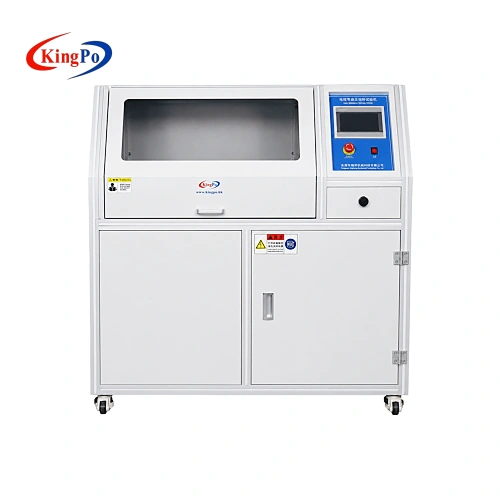
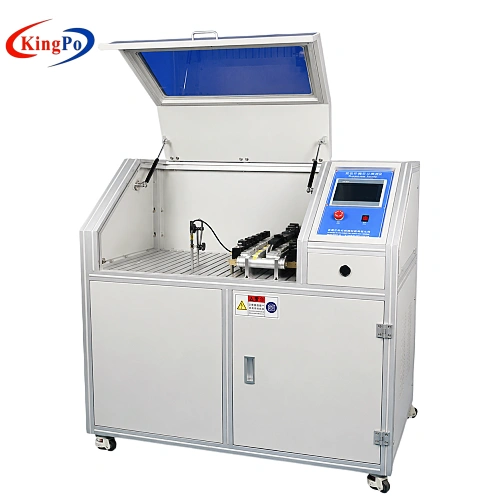
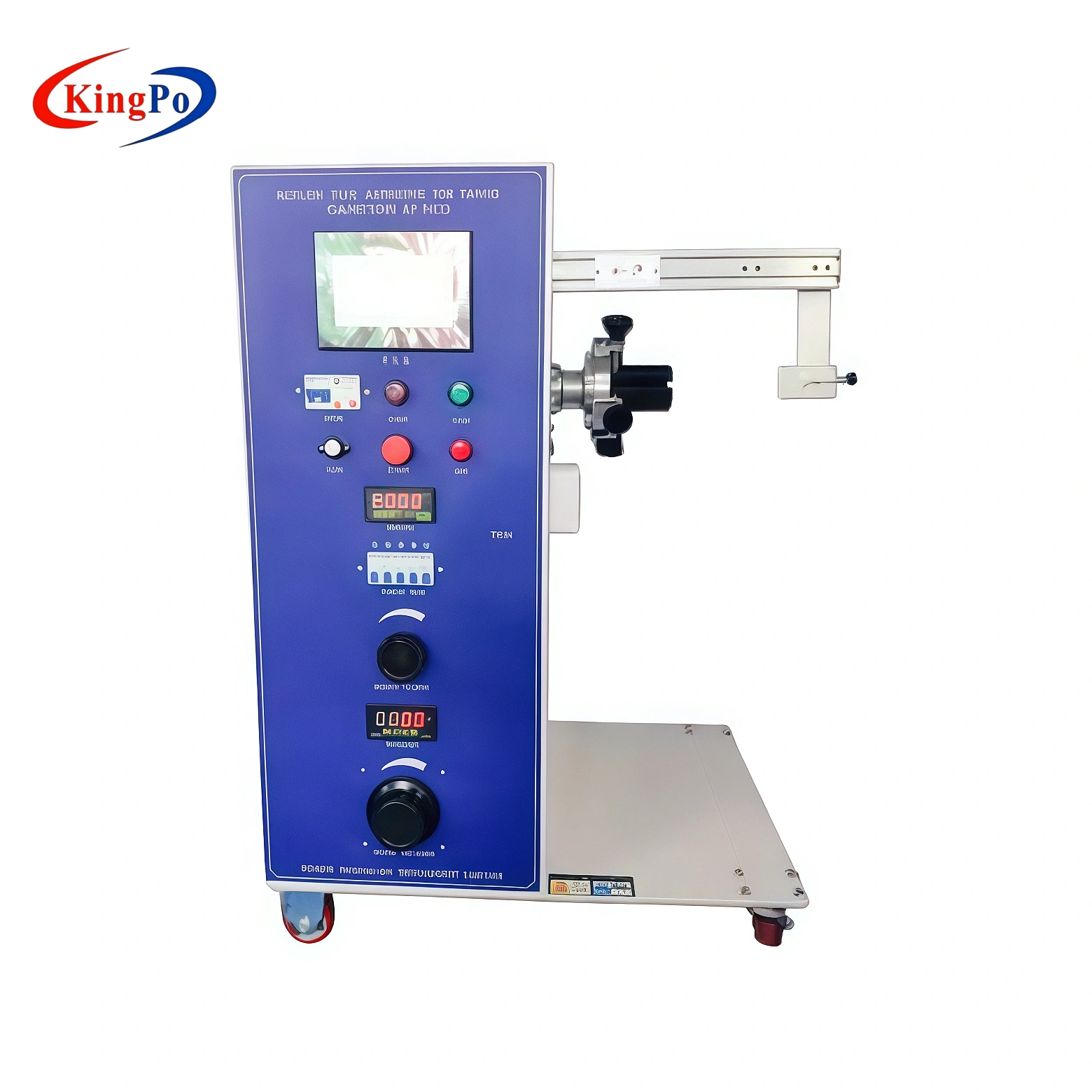
IEC 60335 battery enclosure pressure tester with enclosed test chamber and touch-screen control panel
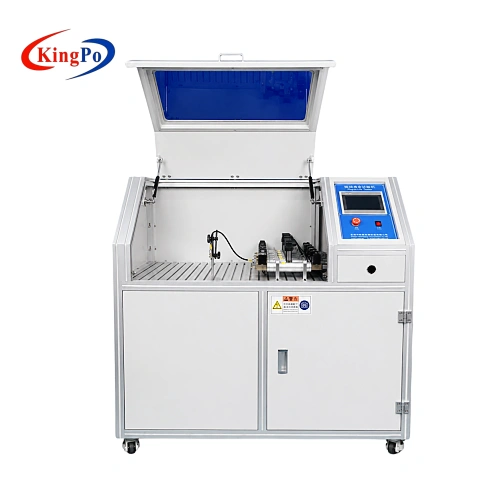
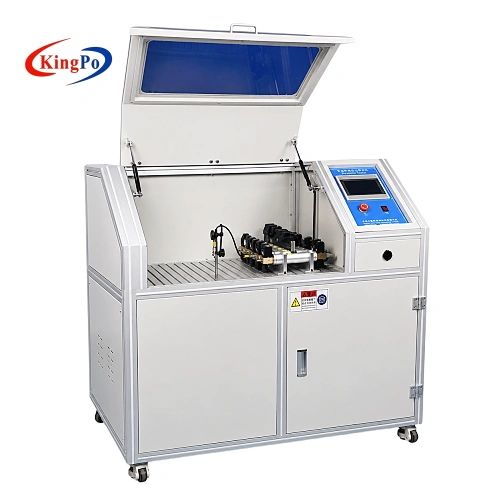
Battery enclosure pressure test system for IEC 60335-1 Annex B with open chamber and test connections
Left-side view of a battery enclosure pressure tester with open test chamber and air injection system
Right-side view of an IEC 60335 pressure test system with touch-screen HMI and test chamber
Laboratory technician operating an IEC 60335 battery enclosure pressure tester
IEC 60335 battery enclosure pressure tester with enclosed test chamber and touch-screen control panel
Battery enclosure pressure test system for IEC 60335-1 Annex B with open chamber and test connections
Left-side view of a battery enclosure pressure tester with open test chamber and air injection system
Right-side view of an IEC 60335 pressure test system with touch-screen HMI and test chamber
Laboratory technician operating an IEC 60335 battery enclosure pressure tester

IEC 60335 Battery Enclosure Pressure Tester

The KP-35B3 is an IEC 60335 battery enclosure pressure tester designed for controlled pressure testing of applicable battery-operated appliances. It combines defined air-volume injection, automated pressure control and real-time monitoring to support laboratory safety evaluation and compliance testing.

  • Standard Focus: Designed for battery enclosure pressure testing associated with IEC 60335-1 and applicable IEC 60335-2-120 requirements.
  • What It Tests: Evaluates appliance enclosures incorporating integral metal-ion cells under a simulated cell venting pressure condition.
  • Test Purpose: Used to assess pressure-relief performance and verify that the enclosure does not suffer unintended rupturing damage during the specified pressure test.
  • Test Method: Applies a defined initial pressure and selected air volume while continuously monitoring the enclosure pressure response.
  • Typical Users: Suitable for appliance manufacturers, product safety laboratories, R&D teams and conformity assessment laboratories conducting IEC 60335 battery-related safety testing.

Product Overview

The KP-35B3 IEC 60335 battery enclosure pressure tester is developed to simulate the internal pressure condition that may occur when an integral metal-ion cell vents inside an appliance enclosure during a fault condition. The test helps laboratories evaluate the enclosure’s pressure-relief response and determine whether unintended rupturing damage occurs under the specified test condition.

Unlike general battery pressure measurement instruments, the equipment performs a controlled test using a defined initial pressure, selected air volume and specified test orifice. Pressure changes are monitored throughout the test sequence, giving operators a clear view of how the enclosure responds to the applied pressure condition.

Automated process control, real-time pressure monitoring and test curve display make the KP-35B3 suitable for IEC 60335 compliance evaluation, product development and laboratory test documentation.
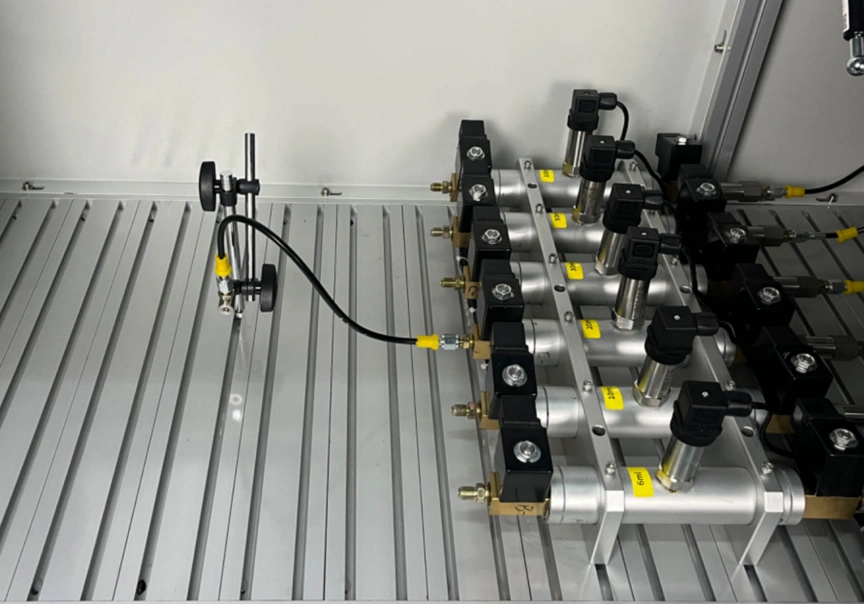
Internal air injection and pressure control assembly of an IEC 60335 battery enclosure pressure tester

Applicable Standards and Test Purpose

The battery enclosure pressure tester is designed for applicable battery enclosure pressure test requirements associated with IEC 60335-1 and relevant requirements of IEC 60335-2-120.

For projects involving an IEC 60335-1 Annex B pressure test, the test condition is intended to simulate pressure associated with cell venting and evaluate the response of the appliance enclosure to the resulting internal overpressure.

Test Focus

The test evaluates the pressure-relief and structural response of the appliance enclosure. It is not intended to measure the internal pressure of an individual battery cell.

The applicable standard edition, test clause, sample construction and cell capacity should be confirmed before equipment configuration or quotation.

Technical Specifications

Key specifications of the IEC 60335 battery enclosure pressure tester are organized below for laboratory and purchasing review.

Pressure Test and Control

Technical Item Specification
Model KP-35B3
Test Stations 6 stations
Control Method PLC with touch-screen HMI
Pressure Drive High-pressure pump
Test Medium Gas
Test Pressure Range 1–2.5 MPa
Pressure Monitoring Pressure sensor with real-time monitoring
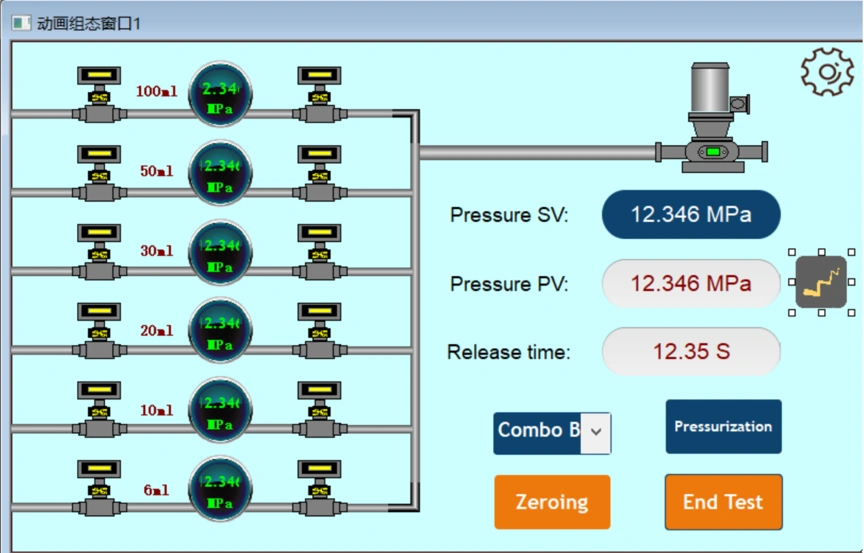
Pressure Curve Real-time test pressure curve displayed on the control interface
Data Export Test data export via USB
Test Time 0–9999 s, adjustable
Test Process Automatic test process

Air Injection and Test Connection

Technical Item Specification
Air Volume Options 6, 10, 20, 30, 50 and 100 mL
Test Orifice Φ2.85 ±0.05 mm
Pipe Volume <3 mL

Power, Dimensions and Operating Environment

Technical Item Specification
Atmospheric Pressure 80–106 kPa
Ambient Temperature 5–40°C
Relative Humidity 20–80% RH
Installation Environment Stable installation area without severe vibration, strong electromagnetic interference, excessive dust, explosive gases or corrosive gases; adequate heat dissipation required
Equipment Dimensions 1320 × 660 × 1250 mm
Equipment Weight Approx. 200 kg
Power Supply AC 220 V ±10%, 50–60 Hz

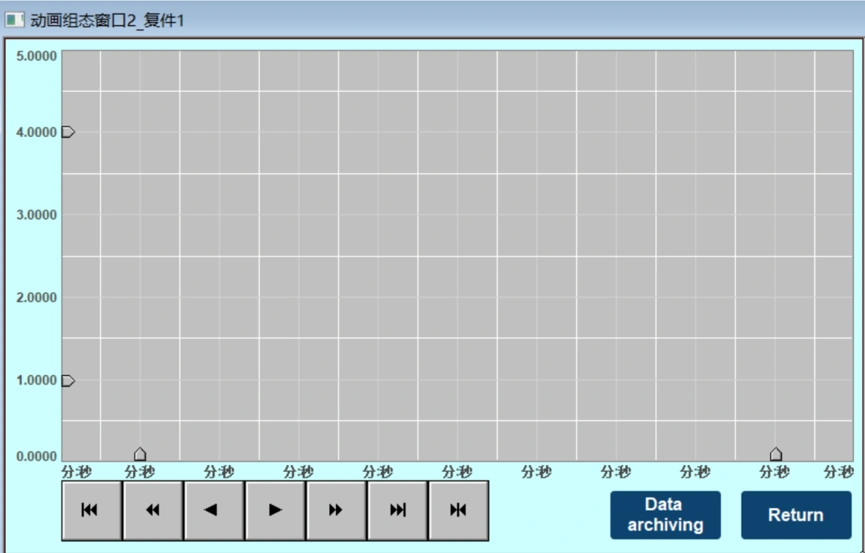
Pressure curve and data monitoring interface for IEC 60335-1 Annex B pressure testing

What Does the Battery Enclosure Pressure Tester Evaluate?

The KP-35B3 is intended to evaluate an appliance enclosure incorporating integral metal-ion cells under a defined pressure condition.

During the test, the enclosure is subjected to the specified pressure and air-volume sequence. The resulting pressure change is monitored to assess the pressure-relief response of the enclosure and determine whether unintended rupturing damage occurs.

This test purpose distinguishes the KP-35B3 from battery crush testers, short-circuit testers and cell internal pressure measurement systems. The equipment is specifically intended for battery enclosure pressure safety evaluation under applicable IEC 60335 test requirements.

Testing Principle

The sample enclosure is connected to the pressure system through the specified test connection. A high-pressure pump establishes the required initial pressure, while a pressure sensor continuously feeds the actual pressure value back to the control system.

2070 kPa ±10%
Specified initial sample pressure
Φ2.85 ±0.05 mm
Defined air injection orifice
Real-Time Monitoring
Continuous pressure response observation

For the specified test sequence, the initial sample pressure is established at 2070 kPa ±10%. A defined volume of air is then introduced through a Φ2.85 ±0.05 mm orifice by the air injection mechanism.

The IEC 60335 battery enclosure pressure tester continuously monitors pressure changes during the test. The pressure response is displayed through the touch-screen interface, allowing the operator to follow the test process and evaluate the enclosure according to the applicable pressure reduction requirement.

This controlled test sequence provides more complete process information than a final visual inspection alone.

Automated Pressure Control and Test Monitoring

The KP-35B3 uses PLC control and a touch-screen HMI to manage the pressure test process. Test pressure and test time can be set through the operating interface, while real-time pressure sensor feedback supports continuous monitoring of the actual test pressure.

Pressure Curve Display

The control system displays the pressure curve generated during the test process, helping operators review pressure development and subsequent pressure reduction. For laboratories conducting an IEC 60335-1 Annex B pressure test, the curve provides a clear visual record of the pressure response during the test sequence.

Automatic Test Process

The system integrates pressure control, monitoring and test timing within an automatic operating sequence. This reduces repeated manual intervention during pressure testing and supports a more controlled laboratory workflow.

Test data can also be exported through USB for subsequent review and laboratory documentation.
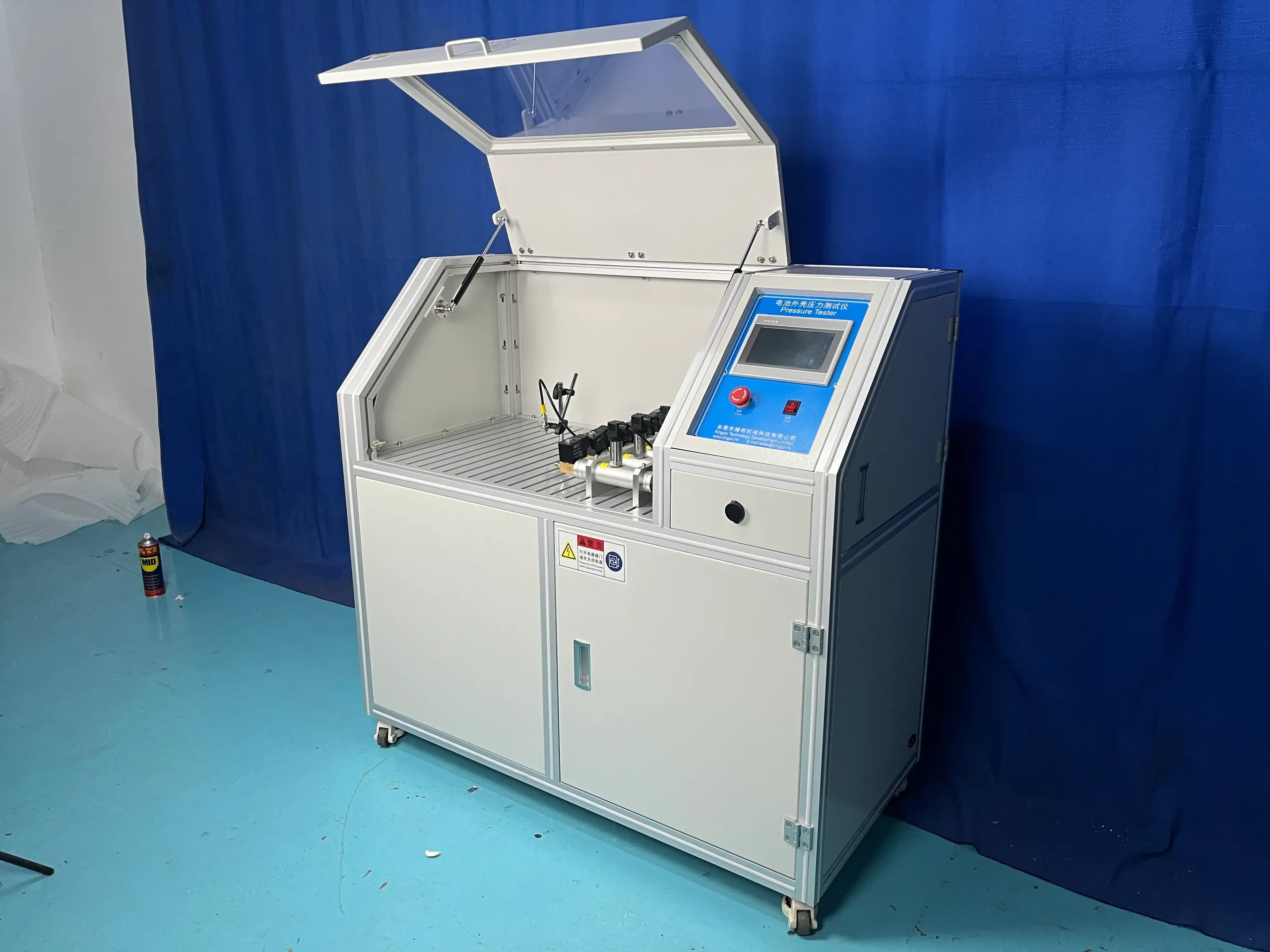
Open test chamber of a battery enclosure pressure tester for IEC 60335-1 Annex B testing

Six-Station Test Configuration

The KP-35B3 is configured with six test stations and integrates pressure control, air-volume injection and test monitoring within a single test system.

The sample connection method and applicable station setup should be confirmed according to the test object and standard requirement before quotation.

Selectable Air Volume Configuration

The system provides defined air-volume options of 6, 10, 20, 30, 50 and 100 mL. The applicable air volume is selected according to the capacity of the highest-capacity metal-ion cell incorporated in the appliance.

Metal-Ion Cell Capacity Air Volume
0.2 Ah ≤ Ah < 1 Ah 6 mL
1 Ah ≤ Ah < 3 Ah 10 mL
3 Ah ≤ Ah < 5 Ah 20 mL
5 Ah ≤ Ah < 25 Ah 30 mL
25 Ah ≤ Ah < 100 Ah 50 mL
Ah ≥ 100 Ah 100 mL

Air Volume Selection Note

The selected air volume should correspond to the applicable test requirement and the capacity of the highest-capacity metal-ion cell in the appliance. Cell capacity, appliance type and applicable standard information should be provided for configuration review.

Typical Applications

The KP-35B3 battery enclosure pressure tester is intended for manufacturers and laboratories evaluating applicable battery-operated appliances incorporating integral metal-ion cells.

IEC 60335 battery-related safety evaluation
Battery-operated appliance enclosure pressure testing
Product development and design verification
Compliance and pre-compliance testing
Manufacturer safety and quality laboratories
Third-party testing and conformity assessment laboratories

For products subject to applicable IEC 60335-2-120 requirements, the equipment can support relevant battery enclosure pressure testing when required by the applicable standard and test clause.

Why Use a Dedicated IEC 60335 Battery Enclosure Pressure Tester?

A general pressure source may be capable of pressurizing a sample, but the applicable enclosure pressure test also involves a defined initial pressure, selected air volume, specified test orifice and continuous observation of the pressure response.

The KP-35B3 combines these functions within a controlled test system designed around the required pressure test sequence.

For laboratories performing an IEC 60335-1 Annex B pressure test, this integrated setup helps simplify test preparation, monitor pressure changes and retain test data for subsequent review.

Configuration Notes

The appropriate test configuration may depend on the applicable standard edition, test clause, sample construction and metal-ion cell capacity.

Before ordering, customers should confirm:

  • Applicable IEC standard and edition
  • Required test clause
  • Appliance and enclosure type
  • Metal-ion cell chemistry
  • Capacity of the highest-capacity cell
  • Sample pressure connection or interface
  • Test data and documentation requirements

Providing this information before quotation helps determine whether the standard KP-35B3 configuration is suitable for the intended test project or whether additional configuration review is required.
Compliance & Regulatory Assurance

  • The KP-35B3 supports battery enclosure pressure testing associated with IEC 60335-1 and applicable IEC 60335-2-120 requirements. As an IEC 60335 battery enclosure pressure tester, it helps laboratories and appliance manufacturers evaluate enclosure pressure-relief response during product development, pre-compliance verification and safety testing.
  • To support standard-based testing, the applicable IEC edition, test clause, appliance enclosure structure, highest-capacity metal-ion cell and sample connection method should be confirmed before ordering. The required air-volume configuration and pressure test setup can then be reviewed according to the specific test project.

Product Datasheet

IEC 60335 Battery Enclosure Pressure Tester

Download the PDF catalogue for product overview, technical specifications,
pressure test principle, selectable air-volume configurations and laboratory
application information.

Technical Inquiry & Expert Support

For correct test configuration, please share the following information when sending an inquiry. This helps confirm whether the KP-35B3 IEC 60335 battery enclosure pressure tester matches your standard, appliance enclosure and metal-ion cell configuration before quotation or purchase.

Information Needed Example
Applicable standard IEC 60335-1 or applicable IEC 60335-2-120 requirements
Required test clause IEC 60335-1 Annex B pressure test or applicable project clause
Appliance and enclosure type Battery-operated appliance and enclosure construction
Metal-ion cell information Cell chemistry and capacity of the highest-capacity cell
Cell capacity Capacity value in Ah for air-volume configuration review
Sample connection Pressure interface, connection method or sample connection details
Data requirements Pressure curve review, USB data export or project documentation requirements

KINGPO can review your standard, test clause, cell capacity and sample connection information before quotation. This helps confirm the appropriate air-volume configuration and pressure test setup for your laboratory, product development or compliance testing project.

Detail Display

FAQ

What is an IEC 60335 battery enclosure pressure tester used for?
An IEC 60335 battery enclosure pressure tester is used to evaluate how an appliance enclosure responds to internal pressure associated with venting of an integral metal-ion cell. The test focuses on enclosure pressure-relief behaviour and structural response under the specified test condition. It is not designed to measure the internal pressure of an individual battery cell.
Which standards are applicable to the KP-35B3 battery enclosure pressure tester?
The KP-35B3 is designed for applicable battery enclosure pressure testing associated with IEC 60335-1 and relevant IEC 60335-2-120 requirements. For projects involving an IEC 60335-1 Annex B pressure test, customers should confirm the required standard edition and test clause before ordering so that the test configuration can be reviewed against the intended compliance project.
Is this equipment a battery cell internal pressure measurement system?
No. The KP-35B3 is a battery enclosure pressure tester, not a sensor system for measuring pressure inside an individual cell. It applies a controlled pressure and defined air-volume sequence to an appliance enclosure incorporating integral metal-ion cells. The pressure response of the enclosure is then monitored during the specified test process.
How does the KP-35B3 perform the pressure test?
The sample enclosure is connected to the pressure system, and a high-pressure pump establishes the required initial pressure. For the specified test sequence, the initial pressure reaches 2070 kPa ±10%. A selected volume of air is introduced through a Φ2.85 ±0.05 mm orifice, while the system continuously monitors and displays the pressure response.
How is the correct air volume selected for the test?
The applicable air volume is selected according to the capacity of the highest-capacity metal-ion cell incorporated in the appliance and the relevant test requirement. The KP-35B3 provides 6, 10, 20, 30, 50 and 100 mL configurations. Customers should provide the cell capacity in Ah and applicable standard information when requesting configuration review.
What is the purpose of the six-station configuration?
The KP-35B3 is specified with a six-station test configuration and integrates pressure control, air-volume handling and test monitoring in one system. Because the required setup may depend on the sample and applicable test method, customers should provide enclosure and connection details before quotation. KINGPO can review the intended station and sample connection arrangement for the project.
Can the tester display and record the pressure change during testing?
Yes. The pressure sensor provides real-time monitoring, and the control interface can display the pressure curve generated during the test process. This allows operators to review pressure development and reduction during an applicable IEC 60335-1 Annex B pressure test. Test data can also be exported through USB for subsequent laboratory review and documentation.
What sample information is required before ordering the equipment?
Customers should provide the applicable IEC standard and edition, required test clause, appliance and enclosure type, metal-ion cell chemistry, capacity of the highest-capacity cell and sample pressure connection details. These details help determine whether the standard KP-35B3 configuration is suitable and support review of the air-volume and pressure test setup before quotation.
How is the sample connected to the battery enclosure pressure tester?
The appliance enclosure is connected to the pressure system through the required pressure interface or test connection. The actual connection arrangement may vary with enclosure construction and sample design. Before ordering the battery enclosure pressure tester, customers should provide sample drawings, interface dimensions or connection details so the pressure connection method can be reviewed for the intended test.
Who typically uses the KP-35B3 IEC 60335 battery enclosure pressure tester?
The KP-35B3 is suitable for appliance manufacturers, product development laboratories, safety and quality departments, third-party testing laboratories and conformity assessment organizations conducting applicable battery-related safety testing. It is particularly relevant where a controlled enclosure pressure test, defined air-volume configuration and real-time pressure monitoring are required as part of an IEC 60335 compliance or pre-compliance project.

Related Products

Related News

KingPo supplied an IEC 60335-1 Clause 19 Battery Short Circuit Tester to TSK Corporation for a laboratory project in South […]

KingPo Eurofins IEC 60335 Test Equipment Delivered to Finland Espoo, Finland — Jun 2023 —A complete set of high-precision IEC 60335 […]

KingPo HCT IEC 60335 Test Equipment Delivered to Korea Seoul, Korea — Jun 2021 — High-precision KingPo HCT IEC 60335 test […]

IP ratings explained: Understand each code, what the digits mean, and how to choose the right protection level for electronics in any environment.
Environmental test chamber solutions boost product reliability by simulating real-world stress, identifying weaknesses, and ensuring consistent performance.

Technical Insight for IEC 60601-2-2 High-Frequency Surgical Equipment Testing High-frequency electrosurgical units (ESU) operate in the radio frequency range above […]

Scroll to Top

Get A Free Quote Now !

Contact Form
If you have any questions, please do not hesitate to contact us.