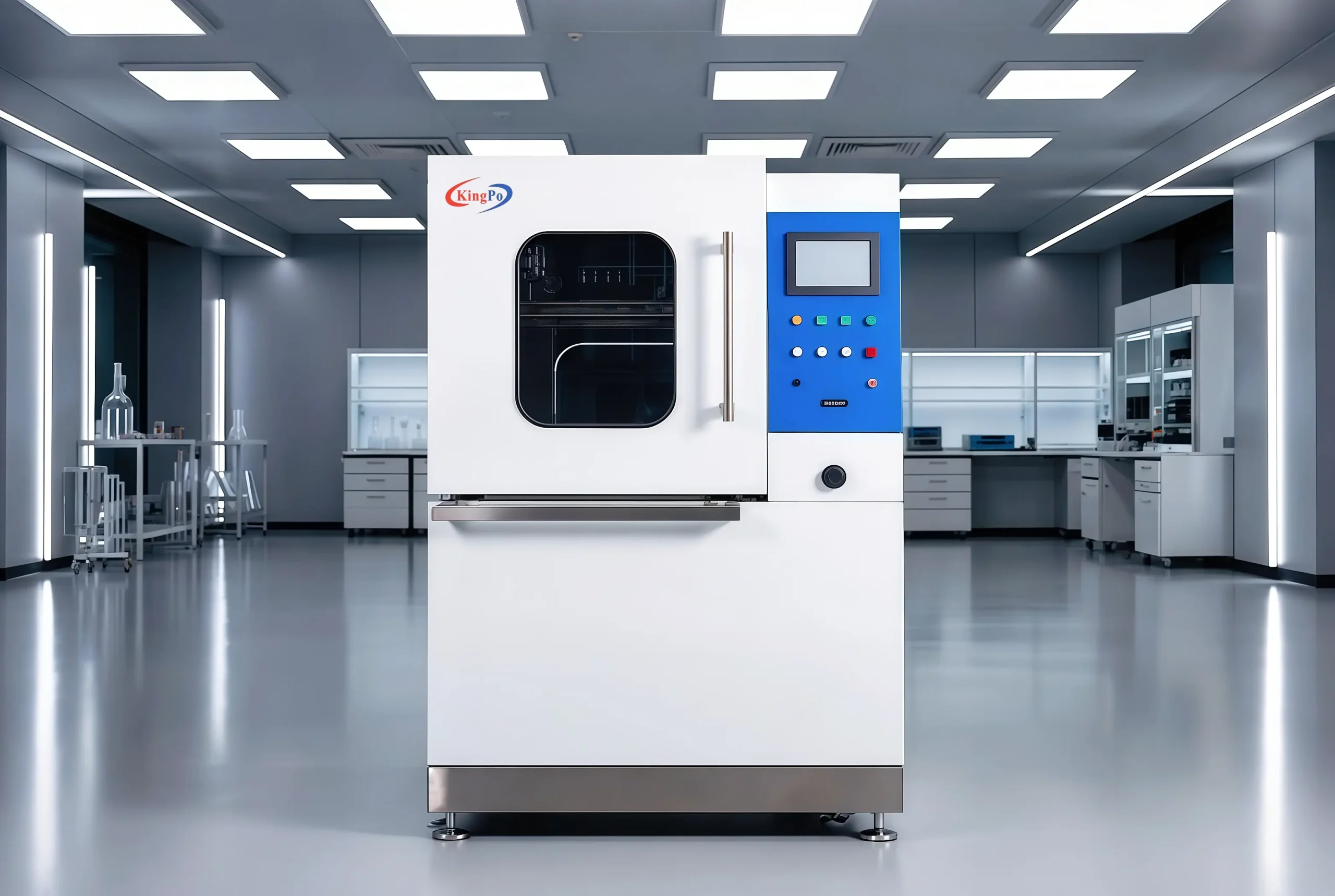
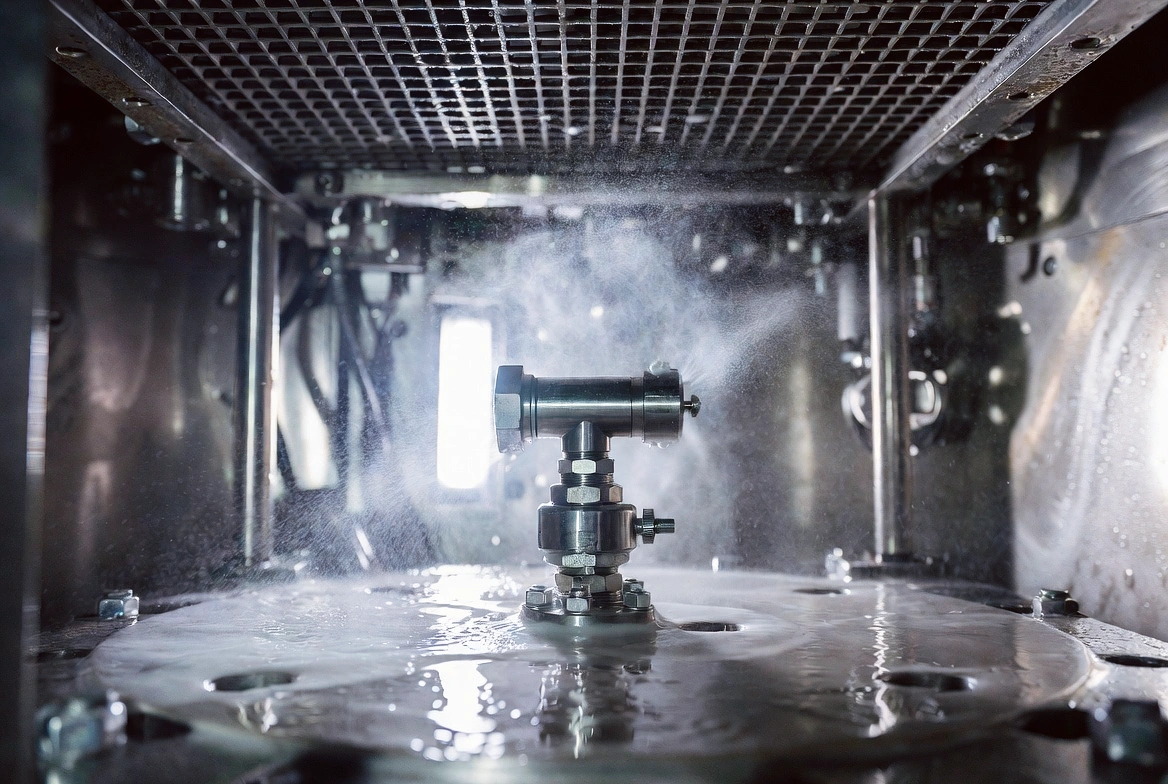
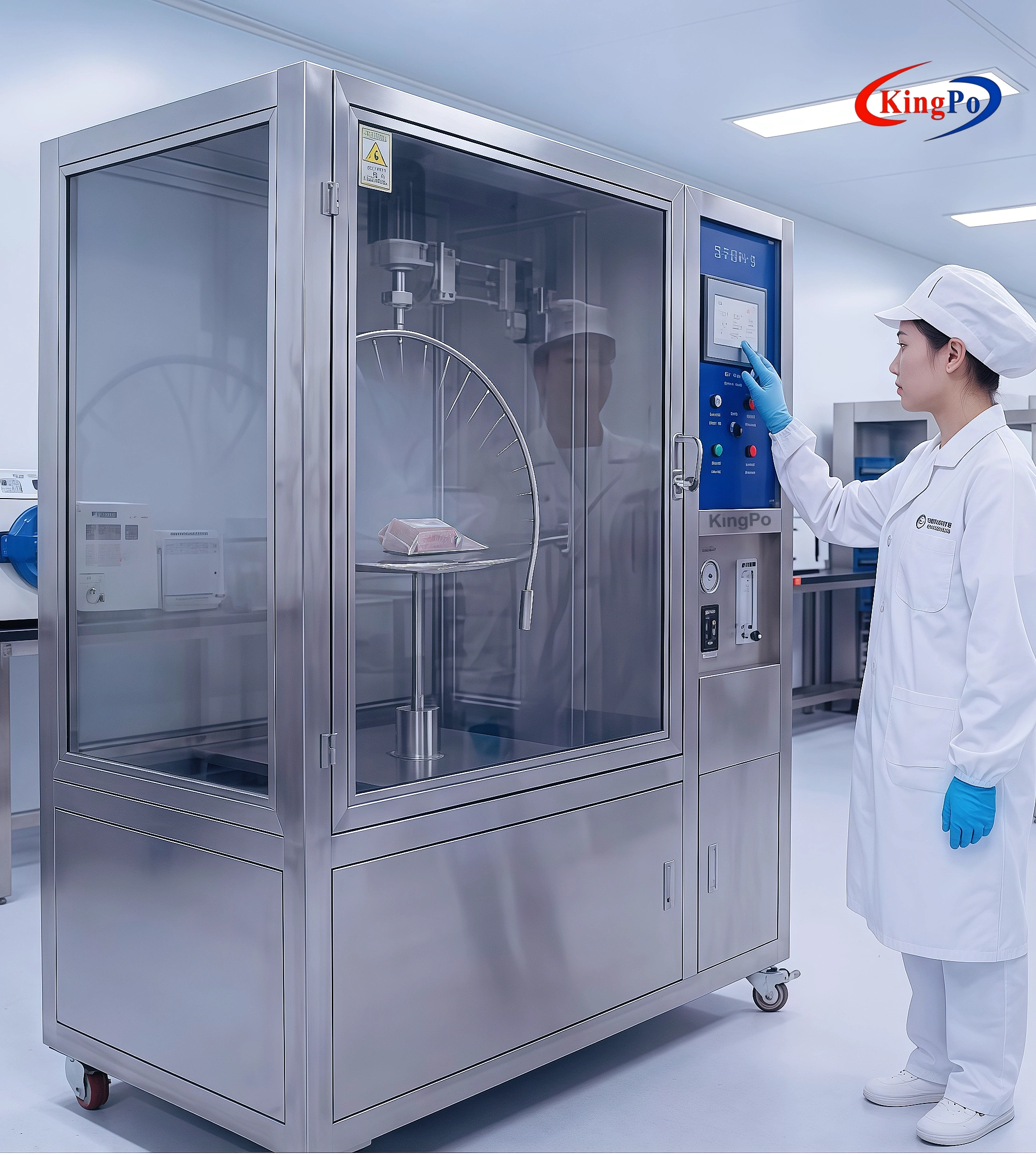
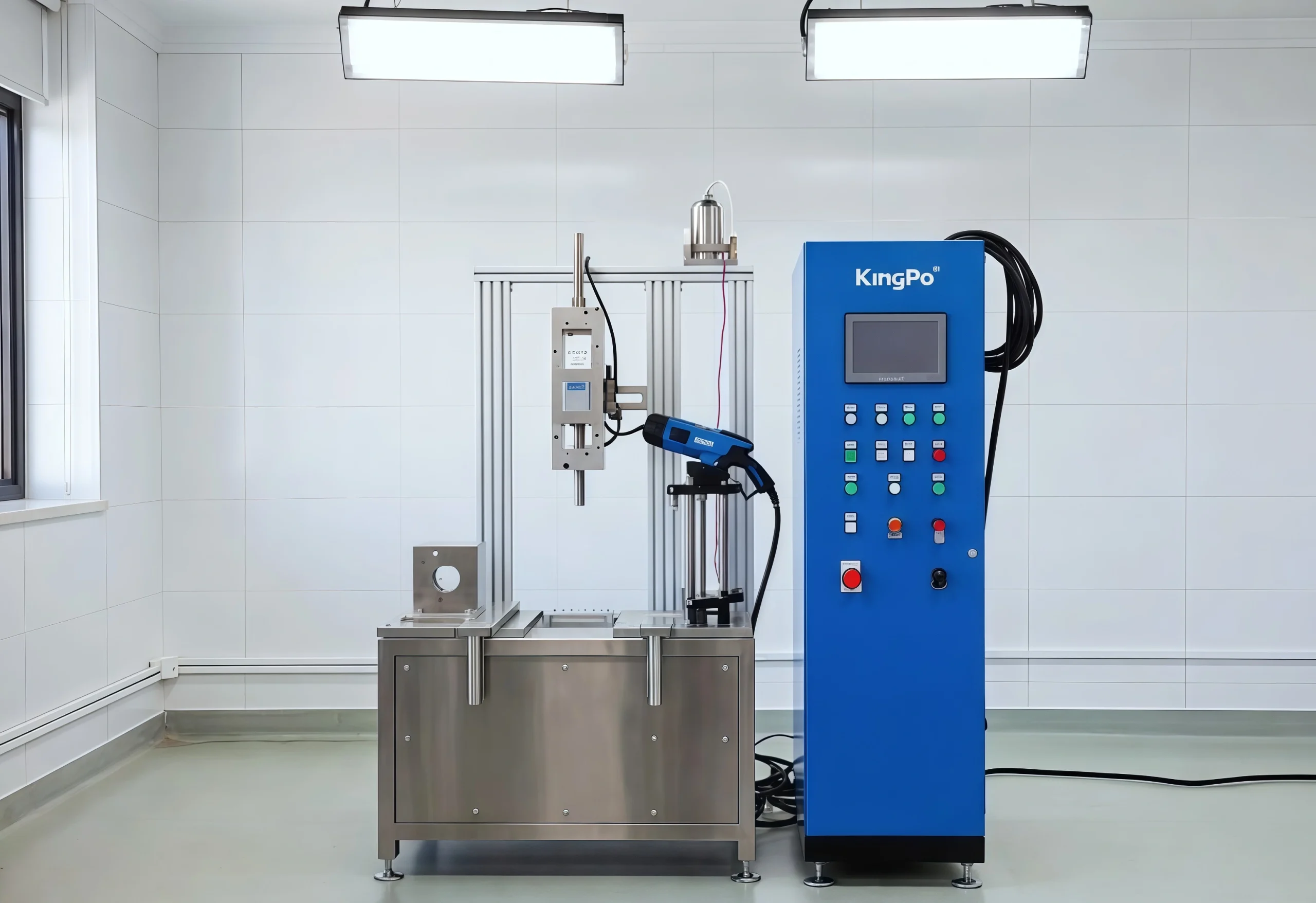
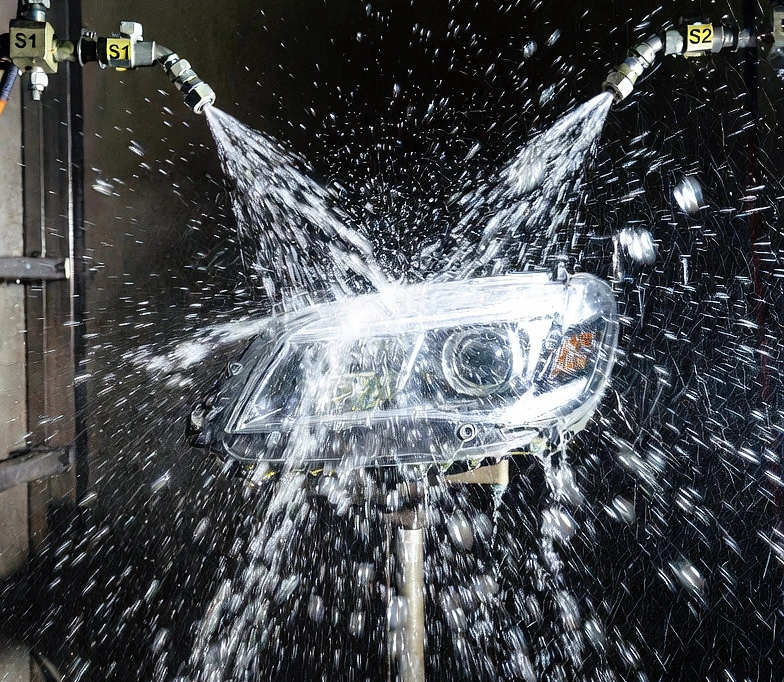
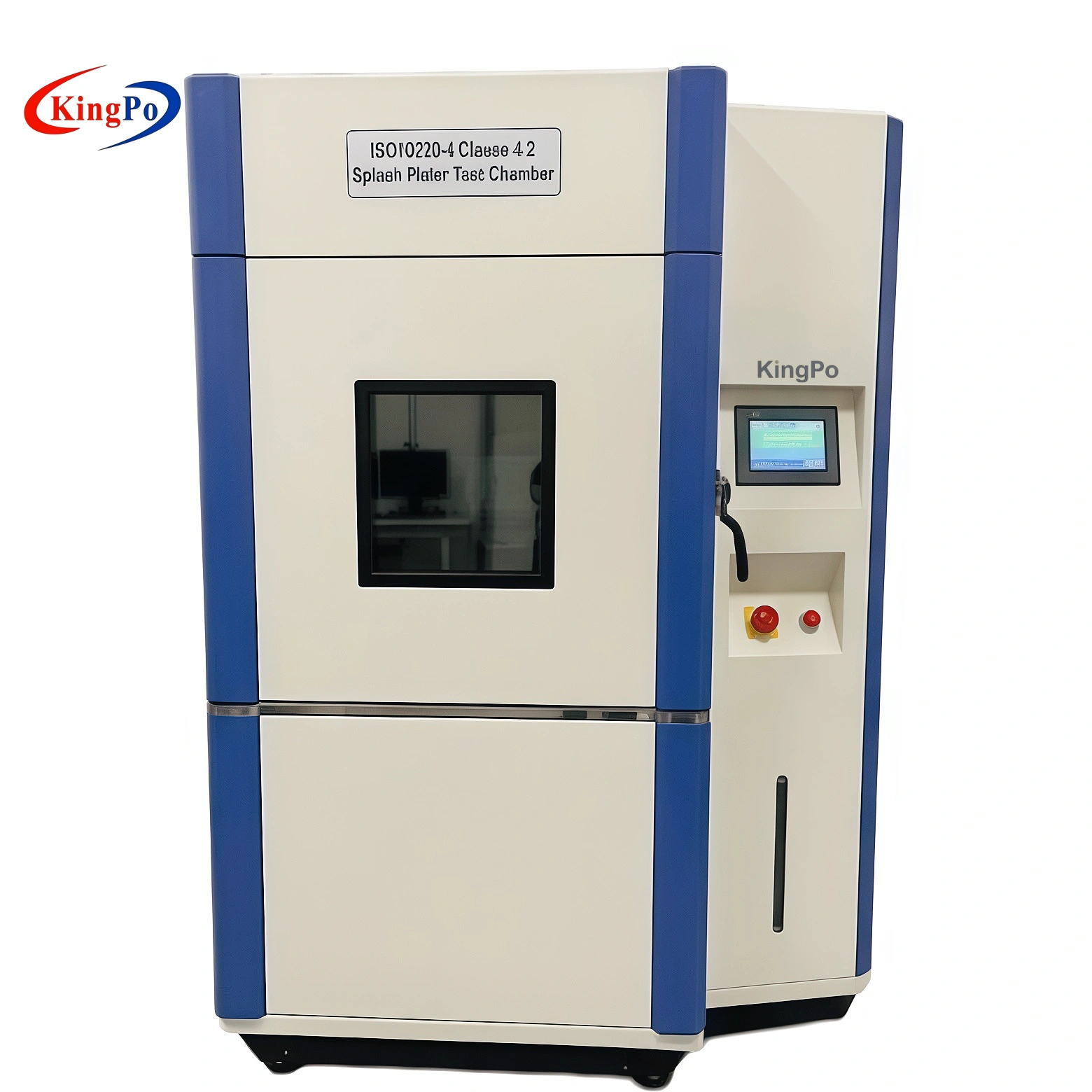
You use an Environmental Test Chamber to recreate specific conditions such as heat, cold, or humidity. These chambers help you spot product flaws before items reach customers. Industries like aerospace, automotive, and electronics rely on these chambers to improve safety, meet regulations, and boost quality worldwide.
Key Takeaways
-
Environmental Test Chambers simulate real-world conditions like heat, cold, and humidity to identify product flaws before they reach customers.
-
Testing in these chambers enhances product durability, ensures compliance with safety standards, and helps manufacturers make informed design decisions.
-
Regular maintenance of Environmental Test Chambers is crucial for accurate results and cost savings, preventing costly repairs and energy waste.
What Is an Environmental Test Chamber?
Definition and Main Purpose
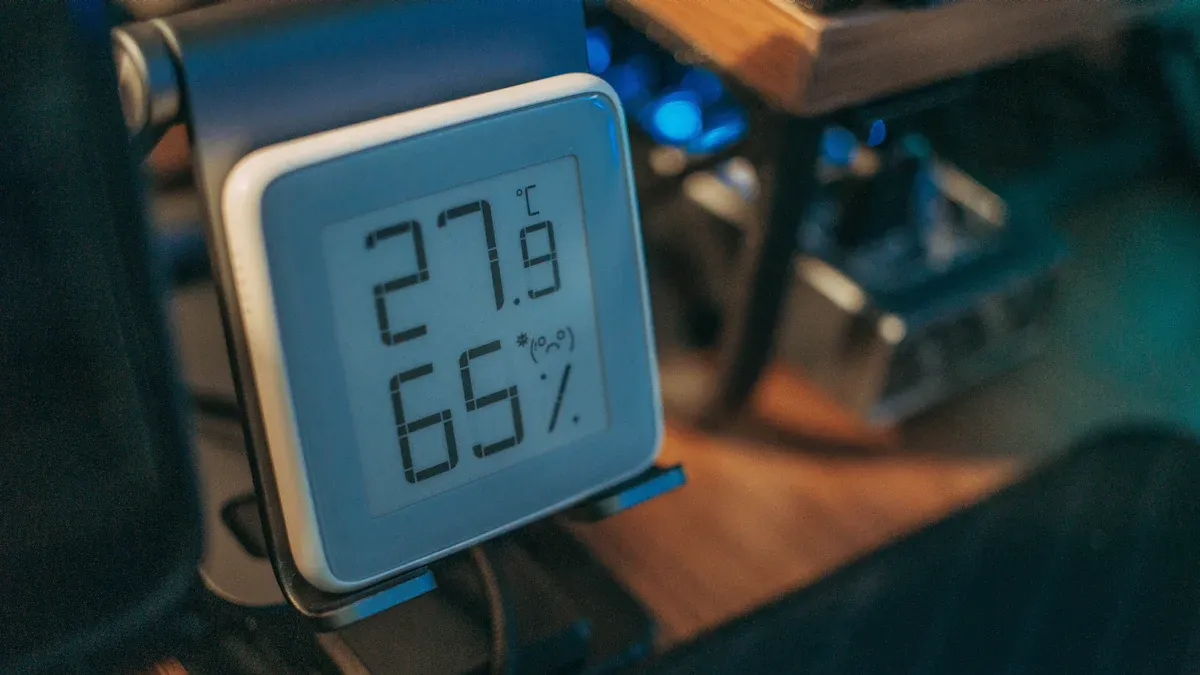
You use an Environmental Test Chamber to create and control specific conditions that products might face in the real world. These chambers let you simulate climate changes, such as extreme heat, freezing cold, or high humidity. You can also test for altitude, vibration, and exposure to light.
-
An Environmental Test Chamber replicates conditions that machinery, materials, devices, or components might encounter.
-
It accelerates the effects of environmental exposure, sometimes under conditions not typically expected.
-
Chamber testing includes various environmental conditions in a controlled setting, such as:
-
Climatic Chamber testing, simulating climate or excessive ambient conditions.
-
Thermal Shock testing, simulating reactions to extreme temperature changes.
-
-
Conditions tested may include extreme temperatures, humidity, altitude, vibrations, and exposure to UV radiation.
You place your product inside the chamber and set the controls. The chamber exposes your product to these conditions, helping you see how it performs. You can check for weaknesses, such as plastics that become brittle in cold environments or metals that rust in humid air. This process helps you find flaws before your product reaches customers.
By mimicking real-world conditions in a controlled environment, environmental test chambers help manufacturers root out design flaws, enhance product quality, and minimize the risk of failures or recalls when products are in the field.
Why Environmental Testing Is Important
You want your products to work safely and reliably, no matter where people use them. Environmental testing helps you achieve this goal. When you test products in an Environmental Test ChamberS, you can:
-
Evaluate material performance under various environmental conditions
-
Enhance product durability
-
Ensure compliance with international standards
-
Facilitate sustainable design practices
You can see how your product reacts to temperature changes, humidity, and even corrosion. For example, electronics manufacturers use chambers to test devices under extreme temperatures. Medicine makers use chambers to simulate storage conditions and make sure drugs stay effective.
Here is a table showing how different industries use environmental testing to improve safety and reliability:
|
Industry |
Application |
Purpose of Testing |
|---|---|---|
|
New Energy Vehicles |
Evaluating lithium battery performance under extreme temperatures |
Ensures safe operation of electric vehicles during high-temperature storage and low-temperature charge-discharge. |
|
Aerospace |
Testing airborne electronic equipment and missile seekers |
Meets military standards to ensure reliability in critical applications, preventing catastrophic failures. |
|
Medical Equipment |
Simulating temperature and humidity conditions for medical products |
Tests performance indicators under varying environmental conditions to ensure high precision and stability. |
|
Chemical Industry |
Testing flammable and explosive samples with explosion-proof functions |
Provides safe and reliable testing solutions for hazardous materials. |
|
Energy Materials |
Testing new materials like solar photovoltaic modules under extreme conditions |
Supports innovative development in energy technology by ensuring material performance under stress. |
You benefit from early detection of design flaws. You save money by preventing costly errors in production. You also make sure your products meet industry standards. When you use an Environmental Test Chamber, you expose materials to controlled extremes and identify weaknesses early. This process helps you reduce warranty claims and improve customer satisfaction.
You also help your team make better decisions during product development. Testing data from the chamber lets you choose the right materials and design features. You can build prototypes, test them, and make changes quickly. This approach helps you avoid expensive changes later and supports sustainable design from the start.
How Environmental Test Chambers Work
Key Components and Technology
You find many important parts inside an Environmental Test Chamber. Each part helps you control and monitor the testing process. The chamber uses strong materials and smart technology to keep your tests safe and accurate.
Here is a table showing the main components and their functions:
|
Component |
Description |
|---|---|
|
Internal Workspace |
Made from stainless steel, this area holds your product and keeps the environment sealed. |
|
Door |
Built from steel or aluminum, the door has windows for viewing and tight gaskets to prevent leaks. |
|
Exterior |
The outside uses reinforced steel with a powder finish for extra strength and durability. |
|
Machine Components |
Heaters, coolers, and sensors work together to create the right conditions for your test. |
|
Insulation |
Materials like fiberglass keep heat inside and protect against fire. |
|
Sensors and Monitors |
Digital sensors track temperature, humidity, and other variables, giving you accurate data. |
|
Computer Interface |
Lets you transfer data quickly and record your test results in real time. |
|
Safety Features |
Includes failsafe controls and backup power to keep your tests safe. |
|
Temperature Controls |
Makes sure heat spreads evenly throughout the chamber. |
You use control systems and sensors to set up your test. Modern chambers have programmable controls with touchscreen displays. You can create test profiles and watch the chamber’s performance. Sensors like PT100 or thermocouples measure temperature. Humidity sensors keep moisture levels steady. Some chambers also use pressure and airflow sensors for special tests.
Tip: Regular maintenance helps you avoid costly repairs and keeps your chamber running smoothly. If you check for worn parts early, you save money and prevent emergency service calls.
Controlling Environmental Variables
You control many variables inside an Environmental Test Chamber. The chamber lets you set temperature, humidity, airflow, and light to match real-world conditions. You use electric sensors to get accurate readings and keep the environment stable.
-
You can set temperature from very cold to very hot. The chamber uses heaters and coolers to reach your target quickly.
-
Humidity chambers let you adjust moisture levels from 10% to 95%. Dehumidification coils help you remove extra moisture.
-
For very dry tests, you use methods like nitrogen purge or dry-air purge with desiccant dryers. These systems push out wet air and keep the chamber dry.
-
Advanced chambers use special technology, like APT.line™, to keep temperature even and reduce air movement that might affect your product.
You may face challenges when you need to change conditions quickly. Rapid changes in temperature or humidity can make it hard to keep the chamber stable. Mechanical systems sometimes cause short-term swings in temperature or moisture. You need precise controls to avoid these problems.
Modern technology helps you manage these variables better. Digital controllers let you set exact conditions and automate your tests. Touchscreen interfaces make it easy to monitor and adjust settings. Advanced mechanical systems control heat and moisture with great accuracy. Some chambers can simulate fast changes, like sudden drops or rises in temperature. Moisture generation systems, such as steam generators, help you repeat tests and get reliable results.
Here is a table showing some recent advancements:
|
Advancement Type |
Description |
|---|---|
|
Digital Controllers |
Let you set and hold exact conditions, making your tests more reliable. |
|
Human-Machine Interfaces |
Touchscreens help you control and watch your chamber easily. |
|
Advanced Mechanical Systems |
Manage heat and moisture with high precision. |
|
Dynamic Climate Chambers |
Simulate quick changes in temperature and other conditions. |
|
Moisture Generation Systems |
Use steam or fog to keep humidity levels steady for repeatable tests. |
You benefit from automated control systems. These systems keep your chamber at the right settings and give you accurate data. You can program different test profiles, monitor results from your computer or phone, and make changes as needed. Automated controls help you get repeatable results and save time.
-
Automated systems keep temperature steady, even during tough tests.
-
You get reliable results because the chamber minimizes changes in conditions.
-
Remote monitoring lets you watch your test from anywhere.
Note: If you ignore maintenance, your chamber uses more energy and needs more repairs. Regular care saves you money and keeps your tests running smoothly.
You use an Environmental Test Chamber to test products under many conditions. You control temperature, humidity, and other variables with advanced technology. This helps you find weaknesses and improve your products before they reach customers.
Types and Applications of Environmental Test Chambers
Main Types of Environmental Test Chambers
You can choose from many types of Environmental Test Chamber, each designed for specific testing needs. Some common types include:
-
Temperature and Humidity Test Chambers: Test how products handle changes in temperature and moisture.
-
Thermal Shock Test Chambers: Check how materials react to sudden temperature shifts.
-
Salt Spray Corrosion Test Chambers: Simulate salty environments to test for rust and corrosion.
-
Accelerated Weathering Test Chambers: Predict how materials age under harsh weather.
-
Ozone Test Chambers: Test resistance to ozone exposure.
-
Walk-In Environmental Chambers: Test large items or many products at once.
-
Vacuum Chambers: Simulate high-altitude or space conditions.
-
Highly Accelerated Stress Test (HAST) Chambers: Speed up reliability testing for electronics.
-
Dust and Rain Test Chambers: Mimic outdoor conditions for durability.
-
Benchtop Environmental Chambers: Small chambers for quick tests.
You also find benchtop, reach-in, stackable, walk-in, and drive-in models. Each type fits different testing volumes and product sizes.
Common Applications and Industries
You see Environmental Test Chambers used in many industries. Here are some examples:
-
Alternative Energy
-
Electronics
-
Medical
-
Military/Defense
-
Automotive
-
Aerospace
-
Telecommunications
-
Chemical
-
Test Labs
-
Universities
Products tested include plant protection products, chemicals, pharmaceuticals, feed additives, and genetically modified organisms. You use chambers to meet standards like IEC 60068 and ISO 16750, which help ensure safety and quality.
Key Features and Selection Tips
When you select a chamber, look for these features:
|
Feature |
Description |
|---|---|
|
Temperature Control |
Heats and cools evenly for accurate results. |
|
Humidity Control |
Maintains steady moisture levels. |
|
Environmental Simulation |
Mimics weather from freezing cold to tropical heat. |
Tip: Always check for certifications like UL to make sure your chamber meets safety standards.
Chamber size matters. Small chambers test items like integrated circuits. Large walk-in chambers handle cars or satellites. Entry-level models cost less but offer basic controls. Advanced chambers cost more and provide complex simulations. Good user training and technical support help you run tests smoothly and avoid mistakes.
You rely on an Environmental Test Chamber to improve product quality. These chambers help you spot weaknesses early, simulate harsh conditions, and ensure products meet safety standards. Consistent testing gives you confidence in product reliability. When you understand their uses, you make smarter choices for your industry.
FAQ
What products can you test in an environmental chamber?
You can test electronics, automotive parts, medical devices, and even food packaging. The chamber helps you check how these items react to different environments.
How do you keep the chamber safe during tests?
You use built-in safety features like alarms, emergency shut-offs, and backup power. These features protect your products and keep your tests running smoothly.
Can you control the chamber from a computer?
Yes! Many chambers let you set test profiles, monitor progress, and collect data using a computer or touchscreen interface. This makes your testing easier and faster.