Overview of IEC 60950-1 Withdrawal
IEC 60950-1 was an international safety standard for information technology equipment, emphasizing electrical safety measures like insulation and grounding, and was used for over 30 years before being withdrawn on December 20, 2020. This withdrawal affected its conformity under regulations like the EU’s Low Voltage Directive, requiring re-evaluation for products previously certified under it. It has been succeeded by IEC 62368-1, which combines safety standards for both information technology and audio/video equipment.
As of January 2026, the transition is largely complete globally, but manufacturers must now comply with the latest editions of IEC 62368-1 (e.g., the 4th edition published in 2023) for new products or significant updates. Legacy products certified before 2020 may still be in circulation, but any modifications or new market entries require adherence to IEC 62368-1.
Background and Reasons for the Change
The withdrawal stemmed from the need to adapt safety standards to rapid technological evolution. IEC 60950-1 was rigid and prescriptive, specifying exact design rules (e.g., minimum creepage distances or insulation thicknesses) without much flexibility for emerging technologies like converged IT/AV devices, IoT, or multimedia equipment. By the 2010s, the lines between IT and AV products blurred—think smart TVs, streaming devices, or networked audio systems—making separate standards inefficient.
The International Electrotechnical Commission (IEC) developed IEC 62368-1 to address this by shifting to a hazard-based engineering (HBSE) approach. This focuses on identifying potential energy sources (e.g., electrical, thermal, or mechanical), classifying their risk levels (Class 1: low harm potential; Class 2: painful but not injurious; Class 3: injurious), and implementing safeguards tailored to user types (e.g., ordinary persons vs. skilled technicians). The goal was a more future-proof standard that encourages innovation while maintaining safety, rather than mandating “one-size-fits-all” designs.
Expert views, such as those from UL Solutions (a leading certification body), emphasize that this shift reduces regulatory burdens long-term by allowing engineers to justify alternative safeguards based on risk assessments, rather than strict compliance checklists. Nemko, another testing lab, notes the change was driven by industry convergence and the need to avoid obsolescence in standards.
Key Impacts on Manufacturers
The withdrawal forced manufacturers to reassess product safety compliance, particularly for exports to major markets:
-
Market Access Risks: In the EU, post-2020 shipments lost LVD presumption of conformity, potentially leading to customs holds or recalls if not updated. In North America (UL/CSA), the transition was more phased; existing certifications weren’t immediately invalidated, but new submissions required IEC 62368-1 by early 2023 for the 3rd edition. Other regions like Australia (February 2022), China (GB 4943.1-2022), and Korea (KC 62368-1:2021) followed suit with varying timelines.
-
Supply Chain Disruptions: Components like power supplies certified only to IEC 60950-1 became non-compliant for new assemblies. This affected inventory management and sourcing.
-
Cost and Timeline Pressures: Re-testing and recertification could add significant expenses (e.g., lab fees, redesigns) and delays, especially for complex products. TÜV SÜD experts estimated that without proactive planning, manufacturers risked market exclusion.
-
Benefits Over Time: Once transitioned, the hazard-based model allows faster adaptation to tech changes, reducing future recertification needs.
You must act quickly if you want to keep selling your products in the EU. The IEC 60950-1 withdrawal and IEC 62368-1 transition changes the rules for product safety. If you do not update your compliance steps, your products may lose access to the market. Start reviewing your certification, testing, and reports now to avoid costly delays or legal problems.
Key Takeaways
-
Act quickly to update your product compliance to IEC 62368-1. Delays can lead to losing market access in the EU.
-
Review your product categories to identify those affected by the IEC 60950-1 withdrawal. Ensure they meet the new safety standards.
-
Adopt the hazard-based approach of IEC 62368-1. This allows for more innovative designs while ensuring user safety.
-
Prepare for new testing requirements under IEC 62368-1. Some tests have changed, and you may need to conduct additional assessments.
-
Update your technical documentation thoroughly. Include risk assessments and test results to facilitate faster certification.
IEC 60950-1 withdrawal and IEC 62368-1 transition

Loss of EU conformity
You need to understand the immediate effect of the IEC 60950-1 withdrawal and IEC 62368-1 transition. On December 20, 2020, the IEC 60950-1 standard was officially withdrawn. This change forced the adoption of IEC 62368-1 as the new safety standard for many electronic products in the European Union. If your products are certified only to the old standard, they no longer have automatic approval for sale in the EU.
Many types of products lost their presumption of conformity after the IEC 60950-1 withdrawal and IEC 62368-1 transition, including:
-
Computing and networking products such as servers, PCs, routers, and laptops
-
Consumer electronics like amplifiers, home theater systems, and digital cameras
-
Telecommunication products including network infrastructure equipment and cell phones
-
Office appliances such as copiers and document shredders
-
Various audio/video and ICT equipment used in homes and commercial environments
You must review your product categories. The most affected groups include information technology equipment, audio/video devices, and any products that previously met IEC 60950-1 or IEC 60065 standards. If you do not update your compliance, your products will not meet EU requirements.
Market and legal impact
The IEC 60950-1 withdrawal and IEC 62368-1 transition has a direct impact on your ability to sell products in Europe. As of December 20, 2020, EN 60950-1 is no longer valid in the EU. EN 62368-1 replaces it as the required standard. If you continue to sell products certified only to the old standard, you lose the legal right to use the CE label. This means you cannot legally sell these products in the EU market.
You face serious risks if you ignore the IEC 60950-1 withdrawal and IEC 62368-1 transition. Selling non-compliant products can lead to fines, forced recalls, or bans from the market. You must ensure your products meet the new standard to avoid these problems. Take action now to protect your business and keep your products available in Europe.
Key differences between the standards
Hazard-based approach
You will notice a major shift in how the new standard works. IEC 62368-1 uses a hazard-based approach. This means you must identify possible hazards in your products and use engineering to reduce risks. The old standard, IEC 60950-1, gave you a list of rules to follow. The new method lets you choose how to protect users, as long as you show your design is safe.
Tip: The hazard-based approach gives you more freedom to innovate. You can use new technology without waiting for the rules to change.
Here is a quick comparison:
|
Aspect |
IEC 60950-1 |
IEC 62368-1 |
|---|---|---|
|
Scope |
IT equipment safety |
Hazard-based safety for AV and IT |
|
Application |
Traditional equipment |
Broader, covers AV and IT |
|
Design Principles |
Prescriptive safety measures |
Performance-based safety measures |
Industry experts say this approach helps you design safer products. You can spot risks early and add the right safeguards. It also makes it easier to update your products when technology changes.
New testing requirements
You must prepare for new testing steps. IEC 62368-1 does not just copy the old tests. It maps each requirement from the old standard to a new method. You need to check each part of your product and see if the tests match. Some tests are new or have changed. You may need to run extra tests to show your product is safe.
-
Review the technical report that compares the two standards.
-
Make a list of tests you already passed.
-
Plan for new or different tests under IEC 62368-1.
This process helps you avoid missing any safety checks during the IEC 60950-1 withdrawal and IEC 62368-1 transition.
Battery compliance
You must pay close attention to battery safety. The new standard sets strict rules for battery enclosures and materials. For example, plastic housings must meet a V-1 flammability rating. If you use a metal enclosure, it must meet V-2 or better. Some materials, like UL94-HB, may not pass the new rules. UL94-V0 is often the best choice for compliance.
|
Flammability Rating |
Requirement |
Impact on Product Design |
|---|---|---|
|
V-1 |
Needed for plastic fire enclosure |
Ensures battery safety |
|
V-2 |
Needed for metal enclosure as fire enclosure |
Affects material choice and design |
|
UL94-HB |
Standard non-FR rating |
May not be enough for some products |
|
UL94-V0 |
Flame retardant, preferred for compliance |
Meets strict safety needs |
You should review your battery designs and materials now. This will help you avoid delays and keep your products on the market.
Transition challenges for manufacturers
Identifying compliance gaps
You will face several challenges when you move to IEC 62368-1. The new hazard-based approach can feel confusing if you are used to following strict rules. You must look for gaps in your current compliance. Many manufacturers find that old approvals or legacy components no longer meet the new requirements. You cannot rely on past certifications. Every component that acts as a safeguard must now comply with the new standard.
Here are some common issues you may encounter:
-
You may still have old CB reports for IEC 60950-1 or IEC 60065 in your supplier files.
-
Some components may not meet the new energy source classifications.
-
Your documentation might not reflect real-world installation or service conditions.
-
You must review all existing approvals and identify any gaps.
To help you spot these gaps, try these strategies:
-
Map all energy sources in your product early. This helps you confirm that you have the right safeguards for Class 2 and Class 3 risks.
-
Ask your suppliers for updated evidence that matches the latest edition of IEC 62368-1.
-
Align your test plans with the newest clarifications, especially for batteries and liquid cooling.
-
Keep a regional compliance matrix to track requirements for each market.
Tip: Train your design and compliance teams together. This makes sure everyone understands the hazard-based logic from the start.
Testing and documentation
Testing and documentation become more complex under IEC 62368-1. You need to prepare for new types of tests and more detailed paperwork. Some tests now require special equipment or expert knowledge. You may also need to make design changes if your product was built for the old standard.
The table below shows the main challenges you might face:
|
Challenge |
Description |
|---|---|
|
Misinterpretation of Requirements |
The hazard-based approach can be difficult for manufacturers used to prescriptive standards. |
|
Inadequate Risk Assessment |
Not identifying all potential hazards can result in incomplete safeguards and failed certifications. |
|
Documentation Challenges |
Extensive documentation is required, including detailed risk assessments and test reports. |
|
Testing Complexities |
Some tests are complex and may need specialized equipment or expertise. |
|
Design Modifications |
Products designed under older standards may need significant changes to comply with IEC 62368-1. |
|
Global Variations |
National deviations in some countries must be considered for global market access. |
|
Keeping Up with Updates |
Staying current with changes in the standard can be challenging. |
You must update your documentation to include detailed risk assessments and test results. Make sure your reports cover real-world use and service scenarios. This will help you avoid delays and failed certifications.
Migration steps for compliance

Transitioning your products to IEC 62368-1 requires a clear plan. You need to follow a structured process to ensure your products remain compliant and ready for the EU market. Here is how you can approach each step.
Product review and gap analysis
Start with a thorough review of your product. This helps you find any areas that do not meet the new standard. Follow these steps to guide your analysis:
-
Conceptual Design Review: Look at your product’s design. Identify all possible openings and energy sources. This helps you spot risks early.
-
Prototype Fabrication: Build early models. Use the intended enclosure shapes and materials. This lets you see how your design works in real life.
-
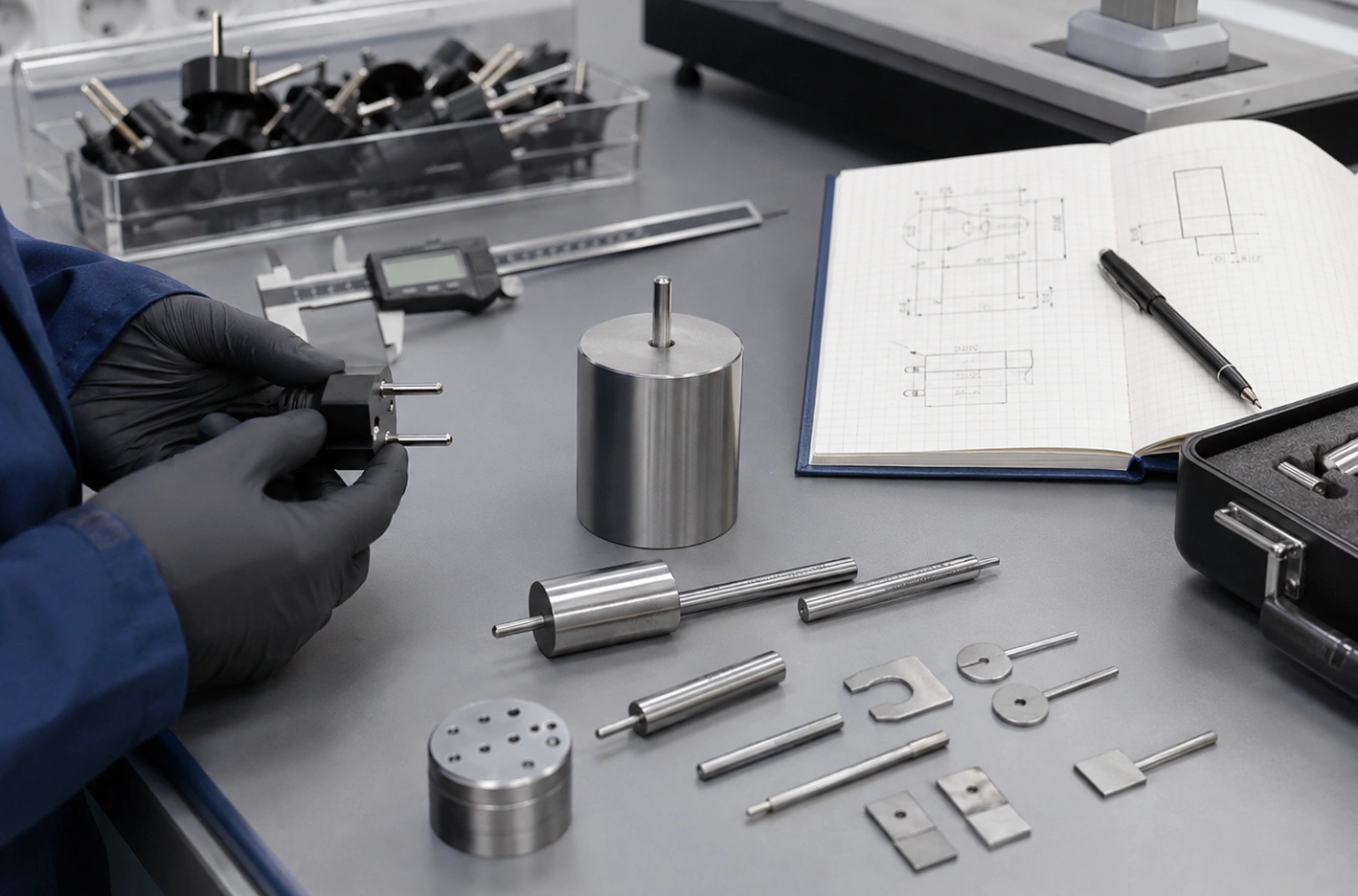
Pre-Compliance Testing: Use tools like the KINGPO probe set. Test your prototype to find failures before formal testing.
-
Design Iteration: Make changes to your design. You might need to add baffles, use internal shrouds, or reduce gaps to improve safety.
-
Final Validation Testing: Carry out formal tests. Have a certified body witness these tests to confirm compliance.
Tip: Early testing and design changes save time and money. You can fix problems before they become costly.
Test planning and execution
Once you finish your gap analysis, you need to plan and run the required tests. You can use some of your existing test data to make this process faster and more efficient. For example, if you have CB Scheme certifications or Low Voltage Directive (LVD) reports, you can use these as a starting point. These documents act like a passport for international markets. By updating your CB certifications or creating new LVD reports, you can often reduce the time and cost needed for new certifications.
Plan your tests based on the results of your gap analysis. Make sure you cover all new requirements under IEC 62368-1. Some products, like AR/VR devices, may have shorter timelines for compliance. Most products have a three-year transition period, but some categories require faster action. Always check the specific timeline for your product type.
-
Most products: 3-year transition period
-
AR/VR devices: 6-month implementation (industry suggests up to 1 year)
Note: Using existing data does not replace new testing. It helps you focus your efforts and avoid repeating work.
Technical report preparation
After you complete your tests, you need to prepare a new technical report. This report proves your product meets IEC 62368-1. Include all test results, risk assessments, and design changes. Make sure your report is clear and detailed. This helps certification bodies review your product quickly.
Your technical report should cover:
-
A summary of your product and its intended use
-
Detailed test results for each requirement
-
Descriptions of all safeguards and design changes
-
Updated risk assessments for all energy sources
-
Evidence from existing certifications, if used
Callout: A strong technical report speeds up the approval process. It also helps you respond quickly if authorities ask for more information.
By following these steps, you can migrate your products smoothly to IEC 62368-1. You will keep your products on the market and avoid costly delays.
To keep your products in the EU market, you must update your compliance to IEC 62368-1. Review your designs, fill any gaps, and prepare strong technical reports. Learn the new hazard-based approach and follow each migration step. For complex questions, you can use resources from Intertek. Their experts help you understand the standard, and their white paper explains key requirements and hazards. Taking these steps protects your business and keeps your products available.
FAQ
What happens if you do not update your product to IEC 62368-1?
You cannot sell your product in the EU. Authorities may remove your product from the market. You could face fines or recalls. Update your compliance to avoid these risks.
Can you use old test data for IEC 62368-1 certification?
You can use some old test data if it matches the new requirements. Review each test carefully. You may need new tests for parts that changed under IEC 62368-1.
How long does the transition to IEC 62368-1 take?
Most products have a three-year transition period. Some, like AR/VR devices, have shorter timelines. Start early to avoid delays. Plan for extra time if your product needs design changes.
Do you need to update your technical documentation?
-
Yes, you must update all technical documents.
-
Include new risk assessments, test results, and design changes.
-
Clear documentation helps you pass certification faster.
Where can you get help with IEC 62368-1 compliance?
You can contact testing labs or certification bodies. Many offer guides and expert advice. Use official resources for the latest updates and best practices.