
Abstract / Technical Summary
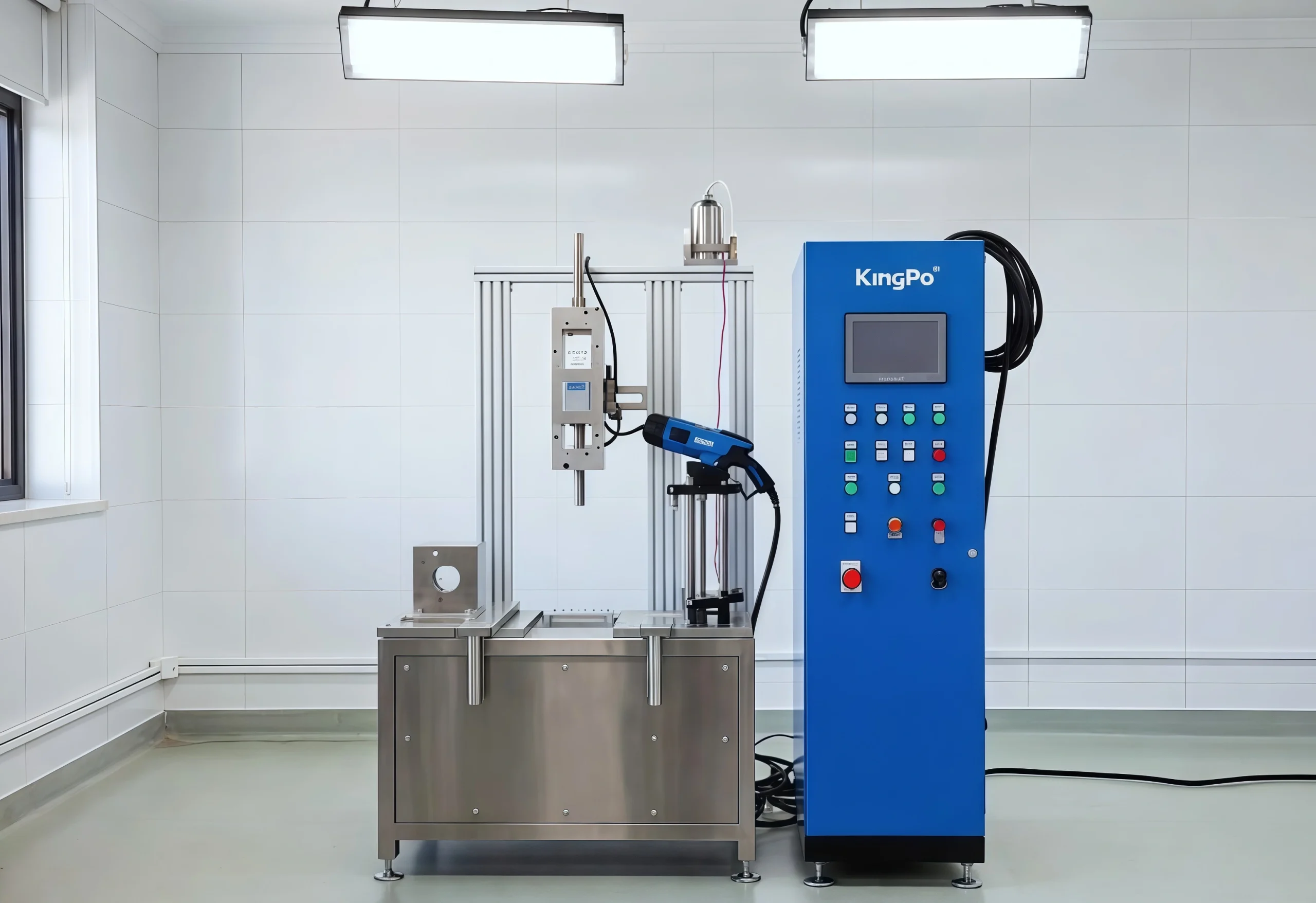
Learning how to test an EV charger tester is essential for manufacturers and laboratories performing EV charger testing. This comprehensive guide details the full testing procedure, covering IEC 61851-23 and UL 2251 standards with professional EV charger cable test equipment and pull torque tester, helping achieve accurate, repeatable results and faster certification for EV charging functional testing.
Introduction
With the rapid expansion of electric vehicle infrastructure, knowing how to test an EV charger tester has become a critical skill for quality control teams, certification laboratories, and R&D engineers. Improper testing can lead to safety risks, certification failures, and costly field recalls. This in-depth guide provides the complete step-by-step process for how to test an EV charger tester using professional EV charger testing equipment, including detailed pull torque tester procedures, key standard comparisons, common failures, real-world case studies, maintenance best practices, and the tangible benefits of using equipment manufactured with autonomous research and development capabilities.
Why Learning How to Test an EV Charger Tester Matters
EV charger tester testing is vital for:
- Ensuring connector retention and mechanical durability under repeated insertion cycles
- Preventing electrical hazards from poor cable anchorage or torque resistance
- Meeting strict international certification requirements for global market access
- Reducing warranty claims and field failures in high-volume production
- Maintaining a competitive edge in the fast-growing EV charging infrastructure market
Professional testing equipment, such as pull torque tester and EV charger cable test equipment, enables precise validation of these critical parameters, directly impacting product safety and reliability.
Key Standards for EV Charger Tester Testing
IEC 61851-23 Requirements for EV Charger Tester
IEC 61851-23 is the core international standard for pull torque testing. It defines specific force and torque values that EV charger cable test equipment must apply to Side B cable assemblies.
UL 2251 and Related Standards
UL 2251 complements IEC 61851-23 with additional emphasis on North American safety requirements for EV charger tester systems. The table below summarizes the main differences:
| Aspect | IEC 61851-23 | UL 2251 |
|---|---|---|
| Primary Focus | Mechanical anchorage and torque resistance | Safety and durability of EV charger cable test equipment |
| Pull Force Values | 160N–500N (weight superposition) | Similar range with stricter safety factors |
| Torque Values | 0.6–16.3 N·m | Detailed torque resistance testing |
| Test Equipment | Pull torque tester with PLC control | EV charger cable test equipment with data logging |
| Typical Applications | Global EVSE manufacturers | North American certification |
Understanding these standards is fundamental when learning how to test an EV charger tester.
Root Cause Analysis of Common Failures in EV Charger Tester Testing
Connector Displacement in EV Charger Tester
Insufficient anchorage strength detected during EV charger tester pull force testing leads to connector displacement.
Torque Failure in EV Charger Tester
Inadequate rotational durability shown by the EV charger tester results in loose connections over time.
Pull Force Deviation in EV Charger Tester
Inconsistent results from EV charger tester systems often stem from calibration issues or improper fixture setup.
Technical Advantages of KingPo EV Charger Tester Equipment
KingPo, with over 20 years of autonomous research and development, designs and manufactures its EV charger tester equipment entirely in-house. This complete in-house control ensures superior precision and long-term reliability compared to assembled solutions.
Key advantages of KingPo EV charger tester and EV charger cable test equipment include:
- Precision pull torque tester with electric drive and weight superposition for 160N–500N forces
- PLC control with power-off memory and universal fixture for various cable assemblies
- Real-time data logging for EV charging functional testing
- Robust construction capable of continuous high-cycle testing
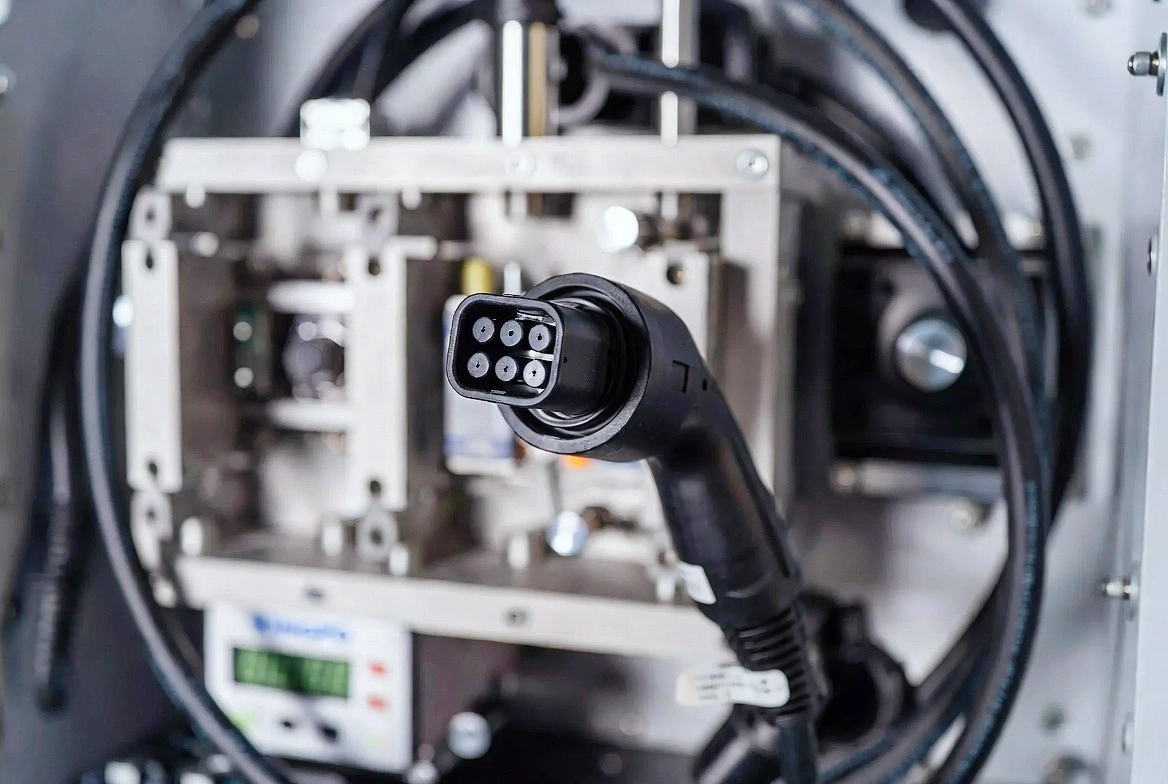
For detailed specifications, please visit the EV Charger Cable Test Equipment product page.
Step-by-Step Guide: How to Test an EV Charger Tester
Step 1 – Preparation for EV Charger Tester
Clean the EV charger tester equipment and inspect the pull torque tester fixtures. Document the initial condition of the cable assembly.
Step 2 – Specimen Positioning for EV Charger Tester
Mount the Side B cable assembly in the EV charger tester using the universal clamp, ensuring correct orientation for pull force testing.
Step 3 – Parameter Configuration for EV Charger Tester
Set the required pull force (160N–500N) and torque values (0.6–16.3 N·m) on the EV charger tester touchscreen according to IEC 61851-23 or UL 2251.
Step 4 – Test Execution with EV Charger Tester
Run the automated cycle on the pull torque tester while monitoring real-time force and torque curves.
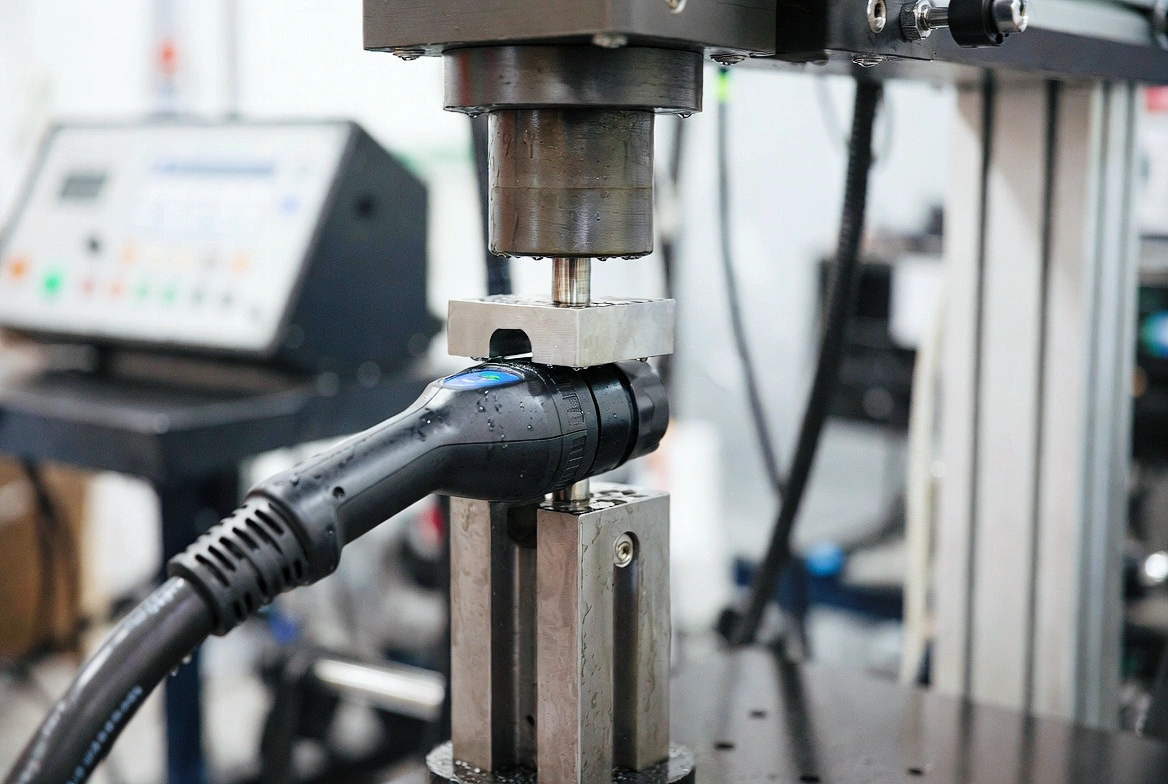
Step 5 – Real-Time Monitoring with EV Charger Tester
Continuously observe the EV charger tester process for any anomalies or deviations.
Step 6 – Post-Test Inspection with EV Charger Tester
After completion, inspect the cable assembly for displacement or damage and generate a detailed compliance report using the EV charger tester’s data logging function.
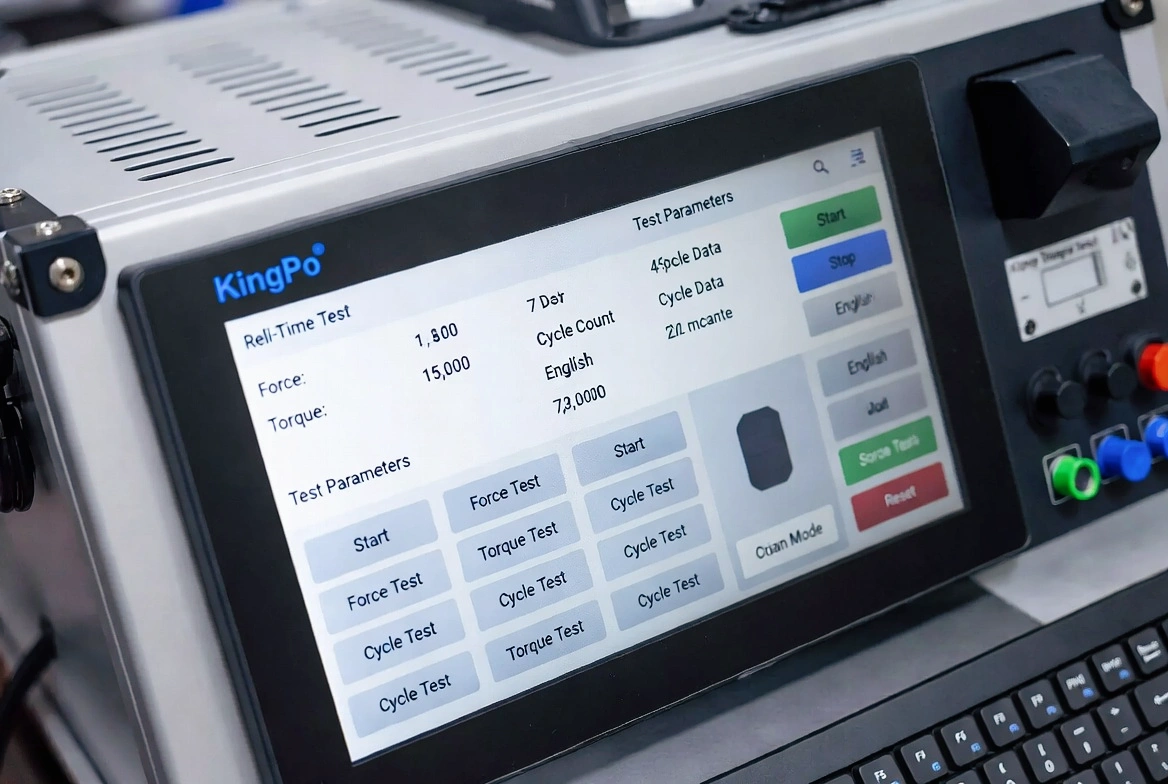
Step 7 – Reporting and Certification Preparation
Compile all data from the EV charger tester into a formal report suitable for certification bodies.
Best Practices and Maintenance for EV Charger Tester Equipment
Regular calibration of the pull torque tester and proper cleaning of the EV charger cable test equipment fixtures are essential for long-term accuracy and reliability.
Real-World Applications and Case Studies
Leading EVSE manufacturers have successfully used KingPo EV charger tester equipment to reduce certification time by 30% while passing rigorous pull torque tester and EV charger cable test equipment requirements. Similar success stories are seen in high-volume production lines for electric vehicle charging stations.
Conclusion
Mastering how to test an EV charger tester using professional testing equipment is critical for safety and compliance. KingPo solutions, built with autonomous research and development, deliver the precision and reliability needed for today’s EV charging functional testing demands.
For tailored recommendations on testing equipment, please visit the EV Charger Cable Test Equipment product page.
