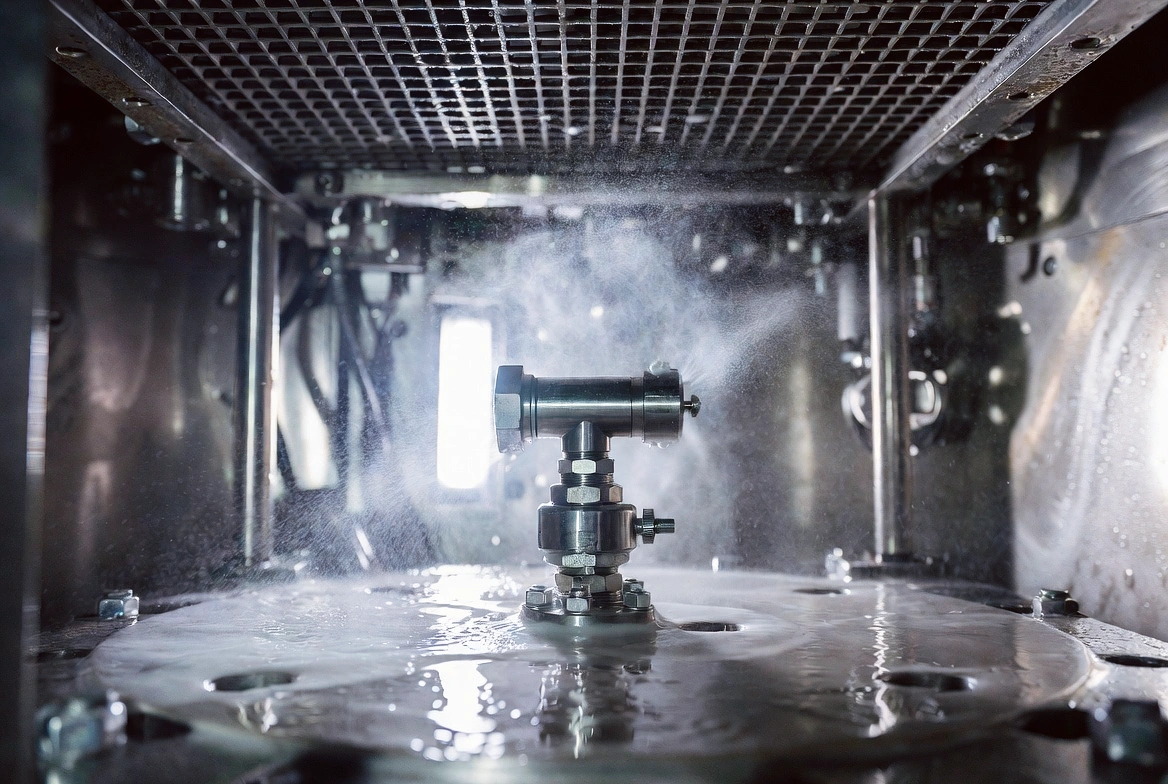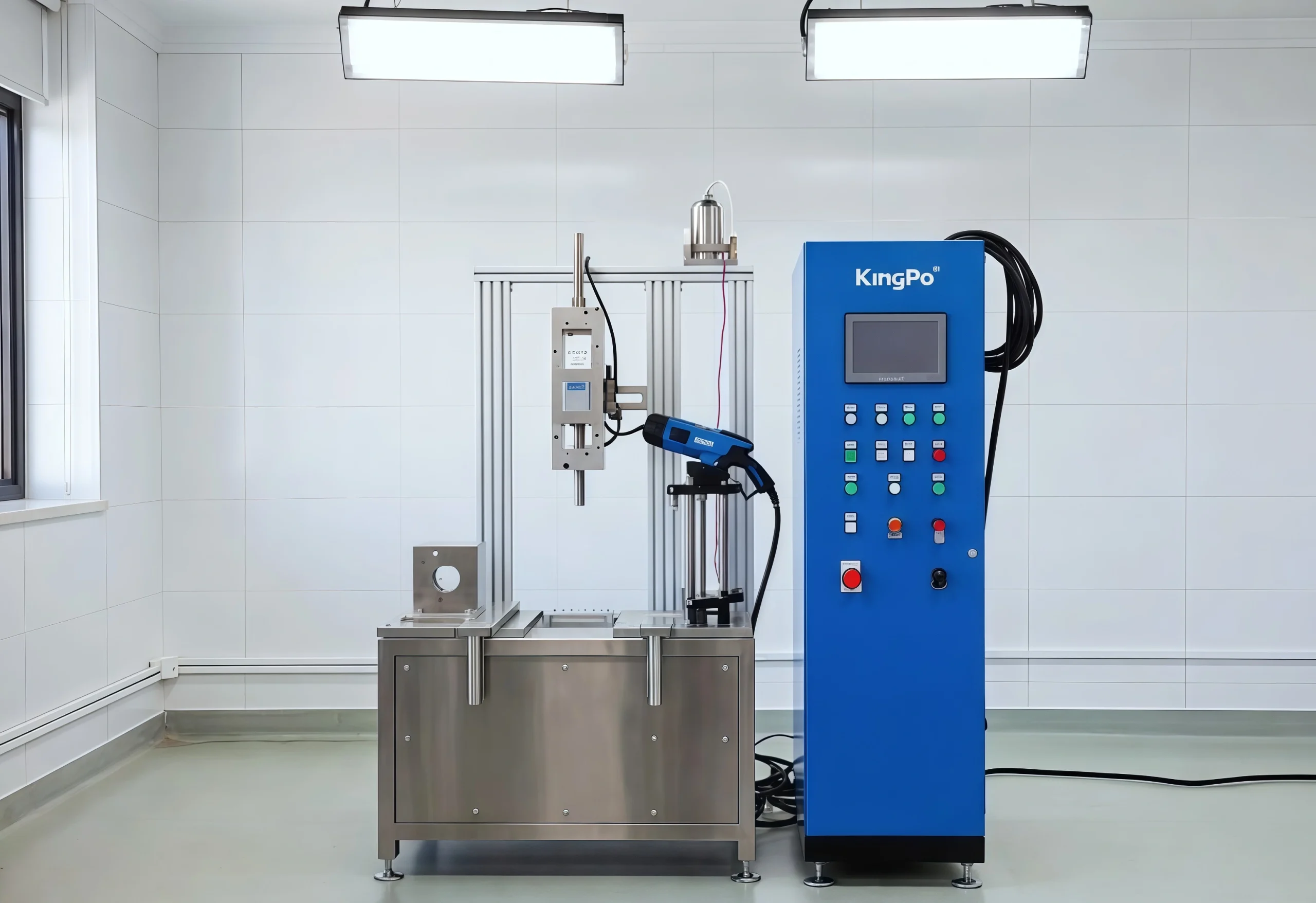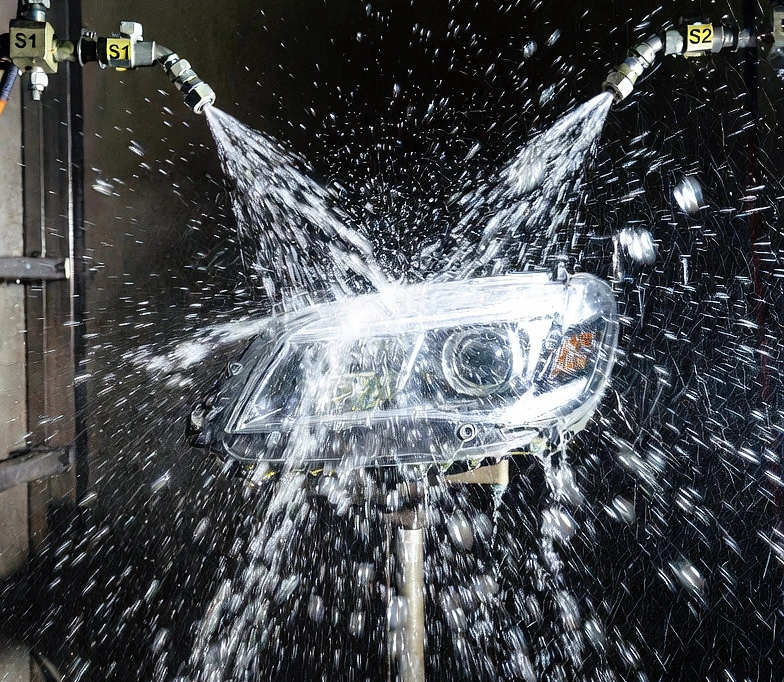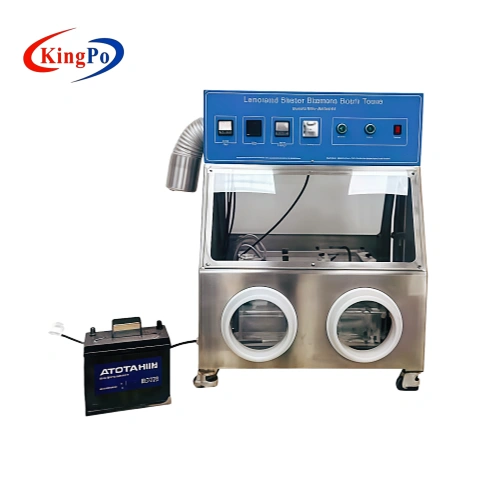
The main distinction between IP68 vs IP65 waterproof ratings lies in the level of water resistance each provides during an IP Test. IP68 offers superior protection against both dust and water, while IP65 delivers basic protection. Understanding which rating is suitable for your equipment is essential for making safe choices. KingPo Technology Development Limited utilizes specialized test chambers to evaluate these IP68 vs IP65 waterproof ratings through rigorous IP Test procedures, ensuring your devices meet stringent standards.
Key Takeaways
-
IP68 gives the best dust and water protection. Devices with IP68 can go underwater for a long time.
-
IP65 keeps out dust and strong water sprays. But IP65 is not good for underwater use.
-
Always look at the IP rating before you buy devices. This helps you pick the right one for wet or outdoor places.
-
Pick IP68 for things used in tough places. Use it for underwater lights or outdoor electrical stuff. This keeps you safe.
-
Pick IP65 for things used every day. It works for items that get dust or water sprayed, like outdoor lights or factory controls. This saves money and keeps you safe.
IP Ratings Overview
What Is an IP Rating?
You might notice codes like IP65 or IP68 on devices. These are called IP ratings, which means Ingress Protection. The International Electrotechnical Commission, or IEC, made this system. It helps people know how well a product keeps out dust and water. Each rating has two numbers. The first number shows how much the device blocks dust. The second number shows how much it blocks water.
IP ratings matter because they tell you how tough a product is. If a device has a high rating, it can handle rough places. This helps you pick the right device, especially if you need it to be waterproof or dustproof. Some people think a high rating means a device is always waterproof. That is not always true. The tests use special lab conditions, but real life can be different. Over time, the waterproof seal can get weaker.
Tip: Always look at the IP rating before you buy something for outside or wet places. This helps you avoid problems and keeps your things safe.
IEC 60529 Standard
The IEC 60529 standard gives the rules for testing and labeling waterproof and dustproof products. This standard makes sure every company tests their products the same way. You can trust the ratings you see. For example, a device with IP65 is dust tight and can take water jets. An IP68 device can stay underwater for a long time.
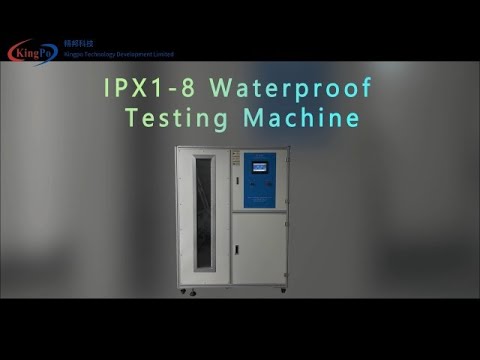
KingPo Technology Development Limited helps companies test their products. They use special test chambers to make the right conditions for each test. Here is a table that shows some waterproof tests:
|
IP Rating |
Description |
Testing Conditions |
|---|---|---|
|
IPX5 |
Protected against water jets |
6.3mm nozzle at 12.5 liters/min |
|
IPX6 |
Protected against heavy seas |
12.5mm nozzle at 100 liters/min |
|
IPX7 |
Protected against water immersion |
1 meter depth for 30 minutes |
|
IPX8 |
Protected against continual submersion |
N/A |
When you use KingPo’s test chambers, you know your products meet the right waterproof and dustproof ratings. This helps you feel sure your devices will work well where you use them.
IP Rating Digits Explained
When you look at an IP rating like IP65 or IP68, you see two numbers. Each number tells you something important about how well a product keeps out dust and water. These numbers help you understand if a device is truly dustproof or waterproof.
Dust Protection (First Digit)
The first digit in an IP rating shows how well a product blocks solid objects, like dust. For both IP65 and IP68, the first digit is 6. This means the product is completely dustproof. No dust can get inside, even in tough environments. You can trust that a device with a 6 in the first spot will keep out all dust. This level of dustproof protection is important for electronics, outdoor gear, and equipment used in dirty or sandy places.
Here is a table to help you see what each digit means for IP65 and IP68:
|
IP Rating |
First Digit (Solids) |
Second Digit (Liquids) |
|---|---|---|
|
IP65 |
6 – Dust-tight |
5 – Water jets |
|
IP68 |
6 – Dust-tight |
8 – Continuous immersion |
Note: Both IP65 and IP68 give you the highest level of dustproof protection. You do not need to worry about dust getting inside your device.
Waterproof Protection (Second Digit)
The second digit in an IP rating tells you how well a product keeps out water. This number changes the level of waterproof protection. For IP65, the second digit is 5. This means the device can handle water jets from any direction. For IP68, the second digit is 8. This means the device can stay underwater for a long time without damage.
Understanding these numbers helps you make smart choices. You know exactly how dustproof and waterproof your device is. You do not have to guess or rely on unclear marketing words. Here are some reasons why knowing these digits matters:
-
IP ratings give you clear facts about dustproof and waterproof safety.
-
Each digit has a set meaning, so you know what to expect.
-
You can compare products easily and pick the right one for your needs.
-
Certified IP ratings mean the product passed real tests for dustproof and waterproof protection.
-
Knowing the rating helps you choose the best device for indoor or outdoor use.
When you see IP65 or IP68, you know your device is dustproof. You also know how much water it can handle. This knowledge keeps your equipment safe and helps you feel confident in your choice.
IP68 Waterproof and Dustproof
IP68 Dustproof Level
Devices in rough places need strong dustproof safety. The ip68 rating gives the best dustproof protection. If you see ip68, your device blocks all dust. Test chambers put products in fine dust for 8 hours. If no dust gets inside, your device passes the ip68 tests. This dustproof level is important for electronics and outdoor gear. It also helps equipment that faces sand or dirt every day.
IP68 Waterproof Test
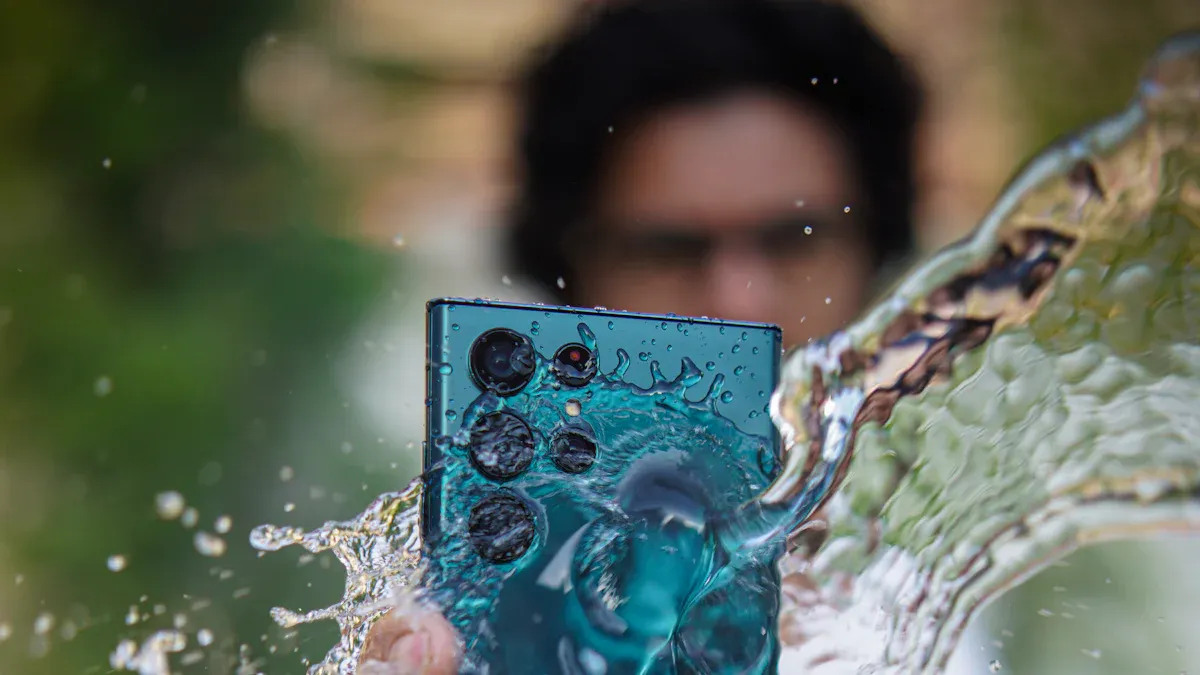
You want your device to survive water in hard places. The ip68 waterproof test checks if it can go underwater. Test chambers put products in water deeper than 1 meter for 30 minutes. If your device still works, it passes the ip68 tests. The ip68 rating means your device can handle rain, splashes, and being underwater. Here is a table that shows the types of waterproof protection for ip68:
|
Test Type |
Description |
|---|---|
|
Dripping |
Protection against vertically falling water drops |
|
Spraying |
Protection against sprayed water |
|
Splashing |
Protection against splashed water |
|
Jetting |
Protection against water jets |
|
Powerful jetting |
Protection against powerful water jets |
|
Immersion |
Protection against immersion in water |
Tip: Devices with ip68 waterproof and dustproof features are safe for pools, rainy days, and dusty jobs.
IP68 Test Equipment
You need good tools to test for ip68 ratings. KingPo’s test chambers make the right dust and water conditions. These chambers use fine dust and deep water to check your device. Makers trust ip68 test chambers to meet strict rules. When you use KingPo’s chambers, your device has strong waterproof and dustproof safety. Devices that pass ip68 tests work well in tough places and keep you safe.
IP65 Waterproof and Dustproof
IP65 Dustproof Level
IP65 devices keep dust out, even in hard places. The ip65 waterproof and dustproof tests check if dust can get inside. KingPo Technology Development Limited uses test chambers with fine dust for many hours. If no dust gets in, your device passes the ip65 tests. This dustproof level is good for electronics in factories or outside. You get full dustproof safety, so your equipment stays safe and works well.
IP65 Waterproof Test
The ip65 tests also check how your device handles water. These tests see if your device can resist water jets from any side. KingPo’s test chambers spray water at your device with strong force. If your device still works, it passes the ip65 waterproof test. This means your device can handle rain, splashes, or cleaning with a hose. You do not need to worry about water spray hurting your electronics.
Here is a table that shows how ip65 waterproof is different from ip68:
|
Feature |
IP65 Limitations |
IP68 Advantages |
|---|---|---|
|
Water Exposure |
Cannot handle being in water for a long time |
Made for staying underwater for a long time |
|
Degradation |
Can get weaker from water over time |
Handles tough conditions |
|
Application Suitability |
Not good for lots of water |
Good for places with lots of water |
Note: The ip65 waterproof test does not check for long times underwater. You should not use ip65 devices under water for a long time.
IP65 Test Equipment
You need the right tools to check if your device meets the ip65 tests. KingPo’s test chambers make dust and water spray for testing. These chambers help you see if your device has the right protection. Ip65 waterproof is enough for many places. You can use ip65 waterproof devices in factories, outside, or where you clean with water jets. This rating helps you feel safe for most daily uses.
Tip: Pick ip65 waterproof and dustproof devices for places with dust and water spray, but not for places where your device will stay underwater.
IP68 vs IP65 Waterproof Ratings Comparison
Key Differences
It is important to know how ip68 and ip65 are different. These ratings show how well your device can stop dust and water. The table below helps you see the differences between them:
|
Feature |
IP68 |
IP65 |
|---|---|---|
|
Immersion |
Can stay underwater up to 1.5m for 30 min |
Not made for being underwater |
|
Water Resistance |
Works well for long time underwater |
Only stops water jets |
|
Dustproof |
Stops even tiny dust from getting in |
Only blocks bigger dust pieces |
|
Testing Conditions |
At least 30 min at 1.5m deep |
Water jets at 30Kg/cm² for 15 min |
Ip68 gives you the best dust and water safety. You can use ip68 devices underwater for a long time. Ip65 devices can take water jets but not being underwater. Ip68 is good for tough places, but ip65 is fine for normal outdoor or indoor use.
Tip: Always check the rating before you buy. The difference between ip68 and ip65 can change how long your device works.
Testing Methods
You should know how companies test ip68 and ip65. The tests use different ways to check for water and dust. The table below shows the main steps:
|
Rating |
Water Immersion |
Dust Ingress |
|---|---|---|
|
IP68 |
Underwater for 30 minutes at 1.5 meters |
Very good at stopping dust |
|
IP65 |
Water jets for 15 minutes at 30Kg/cm² |
Stops dust but not as well as ip68 |
For ip68, testers put the device underwater at 1.5 meters for 30 minutes. The device must still work after the test. For ip65, testers spray water jets at the device from all sides for 15 minutes. The device must keep water and dust out. Ip68 tests are harder because they check for deep water and tiny dust. Ip65 tests look at water spray and bigger dust.
Devices with these ratings have passed tough tests. KingPo Technology Development Limited uses special test chambers to make sure your products meet these rules.
Practical Applications
You need to pick the right rating for your job. Ip68 and ip65 matter for many jobs and daily uses. Here are some examples to help you choose:
-
Ip68 gives full dust and water safety. You can use ip68 for underwater lights, boats, and outdoor electric boxes. Ip68 is also good for fancy phones that might fall in water.
-
Ip65 is good for things that get dust and water jets but do not go underwater. You can use ip65 for factory controls, outside lights, and things you clean with a hose.
-
If you work in wet places or clean your tools a lot, ip68 is best. You will feel safe knowing your device can handle hard jobs.
-
Ip65 costs less. You can use it for simple jobs in easy places.
The table below shows where you might need ip68 most:
|
Industry |
Description |
|---|---|
|
Advanced Consumer Electronics |
Fancy phones and devices made for long time underwater use. |
|
Marine Equipment |
Devices used in water, like underwater lights and connectors. |
|
Outdoor and Underground Installations |
Electric boxes and wires that get wet. |
|
Specialized Industrial Applications |
Tools used in wet work or under water, like pumps and valves. |
Note: Ip68 costs more because it uses better parts and designs. Ip65 is cheaper and works for easy jobs.
Always pick the rating that fits your needs. If you want strong water and dust safety, choose ip68. If you only need basic safety, ip65 is enough.
Choosing the Right Waterproof Rating
When to Choose IP68
Pick IP68 if you need the best waterproof and dustproof safety. This rating is great for devices in tough places. Use it for outdoor electrical gear or things near pools and lakes. It also works well in heavy rain. IP68 keeps out all dust and can go underwater for a long time. Here is a table to show when IP68 is the best pick:
|
Scenario |
Why Choose IP68? |
|---|---|
|
Outdoor Electrical Installations |
Keeps devices safe from rain, storms, and dust |
|
Underground Wiring |
Protects against water and dirt underground |
|
Industrial Settings |
Handles heavy machinery and frequent water exposure |
|
Marine Applications |
Needed for underwater lights or sensors |
|
Temporary Installations |
Ensures safety during outdoor events with possible water contact |
Tip: Choose IP68 if your device might go underwater or needs full waterproof safety.
When IP65 Is Enough
IP65 is good for many normal uses. Pick this rating for things that need to block dust and stop water jets. You do not need IP65 for things that go underwater. Outdoor lights, cameras, and factory controls often use IP65. This rating stops rain, splashes, and water from a hose. You save money and still get strong safety.
-
Use IP65 for:
-
Outdoor lights in gardens or driveways
-
Devices that get dust and water spray, but not full immersion
-
Equipment that needs easy cleaning with water jets
-
Note: IP65 gives you strong waterproof safety for most jobs inside and outside.
Consumer Guidance
You should match the waterproof rating to your real needs. First, look at where you will use the device. If you expect lots of dust or water, pick a higher rating. Think about how often the device will get wet or dirty. Also, check your budget. Sometimes, IP65 is enough and costs less. For important jobs, IP68 is worth the extra money.
Here are some key things to think about:
|
Factor |
What to Check |
|---|---|
|
Enclosure Design |
Look for smooth edges and water-shedding angles |
|
Gasket and Sealing Solutions |
Make sure seals are tight and made from quality materials |
|
Cable and Connector Interfaces |
Use connectors rated for waterproof use |
|
Ventilation |
Choose devices with waterproof membranes to prevent condensation |
|
PCB Protection |
Check for coatings that protect against water and dust |
|
Fasteners and Assembly |
Ensure all screws and parts are rust-resistant and tightly sealed |
KingPo Technology Development Limited helps you pick the right rating. Their test chambers and expert team check every detail. This makes sure your equipment meets the right waterproof rules. You can trust KingPo to help you stay safe and follow the standards.
You can look at this table to see how IP68 and IP65 are different:
|
Rating |
Dust Protection |
Water Resistance |
Immersion Capability |
|---|---|---|---|
|
IP65 |
Not dust-tight |
Limited (low-pressure jets) |
Not suitable for immersion |
|
IP68 |
Complete dust-tight |
Continuous underwater use |
Suitable for immersion |
Picking the right IP rating helps keep your devices safe and working longer.
-
When you choose the right rating for where you use your device, you make a smart choice.
-
Your equipment will last longer and work better.
KingPo’s test chambers are made with strong parts and special tools to check these ratings. You get results you can trust and feel sure your devices are safe.
FAQ
What does “IP” stand for in IP65 and IP68?
“IP” means Ingress Protection. You use this code to know how well a device keeps out dust and water. The two numbers show the level of dustproof and waterproof safety.
Can you use an IP65 device underwater?
No, you should not use an IP65 device underwater. IP65 protects against water jets and rain, but it does not keep water out during full immersion.
How do you test for IP68 waterproof rating?
You place the device in water deeper than 1 meter for at least 30 minutes. If the device still works after the test, it passes the IP68 waterproof standard.
Why should you choose KingPo for IP testing?
KingPo provides advanced test chambers and expert support. You get reliable results that help you meet international standards. Your products stay safe and ready for real-world use.
Is IP68 always better than IP65?
IP68 gives stronger water protection. You should choose IP68 for harsh or wet places. For most daily uses, IP65 is enough and costs less.