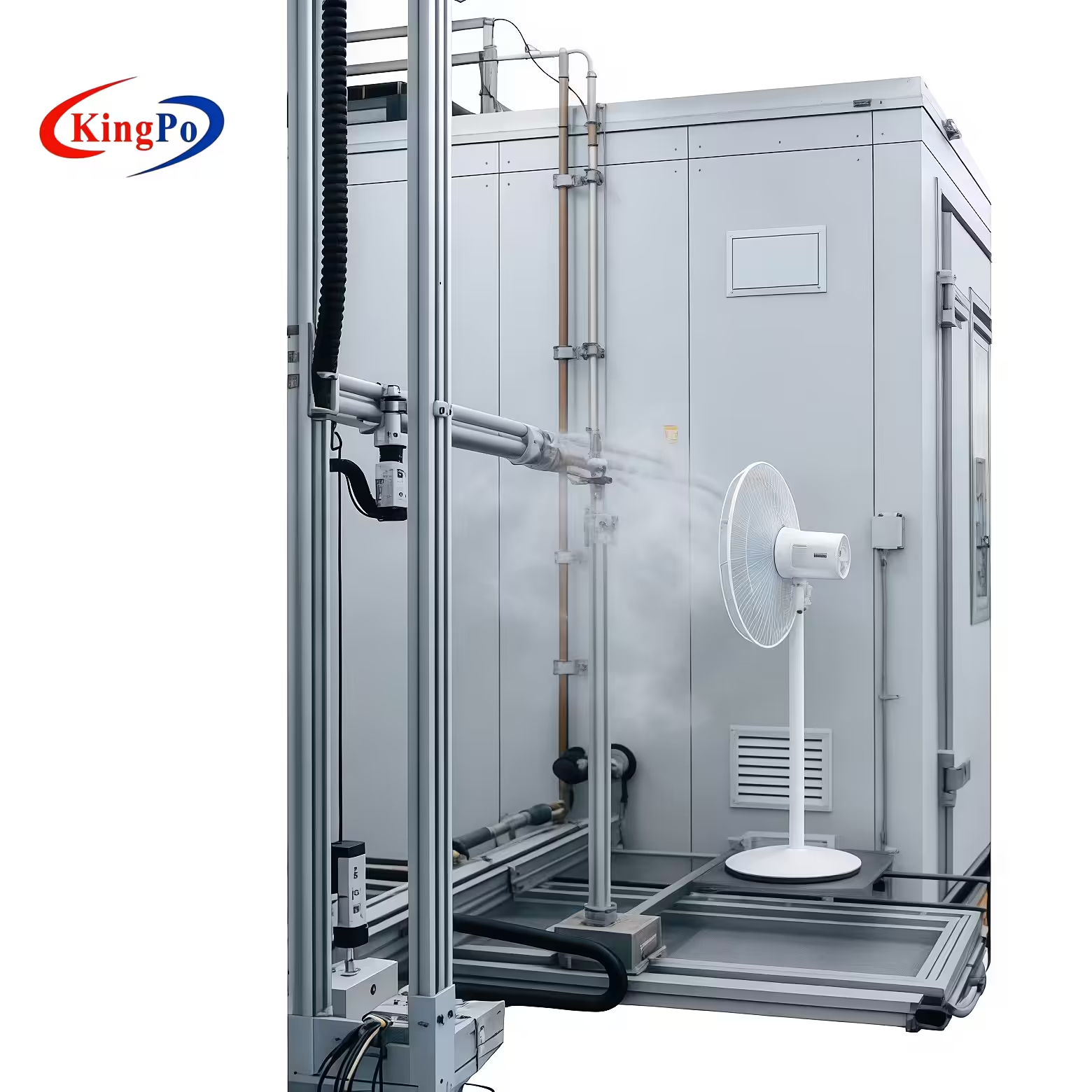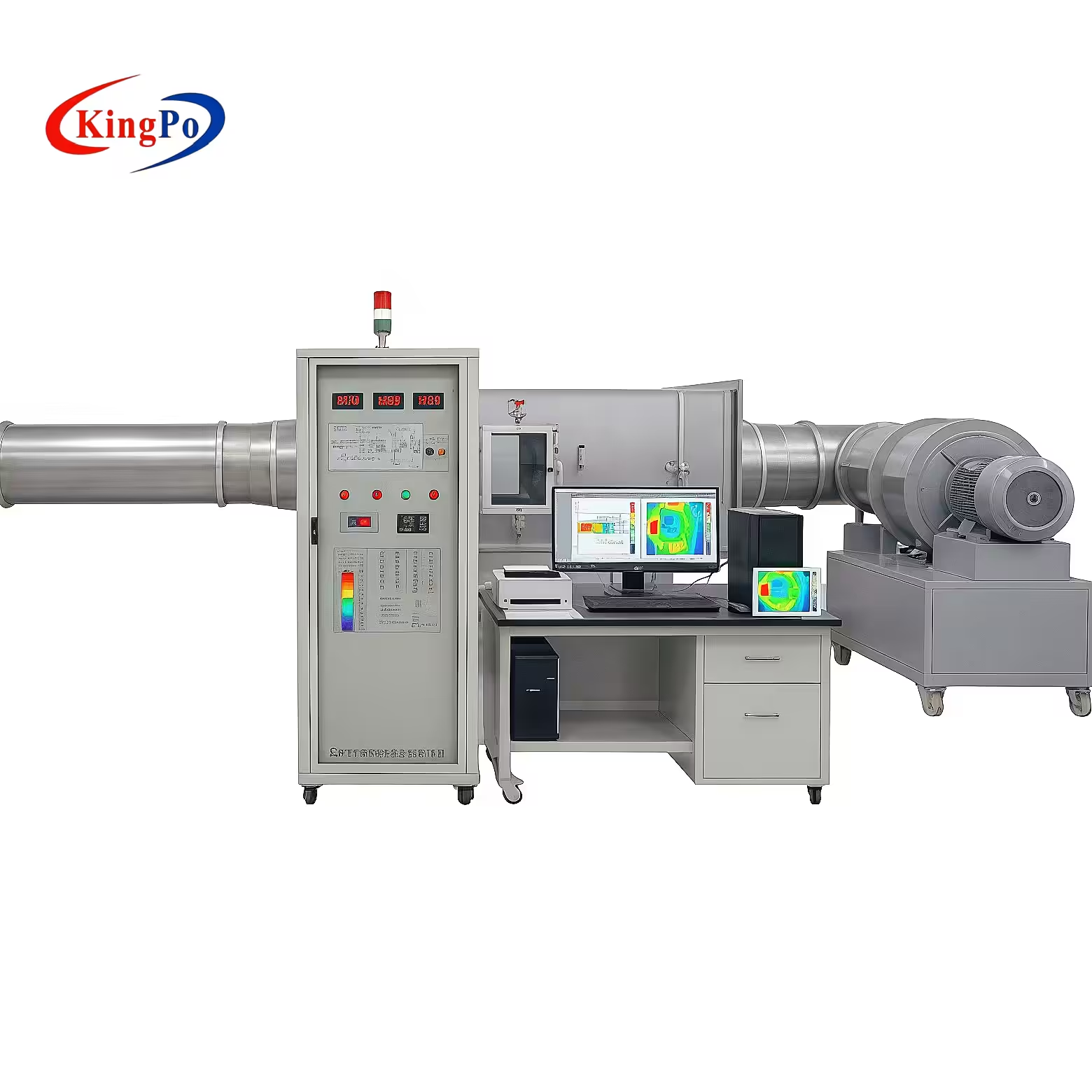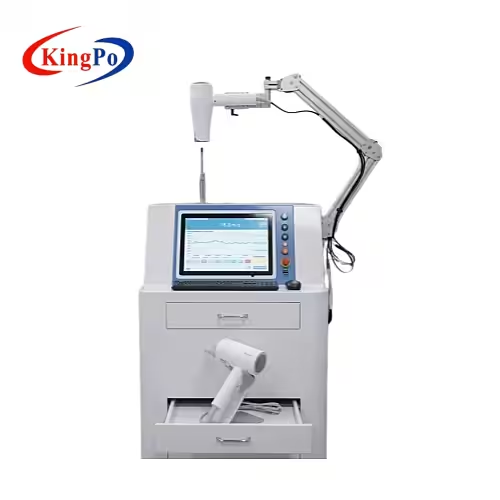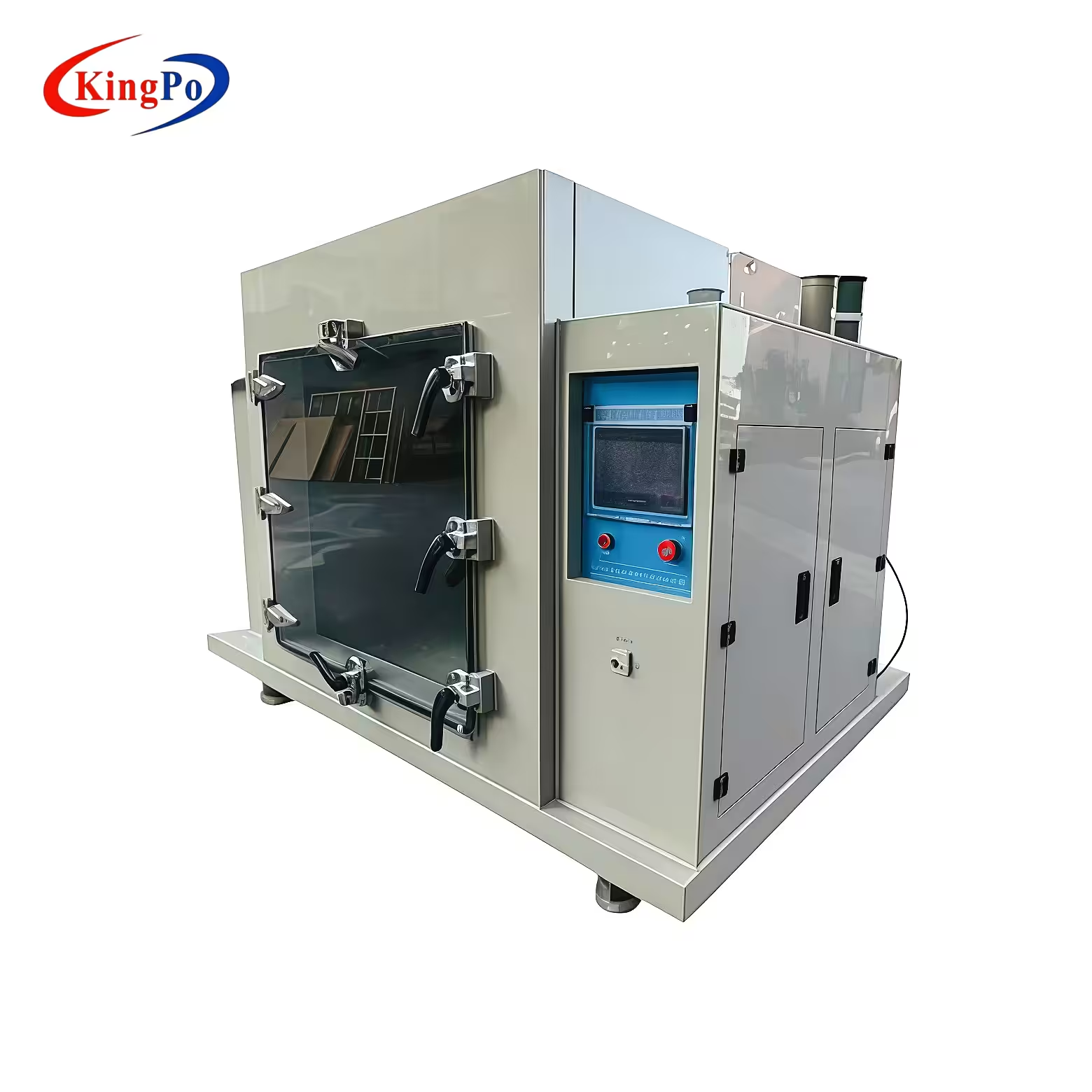
Abstract / Technical Summary
Selecting the right energy efficiency testing equipment is essential for appliance manufacturers to meet IEC, GB, and international standards while ensuring accurate, repeatable results. T
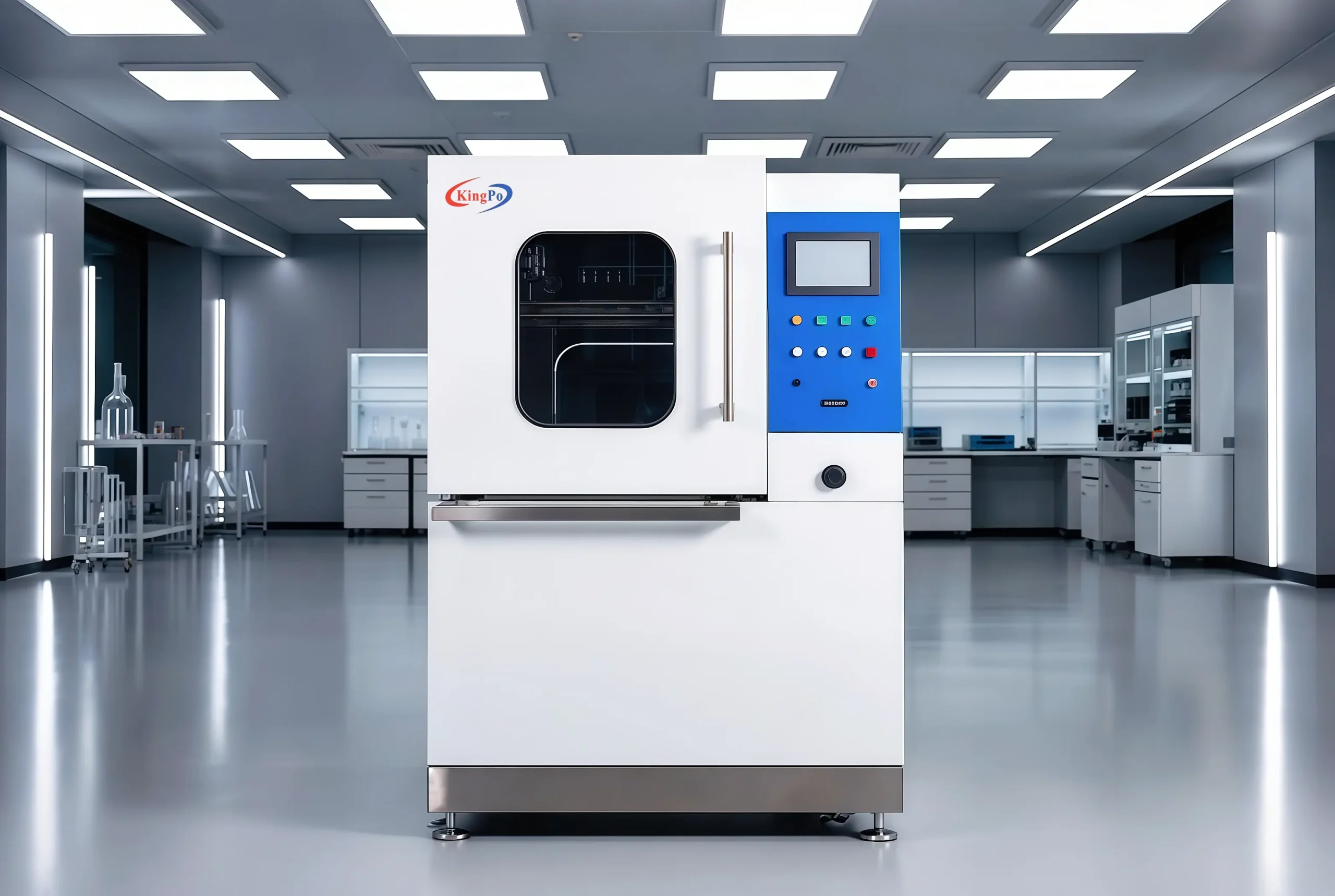
his comprehensive guide examines four key KINGPO systems — Electric Rice Cooker Tester (GB 12021), Water Pump Performance Testing System (ISO 9906), IEC 62552 Energy Efficiency Temperature and Humidity Test Chamber, and IEC 61591 Range Hood Test System — providing practical selection criteria, technical specifications, and real-world application insights to help laboratories and manufacturers make informed decisions.
Introduction
Energy efficiency has become a core competitive factor for home appliances. Regulatory bodies worldwide require precise measurement of power consumption, heating efficiency, airflow, and performance parameters. At KingPo, we have supported hundreds of manufacturers in implementing energy efficiency testing solutions. This guide consolidates our practical experience to help you evaluate and select the most suitable equipment for electric rice cookers, water pumps, refrigerators, and range hoods, ensuring compliance with GB 12021, ISO 9906, IEC 62552, and IEC 61591 standards.
Why Accurate Energy Efficiency Testing Equipment Matters?
Incorrect equipment selection often leads to inconsistent data, failed certifications, and costly re-testing. The right system helps manufacturers:
- Accurately measure energy consumption and performance parameters
- Shorten product development cycles
- Reduce the risk of market rejection
- Strengthen brand reputation through verified efficiency claims
Key Factors to Consider When Choosing Energy Efficiency Testing Equipment
Applicable Standards and Test Scope
Different appliances require different standards. Verify that the system supports all relevant test methods for your product range.
Chamber Size, Capacity and Environmental Control
Select a chamber that accommodates your largest product while maintaining uniform temperature and humidity.
Measurement Accuracy and Data Acquisition
High-precision sensors and reliable data logging are essential for certification-grade results.
Comparison of KINGPO Energy Efficiency Testing Systems
| Equipment | Main Standard | Key Parameters Measured | Typical Applications | Chamber / System Size |
|---|---|---|---|---|
| Electric Rice Cooker Tester | GB 12021.6-2008 | Power consumption, heating efficiency (η), energy grade | R&D, certification, QC | 6 test corners |
| Water Pump Performance Testing System | ISO 9906, GB3216 | Head, flow, efficiency, NPSH, H-Q / P-Q / η-Q curves | Pump performance validation | 0–50 m head, 0–200 m³/h flow |
| IEC 62552 Energy Efficiency Test Chamber | IEC 62552, ISO 15502 | Energy consumption, storage temperatures, freezing capacity | Refrigerators & freezers | 0–75°C, 30–85% RH |
| IEC 61591 Range Hood Test System | IEC 61591, AMCA 210 | Airflow, static pressure, efficiency | Range hood performance | Up to 50 m³/min airflow |
Technical Advantages of KINGPO Energy Efficiency Testing Systems
With over 20 years of autonomous research and development, we design every KINGPO energy efficiency test chamber entirely in-house. This vertical integration ensures superior temperature uniformity, long-term stability, and full compliance with the latest IEC standards. Our systems are trusted by leading appliance manufacturers worldwide for their reliability and ease of certification.
Detailed Product Overviews
Electric Rice Cooker Tester – GB 12021 Energy Efficiency Grading
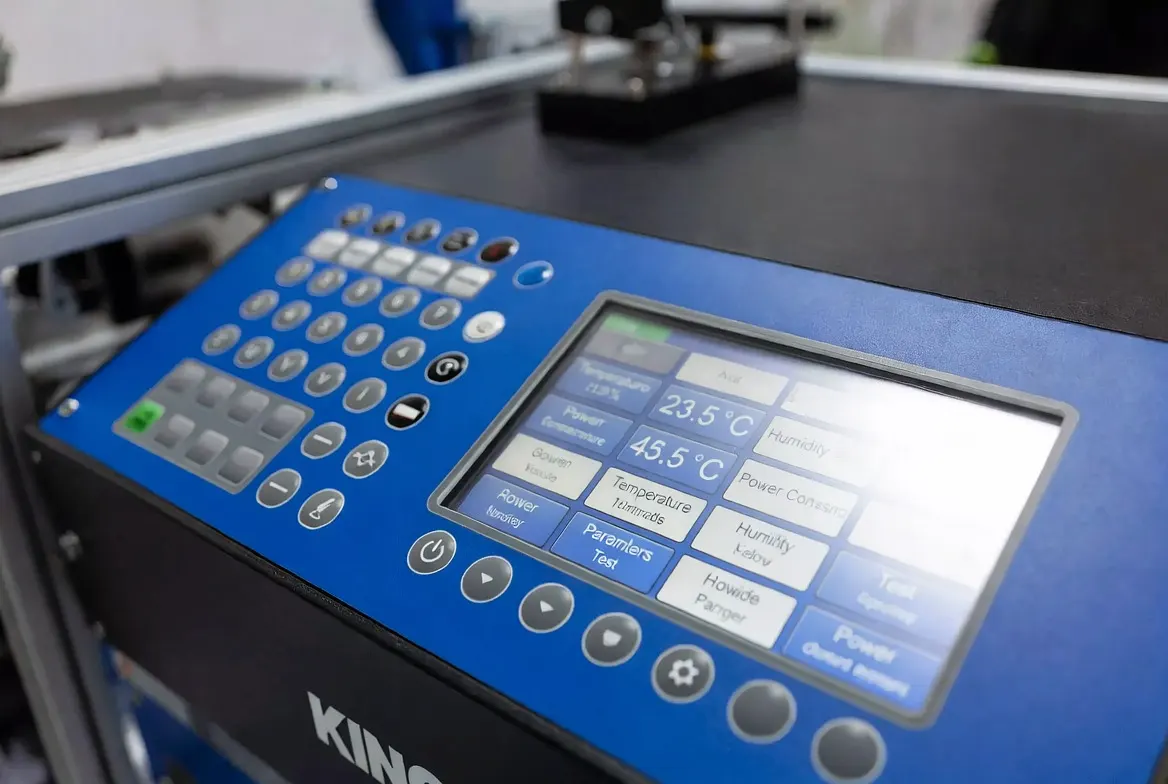
The Electric Rice Cooker Tester is a dedicated laboratory platform for accurate energy efficiency grading. It measures power consumption and heating efficiency (η) using the formula η = (1.16 × λ × G × (t2 – t1)) / E, with 2 test benches and 6 test corners (1 m × 0.8 m × 0.6 m). T-Type thermocouples and Yokogawa GM10 data collector ensure 0.1 class accuracy.
Water Pump Performance Testing System – ISO 9906 Comprehensive Tester
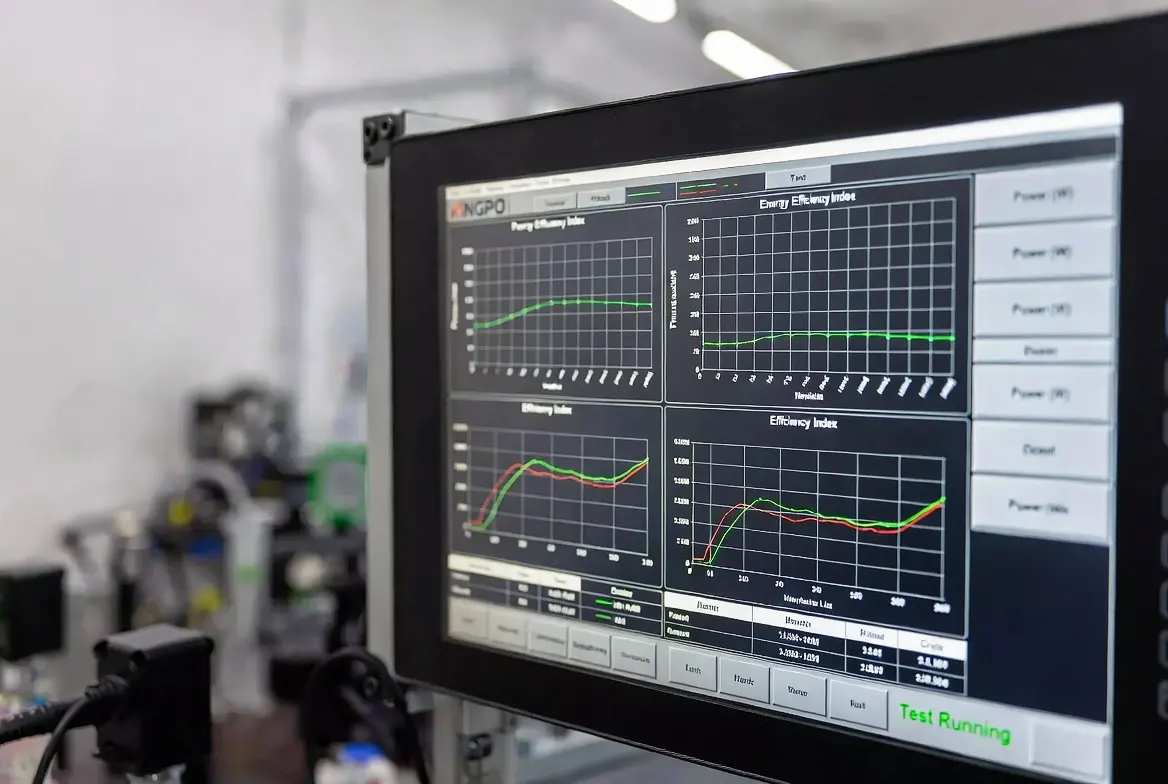
This system evaluates household appliance pumps under ISO 9906-2012. It measures head (0–50 m), flow (0–200 m³/h), speed (0–3000 rpm), and automatically generates H-Q, P-Q, η-Q, and NPSH r-Q curves. It supports centrifugal, submersible, and other pump types with Ф25/40/50 mm pipelines.
IEC 62552 Energy Efficiency Temperature and Humidity Test Chamber
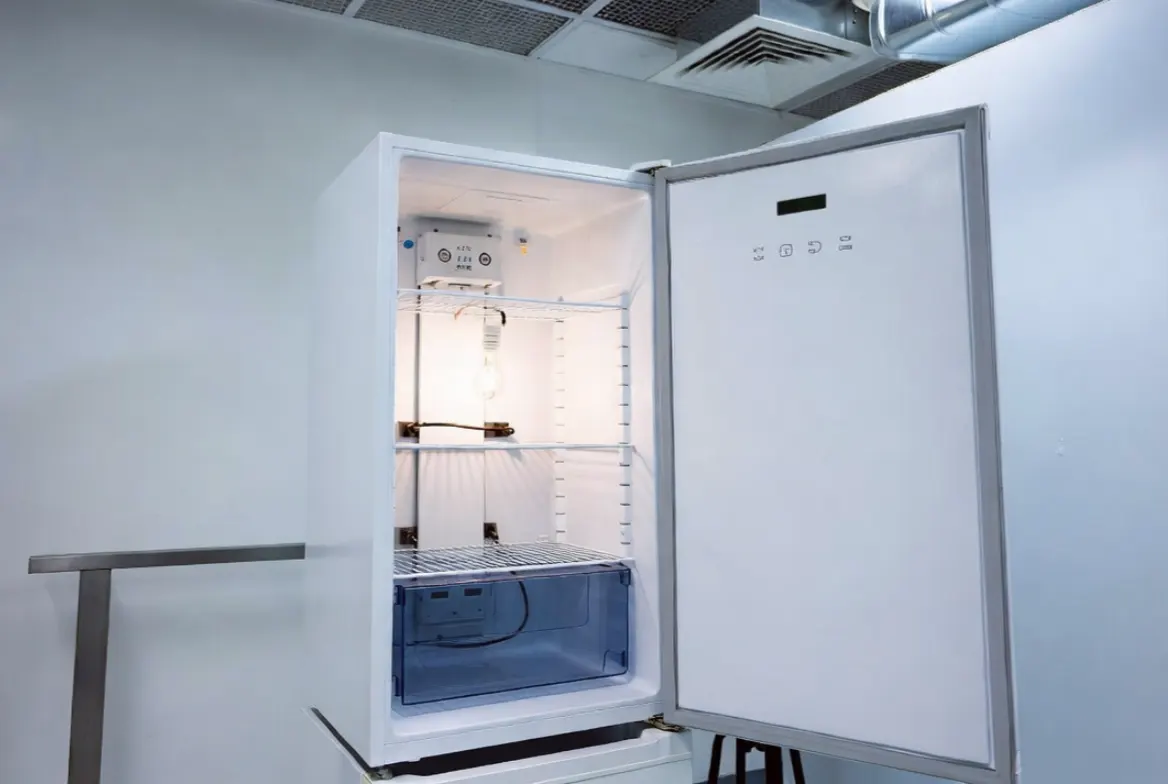
Designed for refrigerators and freezers, this chamber provides controlled conditions (0–75°C, 30–85% RH) to measure energy consumption, storage temperatures, freezing capacity, and load temperature rise. Polyurethane insulation and PLC control deliver ±0.2°C temperature and ±2% RH accuracy.
IEC 61591 Range Hood Test System
This system evaluates cooking fume extractors for airflow, static pressure, and efficiency using calibrated nozzle airflow measurement and differential pressure sensing. It supports up to 50 m³/min airflow and generates standardized performance curves.
Step-by-Step Guide to Selecting the Right Equipment
Step 1 – Define Your Testing Needs
List all appliances and the specific standards required.
Step 2 – Evaluate Technical Specifications
Compare chamber volume, sensor accuracy, and automation features.
Step 3 – Assess Long-Term Operational Costs
Consider calibration frequency, maintenance, and energy consumption of the chamber itself.
Step 4 – Verify Supplier Support
Ensure the manufacturer provides calibration certificates and technical support for audits.
Best Practices and Maintenance for Long-Term Reliability
Weekly and Monthly Maintenance
Weekly cleaning of sensors and monthly verification of airflow uniformity are recommended.
Maintenance Checklist Table
| Frequency | Item to Check | Recommended Action |
|---|---|---|
| Weekly | Sensors and airflow | Clean and visual inspection |
| Monthly | Calibration verification | Check against certified reference |
| Quarterly | Chamber seals | Inspect for wear |
| Annually | Full system calibration | Professional service |
Real-World Applications and Case Studies
KINGPO systems have helped major appliance brands achieve consistent IEC and GB compliance, reducing certification time by an average of 30% while improving data reliability.
Conclusion
Selecting the right energy efficiency testing equipment is a strategic investment that directly impacts product quality, certification success, and time-to-market. By focusing on accuracy, compliance, and practical usability, manufacturers can achieve reliable results and a strong competitive advantage in the global market.
For tailored recommendations on energy efficiency testing systems that precisely meet your home appliance requirements, please visit the Energy Efficiency Testing Systems product page.