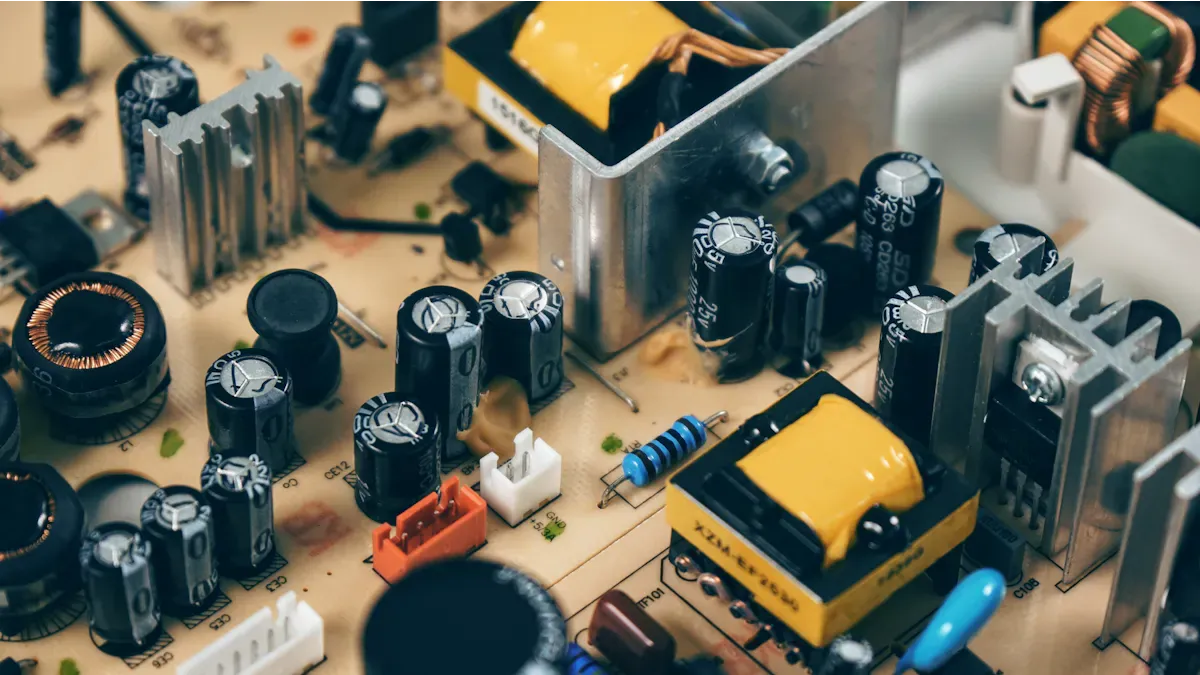
You can notice that TNV-1, TNV-2, and TNV-3 circuits are different. They have different voltage limits and risks from too much voltage. Each type also needs a different amount of protection. TNV-1 has the lowest voltage. It is less likely to get too much voltage. TNV-2 can have higher voltage. It needs more insulation to stay safe. TNV-3 works with the highest voltage. It needs very strong safety rules. These differences help keep people safe. They also make sure TNV circuits follow the rules. Testing and good protection help keep everyone safe.
Key Takeaways
TNV-1, TNV-2, and TNV-3 circuits are not the same. They have different voltage limits and safety needs. TNV-1 is the safest. TNV-3 can handle the highest voltage.
Use TNV-1 circuits for low voltage and simple protection. Use TNV-2 for medium voltage and more insulation. Use TNV-3 for high voltage and strong safety steps.
Always check voltage levels and insulation before you work on TNV circuits. This helps stop shocks and keeps equipment safe.
Test the circuits the right way often. This makes sure they stay safe and follow safety rules.
Pick the right TNV circuit for your equipment. Follow safety rules to keep yourself safe and make telecommunication systems work well.
TNV Circuits Overview
What Are TNV Circuits
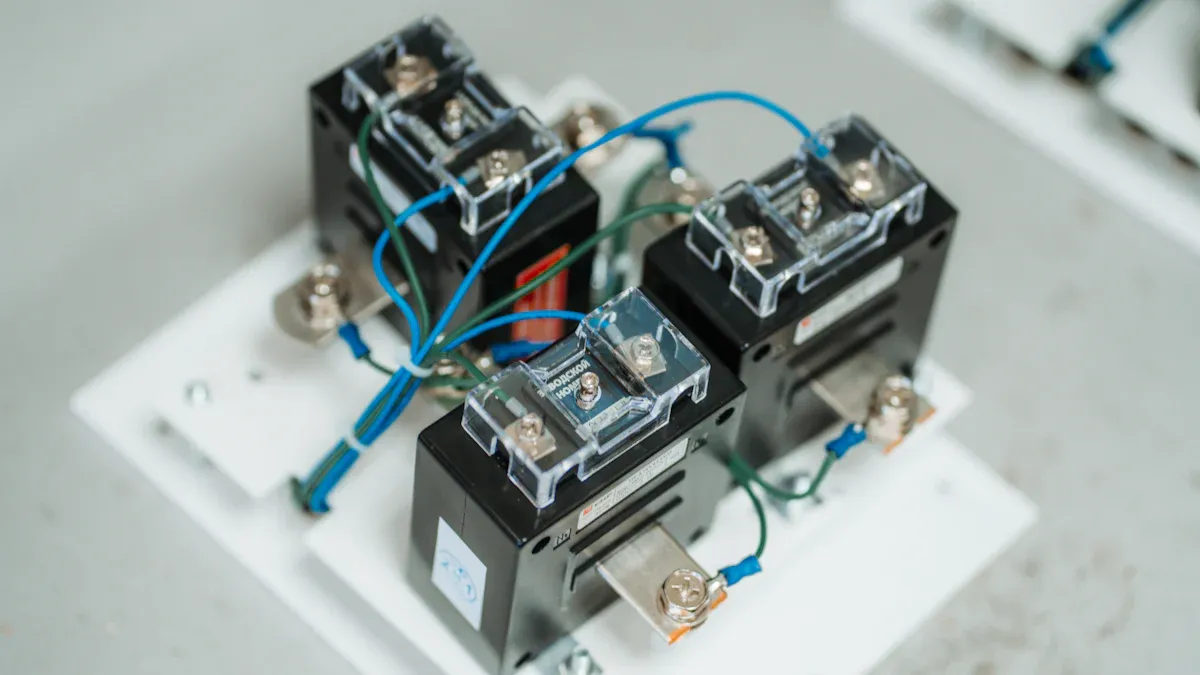
You can find TNV circuits in telecommunication equipment. These circuits move signals safely. International safety standards like IEC 60950-1 give them special rules:
People can only reach them in certain ways.
Designers make sure their voltage stays safe, even if something goes wrong.
They let signals pass during normal use.
TNV circuits help your devices work. They also keep you safe from electric dangers. These circuits protect both users and workers. They stop damage to important equipment.
Voltage Limits and Safety
Voltage limits are very important in telecommunication networks. If voltage is not controlled, equipment can break. Sometimes, it can even cause blackouts.
The official report about the Iberian blackout says it happened because of voltage problems. The system had big voltage changes before the blackout. This caused many failures. The report says there were not enough tools to control voltage. This shows why good voltage management is needed in telecommunication networks.
TNV circuits are needed to:
Give safe and steady power.
Keep voltage stable when power changes.
Protect equipment from surges and noise.
Make sure communication does not stop.
Help important places like emergency call centers.
In high-voltage grids, voltage can change fast if reactive power is not managed. In low-voltage systems, you must watch both active and reactive power. TNV circuits help control these things. They keep the network working well. You need these circuits to keep telecommunication systems safe and working.
TNV Circuit Types
TNV-1 Features
You can think of TNV-1 as the safest type of TNV circuits. These circuits work with the lowest voltage. You will find that TNV-1 circuits rarely face high voltage from outside sources. This means you do not need much insulation or extra protection.
Voltage Limit: TNV-1 circuits stay below 71 volts DC or 50 volts AC.
Overvoltage Exposure: These circuits do not connect to outside lines. They do not face lightning or power line surges.
Safety Implications: You can touch these circuits without risk. You do not need special tools or barriers. TNV-1 circuits protect you and your equipment with simple design.
Tip: If you work with TNV-1 circuits, you can focus on basic safety checks. You do not need to worry about strong surges.
TNV-2 Features
TNV-2 circuits handle a bit more voltage than TNV-1. You may find these circuits in devices that connect to other equipment inside a building. Sometimes, they can face small surges from the building’s power system.
Voltage Limit: TNV-2 circuits can reach up to 71 volts DC or 50 volts AC, just like TNV-1.
Overvoltage Exposure: These circuits may face short surges, but not from outside lines. They do not connect directly to the public network.
Safety Implications: You need more insulation than TNV-1. You must use barriers or covers to keep users safe. You should check these circuits for signs of wear or damage.
Note: TNV-2 circuits need extra care during installation. You should always follow the safety instructions in the manual.
TNV-3 Features
TNV-3 circuits work with the highest voltage in this group. You will see these circuits in equipment that connects to outside telephone lines. These lines can bring strong surges from lightning or faults in the power grid.
Voltage Limit: TNV-3 circuits can reach up to 400 volts DC or 277 volts AC.
Overvoltage Exposure: These circuits face the highest risk. They must handle lightning strikes and power line faults.
Safety Implications: You must use strong insulation and barriers. Only trained workers should touch these circuits. You should always turn off power before working on TNV-3 circuits.
Warning: Never touch TNV-3 circuits without proper training and safety gear. These circuits can be very dangerous.
TNV Type | Max Voltage (DC/AC) | Overvoltage Exposure | Safety Level |
|---|---|---|---|
TNV-1 | 71V / 50V | Very Low | Basic protection |
TNV-2 | 71V / 50V | Low | Extra insulation |
TNV-3 | 400V / 277V | High | Strongest protection |
You can see that each type of TNV circuits has its own rules. You must choose the right type for your equipment. This helps you keep users and workers safe.
TNV Circuit Differences
Voltage and Overvoltage Comparison
When you look at TNV-1, TNV-2, and TNV-3 circuits, you can see they are not the same. Each one has its own rules for voltage and surges. The table below shows how they are different:
Circuit Type | Normal Operating Voltage | Overvoltage Characteristics |
|---|---|---|
TNV-1 | Does not exceed SELV limits | Can withstand overvoltages from communication networks |
TNV-2 | Exceeds SELV limits | Does not withstand overvoltages from communication networks |
TNV-3 | Exceeds SELV limits | Can withstand overvoltages from communication networks |
You should always check the voltage and surge limits before you start working. TNV-1 circuits stay at safe voltage and can handle some surges. TNV-2 circuits have higher voltage but do not protect against big surges. TNV-3 circuits can handle high voltage and strong surges from outside.
Safety and Insulation
It is important to use good insulation with TNV circuits. Insulation keeps you safe from dangerous voltage. Here are the main things you need to know:
The space between SELV circuits, TNV-1 circuits, and metal parts you can touch must keep voltage low during normal use and if something goes wrong.
You need to use basic insulation that fits the rules for each circuit.
Always check insulation for damage before you work.
If you follow these steps, you will be safer from electric shock. Your equipment will also last longer.
Summary Table
You need to pick the right TNV circuit for your job. TNV circuits let you use higher voltage but keep people safe. This is very important in telecommunications. For example, when you connect things like modems or PCs, you must follow safety rules so no one gets hurt by voltage.
Here is a quick table to help you choose:
TNV Type | Max Voltage (DC/AC) | Overvoltage Exposure | Insulation Needed | Who Can Access |
|---|---|---|---|---|
TNV-1 | 71V / 50V | Very Low | Basic | Anyone |
TNV-2 | 71V / 50V | Low | Extra | Users with barriers |
TNV-3 | 400V / 277V | High | Strongest | Trained technicians |
Tip: Always pick the TNV circuit type that fits your job. This keeps you and your equipment safe and helps you follow the rules.
Testing TNV Circuits
Testing Methods
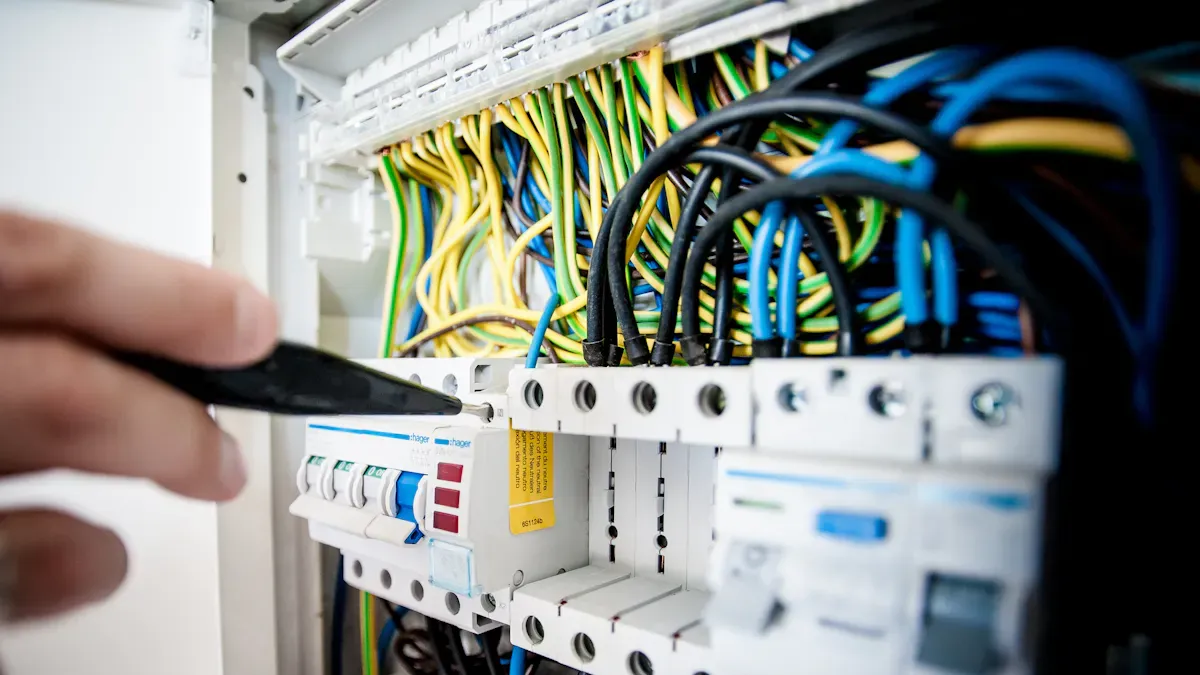
You have to use different ways to test TNV circuits. This helps make sure they are safe. Safety standards like UL/IEC 62368-1 and UL/IEC 60601-1 tell you how to do these tests. You can check insulation, see if current leaks, and measure the space between parts. Here is a table that shows some common ways to test:
Testing Method | Description |
|---|---|
Hipot Testing | Checks how strong the insulation is at different levels. |
Leakage Current Measurement | Measures how much current leaks through the insulation. |
Verification of Insulation | Makes sure the materials meet safety rules. |
Clearance and Creepage Check | Checks if the space between parts stops electricity from jumping. |
You should always use these tests to keep people and equipment safe.
Steps for Each Type
Each TNV circuit type needs its own testing steps. Here is what you do:
For TNV-1 circuits, measure voltage during normal use and when something goes wrong. Make sure voltage stays under SELV limits. Check if the circuit can handle surges from communication networks.
For TNV-2 and TNV-3 circuits, measure voltage and current with a 5000Ω resistor. If voltage is more than 42.4V (peak) or 60V (DC), use the formula Uac/70.7 + Udc/120 ≤ 1. Make sure voltage does not go over the limit, even if there is a problem.
TNV-3 circuits must handle surges from outside lines. TNV-2 circuits do not need to handle these surges.
Check the isolation between SELV, TNV-1, and metal parts. Make sure voltage does not go over the limit for TNV-2 and TNV-3 circuits.
These steps help keep your circuits safe and make sure you follow the rules.
Safety During Testing
You have to keep yourself and others safe when testing TNV circuits. Here are some safety tips:
Never work alone. Always have a buddy. Both people should know CPR.
Use insulation like glass, rubber, or plastic to cover wires.
Ground the equipment to stop voltage from building up.
Guard electric equipment so only trained people can touch it.
Use fuses and circuit breakers to stop too much current during problems.
Use nonmetal ladders and tools with insulation near live wires.
Train workers on safe ways to work and keep training them.
Tip: Always check your tools and safety gear before you start testing. Safety helps keep you and your team safe.
You now know that TNV-1, TNV-2, and TNV-3 circuits have different voltage limits and safety needs. TNV-1 is safest for general use. TNV-2 needs more insulation. TNV-3 handles the highest voltage and needs expert care. Proper testing keeps circuits within safe limits and helps prevent shocks or damage.
Always check voltage and insulation.
Use the right circuit for your job.
Follow safety rules and test often.
Tip: Regular testing helps you meet safety standards and keeps your network running safely for years.
FAQ
What does TNV stand for?
TNV means “Telecommunication Network Voltage.” You see this word in safety rules for circuits. These circuits connect to telecommunication networks.
Why do TNV circuits have different types?
There are different TNV types because each one deals with different voltage and risks. This helps you pick the right protection for your equipment. It keeps people safe.
Can you touch TNV-1 circuits safely?
Yes, you can touch TNV-1 circuits safely. These circuits use low voltage. They do not connect to outside lines. You do not need special tools or barriers.
How do you test a TNV-3 circuit?
You test a TNV-3 circuit by checking insulation. You measure voltage and make sure it can handle strong surges. Only trained technicians should test TNV-3 circuits. Always use safety gear.