Salta il cursore delle immagini
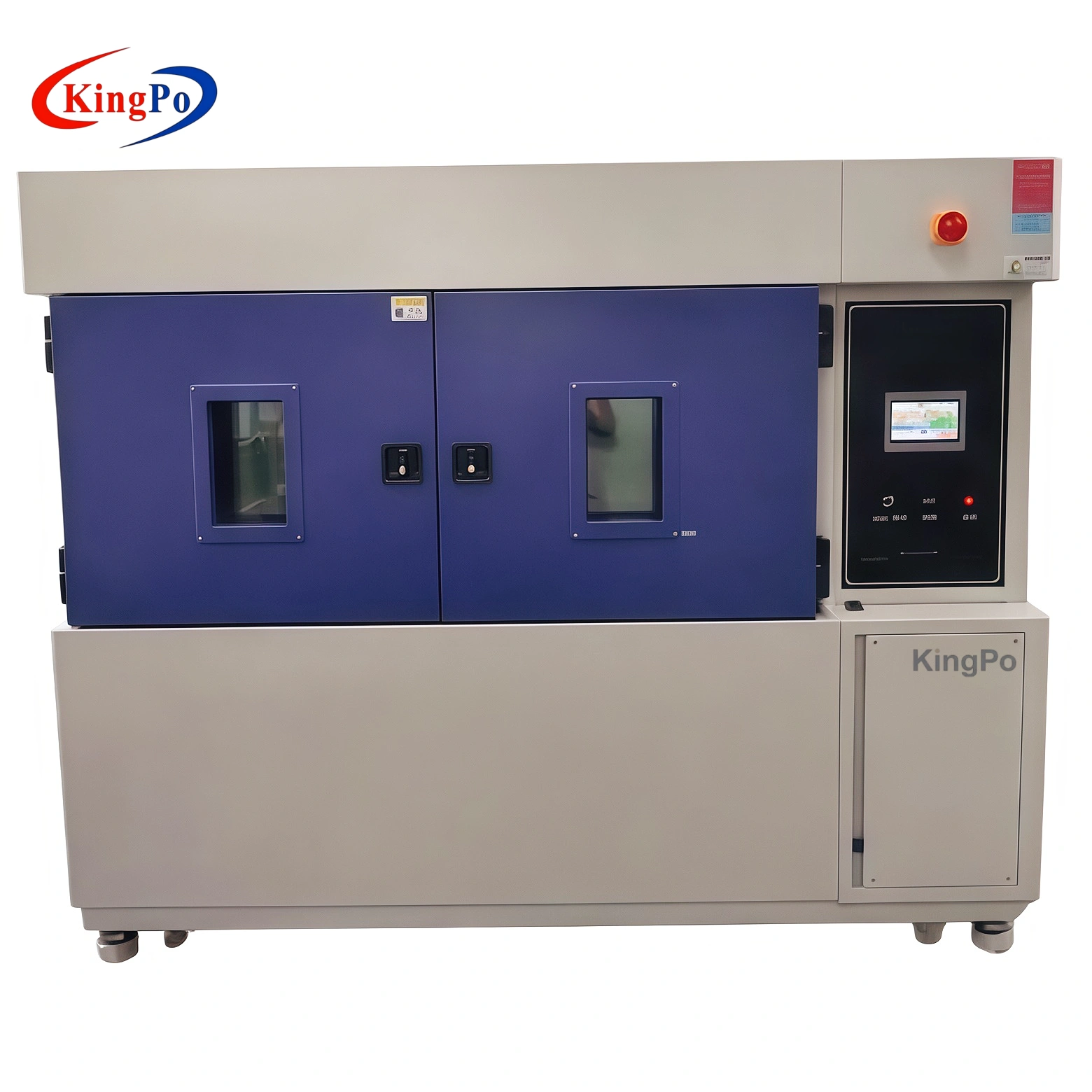
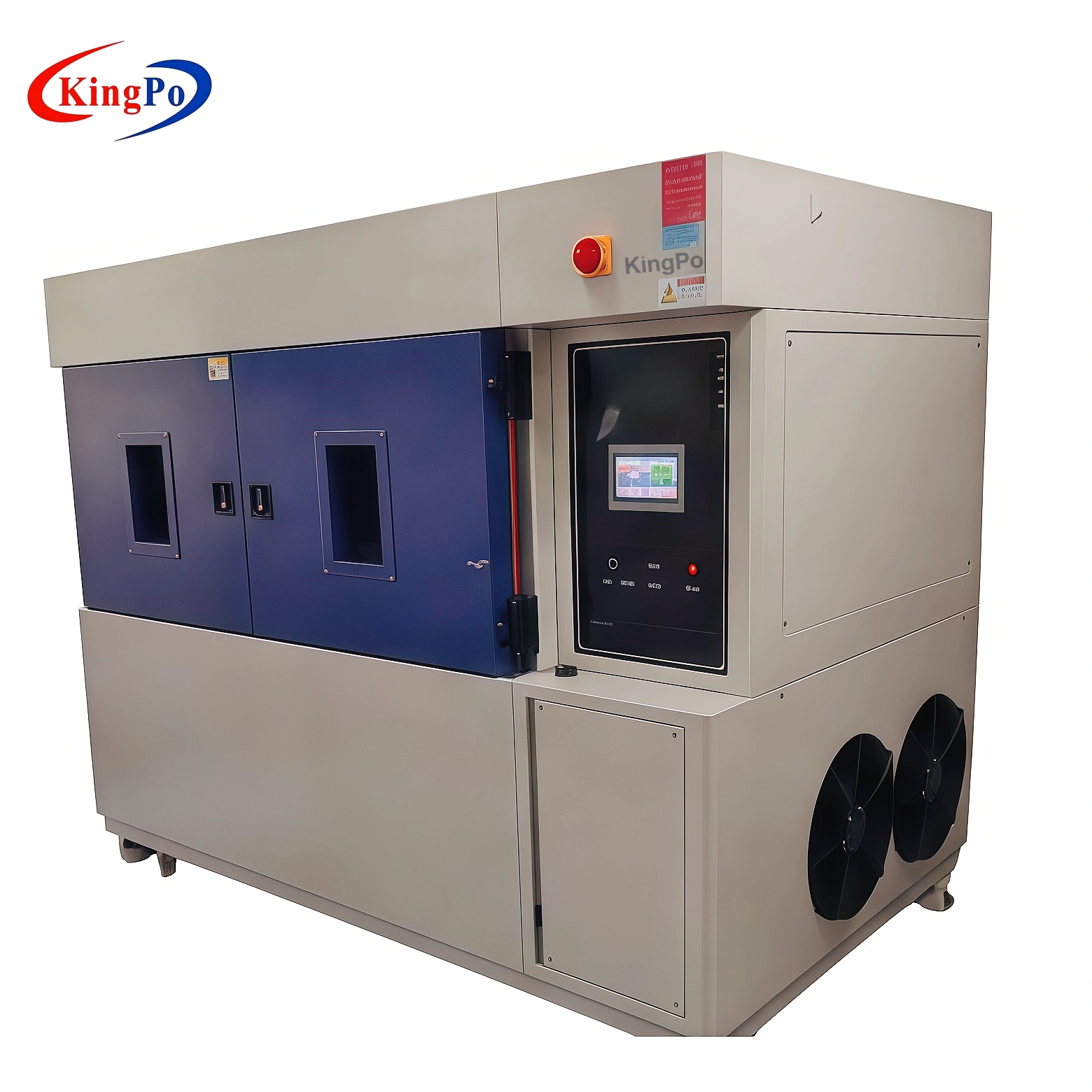
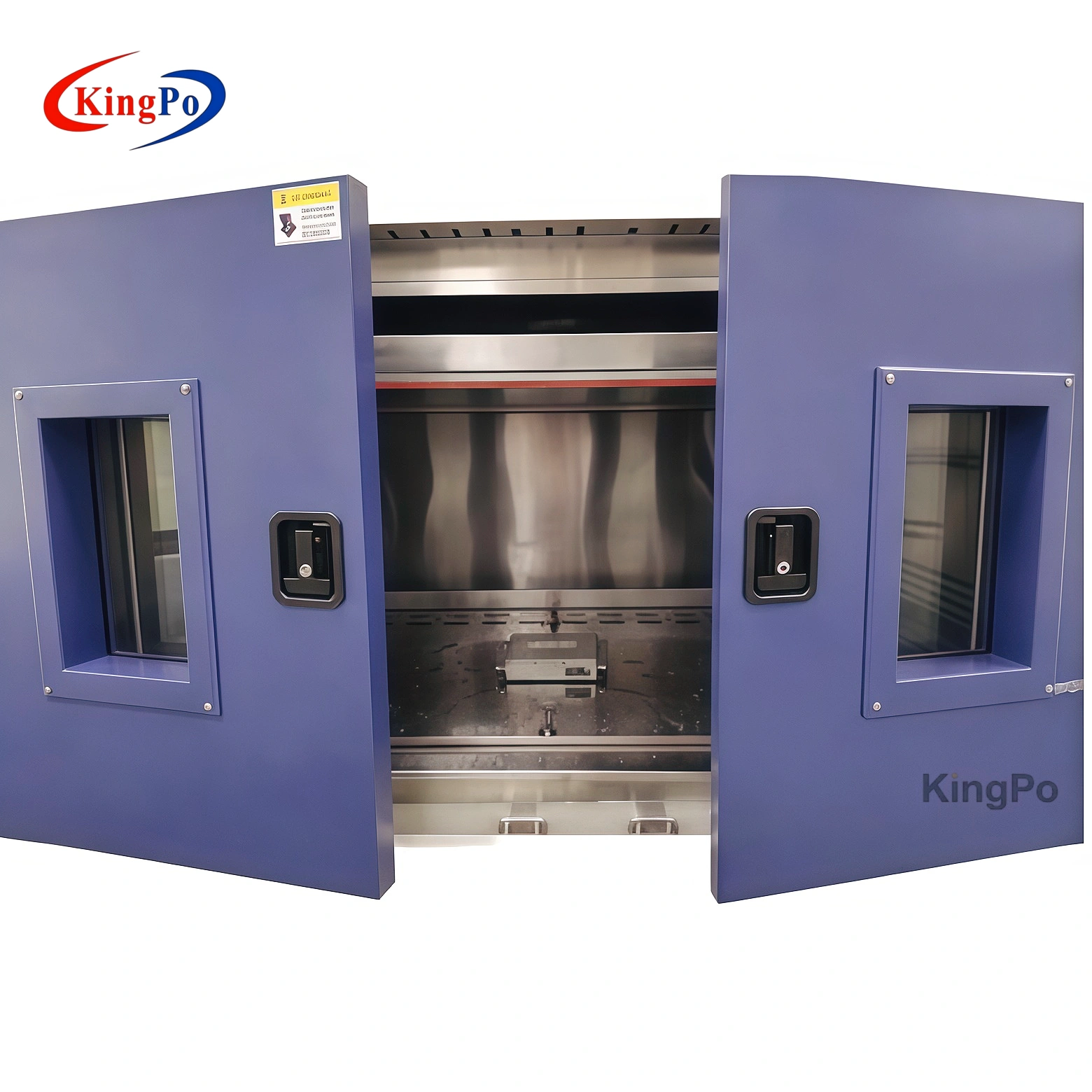
Camera di prova per shock termico – Apparecchiatura KingPo per test di shock termico con spruzzi di acqua ghiacciata per componenti automobilistici
Camera di prova per shock termico – Sistema di spruzzatura di precisione KingPo per la simulazione dello shock termico da acqua ghiacciata sui componenti del veicolo.
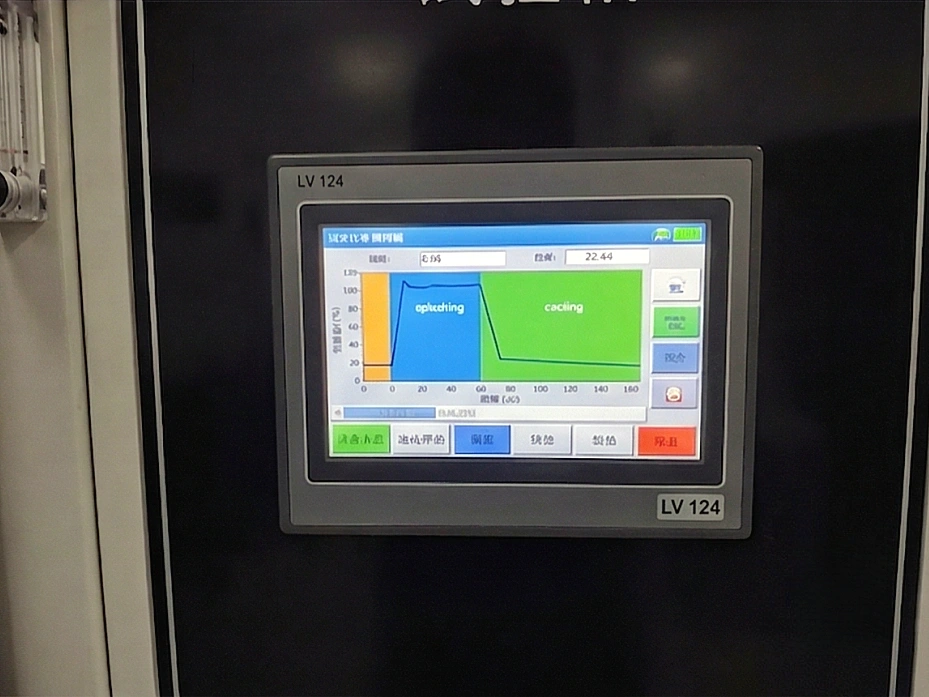
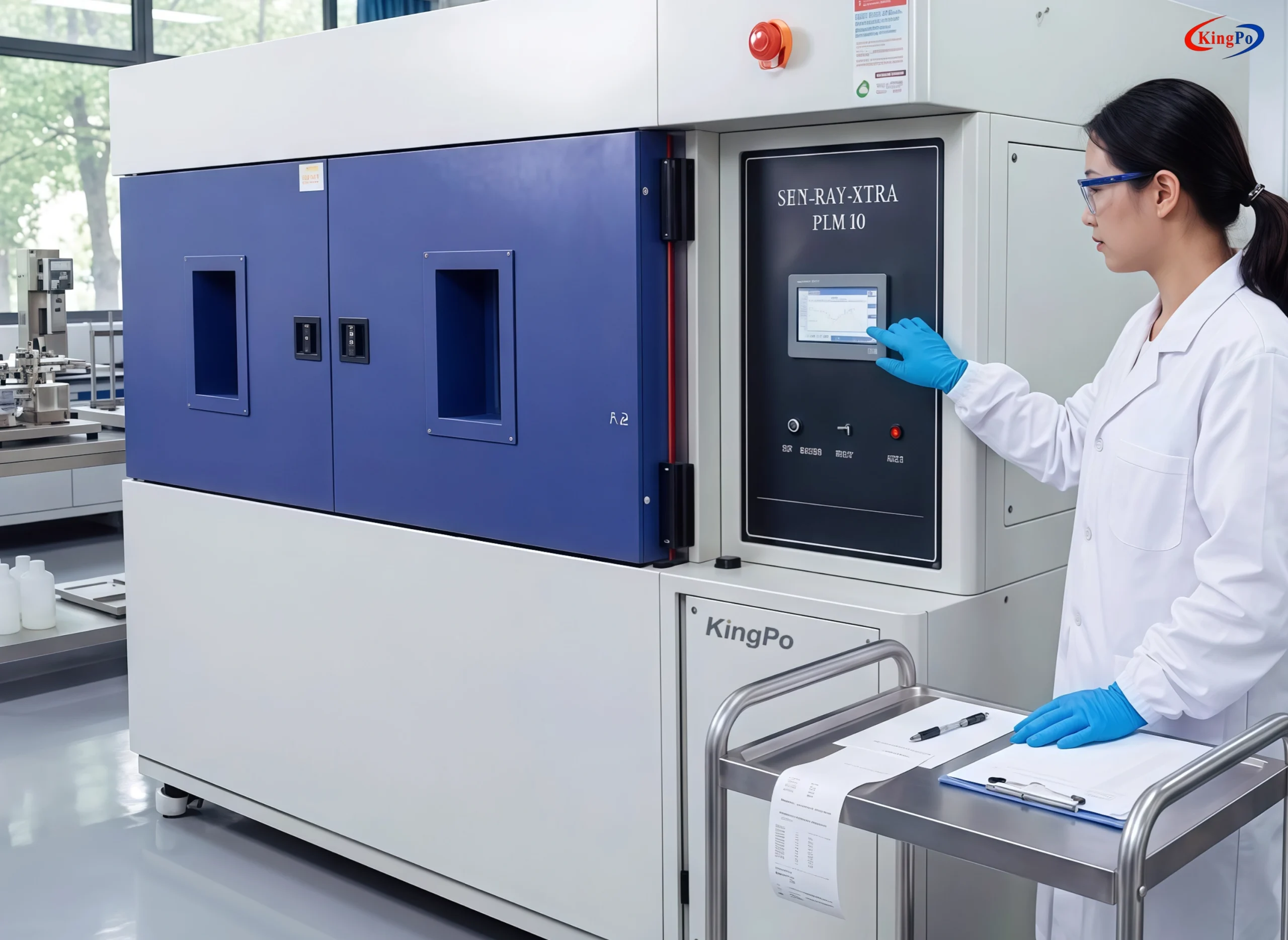
Pannello di controllo della camera di prova per shock termico – Touchscreen KingPo da 7 pollici con monitoraggio in tempo reale di temperatura, flusso e ciclo.
Camera di prova per shock termico – Camera robusta KingPo con piattaforma girevole per test di shock termico su componenti automobilistici

Camera di prova per shock termico – LV 124 K-12 Apparecchiatura per test di shock termico con spruzzi di acqua ghiacciata per componenti automobilistici

Camera di prova per shock termico – La camera di prova per shock termico con spruzzi di acqua ghiacciata LV 124 K-12 simula il raffreddamento improvviso tramite acqua ghiacciata su componenti automobilistici riscaldati per verificarne il funzionamento e l'integrità delle guarnizioni dopo lo shock termico.

  • Conformità standard: MBN LV 124-2 Clausola 14.11 – camera di prova per shock termico
  • Cicli di prova: 100 cicli (0–9999 preimpostabili)
  • Tempo di attesa al Tmax: 1 ora o fino a quando la temperatura del dispositivo in prova non si stabilizza
  • Durata della conversione: <20 s (conversione manuale tra temperatura di stoccaggio e temperatura di spruzzo)
  • Liquido di prova: Acqua di rubinetto contenente il 3% di polvere dell'Arizona in peso
  • Temperatura dell'acquaTemperatura: 0~+4°C
  • Flusso d'acqua: 3–4 L / 3 s (processo di getto)
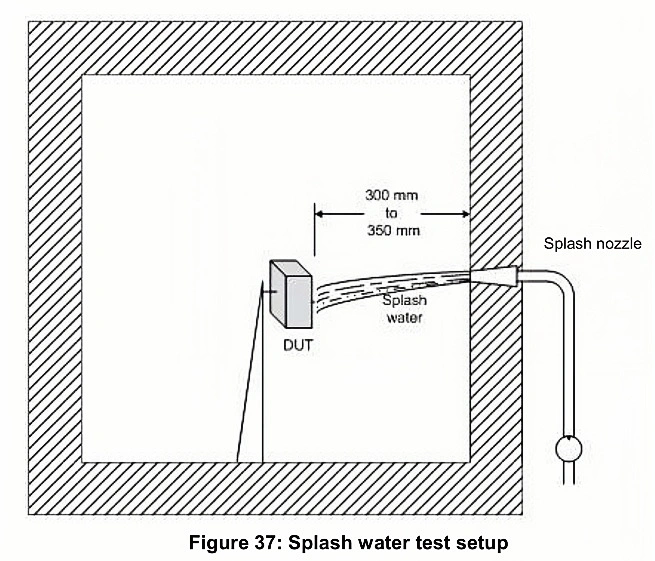
  • Distanza di spruzzo: 300–350 mm (la larghezza dello spruzzo supera la larghezza del dispositivo in prova)
  • Banco di prova: diametro φ60 cm, capacità di carico 50 kg, regolazione in altezza 20 cm
  • Sistema di controllo: PLC con touchscreen a colori da 7 pollici
  • MOQ: 1
  • Tempo di consegna: 40 giorni lavorativi

Descrizione della camera di prova per shock termico

Presentazione prodotto

Automotive electrical and electronic components may experience sudden temperature changes when cold water contacts surfaces heated by vehicle operation or elevated ambient temperatures. Such exposure can create thermal stress at material interfaces, potentially affecting component housings, seals, connectors and electrical functionality.

Migliori KingPo LV 124 K-12 Ice Water Splash Thermal Shock Test Chamber reproduces this environmental condition by combining controlled DUT heating with cold-water splash application. It is designed for thermal shock testing associated with LV 124 K-12 and the splash water test requirements referenced in MBN LV 124-2 Clausola 14.11.

The system integrates a heated chamber, ice water preparation and delivery equipment, an adjustable DUT test bench and PLC-based control. Programmable test cycles enable laboratories to conduct repeated thermal shock exposure for automotive component development, design verification and quality evaluation.

Specifiche tecniche

Test Conditions and Performance

Parametro Specificazione
Applicable Test Reference LV 124 K-12; MBN LV 124-2 Clause 14.11
Metodo di prova Thermal shock with splash water
Cicli di prova 100 (0–9999 presettable)
Tempo di attesa al Tmax 1 ora o fino a quando la temperatura del dispositivo in prova non si stabilizza
Durata della conversione <20 s (conversione manuale)
Specified Test Liquid Acqua del rubinetto contenente il 3% di polvere dell'Arizona in peso
Temperatura dell'acqua spruzzata 0 da ° C a + 4 ° C
Splash Water Volume 3–4 L per 3 s
Durata dello schizzo 3 s
Distanza tra ugello e dispositivo in prova 300–350 mm
Copertura spray Exceeds DUT width

Chamber Construction and Control System

Parametro Specificazione
Dimensioni della camera interna 1000 × 1000 × 1000 mm (D × W × H)
Dimensioni esterne ca. 1200 × 1500 × 1950 mm
Intervallo di temperatura di riscaldamento RT +10°C to +160°C
Chamber Interior Material Acciaio inossidabile SUS304
Test Bench Diameter Ø600 mm
Maximum Test Bench Load 50 kg
Regolazione dell'altezza del banco di prova 200 mm
Sistema di controllo PLC
Interfaccia operativa Touchscreen a colori da 7 pollici
Protezione di Sicurezza Leakage, overload, short-circuit and grounding protection
Alimentazione di laboratorio AC 380 V, 50/60 Hz (customizable; final configuration to be confirmed)

Specifications are based on the existing KingPo product configuration. Requirements outside the listed ranges or conditions should be confirmed before equipment selection.
KingPo LV 124 K-12 ice water splash thermal shock test chamber with heating chamber and external water cooling system for automotive component testing
KingPo LV 124 K-12 thermal shock test system with heating chamber and water cooling equipment.

Test Principle and Procedure

Ice Water Splash Thermal Shock

The K-12 test simulates exposure to cold water splashing onto heated automotive components, such as when a vehicle drives through puddles.

Rapid cooling produces a temperature difference between the exposed component surface and its internal structure. The resulting thermal expansion and contraction may affect material joints, sealing interfaces, protective housings and internal electrical assemblies.

The purpose of the test is to evaluate whether the DUT maintains the required functionality and physical integrity after repeated exposure to this thermal stress.

Typical Test Sequence

01   DUT Installation

Mount the device under test in the required orientation. Arrange electrical connections, fixtures and external monitoring equipment according to the applicable test specification.

02   Heating and Temperature Holding

Heat the DUT to the specified maximum test temperature (Tmax). The documented test program specifies a holding period of 1 hour or until the required DUT temperature condition is stabilized.

03   Ice Water Splash

Apply water at 0 da ° C a + 4 ° C through the spray nozzle. The documented splash condition is 3–4 L within 3 seconds, with a nozzle-to-DUT distance of 300–350 mm.

04   Cycle Repetition

Repeat the heating and splash exposure sequence for the required number of test cycles. The equipment supports a default program of 100 cycles and a programmable range of 0–9999 cycles.

05   DUT Evaluation

Inspect the component and assess its electrical, mechanical or functional condition according to the specified evaluation criteria. The required checks depend on the DUT and the applicable test plan.

Nota di ingegneria

Chamber air temperature and actual DUT temperature are not necessarily identical. DUT thermal mass, installation conditions and heat dissipation can affect the time required to reach the specified temperature. The required holding condition should be determined from the applicable test specification.

DUT Operating Conditions

The DUT operating state should reflect its intended vehicle operating conditions and the requirements of the relevant test specification.

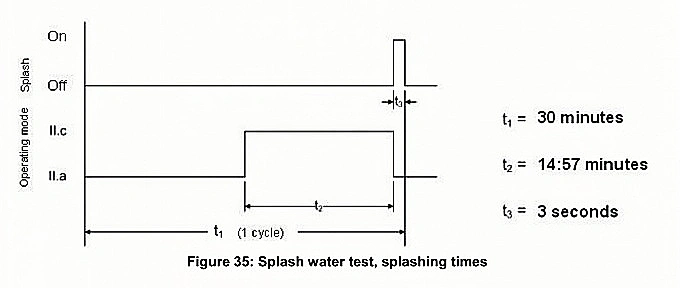
  • Operating mode II.a: Used throughout the test for components that are not operated under load during the specified driving condition.
  • Operating modes II.a and II.c: Alternated as specified for components that operate under electrical load during driving conditions.

Operating mode definitions and switching sequences should be verified against the customer’s required standard edition. External electrical supplies and monitoring instruments may be needed for energized DUT testing.

Architettura e componenti del sistema

The test system combines heating, controlled cold-water delivery, DUT positioning and programmable test control within an integrated environmental testing arrangement.

Camera di riscaldamento

The insulated heating chamber provides the elevated-temperature environment required before water splash exposure. The documented configuration has an internal workspace of 1000 × 1000 × 1000 mm and a heating temperature range of RT +10°C to +160°C.

La camera utilizza un Interno in acciaio inossidabile SUS304 with thermal insulation suitable for the intended operating conditions. The enclosed workspace accommodates the DUT, mounting fixtures and splash delivery arrangement.
Interior of KingPo LV 124 K-12 thermal shock test chamber showing stainless steel workspace and ice water splash test arrangement
Interior test workspace and splash water test arrangement.

Ice Water Preparation and Splash Delivery

The cold-water system prepares and delivers the liquid used for rapid cooling of the heated DUT. The equipment is specified for a splash water temperature of 0 da ° C a + 4 ° C and a delivery volume of 3–4 L per 3-second splash event.

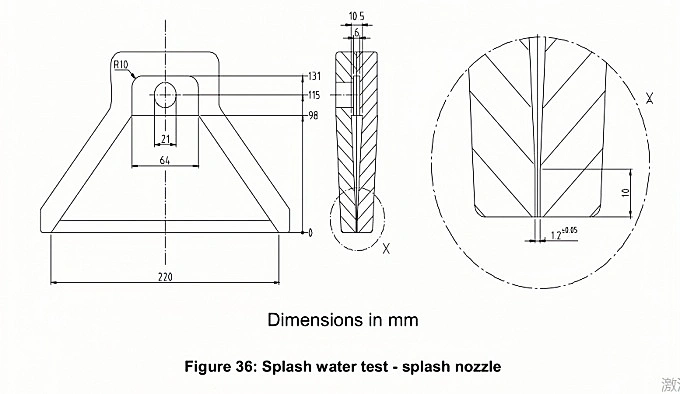
The spray nozzle is positioned at a distance of 300–350 mm from the DUT. The documented spray coverage is intended to exceed the width of the test specimen.

Actual coverage should be verified for the DUT geometry, mounting orientation and test fixture arrangement.

Adjustable DUT Test Bench

The chamber incorporates a circular specimen support platform with a diameter of 600 mm, a maximum documented load capacity of 50 kg and 200 mm of height adjustment.

The adjustable platform allows the specimen to be positioned relative to the splash nozzle. Fixture dimensions and spray clearance must be considered when determining the maximum usable DUT size.
KingPo automotive ice water splash thermal shock tester showing chamber construction and integrated control arrangement for LV 124 K-12 testing
Automotive ice water splash thermal shock test chamber and control arrangement.

PLC Control and Test Data Monitoring

Il sistema utilizza a PLC-based control system with a 7-inch color touchscreen for configuring test parameters and monitoring the thermal shock sequence.

Test Parameter Settings and Operation

The touchscreen provides access to the principal test settings, including chamber temperature, ice water temperature, splash volume, cycle count and operating times.

  • Impostazioni della temperatura: Chamber heating temperature, DUT temperature display and ice water temperature.
  • Splash Parameters: Water delivery volume and splash duration.
  • Controllo del ciclo: Preset test cycles and current cycle count.
  • Tempistiche della sequenza: Heating holding time, spray waiting time and post-splash timing.
  • Operating Controls: Heating, cooling, test start, test stop and alarm handling.
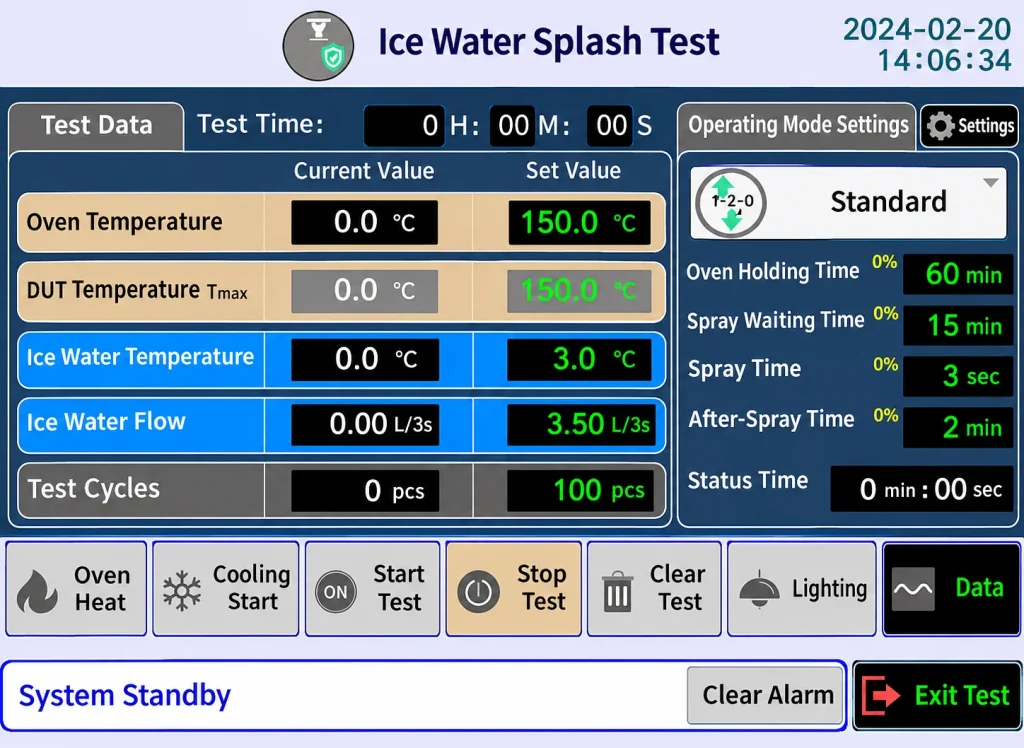
KingPo LV 124 K-12 ice water splash test chamber control interface displaying oven temperature, water temperature, splash flow and test cycle settings.
PLC touchscreen interface for setting heating temperature, splash water conditions, test timing and cycle parameters.

Temperature Curves and Test Monitoring

The monitoring interface provides graphical displays of the principal environmental test parameters.

Displayed channels include chamber temperature, ice water temperature, DUT temperature and splash water flow. These curves allow operators to observe changes in test conditions throughout the programmed sequence.

The temperature and flow displays support process monitoring. Evaluation of DUT electrical functionality may require external measurement equipment, depending on the component and its specified operating mode.
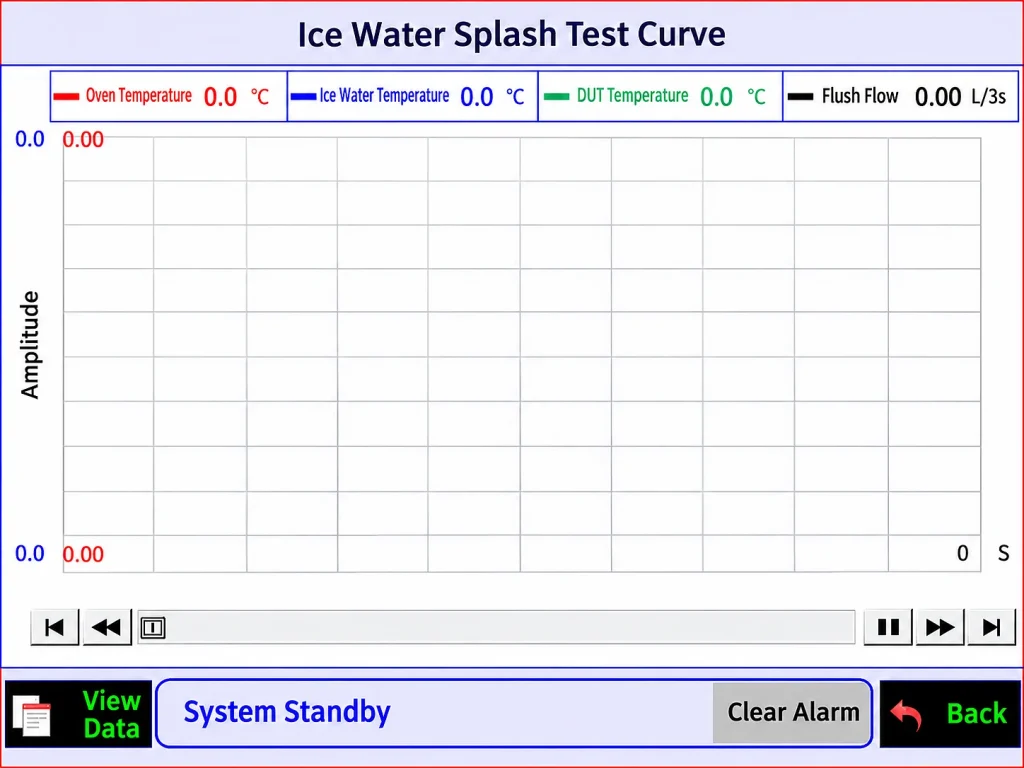
KingPo LV 124 K-12 thermal shock test chamber monitoring interface showing temperature curves and ice water splash flow data for automotive component testing.
Temperature and splash flow monitoring interface for observing thermal shock test conditions.

Norme applicabili e ambito di prova

The chamber is designed for automotive component testing involving rapid cooling by water splash. The relevant test requirements should be selected according to the standard edition specified by the vehicle manufacturer or component qualification program.

Referenze Relevant Test Applicazione dell'attrezzatura
LIV 124 K-12 — Thermal Shock With Splash Water Rapid cooling of heated automotive components through controlled water splash exposure.
MBN LV 124-2 Clause 14.11, as referenced in the existing KingPo specification Automotive electrical and electronic component testing under specified thermal shock and water splash conditions.

Test Conditions and Standard Interpretation

The original product specification identifies a test program involving heating to Tmax, cold-water splash exposure, a 3-second water delivery event and 100 test cycles.

Specifica inoltre tap water containing 3% Arizona dust by weight as the test medium. The liquid preparation, mixing and delivery arrangements must be confirmed for this particular test condition before implementation.

The precise operating mode, test liquid composition, exposure sequence and acceptance criteria should always follow the required standard edition and customer test plan.

Test Scope Clarification

The equipment is intended for the relevant ice water splash thermal shock test. This does not imply that the chamber performs every environmental test specified in LV 124 or MBN LV 124-2. Suitability for a particular test program depends on the required conditions and confirmed equipment configuration.

For further technical background, see the LV 124 K-12 thermal shock testing guide.

Test Setup and DUT Compatibility

Correct DUT installation is important for reproducing the intended splash exposure. The required mounting orientation, nozzle position and electrical operating state depend on the component and its applicable test specification.

DUT Dimensions and Mounting

The internal chamber dimensions are 1000 × 1000 × 1000 mm, with a circular test bench measuring 600 mm di diametro.

The available workspace must accommodate both the DUT and any required mounting fixture while maintaining sufficient clearance for the spray nozzle and water distribution.

Spray Direction and Coverage

The documented nozzle distance is 300–350 mm. The required splash direction and surface coverage should be determined from the component’s mounting arrangement and the relevant test requirements.

Large or irregularly shaped DUTs may require a specific fixture or nozzle arrangement to achieve the intended exposure.

Electrical and Functional Monitoring

When a DUT must remain electrically active, external power supplies, control signals and monitoring instruments may be necessary.

These connections should be arranged to avoid interference with the splash area and to allow the DUT to operate in the required test mode.

Chamber monitoring and DUT functional measurements serve different purposes. The latter must be defined according to the component’s electrical and performance requirements.

Applicazioni tipiche

The chamber is intended for automotive electrical and electronic components potentially exposed to water splash during vehicle operation.
Centraline elettroniche per autoveicoli

Environmental testing of ECU housings, electrical connections and assemblies exposed to rapid external cooling.

Sensori automobilistici

Evaluation of sensor assemblies and protective enclosures under specified thermal shock and splash conditions.

Electrical Connectors and Junction Assemblies

Investigation of sealing interfaces and potential electrical performance changes after cold-water exposure.

Automotive Electronic Modules and Actuators

Thermal shock evaluation of assemblies containing mechanical, electrical and polymer components.

R&D, Validation and Quality Laboratories

Use in design verification, component qualification, comparative testing and investigations of environmental failure mechanisms.

KingPo LV 124 K-12 ice water splash thermal shock test chamber for automotive electronic component environmental reliability testing
KingPo LV 124 K-12 ice water splash thermal shock test chamber for automotive component validation.

Conformità e garanzia normativa

Questa apparecchiatura è progettata e realizzata rigorosamente in conformità alla clausola 14.11 della norma MBN LV 124-2 per i test di shock termico con spruzzi di acqua ghiacciata su componenti automobilistici. Simula l'esposizione dei componenti agli spruzzi d'acqua, come avviene quando si attraversano pozzangole, garantendo così affidabilità e sicurezza a lungo termine nelle applicazioni automobilistiche.

Per una spiegazione tecnica dettagliata dei test LV 124, incluso il test di shock termico K-12 con spruzzi d'acqua, fare riferimento alla scheda informativa tecnica LV 124 pubblicata da Weiss Technik.

Richiesta di informazioni tecniche per la camera di prova per shock termico LV 124 K-12

To confirm whether the KingPo LV 124 K-12 Ice Water Splash Thermal Shock Test Chamber is suitable for your automotive component testing requirements, please provide the following information:

  • Standard applicabile: LV 124, MBN LV 124-2 or the required automotive OEM test specification, including its edition.
  • DUT Information: Component type, dimensions, mass, mounting orientation and available technical drawings.
  • Condizioni termiche: Maximum test temperature, holding time and required temperature stabilization method.
  • Splash Requirements: Water composition, temperature, volume, duration, nozzle distance and exposure direction.
  • Programma di prova: Required cycles, DUT operating modes and functional evaluation requirements.
  • Condizioni di laboratorio: Available power supply, installation space and any external DUT monitoring requirements.

KingPo Technology Development Limited can review the submitted test requirements and DUT drawings to determine the appropriate chamber arrangement, fixture requirements and applicable equipment configuration.

Visualizzazione dettagliata della camera di prova per shock termico

Domande frequenti sulla camera di prova per shock termico

Qual è lo scopo della camera di prova per shock termico?
Questa camera è progettata per simulare lo scenario reale di componenti automobilistici esposti agli schizzi d'acqua durante la guida attraverso le pozzanghere in inverno. Verifica che il componente mantenga la sua funzionalità dopo un raffreddamento improvviso dovuto all'acqua ghiacciata, valutando l'integrità delle guarnizioni, la resistenza alla dilatazione termica e il rischio di infiltrazioni d'acqua o crepe meccaniche causate da improvvisi sbalzi di temperatura.
Quanti cicli vengono eseguiti nel test standard?
Il test standard consiste in 100 cicli. Ogni ciclo prevede il riscaldamento del dispositivo in prova (DUT) alla temperatura massima specificata (Tmax), il mantenimento di tale temperatura fino al raggiungimento della stabilità, seguito da un getto di acqua ghiacciata della durata di 3 secondi.
Qual è la durata della conversione tra riscaldamento e spruzzatura?
Il passaggio dalla temperatura di stoccaggio alla temperatura di spruzzo si completa in meno di 20 secondi, replicando fedelmente l'effetto di raffreddamento brusco che si verifica nelle reali condizioni di guida.
A quale norma è conforme la camera di prova per shock termico LV 124 K-12?
L'apparecchiatura è pienamente conforme alla norma MBN LV 124-2 2013-08 Versione 2.2 Clausola 14.11, che rappresenta lo standard tedesco per i produttori di apparecchiature originali (OEM) del settore automobilistico per i test di shock termico con spruzzi di acqua ghiacciata sui componenti dei veicoli.
Qual è la durata della conversione tra riscaldamento e spruzzatura?
Il passaggio dalla temperatura di stoccaggio alla temperatura di spruzzo si completa in meno di 20 secondi, replicando fedelmente l'effetto di raffreddamento brusco che si verifica nelle reali condizioni di guida.
Quanti cicli vengono eseguiti nel test standard?
Il test standard consiste in 100 cicli. Ogni ciclo prevede il riscaldamento del dispositivo in prova (DUT) alla temperatura massima specificata (Tmax), il mantenimento di tale temperatura fino al raggiungimento della stabilità, seguito da un getto di acqua ghiacciata della durata di 3 secondi.
Qual è il tempo di mantenimento alla temperatura massima?
Il dispositivo in prova viene mantenuto alla temperatura massima (Tmax) per 1 ora o fino a quando la temperatura interna non si stabilizza completamente, garantendo che il componente raggiunga l'equilibrio termico prima della fase di raffreddamento improvviso.
Qual è la composizione del liquido di prova?
Il liquido di prova è acqua di rubinetto miscelata con il 3% in peso di polvere dell'Arizona. Questa miscela simula i contaminanti stradali realistici e fornisce una valutazione più rappresentativa delle prestazioni della guarnizione in condizioni di schizzi di acqua sporca.
Qual è la portata dell'acqua durante il processo di spruzzo?
La portata è di 3-4 litri ogni 3 secondi (processo a getto), con una larghezza di spruzzo progettata per superare l'intera larghezza del dispositivo in prova, al fine di garantire una copertura completa.
Qual è l'intervallo di temperatura dell'acqua durante gli schizzi?
La temperatura dell'acqua viene rigorosamente controllata tra 0 °C e +4 °C per simulare l'acqua gelida degli spruzzi invernali, un aspetto fondamentale per test accurati di shock termico.

Prodotti Correlati

Related News

CASO DI SUCCESSO KINGPO / TEST AUTOMOTIVE Un sistema di test di sospensione di polvere KP-JIS27-1500 configurato per la polvere di componenti elettrici ed elettronici automobilistici […]

Scegli la camera di prova per immersione in acqua IPX8 più adatta alle tue esigenze, concentrandoti su conformità, affidabilità e caratteristiche che corrispondano ai requisiti di resistenza all'acqua del tuo prodotto.
Il test di impermeabilità IPX8 verifica che i prodotti resistano all'immersione continua in acqua, in conformità con gli standard IEC 60529 e ISO 20653 per prestazioni affidabili.

Punti chiave Una camera di prova professionale per gli spruzzi d'acqua simula accuratamente pioggia, schizzi d'acqua e shock termico ghiaccio-acqua, garantendo che i prodotti soddisfino i requisiti […]

Riepilogo/Sommario tecnico La nostra camera di prova per shock termico LV 124 K-12 è una camera specializzata per test di shock termico con spruzzi di acqua ghiacciata […]

Le apparecchiature di test IP di KingPo verificano la resistenza dei prodotti alla polvere e all'acqua, garantendo sicurezza, affidabilità e conformità agli standard di settore.

Riassunto/Sintesi tecnica Una camera di prova professionale per la pioggia nebulizzata è l'attrezzatura essenziale per condurre i test di impermeabilità automobilistica JIS D0203 […]

Le classificazioni IP e lo standard IEC 60529 definiscono la protezione delle apparecchiature contro polvere e acqua, garantendo sicurezza, conformità e idoneità per diversi ambienti.
Scorrere fino a Top

Ottieni subito un preventivo gratuito!

Modulo di Contatto
In caso di domande, non esitare a contattarci.